Reviewed · TEA CEREMONY & MATCHA
Tokyo: Private Japanese Traditional Tea Ceremony
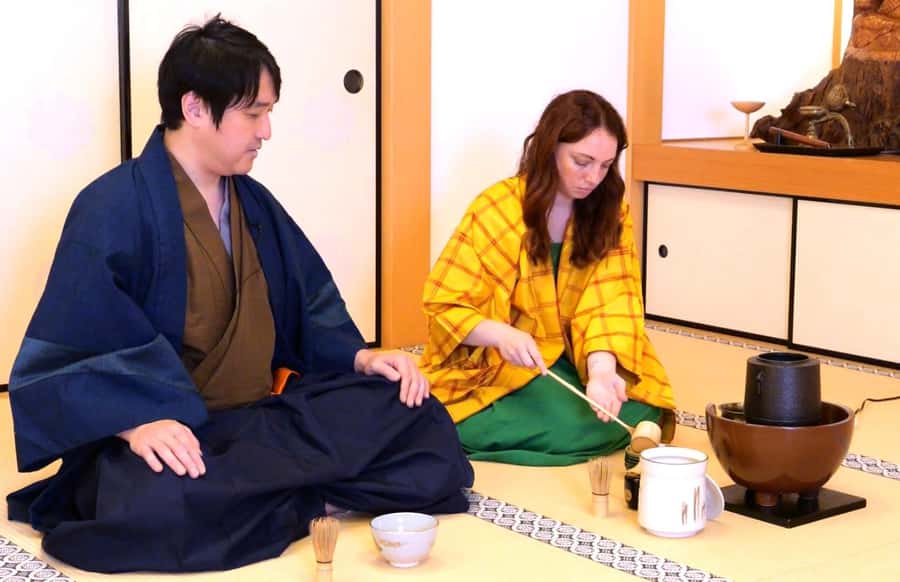
A tea ceremony at 1,200-year-old Koboji Temple gives you a quiet hour in Tokyo that feels far removed from the city’s usual rush. In a 24-mat tatami room, a kimono-clad teishu explains the tools, gestures, and manners behind matcha preparation, then guides you as you make tea yourself.
In This Article
- Key points to know before you book
- A quiet hour inside Koboji Temple
- What happens during the 60-minute ceremony
- Why the temple and tatami room matter
- English guidance and the role of the tea master
- Kimono and Oshima Tsumugi: read the fine print
- Is $74 a fair price for one hour?
- Who will enjoy this most?
- Practical booking advice
- Should you book this tea ceremony?
- FAQ
- Where does the tea ceremony take place?
- How long does the experience last?
- Does the activity begin and end at the same place?
- Is the ceremony private?
- Is English available?
- Will I make my own matcha?
- Are Japanese sweets included?
- Is a full meal included?
- Is kimono dressing included in the basic price?
- Can I cancel for a refund?
I like the clear English guidance and the chance to taste both matcha and wagashi, rather than simply watching a formal performance. I also like the small-group format, which leaves room for questions about the tea and the Buddhist temple.
The main caution is value. At $74 per person, the session is not cheap for 60 minutes, and one account found it lasted closer to 45 minutes. Also, kimono dressing is an optional add-on, not automatically included, so check exactly what you are booking.
Key points to know before you book
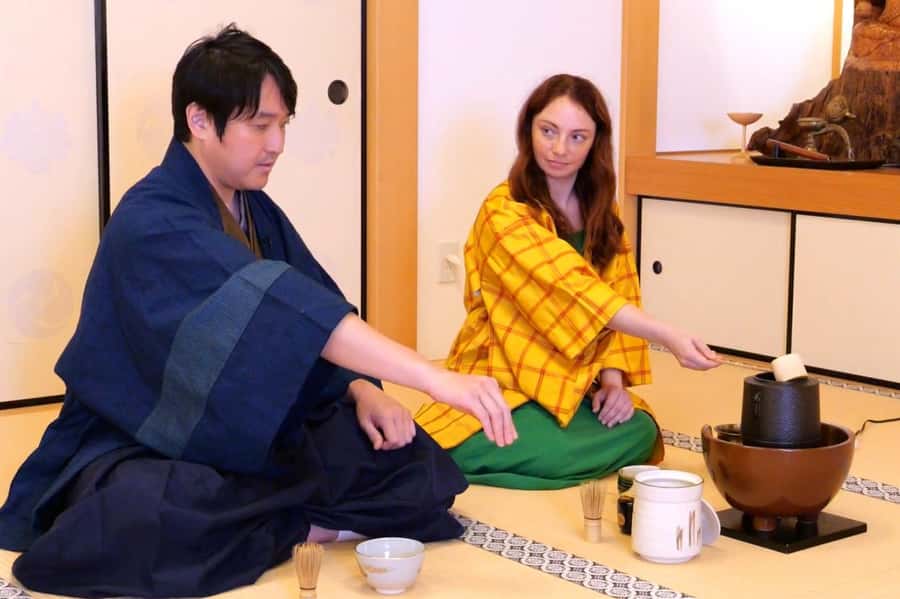
- A 1,200-year-old temple setting: The ceremony takes place at Mita Koboji Temple, not in a modern studio.
- You make tea yourself: The master explains the process, then helps you prepare matcha by hand.
- English and Japanese guidance: The activity is designed to be understandable to foreign visitors, though English fluency may vary by host.
- Matcha comes with wagashi: Traditional Japanese sweets are included, but no meal is provided.
- Kimono dressing costs extra: Traditional kimono and Oshima Tsumugi haori options are available, but the photos can make this look included when it is not.
- Plan for about an hour: The stated duration is 60 minutes, though one participant experienced a shorter session.
A quiet hour inside Koboji Temple
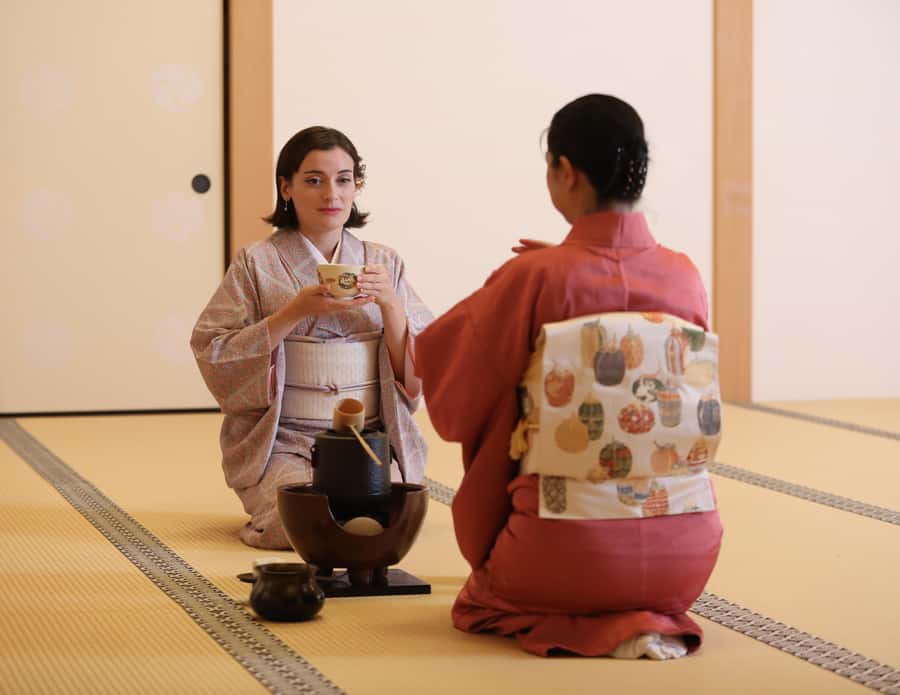
Tokyo is full of grand sights, but many of its best cultural moments are small and carefully paced. This ceremony is one of them. You meet at Mita Koboji Temple and enter an authentic tatami room with space for 24 mats. The room itself helps set the tone: shoes and city noise give way to floor-level seating, measured movements, and the soft ritual of whisking tea.
Koboji is described as a 1,200-year-old temple, which gives the activity a stronger sense of place than a generic tea demonstration. You are not simply learning how to make a powdered drink. You are being introduced to a practice tied to Buddhist ideas, samurai culture, hospitality, and attention to small details.
The ceremony originated in samurai society and was once treated as a high form of entertainment. That background matters because the ritual is not meant to be rushed. Each utensil, bow, turn, and hand movement has a purpose. You do not need to know the rules before arriving. The host explains them as you go.
This is a good choice if you want a cultural activity that slows your schedule down. It is less suitable if you want a full meal, a long temple tour, or a broad introduction to Japanese history.
A few more Tokyo tours and experiences worth a look

What happens during the 60-minute ceremony
The session begins with an explanation of tea ceremony customs and the items used to prepare and serve matcha. The tea master introduces the utensils and shows you how the ceremony unfolds. For first-time participants, this introduction is important. Japanese tea etiquette can look mysterious if you are only watching from the side, but the explanations give each movement a reason.
You then take part in the process. The host guides you as you prepare your own matcha, allowing you to try the whisking and serving steps rather than sitting through a performance. Afterward, the master makes tea for you as well. This two-part format is one of the strongest features of the activity: you learn by doing, then watch an experienced hand perform the same task with greater control.
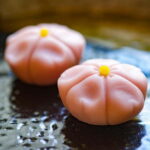
The matcha is served with wagashi, traditional Japanese sweets. These sweets are not a separate meal, so arrive having eaten if you need something substantial. Their role is to balance the bitter, grassy taste of matcha and to show how tea and seasonal confectionery work together.
Some sessions may also include the chance to make Japanese sweets. That detail appeared in one account, but it is not listed as a guaranteed part of the standard inclusion, so I would not book this activity specifically for confectionery making.
The stated length is 60 minutes. One participant felt the actual ceremony lasted about 45 minutes, so allow an hour in your schedule but keep your expectations flexible. The activity ends back at the temple meeting point.
Why the temple and tatami room matter
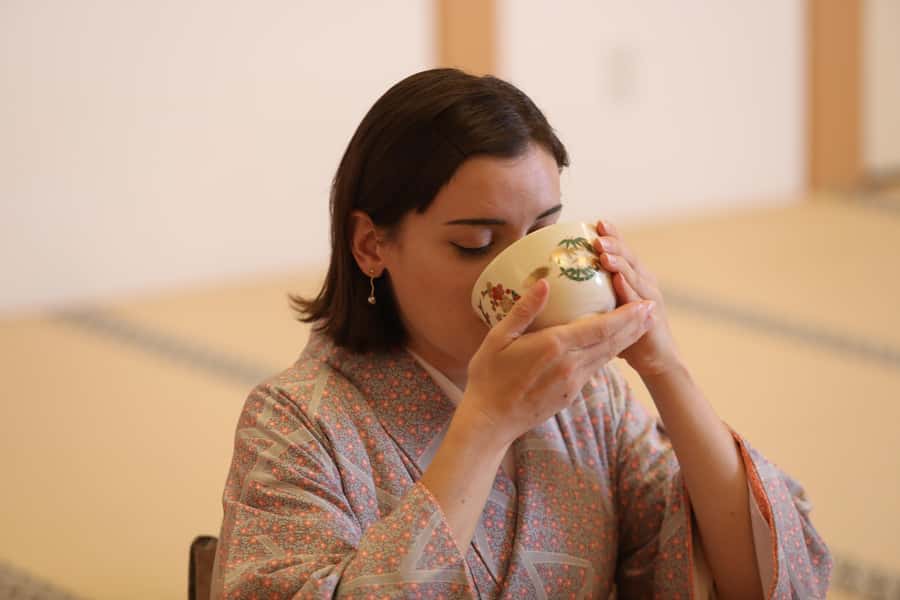
A tea ceremony depends on setting. In a busy café, you can taste matcha, but it is harder to understand the quiet rules around it. At Koboji, the tatami room provides the proper surroundings for sitting, observing, and taking part.
The 24-mat room is large enough to feel like a genuine ceremonial space, while the private or semi-private format should keep the occasion from becoming a crowded show. The exact group size is not stated, so you should not assume the session will be one-on-one. Still, the format allows more personal attention than a large public demonstration.
The temple setting also gives you a useful connection between the tea ceremony and Japanese religious culture. The activity does not promise a full temple history tour, but questions about the tea and temple can be answered during the session. That makes this more than a photo stop.
I especially like the way the ceremony uses silence and repetition. You may not understand every cultural layer in an hour, but you can appreciate why the host handles each bowl, scoop, and whisk with care. It is a lesson in manners and concentration as much as a lesson in tea.
English guidance and the role of the tea master
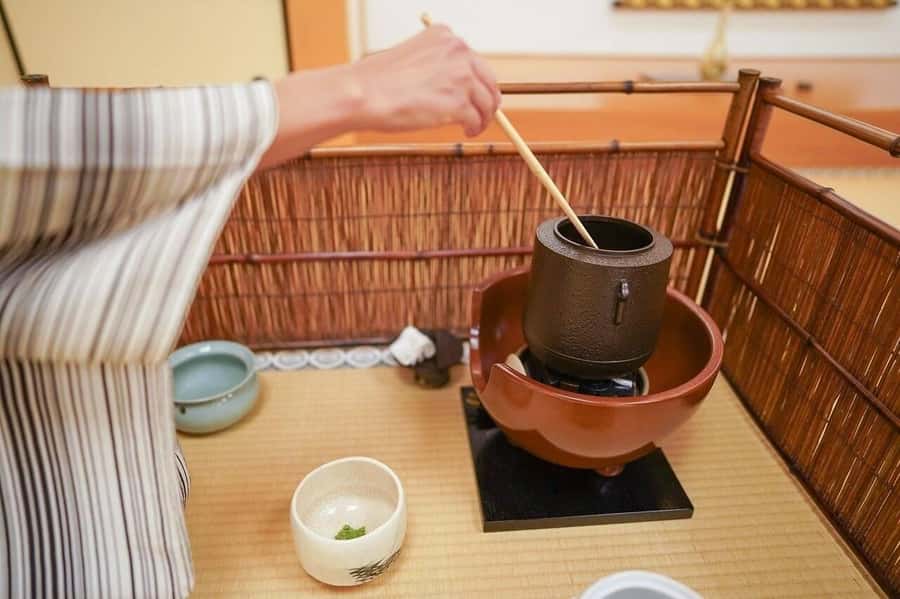
English and Japanese instruction is available. The host explains the ceremony, demonstrates the etiquette, and guides you through the practical steps. Several people found the explanations clear and said the host was kind, attentive, and willing to answer questions.
The tea master is described as a kimono-clad teishu, but no personal name is provided. That means you should not expect to choose a particular guide. English ability may also vary. One participant found the English less strong than expected, although the ceremony itself still worked well.
For the best result, watch the demonstration closely and do not worry about getting every gesture perfect. The point is participation, not an examination. If you have questions, ask them during the explanations. This is also the right moment to ask about the tea, the utensils, the temple, or the meaning of a particular action.
The activity is specifically recommended for foreigners interested in Japanese culture. That does not mean you need prior knowledge. It means the format is built to explain customs that might otherwise be difficult to read from observation alone.
Kimono and Oshima Tsumugi: read the fine print
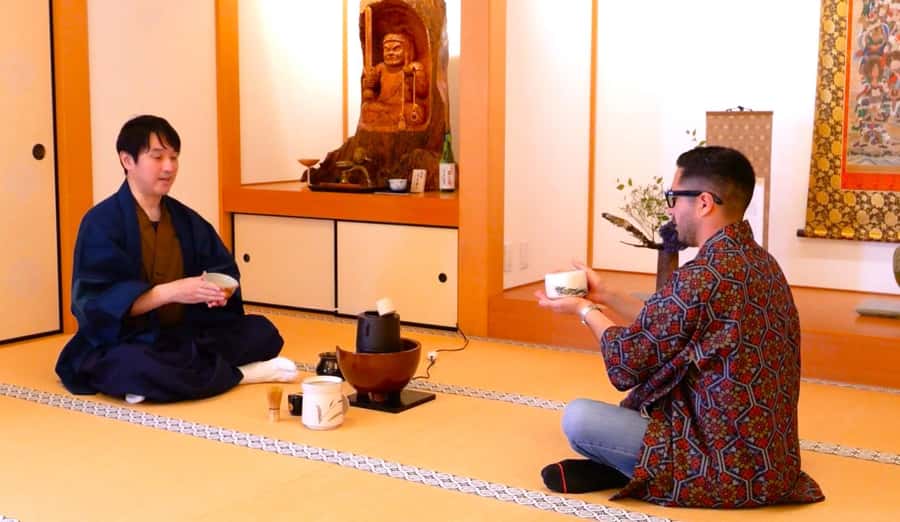
The optional clothing add-ons can make the occasion more memorable, especially if you want formal photographs. A certified kimono master can dress you in a traditional kimono or in an Oshima Tsumugi haori.
Oshima Tsumugi is a luxurious silk textile known for mud-dyed color, kasuri patterns, and a light, supple feel. The haori offers a more unusual way to experience Japanese dress, particularly if you are interested in textiles and craftsmanship.
You do not need to bring special clothing. The dressing is designed to be done comfortably over a T-shirt or with a kimono undergarment, and you can arrive as you are. That makes the add-on fairly practical for visitors who have not planned a full formal outfit.
But pay attention to the booking choice. One participant selected the ceremony partly because the photographs suggested kimono dressing was included, then found that it was not part of the basic session. That was a major disappointment. The photos may show the optional clothing, but you should treat kimono dressing as an extra purchase unless your reservation clearly says otherwise.
If photographs are your main reason for booking, confirm the clothing option before paying. If the ceremony itself is your priority, you can enjoy the tea without dressing up.
Other private tours in Tokyo





Is $74 a fair price for one hour?
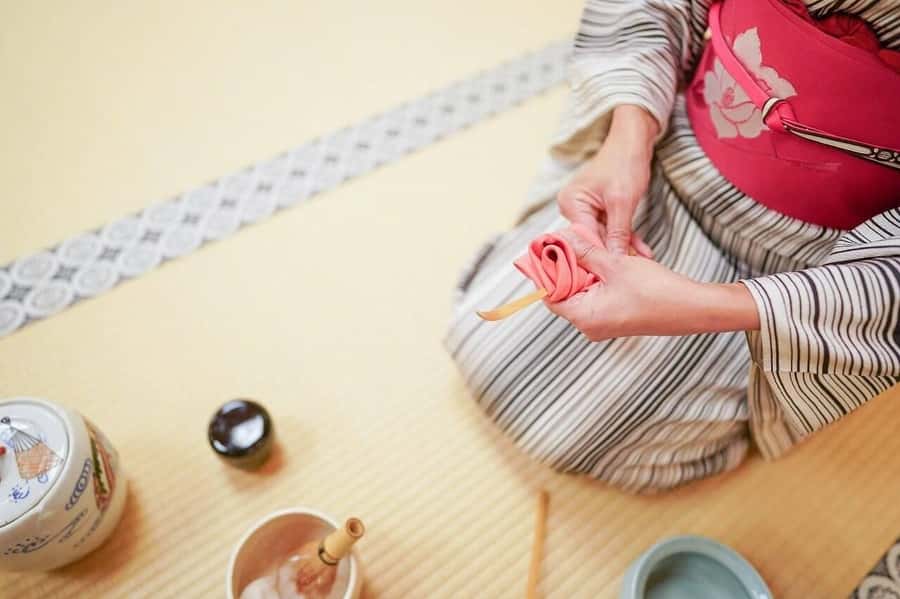
At $74 per person, this is a premium short activity. The price covers a guided cultural lesson, matcha, wagashi, the temple setting, and access to a private or semi-private ceremony. You are paying for instruction and atmosphere, not for quantity of food or a long sightseeing program.
I find the value reasonable for someone who wants a structured introduction to tea ceremony and would otherwise struggle to find an English-friendly setting. The chance to make your own matcha is more satisfying than simply watching a master prepare it. The old temple and proper tatami room also add something that a casual tea tasting cannot provide.
The value is weaker if you measure the booking by duration alone. One participant called the cost excessive, especially for a session shorter than the advertised hour. Another felt the experience was underwhelming for the price. Those concerns are fair, particularly for budget-conscious visitors or anyone expecting a substantial cultural tour.
The best way to judge the price is to ask what you want from the hour. If you want a calm, guided ritual with photos, instruction, and a historic setting, the fee may fit your plans. If you only want to drink matcha and eat a sweet, you can likely find cheaper options elsewhere in Tokyo, though they may not offer this temple setting or personal instruction.
Who will enjoy this most?
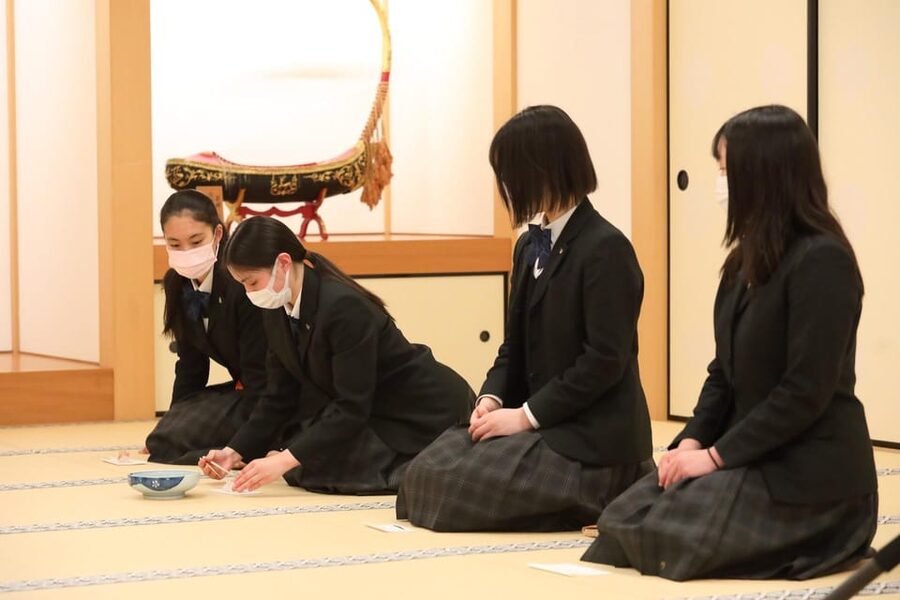
I would recommend this ceremony to first-time visitors who want an approachable cultural activity. The English explanation removes much of the guesswork, and you are encouraged to take part rather than remain a silent observer.
It also suits couples, families with an interest in Japanese customs, and anyone looking for a slower break between Tokyo’s larger attractions. The small-group setting should be more comfortable for asking questions and taking photographs than a large public event.
Textile enthusiasts may want to add the Oshima Tsumugi option. It gives you a chance to learn about a distinctive silk fabric while adding a more formal look to the ceremony.
This is less suited to anyone who dislikes sitting on tatami, though the supplied information does not describe the seating arrangements beyond the authentic tatami room. It is also not the right choice if you expect lunch, a long temple visit, or guaranteed kimono dressing.
Practical booking advice
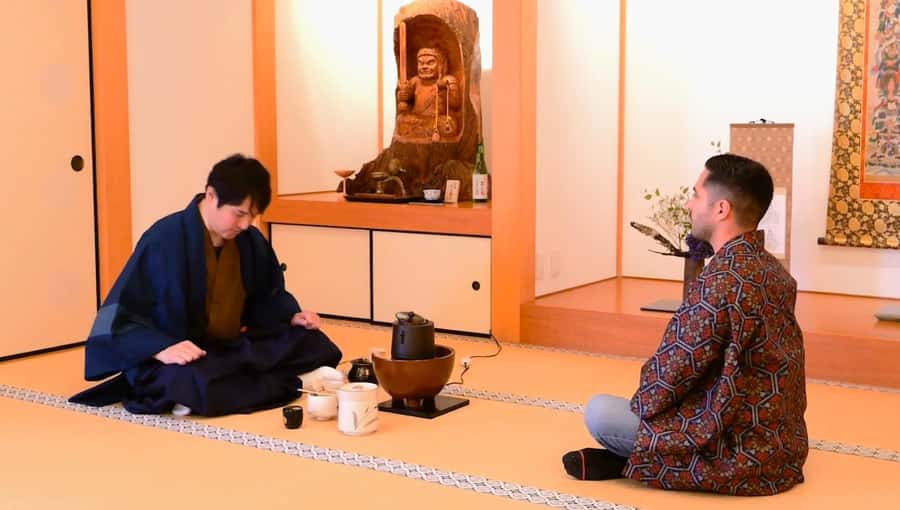
Set aside about an hour at Mita Koboji Temple and make sure you know where the meeting point is before arriving. The activity begins and ends there, so no separate transport is included or required within the experience itself.
Wear something that allows you to sit comfortably. If you select a clothing add-on, the kimono master can dress you over a T-shirt or with a kimono undergarment. You do not need to bring equipment.
The standard inclusion is matcha and traditional sweets. Other meals are not included, so do not arrive expecting a full snack service.
You can reserve now and pay later, which helps if your Tokyo schedule is still shifting. Cancellation is allowed up to 24 hours in advance for a full refund. The provider is Pineapple Co., Ltd.
Should you book this tea ceremony?
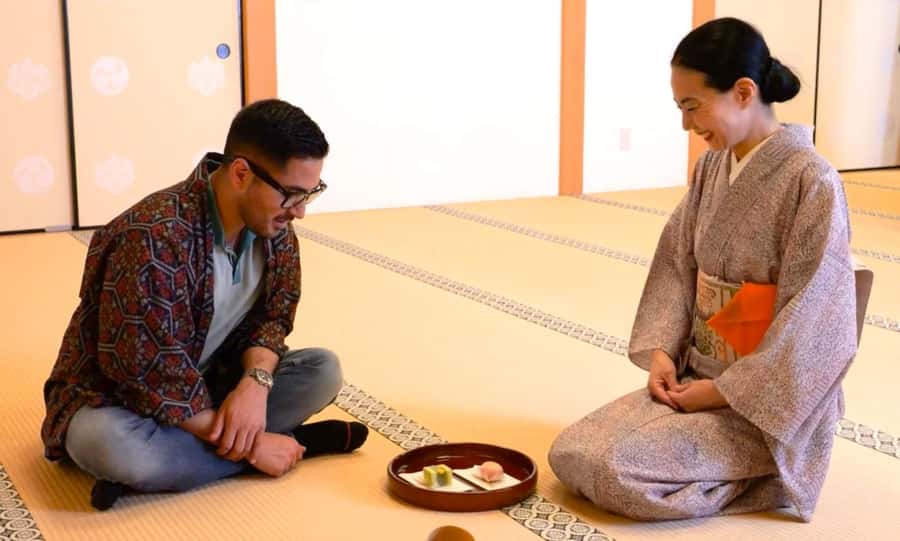
Book it if you want a calm, hands-on introduction to Japanese tea culture in an old temple, and if English guidance matters to you. The strongest reasons are the chance to prepare your own matcha, the carefully explained etiquette, the wagashi, and the peaceful 24-mat tatami room.
Think twice if $74 feels high for an hour, if you want a full meal, or if the kimono photos are the main attraction. Confirm the clothing add-on and keep the possible shorter duration in mind.
For the right person, this is a thoughtful cultural pause in Tokyo, not a quick tasting. Go for the ritual, the setting, and the chance to learn. Treat the costume and photographs as optional extras, not as the heart of the booking.
FAQ
Where does the tea ceremony take place?
The activity takes place at Mita Koboji Temple in Tokyo, on Honshu.
How long does the experience last?
The stated duration is 60 minutes. One participant reported that the session lasted closer to 45 minutes.
Does the activity begin and end at the same place?
Yes. It starts at Mita Koboji Temple and ends back at the meeting point.
Is the ceremony private?
It is described as a private or semi-private experience. The exact group size is not specified.
Is English available?
Yes. Guided activity is available in English and Japanese.
Will I make my own matcha?
Yes. The tea master guides you through preparing tea yourself, and then makes additional tea for you.
Are Japanese sweets included?
Yes. Traditional wagashi are included with the matcha.
Is a full meal included?
No. The experience includes matcha and Japanese sweets only. Other meals are not included.
Is kimono dressing included in the basic price?
No. Traditional kimono and Oshima Tsumugi haori dressing are optional add-ons. Check your selected booking before paying.
Can I cancel for a refund?
Yes. You can cancel up to 24 hours in advance for a full refund.
More Private Tours in Tokyo
More Tea Ceremony & Matcha in Tokyo


More tours in Tokyo we've reviewed






Tea Ceremony & Matcha, compared.
 ★ 5.0Matcha Making Class in Tokyo with Authentic Japanese Sweets SetFrom $21
 ★ 5.0Kimono Tea Ceremony at Tokyo, Asakusa MaikoyaFrom $55
 ★ 5.0Tokyo: Traditional Tea Ceremony with a Tea MasterFrom $381 hour
 ★ 4.5Dynamic Tokyo: Tokyo Tower, Tea Experience, Bay Cruise Day TourFrom $99
 ★ 4.9Tokyo: Matcha Making Experience with Mochi Sweets in AsakusaFrom $221 hour
 ★ 4.7Tokyo: Matcha and Kimono ExperienceFrom $57