Reviewed · WALKING TOURS
Private Walking Tour to explore Tokyo based on your interests
Tokyo is easiest to understand when you connect its big sights with ordinary street life. This private walking tour lets you do that, pairing places such as Edo Castle ruins and Senso-ji Temple with local districts, food stalls, and frank conversation about Japanese customs and society.
In This Article
- Key things to know before you book
- A private Tokyo day instead of a fixed sightseeing route
- Edo Castle ruins and the East Gardens
- Kagurazaka, where old Tokyo meets France
- Senso-ji and the customs behind the photos
- Ueno Park and Tokugawa power
- Meiji Shrine and the making of modern Japan
- Tsukiji Jogai Market for food and small purchases
- Takeshita Street and Tokyo’s young style
- What the guide adds to the day
- Time, walking, transport, and cost
- Who should book this Tokyo walking tour?
- Should you book it?
- FAQ
- How long does the private Tokyo walking tour last?
- Is the tour private?
- Can I customize the route?
- Is hotel pickup available?
- Are transportation costs included?
- Are food and drinks included?
- Is lunch included if the tour covers midday?
- What happens if bad weather cancels the tour?
I like the freedom to build the day around your interests, and I like the chance to ask questions that a standard sightseeing tour may skip. Guides such as Akiko can also help you read small cultural details, explain differences between temples and shrines, and suggest what to do next.
The main drawback is the amount of walking and the extra cost of getting around. The listed price is $0.00, but transportation, food, drinks, and lunch are not included, so confirm the final charge and plan before booking.
Key things to know before you book
- You choose the focus: Build a 4 to 8-hour private tour around history, food, shopping, youth culture, or daily life.
- The guide shapes the experience: Akiko is named in the feedback, with strong English and a friendly, flexible approach.
- Tokyo’s eras meet in one day: See Tokugawa power, Meiji Japan, old temple customs, and modern Harajuku culture.
- Food is part of the fun, not part of the price: Tsukiji offers tastings and shopping, but you pay for personal purchases.
- You pay for transport yourself: The stops are spread across Tokyo, so train or subway costs and travel time matter.
- It is a true private outing: Only your group takes part, making it easier to adjust the pace and ask direct questions.
A private Tokyo day instead of a fixed sightseeing route
This experience works best as a conversation-led introduction to Tokyo. You are not simply moved from one famous photo stop to the next. You tell the guide what interests you, choose a duration between four and eight hours, and receive a proposed plan built around those interests.
The available places cover a wide range of Tokyo life. You can focus on the city’s political past at the Imperial Palace, religious customs at Senso-ji and Meiji Shrine, food at Tsukiji, or youth fashion around Takeshita Street. Kagurazaka and Ueno add older neighborhoods and important turning points in Japanese history.
That flexibility matters. A first-time visitor who feels anxious about missing the essential sights may want a clear route through Senso-ji, Meiji Shrine, and one historic area. Someone returning to Tokyo may prefer small shops, local food, or a closer look at Japanese social customs.
The guides have lived in the United States and Europe, which gives them a useful point of comparison. You can ask not only what a place is, but why Japanese people use it in a particular way, or how a custom differs from one you know at home.
Other walking tours we've reviewed in Tokyo


Edo Castle ruins and the East Gardens
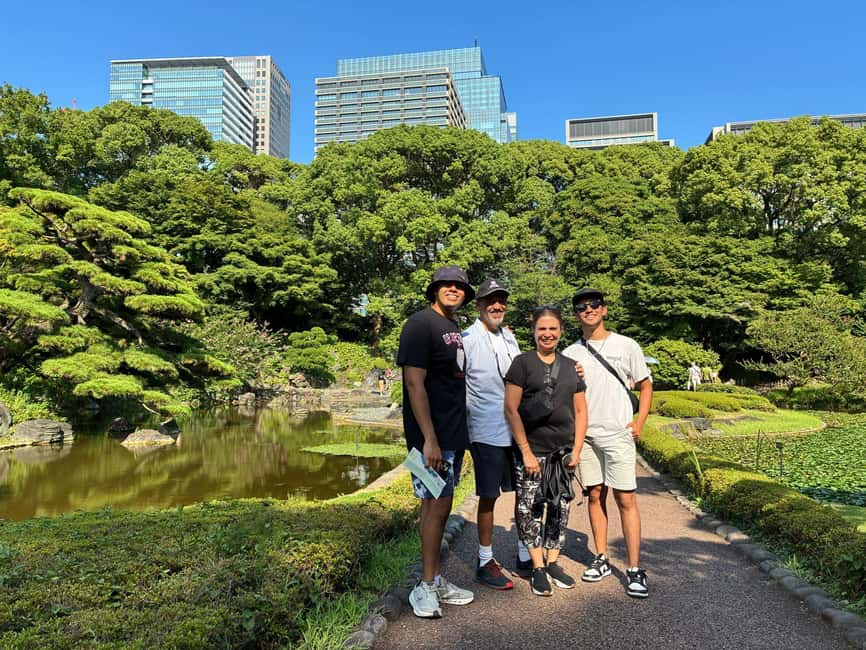
The East Gardens of the Imperial Palace offer a strong opening if you want Tokyo history with plenty of physical evidence. The huge stone walls and surviving watchtowers show the scale of Edo Castle, once the center of Tokugawa power.
Your guide explains how the Tokugawa Shogunate maintained control for 265 years. That political period shaped much of the Japan you see today, from city organization to social order. Standing beside the castle defenses helps turn those dates into something you can picture.
The gardens were recreated in the style of the Edo period. Seasonal flowers and specially bred carp add a quieter side to the visit, giving you a break from the hard stone and military story.
The scheduled visit takes about 90 minutes and admission is free. That is enough time for a useful overview, though not enough for a long, unhurried garden visit and an extended history lesson. If gardens are your priority, tell the guide early so the pace can reflect that interest.
Kagurazaka, where old Tokyo meets France
Kagurazaka gives the tour a different feel. The area began developing under the shogun about 400 years ago and remains one of Tokyo’s six geisha districts. Its past is not presented as a museum display. Instead, you walk through shopping streets where ordinary local life continues.
The nearby Institut Français adds a French influence to the neighborhood. This mix of old Japan and France gives Kagurazaka a character that differs from the grand scale of the Imperial Palace or the crowds around Senso-ji.
I would choose this stop if you want to see how historic Tokyo districts adapt rather than disappear. Your guide can point out details you might pass without noticing and explain how the area’s past connects with its present.
The visit is planned for one hour, and there is no admission fee. That makes it a good stop for a custom tour, but the time may feel short if you want to shop, eat, and hear a full account of the geisha district. Decide which matters most before you arrive.
Senso-ji and the customs behind the photos
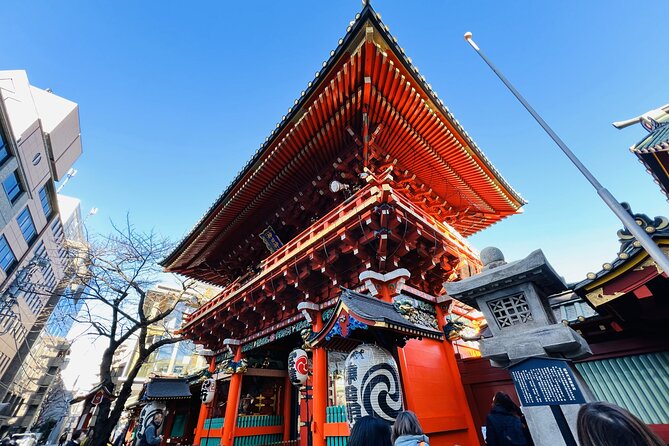
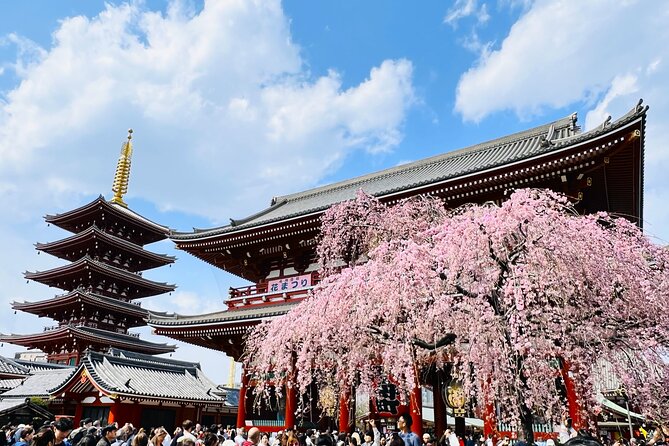
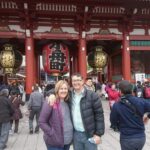
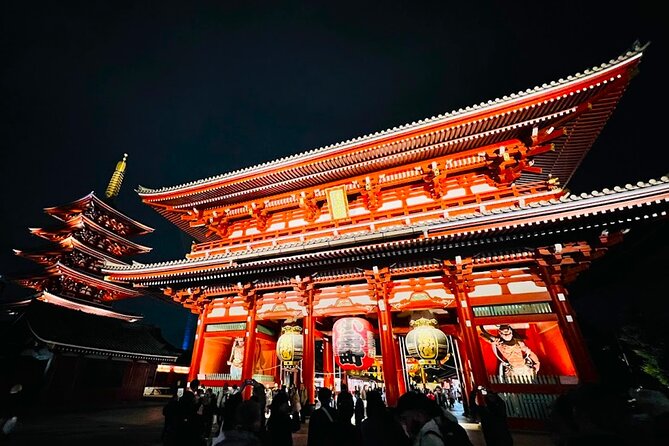
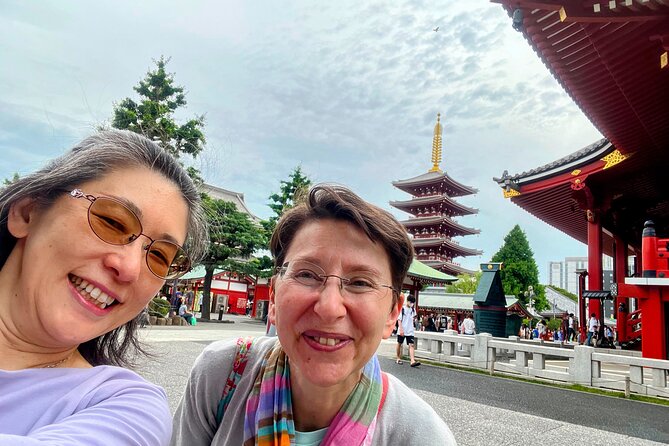
Senso-ji is Tokyo’s oldest temple and one of the city’s most recognizable sights. The red Kaminarimon Gate, with its large lantern, gives you the classic photograph, but the experience improves when you know how to approach the temple and what the surrounding details mean.
From the gate, Nakamise shopping street leads toward the temple. It is lined with souvenir shops and Japanese snacks, so this is an easy place to sample sweets or pick up a gift. The shopping street can be crowded, especially because it is such a famous approach, but that crowd is also part of the place’s energy.
A guide is especially useful here for explaining purification, omikuji fortune slips, and the difference between a temple and a shrine. Those customs can look simple from the outside. A clear explanation helps you take part with more confidence and respect.
The planned time is 90 minutes, with free admission. That gives you room for the main gate, Nakamise, temple grounds, and a few questions. It does not leave much spare time for careful shopping or a long snack stop, so tell your guide if food or souvenirs are important to you.
Ueno Park and Tokugawa power
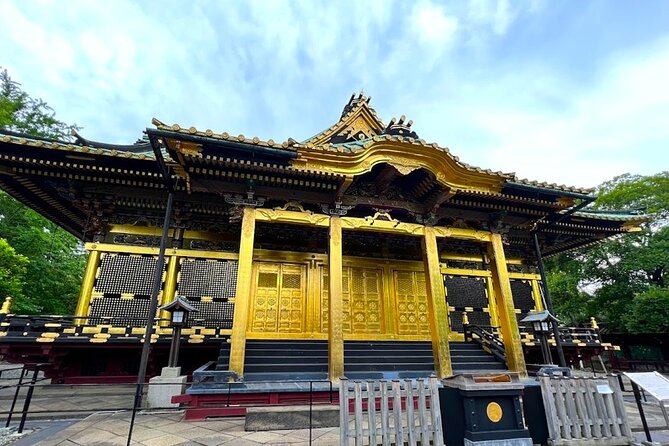
Ueno Park brings together religion, politics, and a major chapter in Japan’s transition from shogun rule to imperial government. The area was once the site of Kan’ei-ji Temple, protected by the Tokugawa Shogunate.
Ueno Toshogu Shrine honors Tokugawa Ieyasu, the first Tokugawa shogun. Its sculptures and gold-covered buildings make the political power of that family visible. This is not just a pretty shrine visit. It shows how religion and government reinforced each other during the Edo period.
The park was also the site of a civil war when the shogun returned power to the Meiji Emperor. That event helps explain the break between the long Tokugawa period and the changes that followed.
The stop lasts about an hour and costs nothing to enter. It is particularly attractive during cherry blossom season, when the park becomes a major viewing place. Outside that season, the historical sites still give the visit purpose, but the experience may feel less scenic if blossoms are your main reason for going.
Other private tours in Tokyo



Meiji Shrine and the making of modern Japan
Meiji Shrine offers a sharp change from Senso-ji. It honors Emperor Meiji and Empress Shoken, whose era saw Japan establish a modern education system, expand railways, and adopt more Western-style dining and dress.
The story is useful because it explains why Japan can feel both traditional and highly modern within the same city. The shrine is not only about a royal memorial. It also represents the national changes that helped Japan catch up with other developed countries.
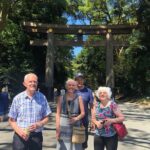
After about a century, the shrine grounds have become a large forest within Tokyo. The quiet, sacred setting gives you a refreshing pause from the city streets. You can ask the guide about shrine customs and compare them with the Buddhist practices explained at Senso-ji.
The visit takes about an hour and admission is free. The combination of history and calm makes it a strong choice for first-time visitors. If you have limited time, though, you may need to choose between Meiji Shrine and other western Tokyo stops.
Tsukiji Jogai Market for food and small purchases
Tsukiji’s outer market remains one of the best choices for a food-centered custom tour. The inner market and tuna auction moved to Toyosu in 2018, but about 400 shops remain in the outer market.
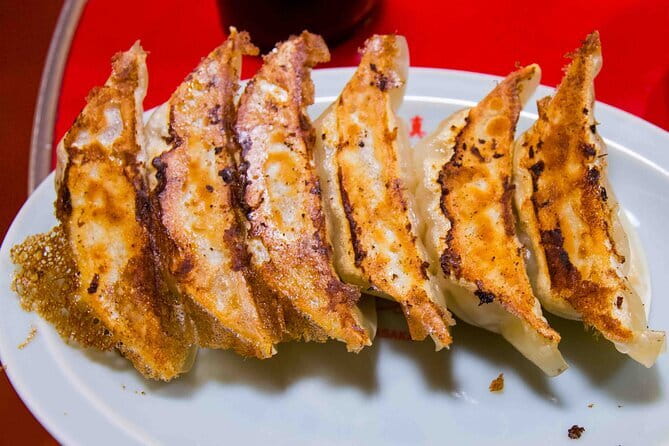
You can find fresh fish, vegetables, fruit, sweets, kitchen tools, and other food-related goods. The appeal is not just eating. A guide can help you understand unfamiliar products, speak with shopkeepers, and choose useful or unusual souvenirs.
Personal food and drinks cost extra, as do any purchases. Lunch is also not included if your tour runs from noon to 1 p.m. This is worth planning around, since a market visit can make you hungry quickly.
The suggested time is 90 minutes. That is a sensible length for browsing and tasting, but you may want longer if food is your main interest. Ask for Tsukiji early when arranging the day, since the best schedule depends on the rest of your route and the tour duration.
Takeshita Street and Tokyo’s young style
Takeshita Street shows a younger side of Tokyo. The 350-meter pedestrian street became linked with the Takenoko-zoku in the 1970s, when groups in unusual clothing danced in the streets and caught the attention of Japanese teenagers.
Today, both sides of the street are filled with youth fashion, sweets, drinks, and second-hand clothing shops. Crepes and strawberry candy provide easy snacks, while the clothing stores show how strongly fashion and self-expression shape the area.
The scheduled stop is only 30 minutes. That is enough to see the street and get a taste of its mood, but it is not enough for serious shopping. If you want to browse second-hand stores or look for distinctive clothing, ask for more time and accept that another stop may need to be shortened.
Takeshita Street pairs naturally with Meiji Shrine because the two places show opposite sides of the same part of Tokyo. One is quiet, formal, and sacred. The other is youthful, noisy, and focused on fashion and treats.
What the guide adds to the day
The strongest feature here is not simply access to famous places. It is the chance to keep talking as you walk. The tour promises practical explanations of Japanese character, customs, and current social issues, rather than only facts you could read in a guidebook.
Akiko is specifically named in the available feedback. She is described as friendly, flexible, easy to understand in English, and good at using examples to make history clearer. Her approach also includes playful conversation, which can make a long walking day feel less formal.
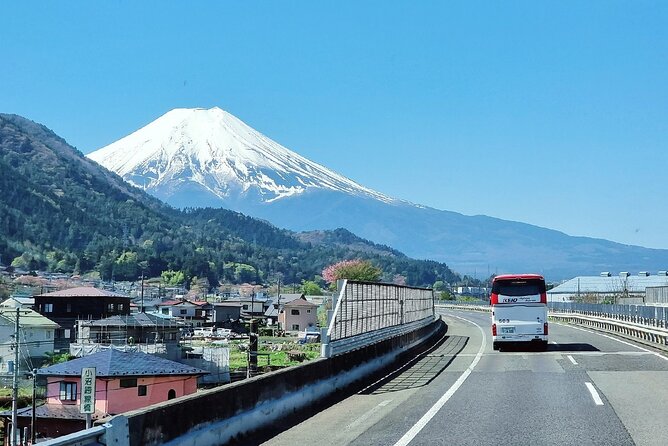
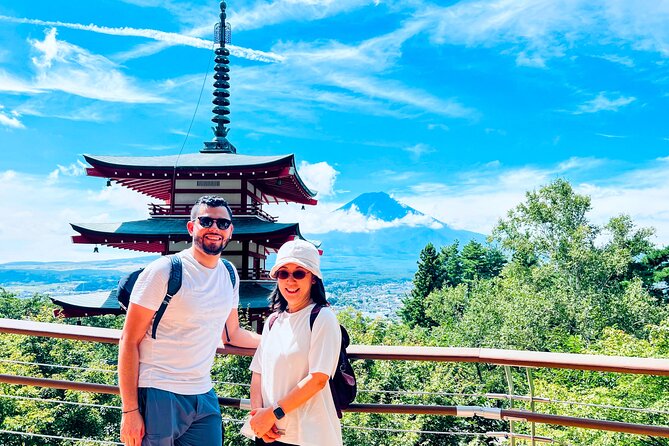
Her help can extend beyond the stated stops. One custom outing included Senso-ji, Tokyo Tower, Kawaguchiko for views of Mount Fuji, and Akihabara while looking for anime figures. That shows how much the private format can change when you have a particular interest, although you should confirm what can fit into your chosen four to eight hours.
The guide also provided advice for continuing around Tokyo and pointed out small details at Meiji Shrine and Harajuku that are easy to miss alone. That sort of local orientation may be more valuable than a long lecture, especially on your first day.
Time, walking, transport, and cost
The tour lasts approximately four to eight hours. You select the duration, then the guide contacts you with a proposed plan based on your interests. Pickup is offered, and the activity is available with a mobile ticket.
Transportation is not included. This matters because the suggested areas are spread across Tokyo, from the Imperial Palace and Ueno to Asakusa, Tsukiji, Harajuku, and Kagurazaka. You should expect part of the day to involve moving between neighborhoods, not only walking within each stop.
Food, drinks, personal expenses, and lunch are also separate. The displayed price is $0.00, but that should not be treated as the full cost of the day. Since only a friendly local guide is included, confirm the actual booking price and budget for transport and any market or street-food purchases.
The private format gives you control over pace, but this is still a walking experience. It suits people who enjoy being on foot and can manage a full sightseeing day. You can make the route more comfortable by choosing fewer stops and spending longer in each one.
The tour is described as suitable for all who love walking. Service animals are allowed, and the meeting areas are near public transportation. Most people can participate, but the amount of walking and number of train journeys should guide your choice of route.
Who should book this Tokyo walking tour?
I would recommend it most strongly to a first-time visitor who wants Tokyo explained by a local person rather than covered through a fixed script. It is also a good match for solo visitors who want company and practical help without joining a large group.
Families and couples can benefit from the private setup because they can ask questions freely and adjust the day. Food fans should request Tsukiji. History fans can build around the Imperial Palace, Ueno, Senso-ji, and Meiji Shrine. Shoppers and pop-culture fans may prefer Kagurazaka, Harajuku, and Akihabara interests.
You may want a different option if you dislike walking, want long museum visits, or need a fully priced package with transport and meals included. One piece of feedback specifically wished for longer museum stops, and this format is better at connecting neighborhoods and conversation than providing extended indoor visits.
Should you book it?
Book this private Tokyo tour if you value flexibility, clear cultural explanations, and direct conversation more than a rigid route. It can give you a useful first map of the city while showing how ancient customs fit beside modern shopping streets and everyday neighborhoods.
Before you commit, decide your top two interests, choose the number of hours, and ask how much travel time the route requires. If you want food, plan to pay separately. If you want museums or slower garden visits, say so clearly.
For a solo first visit, Akiko’s friendly style and strong English may be especially reassuring. For repeat visitors, the real value is the ability to shift away from the standard sights and build a day around food, local life, or a very specific Tokyo interest.
FAQ
How long does the private Tokyo walking tour last?
You can select a tour lasting approximately four to eight hours.
Is the tour private?
Yes. Only your group participates in the activity.
Can I customize the route?
Yes. The tour is private and customizable. After you select the duration, the guide contacts you to propose a route based on your interests.
Is hotel pickup available?
Pickup is offered.
Are transportation costs included?
No. You pay your own transportation fees.
Are food and drinks included?
No. Personal expenses, including food and drinks, are not included.
Is lunch included if the tour covers midday?
No. Lunch is not included if the tour time includes the period from 12:00 to 13:00.
What happens if bad weather cancels the tour?
If poor weather causes cancellation, you are offered a different date or a full refund. You can also cancel up to 24 hours before the start time for a full refund. Cancellations within 24 hours are not refunded.
More Private Tours in Tokyo
More Walking Tours in Tokyo

More tours in Tokyo we've reviewed












Walking Tours, compared.
 ★ 5.0Tokyo Tsukiji Fish Market Food and Culture Walking TourFrom $99
 ★ 4.9Tokyo: Shinjuku Local Bar and Izakaya Guided Walking TourFrom $343 hours
 ★ 5.0Tokyo: Tsukiji Fish Market Food and Walking tourFrom $30
 ★ 4.8Tokyo: Asakusa Walking Tour with Sensoji Temple VisitFrom $222 hours
 ★ 4.9Tokyo: Tsukiji Fish Market Guided Walking TourFrom $222 hours
 ★ 4.7Tokyo Castle & Imperial PalaceーShogun Walking TourFrom $232 hours