Reviewed · TOURS
Shuttle Van Tour Tokyo for 4 Hours or 6 Hours
Tokyo can be hard to grasp from a car window, but a private shuttle gives you a useful head start. You choose the places that matter most, while a professional driver handles the roads, timing, and pickup details. The plan can include the Imperial Palace, Asakusa, Shibuya, Harajuku, Meiji Jingu, Tsukiji, Tokyo Skytree, or teamLab Planets.
In This Article
- Key points at a glance
- A private Tokyo route built around your priorities
- What four hours can realistically cover
- Imperial Palace
- Asakusa
- Shibuya
- Harajuku
- What the six-hour plan adds
- Meiji Jingu
- Tsukiji Outer Market
- Add Tokyo Skytree or teamLab Planets with advance planning
- Tokyo, Yokohama, and Narita transfer choices
- Why the driver matters more than a formal guide here
- How much value do you get for $302?
- Who should book this shuttle
- Accessibility, luggage, and small practical details
- Final call: book it for flexibility, not guiding
- FAQ
- How long does the Tokyo shuttle tour last?
- How many people can ride in the vehicle?
- Can I be picked up in Tokyo and dropped off at Narita Airport?
- Can I travel from Yokohama to Narita Airport?
- Does a tour guide accompany the driver?
- Can I choose my own sightseeing stops?
- Are entrance fees and meals included?
- Is the shuttle suitable for wheelchair users?
I like the private group format, which keeps the outing to your own party of up to five people. I also like the transfer choices: you can tour Tokyo or Yokohama, then finish at a hotel, Narita Airport, or another agreed location for an extra charge. The main drawback is simple: this is a driver service, not a guide-led tour, and English is at conversation level rather than fluent.
Key points at a glance
- Flexible route planning: Suggest your favorite sights, and the driver will arrange a workable schedule.
- Useful airport connections: Tokyo or Yokohama pickup can be paired with Narita drop-off.
- Two practical tour lengths: Choose a shorter route of about four hours or a fuller six-hour plan.
- Private capacity: Same-city pickup and drop-off allow up to five guests; transfer routes allow four guests plus six suitcases.
- Driver-led, not guide-led: Your driver knows Tokyo roads and traffic but does not provide deep explanations at each stop.
- Strong punctuality reports: Driver Kim is specifically praised for being helpful, on time, and well informed about the city.
A private Tokyo route built around your priorities
This experience works best when you already have a short list. Tokyo is enormous, and a four-hour outing can disappear quickly if you spend too much time crossing the city. Before pickup, decide which sights matter most to you.
You can request a route based on famous landmarks, older neighborhoods, modern city districts, or a transfer between ports, hotels, and the airport. The driver can then shape the order and timing around traffic conditions.
That flexibility is the main reason to choose this service. A fixed sightseeing bus may give you a set route, but this shuttle lets you say, I care more about Asakusa than shopping in Harajuku, or I need to finish at Narita Airport. You are paying for a private vehicle and local road know-how rather than a formal lecture.
The service is operated by a professional driver who speaks English and Japanese. The English is described as conversation level, so you should be able to discuss the route and practical details, but you should not expect long historical explanations or a polished museum-style presentation.
If you're still narrowing it down, here are other tours in Tokyo we've reviewed.

What four hours can realistically cover
The suggested four-hour route begins from Tokyo or Yokohama and focuses on a few major areas:
- Imperial Palace
- Asakusa
- Shibuya
- Harajuku
This is a sensible city sampler, but you need to keep moving. Tokyo traffic can be slow, and each stop has a different feel. You may have time for a short walk and photos at several areas, but not an extended visit at every one.
Imperial Palace
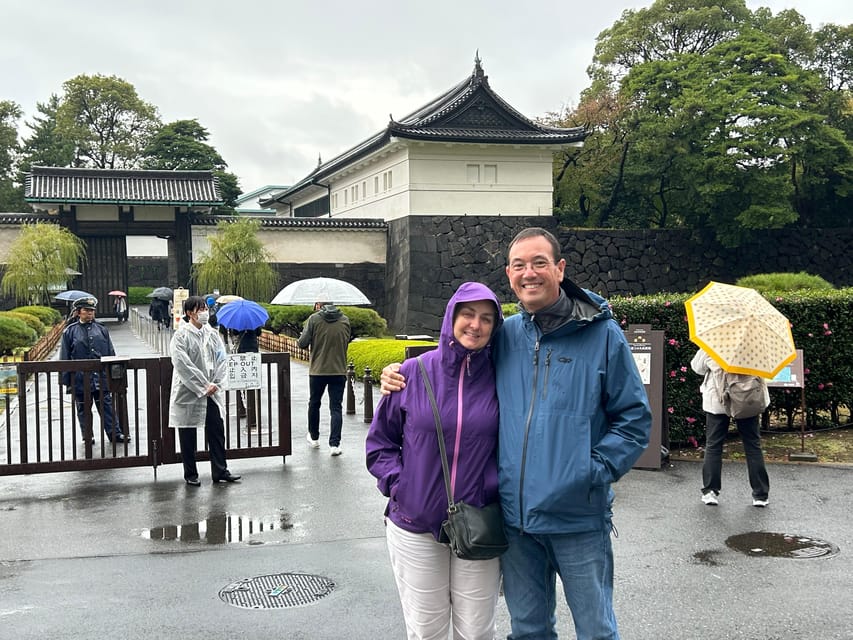
The Imperial Palace gives you a central Tokyo introduction, with broad grounds and an important connection to Japan’s modern state. The experience here is mainly about seeing the setting and getting your bearings rather than taking a long guided visit.
The driver can bring you to the appropriate area, but you should confirm in advance what you want to see. Palace access and opening arrangements can affect how much time you spend outside or walking.
Asakusa
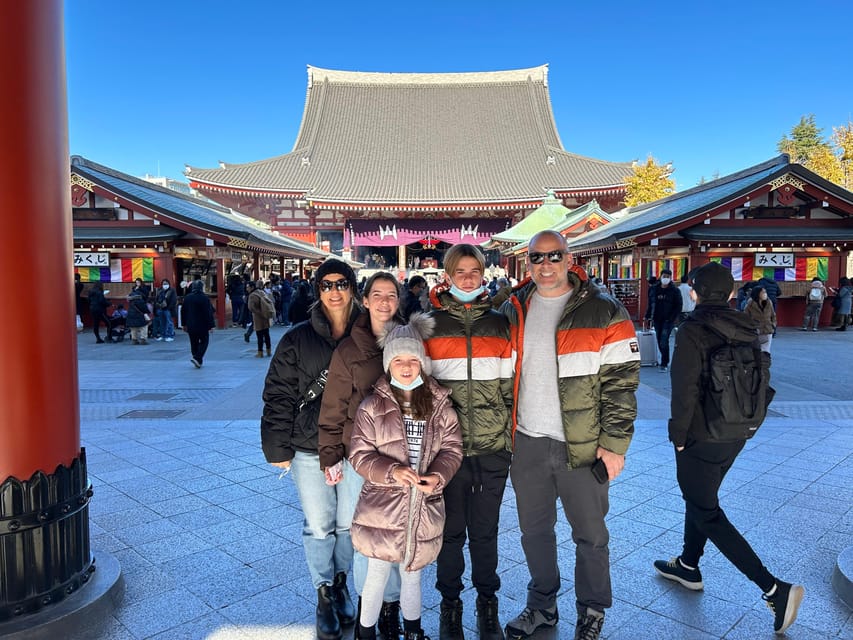
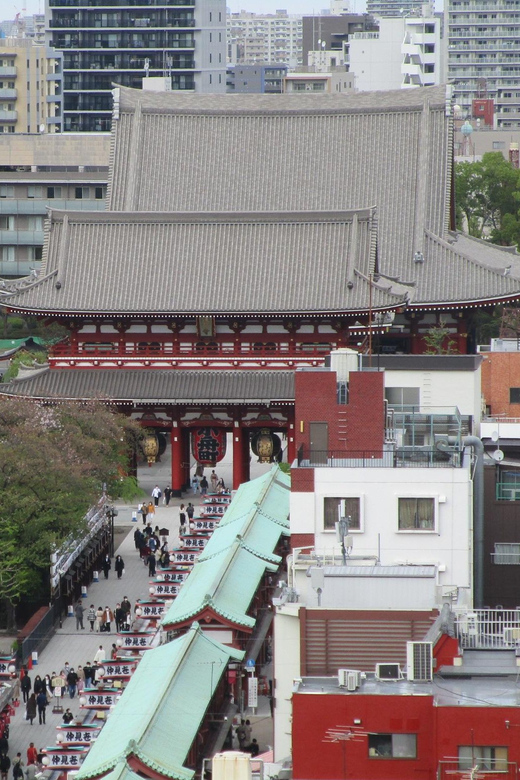
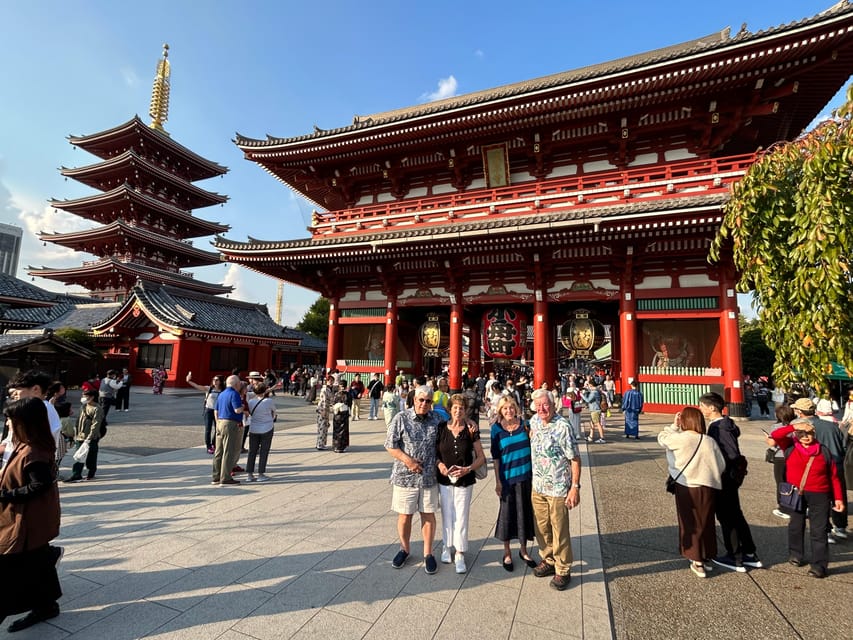
Asakusa is the strongest stop for a more traditional Tokyo atmosphere. The area is known for its older character, and it gives you a change of pace after the wide avenues around the palace.
This is a good place to walk, take photographs, and look around at your own speed. It also suits travelers who want something beyond Tokyo’s office towers and giant crossings. With only four hours, agree on a short stop in advance so you do not lose too much of the route here.
Shibuya
Shibuya brings you into Tokyo’s modern city rhythm. The famous scramble crossing is the obvious draw, and the area is also useful if you want a quick look at Tokyo’s shopping and youth culture.
A car can get you close, but the point of Shibuya is to get out and walk. You will need to watch the clock, especially if your vehicle is waiting while you explore.


Harajuku
Harajuku is associated with pop culture, fashion, and busy pedestrian streets. It pairs well with Shibuya because the two districts show different sides of present-day Tokyo.
The short route does not allow much room for wandering. I would choose one or two clear aims here rather than trying to cover every side street.
What the six-hour plan adds
The six-hour option includes the four-hour stops and adds Meiji Jingu and Tsukiji Outer Market. This extra time makes the route more balanced, since you can include a major shrine and a food market without cutting every other stop down to a quick photo.
The stated activity duration can range from about 4.5 to 8.5 hours, depending on the plan and starting arrangements. The booking choice is presented as four or six sightseeing hours, but you should check the exact time shown for your selected route.
Meiji Jingu
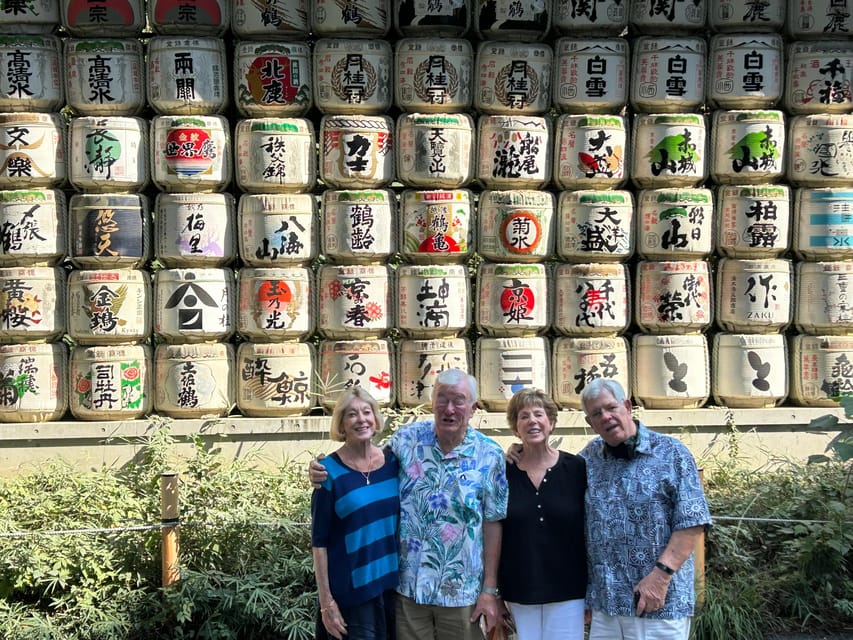
Meiji Jingu is a Shinto shrine set within a wooded setting near Harajuku. It gives you a quieter cultural stop after the noise and screens of the surrounding shopping districts.
This is one of the best additions to the longer plan because it changes the mood of the day. You are not just moving from one city landmark to another. You get a place for a calmer walk and a look at an important part of Japanese religious life.
Allow enough time to walk from the vehicle area to the shrine. If you are traveling with someone who has limited mobility, discuss the walking needs before booking.
Tsukiji Outer Market
Tsukiji Outer Market is a practical final stop for food, shopping, and a look at Tokyo’s market culture. Meals and drinks are not included, so you pay directly for anything you choose to eat.
The market is best treated as an independent visit rather than a guided tasting tour. Your driver can include it in the schedule, but the service does not promise a food guide or organized meal.
Tsukiji also makes sense at the end of a longer city route because it can be a pleasant place to finish before returning to your hotel or continuing to another destination. Check your timing carefully if you have a fixed airport or port departure.
Add Tokyo Skytree or teamLab Planets with advance planning
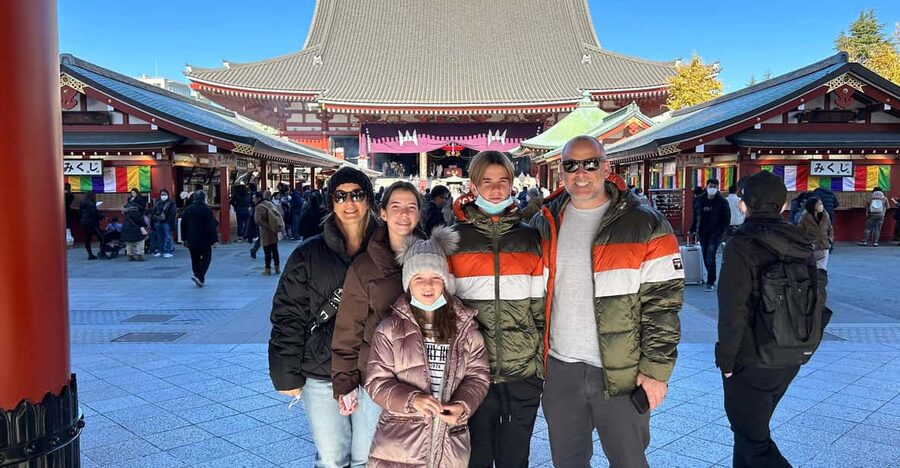
Tokyo Skytree and teamLab Planets are suggested as popular choices, but both require advance booking. If you want either one, secure your admission first and tell the driver before the route is arranged.
This is an important practical point. A flexible car service cannot guarantee entry to a popular attraction without a ticket. Your driver can help fit the stop into the day, but your schedule must allow for the booked admission time.
Adding one of these attractions may mean removing another district. For example, a route with teamLab Planets may not leave enough time for both Asakusa and Harajuku. I would choose one central theme for a four-hour outing and keep the six-hour plan for a fuller mix of neighborhoods and attractions.
Tokyo, Yokohama, and Narita transfer choices
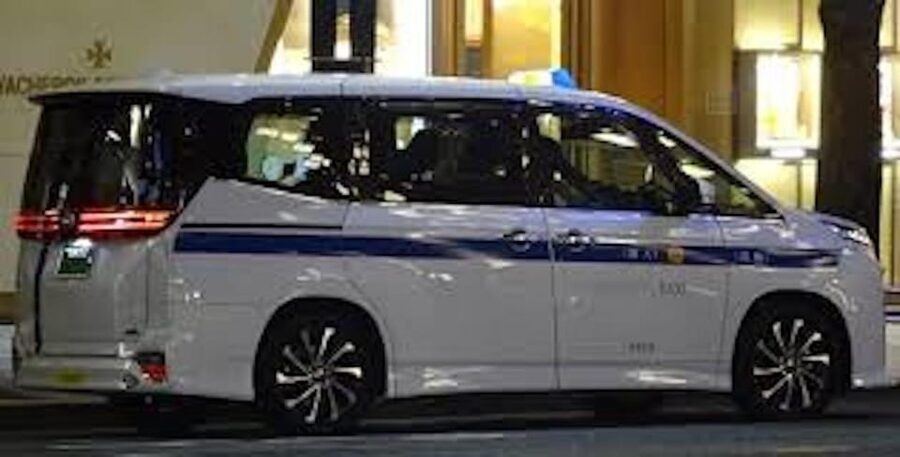
The service is more useful than a standard sightseeing loop because the vehicle can connect several parts of your trip.
You can choose:
- Tokyo pickup and Tokyo drop-off
- Yokohama pickup and Yokohama drop-off
- Yokohama pickup and Tokyo drop-off
- Yokohama pickup and Narita Airport drop-off
- Tokyo pickup and Narita Airport drop-off
The first two choices allow up to five guests when pickup and drop-off are in the same city. That limit assumes you are not carrying suitcases for a longer transfer.
For routes with a different drop-off, capacity falls to four guests plus six suitcases. This distinction matters for cruise passengers and airport-bound groups. Four people with luggage may fit well, while five people with suitcases will not meet the stated capacity.
If you need pickup or drop-off somewhere else, the operator may accommodate it for an extra charge. Ask before booking rather than assuming the change is included.
Why the driver matters more than a formal guide here
The driver’s main job is to manage the vehicle, traffic, route, and timing. That can be valuable in Tokyo, where distances between districts are greater than they look on a map.
You should not expect a guide to walk every stop with you or explain each site in detail. The service is designed for independent sightseeing. You get dropped near the area, explore on your own, and return to the vehicle at the agreed time.
The driver’s practical Tokyo experience is still useful. The supplied information says drivers have strong knowledge of driving technique, traffic conditions, and Tokyo. English communication is conversational, not fully fluent, so keep your requests clear and specific.
One driver named Kim receives praise for being helpful, punctual, and able to share plenty of city information. Kim may not be the person assigned to your booking, so treat that as a useful example of the service level rather than a guaranteed driver choice.
You will receive the driver’s name and vehicle plate number three days before pickup. The driver waits ten minutes before the meeting time, and you should show your booking details when meeting the vehicle.
How much value do you get for $302?
The price is $302 per group of up to five people. For a full group, that works out to about $60 per person before any entrance fees, food, or drinks. A smaller party pays more per person, but the private vehicle and route flexibility may still make sense if you need a port or airport transfer.
The value is strongest for groups with luggage or limited time. A Tokyo sightseeing outing that ends at Narita can replace a separate transfer arrangement, while also giving you a few hours in the city.
For a group of two, the calculation is less obvious. You are paying for privacy, direct pickup, and a driver who handles the roads. If you mainly want detailed cultural explanations, a licensed guide-led tour may be a better match, though this experience is specifically designed as the simpler and more economical option.
Entrance fees are not included. Neither are meals, drinks, or personal incidental costs. You should also budget time and money for any attraction that requires advance admission.
Who should book this shuttle
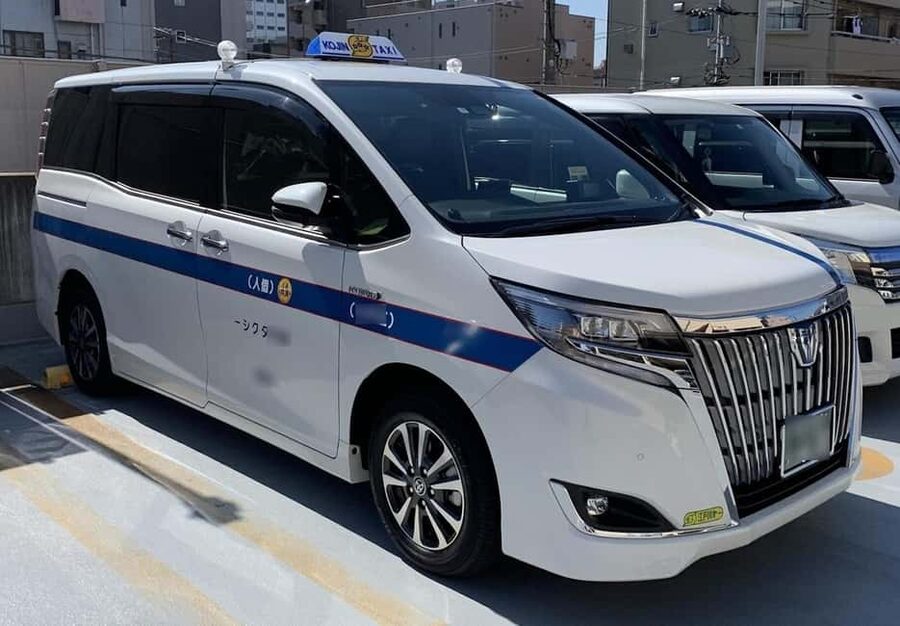
I would recommend this service to you if:
- You have only a few hours in Tokyo.
- You want a private vehicle rather than a shared group.
- You are traveling between Tokyo or Yokohama and Narita.
- You already know which sights you want to visit.
- You prefer independent walking and browsing at each stop.
- You are traveling with up to four people and luggage, or up to five people without transfer luggage.
It is also a good fit for cruise passengers who need a short city visit before an airport connection. The route can be shaped around the time available, but you should give the operator your fixed departure time and avoid planning too many distant stops.
I would hesitate if your main goal is a detailed explanation of Japanese history, religion, architecture, or food. The driver can communicate and share city information, but this is not a traditional guided tour.
Accessibility, luggage, and small practical details
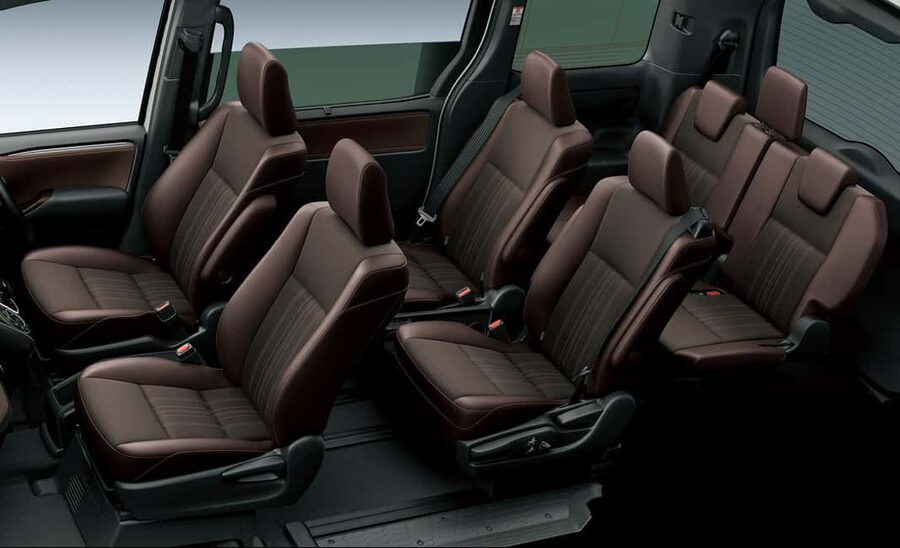
The information says the plan is not suitable for wheelchair users, but the operator can welcome people using a manual wheelchair in some situations. The limitation is that electronic wheelchair users who cannot move independently may not be accommodated.
You should explain your mobility needs before booking. Do not rely only on the general suitability label, since the operator makes a distinction between manual and electronic wheelchairs.
Alcohol and drugs are not allowed, and alcoholic drinks cannot be consumed in the vehicle. Keep the shuttle tidy and bring only the luggage allowed for your chosen pickup and drop-off combination.
Free cancellation is available up to 24 hours before the activity for a full refund. You can also reserve now and pay later, which helps if your Tokyo schedule depends on a cruise, flight, or hotel change.
Final call: book it for flexibility, not guiding
Book this shuttle if you want to connect sightseeing with transportation and prefer to decide your own stops. The private setup, flexible route, and Tokyo to Narita options give it real value for families, couples, and small groups on a tight schedule.
Choose the six-hour plan if you want to include Meiji Jingu and Tsukiji without rushing every stop. Choose four hours for a focused sampler of the Imperial Palace, Asakusa, Shibuya, and Harajuku.
Skip it if you want a guide beside you at every sight. But if you can explore independently and need a reliable driver to make Tokyo fit into a short travel day, this is a practical way to see the city without turning your schedule into a puzzle.
FAQ
How long does the Tokyo shuttle tour last?
The tour options are described as four or six hours, while the overall activity duration may range from 4.5 to 8.5 hours depending on the selected plan and starting time. Check availability for the exact schedule.
How many people can ride in the vehicle?
Tokyo or Yokohama pickup and drop-off allow up to five guests when luggage for a transfer is not part of the arrangement. Routes with a different drop-off allow up to four guests plus six suitcases.
Can I be picked up in Tokyo and dropped off at Narita Airport?
Yes. Tokyo pickup with Narita Airport drop-off is one of the available plans.
Can I travel from Yokohama to Narita Airport?
Yes. Yokohama pickup and Narita Airport drop-off is available for up to four guests plus six suitcases.
Does a tour guide accompany the driver?
No. This is operated by a shuttle van driver without a tour guide accompanying the group. The driver speaks English and Japanese, with English described as conversation level.
Can I choose my own sightseeing stops?
Yes. You can suggest preferred sights, and the driver will arrange the route and schedule. Tokyo Skytree and teamLab Planets require advance admission, so book those tickets before proposing the route.
Are entrance fees and meals included?
No. Entrance fees, meals, drinks, and personal expenses are not included.
Is the shuttle suitable for wheelchair users?
The general information says it is not suitable for wheelchair users, but manual wheelchair users may be accepted. Electronic wheelchair users who cannot move independently may not be accommodated, so discuss your needs before booking.
More tours in Tokyo we've reviewed












Tours, compared.
 ★ 5.0Mt Fuji and Hakone 1-Day Bus Tour Return by Bullet TrainFrom $163
 ★ 5.01-Day Tokyo Bus TourFrom $129
 ★ 5.0Tokyo: Shinjuku Food Tour (13 Dishes at 4 Local Eateries)From $86
 ★ 4.4Tokyo Mt Fuji 5th St & Hakone Cruise Bus Tour w/Bullet TrainFrom $15410 hours
 ★ 5.0Flagship 2-Hours Official Street Go-Kart Tour – Tokyo Bay ShopFrom $642 hours to 2 hours 30 minutes (approx.)
 ★ 4.7Tokyo: Mt. Fuji Tour, Hakone Ropeway, Owakudani, Lake AshiFrom $5410 hours