Reviewed · SUSHI MAKING CLASSES
Sushi Making in Tokyo at a Michelin-Listed Restaurant
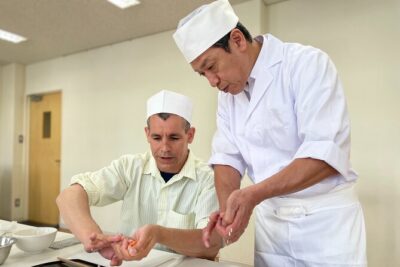
At Tachiguisushi Sushikawa, you do not just watch a sushi demonstration. You put on a chef costume, shape 10 pieces of nigiri yourself, then compare your work with 10 pieces prepared by the chef. I like that hands-on format, and I like the chance to taste higher-grade ingredients without booking a formal fine-dining meal.
In This Article
- Key points at a glance
- Making sushi at Tachiguisushi Sushikawa
- The chef costume and the first lesson
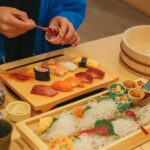
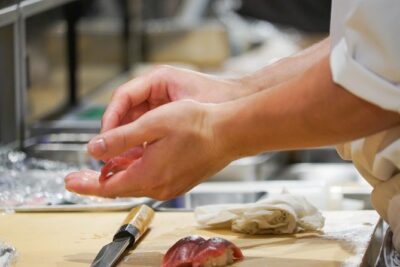
- Crafting your 10 pieces of nigiri
- Comparing your sushi with the chef’s 10 pieces
- Tea or sake with an Edo-style setting
- What the $99.08 price includes
- Getting there and planning the visit
- Who should book this sushi class
- Final call: is the Tokyo sushi class worth booking?
- FAQ
- Where does the sushi-making experience take place?
- How long does the activity last?
- How many people can join the class?
- What food and drinks are included?
- Are tools and the sushi chef costume provided?
- Can I cancel for a full refund?
The small group of up to 10 people should give you useful instruction rather than a distant cooking show. You also receive tea or sake and commemorative chopsticks, though the standing restaurant setting may not suit anyone expecting a seated class. One serious booking concern is worth noting: an earlier group arrived to find the restaurant closed because of a preparation error, followed by an apology from the provider.
Key points at a glance

- Make 10 nigiri pieces yourself: You work with the tools, rice, and fish under chef instruction rather than simply watching.
- Taste 10 chef-made pieces: The chef prepares a separate selection using upgraded ingredients, giving you a clear comparison.
- Wear an authentic sushi chef costume: This adds a playful visual element and makes the short class feel like a proper kitchen lesson.
- Learn in an Edo-style standing sushi setting: The restaurant format feels closer to everyday Japanese sushi culture than a hotel cooking studio.
- Choose tea or sake: Your included drink gives you a small taste of Japanese dining customs alongside the sushi.
- Take home commemorative chopsticks: The souvenir is practical, compact, and tied directly to the class.
Making sushi at Tachiguisushi Sushikawa
The experience takes place at Tachiguisushi Sushikawa in Tokyo’s Shibuya area, at the listed meeting point in Sasazuka. The address is Japan, 151-0073 Tokyo, Shibuya, Sasazuka, 1-chōme 626, Prime Bliss Sasazuka. Check the exact route and entrance before setting out, since the meeting point is more useful than simply searching for Shibuya on a map.
This is a Michelin-listed standing sushi restaurant, not a large tourist kitchen built only for classes. That distinction matters. You get a closer look at the working style of a sushi counter and a setting connected to the food you are learning to make.
The format is standing, so plan your expectations accordingly. You might find that this makes the lesson feel brisk and close to the chef, but anyone who needs a seated meal should consider the physical setup before booking. The activity lasts about 1 hour and 30 minutes, a sensible length for a focused food class during a busy Tokyo day.
The group limit is 10 people. That is small enough for the chef to watch your technique and correct your shaping, while still allowing you to meet other people. It is not a private lesson, and the experience does not promise one-to-one instruction throughout, but the cap should prevent the crowded feel of a large demonstration.
A few more Tokyo tours and experiences worth a look
The chef costume and the first lesson

Your tools and sushi chef costume are included, so you do not need to bring special equipment. The costume is more than a photo prop. It signals that you are about to work through the motions of a sushi professional, even if your first pieces look less exact than the chef’s.
Nigiri appears simple: a small portion of rice with fish placed on top. In practice, the rice shape, pressure, size, and handling all matter. The class gives you a chance to see how much control is needed to make a piece that looks neat and holds together.
The supplied details do not name the individual chefs, so you should not expect a specific instructor by name. You can expect instruction in English, with expert sushi chefs guiding the process. That English guide is important for a technique-based class, where timing and hand position matter more than a general food talk.
The teaching style seems aimed at beginners. You do not need to arrive with professional knife skills or prior sushi training. The value is in learning the basic method well enough to repeat it at home, not in leaving with restaurant-level mastery after 90 minutes.
Crafting your 10 pieces of nigiri
The central part of the class is making 10 pieces yourself. This is the point where the experience earns its price, since you are not paying only for a tasting. You get an edible lesson, with every piece showing you where your technique worked and where it needs practice.
A useful way to approach the class is to watch the chef’s hands closely before trying to copy them. Pay attention to how firmly the rice is handled and how the topping is positioned. The final result may look uneven, and that is part of the lesson. The supplied feedback makes clear that the method can seem deceptively simple, while matching the master chef’s neat nigiri is much harder.
That contrast is useful. A polished sushi plate can hide a lot of small decisions. By making the pieces yourself, you gain a better understanding of why professional nigiri has such a clean shape and balanced bite.
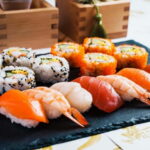
You also get to eat what you make. This turns the class into a full meal rather than a cooking exercise that leaves you searching for lunch afterward. The exact fish selection is not specified, so do not book expecting a fixed list of species. The ingredients are described as beautiful cuts of fish, and the chef’s separate selection includes upgraded ingredients.
Comparing your sushi with the chef’s 10 pieces

After making your own nigiri, you taste 10 pieces prepared by the chef. This second set gives you a direct comparison between student work and professional technique.
I like this arrangement because it lets you judge texture and presentation while the lesson is still fresh. You can see the difference between your rice shaping and the chef’s, rather than trying to remember the demonstration later. The chef’s pieces also provide a more polished tasting experience, especially with the upgraded ingredients.
The meal is therefore split into two parts: your 10 pieces and the chef’s 10 pieces. That is a substantial amount of sushi for a short class, though the experience does not state the exact size of each piece. If you have a limited appetite, food restrictions, or vegetarian preferences, contact the provider in advance. Suitable options may be discussed, but they should not be assumed without prior notice.
This is also a good choice for people who want food with a story attached to it. You can return home and try the method again, then remember exactly how the rice felt and why the shape mattered. The class is not just about collecting photographs in costume.
Tea or sake with an Edo-style setting

Your included drink is a choice between Japanese tea and sake. Tea is the safer pick if you do not drink alcohol or want to stay focused on the technique. Sake makes sense if you want a more traditional dining touch, but the activity details do not specify the type, amount, or age requirements, so ask the guide if those points matter to you.
The restaurant’s Edo-style setting adds context without requiring a long cultural lecture. Sushi is often presented to visitors as a finished luxury product. Here, you see it in a format connected to the sushi counter, with the chef’s work happening close to your own.
The standing format is part of that character. It may feel less polished than a seated restaurant meal, but it keeps the focus on the chef, the fish, and the quick rhythm of preparation. I would choose this for a short, active food stop, not for a slow celebratory dinner.
A few more Tokyo tours and experiences worth a look
What the $99.08 price includes
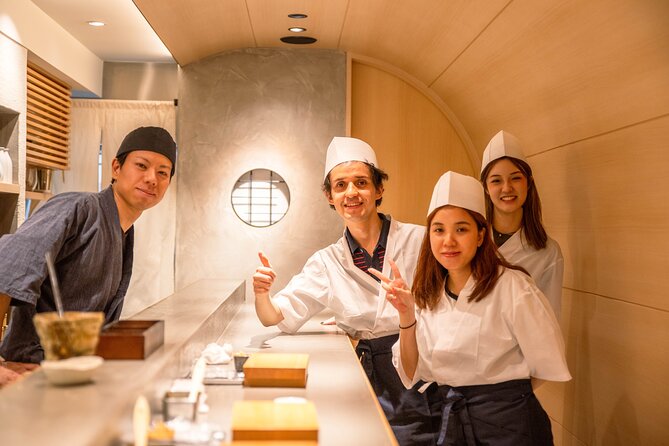
At $99.08 per person, this is not a cheap way to grab sushi. The price makes more sense when you count the class, the chef-made meal, the ingredients you eat, the included drink, the English guide, the costume, the equipment, and the chopsticks.
You are getting 20 pieces in total, split between your own work and the chef’s sushi, though the value depends on the size and quality of the pieces. The chef’s upgraded ingredients help justify the cost, while the lesson gives the experience a longer life than a standard restaurant meal.
I would compare it with three separate purchases: a sushi meal, a short cooking class, and a small souvenir. You do not need to arrange any of those separately, and the 90-minute duration fits neatly into a day of sightseeing. Group discounts may be available, which could improve the price for couples, families, or friends booking together.
The best value goes to someone who wants to learn a skill and eat the result. If you only want the finest possible sushi, use the money for a restaurant meal instead. If you want a lengthy professional course, this class is too short. It occupies the useful middle ground between a tasting and a serious cooking school.
Getting there and planning the visit

Private transportation is not included. The meeting point is near public transportation, so you will need to make your own way to Sasazuka and arrive at the stated location. Since the address includes a building name and number, keep it available on your phone rather than relying only on the restaurant name.
The activity ends back at the meeting point. That makes planning simple, since you do not need to arrange a separate return destination. It also means you can place the class between other Tokyo activities without having to coordinate a transfer.
Confirmation is sent within 48 hours of booking, subject to availability. I would wait for that confirmation before treating the class as fixed, especially if you are visiting Tokyo for only a few days. The earlier closure incident was caused by an internal preparation mistake, and the provider apologized, but that episode is a reminder to confirm the venue and booking details before leaving for the meeting point.
Free cancellation is available until 24 hours before the start time. Cancel at least 24 hours ahead for a full refund. Changes or cancellations inside that window are not accepted and are not refunded, with cut-off times based on Tokyo local time.
Who should book this sushi class

This experience suits you best if you enjoy food classes, want a practical souvenir from Japan, or prefer a short activity with plenty of participation. It is especially appealing for couples, families with older children, and small groups of friends who want to do something more memorable than simply ordering sushi.
It also works well for people who are curious about the gap between home cooking and restaurant technique. Making 10 pieces gives you enough repetition to notice improvement, while the chef’s 10 pieces show you the standard you are trying to reach.
You should think twice if you need a fully seated activity, dislike raw fish, or want a private class. The restaurant is a standing sushi venue, the experience is shared with up to nine other people, and the available food substitutions must be arranged in advance.
Vegetarians and people with food restrictions should contact Japan Destinations before booking. The provider says suitable options can be discussed, but the menu is not presented as automatically adaptable on the day.
Final call: is the Tokyo sushi class worth booking?
I would book this if you want a hands-on Tokyo food experience rather than another restaurant reservation. The strongest points are the 10 pieces you make, the 10 chef-made pieces you taste, the English instruction, and the small group size. The costume and chopsticks add fun without being the only reason to go.
The price is fair for a combined lesson and meal, especially if group discounts apply. Just remember the standing format, arrange dietary needs ahead of time, and confirm your booking and venue before setting out. If those conditions suit you, this is a compact, useful way to get closer to the craft behind Tokyo sushi.
FAQ
Where does the sushi-making experience take place?
It takes place at Tachiguisushi Sushikawa in Sasazuka, Shibuya, Tokyo. The listed meeting point is Japan, 151-0073 Tokyo, Shibuya, Sasazuka, 1-chōme 626, Prime Bliss Sasazuka.
How long does the activity last?
The experience lasts approximately 1 hour and 30 minutes. It begins and ends at the listed meeting point.
How many people can join the class?
The activity has a maximum of 10 people. Group discounts are available.
What food and drinks are included?
You make and eat 10 pieces of nigiri, then taste 10 pieces made by the chef with upgraded ingredients. You also choose between Japanese tea and sake.
Are tools and the sushi chef costume provided?
Yes. All tools needed for sushi making and the sushi chef costume are included. You also receive commemorative chopsticks as a souvenir.
Can I cancel for a full refund?
Yes. You can cancel at least 24 hours before the experience start time for a full refund. Cancellations or changes made less than 24 hours before the start are not accepted or refunded.
More Dining Experiences in Tokyo
More Sushi Making Classes in Tokyo
More tours in Tokyo we've reviewed












Sushi Making Classes, compared.
 ★ 5.0Sushi Making Tokyo Roll and Authentic Japanese Sushi ClassFrom $59
 ★ 4.9Tokyo: Roll and Authentic Sushi Making Class in AsakusaFrom $581h 40m
 ★ 4.9Tokyo: Sushi Making Class in a Happi Coat near a Famous SpotFrom $421h 30m
 ★ 5.0Sushi Making Tokyo! Popular Maki Sushi & Japanese Sushi(+Recipe!)From $63
 ★ 5.0Tokyo Sushi Making Class in Tsukiji with Professional ChefFrom $49
 ★ 5.0Tokyo Night Foodie Tour in Shinjuku – Seasonal Sushi, Wagyu BeefFrom $111