Reviewed · TEA CEREMONY & MATCHA
Tokyo Traditional Tea Ceremony with a Japanese Tea Master
The most interesting part of this Tokyo experience is that it treats Japanese tea as a full tasting journey, not just a single bowl of matcha. You sample wakocha, Gyokuro sencha, handmade matcha, and Genmaicha, with a tea cake and seasonal wagashi along the way.
In This Article
- Key points to know before you book
- A tea lesson, not a staged ceremony
- Starting with Shizuoka wakocha and tea cake
- Watching Gyokuro sencha take center stage
- Whisking your own bowl of matcha
- Ending with Niigata Genmaicha
- What the one-hour format means for your day
- Finding Ocharu in Bunkyo City
- English instruction needs a quick check
- Is $33.03 a fair price?
- Who will enjoy this tea experience?
- My booking advice
- FAQ
- How long does the Tokyo tea experience last?
- Where does the tea experience meet?
- Where does the activity end?
- Is transportation included?
- How many people can join the experience?
- What teas will I taste?
- Is food included?
- Will I make my own matcha?
- Do I receive anything to take home?
- Can I cancel for a full refund?
I like the hands-on matcha session, since you use traditional tools instead of simply watching a host work. I also like the small group size, capped at 12, which gives you room to ask questions and keeps the one-hour lesson personal.
The main thing to understand is that this is not a formal geisha-style tea ceremony with guests seated on the floor while a host performs a long ritual. It is a relaxed tea lesson and tasting, and one report raised concerns about English-language instruction, so confirm the language before booking.
Key points to know before you book

- Four distinct teas: Taste wakocha, Gyokuro sencha, matcha, and Genmaicha in one compact session.
- You make your own matcha: The tea master shows you how to whisk it with traditional equipment.
- Gyokuro includes an unusual tasting: You may taste the brewed tea leaves, along with seasonal wagashi from Ougiya.
- The location is easy to pair with sightseeing: Ocharu is across from Tokyo University in Bunkyo City and near public transportation.
- The format is short and social: The experience lasts about one hour and allows up to 12 people.
- Useful take-home items: You receive a certificate of completion and a group photo.
A tea lesson, not a staged ceremony
Japanese tea ceremonies can be formal, quiet, and highly structured. This Ocharu experience takes a more accessible route. You sit in a tea ceremony room, learn how several teas differ, watch the preparation, and then take part yourself.
That distinction matters. If you want an elegant cultural lesson that fits neatly into a busy Tokyo day, this format makes sense. If you expect a fully traditional ceremony, complete with formal posture, floor seating, and a geisha-like host, you may leave disappointed.
I see the experience as an introduction to Japanese tea culture rather than a complete study of the tea ceremony. The focus is on flavor, preparation, water temperature, tea leaves, and the meaning behind the drinks. That practical approach makes the session easy to follow, even if you know little about Japanese tea before arriving.
The host and tea master also create a relaxed setting for questions. Several parts of the session are hands-on, so you are not simply sitting through a demonstration. Families and first-time visitors should find the pace manageable, while serious tea students may want a longer and more formal program.
A few more Tokyo tours and experiences worth a look

Starting with Shizuoka wakocha and tea cake

The session opens with a cup of wakocha, Japanese black tea from Shizuoka. This is a useful first taste because it challenges the simple idea that Japan is only a green tea country.
The tea is described as having fruity and floral notes, and it comes with a slice of tea cake. This opening pairing gives you an easy way to notice how a sweet food changes the taste of the drink. It also lets the group settle in before the more specialized teas appear.
I like this beginning because it is friendly rather than ceremonial. You do not need to know how to hold a bowl or follow a strict sequence. You can simply taste, listen, and begin comparing the tea with the food.
The cake is modest, but it adds value to a fairly inexpensive activity. At $33.03 per person, receiving food and several tea servings helps make the price feel reasonable. You are paying for instruction and participation, not just a beverage.
Watching Gyokuro sencha take center stage
Next comes Gyokuro sencha, one of Japan’s highest grades of green tea. The tea master prepares it for you, explaining the process and the qualities that set it apart from more common sencha.
This part adds a sense of occasion because you are not just drinking another cup of green tea. You are tasting a premium style and seeing how careful preparation affects the result. The information provided for the session does not give a precise brewing temperature, but the experience does explain the importance of temperature and brewing method.
One especially unusual detail is the chance to taste the tea leaves after the Gyokuro is brewed. That turns the tea from a drink into a food experience. It also helps you think about the leaf itself, rather than treating it as something that disappears into hot water.
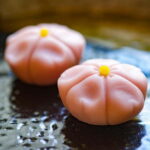
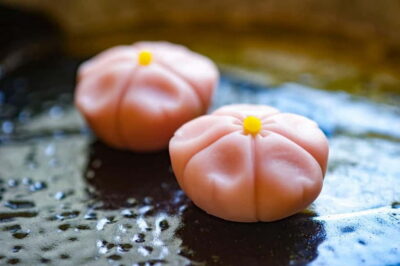
The Gyokuro is served with seasonal wagashi sweets from Ougiya, a confectioner with generations of experience. Wagashi are often shaped and presented to match the season, so this pairing gives you a small glimpse of how Japanese sweets support the tea rather than compete with it.
Do not expect a full meal. The sweet is a tasting portion, and the overall session is only about an hour. Still, the pairing makes the lesson more memorable and gives you another flavor comparison to consider.
Whisking your own bowl of matcha

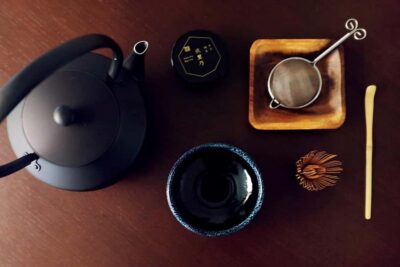
The hands-on matcha session is the heart of the experience for many people. Under the tea master’s direction, you use traditional tools to whisk your own matcha and then drink what you have prepared.
This is where the activity earns its cultural value. You are not asked to memorize a complicated ritual. Instead, you learn by doing. You can see the tools, feel the motion of whisking, and understand why technique matters to the finished drink.
If you have only encountered matcha in sweet drinks or desserts, the taste may surprise you. Traditional matcha is earthy and concentrated. The session gives you a better idea of the drink in its original form, along with the care involved in preparing it.
The tea master also explains how to enjoy the tea. That may include details about the preparation process, the tea itself, and the proper way to appreciate the serving. The supplied information does not specify every step, so you should think of this as guided practice rather than professional tea training.
This portion works well for families because children can take part instead of watching quietly for an hour. It also suits anyone who likes practical cultural activities. You leave with a clearer understanding of what matcha is and how it differs from sencha and black tea.
Ending with Niigata Genmaicha

The final tea is Genmaicha, made with sencha and roasted rice from Niigata Prefecture. Its toasted character provides a comfortable finish after the more delicate wakocha and Gyokuro.
This closing cup helps complete the tasting sequence. You move from Japanese black tea to premium green tea, then make matcha, and finally finish with a familiar-style green tea blended with roasted rice. Each drink has a different taste and preparation method.
Genmaicha is often an approachable tea for people who find straight green tea too sharp or grassy. The roasted rice gives it a warmer, more familiar flavor. Ending with it keeps the session relaxed rather than finishing on the strongest or most bitter note.
The experience ends where it began, at the Ocharu Tea Ceremony Room. You receive a certificate of completion and a souvenir group photo. The certificate is a simple memento, not a professional qualification, but it gives the activity a clear finish. The photo is useful if you are visiting with family or friends and want a shared record of the hour.


What the one-hour format means for your day

The short duration is one of this activity’s biggest advantages. Tokyo sightseeing can fill every minute, and a one-hour tea experience is easy to place between visits to museums, shops, or nearby parts of Bunkyo.
A short session also keeps the lesson focused. You taste several teas without committing half a day to a formal ceremony. One participant specifically appreciated that the activity lasted about an hour and did not feel drawn out.
The tradeoff is that the program moves at a steady pace. You receive several tastings, explanations, a matcha-making lesson, a sweet, a certificate, and a photo in roughly 60 minutes. If you want long periods of silence, detailed discussion of tea production, or time for repeated practice, this will feel brief.
The maximum group size is 12. That is small enough for questions, though it is not a private lesson. If the group reaches capacity, you will share the room and the instructor’s attention with other people.
Finding Ocharu in Bunkyo City

The meeting point is OCHARU, at 6-chōme-2-10 Hongō, Bunkyo City, Tokyo 113-0033. It is directly across from Tokyo University and near public transportation.
That location gives you a useful landmark. Tokyo addresses can be hard to decode at first, so looking for the area around Tokyo University is more practical than relying on the street number alone. The activity begins and ends at the same meeting point, and transport to and from the room is not included.
Plan your route before the start time. One serious complaint involved waiting outside for 30 minutes because the scheduled event did not take place. The provider apologized and said the problem was being addressed, but the lesson is clear: arrive with the confirmation details saved on your phone and check the exact meeting instructions.
The ticket is mobile, and booking confirmation is provided at the time of purchase. You should still allow enough time to locate the room, especially if you are coming from another part of Tokyo.
English instruction needs a quick check

Most of the available comments describe the activity as educational and easy to enjoy. People particularly liked learning about several Japanese teas, preparing tea themselves, and asking questions in a small setting.
One complaint, however, said the host did not speak English and that the participant had to read information from a screen. Since language can make or break a cultural lesson, I would confirm the available language before paying if you require spoken English instruction.
The supplied information does not identify the tea master or hostess by name. It does identify Nikolai and Kaho as the company’s CEOs in provider responses, but that does not establish that they lead this particular session. Do not book expecting a specific named guide unless your confirmation states who will teach the class.
Is $33.03 a fair price?
At $33.03, this sits in the affordable range for a guided cultural activity in Tokyo. The price includes the welcome tea and cake, sencha tasting, matcha-making session, Genmaicha, access to the tea room, a certificate, and group photo.
The value comes from variety. A simple cup of tea would cost far less, but this session gives you several preparations and explanations in one place. You also take part in making matcha, which adds a practical element that a standard tea tasting would not provide.
It is especially good value if you want a structured introduction without spending several hours on a formal ceremony. The price is less attractive if your only goal is to drink matcha in a traditional room, since the activity includes a lesson and multiple tastings rather than a long ceremonial performance.
Souvenirs and gifts are not included. That is not a major concern, since the certificate and group photo provide the stated keepsakes, but budget extra if you hope to buy tea or confectionery afterward.
Who will enjoy this tea experience?
I would recommend it to first-time visitors who want context with their tasting. You learn what you are drinking, how the teas differ, and how preparation changes the result.
It also suits families. The hands-on matcha portion gives children and adults something to do, and the one-hour length is easier for mixed-age groups than a long formal ceremony.
Food-focused visitors should enjoy the tea cake, wagashi, and edible Gyokuro leaves. The activity is not a meal, but it offers several small flavor pairings and unusual details.
It may not suit you if you want a silent, highly formal tea ceremony. The experience is more like a guided tasting class. You should also think twice if spoken English is essential and you cannot confirm that point before booking.
Free cancellation is available if you cancel at least 24 hours before the local start time. Cancellations within 24 hours are not refunded, and late changes are not accepted.
My booking advice
Book this if you want a compact, friendly introduction to Japanese tea with real participation. The strongest features are the range of teas, the Gyokuro leaf tasting, the seasonal wagashi, and the chance to whisk your own matcha.
Before booking, make two checks. Confirm the language of instruction, and make sure you understand that this is a relaxed tea tasting and matcha lesson, not a full formal ceremony. With those expectations in place, the $33.03 price and one-hour schedule make Ocharu a sensible addition to a Tokyo day.
FAQ
How long does the Tokyo tea experience last?
The activity lasts approximately one hour.
Where does the tea experience meet?
It begins at OCHARU, 6-chōme-2-10 Hongō, Bunkyo City, Tokyo 113-0033, Japan.
Where does the activity end?
It ends back at the Ocharu meeting point.
Is transportation included?
No. Travel to and from the Ocharu Tea Ceremony Room is not included.
How many people can join the experience?
The maximum group size is 12 people.
What teas will I taste?
The session includes wakocha, Gyokuro sencha, matcha that you prepare yourself, and Genmaicha. The description also refers to learning about several Japanese teas.
Is food included?
Yes. You receive a welcome tea with a slice of cake and seasonal wagashi with the Gyokuro tasting.
Will I make my own matcha?
Yes. The tea master guides you through preparing matcha with traditional tools.
Do I receive anything to take home?
You receive a certificate of completion and a souvenir group photo. Souvenirs and gifts beyond these items are not included.
Can I cancel for a full refund?
Yes, if you cancel at least 24 hours before the experience start time. Cancellations or changes made within 24 hours are not refunded.
More Tea Ceremony & Matcha in Tokyo

More tours in Tokyo we've reviewed












Tea Ceremony & Matcha, compared.
 ★ 5.0Matcha Making Class in Tokyo with Authentic Japanese Sweets SetFrom $21
 ★ 5.0Kimono Tea Ceremony at Tokyo, Asakusa MaikoyaFrom $55
 ★ 5.0Tokyo: Traditional Tea Ceremony with a Tea MasterFrom $381 hour
 ★ 4.5Dynamic Tokyo: Tokyo Tower, Tea Experience, Bay Cruise Day TourFrom $99
 ★ 4.9Tokyo: Matcha Making Experience with Mochi Sweets in AsakusaFrom $221 hour
 ★ 4.7Tokyo: Matcha and Kimono ExperienceFrom $57