Reviewed · KAMAKURA & ENOSHIMA DAY TRIPS
Tokyo: Kamakura Private Tour With Guide
Kamakura gives you Japan in a compact, memorable package: a giant bronze Buddha, wooded temple paths, a sea-facing beach, and a grand shrine reached through the center of town. This private day trip removes the fuss of train connections and lets you move between distant sights in comfort. The Great Buddha and Hase-dera are the day’s major draws.
In This Article
- Key points
- Why Kamakura works so well as a Tokyo day trip
- The Great Buddha at Kotoku-in
- Hokoku-ji and its narrow bamboo paths
- Hase-dera, flowers, views, and more walking
- Tsurugaoka Hachimangu in the center of Kamakura
- Private touring is the main advantage
- What the $774 price really buys
- Food, beaches, and personal requests
- Comfort, walking, and who should book
- Booking details to check before you go
- Should you book the Kamakura private tour?
- FAQ
- How long is the Kamakura private tour?
- Where can pickup take place?
- Is pickup available from Haneda or another airport?
- How many people can join the private tour?
- What sights are included?
- Is lunch included?
- Are temple and shrine entry fees included?
- What should I bring?
- What happens if the driver is late?
I like the door-to-door pickup within Tokyo’s 23 wards, and I like the private format for families or small groups that want to set the pace. Guides and drivers named Moon and Danish were praised for making the day easy and adaptable, including special shrine requests. The main consideration is cost: at $774 for up to five people, this is a convenience-first choice, not the cheapest way to reach Kamakura.
Key points
- Private transport from Tokyo: Pickup and drop-off are available at hotels, hostels, apartments, Airbnbs, and train stations within Tokyo’s 23 wards.
- Four major Kamakura stops: See Kotoku-in’s Great Buddha, Hokoku-ji’s bamboo forest, Hase-dera, and Tsurugaoka Hachimangu.
- A long but useful day: The 10-hour schedule includes pickup and return, with driving time between Tokyo and Kamakura.
- English-speaking support: The driver speaks English, and the private setup allows requests during the day.
- Comfort included: You get an air-conditioned vehicle, onboard WiFi, bottled water, parking, fuel, and private transportation.
- Budget carefully: Lunch and temple or shrine entry fees are extra, and pickup outside the 23 wards costs more.
Why Kamakura works so well as a Tokyo day trip
Kamakura sits on the coast south of Tokyo, where Japan’s medieval past meets beaches and wooded hills. It is not a single attraction with a neat entrance gate. The best parts are spread across town, and that is where private transport helps.
You can spend the morning at Kotoku-in, move toward Hase for another temple, then cross town to Hokoku-ji and Tsurugaoka Hachimangu. On foot and by local transport, that route takes more planning. In a private vehicle, you can focus on the sights instead of station changes, maps, and parking.
The 10-hour tour includes your Tokyo pickup and return, so the actual time in Kamakura is less than ten hours. That matters. You are booking a full-day outing, not ten hours of sightseeing. Traffic can also delay the driver by 10 to 30 minutes, especially on busy highways, so keep your schedule loose.
I would choose this format if you value comfort, have older family members, are traveling with children, or want to make several stops in one day. If you enjoy figuring out Japan’s rail system and prefer to linger at one or two temples, public transport may offer better value.
A few more Kamakura tours and experiences worth a look

The Great Buddha at Kotoku-in
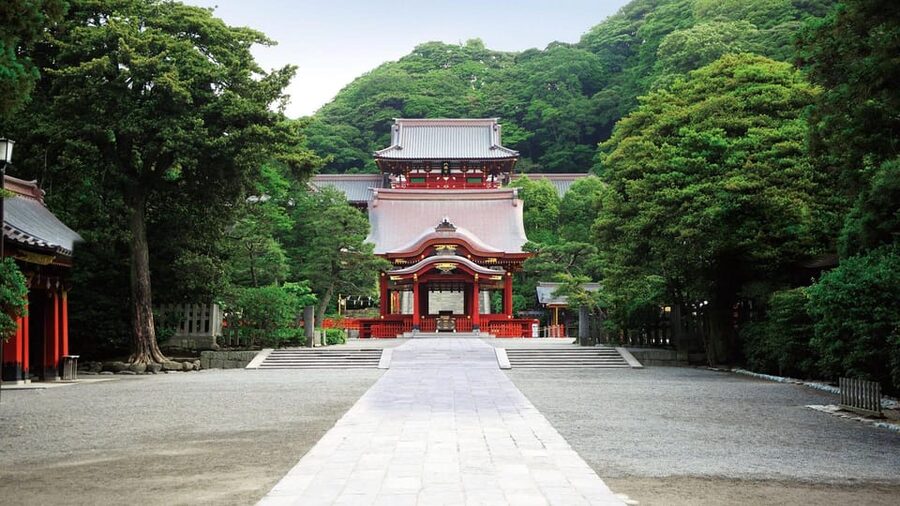
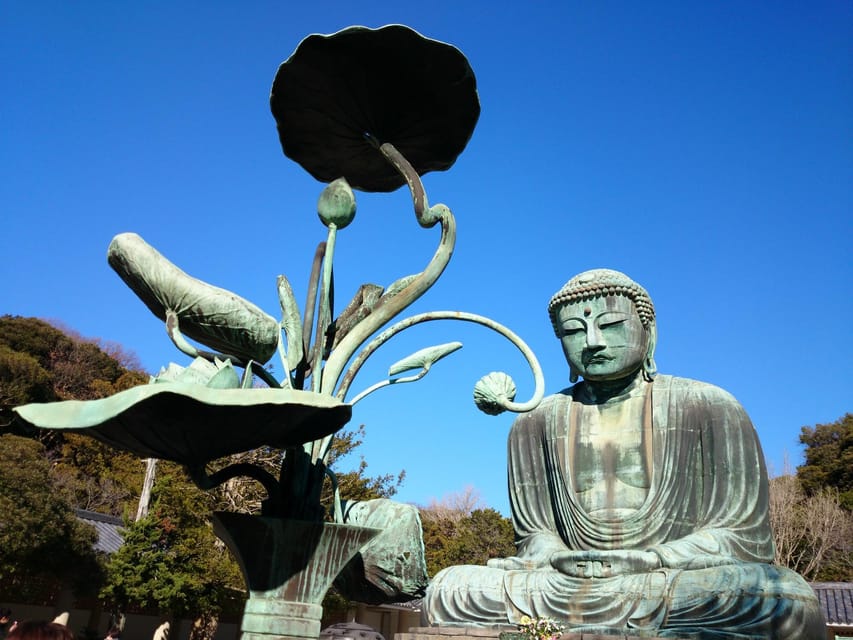
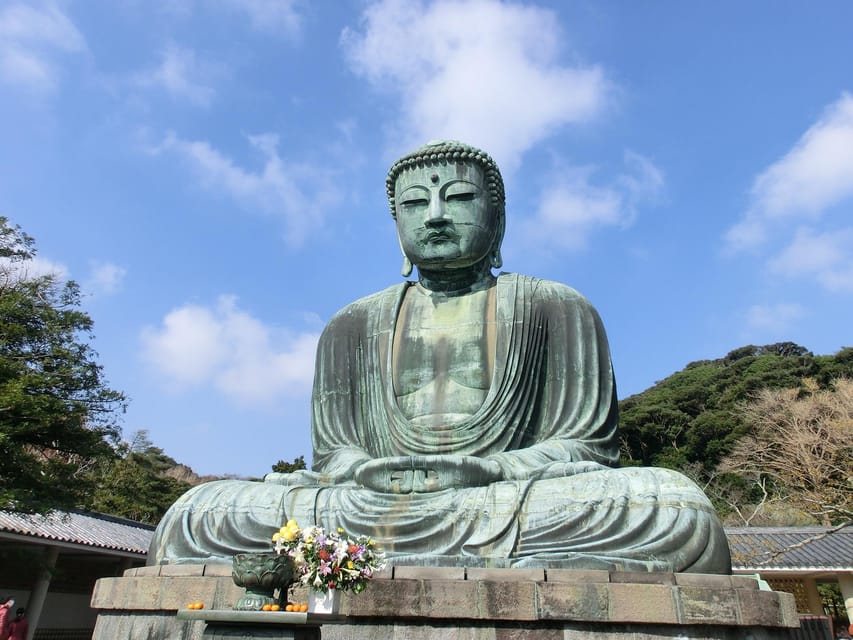
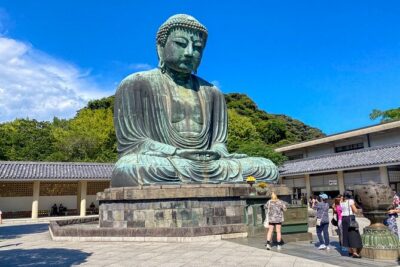
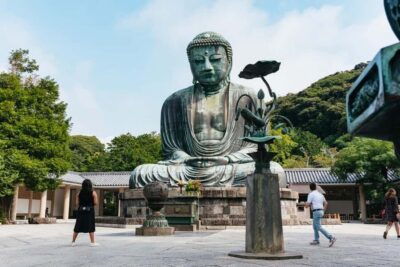
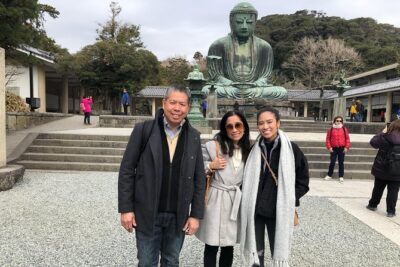
The first major stop is Kotoku-in, home to Kamakura’s Great Buddha. The bronze figure is the visual anchor of the day, and the scale becomes clear as you approach it on foot. A photo stop is included, along with time to visit and look around.
This is the place where the tour’s historical focus becomes tangible. The Buddha is not inside a modern museum or hidden behind layers of explanation. You see it directly, in an open temple setting, with the hills of Kamakura nearby.
The planned visit lasts about one hour. That is enough for photos, a short walk, and a calm look at the statue, but not enough for a long, slow exploration if the grounds are crowded. Entry fees are not included, so carry cash for admission and small purchases.
Your driver may drop you near the entrance and wait while you visit. The exact arrangement should be confirmed on the day, but the private vehicle means you do not need to search for parking or return to the same train station before moving on.
Hokoku-ji and its narrow bamboo paths
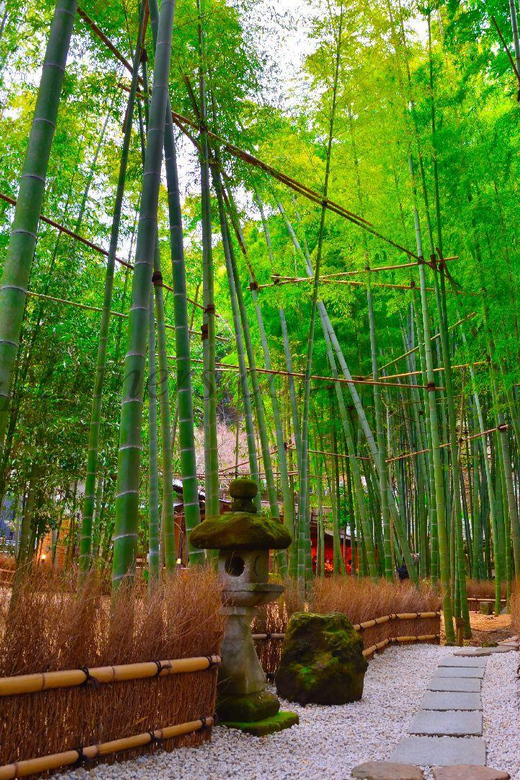
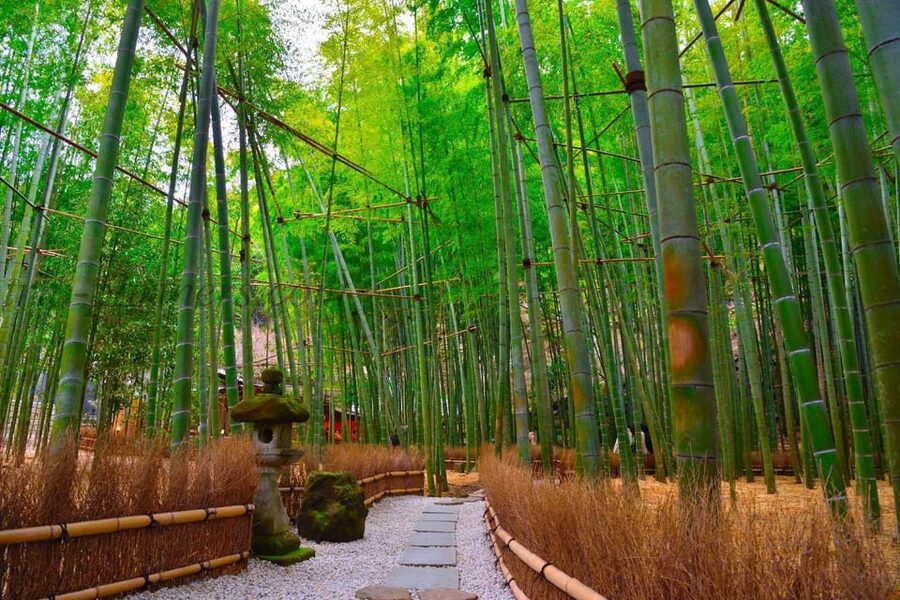
Hokoku-ji is a very different experience. Instead of a large open monument, you get a short walk through a bamboo forest leading toward the temple. The path is one of the day’s most atmospheric moments, with tall bamboo closing in on both sides.
The itinerary allows about one hour here and describes the visit as self-guided. That means you should not expect a long formal explanation at every stop. Your driver or guide can help with the route and timing, but you will have time to explore at your own pace.
Bring comfortable shoes. The tour involves walking at every stop, and temple grounds can include uneven surfaces, steps, or sloped paths. The bamboo area is not a place to rush through. Move slowly, look upward, and allow time for photographs without blocking the narrow walkway.
Entry is extra here as well. Cash is listed as an item to bring, and that is useful advice for temple admissions, food, and small local purchases. The schedule may feel tight if you want a long tea break or an extended visit, so tell the driver early if this stop is especially important to you.
Hase-dera, flowers, views, and more walking
Hase-dera receives the longest planned visit, about 90 minutes. That is sensible because the temple offers more than one quick photo point. You can expect a visit involving paths, temple buildings, and scenic views, with time to walk rather than simply step out, take a picture, and leave.
The stop is described as partly self-guided. I see that as a benefit if you like quiet time, but it also means you should not rely on a detailed guided lecture at every corner. Ask your English-speaking driver questions as they come up, and make clear if you want more time at the temple.
The temple’s elevated position gives you a chance to look toward the coast and surrounding hills. This is where the day’s coastal character comes through most clearly. If the air is clear, the views add a welcome change after the enclosed bamboo walk.
Hase-dera also demands more walking than the Great Buddha stop. Wear shoes you can use comfortably for several hours, and avoid building a packed evening plan in Tokyo. After four temple and shrine visits, you will likely want a quiet dinner near your hotel rather than another major attraction.
Tsurugaoka Hachimangu in the center of Kamakura
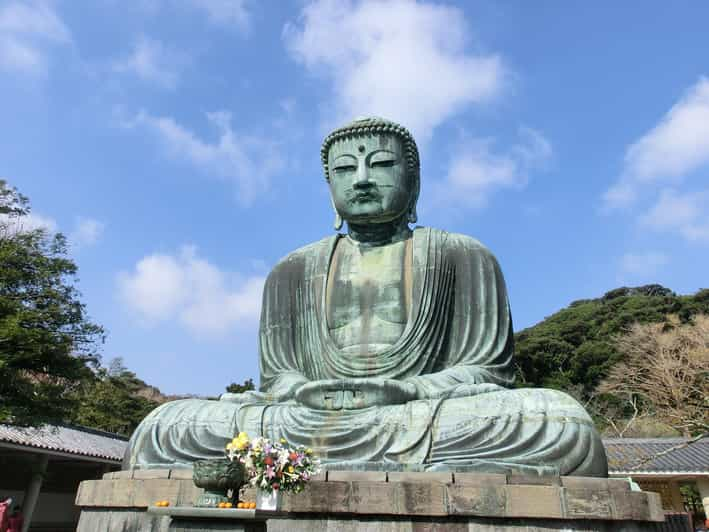
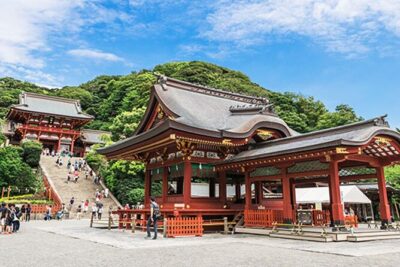
Tsurugaoka Hachimangu is the city’s cultural center and another 90-minute stop. The approach gives you a different sense of Kamakura, with a broad route leading into the shrine precinct. After the more intimate spaces at Hokoku-ji and Hase-dera, this feels grander and more ceremonial.
The shrine is a useful final stop because it brings the day back to Kamakura’s public face. You are no longer seeing only individual temple compounds. You are seeing a place where the city’s religious and civic life meet.
The visit includes walking, sightseeing, and scenic views along the way. It is also close to Komachi Street, an important place to consider for snacks or a quick meal. Lunch is not included, so this is a practical point to ask about food. You may be able to use free time near the shrine, but the exact meal stop depends on traffic, opening hours, and your group’s wishes.
The tour description also mentions Yuigahama Beach and Kamakura’s hills as possible parts of the experience, but the fixed route specifically lists Kotoku-in, Hokoku-ji, Hase-dera, and Tsurugaoka Hachimangu. If the beach matters to you, request it before the day begins. The same applies to extra shrines or a particular photo stop.


Private touring is the main advantage
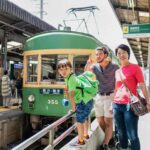
The strongest feature here is not simply the vehicle. It is the ability to adjust the day around your group. One guest had an extra stop at Haneda Temple to obtain a Goshuin book, and the guide also helped with a requested shrine on the return to Tokyo. That gives you a useful picture of what the private format can offer.
A Goshuin book collects temple and shrine stamps or calligraphy. If you want one, tell the provider before departure, especially if a specific temple or shrine is important. Do not assume every requested stop can fit into the day, but the driver can tell you what is realistic.
You can also choose your pickup point within the 23 wards. That may be your hotel lobby, apartment, hostel, Airbnb, or a train station. Wait in the lobby five minutes before the scheduled time, and expect the driver to contact you before arrival.
The driver may be late by up to 30 minutes because of traffic, highway conditions, or accidents. This is not a minor detail in Tokyo. Do not book a nonrefundable evening event immediately after the advertised return time.
What the $774 price really buys
The listed price is $774 per group of up to five people. That works out to about $155 per person for a full group, before lunch and entry fees. For two people, the per-person cost becomes much higher, so group size has a major effect on value.
You are paying for a private vehicle, fuel, parking, bottled water, WiFi, an English-speaking driver, and pickup and drop-off within Tokyo’s 23 wards. You are also paying to avoid the work of arranging a Kamakura route across several neighborhoods.
For five people, especially a family or group with luggage, mobility concerns, or different sightseeing interests, the price can make sense. For one or two confident rail users, the value is less clear. Kamakura is reachable by train, and independent sightseeing lets you spend less and stay longer at the places you like.
The price does not include lunch or entry fees. Bring cash and set aside extra money for admissions and food. Since the route involves four principal sites, those additional costs can add up, even though the exact fees are not provided here.
Food, beaches, and personal requests
Komachi Street is the natural place to look for local flavors near Tsurugaoka Hachimangu. The tour does not include lunch, so you have two choices: ask for a food stop during the day or eat independently near one of the scheduled sights.
Keep the meal practical. A long restaurant visit could shorten time at Hokoku-ji or Hase-dera, while a quick local snack may fit more easily. Tell the driver what matters most to you at the start of the day.
Yuigahama Beach adds sea air and a break from temple grounds. The tour highlights a possible stroll there, but the detailed stop schedule does not assign it a set duration. Think of it as an optional adjustment rather than a guaranteed long beach visit.
The same applies to Kamakura’s hills and other shrines. The private setup gives you room to ask, but it does not create extra hours. If you want the Great Buddha, both major temples, Tsurugaoka Hachimangu, a beach walk, lunch, and an additional shrine, the day may feel hurried.
Comfort, walking, and who should book
The air-conditioned vehicle is valuable in hot or humid weather and useful after several hours on temple paths. WiFi onboard can help you stay connected, while bottled water removes one small task from a long day.
Comfortable clothing and shoes are essential. You will walk at all four stops, and the schedule includes scenic routes and temple grounds rather than only curbside viewing. Cash is worth carrying because lunch and admissions are not included.
The activity is not suitable for people over 95, according to the stated rules. The information does not provide a detailed accessibility plan, so if you use a wheelchair, need a child seat, have allergies, or require other assistance, contact the provider before booking.
This tour fits families, small groups, couples who want door-to-door service, and first-time visitors who would rather have a driver handle the route. It also suits anyone hoping to add a personal religious or cultural stop, as the special requests made during previous outings suggest some flexibility.
It is less suitable if you want a fully scripted historical tour at every temple. Several stops are described as self-guided, and the driver’s role may focus as much on transport and practical help as on long explanations.
Booking details to check before you go
Pickup is included only within Tokyo’s 23 wards. Airports and ports are not included, and pickup from Yokohama port costs extra. If you are outside the 23 wards, send the exact address before booking so the provider can confirm the additional charge.
You can reserve now and pay later, and cancellation is free up to 24 hours in advance for a full refund. Starting times depend on availability, so check the schedule before committing to other plans.
Include your pickup point in the special requirements field. A hotel name alone may not be enough if you are staying in an apartment or private address. Also give advance notice for a child seat, allergies, or other requirements.
The private group limit is five people. If your party is larger, do not assume the same vehicle or price applies. Confirm the arrangement directly.
Should you book the Kamakura private tour?
Book this tour if you want Kamakura’s major sights in one organized day and value hotel pickup more than the lowest possible price. The combination of private transport, an English-speaking driver, bottled water, parking, and flexible requests is especially useful for a group of four or five.
I would also choose it for a family that wants to avoid Tokyo train changes, or for a short visit when one day must cover the Great Buddha, Hase-dera, Hokoku-ji, and Tsurugaoka Hachimangu. The warm, helpful service associated with Moon and Danish adds confidence, particularly when you want an extra shrine or a Goshuin-related stop.
Skip it if you are traveling alone or as a couple on a strict budget. The $774 group price is easiest to justify when divided among five people, and lunch and entry fees still come separately.
The honest choice is simple: pay for ease, privacy, and a broad route, or take the train and trade convenience for savings. For the right group, this is a practical way to see Kamakura without spending the day worrying about transport.
FAQ
How long is the Kamakura private tour?
The tour lasts 10 hours, including pickup from Tokyo and return to Tokyo.
Where can pickup take place?
Pickup is available from hotels, hostels, apartments, Airbnbs, other addresses, and train stations within Tokyo’s 23 wards.
Is pickup available from Haneda or another airport?
No. Airport and port pickup is not available under the stated standard arrangements. Yokohama port pickup may be possible for an additional charge.
How many people can join the private tour?
The price covers a private group of up to five people.
What sights are included?
The route includes Kotoku-in and the Great Buddha, Hokoku-ji Bamboo Forest, Hase-dera, and Tsurugaoka Hachimangu.
Is lunch included?
No. Lunch is not included, so you should budget for food during the day.
Are temple and shrine entry fees included?
No. Entry fees are separate from the tour price.
What should I bring?
Bring comfortable shoes, comfortable clothes, and cash.
What happens if the driver is late?
Traffic, highway conditions, and accidents can delay the driver by 10 to 30 minutes. You should wait in your hotel lobby five minutes before pickup, and the driver will contact you before arriving.
More Private Tours in Kamakura
More Guided Tours in Kamakura
More Kamakura & Enoshima Day Trips in Kamakura
More tours in Kamakura we've reviewed
Kamakura & Enoshima Day Trips, compared.
 ★ 4.5Tokyo: Kamakura & Enoshima Day Trip including Temple TicketsFrom $589 hours - 570 minutes
 ★ 5.0Mount Fuji, Kamakura, Big Buddha, & Lake Ashi Day TripFrom $109
 ★ 4.7Tokyo: Mt Fuji, Kamakura, Lake Ashi & Big Buddha Guided TourFrom $50
 ★ 4.5From Tokyo: Kamakura & Enoshima 1-Day Bus TourFrom $66
 ★ 4.9Tokyo:Sea of Mount Fuji, Hakone Ropeway, Ōwakudani, EnoshimaFrom $5010 hours
 ★ 5.0Kamakura 8 hr Private Walking Tour with Licensed Guide from TokyoFrom $201