Reviewed · GUIDED
Kawagoe 6hr Private Tour with Licensed Guide (Tokyo/Kawagoe dep)
Kawagoe gives you an old-Japan change of pace only about 30 minutes from Tokyo. This six-hour private tour lets you choose three or four stops in Little Edo, from warehouse streets and temples to a natural hot spring. Your guide handles the route, train or bus confusion, and much of the translation.
In This Article
- Why Kawagoe Makes a Good Six-Hour Escape
- Meeting Your Guide and Getting Around
- Toki no Kane and Kawagoe’s Kurazukuri Streets
- Koedo Yokocho for Food and a Rest
- Kawagoe Castle’s Naka no Mon and Honmaru Palace
- Hikawa Shrine and Kitain Temple
- The City Museum and Matsuri Kaikan
- Kawagoe Onsen and the Case for Slowing Down
- What the $153.11 Price Really Buys
- Guide Style, Mobility, and Weekend Timing
- Who Should Book This Kawagoe Tour?
- FAQ
- How long is the Kawagoe private tour?
- Where can I meet the guide?
- Is the tour private?
- How many Kawagoe attractions can I visit?
- Is transportation included?
- Is a private vehicle provided?
- Are entrance fees included?
- Is lunch included?
- Can the tour accommodate mobility needs?
- What is the cancellation policy?
I like the private format, since you can set a pace that suits your group. I also like the chance to choose between famous sights and more local pleasures, such as handmade udon, a food district, or Kawagoe Onsen. The main drawback is that transport, meals, and most entrance fees cost extra, and Kawagoe can feel packed on a Saturday.
- Choose three or four sites: The long list is a menu, not a promise that you will see everything.
- Meet in Tokyo or Kawagoe: Pickup is on foot within the designated area, with no private car included.
- Use public transportation: Your guide can help you manage trains and buses, but you pay the fares.
- See Edo-era Kawagoe: Kurazukuri warehouses, the Bell Tower, shrines, temples, and castle remains give the town its character.
- Private pacing helps: Guides have adjusted routes for guests with mobility limits and can avoid stairs where possible.
- Weekend timing matters: Saturday can turn the central streets into a crowded shopping zone.
Why Kawagoe Makes a Good Six-Hour Escape
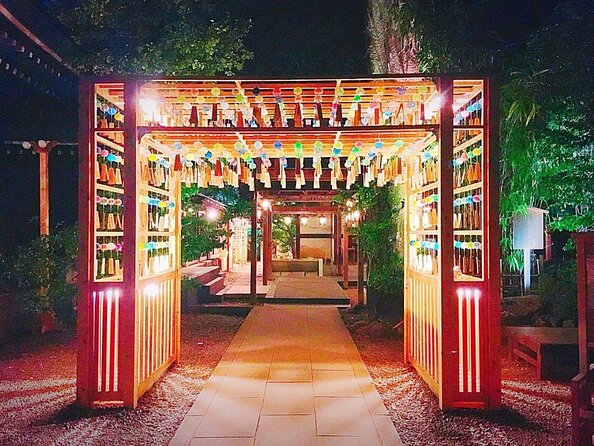
Kawagoe is not a perfectly preserved movie set. It is a living town, and that is part of its appeal. The old warehouse-style buildings now hold shops and restaurants, while local shrines, museums, temples, and public facilities continue to serve modern residents.
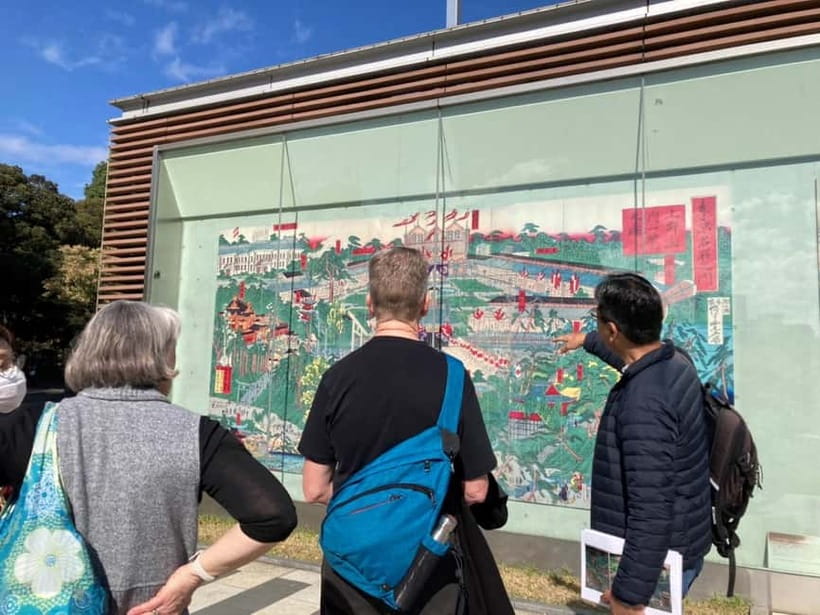
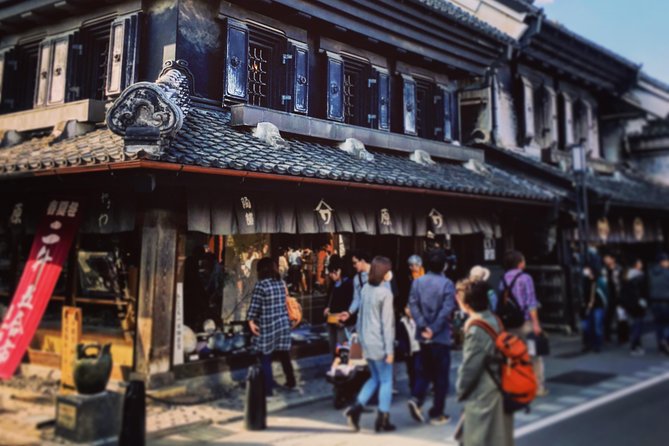
That mix makes the town more rewarding when you have a guide who can explain what you are seeing. The black plaster walls and heavy tiled roofs of the kurazukuri district are easy to photograph, but the story behind them gives the streets more meaning. Kawagoe grew as a castle town and prospered through trade, helped by its connection to Edo, present-day Tokyo.
The six-hour length is useful. A short half-day visit can cover the central streets, but a longer outing gives you room to add a museum, castle remains, shrine, temple, or hot spring. You still need to be selective. The tour offers ten possible stops, but the plan is normally three or four sites.
That flexibility is the heart of the experience. You can build a history-focused day, a food-and-shopping outing, a temple and shrine visit, or a gentler route with fewer stairs. Tell the guide what matters to you before the day begins.
Meeting Your Guide and Getting Around
The guide meets you on foot at a chosen location within the designated Tokyo or Kawagoe area. The experience does not include a private vehicle, so you should think of this as a walking and public-transport tour rather than a chauffeured excursion.
This arrangement is valuable if Japanese train and bus systems feel intimidating. One especially useful part of the outing is the trip to Kawagoe itself. A guide can help you get through the public-transport experience, point out the right connections, and translate when needed.
You pay transportation costs separately. Bus timings can be fixed, so do not assume that every stop can be extended without affecting the rest of the day. A guide named Show was specifically appreciated for keeping a schedule on track when bus times mattered.
The private setup also gives you more control than a large group tour. If one person in your party wants to linger at a shrine, shop, or museum, the guide can shape the day around your interests. The tradeoff is that the guide cannot combine your booking with another group, so the price is tied to your own party.
Other guided tours in Tokyo
Toki no Kane and Kawagoe’s Kurazukuri Streets
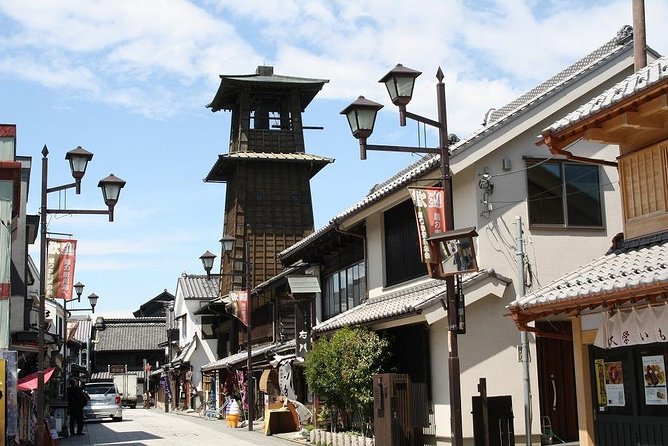
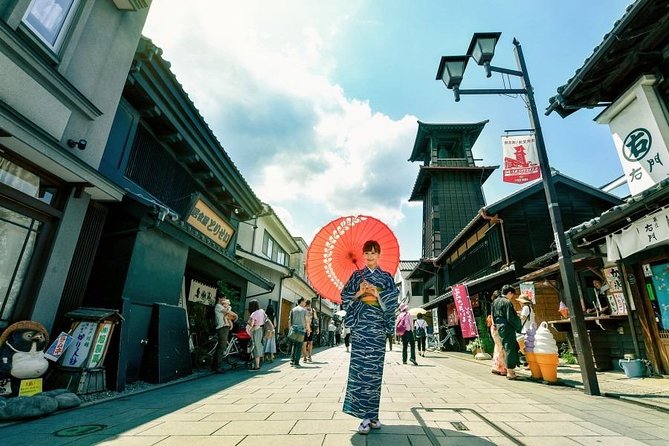
The Bell Tower, Toki no Kane, is one of Kawagoe’s clearest symbols. In the Edo period, before household clocks were common, its bell helped tell the town when the day had reached important hours. The bell still rings at 6 a.m., noon, 3 p.m., and other times.
The scheduled stop itself is only about five minutes, so treat it as a quick orientation point rather than a full visit. The tower works best when paired with a walk through the surrounding warehouse district.
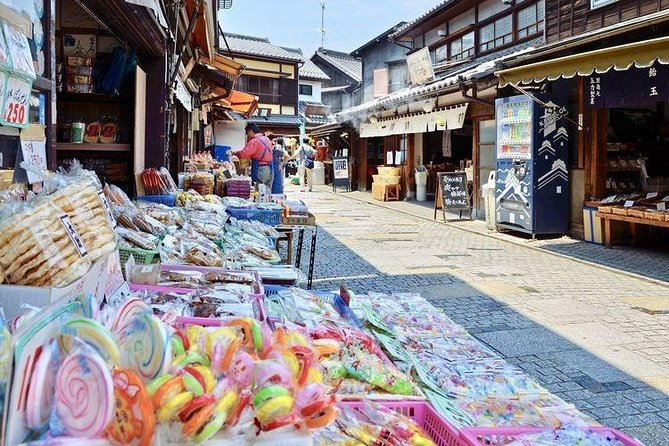
At the Kawagoe Kurazukuri Museum, you get a closer look at the town’s traditional warehouse architecture. These thick, fire-resistant buildings once protected valuable goods. Today, the streets are lined with businesses, so the area is both historic and commercial.
That commercial side deserves an honest note. The old buildings are not empty relics. Many are shop houses, and the central district can feel more like a popular shopping street than a quiet historic quarter. If you want a calmer mood, ask your guide to place the warehouse district early in the day or balance it with a temple and museum.
Admission to the Kurazukuri Museum is not included. The same applies to several of the indoor attractions, so ask the guide which paid sites make sense for your budget before settling on the route.
Koedo Yokocho for Food and a Rest
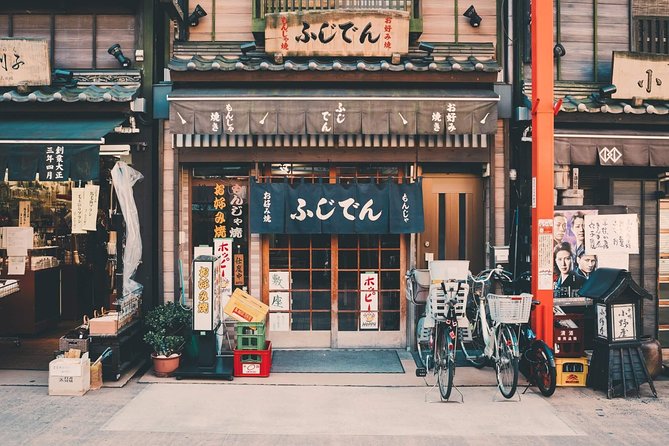
Koedo Yokocho gives the tour a practical break from monuments. This warehouse-style building has restaurants serving Japanese dishes such as kamameshi, a rice, meat, and vegetable dish cooked in a small pot, along with ramen and other meals.
There is also a free rest area. That matters on a six-hour walking tour, especially if your group includes children, older family members, or anyone who needs to sit down between sights.
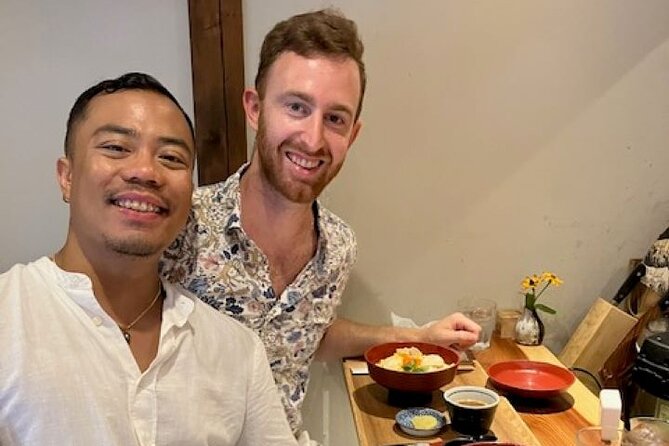
Food is not included, so you choose and pay for your own meal. The stop is listed at about 30 minutes, which may be enough for a quick bite but can feel short for a relaxed lunch. If eating is a priority, tell the guide early. One particularly worthwhile food experience described by the guide’s feedback was superb handmade udon, which suggests that the best meal of the day may come from following local advice rather than simply eating at the most obvious stop.
Kawagoe Castle’s Naka no Mon and Honmaru Palace
Kawagoe was once a castle town, but most of the castle no longer remains. The Naka no Mon remains offers a glimpse of the former complex, with the entrance and a small number of rooms open to the public.
The stop is useful for understanding why Kawagoe mattered. This was not just a merchant town with attractive buildings. Its castle connected it to the political and military world of the Edo period.
Kawagoejyo Honmaru Palace offers another look at castle life. Japanese castle sites are popular because they make history physical, but you should set your expectations correctly here. You are not touring a complete stone fortress with tall towers. The appeal is the surviving palace setting and the chance to imagine the castle town that once surrounded it.
Both castle attractions have admission fees that are not included. The guide’s entry is covered only for sights specifically listed under the experience details, so confirm the cost before you choose both. If you have limited time, selecting one castle-related site may leave room for a shrine or temple.
Hikawa Shrine and Kitain Temple
Kawagoe Hikawa Shrine is known for relationships and good fortune in love. Its Enmusubi dama, or love-success stone, is a well-known charm. You do not need to be planning a wedding to enjoy the shrine. Its cultural role, traditional setting, and local importance make it a strong choice for almost any first visit.
The listed visit lasts about 30 minutes and admission is free. That makes it an efficient stop when you want something memorable without adding another entrance charge.
Kitain is the better choice if you want a temple atmosphere. The Buddhist temple has been in Kawagoe for about 1,200 years, and its age gives the grounds a sense of continuity that newer attractions cannot match.
Kitain is also a good place to ask for a slower pace. A private guide can explain the religious setting and help you focus on the details rather than simply moving from one photo point to the next. Admission is listed as free, though some parts of a temple complex can have different access arrangements, so follow the guide’s advice on the day.
If you only choose one religious site, pick Hikawa for romance and local customs, or Kitain for Buddhist history and atmosphere. Choosing both gives the day balance, but it leaves fewer slots for museums or the onsen.
Other private tours in Tokyo


The City Museum and Matsuri Kaikan
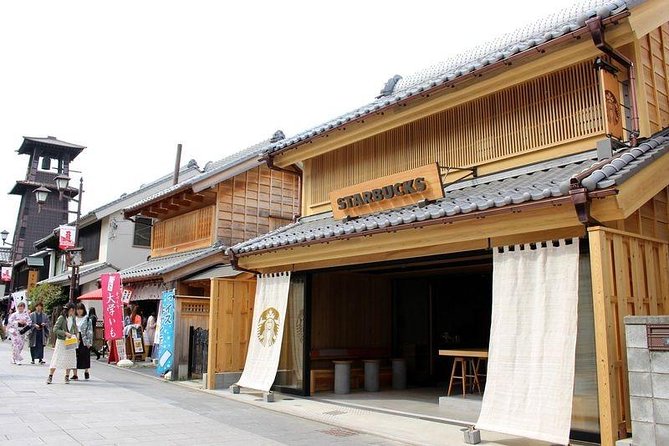
The Kawagoe City Museum helps explain why the town is called Koedo, or Little Edo. Its displays and exterior connect the surviving buildings and streets to the wider story of Kawagoe as a castle town and commercial center.
This is a good indoor option if the weather is poor or if you want context before walking through the old district. Admission is not included, so consider it a choice for people who prefer exhibits and explanation over shopping streets.
The Kawagoe Matsuri Kaikan focuses on local festivals. Japan has many regional celebrations, and this center is designed to show how Kawagoe’s own festival tradition fits into local life.
It is a smart pick if your visit does not coincide with a festival. You can get a sense of the scale and style of the event without planning your entire trip around festival dates. Like the city museum, it has an additional entrance fee.
A museum-based route works especially well in hot, cold, or rainy weather. You can pair one museum with the Bell Tower and a meal, rather than trying to walk outside for six straight hours.
Kawagoe Onsen and the Case for Slowing Down
Kawagoe Onsen is the most relaxing option on the list. The natural hot spring facility offers several baths, including wood and stone styles. It changes the character of the outing from sightseeing to recovery.
You should choose the onsen only if your group is comfortable with Japanese bathing customs and wants to spend part of the day at the facility. The listed stop is 30 minutes, which is a brief visit for a hot spring. You may need to ask how much actual bathing time remains after transportation and changing.
The onsen also has an extra charge. It may be better value for someone who has already seen Tokyo’s major sights and wants a slower local experience than for a first-time visitor trying to check off Kawagoe’s main landmarks.
Because this is a private tour, you can discuss the pace with the guide. An onsen stop paired with fewer historic sites may suit you better than rushing through a long list.
What the $153.11 Price Really Buys
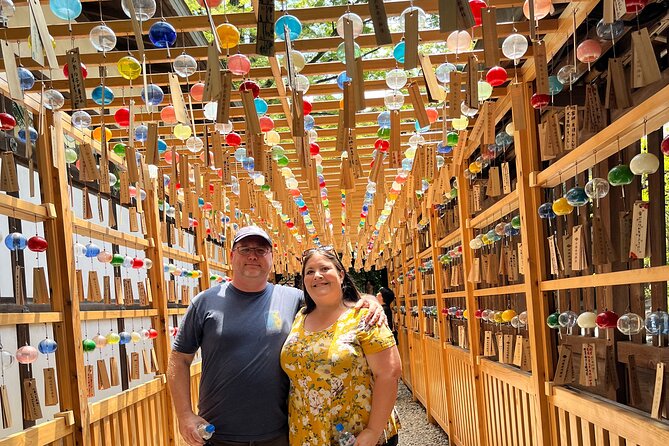
The listed price is $153.11 per person, with group discounts available. That is not a cheap way to sightsee in Kawagoe if you are comfortable handling trains, buses, maps, and translation on your own.
The value comes from the service around the sights. You are paying for a licensed local English-speaking guide, a private itinerary, help with public transportation, and the ability to shape the day around three or four priorities. For a couple or family that wants a smooth day outside Tokyo, that can be worthwhile.
You should budget extra for transportation, lunch, personal purchases, and most entrance fees. There is no private car. If you expected door-to-door driving between ten attractions, this is the wrong product.
Group discounts may improve the per-person value for a larger private party. The tour cannot combine unrelated groups, though, so solo visitors and small parties should compare the total price with a standard group excursion or independent travel.
The 4.7 rating from seven reviews points to a generally strong experience, but the small number matters. I would treat the rating as encouraging rather than final proof. The most consistent strengths are the guides’ personal attention, help with transport, and willingness to adjust the route.
Guide Style, Mobility, and Weekend Timing
Several guide names appear in the feedback. Taka met a party at its hotel and accompanied them to Kawagoe by train. Isao adjusted the pace for guests with mobility limits, helping avoid stairs by using elevators and escalators. Show was praised for being friendly, flexible, and passionate about Japan.
Those details show what this tour can do well when you communicate clearly. At booking, tell the provider about mobility concerns, preferred walking speed, food interests, and the three or four places you care about most.
You should also think carefully about the day of the week. Saturday can become a tourist mob scene in the central streets. The old buildings remain attractive, but crowds and shop traffic can make the experience feel less peaceful.
A weekday or less busy period may suit you better if your goal is quiet photography and unhurried temple visits. If Saturday is your only option, use the private guide to move efficiently and spend more time at sites away from the busiest shopping lanes.
The tour is described as suitable for most participants, and service animals are allowed. Still, it remains a walking tour, so comfortable footwear and realistic expectations about moving between sites are important.
Who Should Book This Kawagoe Tour?
I would choose this tour if you want more than a quick look at the Bell Tower and warehouse streets. It is especially useful for first-time visitors to Japan who want help with public transportation and translation without joining a large group.
It also suits families and mixed-age groups. A private guide can adjust the pace, choose a rest stop, and avoid unnecessary stairs when the route permits. Couples may prefer the shrine, temple, and food combination, while history fans can focus on the castle remains, museums, and kurazukuri buildings.
I would skip it if you enjoy planning train routes, reading maps, and exploring independently. I would also skip it if the price does not leave room for separate transport and admissions, or if you want a private vehicle.
Book it when you value a flexible day and a human guide more than a low-cost sightseeing list. Choose your three or four priorities in advance, avoid the busiest Saturday hours when possible, and ask about extra charges before finalizing the route. Free cancellation is available up to 24 hours before the start time, which gives you some useful flexibility.
FAQ
How long is the Kawagoe private tour?
The tour lasts approximately six hours.
Where can I meet the guide?
You can meet the licensed English-speaking guide on foot at a designated location in Tokyo or Kawagoe. Pickup is on foot, not by private vehicle.
Is the tour private?
Yes. Only your group participates, and unrelated groups cannot be combined.
How many Kawagoe attractions can I visit?
The tour is customizable, and you choose three or four sites from the listed options.
Is transportation included?
No. Transportation fees are not included. The guide can help you use public transportation, but you pay the train or bus fares.
Is a private vehicle provided?
No. The experience is a walking tour with public transportation assistance rather than a private-car tour.
Are entrance fees included?
Most entrance fees are not included. The guide’s entry fees are covered only for sights listed under the experience details.
Is lunch included?
No. Lunch and other personal expenses are separate.
Can the tour accommodate mobility needs?
The experience is suitable for most participants, and one guide adjusted a route for guests with mobility limitations by using elevators and escalators where possible. You should explain your needs before the tour.
What is the cancellation policy?
You can cancel at least 24 hours before the local start time for a full refund. Cancellations or changes made less than 24 hours in advance are not accepted for a refund.
More Private Tours in Tokyo
More Guided Tours in Tokyo

More tours in Tokyo we've reviewed












Guided, compared.
 ★ 5.0Tokyo 6hr Private Tour with Government-Licensed GuideFrom $155
 ★ 4.9Tokyo: Shinjuku Local Bar and Izakaya Guided Walking TourFrom $343 hours
 ★ 4.8Tokyo: Private City Highlights Tour with Local GuideFrom $1064 - 8 hours
 ★ 4.9Tokyo: Tsukiji Fish Market Guided Walking TourFrom $222 hours
 ★ 5.0Tokyo 4hr Private Tour with Government-Licensed GuideFrom $109
 ★ 5.0Tokyo Guided Small-Group Biking TourFrom $106