Reviewed · GUIDED
Tokyo Private Customizable Tour with a Local Guide
Tokyo gives you old Buddhist temples, imperial gardens, neon crossings, food markets, and youth fashion in one long, fast-moving day. This private tour connects those very different sides of the city without asking you to work out every train, transfer, and neighborhood change yourself.
In This Article
- Key points to know before booking
- A useful way to see Tokyo in one day
- Senso-ji and Nakamise Street: Tokyo’s traditional opening
- Tokyo Skytree: a high view with an admission question
- The Imperial Palace: an outside look at Japan’s center of power
- Tsukiji Outer Market: a one-hour taste of Tokyo food culture
- Meiji Shrine: quiet paths near the city center
- Takeshita Street and Harajuku: fashion, snacks, and crowded energy
- Shibuya Scramble Crossing: Tokyo’s famous moving picture
- What the private vehicle adds to the day
- Who will get the most value from this Tokyo tour?
- What to bring and what to confirm
- Should you book this private Tokyo tour?
- FAQ
- How long does the Tokyo private tour last?
- How many people can join the private group?
- What is included in the tour price?
- Is lunch included?
- Is Tokyo Skytree admission included?
- Which places are visited?
- Is hotel pickup available?
- Is the tour offered in English?
- Can the tour be canceled for a refund?
I like the customizable route, which lets you shape the day around temples, city views, shopping, or Tokyo street life. I also like the private transportation and hotel pickup, a real help when you want to cover several far-apart districts in 10 hours. The main drawback is the pace: nine stops leave limited time at each place, and crowds at Harajuku and Shibuya can make the day tiring.
Key points to know before booking
- Senso-ji and Nakamise Street: Begin with Tokyo’s oldest-feeling temple district, food stalls, souvenir shops, gates, and Buddhist buildings.
- Tokyo in one private day: The route links Asakusa, Skytree, the Imperial Palace, Tsukiji, Meiji Shrine, Harajuku, and Shibuya.
- A guide-led experience: English-speaking guides including Mukkarram, Shomo, and Yoshi have been associated with tours, with praise for patience, explanations, and flexibility.
- $367 for up to five people: At full capacity, that works out to about $73.40 per person, including private transport and pickup.
- Big sights, quick visits: Most stops last 30 minutes to one hour, so expect an overview rather than a slow, detailed visit.
- Plan for walking and crowds: Comfortable shoes, water, sun protection, and weather-ready clothing will make the day easier.
A useful way to see Tokyo in one day
This is best understood as a broad Tokyo sampler, not a slow study of one neighborhood. You move from Asakusa in the east to the Imperial Palace, Tsukiji, Meiji Shrine, Harajuku, and Shibuya, seeing how sharply Tokyo’s districts change from one stop to the next.
Your English-speaking driver and guide pick you up in Tokyo, usually at your hotel lobby or another agreed address. Because the group is private and capped at five people, you avoid the waiting and fixed rhythm of a large coach group. You can also explain what matters most to you, though the stated route still covers a lot of ground.
The guides named in the tour material include Mukkarram, Shomo, and Yoshi. Their approach has been described as patient, helpful, and good at explaining temple stories and Tokyo culture. That matters here because several stops reward context more than a quick photograph.
At $367 per group, the price makes the most sense for three to five people. Five people sharing the cost pay about $73.40 each, before lunch and any admission charges. A solo visitor pays much more for the same vehicle and guide, so the value improves sharply when you fill the group.
Other guided tours in Tokyo
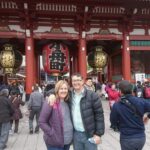
Senso-ji and Nakamise Street: Tokyo’s traditional opening
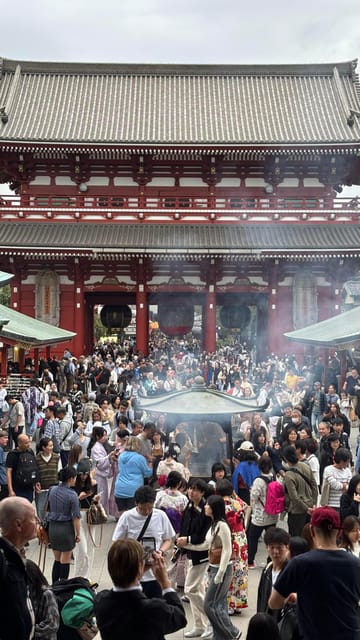
The day begins at Senso-ji Temple, also called Asakusa Kannon Temple. The one-hour guided visit gives you time to look at the temple buildings, surrounding shrines, gardens, and decorative details while your guide explains the site’s Buddhist importance.
Senso-ji is one of Tokyo’s major Buddhist sites, and it offers a strong first look at the city’s older customs. You will see a formal religious complex, but also the steady movement of people buying food, souvenirs, and small religious items nearby. That mix is part of what makes Asakusa useful for first-time visitors: it shows tradition as part of everyday Tokyo, not as something locked away in a museum.
Nakamise Shopping Street follows for about 30 minutes. This traditional approach is lined with souvenir shops and food vendors, so use the time for small snacks, gifts, and a closer look at the street’s old-style character.
Thirty minutes goes quickly. If you care more about food or shopping than the next stop, ask whether the schedule can give you extra time here. The private format helps, but the total day still has limits.
Tokyo Skytree: a high view with an admission question
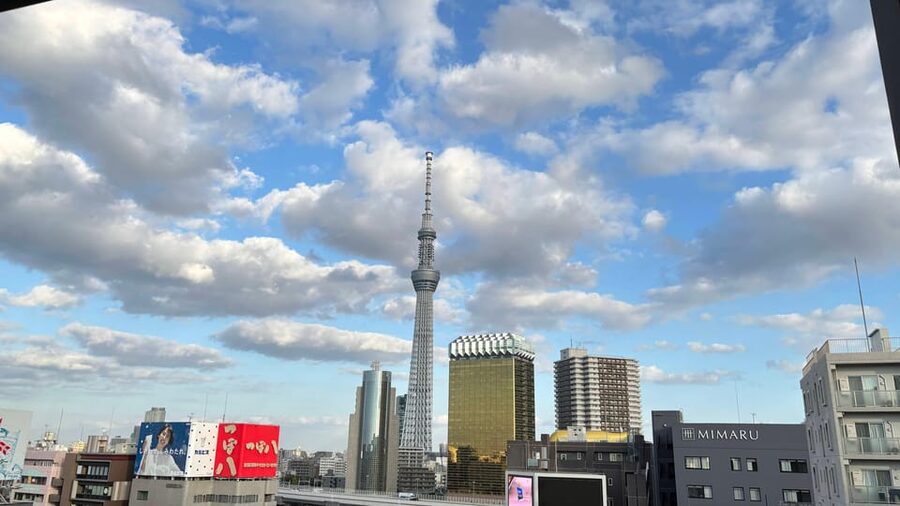
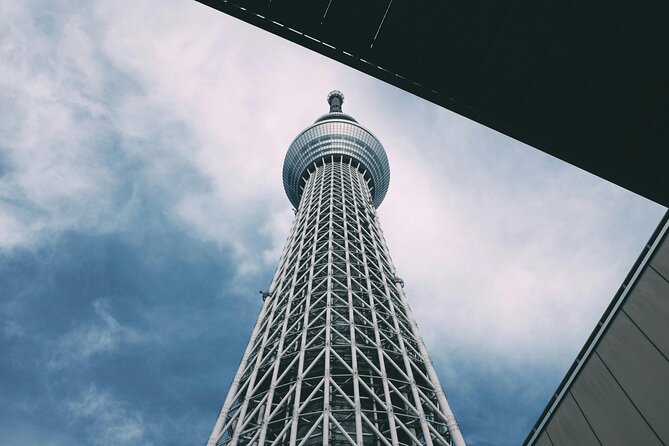
The tour then heads to Tokyo Skytree, Japan’s tallest building, for about an hour of sightseeing. From the observation areas, you can look across the enormous spread of Tokyo and get a better sense of how far the morning’s districts are from the western neighborhoods still ahead.
This is a good counterpoint to Senso-ji. At the temple, you study gates, carvings, incense, and sacred spaces from ground level. At Skytree, the city becomes a broad view, with its dense buildings and long urban reach laid out below you.
The information supplied for this tour is inconsistent about the admission fee. One section says the Skytree ticket is not included and gives a listed price of 1,800 yen, while another says admission is included. Confirm this directly before you pay or begin the tour. Other attraction fees are also not included, so keep extra money available.
The one-hour stop may include waiting, entry, and the view itself. On a clear day, the height should be rewarding. On a hazy or rainy day, the value of the ticket may feel less certain, which is another reason to ask how flexible the schedule is.
The Imperial Palace: an outside look at Japan’s center of power
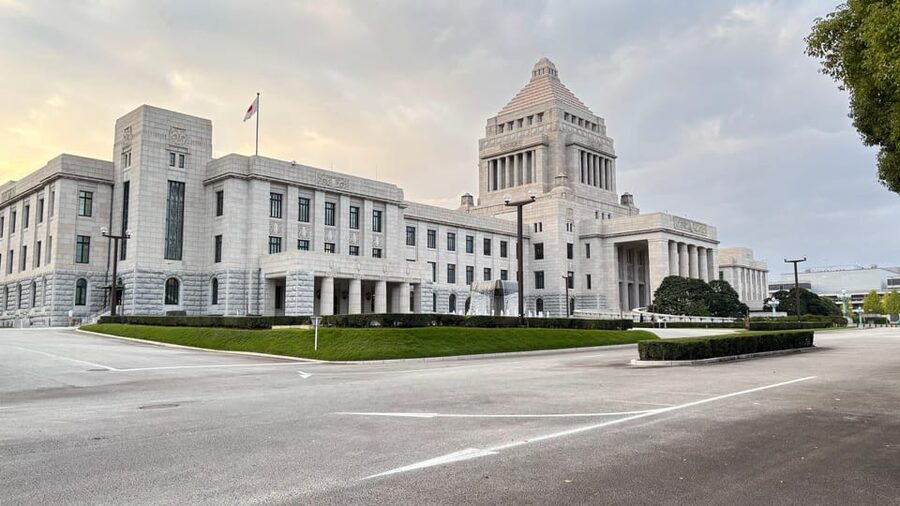
The Imperial Palace stop lasts about 30 minutes and focuses on exterior views and photographs. You should not expect a full palace interior visit from this schedule.
That short stop can still be worthwhile. The palace grounds represent Japan’s modern imperial center, and the surrounding space gives you a pause from the packed streets and commercial districts. Your guide can add the historical and cultural background that a quick photo alone would miss.
Do not plan your day around entering palace buildings. The stated program calls for seeing the palace from outside, so treat this as a concise orientation stop. If you want longer garden walks or more time in the palace area, tell your guide early and accept that another stop may need to be shortened.
Tsukiji Outer Market: a one-hour taste of Tokyo food culture
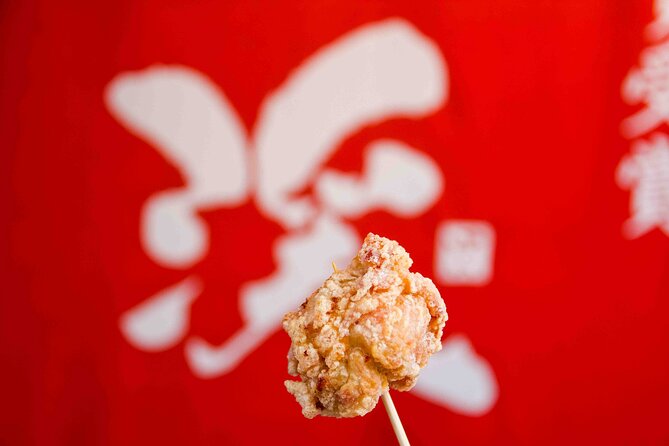
Tsukiji Outer Market receives about an hour. This is one of the most practical stops for anyone who wants to see Tokyo’s food culture close up, with stalls and small shops offering a range of Japanese ingredients and prepared foods.
Lunch is not included, so Tsukiji is the natural place to eat, although you pay for anything you buy. An hour gives you enough time to look around and choose something, but not enough for a long, unhurried food crawl. Keep your group together and stay aware of the schedule.
The market also breaks up the temple-and-monument pattern of the morning. Instead of only looking at famous buildings, you get a chance to use your senses and make the day more personal through food. Ask your guide for help with choices if you are unsure what to order.
Other private tours in Tokyo


Meiji Shrine: quiet paths near the city center
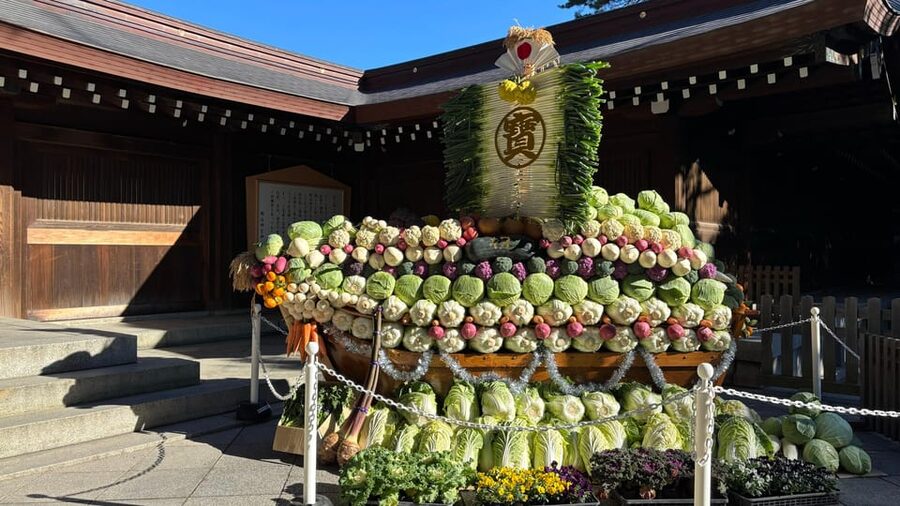
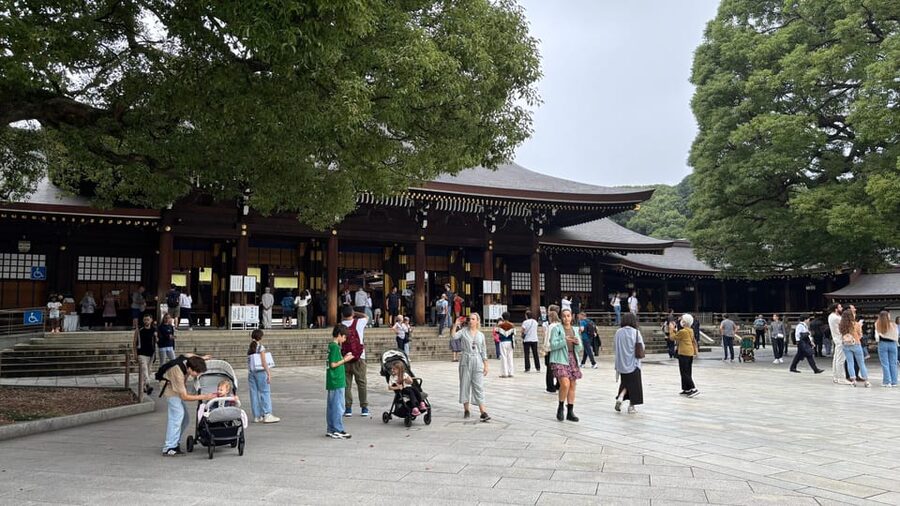
Meiji Shrine gets about an hour and provides one of the day’s strongest changes of mood. The shrine honors the divine souls of Emperor Meiji and Empress Shoken, and its grounds offer a more solemn setting than the shopping streets and crossings later in the route.
You will want comfortable shoes here. The stop involves walking, and the tour as a whole requires a lot of time on your feet. Bring water, a hat, and sunscreen, especially in warm weather, and check the forecast before dressing.
I like placing Meiji Shrine after Tsukiji because the two stops feel so different. Tsukiji is about food and commerce. Meiji Shrine asks you to slow down and pay attention to ritual, architecture, and the wooded shrine setting. With a guide, you can better understand why this is regarded as one of Japan’s most respected shrines.
Takeshita Street and Harajuku: fashion, snacks, and crowded energy
Takeshita Street receives about 30 minutes, within the Harajuku portion of the day. Harajuku is known as a Japanese fashion center, and this is the stop for youth styles, small shops, unusual cafés, and quick people-watching.
The tour description mentions different kinds of cafés, including owl cafés and cat cafés. These may require separate fees and may not fit comfortably into a 30-minute visit, so ask your guide what is realistic before committing to one. You may need to choose between browsing Takeshita Street and sitting down at a café.
Crowds are a serious consideration here. Harajuku can be packed, and narrow shopping streets do not reward a rushed group. If you have a specific shopping goal, say so. If not, use the short stop to get a feel for the district rather than trying to cover every shop.
Shibuya Scramble Crossing: Tokyo’s famous moving picture
The final major sightseeing stop is Shibuya Crossing, with about 30 minutes. This is the busiest crossing in the world and one of Tokyo’s most recognizable scenes. You can watch the traffic stop, see the pedestrian streams meet, and take photographs from the street or nearby viewing points available during your visit.
Half an hour is enough to experience the crossing, but not enough for an extended Shibuya visit. The area is crowded, so keep track of your guide and belongings. Flash photography is not allowed, and smoking is also prohibited during the activity.
Shibuya works well at the end because it gives you a sharp finish after the quiet of Meiji Shrine and the playful shopping mood of Harajuku. It also shows why this tour is useful for a first visit: in one day, you see both historic religious sites and Tokyo’s modern urban theater.
What the private vehicle adds to the day
The private transport is not just a comfort feature. Tokyo’s main sights are spread across several districts, and this route asks you to change settings repeatedly. Pickup and drop-off at your Tokyo hotel or chosen address save you from starting and ending the day with more transfers.
You also have a private group rather than a shared tour. That makes it easier to adjust the pace, ask questions, and make small changes when a market, temple, or shopping street interests you more than expected.
Still, private transport cannot remove Tokyo’s traffic or crowds. The tour lasts 10 hours, but road conditions and queues can affect how long you spend at each stop. Customization is useful, but it does not mean every attraction can receive a full visit.
Who will get the most value from this Tokyo tour?
I would recommend this for first-time Tokyo visitors who want a wide overview and prefer help with transport. It is also a good fit for families or friends who can share the $367 group price and want a private schedule.
It suits you particularly well if you want a guide to explain temple stories, shrine customs, and the meaning behind major sites. The positive guide feedback points to patient explanations and flexible handling of different interests, with Mukkarram, Shomo, and Yoshi all named in connection with the experience.
This is less suitable if you prefer one neighborhood per day, long meals, serious shopping, or extended museum visits. It is also a poor match for anyone who cannot walk comfortably for much of the day. The activity information calls the tour wheelchair accessible in one place, but another section says it is not suitable for wheelchair users or people with mobility impairments. Contact the provider before booking if accessibility matters.
Children under five are not considered suitable for this tour. Older children may enjoy the variety, but the 10-hour length and walking deserve careful thought.
What to bring and what to confirm
Wear comfortable walking shoes. Bring water, a camera, a hat, and sunscreen, and dress for the forecast. Tokyo’s weather can change the feel of an outdoor-heavy day, especially at the shrine, market, palace area, and crossing.
Lunch and activity fees are not included. The Skytree admission information conflicts, so confirm whether the 1,800 yen ticket is part of your price. Also ask about any café charges before entering.
Smoking and flash photography are not allowed. Crowds will be strongest around Shibuya Crossing and Harajuku, so keep valuables secure and agree on a simple meeting point if your group spreads out.
Cancellation is flexible up to 24 hours before the start for a full refund, and you can reserve now and pay later. That is useful when your Tokyo plans may change.
Should you book this private Tokyo tour?
Book it if you want to see many of Tokyo’s signature places in one day, prefer a private car and hotel pickup, and value a guide who can adjust explanations and pacing to your group. The strongest value comes when three to five people share the $367 price.
Skip it if you want slow temple visits, a long Tsukiji lunch, serious Harajuku shopping, or a full Skytree experience without time pressure. Before booking, confirm the Skytree fee and discuss mobility needs. For a first look at Tokyo with a broad mix of old, new, sacred, fashionable, and famously crowded, this is a practical choice, provided you are ready for a full day on your feet.
FAQ
How long does the Tokyo private tour last?
The tour lasts 10 hours, including pickup in Tokyo and return to Tokyo.
How many people can join the private group?
The price covers a private group of up to five people.
What is included in the tour price?
Private transportation, pickup and drop-off service, a customizable itinerary, and an English-speaking driver are included.
Is lunch included?
No. Lunch is not included, so you should budget separately for food, with Tsukiji Outer Market offering a convenient place to eat.
Is Tokyo Skytree admission included?
The information provided is inconsistent. One section says the 1,800 yen Skytree admission is not included, while another says it is included. Confirm this point with the provider before booking.
Which places are visited?
The route includes Senso-ji Temple, Nakamise Shopping Street, Tokyo Skytree, the Imperial Palace, Tsukiji Outer Market, Meiji Shrine, Takeshita Street, and Shibuya Crossing.
Is hotel pickup available?
Yes. Pickup and drop-off are included, and you can meet the guide in your hotel lobby or at an agreed pickup address in Tokyo.
Is the tour offered in English?
Yes. The tour includes a live English-speaking guide or driver.
Can the tour be canceled for a refund?
You can cancel up to 24 hours in advance for a full refund. You can also reserve now and pay later.
More Private Tours in Tokyo
More Guided Tours in Tokyo

More tours in Tokyo we've reviewed












Guided, compared.
 ★ 5.0Tokyo 6hr Private Tour with Government-Licensed GuideFrom $155
 ★ 4.9Tokyo: Shinjuku Local Bar and Izakaya Guided Walking TourFrom $343 hours
 ★ 4.8Tokyo: Private City Highlights Tour with Local GuideFrom $1064 - 8 hours
 ★ 4.9Tokyo: Tsukiji Fish Market Guided Walking TourFrom $222 hours
 ★ 5.0Tokyo 4hr Private Tour with Government-Licensed GuideFrom $109
 ★ 5.0Tokyo Guided Small-Group Biking TourFrom $106