Reviewed · CITY TOURS
tokyo city walk tour visit Tokyo in one day
Tokyo is too large to see properly in one day, but this private tour gives you a smart way to make a serious attempt. Rui Liu builds the day around what you care about, then guides you between major sights by subway, on foot, and through local food stops. The flexible plan is the main attraction: you can focus on temples, anime, shopping, city views, museums, or a mix.
In This Article
- Key points for making one Tokyo day count
- A full Tokyo day built around your interests
- Meeting in Ginza or Shinjuku
- Moving through Tokyo by subway
- Tokyo Tower and the city-view stops
- Sensoji and Tokyo’s oldest-feeling traditions
- Meiji Shrine and Shinto in the city
- Akihabara, anime, and family requests
- Ginza, Shibuya, and Shinjuku after dark
- Museums, Tsukiji, and the Imperial Palace
- Food stops with local guidance
- What the $258 private price really buys
- Who will get the most from this tour
- Should you book Rui’s Tokyo day?
- FAQ
- How much does the Tokyo city walk tour cost?
- Who is the guide?
- Where can the tour begin?
- What places can I visit?
- Is transportation included?
- Can I cancel the booking?
I especially like the chance to learn Tokyo’s train system while moving around with someone who knows the city. I also like the practical help with food, photographs, and last-minute changes, including adjustments for children, older family members, heat, or rain. The catch is simple: one day means a fast pace, and you cannot give every part of Tokyo the time it deserves.
Key points for making one Tokyo day count
- Private planning with Rui Liu: Shape the day around your interests, from Sensoji and Meiji Shrine to Pokemon stores and sushi.
- Public transport practice: Travel by subway and metro with a guide who can help you understand Tokyo’s system.
- A true choose-your-own-route day: Select from temples, city views, museums, shopping districts, anime culture, markets, and food.
- Useful for families: Rui has helped families with young children and adjusted plans when an older parent became too hot.
- Local food guidance: Food costs extra, but Rui can point you toward good places away from the most obvious tourist stops.
- Private value for groups: The $258 rate covers up to five people, making the price more attractive for a family or small group.
A full Tokyo day built around your interests
This is not a fixed sightseeing circuit where everyone gets the same short stop. Rui offers a menu of Tokyo possibilities and works with you to decide how much your body, budget, and curiosity can handle.
That matters in Tokyo. A map may make two districts look close, but subway transfers, station corridors, crowds, and walking can quickly eat up your day. A private guide helps turn a long wish list into a route that has some chance of working.
The advertised day includes a meeting in the Ginza area or Shinjuku City, a short subway or metro ride, a viewpoint stop, and about six hours of sightseeing at a flexible secret stop. In practice, the exact route depends on your interests and physical ability. You should discuss your priorities with Rui before the day begins.
If you want temples and traditional culture, the day may lean toward Sensoji and Meiji Shrine. If your family wants anime and character shops, Akihabara or a Pokemon store may matter more. If shopping is the goal, Ginza and Shibuya are natural choices. You can also ask about museums, Tsukiji Market, the Imperial Palace, or other Tokyo stops.
Other walking tours we've reviewed in Tokyo
Meeting in Ginza or Shinjuku
You can arrange pickup at two listed locations, Ginza or Shinjuku City. Hotel pickup is available around Ginza, which is useful if you are staying in that area and want to avoid finding a meeting point first thing in the morning.
The location choice can shape the day. Ginza puts you near a polished shopping district and central transport connections. Shinjuku gives you a direct start in one of Tokyo’s major commercial and nightlife areas. If you are staying elsewhere, confirm the pickup details with Rui in advance, since the provided information specifically mentions hotel pickup around Ginza and flexibility in meeting locations.
The private format is a real advantage here. You are not waiting for a coach group, and you are not forced to keep pace with strangers. Rui has adjusted timing and locations for individual groups, including meeting one family in Sumida City. That flexibility is useful, but it does not remove Tokyo’s basic travel times. You will still walk, wait for trains, and change lines.
Moving through Tokyo by subway
The subway is not just transportation on this tour. It is part of the lesson.
Tokyo’s rail system can seem confusing at first, particularly when you are dealing with several operators, large stations, and long underground passages. Rui guides you through the system and helps you learn how to move around on your own. That can be more useful than simply being driven from sight to sight, because you leave with a better sense of how to continue exploring after the tour.
The itinerary lists a 10-minute subway or metro segment, but the whole day can include additional public transport depending on the route you select. Transit costs are not included, so budget for your fares. Bus and other transaction costs are also extra.
A practical tip: wear comfortable shoes and tell Rui early if anyone in your party struggles with stairs, heat, or long walks. The tour is wheelchair accessible, but Tokyo stations and busy sightseeing areas can still require careful planning. A private guide can adapt the route, but you should discuss mobility needs before departure.
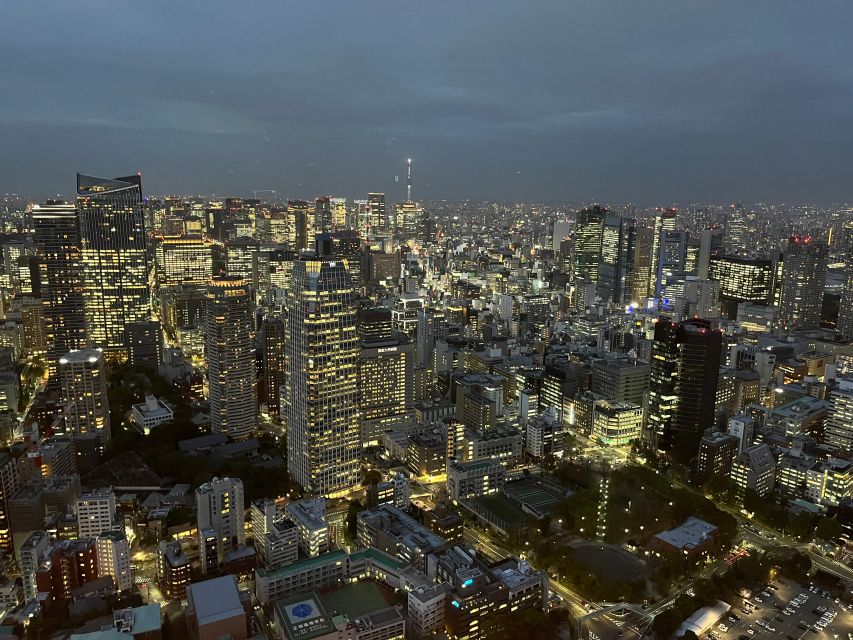
Tokyo Tower and the city-view stops
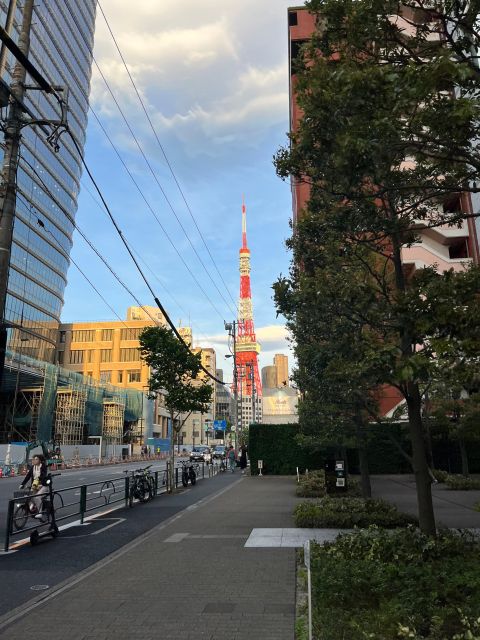
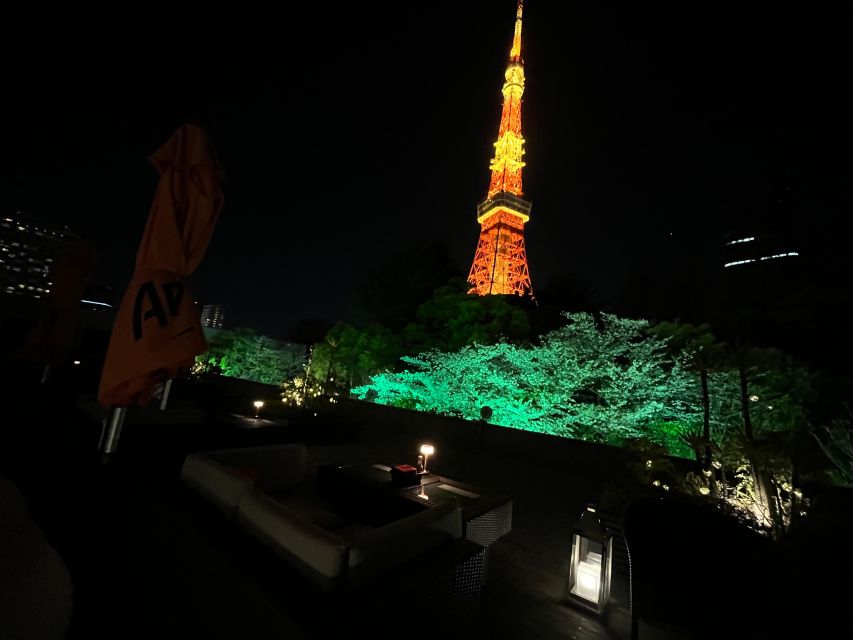
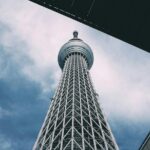
Tokyo Tower is a natural pick for anyone who enjoys Japanese television and film. Its orange and white frame appears often in dramas, and it gives you an instantly recognizable Tokyo photograph.
Rui offers more than a photo stop. She can explain stories and lesser-known details connected with the tower, making the visit more than a quick picture and departure. The viewpoint portion of the itinerary is listed as about one hour, though the exact timing depends on your selected route.
The tradeoff is time. Tokyo has several worthwhile viewpoints, and a paid observation deck may involve an entrance charge. Admission fees are not included when a place is not free. If your main goal is to see as much of the city as possible, ask Rui if a free viewpoint or outdoor photo location makes better sense for your day.
Shibuya is another strong choice for views, especially if you want a sunset stop. The district is famous for fashion and shopping, but the tour presents it as a place for city scenery as well. Sunset timing needs planning, so tell Rui if that view matters more than fitting in another temple or shopping street.
Sensoji and Tokyo’s oldest-feeling traditions
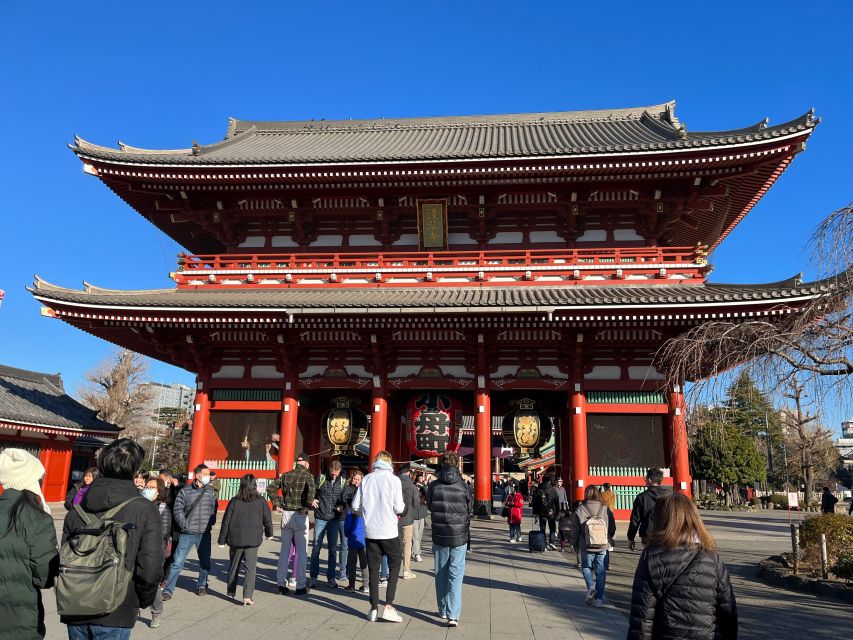
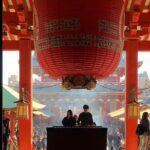
Sensoji in Asakusa offers one of the clearest introductions to traditional Tokyo. Its architecture, stories, and religious customs give you plenty to talk about as you walk through the temple grounds.
The temple is described as Japan’s most popular, with more than 300 million visitors per year in the supplied tour information. The exact figure is less important than the practical point: Sensoji is a major sight, and it can be crowded. Go with patience, especially around the approach to the temple and the areas where people stop for photographs or traditional activities.
Rui can explain the meaning behind what you see and introduce customs that might otherwise look like simple sightseeing details. You may learn how people approach the temple, what certain features mean, and why the site remains important to so many people.
I would choose Sensoji if you have never been to Tokyo and want one strong cultural stop. I would not expect a quiet spiritual retreat. This is a famous, active temple complex, so the experience is about seeing Japanese religious practice in a busy city setting.
Other city tours we've reviewed in Tokyo



Meiji Shrine and Shinto in the city
Meiji Shrine gives the day a different cultural angle. While Sensoji introduces Buddhist traditions, Meiji Shrine helps you understand Shinto, Japan’s native religion.
The shrine also has a connection with the Japanese imperial family, which gives Rui an opening to explain an important part of modern Japanese history and national identity. The approach and grounds offer a change from Tokyo’s dense commercial districts, though the tour description does not promise a specific amount of time there.
Meiji Shrine works best for people who want context rather than a quick checklist photo. Ask Rui to explain the customs and the shrine’s imperial connection as you go. As with Sensoji, respect the site as a place of worship, not simply a backdrop for pictures.
Trying to visit both Sensoji and Meiji Shrine in the same day can work, but it increases the walking and transit load. If your group includes young children, an older parent, or anyone recovering from a long flight, you may prefer one shrine plus a shorter neighborhood stop.
Akihabara, anime, and family requests
Akihabara is the obvious choice for anime fans, but you do not need to arrive as an expert. Rui can use the district to explain Japanese anime culture and help you make sense of the shops and displays.
The private format is particularly useful here. A fan may want a focused look at anime goods, while a parent may mainly want to help children find a character store. One family specifically requested a Pokemon store, and Rui included it in the day. That kind of request is exactly what this tour handles well.
Rui has also taken families to a Capybara Cafe and helped with unusual photo activities. These are not guaranteed stops, so treat them as examples of the sort of custom planning you can request rather than fixed promises.
Akihabara can be less appealing if your group has no interest in anime, games, or character culture. In that case, use your limited hours for a temple, market, museum, or food district instead.
Ginza, Shibuya, and Shinjuku after dark
Ginza is the place to ask about brand shopping and possible discounts. It has a refined, high-end feel, so it suits shoppers who want department stores and major labels rather than bargain stalls.
Shibuya gives you fashion, photographs, and a possible sunset view. It is a good fit if you want the modern Tokyo image: tall buildings, large pedestrian spaces, and a strong sense of the city’s youth culture.
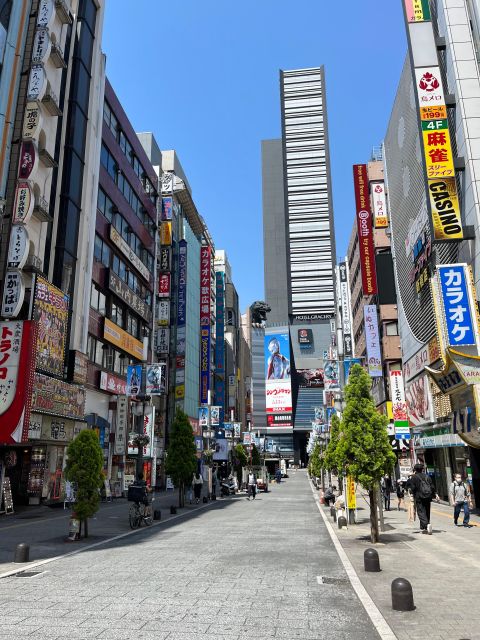
Shinjuku offers a different mood, especially at night. Kabukicho, one of the world’s largest red-light districts, is located there. Rui presents the area as a way to glimpse another side of Tokyo, but you should be clear about your comfort level and interests before choosing it. You can visit the district without making nightlife the focus, yet the atmosphere may not suit every family or every traveler.
I like the option because it lets you see Tokyo beyond temples and shopping malls. I would choose it for adults who want to understand the city’s nightlife districts. Families with very young children may prefer a museum, garden, or food stop instead.
Museums, Tsukiji, and the Imperial Palace
Tokyo has museums for many interests, including art for children and adults, light-based attractions suited to photography, and science museums for family learning. Rui can recommend one based on your group instead of sending you to a random famous building.
This is a useful choice on a rainy day or when your group needs a break from outdoor walking. It also gives families a better chance to include an activity that works for different ages. Museum admission is extra when required, so ask about cost before committing.
Tsukiji Market and the Imperial Palace are also listed as places worth considering. The tour does not provide a fixed schedule or guaranteed admission for either one, so treat them as planning options. Tsukiji makes sense if food is high on your list. The Imperial Palace suits people interested in central Tokyo, national history, and formal city sights.
A good private day is not about forcing every famous name into the schedule. It is about choosing the two or three experiences that will mean the most to you.
Food stops with local guidance
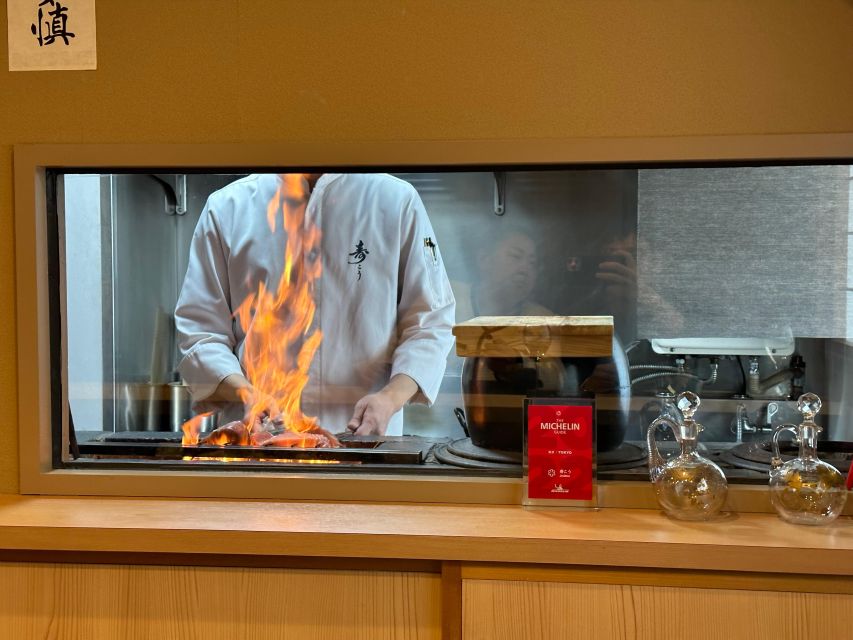
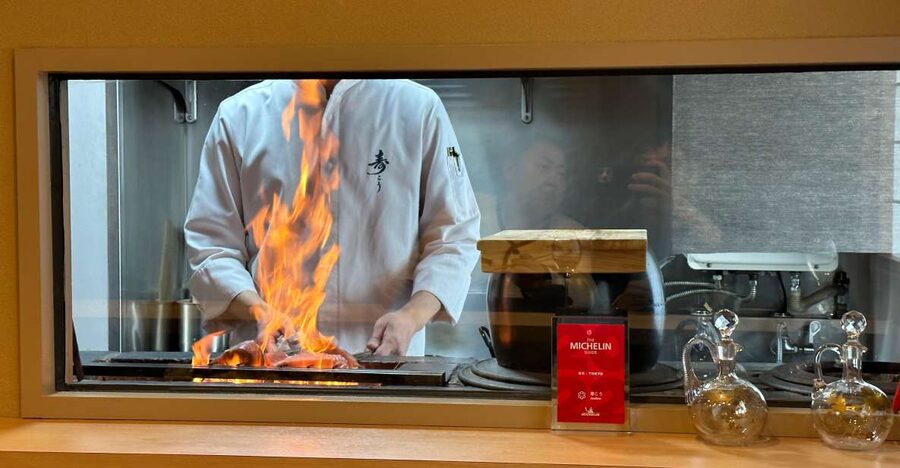
Food is not included, but it can be one of the strongest parts of the day. Rui has guided people to good restaurants away from the obvious tourist path, including a sushi meal costing less than $25 in one reported outing.
That does not mean every meal will cost less than $25, and you should not treat a particular restaurant as guaranteed. It does show the value of asking directly for food advice. Tell Rui what you want, including sushi, sweets, family-friendly food, or something quick between sights.
Specific food requests can also shape the route. A stop for mocha ice cream or another local specialty may be more memorable than squeezing in one extra landmark. You pay for your own food, but the guidance can save time and help you avoid choosing blindly in a huge city.
What the $258 private price really buys
The listed price is $258 per group of up to five people. That is not a cheap solo walking tour, but it can be fair value for a family or small group because the cost is shared.
The price covers Rui’s guide service and personal earphones, which help everyone hear clearly. Food, admission fees, subway fares, bus costs, and other trip transactions are extra. Add those costs before deciding how much the day will require.
The strongest value comes from the planning and personal attention. Rui can combine your requests with her own suggestions, teach you the subway, take photographs, adjust the schedule, and help with onward plans. She has also helped people find their train to the airport and offered suggestions for later days in Kyoto and Osaka.
For two people, the per-person cost is much higher. For four or five people, it becomes easier to justify, especially if you would otherwise spend a day losing time in stations or making poor food choices.
Who will get the most from this tour
I would recommend this experience most strongly to:
- First-time Tokyo visitors with only one free day
- Families with children who need a flexible route
- Small groups with different interests
- People nervous about using Tokyo’s trains
- Visitors who want food and neighborhood advice, not just landmark facts
- Anyone who prefers a private guide over a fixed group itinerary
It is less suitable if you want a slow, single-neighborhood walk or a formal tour with a fixed sequence and guaranteed admission to major attractions. It is also not ideal for anyone expecting to see every major Tokyo sight at a relaxed pace.
Rui speaks Japanese, Chinese, and English. That language range may be useful for mixed-language groups. The personal earphones are a small but welcome touch, especially near busy roads and crowded stations.
Should you book Rui’s Tokyo day?
Book it if your Tokyo time is short and you want help making clear choices. The biggest strengths are Rui’s flexibility, public transport guidance, family support, food recommendations, and willingness to adjust plans when weather or energy changes.
Before booking, send a short priority list. Name your top three wants, such as Sensoji, anime, sushi, sunset views, or shopping. Also explain your walking ability, children’s ages, and any food needs. That gives the day a much better chance of feeling personal rather than overloaded.
The tour offers free cancellation up to 24 hours in advance, and you can reserve now and pay later. Those terms make it easier to hold the day while your Tokyo plans take shape. At $258 for up to five people, it is best viewed as a private orientation day, not simply a long walk.
FAQ
How much does the Tokyo city walk tour cost?
The price is $258 per private group of up to five people. Food, entrance fees for paid sites, subway fares, bus costs, and other trip transactions are not included.
Who is the guide?
The guide is Rui Liu. The tour is offered in Japanese, Chinese, and English.
Where can the tour begin?
The listed pickup choices are Ginza and Shinjuku City. Hotel pickup is available around Ginza, and meeting arrangements may be flexible.
What places can I visit?
You can choose from Tokyo Tower, Sensoji Temple, Meiji Shrine, Shibuya, Akihabara, museums, Shinjuku, Ginza, the Imperial Palace, and Tsukiji Market. The exact route depends on your interests and physical ability.
Is transportation included?
The tour uses the subway or metro, but transportation costs are not included. Bus fares and other trip transaction costs are also extra.
Can I cancel the booking?
You can cancel up to 24 hours in advance for a full refund. You can also reserve now and pay later.
More 1-Day Tours in Tokyo


More City Tours in Tokyo
More Walking Tours in Tokyo
More tours in Tokyo we've reviewed




City Tours, compared.
 ★ 4.8Tokyo: Private City Highlights Tour with Local GuideFrom $1064 - 8 hours
 ★ 4.8Tokyo: 3-Hour Bike or E-Bike City Highlights TourFrom $453 hours
 ★ 4.8Tokyo: Sumo Morning Practice Tour at Sumida CityFrom $1162 hours
 ★ 4.5Private Haneda Airport (HND) to Central Tokyo City TransferFrom $119
 ★ 4.8Tokyo: 3-hour Guided E-Bike Tour of the City’s Hidden GemsFrom $65
 ★ 5.0Tokyo: 3-Hour Bike/E-Bike Tour of the City’s HighlightsFrom $63