Reviewed · BREWERIES
Cultural Sake Brewery Private Tour & Unlimited Tasting Near Tokyo
The unusual star here is wooden-barrel sake, a method now rarely used in Japan. At Yamane Brewery in Hanno, Saitama, you learn how the barrels affect the brewing process, see how they are cared for, and taste small-batch varieties made only for this experience.
In This Article
- Key points at a glance
- Why wooden-barrel sake changes the experience
- Arriving at Yamane Brewery in Hanno
- The welcome drink and brewery introduction
- Seeing the barrels and learning how they are cared for
- Three sake varieties you will not find in the regular market
- Forty minutes of tasting in a traditional Japanese house
- A conversation with the Toji
- The souvenir and closing photo
- Is the $105 price good value?
- Who will enjoy this Hanno sake tour?
- Practical details before you book
- Should you book this experience?
- FAQ
- Where does the sake brewery tour take place?
- How long does the experience last?
- What time can the private tour start?
- Is the tour private?
- What sake varieties are included?
- Is transportation included?
- Are snacks included?
- What should I avoid before visiting?
I like the direct access to the brewer, including a talk with Fuku-san, and the setting in a traditional Japanese house with Hanno ware. I also like the tasting pairings, especially nuts seasoned with local wooden-barrel soy sauce. The main consideration is the location: private transportation is not included, so you must plan your way to Hanno carefully.
Key points at a glance
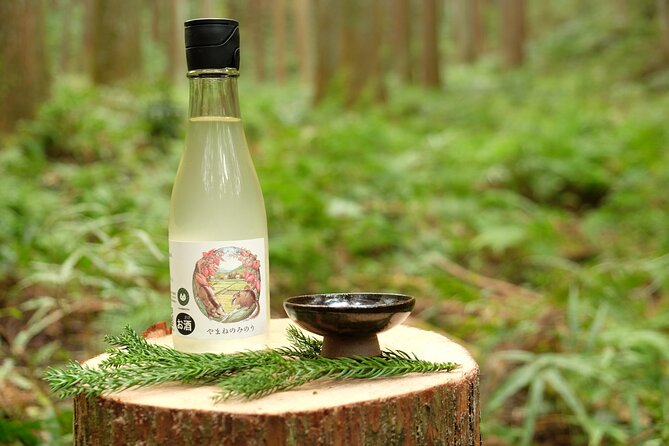
- Rare wooden-barrel brewing: Learn about a traditional method that has become uncommon in modern sake production.
- Three unusual sake styles: Taste honey sake, local tea sake, and germinated brown rice sake that are not sold on the regular market.
- Forty-minute unlimited tasting: Settle into a traditional Japanese setting and sample the brewery’s special sake with local snacks.
- A personal brewer conversation: Fuku-san explains the brewery’s origins, methods, and approach to sake.
- Hands-on barrel care: The tour includes an introduction to caring for the wooden brewing barrels.
- A local keepsake: Take home a special gift made from Nishikawa wood, with a photo opportunity beside the barrels.
Why wooden-barrel sake changes the experience
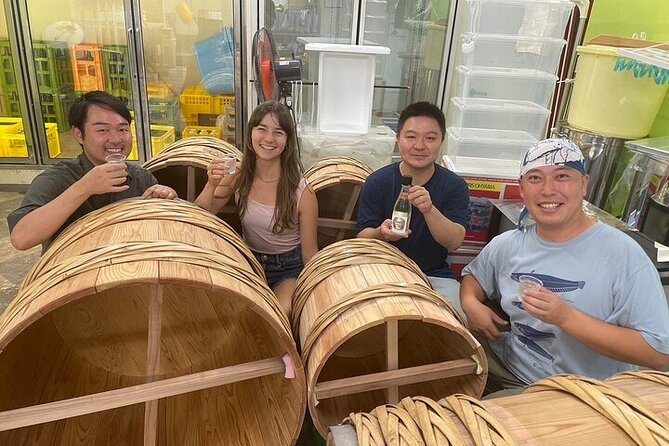
Most modern sake is brewed in contemporary tanks. Yamane Brewery puts the old method at the center of the visit, using wooden barrels that require care and attention rather than simply serving as decoration.
That matters because the barrel is part of the brewing story. You are not only hearing about ingredients and fermentation. You are also learning why a brewery would preserve a slower, less common method in an age when modern equipment is easier to manage.
The tour includes a wooden-barrel care experience, which gives the visit a practical side. You can expect an explanation of how the barrels are looked after and why their condition matters. The available information does not promise a full hands-on brewing class, so think of this as a guided look at the work behind the barrels rather than a chance to make your own sake.
The result is a tour with a clear focus. If you already know sake, the barrel method gives you a subject beyond the usual rice, water, yeast, and polishing discussion. If you are new to sake, the traditional process gives the tasting a useful frame.
Arriving at Yamane Brewery in Hanno
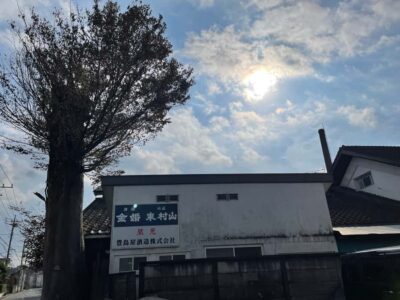
The meeting point is Yamane Brewery at 223 Akazawa, Hanno, Saitama. The brewery is near public transportation, but private transportation is not included. That makes advance planning important, especially because this is not a central Tokyo tasting room you can simply reach on foot from a major station.
Your start time can be arranged between 10 a.m. and 5 p.m. A message is sent after booking to set the exact time, and you need to reply to it. This flexibility is helpful if you are building the visit around other plans, but it also means the tour does not run on one fixed daily departure schedule.
The activity lasts about two hours and ends back at the brewery. Since the visit is private, only your group takes part. That is a real advantage for anyone who wants to ask questions, take the tasting at a comfortable pace, or have the brewer adjust the explanation for beginners.
The brewery’s setting also adds to the appeal. Hanno is known in the supplied material for its natural surroundings and local character, so this outing offers a change from Tokyo’s dense city center. The tradeoff is simple: you spend more time getting there, but the visit feels tied to a real regional producer rather than a city attraction built only for short tastings.
The welcome drink and brewery introduction
The experience begins with a welcome drink before the brewery visit. It is a small but useful start, giving you a first taste before the explanation becomes more technical.
From there, the guide introduces the sake-making process and the brewery’s use of wooden barrels. You can expect the talk to cover the basic stages of production, along with the reasons this older method has become uncommon.
Fuku-san, the owner, has been praised for explaining the brewery’s origins and the fact that each bottle is handmade. That personal connection is one of the stronger reasons to choose this tour. You are not simply hearing a standard script from a guide who moves from room to room. The conversation connects the product with the people and ideas behind the brewery.
For newcomers, this portion helps you taste with more purpose later. You can ask about the differences between sake styles and how production choices affect flavor. For experienced sake drinkers, the focus on handmade bottles and wood gives you a more specialized subject than a basic introduction.
The visit is educational without needing to be formal or academic. Still, keep in mind that the exact order and amount of time spent on each explanation can vary because the tour is private and the start time is arranged for your group.
Seeing the barrels and learning how they are cared for
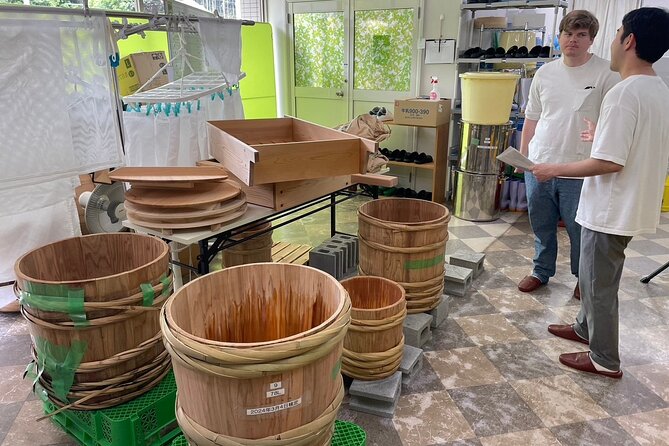
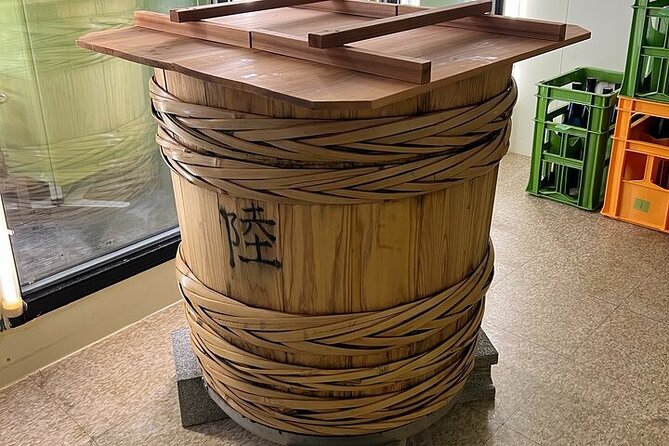
The wooden barrels are the main physical feature of the brewery tour. You will see them as working pieces of equipment and learn about their place in the brewing process.
The barrel-care portion is particularly useful because it explains why this method cannot simply be treated as an old-fashioned visual touch. Wooden equipment needs attention. Its condition affects the brewing environment, and preserving the method requires more effort than relying only on modern tanks.
This part also gives you a better sense of scale. The tour is not presenting an industrial sake factory with rows of mass-production machinery. It is showing a smaller, handmade approach in which traditional equipment and local identity are closely connected.
You may want to take notes if you are interested in sake production. The information provided does not specify every technical detail covered, so I would not book this expecting a full professional brewing seminar. Book it for a clear, approachable look at a rare method, followed by a tasting that lets you consider what you have just seen.
A photo opportunity with the wooden barrels comes near the end. It is a simple touch, but it gives you a useful record of the part of the brewery that makes this visit different from an ordinary sake bar.
Three sake varieties you will not find in the regular market
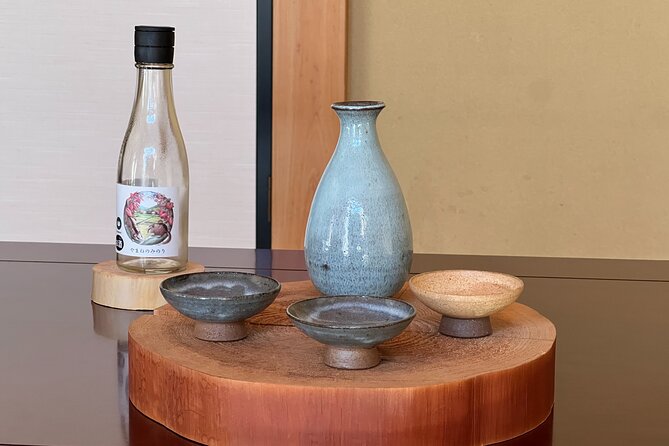
The tasting includes three distinctive varieties:
- Honey sake
- Local tea sake
- Germinated brown rice sake
These are not standard bottles chosen from a shop shelf. They are unusual brewery creations made in wooden barrels and available through the tour. That limited access is central to the value of the visit.
Honey sake offers a different direction from the dry, savory styles many people associate with sake. Local tea sake connects the drink with the surrounding area, while germinated brown rice sake points to experimentation with ingredients and brewing character.
The exact flavor notes are not provided, so I would avoid arriving with a fixed expectation about sweetness, bitterness, acidity, or aroma. The useful point is the range. Three special varieties let you compare the brewery’s approach rather than judge one isolated glass.
The welcome drink and the later tasting also create a natural progression. You begin with an introduction, learn about the process, then use the tasting to explore more unusual examples. That order makes the visit easier to follow for people who have little sake experience.
If you are visiting with someone who does not usually drink sake, the honey and tea varieties may offer a gentler entry point than a flight made only of dry traditional styles. Even so, this remains an alcohol-centered activity, and the tasting portion should be approached at a relaxed pace.
Forty minutes of tasting in a traditional Japanese house
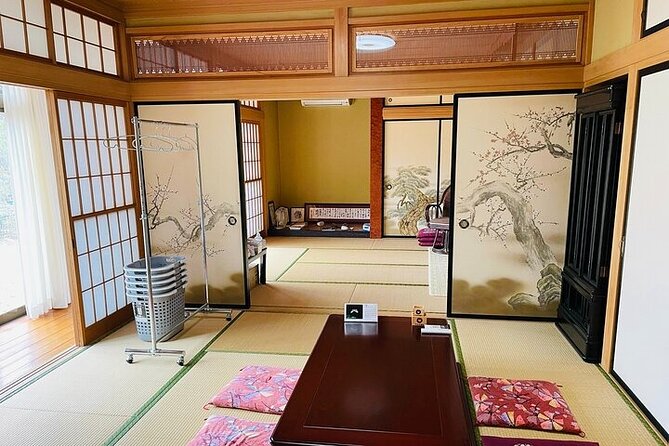
The main tasting lasts about 40 minutes and is described as unlimited. You can sample the special wooden-barrel sake during that period rather than receiving one quick pour of each variety and moving on.
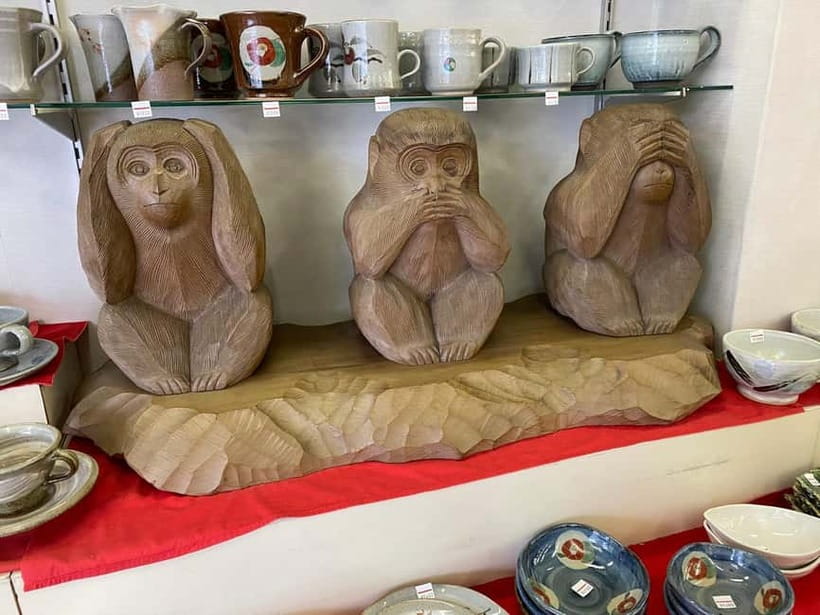
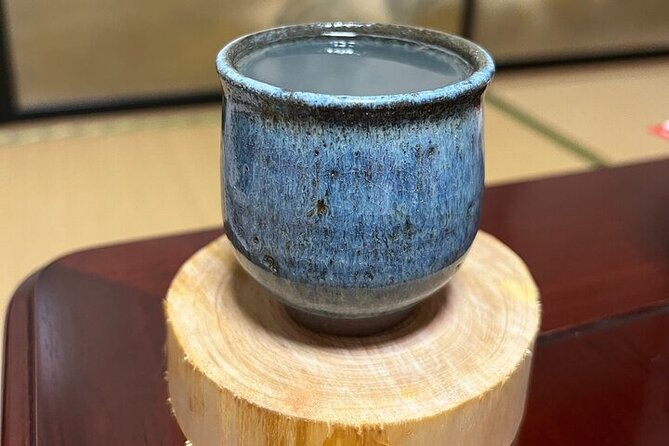
The setting matters. Tastings take place in a traditional Japanese house and use Hanno ware, local pottery associated with the area. This adds a physical connection to Hanno and makes the tasting feel like part of a regional visit, not just a product demonstration.
I like this format because it leaves room for comparison. You can return to a sake after tasting another, notice how your preference changes, and ask questions while the impressions are fresh. It also gives a private group time to talk rather than forcing everyone through a hurried tasting line.
Local snacks are served with the sake. One especially distinctive pairing is nuts seasoned with soy sauce made locally in wooden barrels. That pairing links two traditional wood-based food practices and gives you something savory to eat between pours.
Snacks are more than a bonus here. They help you manage an alcohol tasting and give your palate a second reference point. The soy-seasoned nuts may bring out different impressions in the sake than plain crackers or generic bar food would.
The tasting is not a full meal. If you need lunch, plan for that separately. You should also avoid strong scents, since perfume, heavily scented cosmetics, and hair products are discouraged. Those smells can interfere with the aromas of the sake and distract the group in a small traditional setting.
You are also asked not to eat citrus fruits or fermented foods such as natto and kimchi the day before and the day of the visit. That is an unusually specific preparation rule, but it has a practical purpose: strong flavors can linger and affect your ability to taste carefully.
A conversation with the Toji
The tour includes time to speak with the Toji, or master brewer. This is one of the best features for anyone who wants to understand the human decisions behind the drink.
A sake bottle can make brewing seem anonymous. Meeting the brewer changes that. You can ask about the brewery’s approach, its handmade production, and the effort involved in keeping wooden-barrel brewing alive.
The available details identify Fuku-san as the owner and describe him explaining the brewery’s origins. They do not state every staff member’s name or guarantee that the owner personally leads every minute of every booking, so the exact format of the conversation may vary. Still, direct contact with the brewer is built into the experience, not presented as a chance encounter.
I would prepare a few questions before arriving. Ask what makes the wooden barrels difficult to maintain, how the tea or germinated brown rice affects the sake, and which variety best reflects the brewery’s style. A private format gives you a better chance to ask follow-up questions than a large public tour.
This conversation is also where the visit gains its cultural weight. You learn not only how sake is made, but why this brewery chooses to preserve a less common method and how it connects that work to Hanno.
The souvenir and closing photo
The tour ends back at the meeting point with closing remarks, a commemorative photo opportunity, and a special gift made from Nishikawa wood.
The wooden souvenir is a thoughtful choice because it reflects the local materials and the brewery’s connection to wood. It is more meaningful than a generic branded item, though the exact design and size are not specified.
The photo beside the barrels gives you a clear final memory of the visit. Since this is a private tour, you do not need to worry about being in a large group shot or rushing through the final moment.
The activity lasts about two hours in total, so the ending is not drawn out. You get a focused visit with a beginning, a brewery explanation, a tasting, a brewer conversation, and a brief close. That makes it easier to fit into a day in Hanno.
Is the $105 price good value?
At $105, this is not the cheapest way to taste sake in Japan. You are paying for a private two-hour experience, a guided brewery visit, rare sake unavailable in the regular market, local snacks, access to the brewer, and a special wood gift.
The value depends on what you want. If your goal is simply to drink several familiar sake brands, a bar or retail tasting will cost less and offer more variety. This tour makes more sense if you care about the production method, the local setting, and the chance to taste small-batch styles that you cannot easily buy elsewhere.
The unlimited 40-minute tasting strengthens the value, particularly for a private group. You have time to compare the honey, tea, and germinated brown rice sake rather than accepting a single sip of each.
The lack of private transportation is the main cost consideration beyond the booking price. You must arrange your own route to and from Hanno, and that can add time or expense. For a group already planning to visit the area, the price is easier to justify. For someone staying in central Tokyo with only a short window, the journey may make the outing less convenient.
Who will enjoy this Hanno sake tour?
I would choose this experience for:
- Sake drinkers who want unusual, small-batch varieties
- People interested in traditional Japanese food production
- Visitors who prefer a private conversation over a large group tour
- Couples, families with legal-age drinkers, or friends sharing a special outing
- Anyone planning time in Hanno or the wider Saitama area
- Beginners who want context before tasting rather than a drink-only stop
It is less suitable if you dislike alcohol, want a large industrial brewery, need a full meal, or prefer a fixed departure with no booking messages to answer.
The tour is also a good match for people who enjoy local details. Hanno ware, Nishikawa wood, barrel-made soy sauce, and the brewery’s handmade sake all point to the same idea: the visit is about the area as much as the drink.
Practical details before you book
Confirmation is provided at booking. Afterward, watch for the message arranging your start time and reply promptly.
The activity is offered from 10 a.m. to 5 p.m. on weekdays during the stated June 15 to June 26, 2026 operating period. Since the schedule is date-specific in the provided information, check that your chosen date fits the available window.
The tour is near public transportation, but no private transport is included. The start and end point are both Yamane Brewery, so you should plan your return from the same location.
Most people can participate. The main preparation requests concern scent and taste: avoid perfume and strong personal-care products, and avoid citrus, natto, kimchi, and similar fermented foods before the visit.
Free cancellation is available if you cancel at least 24 hours before the start time. Cancellations or changes made less than 24 hours in advance are not accepted for a refund.
Should you book this experience?
Book it if you want a real brewery visit rather than a standard sake flight. The rare wooden-barrel method, the three unusual sake styles, the local snacks, and the brewer conversation give the two hours a clear purpose.
I would especially recommend it to anyone already spending time around Hanno. The trip becomes part of the value, since the brewery connects its sake with local pottery, wood, food, and natural surroundings.
Think twice if you only have a few hours in Tokyo or want easy transport included. The $105 price is fair for a private tasting with rare sake and a souvenir, but it is not a bargain drink stop. For the right visitor, though, it offers something difficult to reproduce elsewhere: a personal look at an old brewing method, followed by enough tasting time to understand why it matters.
FAQ
Where does the sake brewery tour take place?
The tour takes place at Yamane Brewery, 223 Akazawa, Hanno, Saitama, Japan.
How long does the experience last?
The activity lasts approximately two hours, including the brewery visit, explanations, tasting, brewer conversation, and closing activities.
What time can the private tour start?
A start time can be arranged between 10 a.m. and 5 p.m. A message is sent after booking to arrange the exact time.
Is the tour private?
Yes. Only your group participates in the activity.
What sake varieties are included?
The tasting includes honey sake, local tea sake, and germinated brown rice sake made in wooden barrels. These varieties are available through the tour and are not found in the regular market.
Is transportation included?
No. Private transportation is not included. The brewery is near public transportation, and the activity begins and ends at Yamane Brewery.
Are snacks included?
Yes. Local snacks are served during the tasting, including nuts seasoned with locally made soy sauce from wooden barrels.
What should I avoid before visiting?
You should avoid perfume, strong-scented cosmetics, and hair products. You should also avoid citrus fruits and fermented foods such as natto and kimchi the day before and the day of the visit.