Reviewed · CHUO CITY
Tokyo: Private Charter tour with Hotel Pick up & Drop off
Tokyo is a huge city, and this private 10-hour tour tackles its major sights by car, giving you a practical way to cover far more ground than you could on foot. The guide can adjust the day to your interests, with pickup and drop-off at your Tokyo hotel.
In This Article
- Key points to know before booking
- One day, many sides of Tokyo
- Tsukiji Fish Market: a strong opening stop
- Senso-ji and Nakamise Street in Asakusa
- Shinjuku Gyoen and Meiji Shrine
- Takeshita Street and Harajuku’s youthful style
- Shibuya Crossing in half an hour
- The Imperial Palace and the question of Tokyo Skytree
- Akihabara for anime, electronics, and bright signs
- Ginza and the unclear final stop
- What the $385 group price really means
- Guide style and communication
- Who will get the most from this tour
- Should you book this private Tokyo day?
- FAQ
- How long is the Tokyo private tour?
- How many people can join the private group?
- Is hotel pickup included?
- Is there an extra pickup charge outside Tokyo’s 23 wards?
- Which languages are available for the guide?
- Are lunch and attraction admission fees included?
- What should I bring?
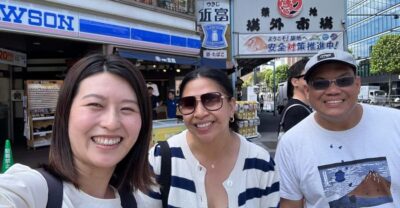
I like the private vehicle for families and small groups, and I like having a guide who can explain what you are seeing instead of leaving you to decode each place alone. Guides Zee and Abdul Rahman receive especially warm praise for being polite, helpful, and good at fitting Tokyo’s key sights into one long day. The main drawback is the ambitious schedule: some stops receive only 30 minutes, and admission fees, lunch, and any Tokyo Skytree visit are not included.
Key points to know before booking
- A private 10-hour day: Your group of up to six has the vehicle and guide to itself.
- Hotel pickup in Tokyo’s 23 wards: Pickup is included in the listed wards, with extra charges for locations outside them.
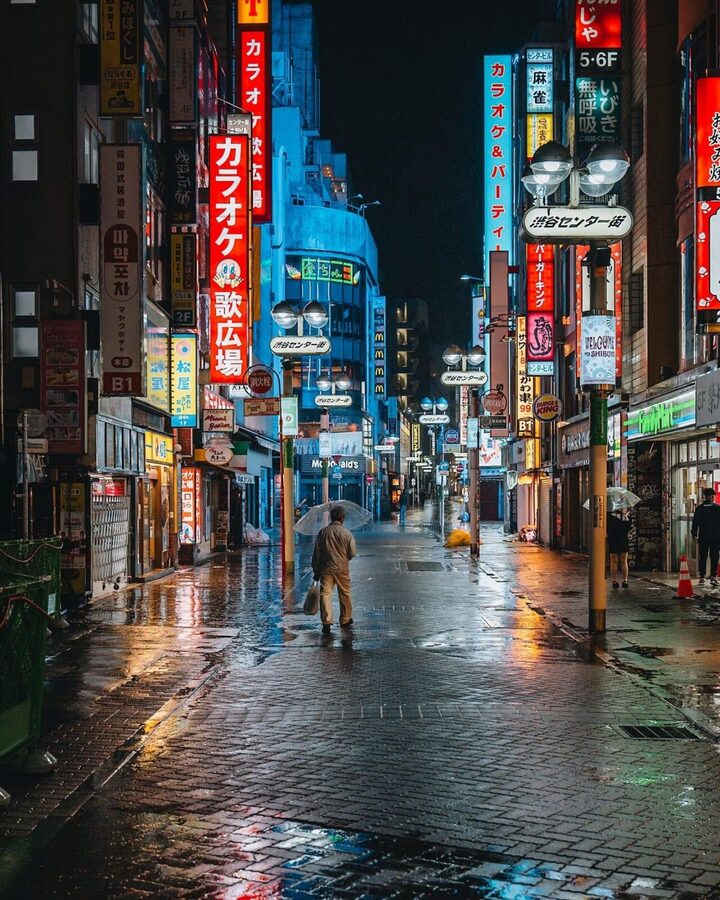
- A broad Tokyo sampler: Tsukiji, Senso-ji, Meiji Shrine, Shibuya, Akihabara, and other major areas are covered.
- A family-friendly format: A private car, water, parking, and fuel are included, which can simplify a long sightseeing day with children.
- Flexible interests: The route can be adjusted, but you should confirm exactly which stops will fit before the day begins.
- Extra costs to plan for: Lunch and attraction admission are separate, and Tokyo Skytree is described in the tour details but not listed among the timed stops.
One day, many sides of Tokyo
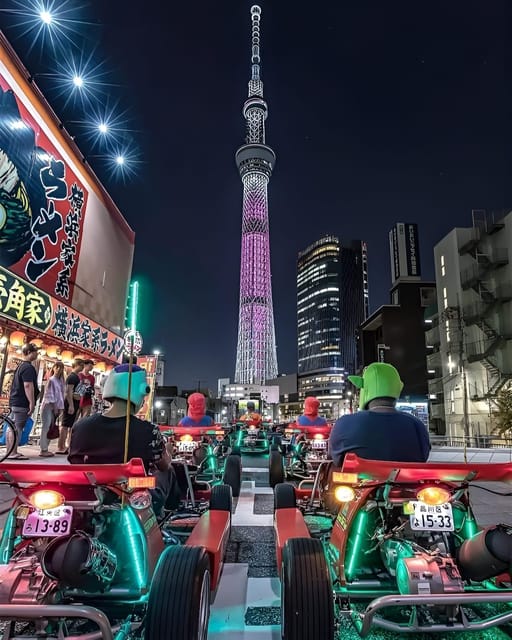
This tour is best understood as a wide introduction to Tokyo rather than a slow, detailed visit to each attraction. Over 10 hours, you move between old temple districts, shrine grounds, shopping streets, garden paths, fashionable neighborhoods, and major city viewpoints.
That range is the appeal. You can see how Tokyo shifts from the food stalls of Tsukiji to the quiet paths of Meiji Shrine, then from traditional Asakusa to the neon and anime shops of Akihabara. You also avoid the strain of planning every train connection yourself.
The tradeoff is pace. Ten hours sounds generous, but Tokyo traffic can eat into the day, and several stops are scheduled for just 30 minutes. I would treat this as a first look at the city, with the option to return later to the places that catch your interest.
Your driver waits at your hotel or another agreed location within Tokyo’s 23 wards. You are asked to be in the lobby 10 minutes before pickup. Traffic can cause delays, and drivers will wait up to 60 minutes after the scheduled pickup time, so keep your phone available and add the local supplier, Japan guide tours, on WhatsApp before the tour.
Other private tours in Chuo City
Tsukiji Fish Market: a strong opening stop
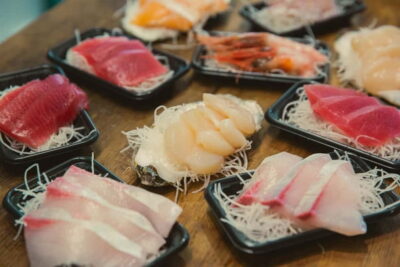
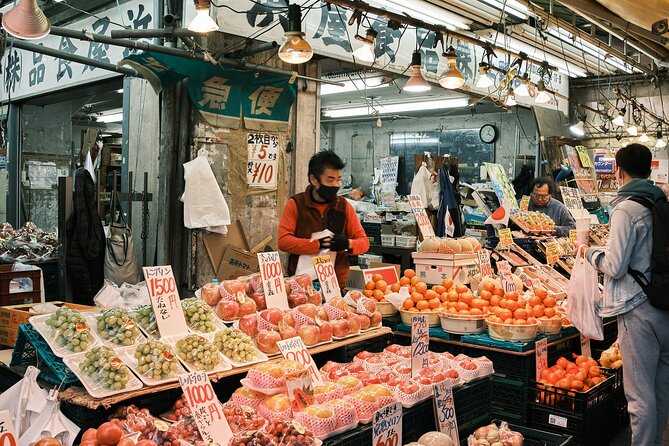
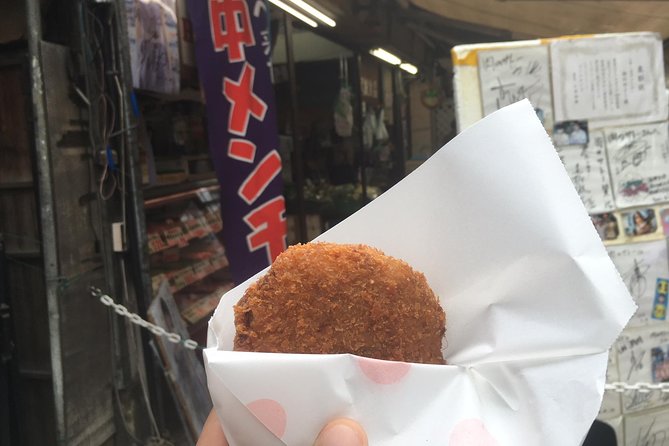
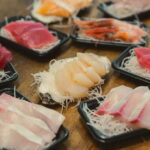
The day begins at Tsukiji Fish Market, with about an hour for a guided visit, walking, and shopping. The market is a good introduction to Tokyo’s food culture, with fresh seafood and other items on offer.
You have time to look around rather than simply taking a quick photograph from the vehicle. If you want to buy food, remember that lunch is not included, so this may be a useful place to ask your guide about eating options. The exact food choices and open stalls can vary, so do not build your entire meal plan around one particular vendor.
An hour is enough for an overview, but not for an extended market visit. If Tsukiji is a top priority, tell your guide early. A private tour gives you a better chance of adjusting the balance between shopping, food, and sightseeing than a fixed group outing would.
Senso-ji and Nakamise Street in Asakusa
Senso-ji Temple offers a very different mood. It is one of Tokyo’s best-known traditional sights, and the visit includes guided time at the temple along with a scenic drive.
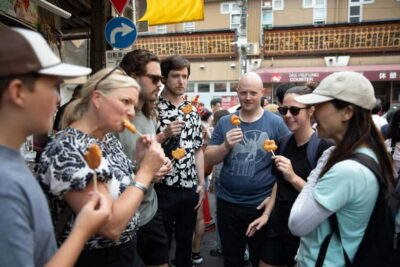
The nearby Nakamise Shopping Street is lined with stalls selling traditional Japanese goods. It is a useful place to browse for small souvenirs, snacks, and gifts, though the short schedule means you should avoid trying to inspect every shop.
The value of having a guide here is context. A temple visit can otherwise become a quick photo stop, but your guide can explain the setting and point out details you might miss. The tour information allows roughly one hour for Senso-ji, so expect an introduction rather than a full study of the temple complex.
Wear comfortable shoes. You will be walking at several stops, and the day includes both shopping streets and shrine or garden grounds.
Shinjuku Gyoen and Meiji Shrine
Shinjuku Gyoen National Garden gives the schedule a welcome pause. The planned hour includes a visit, a guided walk, and time for photographs among the garden’s trees and flowers.
This is one of the few stops where you are not focused on shops, traffic, or huge city buildings. It gives you room to slow down and see a quieter side of Tokyo. If you are visiting during a season when flowers are prominent, the garden may be especially appealing, but the tour does not promise a particular bloom period.
Meiji Shrine follows, also with about an hour for a guided visit and sightseeing. The shrine is linked with Japan’s imperial history and sits in a wooded setting near Harajuku. The contrast between the garden and shrine makes this part of the route feel less repetitive than the shopping stops.
These visits involve walking, and the amount of time available may depend on traffic earlier in the day. If you have mobility concerns, the tour is listed as wheelchair accessible, but you should discuss your exact needs with the provider before booking.
Takeshita Street and Harajuku’s youthful style
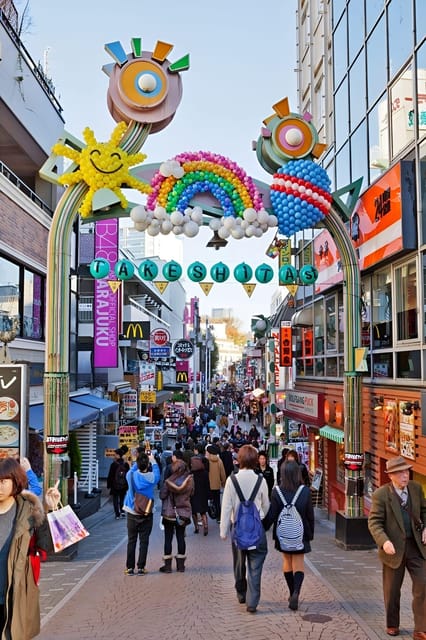
Takeshita Street is scheduled for only 30 minutes, with time for a photo stop, a guided look, and shopping. Its quirky shops and cafes give you a quick taste of Harajuku’s youthful fashion scene.
Thirty minutes is not enough for a leisurely shopping session. It is enough to see the street, take photographs, and decide if you want to return on your own. I would not plan a major purchase here unless you are comfortable keeping the visit brief.
The tour description also refers to Harajuku Shopping Street, so confirm with your guide whether the route includes additional time in the area or focuses specifically on Takeshita Street. This is one of several points where the advertised list is broader than the timed itinerary.
Shibuya Crossing in half an hour
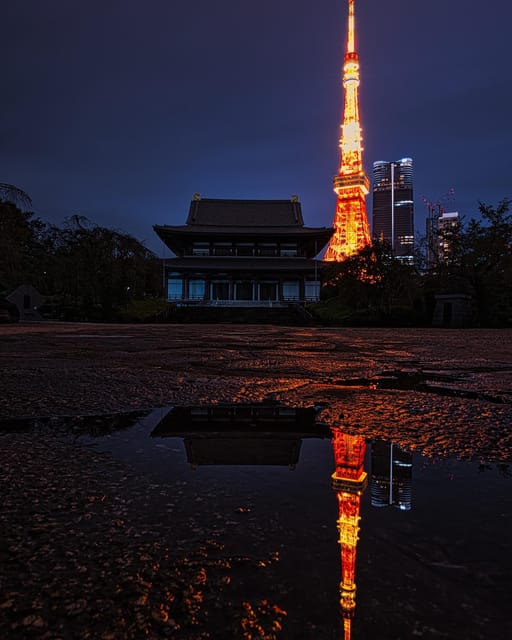
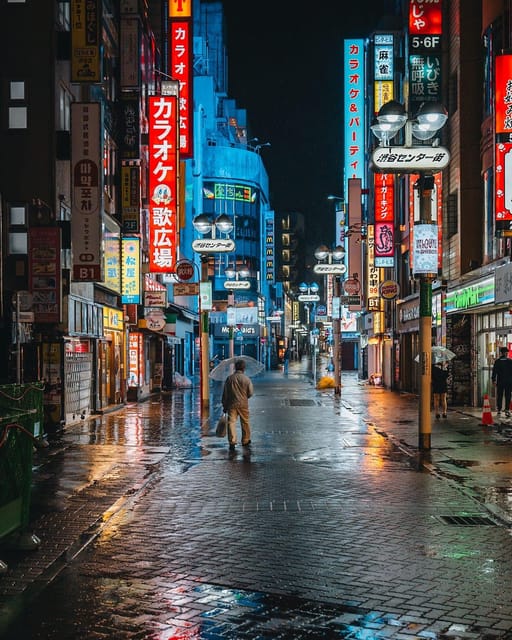
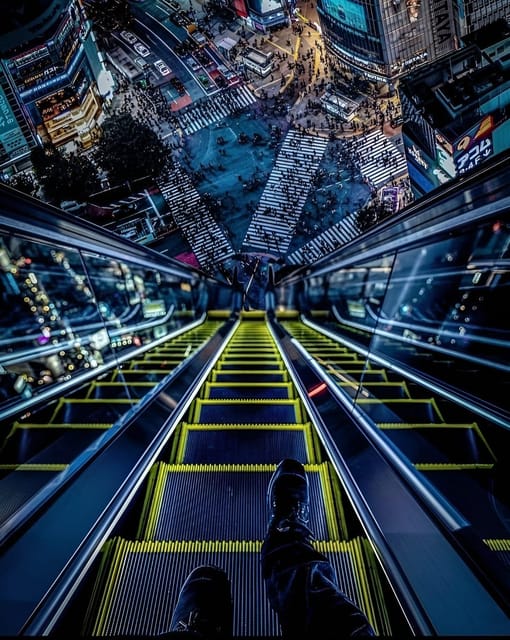
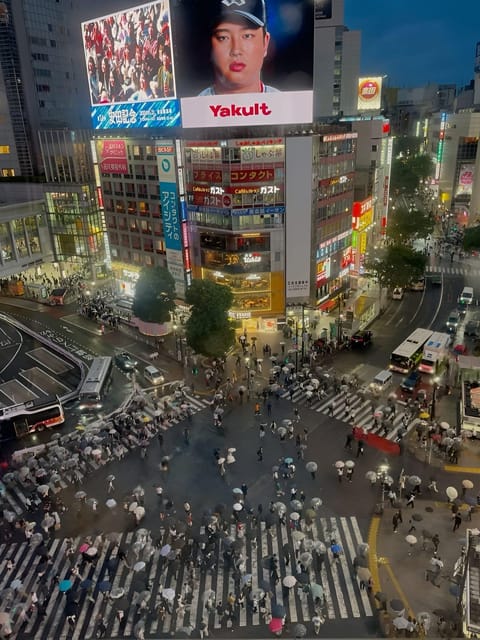
Shibuya Crossing is another short stop, scheduled for 30 minutes. The focus is on seeing the famous intersection and taking photographs, with a guided visit rather than a long neighborhood exploration.
This is a good use of a private tour because you can get the essential view without spending hours working out where to go. Still, the stop is brief. If you want time for shopping, cafes, or a longer look at Shibuya, ask whether another stop can be shortened.
The crossing is also a reminder of the tour’s style: it aims to show you Tokyo’s signature scenes efficiently. You get the famous image, some local explanation, and a chance to decide which districts deserve a return visit.
The Imperial Palace and the question of Tokyo Skytree
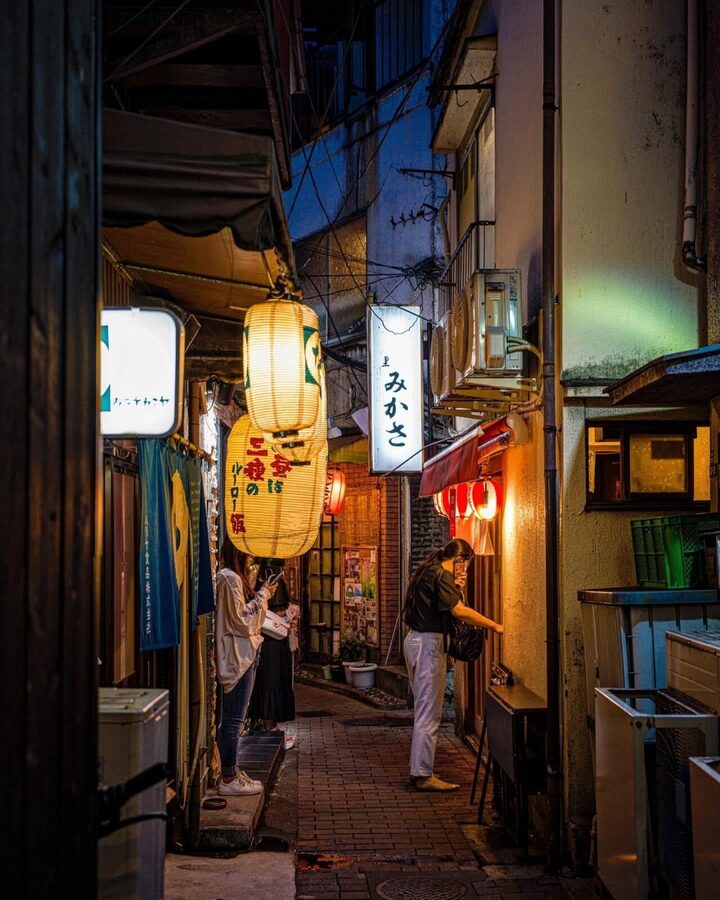
The Imperial Palace is listed as a one-hour stop with a photo opportunity, a guided visit, and scenic views along the way. It provides a look at one of Tokyo’s most important civic and imperial sites.
Do not assume that a full palace interior visit is part of the day. The description supports a visit and guided sightseeing, but it does not specify interior access. Much of the value here comes from the grounds, architecture, and explanation from your guide.
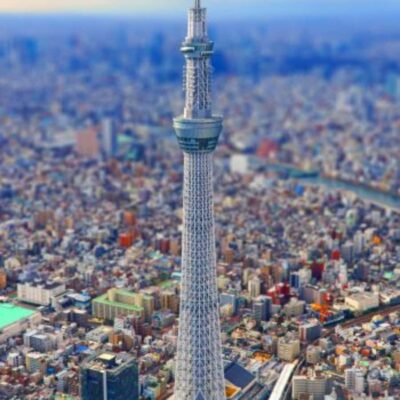
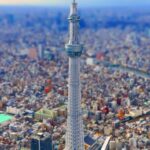
Tokyo Skytree is highlighted as a place for panoramic city views, but it does not appear among the nine timed stops in the detailed itinerary. Admission fees are also excluded. If seeing Tokyo from the Skytree is important to you, confirm two things before booking: whether the vehicle will stop there and whether you will have enough time to go up.
This matters because a 10-hour schedule already includes Tsukiji, Senso-ji, Shinjuku Gyoen, Meiji Shrine, the Imperial Palace, Takeshita Street, Shibuya, and Akihabara. Adding a paid observation deck could make the day even tighter.
Akihabara for anime, electronics, and bright signs
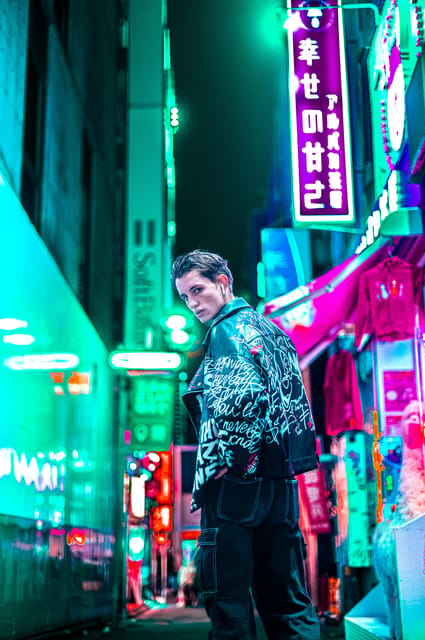
Akihabara receives about an hour, including a guided visit, walking, and shopping. The district is known for colorful billboards and anime shops, making it one of the most distinct stops on the route.
An hour allows you to get a feel for the area and enter a few shops, but it is not enough for a serious electronics hunt or a long anime shopping session. If you have a particular store or product in mind, tell your guide before the tour.
This stop pairs well with the earlier temple and shrine visits. You move from traditional religious sites into a neighborhood shaped by popular culture and modern retail. That contrast is one of the day’s best features.
Ginza and the unclear final stop
Ginza is named in the tour description as the final shopping district, but it is not included in the detailed timed itinerary. The scheduled route ends with a return to Tokyo after Akihabara.
That difference is worth clarifying before you pay. Ginza may be intended as a possible flexible stop, or it may be part of a broader description rather than the fixed route. A private tour gives you room to request it, but time is limited.
If Ginza matters more to you than another stop, decide in advance what you are willing to remove. The private format is most useful when you make those choices early instead of trying to add everything at the end of a long day.
What the $385 group price really means
The price is $385 for a private group of up to six people. For six people, that works out to about $64 per person before lunch and admission fees. For a couple, the per-person cost is much higher, but you are paying for privacy, a dedicated vehicle, hotel pickup, fuel, parking, and a guide rather than simply buying individual transport.
The value improves for families and small groups. Six people can split one vehicle and avoid paying for separate taxis or navigating several train transfers with bags, tired children, or older relatives. Passenger insurance and a water bottle are included as well.
You should budget separately for lunch and admissions. The most important possible extra is Tokyo Skytree, if that stop is confirmed. Ask for a clear final route and a list of expected admission costs before the day begins.
Guide style and communication
The guide languages are English, Urdu, and Hindi. The tour provider is Japan guide tours, and you are asked to contact the supplier through WhatsApp at 97150 433 7043 for smooth communication on the day.
The strongest praise centers on the individual guides. Zee is described as polite, professional, helpful, active, and pleasant, with a calm manner that helped one family enjoy a packed day with three children. Abdul Rahman is also praised for guiding a visitor to Tokyo’s key sights in one day.
Those details matter because a private sightseeing day depends heavily on the person behind the wheel. A good guide can explain the sites, manage the pace, and help you decide what to cut when traffic or fatigue becomes a problem. Since guides may vary, I would use WhatsApp before pickup to confirm the guide’s name, language, meeting point, and priority stops.
Who will get the most from this tour
I would recommend this tour to:
- Families who want a private vehicle and a flexible day
- First-time Tokyo visitors with only one full day
- Small groups of up to six who can share the cost
- People who prefer an English, Urdu, or Hindi-speaking guide
- Visitors who want major sights without planning a complex route
- Anyone who values transport and local explanation more than long visits at each stop
I would be more cautious if you want a slow cultural tour, long shopping sessions, or extensive time at Tokyo Skytree. The route covers a lot, but it does so quickly.
The tour is listed as wheelchair accessible, though several stops involve walking. Confirm the practical details of your mobility needs in advance, especially since the schedule includes markets, streets, gardens, and temple areas.
Free cancellation is available up to 24 hours before the tour, and you can reserve now and pay later. Alcoholic drinks are not allowed in the vehicle.
Should you book this private Tokyo day?
Book it if your main goal is to see Tokyo’s headline sights in one organized day, especially with children or a group of friends. The private vehicle, hotel pickup, included fuel and parking, and flexible guide support make the $385 group price reasonable when divided among six people.
Before booking, confirm the route in writing. Ask specifically about Tokyo Skytree, Ginza, admission fees, and how much time you can expect at each stop. If you accept that this is a fast introduction rather than a deep visit to every district, it can be a useful first day in Tokyo. If you want one neighborhood at a time, use the same budget for a slower, more focused private tour.
FAQ
How long is the Tokyo private tour?
The tour lasts 10 hours. Starting times depend on availability.
How many people can join the private group?
The price covers a private group of up to six people.
Is hotel pickup included?
Yes. Pickup and drop-off are included for hotels or agreed locations within Tokyo’s 23 wards.
Is there an extra pickup charge outside Tokyo’s 23 wards?
Yes. Pickup outside the 23 wards costs an additional 5,000 to 20,000 yen, depending on the area.
Which languages are available for the guide?
Live guides are available in English, Urdu, and Hindi.
Are lunch and attraction admission fees included?
No. Lunch and admission fees are not included in the tour price.
What should I bring?
Bring comfortable shoes, a hat, a camera, sunscreen, and water. A water bottle is also included. Alcoholic drinks are not allowed in the vehicle.