Reviewed · TSUKIJI MARKET TOURS
Tokyo Tsukiji Fish Market Tour and Sushi Making Lesson
Tokyo’s best food lessons often begin before you touch a knife. This three-hour Tsukiji and sushi tour starts among seafood stalls, dried snacks, omelet vendors, and tiny tasting counters, then moves to a bright ABC Cooking Studio for a hands-on Japanese meal.
In This Article
- Key things to know before you book
- Why this makes a good Tokyo food morning
- Meeting at Tsukiji Hongwanji Temple
- Walking the Tsukiji Outer Market for about an hour
- Moving from Tsukiji to ABC Cooking Studio
- Making sushi, tamagoyaki, and side dishes
- Eating the lunch you prepared
- Is $99.49 a fair price?
- Who should book this experience?
- Booking, weather, and cancellation details
- Should you book the Tsukiji and sushi lesson?
- FAQ
- How long does the Tsukiji Fish Market and sushi class last?
- Where does the tour begin?
- Where does the experience end?
- Is the tuna auction included?
- What foods will I make?
- Is the activity conducted in English?
- What is the minimum age?
- Can I cancel for a refund?
I like the small maximum of six people, which gives guides such as Akiko, Lucy, Nobu, or Yoko room to answer questions and translate at market stalls. I also like that you eat what you make, usually sushi, tamagoyaki, miso soup, and side dishes. The catch: at $99.49, the class may feel basic if you already make sushi at home, and the market tour does not usually shop for the ingredients used in class.
Key things to know before you book
- Start at Tsukiji Hongwanji Temple: Meet outside this unusual Buddhist temple before walking into the market.
- Taste as you walk: Your guide can point out stalls and help explain foods such as tamagoyaki, mochi, dried scallops, sea urchin, octopus, and other local products.
- Expect the outer market, not the tuna auction: Tuna auction viewing is not included, and the market portion may last about 70 minutes.
- Make a full Japanese-style meal: The lesson typically covers rolled sushi, nigiri, tamagoyaki, miso soup, and side dishes, though ingredients change with the season.
- Small groups matter: The maximum is six people, with an English-speaking market guide and a cooking instructor.
- Plan for a different finish: Transportation from Tsukiji to the cooking studio is included, but the tour ends away from the temple meeting point.
Why this makes a good Tokyo food morning
This experience connects two parts of Japanese food culture that are often separated. At Tsukiji, you see ingredients in their everyday setting. At the cooking studio, you learn how some of those ingredients become a neat, familiar Japanese meal.
That connection is the main reason I find the tour useful. You are not simply shown a plate of sushi, and you are not left alone to guess what the market stalls sell. An English-speaking guide helps you cross the language gap, then a cooking teacher demonstrates the techniques in a more controlled setting.
The tone is practical rather than formal. You will not leave with training for a sushi restaurant, but you can leave knowing how to roll sushi, prepare a Japanese omelet, and assemble a meal you may be able to repeat at home.
The experience is also easy to fit into a Tokyo schedule. It lasts about three hours, uses public transportation, and includes the transfer between the market and cooking studio. The small group size is a real benefit in a narrow market and around a shared cooking station.
A few more Tokyo tours and experiences worth a look

Meeting at Tsukiji Hongwanji Temple
The tour begins outside Tsukiji Hongwanji Temple at 3-chome-15-1 Tsukiji. Allow time to find the meeting point, since the temple is a clear landmark but the surrounding streets can feel confusing if you are rushing.
The temple itself gets a short stop of about five minutes. Its exterior uses South Asian and Indian-inspired design, while the interior has a different character. It is a quick introduction to the neighborhood, not a full temple visit, so do not plan your entire morning around this part.
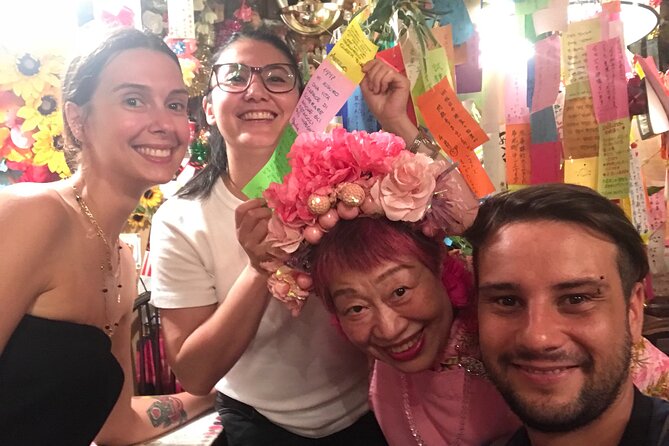
Your guide may be Akiko, Miho, Lucy, Nobu, Yoko, Shitomi, or another member of the local team. The specific guide is not guaranteed, but the strongest part of the format is the ability to ask questions in English while moving through the market.
A small group also helps here. With no more than six participants, the guide can keep everyone together without making the walk feel like a large procession. If two families or separate bookings want to join one group, book together when possible or contact the operator soon after booking. Separate reservations are not automatically combined.
Walking the Tsukiji Outer Market for about an hour
Tsukiji today is best understood through its outer market. The wholesale market is no longer the main focus here, but the shopping streets still offer a dense look at Japanese seafood, pantry goods, prepared foods, and kitchen culture.
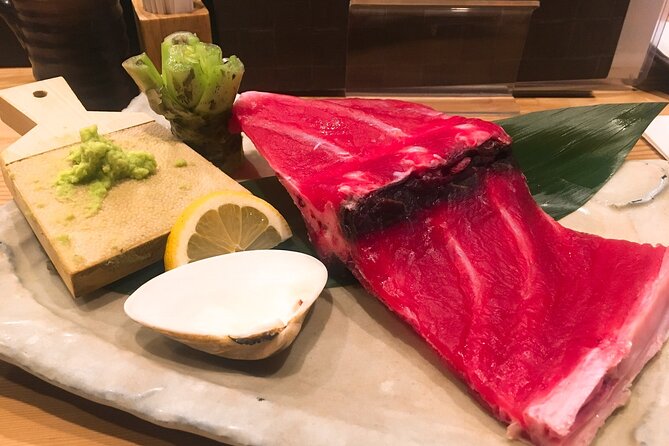
Your guide leads you through the narrow aisles and points out products that can be hard to identify on your own. Depending on the day and season, you might see large tuna cuts, sea urchin, octopus, dried seafood, beans, and other ingredients arranged for sale.
The tasting element is one of the tour’s strongest features. Specific samples can vary, but past menus of small bites have included tamagoyaki served on a stick, strawberry red bean mochi, dried scallops, dried soybeans, and small dried seafood snacks. Go with a light breakfast. You will appreciate having room for the samples.
This is where the guide adds value beyond simply walking through the market. You can ask what an unfamiliar item is, how it is normally eaten, and which stalls are worth a stop. A guide can also help you buy or taste foods when you do not speak Japanese.
Do not expect a long sit-down seafood meal. The market section is mainly a walking and sampling experience, and tuna auction viewing is specifically excluded. If watching the auction is your priority, this is not the right product.
The timing can also shift. The tour may spend around 70 minutes in the outer shopping market rather than following a fixed one-hour route. That flexibility is useful because market activity and seasonal ingredients change, but it means the exact sequence of stops may differ.
Some people may feel they could explore Tsukiji on their own. That is fair. The market is open to independent visitors, and you can wander without paying for a guide. The advantage here is not access. It is translation, direction, and help finding foods you might otherwise pass by.
Moving from Tsukiji to ABC Cooking Studio
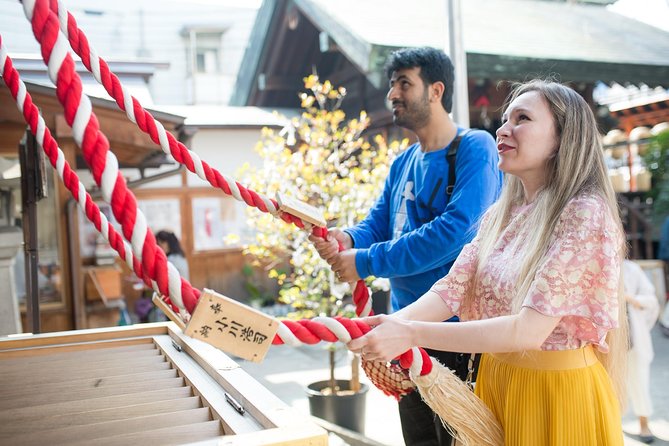
After the market, you travel with the guide to ABC Cooking Studio. Transportation between Tsukiji and the studio is included, and the route may involve a bus ride and a walk through the Ginza area.
The transfer is practical, but it is also a small drawback. The cooking studio is not right beside Tsukiji, so part of the three-hour schedule goes toward changing locations. One useful result is that you see a little of the commercial district between the market and the lesson.
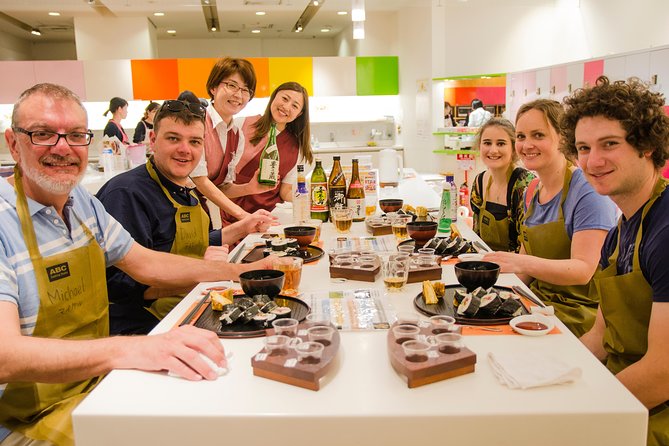
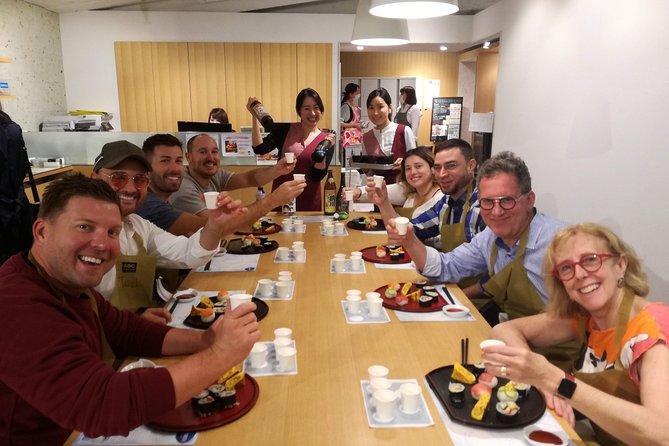
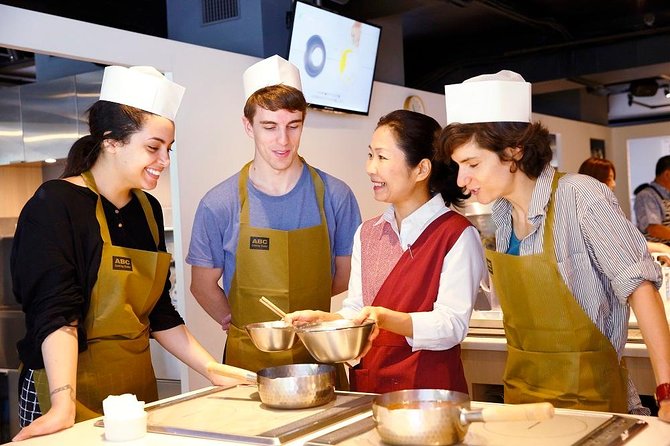
ABC Cooking Studio is a large Japanese culinary school with clean, organized facilities. You receive an apron, and drinking water is provided at the studio. The professional setting gives the class a more polished feel than a casual demonstration in a market stall.
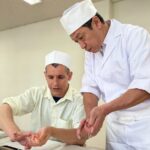
The class is led by a cooking instructor, sometimes with the market guide assisting. In the past, teachers such as Miwako, Miwa, Masayo, and Hiromi have been praised for being patient and clear. Your instructor will vary, but the lesson is designed for English-speaking participants.
Making sushi, tamagoyaki, and side dishes
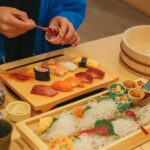
The cooking portion lasts about an hour and a half. It usually covers two washoku recipes plus side dishes, with the exact ingredients changing by season, supply, and arrival status.
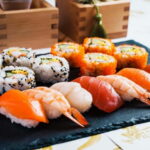
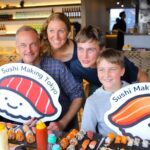
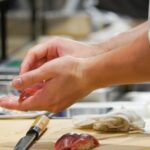
Sushi is the star. You may prepare rolled sushi, nigiri, or both, depending on the lesson arrangement. The process gives you useful practice with shaping rice, handling fillings, and arranging the finished food.
You also typically make tamagoyaki, the Japanese rolled omelet. This is a worthwhile addition because it looks simple but takes some practice. You pour egg in layers, cook it, and roll it into shape. A child or first-time cook can enjoy the result, while a more experienced home cook may find the technique familiar.
Miso soup or stock may be included, along with other side dishes. The final plate can feel more like a complete Japanese lunch than a single sushi demonstration. The recipes emphasize home cooking rather than restaurant-level knife work or fish preparation.
The lesson is hands-on, but the amount of direct practice can depend on the group and instructor. Several descriptions of the class point to active cooking and helpful instruction. One less positive experience found the food and teaching too basic for the price, especially for someone who already knew sushi-making.
That is an important point. If you have never rolled sushi or cooked tamagoyaki, the class should give you clear skills to try at home. If you regularly make maki rolls, prepare Japanese omelets, or want a detailed lesson on sushi traditions, you may want a more advanced cooking school.
The ingredients shown in promotional images are not guaranteed. Seasonal changes are part of the format, so the dishes may look different from the advertised photographs. You can ask about substitute ingredients if needed.
A few more Tokyo tours and experiences worth a look
Eating the lunch you prepared
The final stage is simple and satisfying: sit down and eat your work. Depending on the menu, your meal can include sushi, tamagoyaki, soup, and side dishes.
You can choose wine, plum sake, or soft drinks with the meal. Drinking water is also available at the studio. This makes the class feel like a proper lunch rather than a quick sample before you leave.
I like this finish because it gives the lesson a clear purpose. You see the food in the market, prepare related Japanese dishes, then taste the result while the steps are still fresh in your mind.
Do keep your expectations realistic. This is not described as a premium sushi lunch featuring a large sashimi platter, and it is not a market-to-table workshop where you select the fish used in the class. The food is made for instruction, with recipes that can be handled within a short session.
Is $99.49 a fair price?
At $99.49 per person, the price is reasonable if you place a high value on guidance and a structured class. You receive an English-speaking guide, market interpretation, transportation to the studio, an apron, cooking instruction, food, and a drink choice.
The value is strongest for first-time visitors to Tsukiji and families who want an activity that mixes sightseeing with participation. You are paying for a smooth morning, not just ingredients. The guide helps you find tastings, and the instructor keeps the meal moving from preparation to lunch.
The value is weaker if you only want to see the market. You can walk through Tsukiji independently, and some people prefer spending more time sampling at their own pace. It is also weaker for experienced home cooks who may find the recipes too familiar.
A group of two to six is the best fit. The minimum is two people, and the maximum is six. A small family group can share the experience without being lost in a large class, while a solo booking cannot run unless another participant joins.
Who should book this experience?
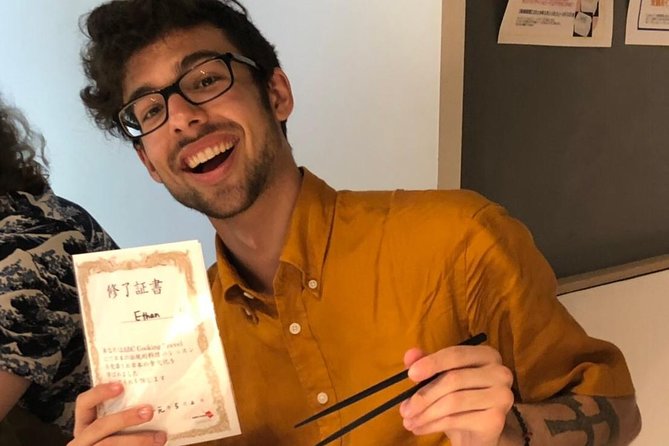
I would recommend it most strongly to first-time sushi makers, food-focused families, and visitors who want help understanding Tsukiji’s products. Children can participate from age nine, provided they are at least 130 centimeters tall.
The activity can work well for older children and teenagers because the market keeps the morning moving and the cooking class gives them something to do with their hands. One particularly useful family detail is that participants can ask questions freely while the guide translates at stalls.
It also suits couples and small friend groups looking for a planned half-day activity. The combination of tasting, walking, cooking, and eating offers more variety than a standard market tour.
I would hesitate to recommend it to anyone seeking the tuna auction, a serious sushi apprenticeship, or a long sashimi tasting. I would also think twice if you dislike group pacing, cannot manage a market walk, or already have strong sushi-making skills.
No strollers or luggage are allowed. The tour is near public transportation, and most people can participate, but you should arrive ready to walk through crowded shopping lanes and handle a change of location during the morning.
Booking, weather, and cancellation details
Confirmation is provided at booking, and the activity uses a mobile ticket. Free cancellation is available up to 24 hours before the local start time. Changes or cancellations made inside that window are not accepted for a refund.
The minimum group size is two people. If the operator cancels because too few people book, you can choose another date or experience, or receive a full refund. Poor weather can also lead to a new date or full refund.
The operator may take photographs during the activity and use them on its website, social media, or advertising. If that matters to you, be aware of the policy before joining.
Should you book the Tsukiji and sushi lesson?
Book it if you want a guided introduction to Tsukiji followed by a friendly, practical cooking class. The best reasons are the small group, English help in the market, tasting stops, and the chance to make and eat sushi and tamagoyaki in one morning.
Before booking, eat lightly, leave your luggage behind, and accept that the recipes and market stops can change. If you have already explored Tsukiji independently, ask yourself if a basic sushi lesson still appeals. For a first visit or a family activity, the answer is likely yes. For advanced cooks or auction hunters, choose something more specialized.
FAQ
How long does the Tsukiji Fish Market and sushi class last?
The experience lasts approximately three hours. About one hour is allocated to Tsukiji Fish Market, five minutes to Tsukiji Hongwanji Temple, and about one hour and 30 minutes to the cooking studio.
Where does the tour begin?
It begins outside Tsukiji Hongan-ji Temple at 3-chome-15-1 Tsukiji, Chuo City, Tokyo 104-8435, Japan.
Where does the experience end?
The activity ends at a different location from the temple meeting point. Transportation between Tsukiji Market and the cooking studio is included.
Is the tuna auction included?
No. Tuna auction watching is not included. The market visit focuses on the Tsukiji Outer Market and its shopping and tasting areas.
What foods will I make?
The lesson typically includes sushi rolls, tamagoyaki, and side dishes. Miso soup or stock may also be included. Ingredients and dishes can change based on the season and ingredient availability.
Is the activity conducted in English?
An English-speaking guide leads the market visit, and the cooking class is taught by an experienced instructor. The English ability of individual staff members can vary.
What is the minimum age?
The minimum age is nine years old. Participants must also be at least 4.2 feet, or 130 centimeters, tall.
Can I cancel for a refund?
Yes. You can cancel at least 24 hours before the experience start time for a full refund. Cancellations or changes made less than 24 hours before the start are not accepted for a refund.
More Shopping Tours in Tokyo
More Sushi Making Classes in Tokyo
More Tsukiji Market Tours in Tokyo
More tours in Tokyo we've reviewed












Tsukiji Market Tours, compared.
 ★ 5.0Tokyo Tsukiji Fish Market Food and Culture Walking TourFrom $99
 ★ 5.0Tokyo: Tsukiji Fish Market Food and Walking tourFrom $30
 ★ 4.9Tokyo: Tsukiji Fish Market Guided Walking TourFrom $222 hours
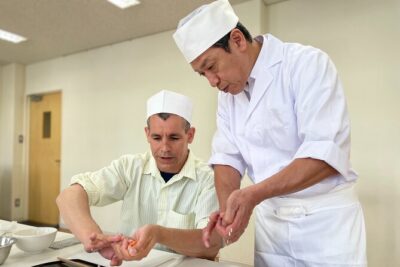 ★ 5.0Tokyo Sushi Making Class in Tsukiji with Professional ChefFrom $49
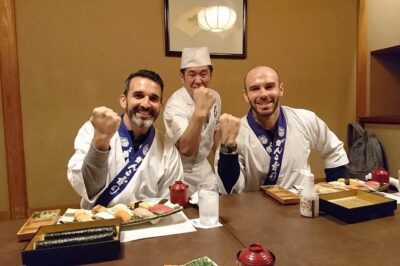 ★ 5.0Tsukiji Fish Market Guided Tour and Sushi Making with Pro ChefFrom $104
★ 4.7Tokyo: Tsukiji Fish Market Food and Culture Walking TourFrom $963 hours
★ 5.0Tsukiji Fish Market Guided Tour and Sushi Making with Pro ChefFrom $104
★ 4.7Tokyo: Tsukiji Fish Market Food and Culture Walking TourFrom $963 hours