Reviewed · TOKYO FOOD TOURS
Tokyo Night Cooking Class: 5 Home-Cooked Japanese Dishes
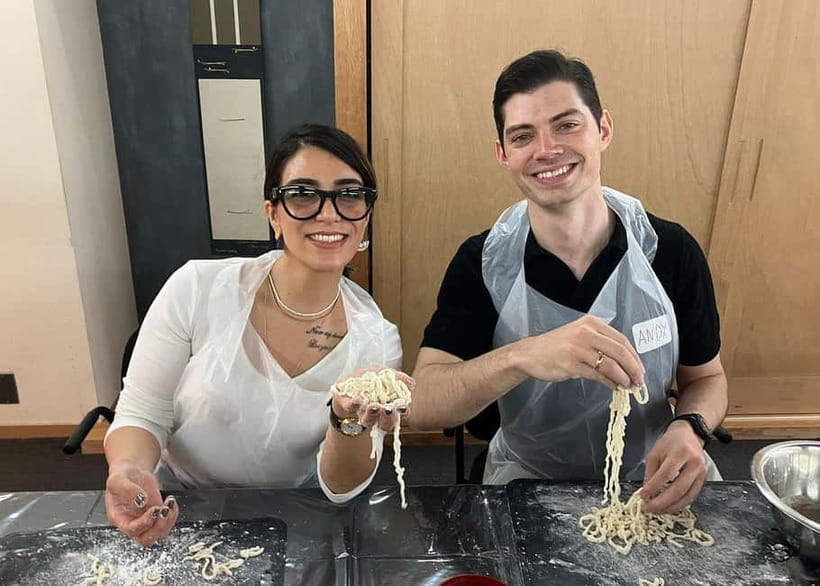
Tokyo has plenty of places to eat, but this evening class lets you make the meal yourself. You shop for ingredients, prepare five Japanese small plates, and sit down to eat them with drinks in the style of a relaxed izakaya night.
In This Article
- Key points to know before booking
- Why an izakaya cooking class works so well in Tokyo
- Starting at 5:30 pm near Iriya Station
- The supermarket stop adds real context
- Preparing five small plates, not just one recipe
- Eating your own dinner with three included drinks
- Guides such as Alice and Fuji shape the evening
- Who will enjoy this class most
- Practical comfort and timing notes
- What you take home besides dinner
- Is $79.28 a fair price?
- Should you book the Tokyo night cooking class?
- FAQ
- Where does the cooking class meet?
- What time does the experience start?
- How long does the class last?
- How many dishes will I prepare?
- Are drinks included?
- Can children attend?
- Can vegetarians, vegans, and people with gluten restrictions join?
- What is the cancellation policy?
I like the small maximum of seven participants, which gives the class a friendly feel without turning it into a crowd. I also like that the recipes are meant for home cooks, with useful tips for dishes such as sushi rolls, teriyaki chicken, Japanese omelette, and eggplant with miso sauce. The main catch is dietary flexibility: this class cannot accommodate vegan or gluten-free diets, and meat or egg restrictions reduce the menu.
Key points to know before booking

- Five dishes instead of one: Prepare a full spread of izakaya-style food, then eat what you make.
- A supermarket stop comes first: Choosing ingredients is part of the activity, not just a quick cooking demonstration.
- Three drinks are included: Choose alcoholic or soft drinks, with sake and beer among the possible options.
- A small group helps: The maximum is seven participants, with guides such as Alice and Fuji leading the cooking.
- Families can join: Children aged 6 and up are welcome, though knife and heat work is limited to participants aged 12 and above.
- Diet rules matter: Vegetarians can be accommodated, but vegan and gluten-free diets cannot.
Why an izakaya cooking class works so well in Tokyo

An izakaya is more than a place to grab dinner. It is a casual Japanese drinking spot built around small dishes, shared plates, and a relaxed pace. You might order several items rather than one large meal, then match them with beer, sake, or another drink.
That makes this class a smart choice if you want food culture rather than only a restaurant table. You learn how several everyday dishes fit together, and you see how a Japanese home-style meal can be built from familiar ingredients.
I particularly like the focus on recipes that you can repeat at home. This is not a showpiece lesson built around hard-to-find ingredients. The stated aim is to use products you can easily locate later, which gives the class value after your Tokyo trip ends.
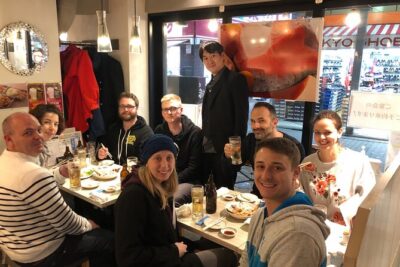
The mood is social, too. You cook, sip drinks, and eat at the same place, so the evening has a natural rhythm. Solo participants can meet people, couples can share the work, and families get an activity that keeps everyone involved.
A few more Tokyo tours and experiences worth a look

Starting at 5:30 pm near Iriya Station
The meeting point is outside the FamilyMart at 2-chome 1-10 Shitaya in Taito City, postal code 110-0004. The area is near public transportation, but you should still allow time to find the exact convenience store.
The start time is 5:30 pm, and punctuality matters. This is a group activity, so arriving after the class has left means you may not be able to join, reschedule, or receive a refund. I would aim to arrive early, especially if you are unfamiliar with the Iriya area or are coming after a full day of sightseeing.
The class lasts about three hours and finishes back at the meeting point. That makes it fairly easy to fit into an evening without giving up the whole night, though you should not plan a tight reservation immediately afterward.
The supermarket stop adds real context
One of the most useful parts of the evening is the shopping stop. Instead of finding every ingredient already measured and waiting on a counter, you take part in choosing what goes into the meal.
This gives you a look at ordinary Japanese food shopping. You can see the ingredients in the form people buy them, rather than only meeting them after preparation. The activity includes a shopping experience, and ingredient selection has been singled out as an especially enjoyable part of the evening.
The practical value is clear. If you want to recreate the dishes at home, knowing what the ingredients look like in a Japanese supermarket is helpful. You can connect the finished dish with the raw products, sauces, herbs, and other items used to make it.
The shopping portion may also make the class feel less polished and more like a real evening at home. The tradeoff is that the timing of the cooking may depend on the group moving together, so this is not a private, highly customized shopping trip.
Preparing five small plates, not just one recipe

The class covers a multi-course meal of Japanese tavern food. The menu can include sushi rolls, chicken balls with shiso leaves, eggplant with miso sauce, teriyaki chicken, and Japanese omelette.
The exact combination may vary, so I would treat these as representative dishes rather than a guaranteed menu. Still, the range gives you a good sense of the class. You work with rice and rolling techniques, seasoned meat, vegetables, miso, eggs, and sauces.
That variety is one of the strongest reasons to book. A single-dish lesson can be fun, but five dishes teach you more about balance. You see how savory, sweet, salty, soft, crisp, and fresh elements can share one table.
The recipes are also practical. The cooking experience is designed for beginners as well as people who already cook, and the dishes are meant to be manageable at home. The class includes ingredients, so you do not need to shop beforehand or bring equipment.
Knife and heat tasks require care. Participants aged 12 and older may handle those steps under the supervision of a parent or guardian. Children aged 6 and above can attend, but younger children will not be allowed to handle knives or hot cooking surfaces.
Eating your own dinner with three included drinks

After the preparation, you eat the food you have made. That may sound obvious, but it changes the feel of the class. You are not simply watching someone cook and then receiving a small sample. The cooking becomes dinner.
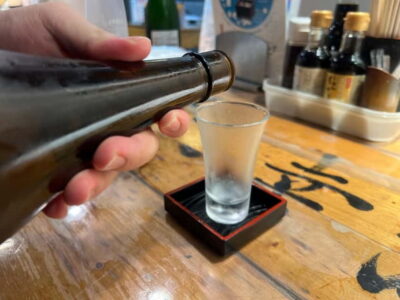
Three cans of alcoholic or soft drinks are included. Depending on the arrangements, options can include sake and beer, giving you a simple way to try Japanese drinks alongside the dishes.
Alcohol is available only to participants aged 20 and over, as required by Japanese law. If you do not drink, the included soft drinks make the class just as workable. Additional food and drinks are not included, so budget separately if you want more after the three included cans.
The drink allowance adds decent value to the $79.28 price. You are paying for about three hours, instruction, ingredients, dinner, shopping, photos, a certified guide, and three drinks. In Tokyo, a meal and a hands-on activity purchased separately can quickly approach that amount, though the value depends on how much you want the cooking lesson rather than just dinner.
Other cooking classes in Tokyo


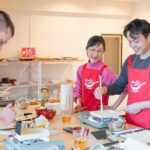
Guides such as Alice and Fuji shape the evening

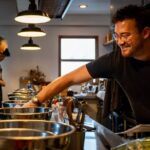
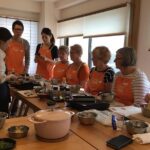
The guide makes a difference in a small cooking class. Alice has led families through the five dishes, drinks, and cooking steps, while Fuji has been praised for explaining each part clearly and keeping the recipes easy to follow.
Those details matter because this is a practical lesson, not just a meal with a short demonstration. You want someone who can explain what to do next, help when a technique feels unfamiliar, and keep the group moving without making beginners feel rushed.
The guide is also a bridge to the social side of the evening. Cooking together can feel awkward for the first few minutes, especially if you are joining alone. A lively host can turn separate people into a working group around the counter.
Because the class is shared, the guide cannot tailor every moment to one participant. The maximum of seven keeps the group fairly intimate, but it is still possible that another party or solo participant will join your session.
Who will enjoy this class most

This is a strong fit for people who want to take home more than photographs. If you enjoy cooking, eating small plates, and learning recipes you can use later, the three-hour format gives you plenty to work with.
It also suits families, since children aged 6 and above are accepted and a kids’ playroom is available. Parents should remember that only participants aged 12 and above may take part in knife and heat steps, and younger children need supervision.
Couples can divide the work and share the meal. Solo participants may find the small group a good way to meet people without signing up for a long walking activity.
Vegetarians are welcome, and the ingredients and cooking process can be arranged for a vegetarian meal. The limits are important, though. The class is not available for vegan or gluten-free diets, and allergy-free cooking cannot be guaranteed because the food is prepared in kitchens that do not belong to the provider.
If you cannot eat meat and eggs, the menu drops from five dishes to three. If you can eat meat but cannot eat eggs, it drops to four. Ask yourself if that reduced menu still feels worth the price before booking.
Practical comfort and timing notes

The class starts in the early evening and takes place during a season when Tokyo can be hot and humid. In summer, bring water and wear a hat for the outdoor portions, especially during the walk to or from the meeting point and shopping stop.
The activity is not recommended for people with mobility issues. If walking is difficult, a private tour is recommended instead. The class returns to the original meeting point, which simplifies the end of the evening, but it does not remove the need to move between the meeting point and other stops.
A mobile ticket makes entry simple. Confirmation is provided at booking, and the activity is near public transportation. I would save the meeting address offline and leave extra time for the final approach, since missing the group has serious consequences.
Cancellation is free if you cancel at least 24 hours before the 5:30 pm start time. Within 24 hours, refunds and changes are not accepted. The cut-off follows Tokyo local time.
What you take home besides dinner
The best souvenir here is a set of usable cooking ideas. You learn how to assemble several small dishes for a home gathering, rather than relying on one elaborate centerpiece.
The class also gives you a better sense of how Japanese meals can be organized. Sushi rolls, seasoned chicken, eggplant with miso, and omelette do not all serve the same role, yet they work as a shared spread. That is useful knowledge for anyone who wants to host a Japanese-style meal.
Tour photos are included, so you can keep a record of the evening without spending time taking pictures while handling food. The photos are a pleasant extra, but I would place more weight on the shopping and instruction when judging the experience.
The class is also a good choice if restaurant menus feel hard to read or if you want to understand dishes beyond their names. You learn through preparation, taste, and repetition. That makes the meal easier to remember.
Is $79.28 a fair price?
At $79.28 per person, this is not the cheapest way to eat in Tokyo. You can certainly find a simple meal for less, and you may find shorter demonstrations at a lower price.
The value improves when you count the full package. You receive approximately three hours of activity, a supermarket stop, all ingredients, a five-dish dinner, three drinks, photos, and a certified guide. You are also paying for a small group capped at seven, rather than a large session where personal help may be limited.
I would not book it if your only goal is an inexpensive dinner. I would book it if you want an evening activity with food at the center, especially if you plan to cook Japanese dishes after returning home.
The included drinks help, but the food and drink package has limits. Additional items cost extra, and dietary substitutions may reduce the number of dishes. Read those conditions before paying, particularly if anyone in your party has allergies or avoids eggs, meat, gluten, or animal products.
Should you book the Tokyo night cooking class?
Book this class if you want a friendly, hands-on evening and like the idea of learning five izakaya dishes instead of sitting through a formal demonstration. The supermarket stop, small group, included dinner, and three drinks make it a well-rounded activity for couples, families, and solo participants.
I would skip it if you need a vegan or gluten-free menu, have serious allergies, cannot manage walking between stops, or want a private lesson with a fixed menu. For everyone else, the class offers a useful look at everyday Japanese cooking and a meal you help create from start to finish.
FAQ
Where does the cooking class meet?
It meets at the FamilyMart Iriya Store at 2-chome 1-10 Shitaya, Taito City, Tokyo 110-0004. The activity begins and ends at the meeting point.
What time does the experience start?
The start time is 5:30 pm. You must arrive on time because late participants may not be able to join, reschedule, or receive a refund.
How long does the class last?
The experience lasts approximately three hours.
How many dishes will I prepare?
The standard menu includes five Japanese dishes. If you cannot eat meat and eggs, the menu is reduced to three dishes. If you can eat meat but cannot eat eggs, it is reduced to four.
Are drinks included?
Yes. Three cans of alcoholic or soft drinks are included. Alcoholic drinks, including sake, are available only to participants aged 20 and over.
Can children attend?
Yes. The activity is open to participants aged 6 and above. Knife and heat-related cooking steps are limited to participants aged 12 and above under a parent or guardian’s supervision. A kids’ playroom is available.
Can vegetarians, vegans, and people with gluten restrictions join?
Vegetarians are welcome, and the ingredients and cooking process can be arranged. The class is not available for vegan or gluten-free diets, and allergy-free preparation cannot be guaranteed.
What is the cancellation policy?
You can cancel for a full refund up to 24 hours before the experience start time. Cancellations or changes made less than 24 hours before the start are not accepted for a refund.
More Night Tours in Tokyo



More Cooking Classes in Tokyo
More Tokyo Food Tours in Tokyo


More tours in Tokyo we've reviewed












Tokyo Food Tours, compared.
 ★ 5.0Tokyo: Shinjuku Food Tour (13 Dishes at 4 Local Eateries)From $86
 ★ 4.9Tokyo: Shinjuku Food Tour (13 Dishes and 4 Eateries)From $97
 ★ 5.0Tokyo Night Foodie Tour in Shinjuku – Seasonal Sushi, Wagyu BeefFrom $111
 ★ 5.0Eat and Drink Like a Local: Tokyo Ueno Food Tour-Taverns&RamenFrom $95
 ★ 5.0Tokyo: Shibuya Food Tour (13 dishes and 4 Eateries)From $77
Tokyo: Shinjuku Food Tour – 15 Dishes, 3 Drinks, 4 EateriesFrom $723 hours
★ 5.0Tokyo: Shibuya Food Tour (13 dishes and 4 Eateries)From $77
Tokyo: Shinjuku Food Tour – 15 Dishes, 3 Drinks, 4 EateriesFrom $723 hours