Reviewed · HALF-DAY
Private Half-Day Grand Bike Tour in Tokyo
Tokyo makes more sense from a bicycle. This private ride links Asakusa, the Imperial Palace, Tokyo Tower, Meiji Shrine, and Shibuya Crossing in one long sweep, while also slipping through smaller streets and waterside corners that are easy to miss on the train. I like the personal pace and the way guide Takeshi keeps safety in view. I also like that the ride ends at Shibuya Station, right where you may want to continue sightseeing.
In This Article
- Key points to know before you book
- One bicycle, three very different Tokyos
- Starting in Sumida beside the Sumida River
- Senso-ji and the old Asakusa atmosphere
- Ryogoku and Tokyo’s working waterways
- Nihonbashi, Ginza, and the city’s commercial core
- The Imperial Palace and Japan’s political center
- Tokyo Tower, Roppongi, and tree-lined avenues
- Aoyama, Harajuku, and the fashionable west side
- Meiji Jingu, the tour’s longest visit
- Finishing at Shibuya Crossing
- What the bikes and pace mean for you
- Safety, guide support, and the private format
- Who should book this Tokyo ride?
- Should you book the Private Half-Day Grand Bike Tour?
- FAQ
- How long does the bike tour last?
- What time does the tour start?
- Where does the tour begin?
- Where does the tour end?
- Is this a private activity?
- Are bicycles included?
- Are helmets and water provided?
- What size riders can use the bikes?
- Does the tour require physical fitness?
- Can I cancel for a full refund?
The main catch is the length. At roughly 5 to 6 hours, this is a serious city ride, not a gentle spin around one neighborhood. The folding bikes suit people from 140 to 180 centimeters tall, so taller riders should contact the provider ahead of time. Good weather is required, and the route covers a lot of ground.
Key points to know before you book
- A rare cross-town route: Start near the Sumida River and finish beside Shibuya Crossing, covering old Tokyo, imperial Tokyo, and modern Tokyo in one outing.
- Private attention from Takeshi: Your group rides alone, allowing the guide to focus on safety, navigation, and your interests.
- Small folding bikes: The bikes have 14 to 20 inch wheels and are designed for riders between 140 and 180 centimeters tall.
- A strong mix of sights: You see Senso-ji, Ryogoku, Nihonbashi, Ginza, the Imperial Palace, Tokyo Tower, Meiji Shrine, and Harajuku.
- Useful final stop: The tour ends at Shibuya railway station, near the famous crossing and public transport.
- Best for active sightseers: Bottled water and helmets are included, but you need moderate physical fitness for the long ride.
One bicycle, three very different Tokyos
The best thing about this tour is its range. In a few hours, you move from the old merchant quarters of eastern Tokyo to the polished streets of Ginza, then onward to the grand avenues and shrine paths of the west.
That range is hard to achieve on foot. Trains are faster, but they keep you underground or inside stations. From a bicycle, you see canals, bridges, side streets, shopfronts, tree-lined roads, and the changing rhythm of each district. You also avoid spending much of the day figuring out train connections.
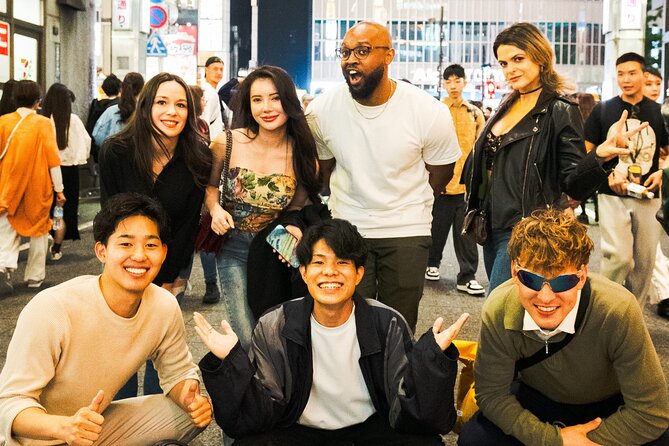
This is a private activity, so only your group participates. That matters in Tokyo, where street crossings and busy districts can make a large group awkward. Takeshi has been praised for taking safety seriously and for adding back streets and lesser-known corners alongside the major sights.
The price is $130.07 per person. That is not a bargain for a simple bike rental, but it is a fairer comparison when you consider the private guide, bicycle, helmet, bottled water, and the broad route. You are paying for a full half-day of transport and orientation as much as for sightseeing.
Other cycling tours in Tokyo
Starting in Sumida beside the Sumida River
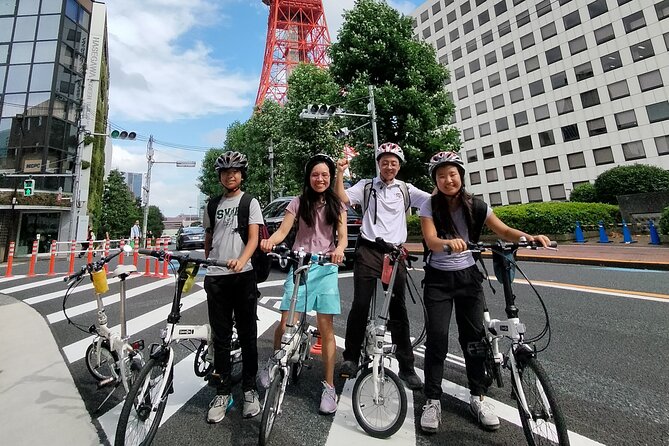
The meeting point is Tokyo Backstreets Bike Tour Japan in Higashimukōjima, Sumida City. The start time is 11:30 a.m., so you should plan your morning around reaching this eastern part of Tokyo before the ride begins.
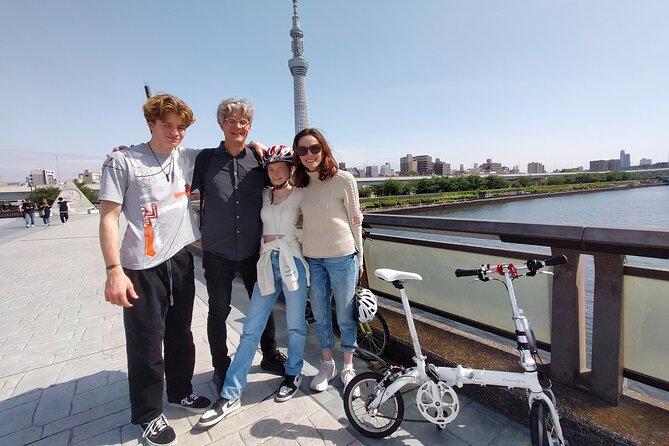
The first stop is Sakura Bridge, where you have about 10 minutes for photographs with Tokyo Skytree. This is a quick photo stop rather than a long visit, but it gives you an immediate sense of the city’s scale. The Skytree rises above the river district, while the bicycle route keeps you at street level.
You then spend about 20 minutes at the Edo Taito Traditional Crafts Center, also known as the Edo Shitamachi Traditional Crafts Museum. The focus is Japanese handicraft work. This is a useful counterpoint to the giant towers and commercial districts ahead, showing the careful making traditions associated with old Tokyo.
Senso-ji and the old Asakusa atmosphere
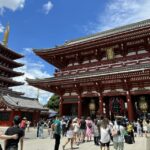
Senso-ji receives about 20 minutes. It is one of Tokyo’s major temples, with a traditional gate, pagoda, main hall, shops, and snack stalls.
You will not have unlimited time here, so think of this as a guided introduction rather than a full temple visit. If Senso-ji is a top priority for you, you may want to return independently later, when you can spend longer among the gate, temple buildings, and food stalls.
Still, arriving by bicycle gives this stop a nice context. You do not simply appear at the temple after a subway ride. You have already passed along the river and through eastern Tokyo, so Asakusa feels like part of a wider old-city district.
Ryogoku and Tokyo’s working waterways
The ride continues to Ryogoku Kokugikan, the sumo stadium. The stop lasts about five minutes and is mainly for a photograph outside. That short visit is enough to identify the building, though it will not give you time to explore sumo culture in detail.
From there, the route reaches Yanagi Bridge. You have around 10 minutes to look across one of central Tokyo’s canals. The area has older waterside views and jetties for yakatabune, traditional party boats used for meals and evening cruises.
This is the kind of stop that makes cycling worthwhile. It is not one of Tokyo’s headline attractions, but it gives you a look at the city’s waterways and everyday structure. The visit is brief, so expect an observation point rather than a long riverside break.
Nihonbashi, Ginza, and the city’s commercial core
At Nihonbashi Bridge, you spend about 20 minutes seeing old waterways and the surrounding district. Nihonbashi is a useful transition point. The ride shifts from old canal-side Tokyo toward the formal commercial center.
You then cycle through Ginza, known for luxury shops including Louis Vuitton and Chanel. The route does not promise shopping time here. Instead, you experience Ginza as a street scene, moving past its grand storefronts and wide urban avenues.
That contrast is one of the route’s strengths. In the morning, you were near temples, crafts, canals, and sumo. Now you are in a district built around major brands and polished retail streets. A train would get you between these areas, but a bicycle lets you watch the change happen block by block.
Other private tours in Tokyo

The Imperial Palace and Japan’s political center
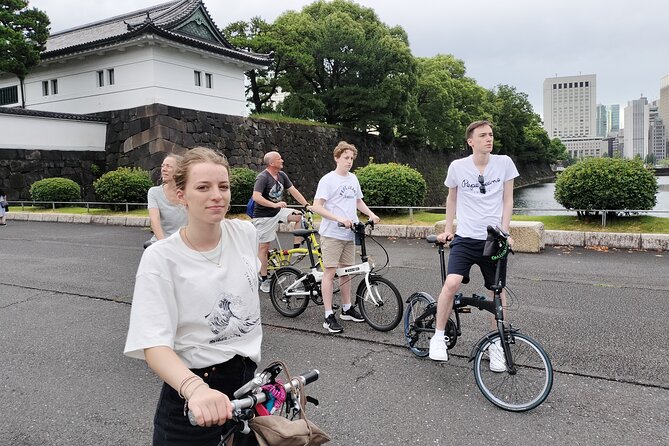
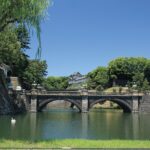
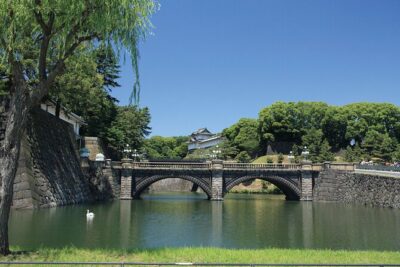
The Imperial Palace stop lasts about 30 minutes. The palace grounds cover about 115 hectares and occupy the site of the former Edo Castle, once the home of the Tokugawa shoguns and the center of the Edo government.
You will see the exterior area rather than enter the palace buildings. That is important to understand before booking. The value here is the scale, setting, and historical position of the site, not an indoor palace tour.
The route also passes near the National Diet Building. Built in 1936, it houses Japan’s House of Representatives and House of Councillors. Again, this is a cycling pass rather than a formal visit inside.
These stops add useful political and historical context to the ride. Tokyo is not only temples, shopping streets, and pop culture. The Imperial Palace and Diet area show the capital as a seat of government and national ceremony.
Tokyo Tower, Roppongi, and tree-lined avenues
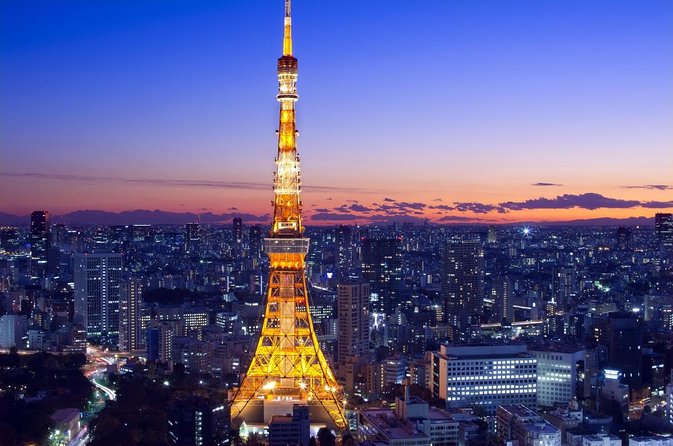
The ride reaches Tokyo Tower for about 10 minutes. At 333 meters, the red-and-white tower opened in 1958 as a broadcasting structure and remains a popular sight. You cycle beneath it and have time for photographs.
This is not a tower-entry experience. You will not go up to an observation deck, so you should see the stop as an exterior view and a chance to appreciate the tower from street level.
The route then passes through Roppongi, known for its nightlife, before reaching Jingu Gaien’s Ginkgo Tree-lined Street. The ginkgo trees turn yellow in autumn, but the road is attractive in other seasons as well. You spend about 20 minutes cycling between the trees.
The seasonal detail matters. Autumn offers the strongest color, while other times of year provide a leafy urban road without the yellow display. Either way, this section gives your legs and eyes a change from concrete, towers, and shopfronts.
Aoyama, Harajuku, and the fashionable west side
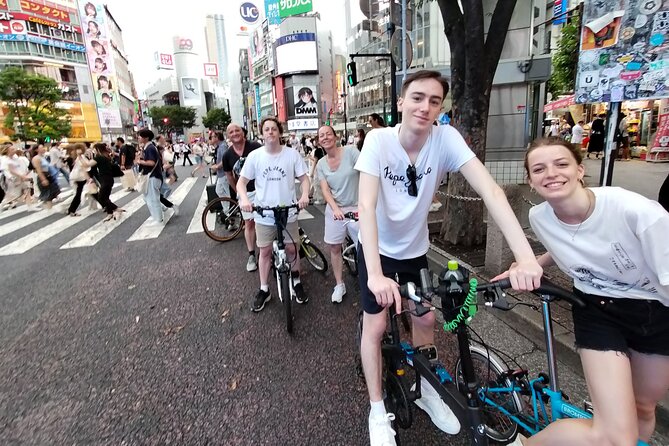
Aoyama Street receives about 20 minutes of cycling time. It is one of central Tokyo’s fashionable roads, and the route gives you a look at a more design-focused and upscale part of the city.
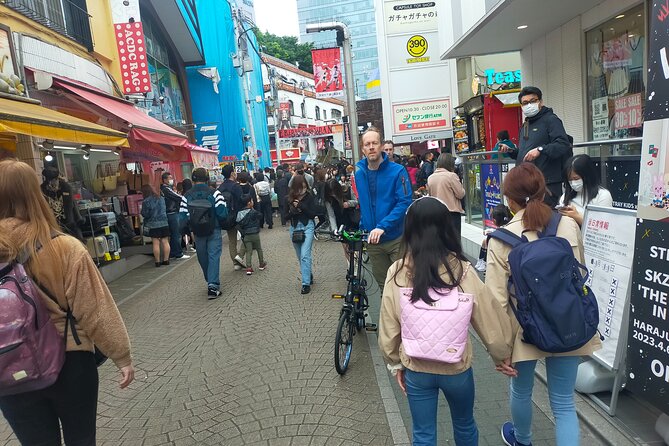
Next comes Takeshita Street, where you push the bikes inside the popular shopping area. You may have about 30 minutes for shopping. This is a practical arrangement because the street can be too crowded for normal riding, and walking the bikes lets you stay with the group without giving up the stop.
Takeshita Street is also one of the more energetic sections of the route. If you prefer quiet shrines and canals, this may feel hectic. If you want a glimpse of Harajuku’s youth fashion and shopping culture, it provides a sharp contrast with the Imperial Palace and Asakusa.
The tour continues along Omotesando for about 10 minutes. This broad, stylish avenue is lined with luxury brands and offers another view of Tokyo’s high-end retail side. The stop is short, but the ride itself is the point.
Meiji Jingu, the tour’s longest visit
Meiji Jingu receives about one hour, making it the longest stop on the route. You park the bikes and walk inside the shrine grounds.
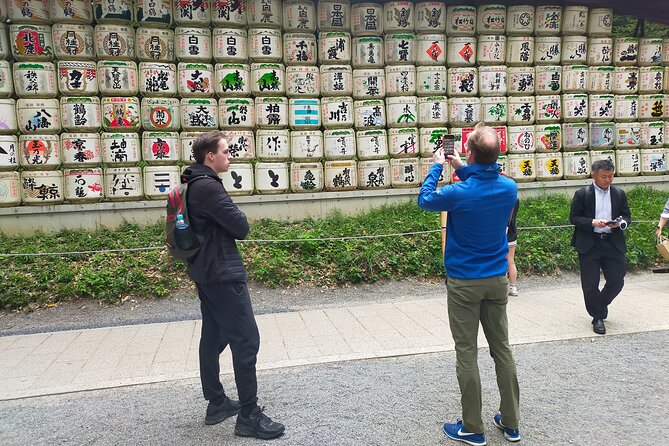
Established in 1920, Meiji Jingu is dedicated to the former Emperor. You can see sake barrels donated to the shrine and walk through one of Japan’s major Shinto sites.
This hour is valuable because it breaks up the cycling. After several hours on the road, walking through the shrine grounds gives you a slower section. It also provides a chance to focus on the religious setting rather than viewing another landmark from the saddle.
You should remember that the bicycle stays parked while you visit. The guide remains part of the experience, helping connect the shrine to the wider route through Tokyo’s modern western districts.
Finishing at Shibuya Crossing
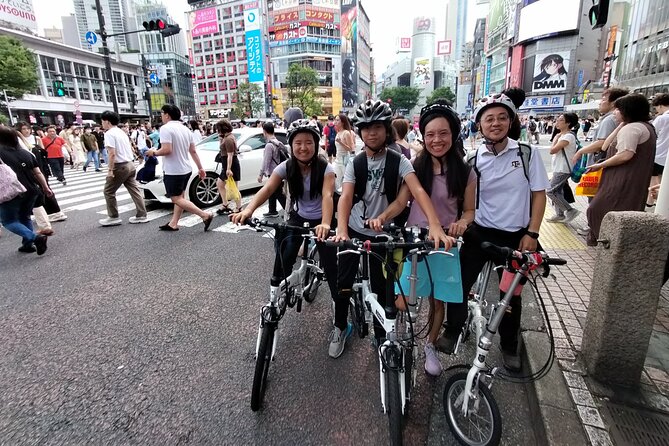
The final stop is Shibuya Crossing, where you spend about 15 minutes. The famous zebra crossing is known for its constant flow of people, and it is a fitting end to a ride that has shown so many sides of Tokyo.
The tour finishes at Shibuya railway station, near the crossing. This is one of the most useful details for planning the rest of your day. You can continue by public transport from there, rather than having to return to the starting point in Sumida.
The route is therefore practical as well as scenic. You begin in eastern Tokyo and end in the west, saving you the time and effort of retracing the same streets.
What the bikes and pace mean for you
The bikes are folding models with 14 to 20 inch wheels. They are suitable for people between 140 and 180 centimeters tall. If you are taller than 180 centimeters, tell the provider in advance so they can address the fit before the ride.
Helmets, bicycles, and bottled water are included. Private transportation is not included, so you must make your own way to the meeting point and arrange onward transport from Shibuya.
The provider asks for a moderate level of physical fitness. That is a sensible requirement. Even though the tour is guided and includes several short sightseeing stops, you spend most of the experience cycling or walking beside the bike.
The 5 to 6 hour version is best for people who want maximum coverage and are comfortable with a long active day. One review noted that a shorter three-hour option may suit some people better. If your main goal is simply to sample Tokyo by bicycle, ask about the shorter format. If you want the broad cross-town route described here, accept that the day will feel full.
Safety, guide support, and the private format
Tokyo has busy streets, complex crossings, and many different traffic conditions. A guide makes a real difference, especially when you are cycling through several districts rather than staying in one quiet area.
Takeshi has been praised for keeping the group safe throughout the ride, while still including back streets and less obvious places. That combination is important. A guide who focuses only on speed might get you across the city, but you could miss the small details that make the route worthwhile.
Because the activity is private, you do not have to match the pace of a large group. You can also ask for clarification at the sights, though the information provided does not promise a customized route or flexible stop times. The schedule is broad and packed, so do not assume every stop can become a long personal visit.
Who should book this Tokyo ride?
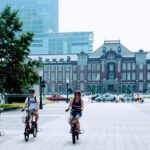
I would choose this tour if you want to cover many districts in one day and prefer seeing Tokyo from the street instead of spending hours underground. It suits first-time visitors who want an overview, as well as repeat visitors who want to reach canals, bridges, and back streets between the famous landmarks.
It is also a good fit for couples, families with suitable riders, and small private groups who value their own guide. The included water and helmet simplify the outing, while the Shibuya finish makes it easy to continue your plans.
I would hesitate if you dislike long rides, want deep visits inside museums and landmarks, or need a very relaxed pace. The temple, palace, tower, sumo stadium, and Diet Building stops are mostly exterior visits. The tour gives you breadth, not extensive time at every attraction.
The free cancellation policy allows a full refund when you cancel at least 24 hours before the start time. Since the activity requires good weather, a cancellation for poor conditions results in a different date or a full refund.
Should you book the Private Half-Day Grand Bike Tour?
Book it if you want a private, active way to connect old Tokyo, central Tokyo, and modern Tokyo without spending the whole day on trains. The strongest features are the cross-city route, Takeshi’s close safety attention, and the mix of major sights with canals, bridges, and back streets.
Before paying, check the bike fit and be honest about your stamina. At $130.07 per person, the value depends on using the guide and the full route, not simply borrowing a bicycle. For an active visitor who wants a broad first look at Tokyo, it is a practical and memorable choice. For a slower temple-and-museum day, choose something shorter.
FAQ
How long does the bike tour last?
The experience lasts approximately 5 to 6 hours.
What time does the tour start?
The stated start time is 11:30 a.m.
Where does the tour begin?
It begins at Tokyo Backstreets Bike Tour Japan in Higashimukōjima, Sumida City, Tokyo.
Where does the tour end?
It ends at Shibuya railway station near Shibuya Crossing.
Is this a private activity?
Yes. Only your group participates.
Are bicycles included?
Yes. Use of a bicycle is included in the tour price.
Are helmets and water provided?
Yes. Helmets and complimentary bottled water are included.
What size riders can use the bikes?
The folding bikes are suitable for people between 140 and 180 centimeters tall. You should inform the provider in advance if you are over 180 centimeters.
Does the tour require physical fitness?
Yes. A moderate level of physical fitness is recommended.
Can I cancel for a full refund?
You can cancel for a full refund if you cancel at least 24 hours before the experience start time. Poor weather may lead to a different date or a full refund.
More Half-Day in Tokyo


More Private Tours in Tokyo
More Cycling Tours in Tokyo
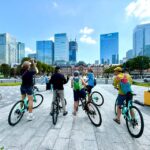
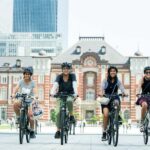
More tours in Tokyo we've reviewed












Half-Day, compared.
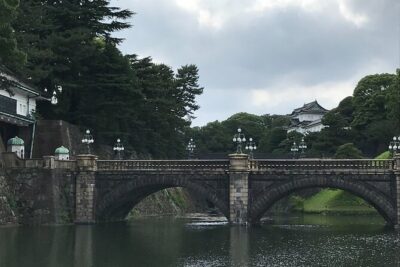 ★ 4.0Half-day Tokyo Afternoon Tour by Hato BusFrom $41
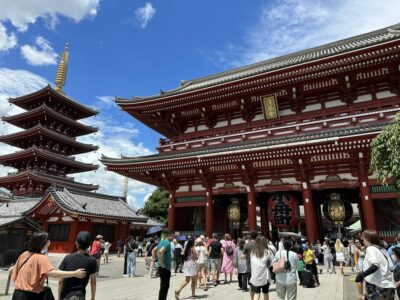 ★ 4.6Tokyo: A Half-Day Trip Bus Tour in the MorningFrom $404 hours - 270 minutes
 ★ 4.0Half-day Tokyo Morning Tour by Hato BusFrom $41
 ★ 5.0Tokyo Private Half-Day Tour with a Local – Secrets & HighlightsFrom $143
 ★ 4.9Old and Nostalgic Tokyo: Half-Day Yanaka Walking TourFrom $833h 30m
 ★ 5.0Tokyo Half-Day Canyoning AdventureFrom $60