Reviewed · GUIDED
Private Tour with a Local Guide – Learn about daily life in Japan
Tokyo changes character block by block, and this private walk lets you follow that change on foot. You begin at the quiet gates of Meiji Jingu, pass through Harajuku’s youth fashion scene, then finish amid the bright signs and crossing crowds of Shibuya. Guide Jero also helps with photos, a small service that makes a big difference when you are traveling without a photographer.
In This Article
- Key points to know before booking
- From Meiji Jingu’s forest to Tokyo’s modern street life
- Takeshita Street and Harajuku’s youthful style
- Cat Street, where Harajuku meets Shibuya
- Shibuya Crossing and the finish at Shibuya Station
- Why the private format matters
- Jero’s role in the experience
- What the two to three hours really covers
- Who will get the most from this walk
- Food, shopping, and extra time
- Booking, meeting point, and cancellation
- Should you book this Tokyo walking tour?
- FAQ
- How long does the private Tokyo walking tour last?
- Who leads the tour?
- Where does the tour begin?
- Where does the tour end?
- Are food and drinks included?
- Can I cancel for a full refund?
I like the private format, since you can ask about Japanese customs, pop culture, food, or daily life without waiting for a large group to catch up. I also like the route itself: Meiji Shrine, Takeshita Street, Cat Street, and Shibuya Crossing give you four very different views of Tokyo in one walk.
The main consideration is pace. In two to three hours, you will get a useful introduction rather than a full tour of either district. Food and drinks cost extra, and the route includes busy shopping streets and plenty of walking.
Key points to know before booking

- Guide Jero adds a personal touch: He leads the walk in English and can help you understand both old customs and current Tokyo life.
- The route links four distinct areas: Meiji Jingu, Takeshita Street, Harajuku’s fashion lanes, Cat Street, and Shibuya Crossing all appear in one outing.
- Photo help is included: You receive individual and group photos at famous places, so nobody has to be left out of the picture.
- You control the start time: This is useful if you are working around jet lag, hotel checkout, or another Tokyo booking.
- Food stops are suggestions, not inclusions: Your guide can point out Japanese street food, but you pay for anything you eat or drink.
- The tour ends at Shibuya Station: You can continue shopping, dining, sightseeing, or return to your hotel from this major transport hub.
From Meiji Jingu’s forest to Tokyo’s modern street life

The tour starts at Café Mori no Terrace, near Meiji Jingu in Yoyogi. That is a practical meeting point because the shrine provides a calm opening to a day in two of Tokyo’s busiest districts.
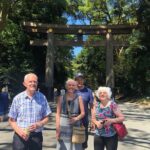
Meiji Jingu is one of the city’s best places to see Shinto customs in action. Your guide walks with you toward the main shrine buildings and explains the cultural meaning of the site. The value here is not just seeing a large Japanese shrine. It is learning how the space is used, what visitors do there, and why it matters to Tokyo.
I like beginning here because it gives you a clear contrast. You can start among shrine gates and quiet paths, then reach Harajuku’s shops and signs within the same tour. That contrast helps you understand Tokyo better than a list of isolated sights would.
Do not expect a long, scholarly shrine visit. The complete experience lasts only two to three hours, and several districts are covered. Still, a local guide can point out details you might pass without understanding. If you have never visited a Shinto shrine, this is a useful first lesson in how to behave and what you are seeing.
Other guided tours in Tokyo
Takeshita Street and Harajuku’s youthful style
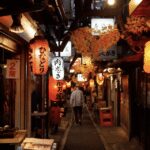
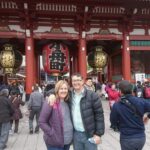
From Meiji Jingu, the route continues to Takeshita Street, one of Harajuku’s best-known shopping lanes. This is where Tokyo’s youthful fashion culture takes center stage. The street is colorful, energetic, and filled with shops aimed at young shoppers and fans of Japanese pop styles.
I like having a guide here because Harajuku can feel like a wall of signs and storefronts when you first arrive. A guide can explain the role of Harajuku in Japan’s pop and subculture scene, then help you make sense of the clothing, accessories, and street styles around you.
The tour also includes time for Harajuku’s broader street-style scene, not just the main shopping lane. That matters. Takeshita Street is famous, but it is also the part of Harajuku most likely to feel crowded and commercial. The surrounding streets offer a more varied look at local fashion and small businesses.
The wording of the experience suggests a focus on places that many independent visitors might miss. You should keep your expectations sensible: this is not a private fashion consultation or a backstage visit with designers. It is a guided walk through an area where clothing, music, youth culture, and shopping overlap.
If you want Japanese street food, this is one of the better parts of the walk to ask for suggestions. Food is not included, so bring money for any snacks or drinks. The advantage is flexibility: you can ask what is worth trying rather than paying for a fixed meal you may not want.
Cat Street, where Harajuku meets Shibuya
The route then moves toward Cat Street, a pedestrian-friendly link between Harajuku and Shibuya. This section changes the mood again. Instead of one famous shopping lane, you find independent boutiques, vintage shops, and cafes along a route that feels less like a single attraction.
The tour allows about 20 minutes at Cat Street. That is enough to see its character and ask questions, though not enough for a serious shopping session. If you want to browse every store, you will need to return on your own.
Cat Street is valuable as a connecting point. It shows you the transition from Harajuku’s youth-focused fashion to Shibuya’s wider mix of style, retail, and city life. Your guide can also suggest places to stop for food or a drink, although those purchases are separate.
I would pay attention to this part if you prefer independent shops and side streets over major landmarks. The route is still popular, but it gives you a break from the most obvious tourist stops. You might find a cafe or shop that you would not have noticed while rushing from Meiji Shrine to Shibuya Crossing.
Shibuya Crossing and the finish at Shibuya Station

The final major stop is Shibuya Crossing. This is the grand finale, and it works because the tour has gradually moved from shrine grounds to packed city streets.
Your guide helps you experience the crossing as part of the city, not only as a place to take one photograph. You can join the flow of pedestrians, see the surrounding signs and buildings, and watch how the intersection becomes a symbol of modern Tokyo.
The crossing can be exciting, but it is also easy to overstate. You will not spend hours there, and the experience depends on the time of day and the size of the crowd. The private guide format helps because you can pause for photos and ask questions instead of being hurried through with a large party.
The tour ends at Shibuya Station. This is a practical finish rather than a drawback. From there, you have several ways to continue your day, including more shopping, a meal, or public transport to another part of Tokyo.
If you are new to the city, ending at a major station can be useful. You will already have seen one of Tokyo’s most famous areas, and you can use the station as a base for your next activity. The tour does not return you to the starting point, so plan your afternoon from Shibuya rather than from Meiji Jingu.
Why the private format matters

The price is listed at $88.68 per person, with group discounts available. That is more than you would pay to walk these streets independently, since the shrine and public areas do not require an admission charge. You are paying for the guide’s time, route planning, English explanation, local suggestions, and photo assistance.
The value improves as your group grows, especially if the group discount applies to your booking. A private tour also means you are not sharing the guide’s attention with strangers. You can ask why a shrine custom works a certain way, request more information about Japanese fashion, or spend a little longer at a place that interests you.
This is not the right choice if you only want transportation between famous sights. It is a walking tour, and the best part is the explanation along the way. I would compare the cost with what you would pay for a basic group tour, then consider how much you value privacy and flexibility.
The start time is another useful feature. You can choose a slot that fits your schedule, though the experience is often booked about 45 days ahead. If your Tokyo dates are fixed, I would reserve early rather than assume a convenient time will remain available.
Other private tours in Tokyo



Jero’s role in the experience

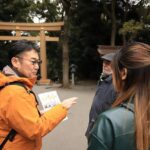
Guide Jero receives especially strong praise for combining historical context with present-day culture. That combination fits this route well. Meiji Jingu calls for an explanation of religion and tradition, while Takeshita Street, Cat Street, and Shibuya call for a discussion of fashion, pop culture, and city habits.
One especially useful quality is Jero’s willingness to show less obvious corners. That does not mean secret access or places closed to the public. It means you may see streets, shops, or viewpoints that are easy to overlook when you follow only the main signs.
The private setting gives Jero room to adjust the conversation. If you are more interested in Japanese daily life than fashion, you can steer the discussion. If your children or friends want photos, he can help with individual and group shots at major landmarks.
That photo service is worth noting. Solo visitors often have to rely on strangers or awkward phone stands, while couples and families may end up with only one person in every picture. Here, the tour includes solo photos and group photos, so you can enjoy the walk without constantly managing your camera.
What the two to three hours really covers

This is a compact introduction to western Tokyo. You will not see every notable street in Harajuku or Shibuya, and you should not book it expecting a full-day cultural program.
The route has a clear shape:
- Meiji Jingu introduces Shinto practice and traditional Japan.
- Takeshita Street shows Harajuku’s youth shopping culture.
- Harajuku’s surrounding streets add fashion and subculture context.
- Cat Street brings independent shops and cafes into the route.
- Shibuya Crossing finishes with Tokyo’s most famous urban spectacle.
That structure is one of the tour’s strongest features. You are not simply collecting famous photo stops. You are watching the city change as you walk from one district to another.
The short duration also makes this easy to fit into a busy Tokyo visit. You could schedule it near the start of your stay to learn the area, or place it later as an introduction to shopping and dining in Harajuku and Shibuya. Since the tour ends at Shibuya Station, it pairs naturally with an afternoon or evening in Shibuya.
Who will get the most from this walk

I would recommend this tour to first-time visitors who want help making sense of Tokyo rather than just checking off landmarks. The route gives you cultural context, practical orientation, and a look at both traditional and current Japan.
It also suits couples, families, and small groups who prefer to move at their own pace. The private format is particularly useful if one person wants photos, another wants food advice, and someone else wants to ask about Japanese customs.
Solo visitors may find the photo help especially useful. You can have pictures taken with major landmarks without handing your phone to a stranger, and you still get a personal conversation during the walk.
This may be less suitable for serious shoppers who want several hours in each boutique, or for visitors who prefer a slow shrine-focused tour. The route covers a lot in a short time. You will gain range, but not exhaustive detail.
The tour is described as suitable for most people and is near public transportation. Even so, remember that this is a walking experience through active city districts. Wear comfortable shoes and allow enough time for stops, photos, and crowds.
Food, shopping, and extra time
Food and drinks are not included, but the guide can suggest Japanese street food stops. That arrangement keeps the price simple and lets you decide what to buy.
If you are curious about local snacks, ask Jero for suggestions during Harajuku. You might find something that fits your appetite and budget, rather than being directed to a fixed restaurant. Just remember that any food stop will reduce the time available for shops and sightseeing.
Shopping also needs a little planning. Takeshita Street and Cat Street are good places to look around, but the tour is not designed as a dedicated shopping trip. If you find a store you like, note its location and return after the guided walk.
I like this flexible approach because it gives you a first look without forcing you to spend the whole day in one district. After the tour, you can decide which area deserves more time.
Booking, meeting point, and cancellation
You meet at Café Mori no Terrace, at 1-1 Yoyogikamizonochō in Shibuya, near Meiji Jingu. Check the meeting details before leaving your hotel so you are not trying to find the cafe at the last minute.
The walk finishes at Shibuya Station, 2 Chome-24, Shibuya. Because the start and finish are in different areas, allow for your own return journey or next appointment. The tour is near public transportation at both ends.
Confirmation arrives when you book, and the activity is private, meaning only your group participates. Free cancellation is available up to 24 hours before the start time for a full refund. Cancellations or changes made less than 24 hours before the start are not accepted for a refund.
Should you book this Tokyo walking tour?
Book it if you want a friendly private introduction to Harajuku and Shibuya, with a guide who can explain both shrine customs and current street culture. Jero’s personal approach, photo help, flexible start time, and knowledge of less obvious corners make the price easier to justify for couples, families, and small groups.
Skip it if you want a long shopping session, a food tour with meals included, or a slow and detailed study of Meiji Jingu. For everyone else, this is a well-shaped way to get your bearings in two famous Tokyo districts while seeing how old and new Japan meet on the street.
FAQ
How long does the private Tokyo walking tour last?
The tour lasts approximately two to three hours.
Who leads the tour?
The walk is led in English by a local guide. The guide named in the available tour information is Jero.
Where does the tour begin?
The meeting point is Café Mori no Terrace, at 1-1 Yoyogikamizonochō, Shibuya, Tokyo, near Meiji Jingu Shrine.
Where does the tour end?
The tour ends at Shibuya Station, at 2 Chome-24, Shibuya, Tokyo.
Are food and drinks included?
No. Food and drinks are not included, though the guide can suggest places for Japanese street food. You pay separately for anything you purchase.
Can I cancel for a full refund?
Yes. You can cancel at least 24 hours before the experience start time for a full refund. Cancellations or changes made less than 24 hours before the start time are not accepted for a refund.
More Private Tours in Tokyo
More Guided Tours in Tokyo


More tours in Tokyo we've reviewed












Guided, compared.
 ★ 5.0Tokyo 6hr Private Tour with Government-Licensed GuideFrom $155
 ★ 4.9Tokyo: Shinjuku Local Bar and Izakaya Guided Walking TourFrom $343 hours
 ★ 4.8Tokyo: Private City Highlights Tour with Local GuideFrom $1064 - 8 hours
 ★ 4.9Tokyo: Tsukiji Fish Market Guided Walking TourFrom $222 hours
 ★ 5.0Tokyo 4hr Private Tour with Government-Licensed GuideFrom $109
 ★ 5.0Tokyo Guided Small-Group Biking TourFrom $106