Reviewed · SHINJUKU TOURS
Wagyu & Sake Pairing in Shinjuku – Steak, Shabu-Shabu & More
The most appealing part of this Shinjuku evening is the pairing work. You do not simply eat wagyu and drink sake side by side. Each course comes with a different style of Japanese sake, from warm sake and nigori to unpasteurized pours and original cocktails made for beef. You get a guided lesson and a full dinner in one sitting.
In This Article
- Key points before you book
- Why this dinner works for first-time food explorers
- The aperitif sets the tone
- The wagyu course moves through several textures
- Steak, shabu-shabu, and noodles make this a real dinner
- Understanding the sake pairings
- What the guide adds to the meal
- Is $148.65 a fair price?
- Timing, location, and practical details
- Who should book this experience?
- Should you book Wagyu and Sake Pairing in Shinjuku?
- FAQ
- Where does the experience begin?
- What time does the dinner start?
- How long does the experience last?
- Where does the activity end?
- How many people can join?
- What food is included?
- Is sake included?
- Are other drinks included?
- Can food restrictions be accommodated?
- Can I cancel for a refund?
I like the small maximum of eight people, which gives hosts such as Joe, Andrea, Chi, Tadashi, and Miyuki room to explain the food and answer questions. I also like the generous menu: tongue, tataki, sirloin, hotpot, udon, appetizers, and dessert make this much more than a few thin slices of steak. The main caution is the setting. One French-speaking diner found the dining area quite small and the welcome less warm than expected, so do not book this expecting a grand restaurant room.
Key points before you book
- A full wagyu meal, not just a tasting: Expect several beef preparations, side dishes, noodles, and dessert.
- Sake changes with every course: You may try aged, fermented, warm, nigori, unpasteurized, and cocktail-style sake.
- A small group of up to eight: The format allows for conversation and personal explanations.
- A useful first-night lesson: You learn about wagyu grades, regional differences, sake production, and how to read Japanese menus.
- A 6:00 pm start in Shinjuku: The meal lasts about three hours and finishes where it began.
- Strong overall satisfaction: The experience is rated 4.9 out of 5 from 112 ratings, with 98 percent recommending it.
Why this dinner works for first-time food explorers
Tokyo gives you endless choices, but that freedom can be a problem at the start. Japanese menus may offer unfamiliar cuts, cooking styles, and sake labels, and it is easy to order something without knowing what makes it special. This dinner gives you a framework before you set off on your own.
The opening discussion covers the background and importance of wagyu and sake, along with regional differences. You learn what separates wagyu from ordinary beef and get an introduction to the Japanese grading system. On the sake side, the host explains how sake is made and how different styles affect taste.
That information matters because wagyu is not one single flavor. A tender, fatty sirloin behaves differently from grilled beef tongue or a chuck cut prepared in a hotpot. Sake also changes with temperature, fermentation, sweetness, texture, and serving style. By tasting both in a planned order, you can notice how the drink handles richness, char, salt, and broth.
I would especially recommend this format if you are visiting Japan for the first time and want help ordering food later in your trip. Several diners found the advice on buying sake useful, and the hosts can also help decipher Japanese menus. That practical knowledge can serve you well after the dinner ends.
A few more Tokyo tours and experiences worth a look
The aperitif sets the tone
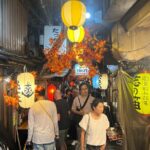
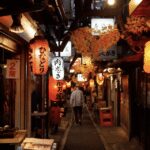
The evening begins at Ushinobi Shinjuku, in the NSK Building at 1-chōme-22-1 Hyakuninchō, Shinjuku City. The meeting time is 6:00 pm, and the activity returns to this same location at the end.
You start with Japanese drinks as an aperitif while the host introduces wagyu and sake. These first pours are not just a warm-up. They prepare you to think about the meal as a series of pairings rather than one long plate of meat.
The hosts bring different personalities to the evening. Joe is described as a native English speaker who makes conversation easy, while Chi, Andrea, Tadashi, and Miyuki have each hosted highly praised evenings. Their approach can vary, but the common thread is explanation. You are encouraged to ask questions, and the small group makes it easier to speak up than at a large food walk.
The setting is part of the experience’s character. This is a restaurant-based dinner, not a formal tasting room or a polished hotel banquet. One rating praised the food but felt the room was tight, with six people seated close together. If you prefer an intimate, informal meal, that may suit you. If you want plenty of space and quiet privacy, keep the compact setup in mind.
The wagyu course moves through several textures
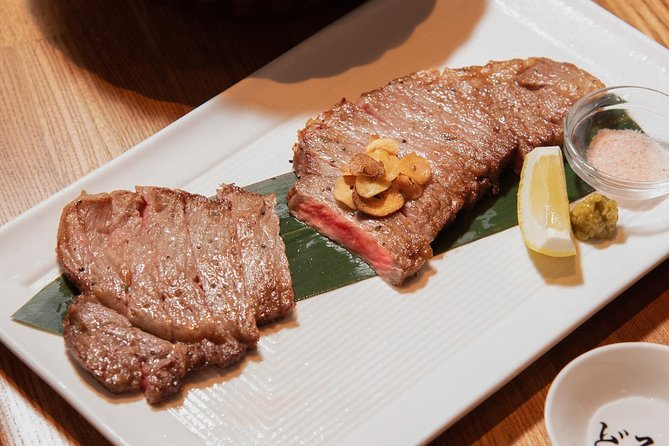
The sample menu gives you a good idea of the meal’s range. Menus can change according to what is available on the date, since the restaurant sources wagyu from different parts of Japan and serves the best cuts available at the time.
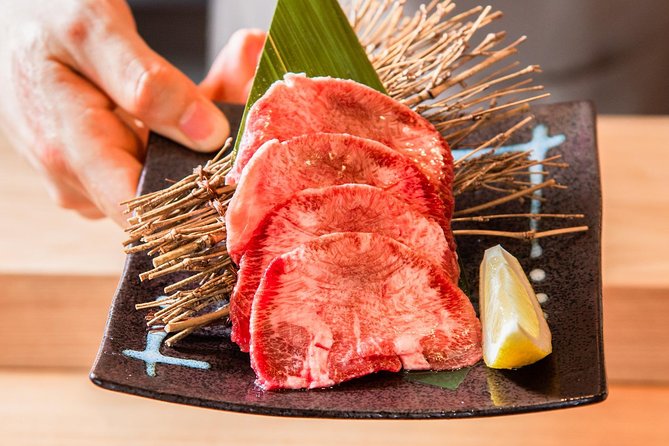
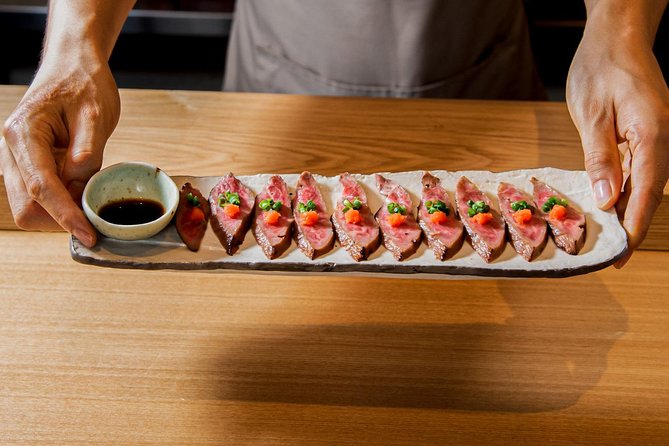
You may begin with two appetizers before moving to grilled wagyu beef tongue. Tongue gives you a firmer, more savory bite than the very soft texture associated with highly marbled steak. It is a smart early course because it shows that wagyu is not limited to one familiar cut.
The tongue is paired with an original sake cocktail. This is one of the more unusual details of the dinner. You are not limited to standard pours, and the cocktail format shows how sake can work in a mixed drink while still supporting the beef.
Next comes wagyu chuck flap tataki with warm sake. Tataki is lightly seared, so this course offers a contrast between a browned exterior and a softer interior. Serving the sake warm changes its character and gives you a useful comparison with chilled or specialty pours later in the meal.
A seasonal salad breaks up the meat and alcohol. Its role is practical: after several rich bites, a fresh course helps reset your palate. The menu is not simply a parade of heavy beef dishes.
Steak, shabu-shabu, and noodles make this a real dinner
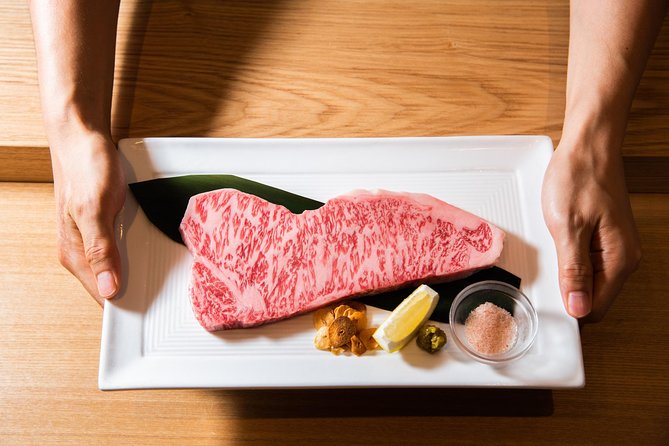
The wagyu sirloin steak is likely to be the course many people anticipate most. It is paired with nigori, a cloudy style of sake with a fuller texture. The creamy feel of nigori makes sense beside marbled beef, and the pairing gives you a clear example of matching weight with weight.
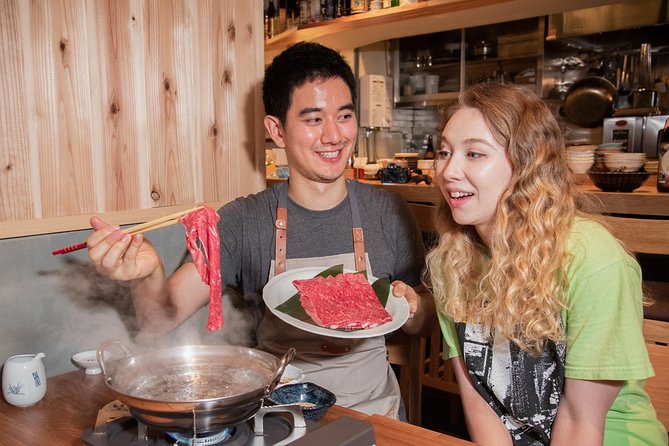
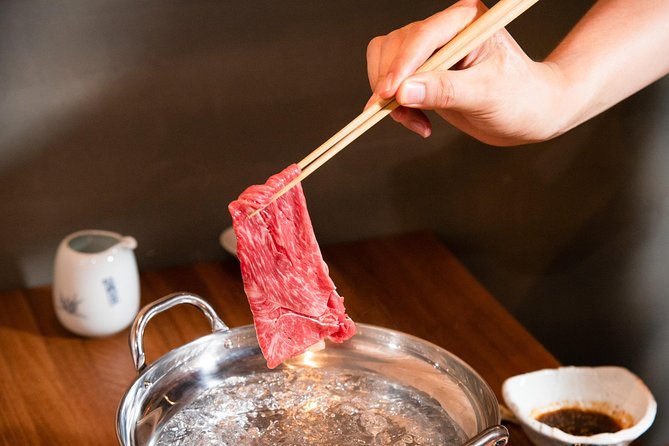
The menu then shifts to wagyu chuck hotpot, served with unpasteurized sake. Hotpot brings a different kind of participation. Instead of receiving every element fully finished, you may have a chance to prepare or cook parts of the meal yourself. Diners have particularly enjoyed having a hand in cooking the food, so this is not a purely passive dinner.
The chuck cut also changes the lesson. Sirloin shows off tenderness and marbling, while chuck brings a more substantial beef character. The hotpot broth adds another layer, letting you taste how wagyu works in a warm, savory setting rather than only grilled.
Wagyu dashi udon follows. This course uses the beef experience in a lighter, soup-based direction, with noodles and dashi bringing a familiar Japanese balance. It also helps ensure that the dinner feels complete rather than ending after the steak.
Dessert arrives with a sake surprise. The exact presentation is not specified, which is part of the fun, but you should expect the sake pairing to continue through the final course.
Portions appear generous. Multiple diners specifically noted that there was more food and sake than expected, and one advised arriving with a healthy appetite. This is important when judging the price. You are paying for a three-hour meal with several beef cuts, multiple preparations, a sake flight, teaching, and hosting, not for a single premium steak.
Understanding the sake pairings
The sake is not an afterthought. It is the second subject of the evening.
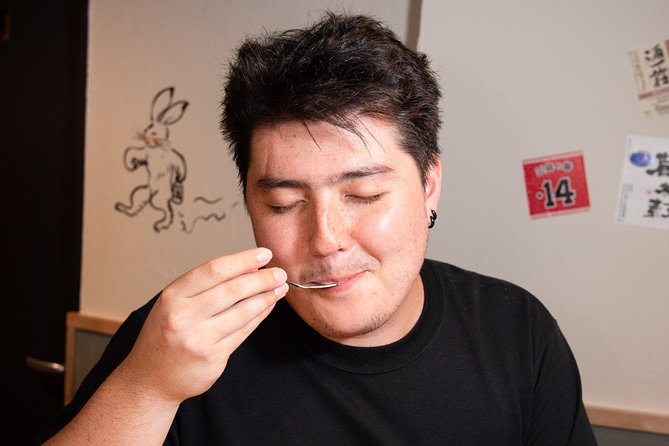
You may taste aged sake and fermented sake, along with warm, cloudy, unpasteurized, and cocktail-style examples. The point is not to declare one style best. It is to see how serving method and production affect aroma, sweetness, body, and finish.
Warm sake can feel softer and more rounded than a chilled pour. Nigori has visible sediment and a thicker mouthfeel. Unpasteurized sake can taste fresher and more lively. Aged sake brings a different profile again. You do not need prior sake experience, and the host explains the differences as you go.
I value the buying advice here. After learning a few styles, you can ask better questions at a shop or restaurant later in Tokyo. Instead of ordering by label alone, you can describe whether you want something dry, cloudy, warm, fresh, or full-bodied.
Additional drinks such as beer are not included. The included pairings are the focus, and you should budget separately if you want beer or other beverages.



What the guide adds to the meal
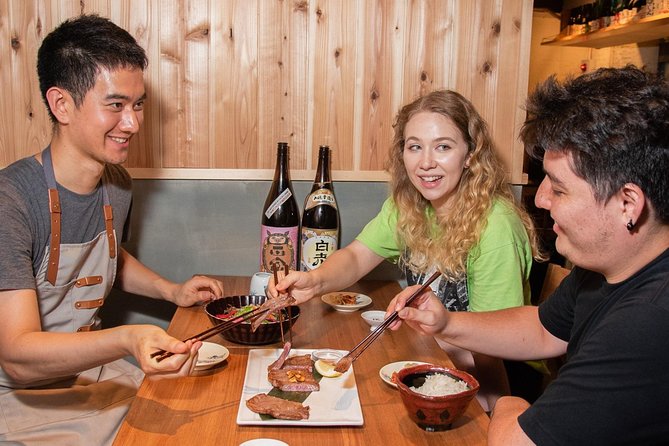
A good host is central to this experience. The strongest feedback focuses on the people leading the dinner as much as the food. Joe is praised for being friendly and easy to understand, Tadashi for explaining meat grades and sake production, and Chi, Andrea, and Miyuki for making the evening personal and welcoming.
That does not mean every interaction will feel identical. The host you receive depends on the date, and one lower rating found the welcome a little cool. Still, the format gives the guide a real role. You are not left to guess which cut you are eating, why it is prepared that way, or how the sake was chosen.
The experience is also social. With no more than eight people, you share the meal with a small table rather than moving through a crowded food group. That can be a pleasant way to meet other diners, though it means the evening is not private unless your own party fills the available places.
Is $148.65 a fair price?
At $148.65 per person, this is not a budget dinner. The value depends on what you want from the evening.
If you only want to eat wagyu, you can probably spend less at a restaurant by ordering one dish. That option will not give you several cuts, multiple cooking methods, a structured sake flight, menu help, or an explanation of grading and production.
The price makes more sense if you would otherwise book a premium steak meal and a separate sake tasting. Here, those elements are combined with appetizers, salad, hotpot, udon, dessert, and about three hours of hosting. Several diners considered the sake alone a strong part of the value, while others singled out the quantity of food.
The included full-course meal is substantial, but extra drinks are separate. Food restrictions may also affect the value for you. You must send requests at least one week before the date. Vegan, vegetarian, and gluten-free choices are limited, and last-minute requests cannot be accommodated. If you have allergies, contact the provider early rather than assuming the menu can be changed on arrival.
Timing, location, and practical details
The dinner starts at 6:00 pm and lasts about three hours. That timing works well for an evening in Shinjuku, but it does commit much of your night. You should avoid booking another fixed activity immediately afterward.
The restaurant is near public transportation, and most people can participate. The meeting point is Ushinobi Shinjuku, located in the NSK Building, room 201. A mobile ticket is provided, and booking confirmation arrives at the time of booking.
Free cancellation is available if you cancel at least 24 hours before the 6:00 pm start time. Changes or cancellations inside that window are not accepted for a refund. Since the group is capped at eight and demand is active, check your plans before reserving.
Who should book this experience?
I would choose this dinner if you are curious about both sides of the pairing and want someone to explain what is in your glass and on your plate. It suits first-time visitors to Japan, steak fans, sake beginners, and people who prefer a hosted meal over guessing at a menu.
It is also a good choice for a special evening that still feels social and informal. The small group can make the dinner lively, and the cooking element adds something to do beyond eating.
I would hesitate if you are vegetarian, vegan, or require a strict gluten-free menu. The available alternatives are limited. I would also think twice if you dislike close seating, need a private table, or want a short tasting instead of a large dinner.
Should you book Wagyu and Sake Pairing in Shinjuku?
Book it if you want a generous, educational wagyu dinner with sake matched course by course. The strongest reasons are the variety of beef, the unusual sake styles, the small group, and the practical advice you can use at other restaurants and shops.
Skip it if your priority is space, privacy, or dietary flexibility. For everyone else, $148.65 is a reasonable spend for a three-hour meal that covers steak, hotpot, noodles, dessert, sake education, and a full evening of hosting. Bring your appetite, arrive ready to ask questions, and expect the exact cuts to depend on the market that day.
FAQ
Where does the experience begin?
It begins at Ushinobi Shinjuku, in the NSK Building, room 201, at 1-chōme-22-1 Hyakuninchō, Shinjuku City, Tokyo 169-0073, Japan.
What time does the dinner start?
The start time is 6:00 pm.
How long does the experience last?
It lasts approximately three hours.
Where does the activity end?
The dinner ends back at the meeting point at Ushinobi Shinjuku.
How many people can join?
The maximum group size is eight people.
What food is included?
A full-course wagyu meal is included. The sample menu includes appetizers, grilled beef tongue, chuck flap tataki, seasonal salad, sirloin steak, chuck hotpot, dashi udon, and dessert.
Is sake included?
Yes. Japanese sake pairings are included with the wagyu courses, including different serving styles and original sake cocktails.
Are other drinks included?
No. Additional drinks, such as beer, are not included.
Can food restrictions be accommodated?
You must send food restriction requests at least one week before the tour date. Vegan, vegetarian, and gluten-free options are limited, and last-minute food requests cannot be accommodated.
Can I cancel for a refund?
Yes, if you cancel at least 24 hours before the experience start time. Cancellations made less than 24 hours before the start are not refunded.
More Shinjuku Tours in Tokyo
More tours in Tokyo we've reviewed












Shinjuku Tours, compared.
 ★ 5.0Tokyo: Shinjuku Food Tour (13 Dishes at 4 Local Eateries)From $86
 ★ 5.0Tokyo Bar Hopping Tour in Shinjuku (All-You-Can-Drink + Dinner)From $106
 ★ 4.9Tokyo: Shinjuku Local Bar and Izakaya Guided Walking TourFrom $343 hours
 ★ 4.9Tokyo: Shinjuku Food Tour (13 Dishes and 4 Eateries)From $97
 ★ 5.0Tokyo Night Foodie Tour in Shinjuku – Seasonal Sushi, Wagyu BeefFrom $111
 ★ 5.0Tokyo: Shinjuku Local Bar & Izakaya Crawl TourFrom $39