Reviewed · WALKING TOURS
Private Customizable Walking Tour of Tokyo
Tokyo rewards a flexible plan. One hour can put you under Shibuya’s giant screens, in a quiet Shinto forest, and at a centuries-old Buddhist temple, but only if you understand the subway and avoid wasting time between districts. This private customizable walking tour gives you a guide who meets you at your hotel, shapes the day around your interests, and travels with you by subway.
In This Article
- Key points to know before booking
- A private day that bends around your Tokyo
- Hotel pickup, subway lessons, and the real shape of the day
- Shibuya, Harajuku, and Meiji Jingu in one western Tokyo route
- Shinjuku for neon, towers, and a broad city view
- Asakusa and Senso-ji, Tokyo’s traditional core
- Akihabara for anime, manga, games, and electronics
- Marunouchi, Nihonbashi, and the Imperial Palace East Gardens
- Tsukiji for market food and a changing Tokyo tradition
- Yanaka for an older, quieter side of the city
- Three paid viewpoints, three different moods
- What the $202.18 price means in practice
- Who will get the most from this private tour
- Should you book this Tokyo walking tour?
- FAQ
- How long does the private Tokyo tour last?
- Does the tour include hotel pickup?
- Is transportation included?
- Can I choose the places I visit?
- Are admission tickets included?
- Are children charged for the tour?
- What happens if bad weather cancels the tour?
I like two things right away: you can choose a half-day or full-day outing, and you are not tied to a fixed group route. Guides such as Paiva, Laura, and Miko have helped guests with food choices, tea services, markets, temples, and subway navigation. The main catch is that Tokyo is enormous, so you cannot properly visit every listed stop in one day. You also pay for subway fares and any observation deck tickets separately.
Key points to know before booking

- Your day begins at your hotel: Pickup and drop-off make the first morning in Tokyo much easier.
- The route follows your interests: Choose between temples, food, shopping, anime, modern architecture, markets, or city views.
- You learn the subway as you go: Public transportation is not included, but your guide can help you buy a travel pass.
- The tour remains active: Hotel pickup does not mean a private car. You walk between sights and use Tokyo’s subway.
- The best value comes early in your trip: A six-hour introduction can help you use Tokyo’s transportation system with more confidence afterward.
- Paid viewpoints cost extra: Tokyo Skytree, Tokyo Tower, and Shibuya Sky require separate tickets if you add them.
A private day that bends around your Tokyo
The strength of this experience is not the number of sights. It is the ability to adjust the day as you go.
You can request a modern Tokyo introduction, a temple-and-market route, a food-focused outing, a family-friendly day, or a mix of neighborhoods that would be awkward to connect on your own. The guide can explain the history and present-day role of each place, then help you move on before the day becomes a forced march.
The advertised length is roughly four to eight hours. A half-day gives you time for a few connected districts. A full day offers more room, but even then, you should pick priorities. Shibuya, Harajuku, and Meiji Jingu make a natural western Tokyo group. Asakusa, Senso-ji, and perhaps Tokyo Skytree work well together on the east side. Trying to add Tsukiji, Yanaka, Akihabara, Shinjuku, and the Imperial Palace to that same plan means more subway time and less time at each stop.
That choice is yours, which is useful. A large sightseeing bus may show you more from a window, but this outing lets you stop for questions, change the pace, and spend longer in the places that suit you.
Other walking tours we've reviewed in Tokyo

Hotel pickup, subway lessons, and the real shape of the day

Pickup is convenient, especially if Tokyo is your first stop in Japan. Your guide meets you at the hotel, helps set the plan, and can assist with buying a day travel pass. This small bit of help matters because Tokyo’s rail system can feel like a puzzle at first, even when the trains themselves are fast and clean.
The tour is still a walking tour. You do not ride in a private vehicle between districts. Expect subway journeys, station corridors, stairs or platforms, and plenty of time on your feet. The exact public transportation cost is not included, so set aside money for the fares or pass.
I see this as one of the tour’s best practical benefits. After a day with a guide such as Miko, you may feel more ready to use the subway independently. One six-hour outing in rainy weather even included a boat ride and tea service, showing that the plan can change when conditions or interests call for it, though those additions should be discussed with the provider.
Shibuya, Harajuku, and Meiji Jingu in one western Tokyo route
Shibuya gives you Tokyo at full volume. The crossing is the main draw, with streams of pedestrians moving in several directions while huge signs and screens frame the intersection. Your guide can explain why this spot became a symbol of modern Japan rather than treating it as a quick photo stop.
The bronze statue of Hachiko sits nearby. The story of the loyal dog gives the district a more personal note amid the fashion shops and traffic. Thirty minutes is enough for the crossing and statue, but not enough for a long shopping session.
Harajuku changes the tone. Its backstreets are tied to youth fashion, street art, unusual cafes, and photogenic food. The area is close to Meiji Jingu, but the two places feel worlds apart. If you like clothing, pop culture, or people-watching, you may want more than the suggested short visit here.
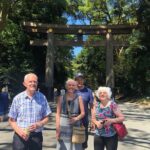
Meiji Jingu offers the needed pause. The shrine sits inside a large forested area of about 700,000 square meters, giving you a calmer setting after Shibuya and Harajuku. Your guide can introduce Shinto customs and explain how to behave at the shrine.
This three-part route is especially good for a first day because it shows three sides of Tokyo in a compact plan: commercial spectacle, youth culture, and religious tradition. The drawback is distance from other major areas. If you also want Asakusa or Yanaka, you will spend part of the day crossing the city.
Shinjuku for neon, towers, and a broad city view

Shinjuku is Tokyo’s great entertainment district, packed with tall buildings, neon, restaurants, and busy streets. It works well for someone who wants the city’s modern scale rather than a quiet temple visit.
The itinerary can include the Tokyo Metropolitan Government Building observatory on the 45th floor. Admission is listed as free, which makes this a useful way to get a high view without adding a costly ticket. Weather matters, of course. On a clear day, the view can help you understand how far Tokyo spreads; on a wet or hazy day, keep expectations modest.
Shinjuku also makes a good food stop because the district has many places to eat, but food and drinks are not included. The guide may help you find somewhere that fits your needs, as Paiva did for one family whose children required special food planning.
Asakusa and Senso-ji, Tokyo’s traditional core

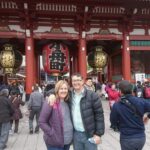
Asakusa is one of the most rewarding choices for a visitor seeking older Tokyo. Nakamise Shopping Street runs about 250 meters toward Senso-ji and is lined with stalls selling souvenirs, snacks, and traditional crafts.
Senso-ji is Tokyo’s oldest temple, dating to 628. The temple grounds offer a strong introduction to Buddhist traditions, and a guide can explain what you are seeing instead of leaving you to guess at the gates, incense, and religious customs.
The stop is listed separately from Asakusa, but you should think of them as one connected visit. Allow more time if you want to browse the shops, try food, and ask questions at the temple. Forty-five minutes may cover the main approach, but it will feel short if you enjoy shopping.
Asakusa is also a practical family choice. The route has clear visual interest, a famous temple, and snacks, though the amount of walking and station travel can still be tiring for younger children. Children aged 11 and under are free, but you must tell the provider they are coming.
Other private tours in Tokyo



Akihabara for anime, manga, games, and electronics

Akihabara is the stop for Japanese pop culture. Expect a sensory-heavy district centered on anime, manga, video games, and electronics.
The suggested visit is only about 20 minutes, which is enough for a quick orientation but not enough for serious shopping or browsing. If Akihabara is one of your main reasons for visiting Tokyo, say so when arranging the tour and ask for more time.
This is a good example of why the private format matters. A general route may give the district a brief pass. Your guide can instead focus on the parts that interest you, though the final amount of time depends on the day’s total route.
Marunouchi, Nihonbashi, and the Imperial Palace East Gardens

Marunouchi presents polished business-district Tokyo. The area surrounds the Imperial Palace and includes notable buildings such as Tokyo Station and the Tokyo International Forum. It is a good choice if you care about architecture, urban design, and food rather than only famous attractions.
Nearby Nihonbashi connects the present city to the Edo period, from 1603 to 1868. It was the original center of trade and commerce, and its traditional food and craft shops provide a useful setting for learning about Japanese cooking and commerce.
The East Gardens of the Imperial Palace offer a different view of the same area. You can see remnants of Edo Castle, including moat walls, while walking through a quieter historic space.
Pay attention to the route here. One family began near the Palace Gardens but did not realize the gardens were an option. If you are near a place you especially want to see, ask directly before moving on. The private format helps only when your priorities are clear.
Tsukiji for market food and a changing Tokyo tradition

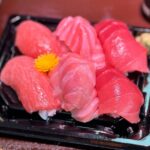
Tsukiji was once home to the world’s largest fish market and its famous tuna auction. The inner market and auction have moved to Toyosu, but Tsukiji’s outer market remains, with fresh fish and food stalls.
This distinction is important. You are not visiting the old wholesale market and auction in their former location. You are visiting the outer market, which can still be a useful place to see food culture and browse small shops.
The suggested visit is around 30 minutes. That works for a quick look, but food purchases are extra and the market may tempt you to linger. If you have dietary needs, mention them before the tour. The guide can help shape the food portion of the day, but the experience does not include meals.
Yanaka for an older, quieter side of the city
Yanaka provides a change from Tokyo’s giant stations and bright commercial streets. This downtown district has temples, sweets, a cemetery, and a traditional tea house where you may be able to experience a tea ceremony.
The area is useful for understanding local customs and everyday tradition. A guide can explain cemetery practices and the religious ideas connected with temples and memorials.
Yanaka is not the best match if your main goal is high-rise Tokyo, shopping, or anime. It is a strong pick if you want a slower walk and a sense of continuity with older neighborhoods. The listed time is about 30 minutes, so request a longer visit if the tea experience is central to your plan.
Three paid viewpoints, three different moods
Tokyo Skytree is the tallest tower in the world at 634 meters. Its observation deck is an optional addition, and the admission fee is not included. Add it when you want a very high view and are willing to spend extra time and money.
Tokyo Tower is the older symbol of postwar Japan’s economic rise. It was the country’s tallest structure from its completion in 1958 until 2012, when Skytree passed it. Choose Tokyo Tower for the historical meaning and familiar red-and-white profile.
Shibuya Sky offers a 360-degree view from above one of Tokyo’s most famous districts. It is also an optional paid addition. This choice fits visitors who want a modern open-air-style city viewpoint tied to the energy of Shibuya.
I would not add all three to a single half-day. Even on a full day, admission queues, subway transfers, and weather can eat into the walking portion. Pick the viewpoint that matches your interests and ask the guide to build the route around it.
What the $202.18 price means in practice
At $202.18 per person, this is not a budget way to see Tokyo. You are paying for a private guide, hotel pickup and drop-off, route planning, explanations, and help with public transportation. The value improves when two or more people share the experience and need different things from the day.
It is especially useful on your first day in Tokyo. A guide can help you learn the subway, understand neighborhood layouts, choose food stops, and avoid spending your limited time simply figuring out where to go.
The price makes less sense if you already know Tokyo well, are comfortable with the subway, and want only a few free sights. It also may not suit a solo visitor focused on low-cost sightseeing. Group discounts may help, and children 11 and under are free, so families should calculate the total rather than judging the per-person price alone.
Paid admissions, subway fares, food, and drinks are extra. Keep that in mind when comparing this tour with a fixed package that includes transport or entry tickets.
Who will get the most from this private tour
I would consider booking it if you are visiting Tokyo for the first time, want a flexible day, or have a mixed group with competing interests. It also fits families, since the guide can adjust the pace and food plan. The experience has been used successfully with children, including a family whose guide worked hard to keep them engaged.
It is a good match for visitors who want help with cultural etiquette, temple visits, tea, markets, and the subway. Guides named in the feedback include Paiva, Laura, and Miko, with Paiva receiving particular praise for being fun and accommodating and Miko for guiding a first-time visitor through markets, tea houses, temples, and transport.
You should think twice if you dislike walking, want a private vehicle, or expect to see every major district in one day. Hotel pickup is convenient, but this is not a chauffeured tour. You will walk and use public transportation.
The experience requires good weather. If the provider cancels because of poor weather, you are offered another date or a full refund. The supplied booking terms contain conflicting cancellation language, with one section describing partial or full refunds based on notice and another calling the experience non-refundable, so confirm the current terms before paying.
Should you book this Tokyo walking tour?
Book it if your priority is a personal route with practical guidance, especially early in your Japan trip. The strongest benefit is not ticking off 15 places. It is learning how Tokyo’s districts connect while a guide adjusts the day to your interests.
For the best result, choose three or four priorities before pickup. For example, combine Shibuya, Harajuku, and Meiji Jingu for a modern-and-traditional western route, or pair Asakusa, Senso-ji, and Skytree for temples, shopping, and a high view. Tell your guide if food, children, anime, tea, or architecture matters most.
Skip it if you want a cheap list of free attractions or a relaxed ride without much walking. For the right visitor, though, the private format can turn Tokyo’s size from a daily obstacle into something you can handle with confidence.
FAQ
How long does the private Tokyo tour last?
You can choose a half-day or full-day experience lasting approximately four to eight hours.
Does the tour include hotel pickup?
Yes. The guide meets you at your hotel and provides drop-off afterward.
Is transportation included?
No. The tour uses Tokyo’s subway and remains a walking tour. Public transportation costs are separate, and the guide can help you purchase a travel pass.
Can I choose the places I visit?
Yes. The tour is customizable, so you can discuss your preferred start time, destinations, interests, and pace with your guide.
Are admission tickets included?
Most listed stops are free to enter, but tickets for Tokyo Skytree, Tokyo Tower, and Shibuya Sky are not included. Those observation deck tickets can be added to the tour.
Are children charged for the tour?
Children aged 11 and under are free. You must tell the provider that they are coming.
What happens if bad weather cancels the tour?
If the experience is canceled because of poor weather, you are offered a different date or a full refund.
More Private Tours in Tokyo
More Walking Tours in Tokyo

More tours in Tokyo we've reviewed












Walking Tours, compared.
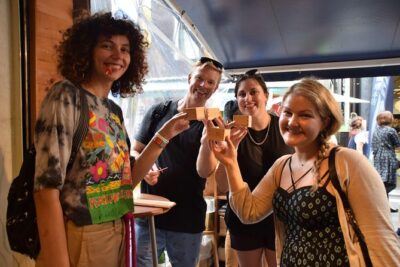 ★ 5.0Tokyo Tsukiji Fish Market Food and Culture Walking TourFrom $99
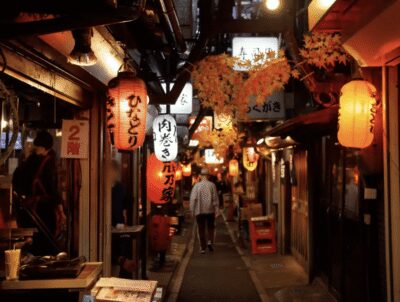 ★ 4.9Tokyo: Shinjuku Local Bar and Izakaya Guided Walking TourFrom $343 hours
 ★ 5.0Tokyo: Tsukiji Fish Market Food and Walking tourFrom $30
 ★ 4.8Tokyo: Asakusa Walking Tour with Sensoji Temple VisitFrom $222 hours
 ★ 4.9Tokyo: Tsukiji Fish Market Guided Walking TourFrom $222 hours
 ★ 4.7Tokyo Castle & Imperial PalaceーShogun Walking TourFrom $232 hours