Reviewed · CITY TOURS
Tokyo City Attractive One Day Tour
Tokyo can feel like several cities stitched together, and this private day tour tackles that problem head-on. In about nine hours, you move from the old temple district of Asakusa to the neon drama of Shibuya, with gardens, shrines, markets, and two famous towers along the way.
In This Article
- Key points at a glance
- A useful first look at Tokyo’s many faces
- From Tokyo Station to historic Asakusa
- Tokyo Skytree: a paid view with a time cost
- Tokyo Tower and the story of modern Japan
- Tsukiji is for eating, not the old tuna auction
- Shinjuku Gyoen gives the day room to breathe
- Meiji Jingu and the forest around the shrine
- Harajuku Station and Takeshita Street
- Shibuya Crossing and the Hachiko story
- What the private format is really worth
- Practical details before you reserve
- Is this Tokyo day tour a good buy?
- FAQ
- How long does the Tokyo City Attractive One Day Tour last?
- How many people can join the private tour?
- What is the price of the tour?
- Is hotel pickup offered?
- Are Tokyo Skytree tickets included?
- Are Tokyo Tower tickets included?
- Is lunch included?
- Who provides the guiding?
- Does the vehicle have air conditioning?
- What is the cancellation policy?
I like the private vehicle, which saves you from piecing together Tokyo’s huge rail network in a single busy day. I also like the chance to see both Sensoji and Meiji Jingu, two very different places of worship. The main catch is pace: nine stops leave little time for lingering, and the driver-guide format may not suit you if you want a dedicated historian or long visits inside attractions.
Key points at a glance
- Nine Tokyo stops in one day: See Asakusa, Skytree, Tokyo Tower, Tsukiji, Shinjuku, Meiji Jingu, Harajuku, and Shibuya.
- A private group of up to five: Your party travels together rather than joining a large coach.
- A driver-guide leads the day: Hiroyuki Sato is named in the tour response, and the company explains that its driver serves as the guide.
- Tower tickets cost extra: Tokyo Skytree is listed at about $12, and Tokyo Tower at about $7.
- Hotel transfers are included: The listed start and end point is The Tokyo Station Hotel.
- Best for first-time visitors: You get a broad orientation to Tokyo, though not much time at each stop.
A useful first look at Tokyo’s many faces
The appeal here is variety. You are not spending the whole day in one neighborhood or inside one museum. Instead, the route gives you a quick look at Tokyo as an old religious center, a food capital, a garden city, a fashion hub, and a forested shrine town.
The tour costs $500 per group of up to five people. That works out to $100 each for a full group, or $500 if you are alone. Compared with a shared sightseeing bus, the price is high, but private transport and hotel transfers add real value when you want to cover distant areas without handling every train connection yourself.
The itinerary lists about one hour at most major stops, with 30 minutes at Shibuya Crossing and Hachiko. That sounds generous until you account for traffic, parking, walking, photos, and the sheer size of some sites. You should think of this as a guided sampler, not a slow cultural tour.
Other city tours we've reviewed in Tokyo


From Tokyo Station to historic Asakusa
The listed meeting point is The Tokyo Station Hotel in Marunouchi. The activity ends at the same point, which makes planning simple if you are staying there or can reach it easily. Pickup is offered, but confirm the exact pickup arrangement when booking since the published meeting point is specific.
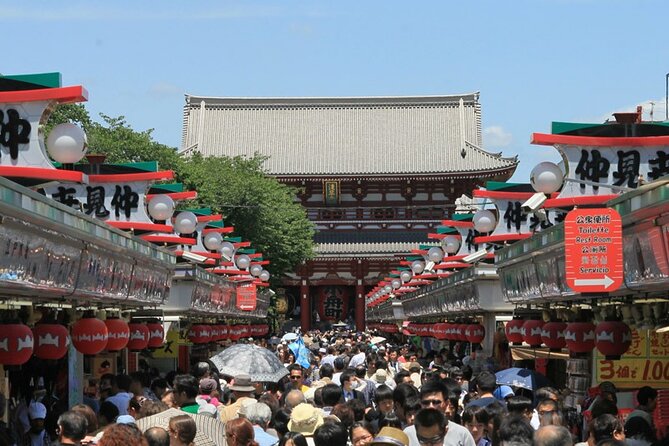
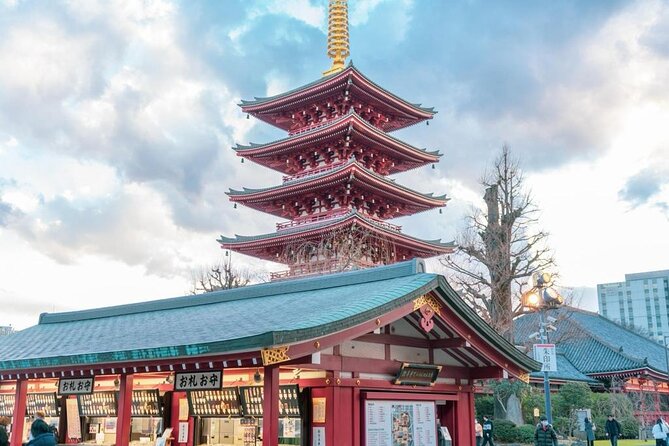
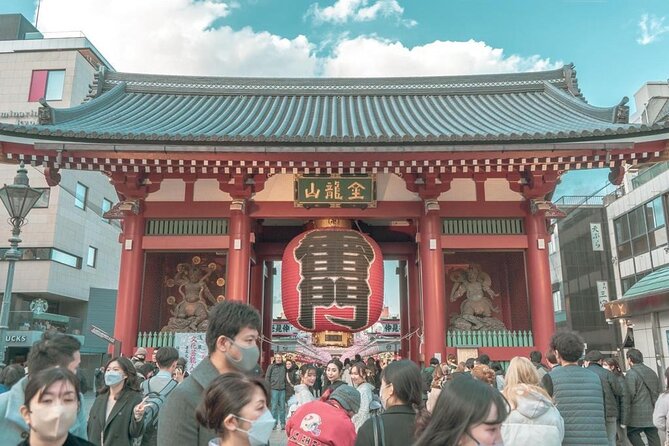
Your first major stop is Sensoji, identified in the itinerary as Asakusa Shrine. Sensoji is a Buddhist temple, and its story reaches back to 628, when two brothers reportedly pulled a statue of Kannon from the Sumida River. The statue kept returning after they threw it back, so a temple was built nearby. The present temple tradition makes Sensoji Tokyo’s oldest temple.
Allow time for the approach, not just the temple building. Nakamise is a shopping street more than 200 meters long, running from the outer gate toward Hozomon and the main temple area. You will find souvenirs, traditional goods, and food stands along the route.
This is one of the better stops for a first visit because it gives you a clear sense of old Tokyo. The drawback is that one hour can disappear quickly. If you want to browse Nakamise, study the temple grounds, and take photographs, you may need to choose carefully rather than attempt every side path.
Tokyo Skytree: a paid view with a time cost
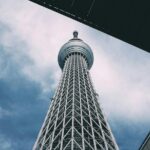
Tokyo Skytree rises 634 meters and has observation decks at 350 and 450 meters. It is the tallest free-standing broadcast tower in the world, and the surrounding Tokyo Skytree Town includes Solamachi, with 312 shops and restaurants.
The tour does not include the observation ticket. The listed price is about $12, and the review information points to long lines at Skytree. That is the key practical issue. If you want to go up, ask the company when Skytree is scheduled and consider arranging an advance time slot. The tour does not give you a fixed visit time in the published details, so timing matters.
You could also use the stop simply to see the tower and its shopping complex from ground level, but that makes the one-hour visit feel less rewarding if panoramic views are your priority. Other attractions in the complex include Sumida Aquarium, a postal museum, local craft displays, and a robot technology exhibition. The tour does not promise time for these, so treat them as optional possibilities rather than included visits.
Tokyo Tower and the story of modern Japan
Tokyo Tower is shorter at 333 meters, but it has a warmer place in the city’s memory. Completed in 1958, it became a symbol of Japan’s postwar recovery and remained the country’s tallest structure until Skytree surpassed it in 2012.
Like Skytree, Tokyo Tower admission is extra, listed at about $7. You may want to choose one tower rather than pay to enter both, especially on a tightly timed day. Skytree offers greater height, while Tokyo Tower carries stronger mid-century symbolism and a central view over Tokyo.
The tour allows about an hour here. That is enough for a photo stop and possibly the observation deck, but it may not be enough if lines are long. Since both tower visits are optional and paid, decide before the day begins which kind of view matters most to you.
Tsukiji is for eating, not the old tuna auction
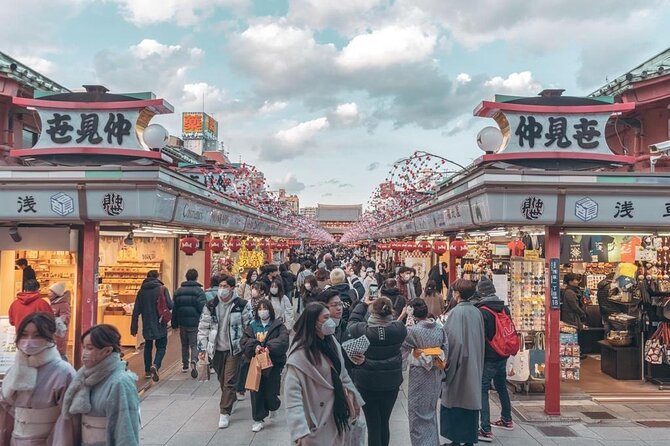
Tsukiji Outer Market is now a food district made up of wholesale and retail shops, restaurants, and specialty vendors. It is often called Japan’s Food Town, and it remains a good place to see ingredients and ready-to-eat dishes being sold in a setting built around food.
The famous wholesale market and tuna auction are no longer located at the old Tsukiji site. This stop focuses on the Outer Market. Shops that once sold goods mainly to professional buyers have increasingly offered smaller portions to the public, including sushi meals and bite-sized tamagoyaki, or rolled omelet.
That makes the market approachable if you want to taste rather than buy in bulk. Lunch is not included, so Tsukiji is the natural place to arrange your own meal. You pay for anything you eat, and your guide may help you make sense of the choices, but the published details do not promise a specific restaurant or tasting package.
One hour is a reasonable introduction, though food lovers may wish the schedule allowed more. If you see something worth trying, do not spend the entire stop photographing it. This is one part of the day where a quick snack can be more memorable than another tower view.
A few more Tokyo tours and experiences worth a look


Shinjuku Gyoen gives the day room to breathe
After markets and high-rises, Shinjuku Gyoen provides a useful change of pace. The park has broad lawns, walking paths, and quiet scenery close to Shinjuku Station. In spring, it is one of Tokyo’s better places for cherry blossoms.
The listed visit is one hour, which should give you a pleasant walk rather than a full exploration. If you are visiting during cherry blossom season, expect the park to be especially appealing, but do not assume every tree will be at peak bloom. Seasonal timing changes from year to year.
This stop is valuable because the rest of the route is packed with landmarks. You need a pause, and the garden supplies one. Still, if your main goal is shopping or city views, you might prefer a longer stop elsewhere. The private format gives you a chance to discuss that preference with the driver-guide, though traffic and the fixed number of stops limit how much the route can change.
Meiji Jingu and the forest around the shrine
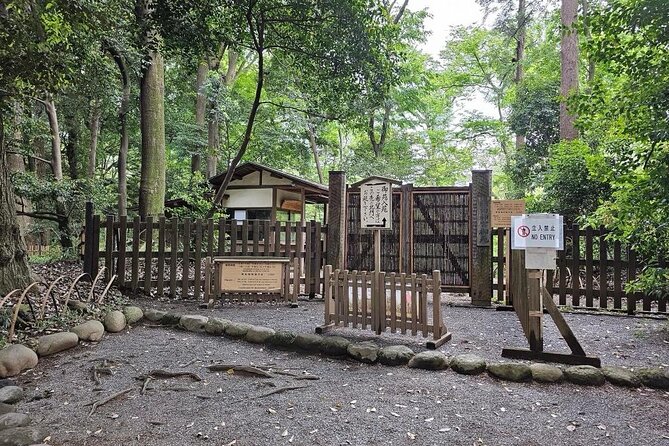
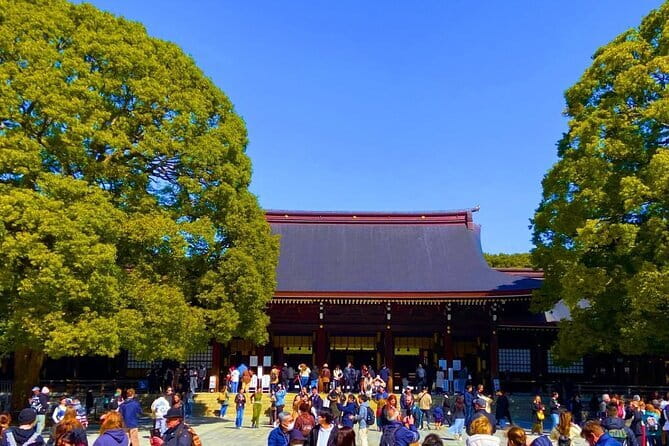
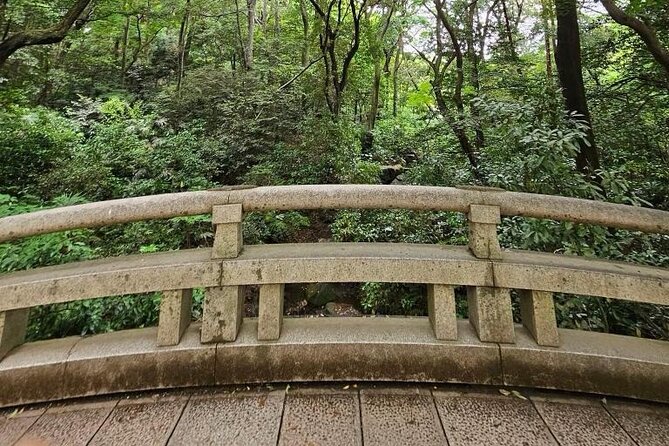
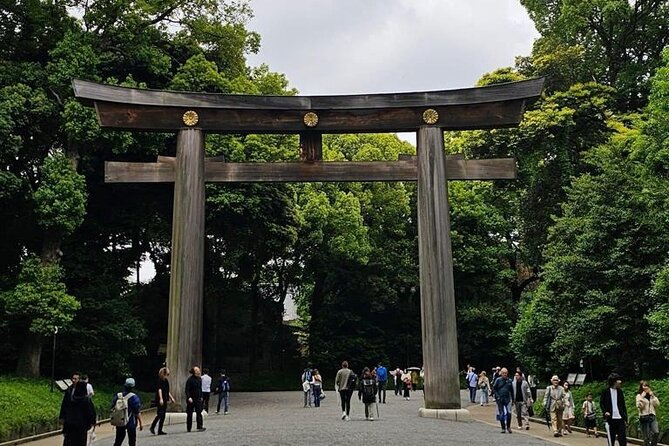
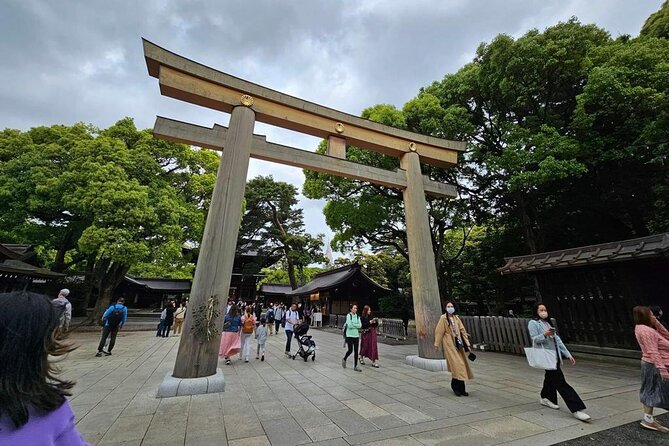
Meiji Jingu honors Emperor Meiji and Empress Shoken. It was completed in 1920, destroyed during the war, and rebuilt afterward. Emperor Meiji ruled during the Meiji Restoration, the period when Japan moved away from its feudal system and modernized rapidly.
The shrine offers a sharp contrast with nearby Harajuku. You move from youth fashion and crowded streets into a more solemn setting associated with the imperial family and modern Japanese history. The grounds are known for their wooded approach, though the schedule gives you only about an hour.
I like this pairing of Meiji Jingu and Harajuku. It lets you see how old customs and modern youth culture sit side by side in Tokyo. Keep in mind that this is a visit to the shrine grounds, not a detailed religious lesson or a long walking tour. Your experience will depend in part on how much explanation the driver-guide provides.
Harajuku Station and Takeshita Street
Harajuku is the stop for Japanese youth fashion, accessories, cafes, desserts, and unusual souvenirs. Takeshita Street begins near the station and is lined with shops selling clothes and small goods aimed at a range of styles.
The tour allows one hour. That is enough to walk part of the street and sample its atmosphere, but not enough for a serious shopping session. The entrance sits at the top of a hill, and the area can be especially crowded on weekends and holidays.
This is a good stop if you want something less formal than temples and gardens. It is not the best use of time if you dislike shopping streets or want a quiet neighborhood walk. The private vehicle helps with long-distance transfers, but it cannot remove the walking and crowds once you reach Harajuku.
Shibuya Crossing and the Hachiko story
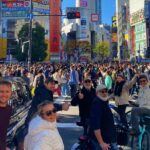
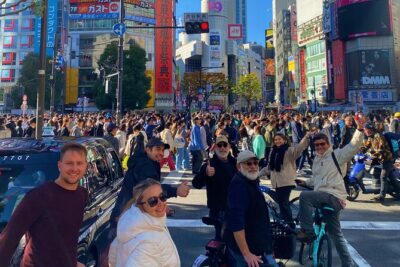
Shibuya Crossing is the final burst of city energy on the route. Ten lanes of traffic and five major crosswalks meet between tall buildings, creating the controlled confusion that has become one of Tokyo’s best-known sights.
The scheduled visit is only 30 minutes, so plan for a look from the crossing and nearby streets rather than a long exploration of Shibuya. The area is linked with major New Year’s Eve and Halloween gatherings, but the tour does not include a special event experience.
Nearby, Hachiko’s statue recalls the Akita dog who waited at Shibuya Station for his owner, university professor Hidesaburo Ueno, even after Ueno died in 1925. Hachiko died in 1935, and the story later inspired the 2009 film Hachi: A Dog’s Tale.
The Hachiko stop also lasts 30 minutes. It is a small but human detail at the end of a very large-city day. If you want shopping, nightlife, or a higher view of the crossing, you will need a separate visit.
What the private format is really worth
The strongest feature is not any single attraction. It is the ability to cover far-flung parts of Tokyo in one day without repeatedly checking maps, platforms, and train schedules. An air-conditioned vehicle is especially useful when you want to rest between stops or have older family members in the group.
The group limit is five people. A full group gets the best financial value at $100 per person, before food and tower tickets. For two people, the cost is $250 each, so you should compare it with hiring a private car for fewer stops or using Tokyo’s excellent public transport.
The driver also functions as the guide. The company response names Hiroyuki Sato and explains that its drivers provide both transport and guiding. That matters because the experience may be practical and flexible, but it may not resemble a specialist-led history tour. One earlier booking raised concern about the need for a separate guide, while the company clarified that the selected service uses a driver-guide. If detailed interpretation is important to you, ask exactly what level of guiding Sato or your assigned driver will provide.
The tour has a 4.9 rating from 13 reviews, with 92 percent recommending it. That is a promising record, but the small number of reviews means you should still match the format to your expectations. The high praise centers on seeing nearly all the major sights in a full day. The clearest criticism is that the route can feel like the right attractions arranged with too little time or imperfect timing.
Practical details before you reserve
Lunch and dinner are not included. Tsukiji is the obvious place to buy lunch, but you control both the choice and the cost. Entry tickets for Tokyo Skytree and Tokyo Tower are also separate.
The vehicle includes air conditioning, private transportation, and an onboard hotspot. Mobile tickets are provided, and confirmation arrives at booking. Service animals are allowed, the activity is near public transportation, and most people can take part.
The tour can be canceled without charge up to 24 hours before the local start time. Changes or cancellations inside that 24-hour window are not accepted for a refund.
Is this Tokyo day tour a good buy?
Book it if you are visiting Tokyo for the first time, have only one full day, or want private transport for a group of up to five. You will see a useful spread of the city: Sensoji for tradition, Tsukiji for food, Shinjuku Gyoen for calm, Meiji Jingu for imperial-era Japan, Harajuku for youth culture, and Shibuya for modern spectacle.
Think twice if you prefer slow travel, specialist guides, long meals, or deep visits inside attractions. The best strategy is to treat the day as an orientation. Pick one tower to enter, keep lunch simple, and tell the driver-guide early if a shrine, market, or garden matters more to you than checking every stop.
FAQ
How long does the Tokyo City Attractive One Day Tour last?
The tour lasts approximately nine hours. One review describes an eight-hour full-day tour, so the actual duration may vary slightly with traffic and the day’s timing.
How many people can join the private tour?
The price covers one private group of up to five people. Only your group participates.
What is the price of the tour?
The listed price is $500 per group of up to five people. Food and tower admission are not included.
Is hotel pickup offered?
Yes. Pickup is offered, and the listed meeting point is The Tokyo Station Hotel in Marunouchi. The activity ends back at the meeting point.
Are Tokyo Skytree tickets included?
No. Skytree admission is not included. The listed additional cost is about $12.
Are Tokyo Tower tickets included?
No. Tokyo Tower admission is separate, with a listed cost of about $7.
Is lunch included?
No. Lunch and dinner are not included. Tsukiji Outer Market is part of the route and offers food shops and restaurants where you can buy your own meal.
Who provides the guiding?
The company explains that its driver also serves as the guide. Hiroyuki Sato is named in the tour response.
Does the vehicle have air conditioning?
Yes. Air-conditioned transportation is included, along with private transportation and an onboard hotspot.
What is the cancellation policy?
You can cancel up to 24 hours before the experience start time for a full refund. Cancellations or changes made less than 24 hours before the start time are not accepted for a refund.
More 1-Day Tours in Tokyo
More City Tours in Tokyo


More tours in Tokyo we've reviewed




City Tours, compared.
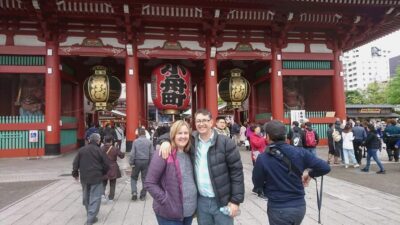 ★ 4.8Tokyo: Private City Highlights Tour with Local GuideFrom $1064 - 8 hours
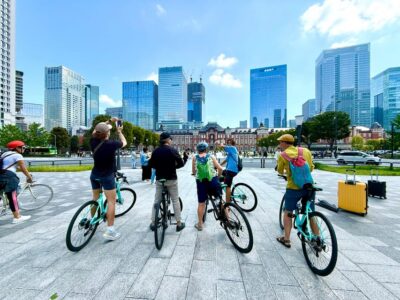 ★ 4.8Tokyo: 3-Hour Bike or E-Bike City Highlights TourFrom $453 hours
 ★ 4.8Tokyo: Sumo Morning Practice Tour at Sumida CityFrom $1162 hours
 ★ 4.5Private Haneda Airport (HND) to Central Tokyo City TransferFrom $119
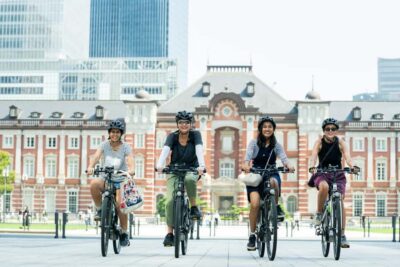 ★ 4.8Tokyo: 3-hour Guided E-Bike Tour of the City’s Hidden GemsFrom $65
 ★ 5.0Tokyo: 3-Hour Bike/E-Bike Tour of the City’s HighlightsFrom $63