Reviewed · JDM & CAR CULTURE
RX-7 FD Daikoku Car Meet JDM Experience (Night)
Tokyo’s famous car culture is hard to reach without a vehicle, but this tour puts you in the passenger seat of a Mazda RX-7 FD and takes you straight into the scene. You’ll ride the C1 highway, cross Rainbow Bridge, stop at Tatsumi, and spend about two hours at Daikoku Parking Area.
In This Article
- Key points to know before booking
- Why this Tokyo night tour feels different
- Meeting in Ueno and getting on the road
- Looping Tokyo’s C1 highway
- Rainbow Bridge and Odaiba after dark
- Wangan Highway and the approach to Yokohama
- Two hours at Daikoku Parking Area
- What the guide adds to the ride
- Is $276.90 per person a fair price?
- Who should book this experience?
- Should you book the RX-7 FD Daikoku night ride?
- FAQ
- How long does the RX-7 FD Daikoku tour last?
- Where does the tour start?
- Is the tour private?
- Are specific cars guaranteed at Daikoku Parking Area?
- Is food included?
- What happens if the weather is poor?
I like the rare chance to experience this legendary JDM sports car without renting or driving one yourself. I also like the personal storytelling from guides such as Michael, who can connect the night drive to Japan’s wider car culture. The main consideration is price: at $276.90 per person, this is a specialty experience, not a cheap sightseeing ride.
Key points to know before booking
- The RX-7 FD is the main event: You are riding in a famous Japanese sports car, not taking a standard city transfer.
- Daikoku requires a car: This highway rest area is difficult to reach by ordinary public transport, so the tour solves a real Tokyo logistics problem.
- The route includes Tokyo’s C1 highway: You get a moving look at the city’s roads, bridges, and night lights rather than only visiting a parking lot.
- Rainbow Bridge is part of the sightseeing: You’ll see Odaiba, Tokyo’s skyline, and the bridge from inside the car.
- The tour is private: Only your own group participates, which makes the outing more personal and easier to tailor through conversation.
- Cars are never guaranteed: Daikoku meetings can change, and the number and type of cars on view depend on what happens that night.
Why this Tokyo night tour feels different
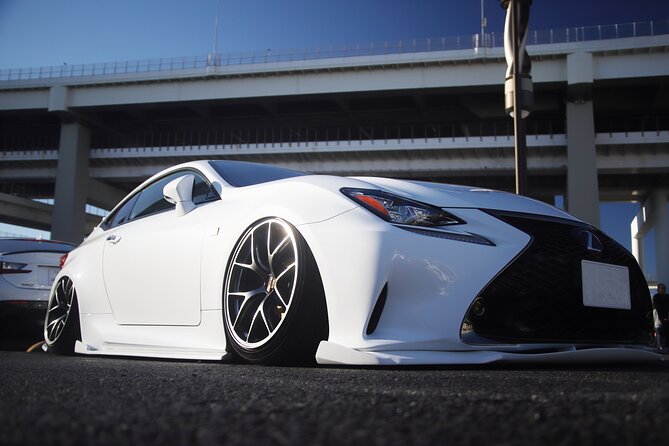
Most Tokyo sightseeing tours keep you on foot, in a bus, or inside a museum. This one is built around movement. The city becomes part of the experience as you follow expressways, cross bridges, and watch Tokyo and Yokohama glow beyond the windows.
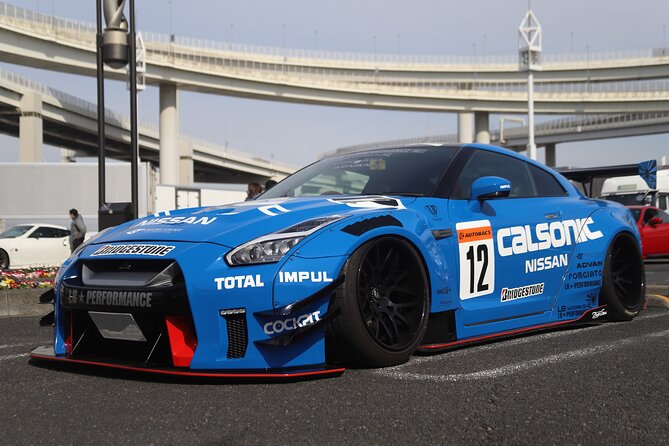
The RX-7 FD gives the outing its character. Mazda’s FD-generation RX-7 is one of Japan’s best-known performance cars, and simply riding in one is the sort of opportunity that is difficult to arrange during a normal holiday. You avoid the paperwork and risk of renting a specialist car, while still getting the sound, shape, and feel of a genuine JDM icon.
You should also know what this tour is not. It is not a guaranteed supercar exhibition, a track session, or a promise of illegal street racing. The route draws on roads made famous by car culture, including the C1 and Wangan highways, but the experience is a guided ride and car meet visit.
That distinction matters. The pleasure comes from the car, the roads, the views, and the chance to see what appears at Daikoku. If you need a fixed display of specific models, you may find the evening too unpredictable.
A few more Tokyo tours and experiences worth a look
Meeting in Ueno and getting on the road
The tour begins at 7-chōme-2-2 Ueno in Taito City. It ends back at the same meeting point after roughly four to five hours, so you should allow most of an evening rather than treating this as a quick two-hour outing.
Starting in Ueno gives the tour a practical central Tokyo base. You will need to make your own way to the meeting point, but the activity is near public transportation. Confirmation is provided at booking, so check the meeting instructions carefully before setting out.
Because this is a private activity, only your group rides together. That is useful if you are booking with family or friends and want the conversation to stay focused on cars, Tokyo, and the route. It also avoids being placed with a large mixed group that may have little interest in the subject.
The seating point is important. The back seat is suited to passengers under 175 centimeters in height. If you are taller, ask about seating before you commit, especially if more than one person in your group expects to sit in the rear.
Looping Tokyo’s C1 highway
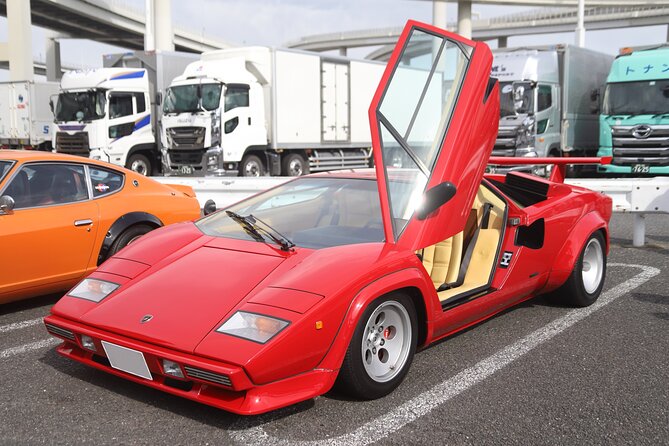
The first major part of the ride takes you around Tokyo’s C1 highway, a circular urban route known from Japanese car culture and video games. The tour stops at Tatsumi No. 1 Parking Area for Hakozaki, with about 45 minutes set aside there.
This section gives you the road experience that a visit to Daikoku alone would miss. You pass through Tokyo’s tightly packed expressway system, where elevated roadways, ramps, buildings, and distant lights make the city feel very different from street level.
I like this part because it gives the RX-7 room to make sense. You are not just looking at the car parked outside a hotel. You are riding in it through the setting that helped make Japanese performance driving famous.
Tatsumi is also a useful early pause. You can take a break, look at the car scene, and talk with the guide before continuing south toward Daikoku. The stop itself is free, since admission fees are included in the tour price and there is no separate ticket listed.
Do not expect a formal car show at every stop. Parking areas can be quiet, active, or somewhere in between. The appeal is the road trip and the possibility of seeing interesting cars, not a fixed program of vehicles.
Rainbow Bridge and Odaiba after dark
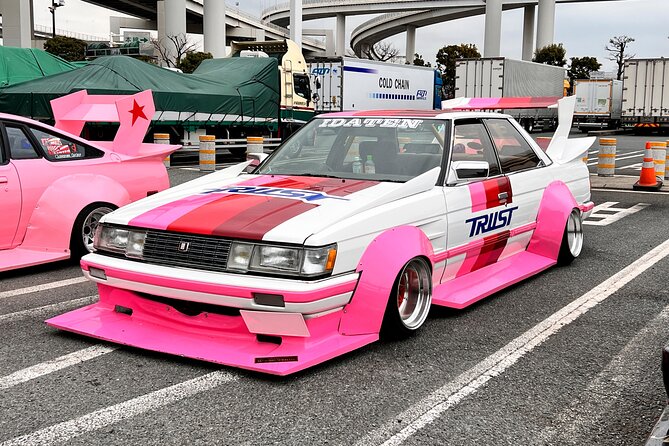
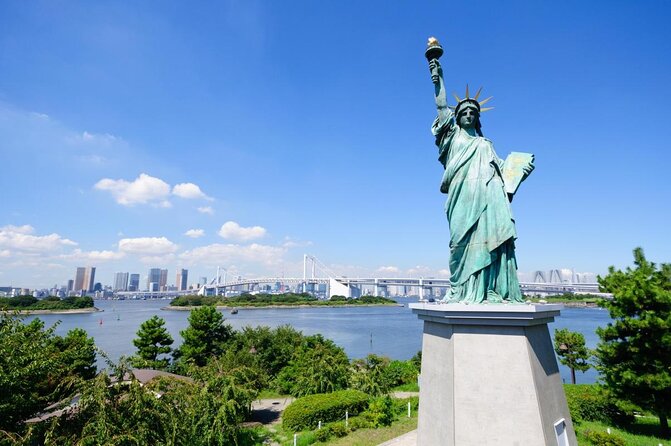
The route crosses Tokyo Rainbow Bridge, with views toward Odaiba and the city skyline. This is one of the tour’s best sightseeing touches because you see Tokyo from the expressway rather than from a lookout or pedestrian platform.
Odaiba is the large man-made island known for residential buildings, shopping, and leisure facilities. From the car, you may catch views of the island and the unusual Fuji TV building as the route moves across the bridge.
The view is brief and weather-dependent, so keep your camera ready. You will not be stopping on the bridge for a photo session. The value is in seeing the skyline while the RX-7 carries you through the city at night.
That moving viewpoint also breaks up the car-focused parts of the tour. Even if your companions are not serious JDM fans, the bridge crossing gives them a clear Tokyo highlight. The city lights, water, and elevated road create a strong contrast with the more industrial setting around Daikoku.
Wangan Highway and the approach to Yokohama
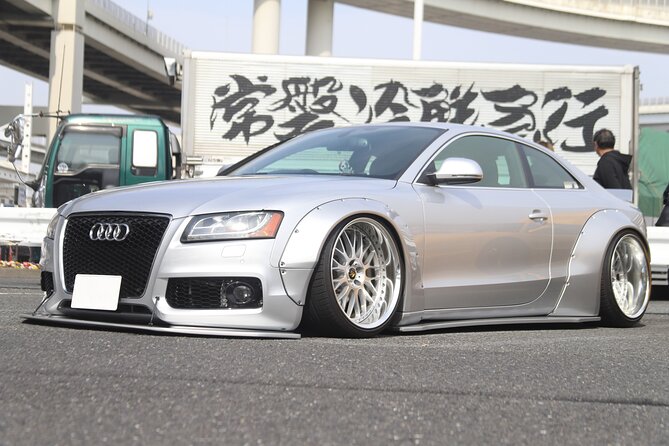
After the Tokyo portion, the route follows the Wangan Highway toward Yokohama. This long, straight road is closely tied to Japan’s performance-driving culture and the street-racing stories of the 1990s.
Again, the tour uses the history and reputation of the road as atmosphere, not as an invitation to race. The guide’s stories help explain why the route matters to car fans, while the drive lets you see the industrial edge of Tokyo Bay.
Before reaching Daikoku, you get views of Yokohama Bay Bridge and the Yokohama skyline. You may also see cruise ships, since Yokohama is a major cruise port. These views add another layer to the evening and make the trip feel like a Tokyo and Yokohama outing rather than a single parking-area visit.
The highways are part of the attraction, but they can also be the least predictable portion. Traffic, road conditions, and weather affect the pace. You should book this because you enjoy the drive itself, not because you expect every minute to deliver a dramatic car sighting.
A few more Tokyo tours and experiences worth a look

Two hours at Daikoku Parking Area
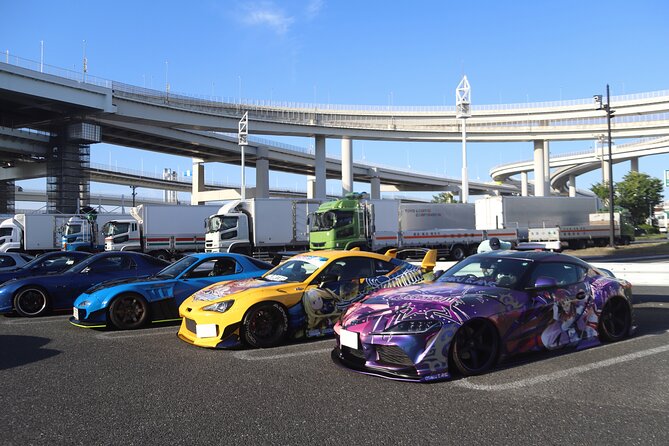
Daikoku Parking Area is the destination that makes this tour especially useful. It is a highway rest area and a well-known meeting point for Japan’s car community. Reaching it by ordinary public transport is not practical, which is why a guided car tour makes sense here.
The planned stay is about two hours. That gives you time to walk around, inspect the cars that happen to be present, take photographs, and talk with your guide about the local scene.
The word happen matters. The tour does not guarantee a particular number or type of cars. The meet may include famous Japanese performance models, modified vehicles, or something much quieter. It may also be less active than expected on a particular night.
That uncertainty is not a flaw in the operator’s control. Daikoku is an impromptu meeting place, not a ticketed show with a published lineup. Still, you should understand the tradeoff before paying the premium price.
The guide can point out what you are seeing and provide context that you would miss while wandering alone. Michael, identified in the available tour material, is described as connecting naturally with car fans and even sharing personal memories of Niigata. That sort of conversation can make the stop feel less like a photo hunt and more like an introduction to the Japanese JDM world.
Food, drinks, and souvenirs are not included. Daikoku is a rest area, but you should not treat this tour as a meal outing. Bring anything you may need for the evening, and budget separately for purchases at the stops.
What the guide adds to the ride
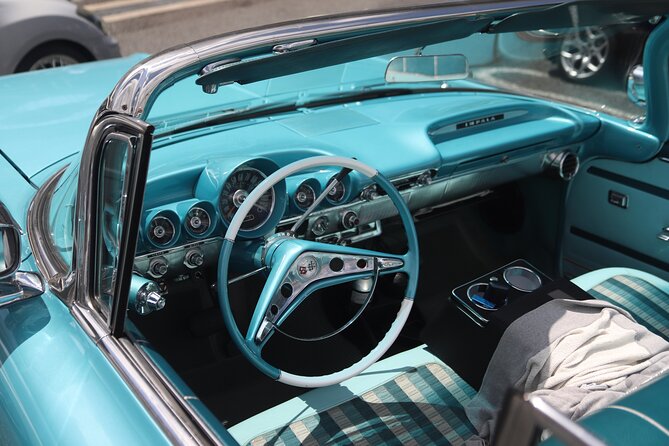
The car is the headline, but the guide shapes the experience. You are not expected to research the C1 highway, the Wangan route, or Daikoku before arriving. The guide handles the route and supplies stories about Tokyo’s car culture as you go.
That is valuable for first-time visitors. Japanese car culture has its own language, famous roads, popular models, and local customs. A good guide helps turn a row of modified cars into something you can understand.
The available feedback highlights Michael’s friendly approach and the way he connected with a family on a Sunday outing. That suggests the tour can work for mixed groups, not only for dedicated enthusiasts. Families and casual fans can enjoy the city views, while serious car lovers get a closer look at the roads and meet culture.
Still, the quality of the evening depends partly on the conversation. If you prefer silent sightseeing or a fixed audio guide, this may not be your ideal format. The tour is strongest when you ask questions and show interest in the cars, the roads, and the stories behind them.
Is $276.90 per person a fair price?
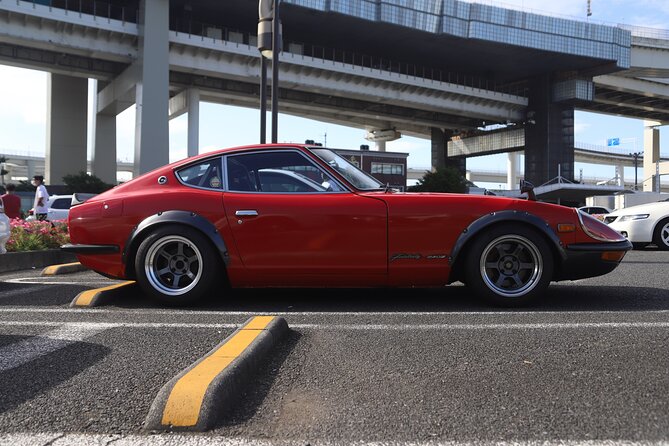
At $276.90 per person, the cost is high compared with a normal Tokyo night tour. The price makes more sense when you separate the experience into its parts: a private four to five hour outing, a ride in an RX-7 FD, a guide, transport to places that are hard to reach independently, and admission-related fees.
You are paying for access and convenience as much as sightseeing. Renting a specialist car in Tokyo would bring its own rules, costs, insurance questions, and driving stress. This tour lets you enjoy the car from the passenger seat while someone else handles the city highways.
The value improves for a small private group, especially if you can use a group discount. Sharing the experience with friends or family also makes the fixed evening feel more worthwhile than booking alone.
The price is harder to justify if your main goal is simply to see Tokyo at night. You can find skyline views and bridge crossings through other activities. You are paying the premium here for the RX-7, the road-based format, and access to Daikoku.
Who should book this experience?
I would recommend it first to people who already care about Japanese cars, racing games, tuning culture, or performance driving. The RX-7 and the C1 highway are not background details. They are the reason to book.
It also suits visitors who want a side of Tokyo that is not centered on temples, shopping, food, or observation decks. The industrial roads around Tokyo Bay and Yokohama show a different face of the city.
Families can enjoy it too, especially if everyone is comfortable spending several hours in a car. The private format helps, since you can focus on your own group instead of adjusting to strangers.
I would be more cautious if you dislike long drives, need guaranteed attractions, or are very tall and expect to use the back seat. The route includes driving time, and Daikoku’s activity can change from night to night.
The experience requires good weather. If poor conditions cause cancellation, you can choose another date or receive a full refund. You can also cancel for a full refund up to 24 hours before the start time. Changes made within 24 hours are not accepted, so keep your evening plans firm.
Should you book the RX-7 FD Daikoku night ride?
Book it if you want the car itself to be the souvenir. The chance to ride in an RX-7 FD, cross Rainbow Bridge, follow Tokyo’s famous expressway routes, and spend two hours at Daikoku creates an unusual evening that standard sightseeing cannot match.
I would not book it solely for a guaranteed supercar lineup. The cars at Daikoku are not promised, and the night depends on weather and local activity.
For JDM fans, the high price can be justified by the private format, hard-to-reach destination, and specialist car. For everyone else, compare it with a cheaper Tokyo night tour and ask yourself one simple question: do you want to see Tokyo after dark, or do you want to ride through it in an RX-7?
FAQ
How long does the RX-7 FD Daikoku tour last?
The experience lasts approximately four to five hours. It begins and ends at the meeting point in Ueno.
Where does the tour start?
The meeting point is 7-chōme-2-2 Ueno, Taito City, Tokyo 110-0005, Japan. The activity ends back at the same meeting point.
Is the tour private?
Yes. Only your own group participates in the activity.
Are specific cars guaranteed at Daikoku Parking Area?
No. The tour does not guarantee the type or number of cars you will see. The meeting spots are impromptu, so the selection can change.
Is food included?
No. Food, drinks, and souvenirs are not included in the tour price.
What happens if the weather is poor?
The experience requires good weather. If it is canceled because of poor conditions, you will be offered a different date or a full refund. You can also cancel at least 24 hours before the start time for a full refund.
More Evening Experiences in Tokyo
More Night Tours in Tokyo
More JDM & Car Culture in Tokyo
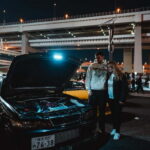
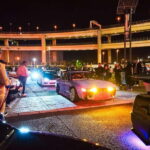
More tours in Tokyo we've reviewed












JDM & Car Culture, compared.
 ★ 4.8Tokyo: Fast & Furious Tokyo Drift 3 Experience (Kaila Yu SP)From $157
 ★ 4.8Tokyo: FAST&FURIOUS EXPERIENCE Daikoku Tokyo Car ClubFrom $157
 ★ 4.8Tokyo Drift: GT-R Car Club R35 Liberty Walk Daikoku meetingFrom $240
 ★ 4.8Tokyo: Daikoku JDM Fast Furious Drift Style Car ExperienceFrom $123
 ★ 4.8Tokyo Drift: GO Daikoku Car Meet R34 Skyline Car ClubFrom $246
 ★ 4.7Tokyo Drift: Daikoku PA Supreme Car Experience 大黒PAFrom $583 hours