Reviewed · SHINJUKU TOURS
Matcha Making Experience in Shinjuku
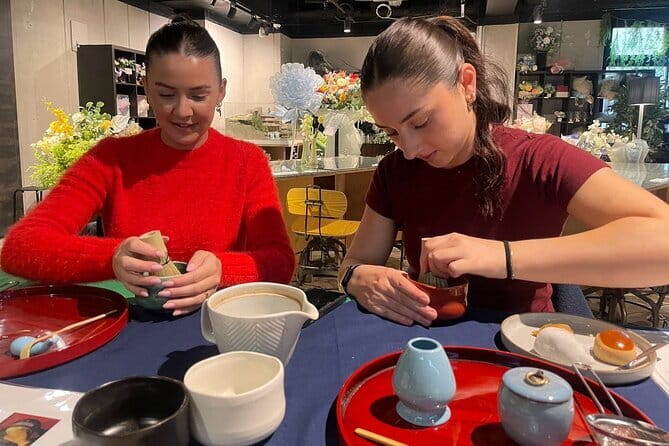
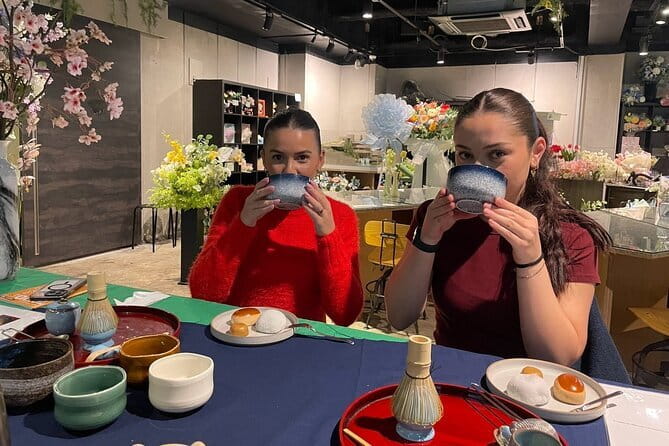
Matcha making is a fine way to meet Japanese culture at close range. In about an hour, you learn to measure, whisk, and serve powdered green tea with a bamboo chasen, then drink the bowl you prepared with traditional sweets. The instructor may also teach in a kimono, adding a welcome sense of ceremony.
In This Article
- Key points before you book
- What this Shinjuku matcha lesson actually teaches
- A kimono, a whisk, and a more personal lesson
- Tasting the matcha with traditional sweets
- The Shinjuku meeting point and one-hour timing
- Sorting out the sightseeing itinerary
- What the $32.66 price buys you
- Who should choose this experience
- Booking, cancellation, and weather rules
- Should you book the Shinjuku matcha experience?
- FAQ
- Where does the matcha experience start?
- Where does the activity end?
- How long does the matcha class last?
- Do I need to bring matcha-making equipment?
- Are sweets included?
- How many people can join the activity?
- Can I cancel for a full refund?
I like two things right away: everything is supplied, so you can arrive empty-handed, and the lesson explains the customs behind the movements instead of treating whisking as a simple cooking trick. The $32.66 price also makes sense for a short cultural activity that includes tea, sweets, equipment, and instruction.
The main consideration is the supplied itinerary. It lists Senso-ji Temple, Tokyo Tower, and Yokohama Landmark Tower Sky Garden, yet the activity lasts about one hour, starts and ends at the Shinjuku meeting point, and is described as a matcha lesson. Confirm the schedule before booking if those sightseeing stops matter to you.
Key points before you book
- A one-hour lesson in Shinjuku: You learn the basic steps of preparing matcha without giving up half a day of sightseeing.
- A kimono-clad instructor may lead the class: The instructor in the available review was praised for making the setting feel more traditionally Japanese.
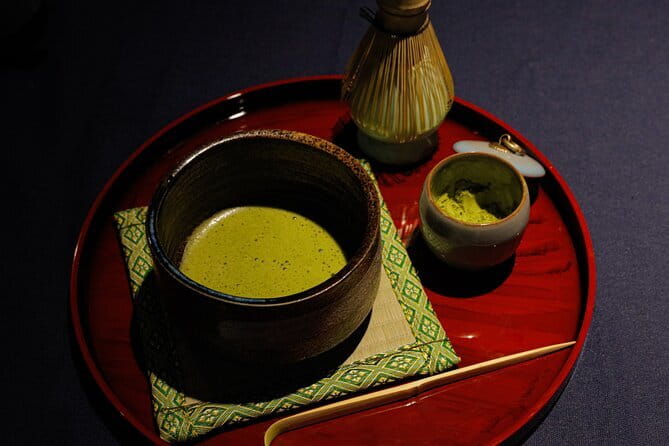
- Tea and sweets are included: You taste the matcha you prepare, with a small sweet to balance its bitter edge.
- No equipment to pack: The bamboo whisk, ingredients, and other needed supplies are provided.
- Small enough to feel manageable: The maximum group size is 20 people, though the actual number for your session is not specified.
- A flexible booking policy: Cancellation is free up to 24 hours before the start time, subject to the stated weather and minimum-participant rules.
What this Shinjuku matcha lesson actually teaches
Matcha is powdered green tea, not loose leaves steeped and removed later. You place the powder in a bowl, add water, and work the mixture with a bamboo whisk until it becomes smooth and lightly frothy.
That difference matters. A matcha class gives you a practical way to understand a drink that can seem mysterious when you first encounter it in Japan. Instead of merely ordering a green tea dessert or a café latte, you learn the basic method used in a traditional tea setting.
The lesson also covers the story and customs connected with matcha. You should expect an introduction to the tea’s background and to the formal habits surrounding its preparation. The exact depth of the talk is not specified, so think of this as a concise cultural class rather than a full study of Japanese tea history.
The best part is the hands-on work. You do not simply watch an instructor prepare a bowl. You use the bamboo whisk yourself, follow the proper preparation steps, and then drink the result. That makes the lesson useful after you leave Tokyo, since the skill can be repeated at home if you buy matcha and a chasen.
A few more Tokyo tours and experiences worth a look
A kimono, a whisk, and a more personal lesson
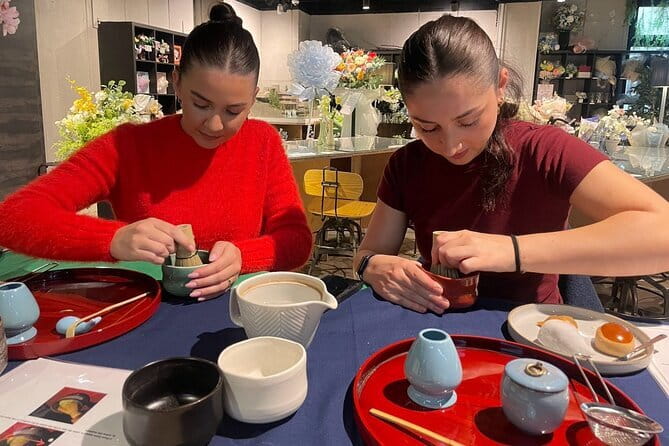
The strongest praise attached to this experience centers on the instructor. One five-star account describes an instructor in a kimono who explained the process and traditions while making the class feel authentic.
The instructor’s name is not provided, so I would not promise a particular teacher when booking. Still, the clothing and teaching style described give you a good idea of the mood: this is intended to feel like a cultural encounter, not a rushed demonstration at a food counter.
A good matcha teacher also helps with details that are easy to miss. The angle of the whisk, the movement of your wrist, and the amount of water all affect the finished drink. You may find that the first bowl is less smooth than the instructor’s. That is part of the point. The class lets you try the technique in a guided setting rather than expecting you to get it right from an online video.
The one-hour length is helpful for a busy Tokyo schedule. You can fit it between other plans in Shinjuku without surrendering an entire afternoon. On the other hand, the short format means there may not be much time for extended questions, repeated practice, or a long tea ceremony with many formal stages.
Tasting the matcha with traditional sweets
After preparing the tea, you get to drink it with sweets. This pairing is important because straight matcha can taste grassy, bitter, and intense if you are new to it.
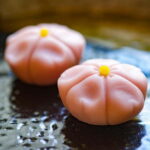
The sweet provides contrast. It helps you notice why Japanese tea customs often place a small confection before or alongside the tea. The food is not just an extra snack. It gives your palate a gentler route into matcha.
Your included portion appears to be a tasting rather than a meal. Additional food and drinks are not included, so plan to eat separately if you need lunch or dinner. The price covers all fees and taxes, but it does not cover private transportation or other refreshments.
I like this arrangement because it keeps the activity focused. You pay for a cultural lesson and a taste, not for a padded meal package. If you are looking for a full tea ceremony with a larger menu, elaborate architecture, or a long formal presentation, this may feel too brief.
The Shinjuku meeting point and one-hour timing
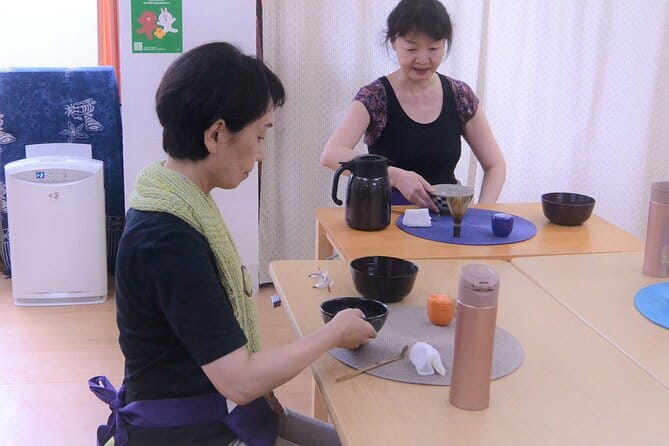
The meeting point is listed as a flower-decorated house at 3-chome in Shinjuku City, Tokyo 160-0022, at the 6th Sanwa Building, fourth floor. The description says the activity is near public transportation, which should make it practical to reach within central Tokyo.
Because the venue is described by a visual detail as well as a building address, check the mobile ticket carefully before setting out. You will want the exact meeting instructions available on your phone. The ticket is mobile, and confirmation is sent at the time of booking.
The activity returns to the same meeting point. That is useful if you are carrying shopping bags or have another reservation nearby. It also confirms that this is not a sightseeing transfer across Tokyo.
The one-hour estimate deserves attention. A short lesson can be ideal for first-time visitors, families, and anyone with a packed itinerary. It is less suitable if you prefer a slow, quiet tea ceremony with time for photographs, extended conversation, and repeated preparation.
The maximum group size is 20 people. That is not an especially intimate private lesson, but it is also limited compared with a large attraction. Since the actual group size is not stated, you should expect some variation from one session to another.
Sorting out the sightseeing itinerary
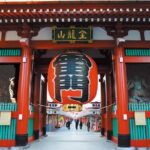
Three sightseeing names appear with the activity: Senso-ji Temple, Tokyo Tower, and Yokohama Landmark Tower Sky Garden. Each is a substantial attraction in its own right, but they do not fit neatly with a one-hour matcha lesson that begins and ends in Shinjuku.
Senso-ji is in Asakusa, Tokyo Tower is in Minato, and Yokohama Landmark Tower is in Yokohama. Visiting all three would require far more than an hour and would normally involve separate transport planning. No private transportation is included.
For that reason, I would treat these names as an itinerary inconsistency until the provider confirms otherwise. Do not assume that admission, transport, guided visits, or views from those locations are part of the matcha booking. The included experience is clearly described elsewhere as a tea-preparation class in Shinjuku.
If you hoped to combine the class with Senso-ji, Tokyo Tower, or Yokohama, plan those visits independently. Senso-ji pairs naturally with a separate Asakusa visit. Tokyo Tower fits better with a Minato or Roppongi day. Yokohama Landmark Tower Sky Garden requires a separate trip to Yokohama. Keeping those plans separate will prevent an unpleasant surprise on the day.
A few more Tokyo tours and experiences worth a look



What the $32.66 price buys you
At $32.66 per person, this is not the cheapest cup of matcha in Tokyo. You are paying for more than the drink, though. The fee includes the instruction, tea ingredients, equipment, sweets, and all taxes.
I see the value in the teaching. A café can sell you matcha, but it will not necessarily explain how the powder is prepared, why the whisk is shaped as it is, or how the ritual developed. A short class also gives you a memory and a skill rather than only a beverage.
The value is strongest for first-time matcha drinkers and visitors who want one clearly defined cultural activity. It is also useful if you have little luggage space or do not want to buy a whisk before understanding how to use one.
The value is weaker for experienced matcha makers, people who dislike green tea, or anyone expecting a full-day sightseeing program. The activity does not include private transport, extra meals, or additional drinks. Its appeal lies in focused instruction, not quantity.
The booking pattern suggests that people reserve it about seven days ahead on average. That is not a guarantee that every date sells out, but it is a sensible reason to book before arriving if the class is important to your schedule.
Who should choose this experience
I would recommend the lesson to you if you want a low-stress introduction to Japanese tea customs. You do not need prior knowledge, and the supplied equipment removes the need to prepare anything in advance.
It should also suit families and mixed-age groups, provided everyone can take part in a seated, hands-on lesson. The short duration limits fatigue and leaves room for other Tokyo plans.
Couples and solo visitors may appreciate the cultural focus. You can share the finished tea and sweets, while solo visitors get a structured activity that does not require arranging a private guide.
The class is less suitable for you if your main goal is sightseeing at famous landmarks. The listed Senso-ji, Tokyo Tower, and Yokohama stops should not be treated as confirmed parts of the lesson without clarification.
It is also not the right pick if you want a long, formal tea ceremony. This is a practical matcha-making lesson with cultural explanation and tasting. That can be more approachable, but it is not the same as attending an elaborate ceremony in a historic tea house.
Booking, cancellation, and weather rules
You receive confirmation when you book, and the mobile ticket means you do not need to print a voucher. Keep the ticket easy to open on your phone, especially when locating the Shinjuku building.
Free cancellation is available until 24 hours before the local start time. Canceling or changing the booking inside that 24-hour window does not qualify for a refund.
The policy also says the experience requires good weather. That is an unusual condition for an indoor tea lesson, so I would confirm how it is applied before booking, particularly during a rainy season or typhoon period. If the provider cancels because of poor weather, you are offered another date or a full refund.
A minimum number of participants is also required. If that minimum is not met and the provider cancels, you can choose a different date or experience, or receive a full refund.
Should you book the Shinjuku matcha experience?
Book it if you want a compact cultural activity with real participation. The strongest reasons are the hands-on whisking, the explanation of matcha customs, the included sweets, and the instructor’s kimono-based presentation described in the available feedback.
At $32.66, it offers fair value when you want instruction rather than just a drink. Its one-hour format works well between major Tokyo sights, and the Shinjuku meeting point makes the start and finish simple.
Before paying, clarify the confusing sightseeing itinerary. If the provider confirms that the class is only the Shinjuku lesson, this is a sensible pick for a first taste of matcha culture. If you want landmark visits, private transport, or a full formal ceremony, spend your money elsewhere and keep this class off your must-do list.
FAQ
Where does the matcha experience start?
It starts at a flower-decorated house in Shinjuku City, Tokyo, at 3-chome 6-7, 6th Sanwa Building, fourth floor.
Where does the activity end?
The activity ends back at the meeting point in Shinjuku.
How long does the matcha class last?
The experience lasts approximately one hour.
Do I need to bring matcha-making equipment?
No. Equipment and ingredients are provided, including the materials needed to prepare the tea.
Are sweets included?
Yes. The experience includes matcha and delicious sweets.
How many people can join the activity?
The maximum group size is 20 people.
Can I cancel for a full refund?
Yes, if you cancel at least 24 hours before the local start time. Cancellations made less than 24 hours before the start time are not refunded.
More Tea Ceremony & Matcha in Tokyo
More Shinjuku Tours in Tokyo

More tours in Tokyo we've reviewed



Shinjuku Tours, compared.
 ★ 5.0Tokyo: Shinjuku Food Tour (13 Dishes at 4 Local Eateries)From $86
 ★ 5.0Tokyo Bar Hopping Tour in Shinjuku (All-You-Can-Drink + Dinner)From $106
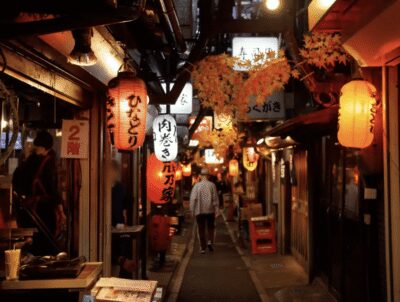 ★ 4.9Tokyo: Shinjuku Local Bar and Izakaya Guided Walking TourFrom $343 hours
 ★ 4.9Tokyo: Shinjuku Food Tour (13 Dishes and 4 Eateries)From $97
 ★ 5.0Tokyo Night Foodie Tour in Shinjuku – Seasonal Sushi, Wagyu BeefFrom $111
 ★ 5.0Tokyo: Shinjuku Local Bar & Izakaya Crawl TourFrom $39