Reviewed · ASAKUSA TOURS
Asakusa: 3.5-hour Big-picture History Walk
Asakusa is one of Tokyo’s best places to understand the country in a single walk. This tour links the Sumida River, Sensō-ji, Shinto worship, old shopping streets, postwar pubs, and Japan’s long isolation into one clear story. The big-picture history is the main attraction.
In This Article
- Key points to know before booking
- Why this Asakusa walk gives you more than temple photos
- Starting beside Exit 4 and the Sumida River
- The rooftop view at Asakusa Culture Tourist Information Center
- Kaminarimon and the road into Sensō-ji
- Hōzōmon Gate and Sensō-ji’s long religious story
- Asakusa Shrine and the shared religious landscape
- Yōgō-dō and a quieter side of the temple district
- Nishi-sandō and the nostalgic Asakusa of old Tokyo
- Hoppy Street and postwar working-class energy
- The guides and the quality of the explanations
- Is $88 a fair price for three and a half hours?
- Walking conditions, weather, and who should book
- Should you book this Asakusa history walk?
- FAQ
- Where does the Asakusa history walk meet?
- How long does the tour last?
- What language is the tour conducted in?
- How many people are in each group?
- Are snacks included?
- Is the walk suitable for children or people with mobility issues?
I like the small group, limited to eight people, and the way the route mixes famous sights with quieter corners. I also like the practical touches: traditional Japanese snacks, headsets for groups of three or more, and guides such as Ai, Yasu, Taka, Yoko, Jun, Satchi, and Akiko, who have helped guests connect the landmarks to everyday life.
The main drawback is the pace. Three and a half hours means a moderate amount of walking, often outdoors, with little time for unhurried shopping or private sightseeing. If you have mobility limits, contact the operator first, since the activity is not recommended for people with mobility impairments.
Key points to know before booking

- Japan’s isolation gets a street-level explanation: Learn why Japan closed itself, why the Netherlands remained its main European trading link, and how the country reopened in the 19th century.
- Sensō-ji is more than a photo stop: The tour explains how Buddhism and Shinto have shared worshippers and daily life in Japan for centuries.
- A rooftop view adds useful context: The Asakusa Culture Tourist Information Center offers a high view over the district and toward Tokyo Skytree.
- The route shifts from sacred to secular: After the temple, you walk through former entertainment quarters, old-style pubs, theaters, and performance streets.
- You get more than the standard Nakamise visit: Nishi-sandō, Mokubakan, and Hoppy Street show a less polished side of Asakusa.
- The format suits history-minded adults: The experience is family-friendly, but its focus and walking time are best for older children and adults.
Why this Asakusa walk gives you more than temple photos

Many Asakusa visits follow a simple pattern: take a picture at Kaminarimon, walk Nakamise Shopping Street, admire Sensō-ji, and move on. This experience uses those same famous places, but treats them as evidence in a larger story.
You begin with Japan’s relationship to the outside world. The guide explains the reasons behind Japan’s long period of isolation, the unusual role of Dutch traders, and the political shift that led to Japan opening its doors. You also hear how Japanese art from the 19th century influenced European artists, including French Impressionist painters.
That approach matters because Asakusa can otherwise feel like a collection of attractive buildings. Here, the gates, riverfront, religious sites, and shopping lanes become connected parts of Japan’s past.
The group size is a real advantage. With no more than eight participants, it is easier to hear questions, stop for explanations, and adjust the pace than it would be on a large coach-style outing. Headsets are supplied for groups of three or more, which helps when the surrounding streets are noisy.
The guides also appear to take different interests seriously. Taka, for example, has tailored the walk for people more interested in architecture, gardens, and history than shopping. That is useful in Asakusa, where Nakamise can tempt you to spend more time browsing than learning.
A few more Tokyo tours and experiences worth a look


Starting beside Exit 4 and the Sumida River
The meeting point is in front of the Burger King beside Exit 4 of Asakusa subway station on the Ginza Line, station G19. Step outside Exit 4 rather than waiting underground. This is a straightforward meeting place, but give yourself enough time to find the correct exit, especially if you are arriving with luggage or using a different Asakusa station.
The first stop is the Tokyo Cruise Asakusa Pier, with about 15 minutes of guided attention. You are not promised a boat ride as part of this activity, so think of the pier as a place to get your bearings and consider Asakusa’s position beside the Sumida River.
The river helps explain why this area became important. It also gives you a change of view before the route moves into the tighter streets around the temple. On a clear day, the wider outlook can make the district’s relationship with modern Tokyo easier to grasp.
The rooftop view at Asakusa Culture Tourist Information Center

The Asakusa Culture Tourist Information Center gets about 30 minutes. Its contemporary design offers a sharp contrast with the temple buildings across the street, and the upper view is one of the most useful moments early in the walk.
From above, you can see the arrangement of Kaminarimon, Nakamise, Sensō-ji, and the surrounding streets. You may also get views toward Tokyo Skytree. One detail explained on the route is the Japanese wordplay connected to Skytree’s 634-meter height: roku-san-yon can be read to match the numbers six, three, and four.
This stop is valuable because it gives you a map in your head before the walking continues. It is also a good place for photos without asking you to climb a tall observation tower or pay a separate admission fee.
Kaminarimon and the road into Sensō-ji

Kaminarimon, or the Thunder Gate, receives about 15 minutes. It is one of Asakusa’s most recognizable sights, but the guide’s role is to move beyond the large lantern and explain what the entrance means within the temple precinct.
From here, Nakamise Shopping Street runs toward the inner gates. The route spends roughly 30 minutes on Nakamise, giving you time to look at the traditional sweets, snacks, souvenirs, and shopfronts without treating the street as mere shopping filler.
This is also where the tour begins to show Japan’s dual nature. The street is commercial and lively, yet it leads directly into a sacred complex. That close meeting of commerce and worship is one of the clearest themes of the entire walk.
You receive a selection of freshly made Japanese traditional snacks and sweets during the experience. The food is a pleasant extra, especially if you are curious about local flavors but do not want to commit to a full meal. It should not be the reason you book, but it breaks up the walking and gives the route a more hands-on feel.
Hōzōmon Gate and Sensō-ji’s long religious story

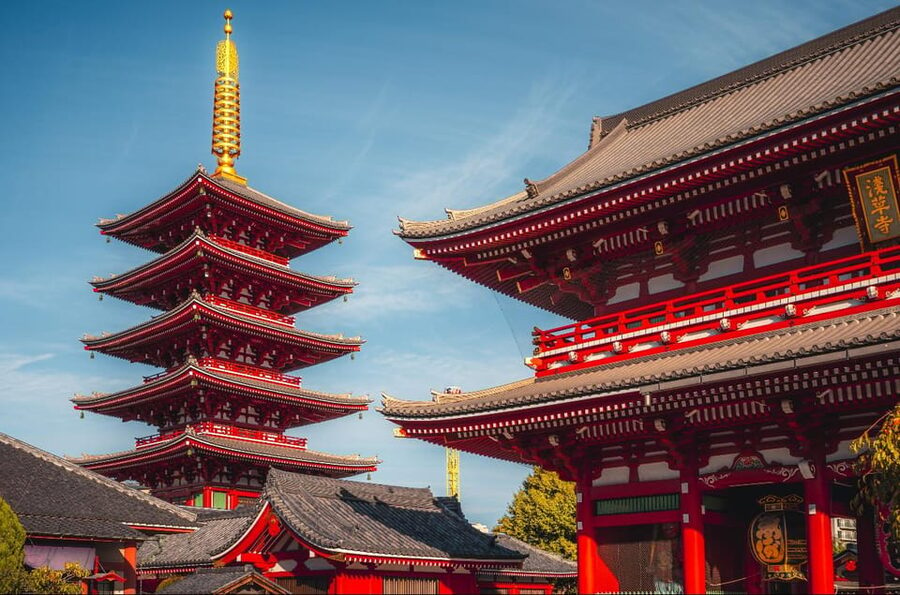
Hōzōmon Gate gets about 15 minutes, followed by 45 minutes at Sensō-ji Temple. This is the longest stop, and rightly so. Sensō-ji is the heart of the Asakusa visit, and a quick look at the main hall cannot explain its place in Japanese culture.
The tour uses the temple to discuss Buddhism and Shinto, Japan’s two major religious traditions. You learn how they have complemented one another, why the same people can take part in both, and how the two traditions appear in ordinary life.
This is a useful correction to the idea that religions must compete for exclusive loyalty. In Japan, Buddhist temples and Shinto shrines have often served different purposes while sharing the same community. The guide helps you see that relationship through the sites you are standing in, rather than leaving it as a list of religious facts.
The walk also compares cultural ideas found in Japan and the West. Dragons are one example, with different roles and meanings on either side. The tour also considers similarities in the way people thought about life and society 1,000 years ago.
You should expect a fair amount of standing here. Sensō-ji is a major attraction, and the tour is built around explanation rather than a quick photo stop. Comfortable shoes and water are important. Vending machines are available, but carrying a bottle is sensible.
Other walking tours we've reviewed in Tokyo


Asakusa Shrine and the shared religious landscape

The next stop, Asakusa Shrine, takes about 15 minutes. Its proximity to Sensō-ji makes it an efficient place to see the relationship between Buddhist and Shinto traditions in physical form.
The guide explains how the two faiths have coexisted and how their roles can differ in people’s lives. This part of the walk is especially helpful if you have visited shrines or temples in Japan but felt unsure about what separates them.
You do not need prior knowledge. The explanations are aimed at making the places around you understandable, including why worshippers may follow customs from both traditions. The route’s strength is this connection between history and what you can see at the site.
Yōgō-dō and a quieter side of the temple district

Yōgō-dō Pavilion receives around 15 minutes. This stop helps the walk move away from the central temple crowds and gives the guide another setting for discussing belief and local culture.
The exact amount of time you spend looking around can depend on the group and conditions, but the itinerary allows enough time for a guided visit rather than a passing glance. If your main aim is to photograph Sensō-ji and leave, this may feel like extra material. If you want to understand the district, it adds useful depth.
Nishi-sandō and the nostalgic Asakusa of old Tokyo

Asakusa Nishi-sandō Shopping Street is scheduled for about 15 minutes. Compared with Nakamise, this smaller street offers a quieter, more nostalgic mood. It is a good counterpoint to the temple approach, where crowds and souvenir shops can dominate your attention.
The route then continues to Asakusa Mokubakan, another 15-minute visit. The area recalls Asakusa’s role as an entertainment center before Shinjuku and Shibuya took on their current fame.
The guide describes a district once filled with cinemas, vaudeville theaters, and performance halls. That history gives Asakusa more character than the standard image of an old temple neighborhood. It was not only a place of worship and shopping. It was also a major place for leisure, work, and popular entertainment.
This section connects especially well with the tour’s theme of human nature moving between the sacred and the secular. A temple gate and an entertainment street can sit close together because people have always wanted both spiritual meaning and ordinary pleasure.
Hoppy Street and postwar working-class energy
Hoppy Street receives the final 15 minutes. The narrow lane is known for old-style Japanese pubs and recalls the working-class energy and resilience of the postwar period.
You should think of this as an introduction to the atmosphere and history of the street, not a full evening food tour. The schedule is tight, and the experience ends after this section. Still, Hoppy Street is an effective final stop because it brings the story into modern urban life.
After temples, gates, religious customs, Edo-period memories, theaters, and cultural change, you finish among casual drinking spots and everyday city life. It is a fitting reminder that history in Tokyo is not locked inside museums.
The guides and the quality of the explanations
The activity uses certified English-speaking guides, and the guide names associated with the experience include Ai, Yasu, Taka, Yoko, Jun, Satchi, and Akiko. The strongest part of the guiding is the effort to explain context rather than simply announce names and dates.
Ai has been especially attentive in difficult weather, helping the group when cold rain arrived. Yasu has led the route with clear explanations of Asakusa’s past, while Satchi has been praised for providing a broad range of historical information. Jun has added memorable details such as the Japanese reading linked to Tokyo Skytree’s height.
Taka’s style is particularly useful if you are not interested in shopping. He has been able to skip through commercial areas without pressure and spend more time on architecture, gardens, history, toilets, and photo locations. Those practical choices can make a long walk feel much easier.
Guide quality can vary from one departure to another, as it does with any activity built around live interpretation. The consistent advantage here is the small group, which allows a good guide to respond to questions and personal interests.
Is $88 a fair price for three and a half hours?
At $88 per person, this is not the cheapest way to see Asakusa. You can walk around Sensō-ji and Nakamise on your own without paying an entrance fee.
The value comes from what you would otherwise need to research yourself. In 210 minutes, you get an English-speaking guide, a carefully connected route, cultural interpretation, a rooftop viewpoint, traditional snacks and sweets, and a small group capped at eight. You also visit areas that many independent visitors might pass through without understanding their role in Asakusa’s story.
I consider the price reasonable for someone who wants a history lesson built into sightseeing. It is less useful if you only want free time, shopping, or photographs. The tour does not include hotel pickup or drop-off, so you also need to arrange your own way to and from the meeting point.
Walking conditions, weather, and who should book
The route involves a moderate amount of walking and operates in all weather. Wear comfortable shoes and bring water. Rain or cold can affect the experience, since much of the explanation takes place outdoors, so dress for the forecast rather than assuming Tokyo weather will cooperate.
Children younger than six may join free of charge. Families are welcome, but the historical focus is recommended for adults. Older children who enjoy stories about religion, old cities, and cultural change may do well, while very young children may find three and a half hours demanding.
The tour is not suitable for people with mobility impairments. If you have a mobility concern that is not severe, contact the supplier before booking, since they will do their best to accommodate you. Do not assume every lane, gate, and stretch of the route will be easy to manage.
Free cancellation is available up to 24 hours before the activity for a full refund, and you can reserve now and pay later. Those terms are useful if your Tokyo plans are still shifting, but the main booking decision should come down to your interest in walking and history.
Should you book this Asakusa history walk?
Book it if you want Asakusa to make sense rather than simply look good. The route explains Japan’s isolation and reopening, connects Buddhism and Shinto, compares Japanese and Western cultural ideas, and shows how sacred sites sat beside entertainment streets and working-class pubs.
I especially recommend it for a first visit to Tokyo, history-minded adults, and anyone who wants an English-speaking guide to explain the meaning behind familiar sights. The small group, rooftop view, snack break, and flexible guiding add real value.
Skip it if your priority is shopping, a slow temple visit, or a short photo tour. Three and a half hours is a serious commitment, and the walking continues in all weather. For the right visitor, though, this is a strong way to spend a half-day and gain a useful mental map of both Asakusa and modern Japan.
FAQ
Where does the Asakusa history walk meet?
The meeting point is in front of the Burger King restaurant next to Exit 4 of Asakusa subway station, G19, on the Ginza Line. Step outside Exit 4 when you arrive.
How long does the tour last?
The tour lasts 210 minutes, or three and a half hours. Starting times vary, so check availability when booking.
What language is the tour conducted in?
The live tour guide speaks English, and an English audio guide is included. Headsets are provided for groups of three or more.
How many people are in each group?
The maximum group size is eight participants.
Are snacks included?
Yes. The experience includes a selection of freshly made Japanese traditional snacks and sweets. Bottled water is not included, though vending machines are available.
Is the walk suitable for children or people with mobility issues?
Children younger than six may join free of charge, and families are welcome. The activity involves moderate walking, is recommended mainly for adults because of its historical focus, and is not suitable for people with mobility impairments. Contact the supplier in advance if you have mobility concerns.
More Historical Tours in Tokyo

More Walking Tours in Tokyo
More Asakusa Tours in Tokyo
More tours in Tokyo we've reviewed












Asakusa Tours, compared.
 ★ 4.8Tokyo: Japanese Dance Cabaret Theater Asakusa-Kaguwa TicketFrom $492 hours
 ★ 4.7Tokyo: Meiji Shrine, Asakusa, Skytree Bus Tour and CruiseFrom $12210 hours
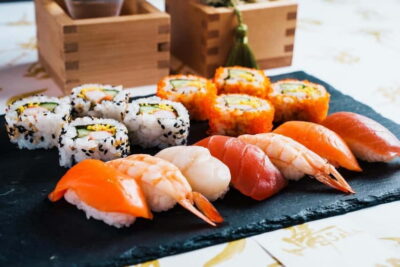 ★ 4.9Tokyo: Roll and Authentic Sushi Making Class in AsakusaFrom $581h 40m
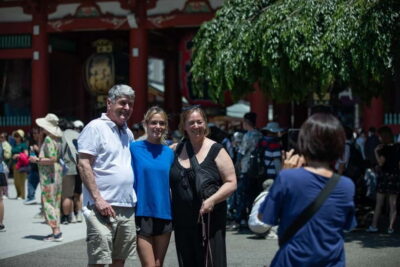 ★ 4.8Tokyo: Asakusa Walking Tour with Sensoji Temple VisitFrom $222 hours
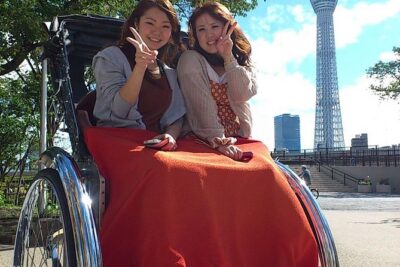 ★ 5.0Tokyo Asakusa Rickshaw TourFrom $42
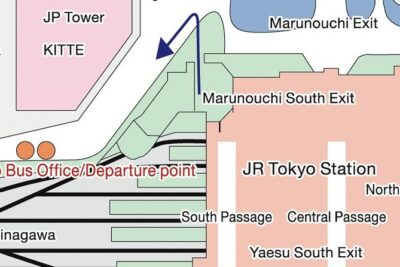 ★ 4.5Tokyo Panoramic 1 Day: Meiji Shrine, Asakusa, Odaiba and SKYTREE®From $85