Reviewed · MT FUJI DAY TRIPS
Mt. Fuji & Lake Kawaguchiko Ropeway,Oshino Hakkai 1-Day Tour
Mt. Fuji is the star here, but the best part is how many different ways you see it in one day. You rise above Lake Kawaguchiko on the Kachikachi Ropeway, prepare matcha beside the water, line up a famous Lawson photo, then finish at the spring ponds of Oshino Hakkai.
In This Article
- Key points at a glance
- Leaving Tokyo for Lake Kawaguchiko
- Riding the Kachikachi Ropeway to 1,075 meters
- Making matcha beside Lake Kawaguchiko
- Getting the Lawson and Mt. Fuji photograph
- Walking through Oshino Hakkai’s eight spring ponds
- What the $49 price really covers
- Timing, crowds, and the return to Tokyo
- Who will enjoy this day trip most
- Booking and preparation tips
- Should you book the Mt. Fuji and Kawaguchiko tour?
- FAQ
- Where does the Mt. Fuji and Lake Kawaguchiko tour take place?
- How much does the tour cost?
- Is transportation included?
- Is the Kachikachi Ropeway included?
- What happens if the ropeway is canceled?
- Is Mt. Fuji guaranteed to be visible?
- Is lunch included?
- What languages are available?
- Is the tour suitable for wheelchair users?
- How early should I arrive?
I like the mix of scenery and culture. The ropeway gives you a big, easy-to-grasp view, while the tea session slows the day down and adds meaning to the pretty scenery. I also like the practical value: for $49, transportation, the ropeway, guide, tolls, fuel, and parking are covered.
The catch is simple: Mt. Fuji visibility depends entirely on weather. Traffic and holiday crowds can also shorten stops or delay your return to Tokyo, so do not schedule a train, flight, or evening event too tightly afterward.
Key points at a glance
- Kachikachi Ropeway views: Reach the 1,075-meter observatory for broad views of Mt. Fuji and Lake Kawaguchiko.
- Matcha beside the lake: Whisk, serve, and drink your own bowl while learning about Ichigo Ichie, the value of a single encounter.
- Lawson photo stop: Photograph Mt. Fuji aligned with the familiar convenience-store sign.
- Oshino Hakkai springs: Walk among eight clear ponds fed by snowmelt filtered through volcanic rock.
- Helpful multilingual guides: Guides such as Sia, Peter, Sawaki, and Laner have been praised for clear explanations, humor, and practical help.
- Good package value: The $49 fare includes round-trip bus transport and major listed costs, with lunch included only on the lunch option.
Leaving Tokyo for Lake Kawaguchiko
This is a full-day escape from central Tokyo, using an air-conditioned bus to reach the Mt. Fuji area and return to the same general meeting point. Pickup details vary by the option you book, so read the confirmation carefully and arrive at least 15 minutes early.
The bus matters more than it may seem. A day around Fuji involves several separate stops, parking areas, and country roads. Having a driver handle the route lets you look out the window instead of working out train connections and local buses.
Your evening-before email contains the guide and driver information. Check your spam folder too. The tour is offered in English, Japanese, Korean, and Traditional Chinese, though the exact guide and language arrangement depends on your booking.
Guide quality is one of the stronger parts of this outing. Sia has been praised for patient explanations and warm communication, while Peter is often described as friendly, informative, and helpful with photographs and local suggestions. Sawaki has added trivia, candy, and photo props to the bus ride, and Laner has been noted for clear English, cultural stories, and helping people find their way back to the bus.
That does not mean every guide will run the day in exactly the same style. Still, you can reasonably expect more than a driver simply pointing out the stops. The guides help with timing, group photos, directions, and context.
A few more Tokyo tours and experiences worth a look
Riding the Kachikachi Ropeway to 1,075 meters
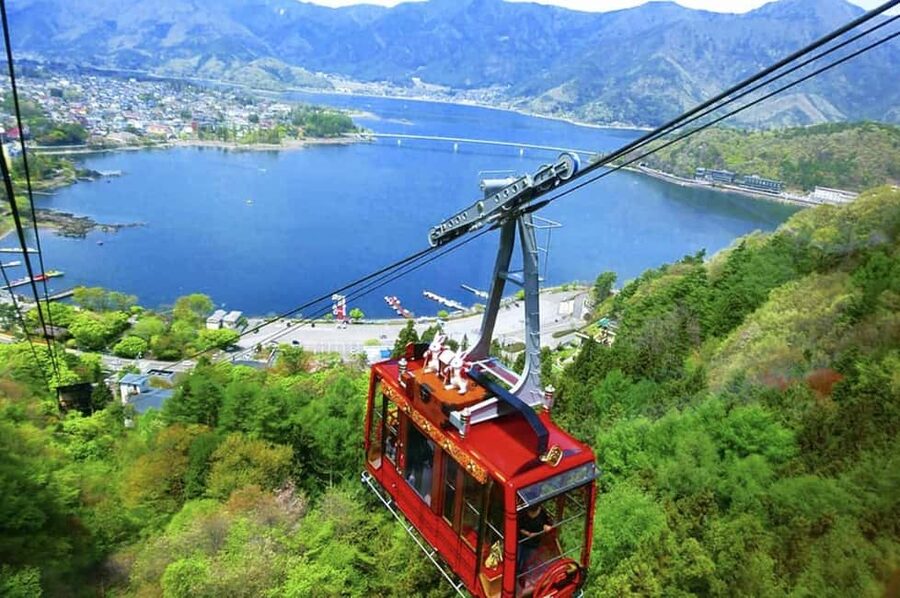
The first major stop is the Kachikachi Ropeway at Lake Kawaguchiko. The cable car climbs toward an observatory at 1,075 meters above sea level, giving you a quick change from lakeside views to a broad mountain panorama.
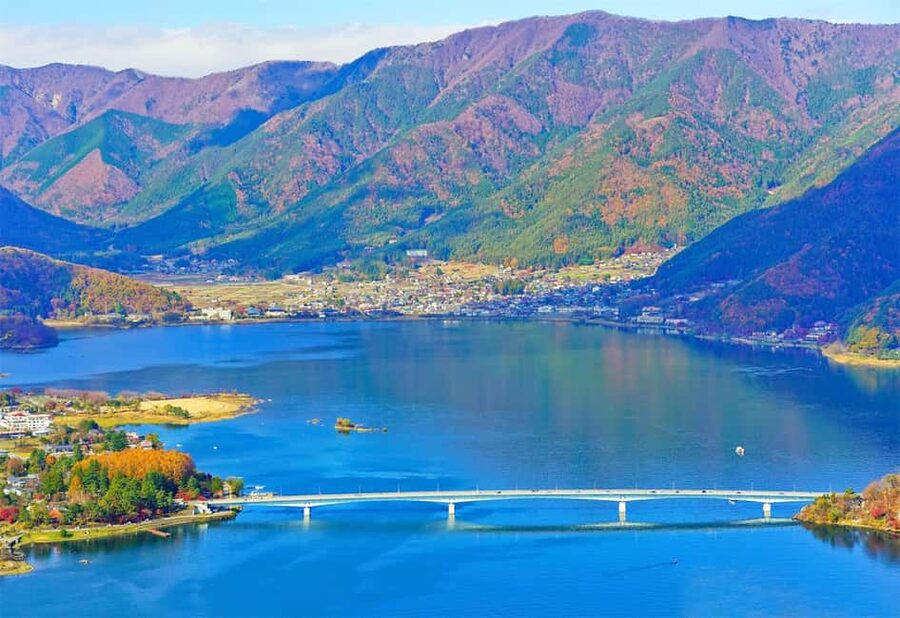
As the car rises, Mt. Fuji gradually comes into view when conditions are clear. From the top, you can look across Lake Kawaguchiko, with Fuji filling the background. On especially clear days, the Southern Alps are visible in the distance.
I like this stop because it offers a strong first look at the area without asking you to hike a mountain. The ride is short enough to fit into a day tour, yet the observatory gives you the scale that a roadside photo cannot. You see the lake, mountain, and surrounding countryside together.
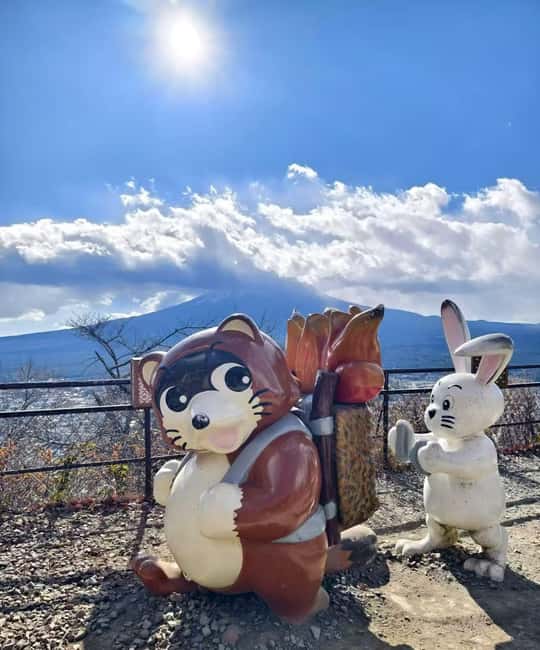
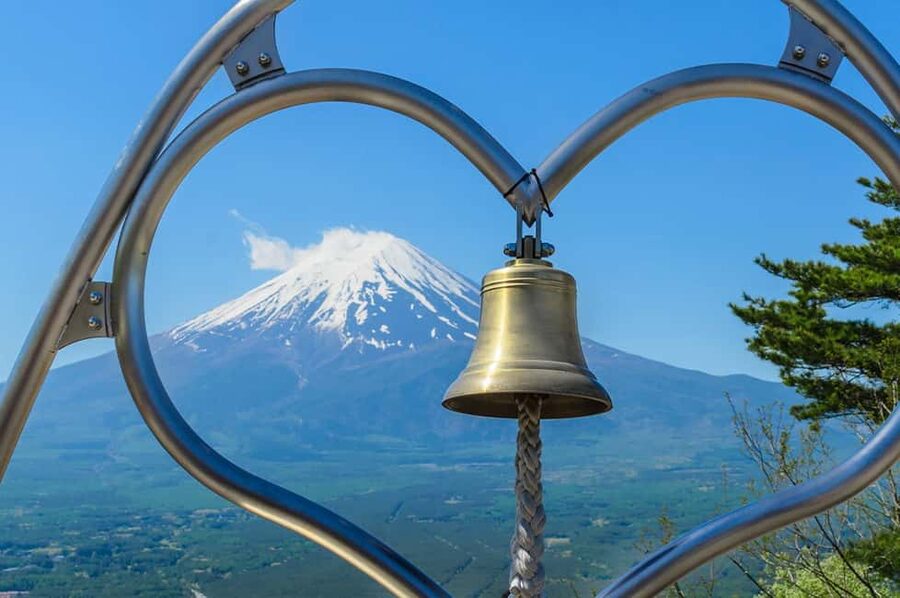
The summit also has the Bell of Tenjo. Local legend says that ringing it can make a wish come true. The station and viewing area use rabbit and tanuki decorations linked to the Japanese folktale Kachikachi Yama, giving the stop a playful side beyond the grand view.
There are two practical cautions. The ropeway may be canceled because of weather or other conditions. If that happens, you can email the operator to request a refund of 1,000 Japanese yen per person for the cable-car fee.
The second issue is height. This activity is not suitable for people afraid of heights, and the ride is not suitable for wheelchair users. Wear comfortable shoes for the observatory and the later walking stops.
Making matcha beside Lake Kawaguchiko
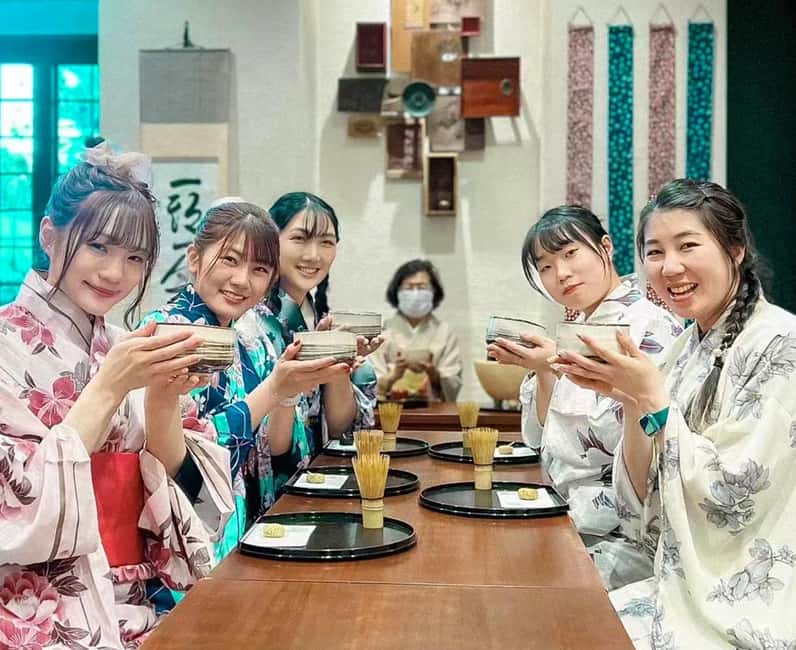
After the ropeway, the tour shifts from wide views to a hands-on cultural activity. At a quiet tea space by Lake Kawaguchiko, a local instructor guides you through preparing matcha.
You learn the basic sequence of whisking, serving, and drinking your own bowl. The point is not to turn you into a tea expert in one sitting. It is to give you a small role in the ritual, rather than having you watch a demonstration from the side.
The instructor also explains Ichigo Ichie, the idea that each meeting happens only once and should be valued. That theme fits the day well. Mt. Fuji may be hidden tomorrow, and this particular view, group, and moment will not return in quite the same form.
I especially like this pause because it breaks up the sightseeing rhythm. Ropeways and photo stops can begin to feel repetitive. Preparing tea gives you time to sit, pay attention, and experience a quieter side of Japan.
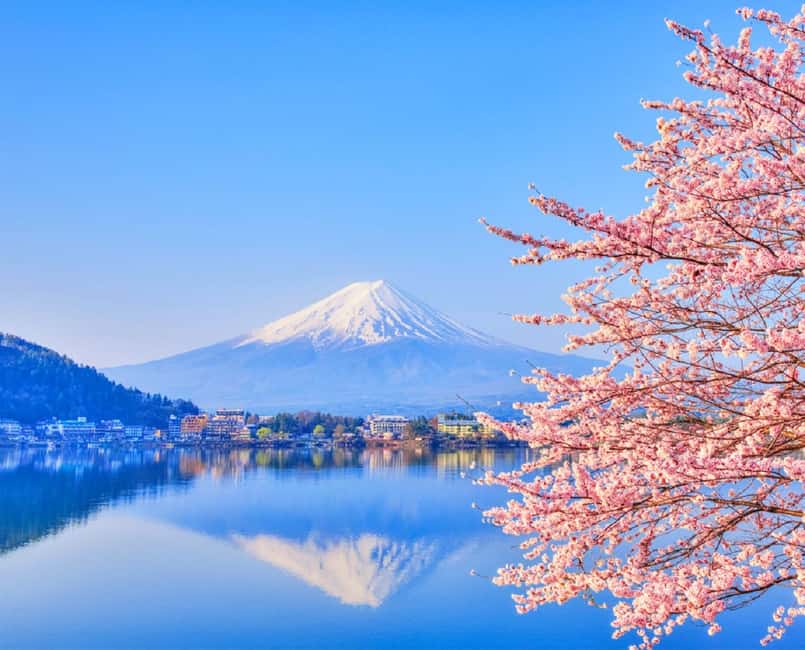
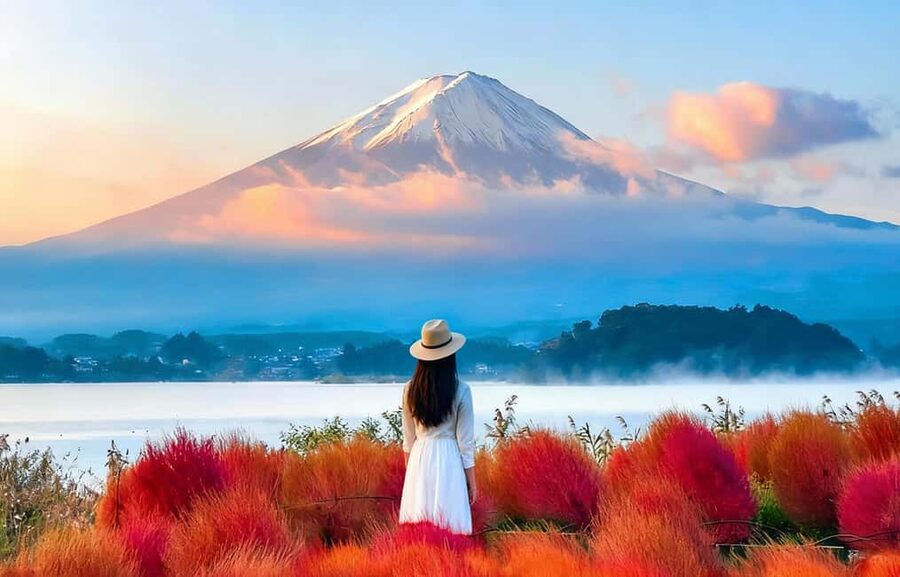
Afterward, you can walk beside the lake for a while. When Fuji is visible, its reflection on the water adds a calmer image than the busy photo stops later in the day.
The details of the tea venue and session length are not specified, so do not book this expecting a long formal tea ceremony. Think of it as a guided matcha-making activity with a cultural explanation and some lakeside time.
Getting the Lawson and Mt. Fuji photograph
The Lawson stop is an unusual modern landmark. Across from the convenience store, Mt. Fuji can line up neatly with the Lawson sign, creating the familiar photo that has spread widely online.
It sounds like a strange sightseeing stop until you see the composition. The ordinary blue-and-white store, the road, and the enormous mountain behind it create a distinctly Japanese contrast. You get a recognizable image without needing a long walk or difficult climb.
This is a quick photo opportunity, not a major cultural attraction. Be respectful around the store, road, and other people taking pictures. Bring a camera or phone, but a tripod is also listed as a useful item to pack.
Clouds can erase the entire effect. If Fuji is covered, you may still photograph the store and enjoy the oddity of the place, but the famous alignment will not be guaranteed. This is one of several reasons to treat the tour as a worthwhile day in the Fuji region, not as a guaranteed mountain portrait session.
Walking through Oshino Hakkai’s eight spring ponds
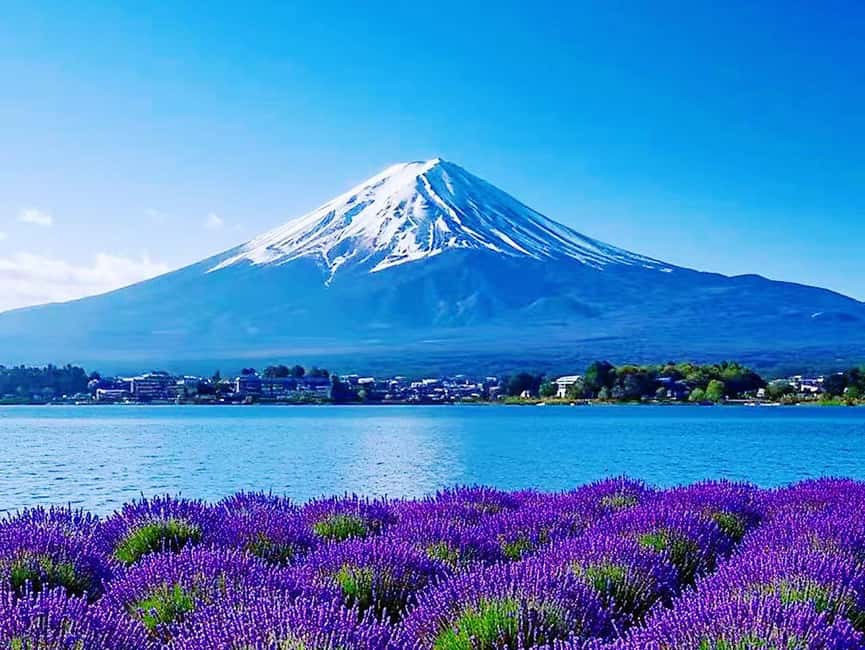
Oshino Hakkai provides the most peaceful finish. The village has eight spring ponds, fed by Mt. Fuji snowmelt that passes through layers of lava rock before reaching the surface.
The water is known for its clarity. You can expect gentle ripples, reflections, and carefully framed views toward Fuji when the mountain is visible. The site is a nationally designated Natural Monument, which helps explain why it feels more protected and scenic than an ordinary roadside stop.
This is a walking stop, so comfortable shoes matter. You will have time to look at the ponds, take photographs, and enjoy the mountain air, but the available time can change with traffic, crowds, or delays earlier in the day.
Oshino Hakkai works well at the end because it is less mechanically organized than the ropeway. You are not simply moving upward or lining up a photograph. You can stroll, pause, and notice the water and village setting.
The area can become crowded during Japanese holidays and peak seasons. In those periods, the clear pools may be surrounded by people, and your quiet walk may feel more like a shared sightseeing visit. Go in expecting beauty, but not solitude.
A few more Tokyo tours and experiences worth a look



What the $49 price really covers
At $49 per person, this is a strong value if you want several Fuji-area sights without arranging the transport yourself. The listed price includes the Kachikachi Ropeway ride, matcha experience, air-conditioned round-trip bus, multilingual guide, professional driver, expressway tolls, fuel, and parking.
That bundle is important. Independent planning would require coordinating Tokyo departure details with local transportation around Kawaguchiko and Oshino. You would also need to pay separate fares and manage parking or bus timing at each stop.
Lunch requires close attention. Lunch is included only if you choose the option that specifically includes lunch. The basic price should not be assumed to cover a meal, and personal expenses are not included. Bring some Japanese cash for food or small purchases, as several people have found cash useful for lunch and other expenses.
The tradeoff is control. A private day gives you more say over how long you stay at each view. This shared tour gives you a fixed route and group schedule, but it also handles the driving and includes the main paid activity.
For a first visit to Japan, that trade can make good sense. You get a broad introduction to Kawaguchiko and Oshino Hakkai in one day. For a repeat visitor focused on one long lakeside walk or detailed photography, the fixed schedule may feel limiting.
Timing, crowds, and the return to Tokyo
The tour ends back at the meeting point, but the exact return time can shift. Bad weather, highway traffic, crowded attractions, and Japanese holiday conditions may cause delays.
Stops can also be shortened, rescheduled, or canceled when the day runs late. One practical account of the tour described some stops as lasting only 5 to 20 minutes during crowded conditions, while other accounts found the pacing relaxed with plenty of time at each place. That difference tells you what to expect: the schedule can feel generous on a smooth day and brisk on a busy one.
Do not book an evening Shinkansen, airport transfer, theater ticket, or hard-to-change dinner immediately after the scheduled return. The bus may arrive late, and the operator specifically warns that the return time is not fixed in difficult conditions.
A clean, air-conditioned bus makes the long day easier. The guide may use trivia and local facts to keep the ride from feeling like dead time. Still, this is a road trip from Tokyo, not a quick hop. Pack water, sunscreen, and a light layer suited to changing mountain weather.
Who will enjoy this day trip most
I would recommend this tour to a first-time visitor who wants to see Mt. Fuji but does not want to build a regional transport plan from scratch. It suits couples, families, and solo visitors who enjoy a mix of photography, light walking, scenery, and a short cultural activity.
It is also a good choice if you want several different Fuji images. The ropeway gives you height, the lake offers reflection, Lawson provides a playful urban frame, and Oshino Hakkai supplies clear water and village scenery.
You should think twice if you dislike heights, use a wheelchair, or need a guaranteed view of Fuji. The ropeway is a central feature, and mountain visibility is outside the operator’s control.
The tour may also frustrate you if you want long, unhurried time at every stop. Crowds and traffic can affect the schedule, especially during holidays. If you are happy to accept some flexibility in exchange for transport and variety, the arrangement is easier to recommend.
Booking and preparation tips
Arrive at the meeting point at least 15 minutes before departure. There is no refund for arriving late or failing to show up, so allow extra time to reach the pickup location.
Bring comfortable shoes, water, sunscreen, and a camera. A tripod can help at the Lawson and lakeside photo stops, although using one may be difficult when areas are crowded.
Keep some cash with you for lunch if your option does not include it, as well as personal purchases. Check the email sent the evening before for your guide and driver details, then check the spam or junk folder if it does not appear.
The tour allows cancellation up to 24 hours in advance for a full refund. If the ropeway is canceled, request the 1,000-yen cable-car refund by email as instructed.
Should you book the Mt. Fuji and Kawaguchiko tour?
Book it if you want a well-priced first look at the Fuji region with the major transport problems handled for you. The combination of ropeway views, matcha preparation, Lawson photography, and Oshino Hakkai gives the day more variety than a simple photo excursion.
I would not book it solely because you expect a perfect Fuji photograph. Clouds may hide the mountain, and busy roads can reduce time at individual stops. But if you can accept that risk, $49 is a fair price for the included ride, guide, ropeway, tea activity, and four distinct settings.
Choose the lunch option if you want fewer food decisions during the day, and leave your evening open for a late return. For many first-time visitors, this is a practical way to get beyond Tokyo and experience Mt. Fuji from several useful angles in one organized day.
FAQ
Where does the Mt. Fuji and Lake Kawaguchiko tour take place?
The tour visits the Lake Kawaguchiko area and Oshino Hakkai at the foot of Mt. Fuji, with round-trip transportation from central Tokyo.
How much does the tour cost?
The listed price is $49 per person.
Is transportation included?
Yes. Round-trip transportation by air-conditioned bus is included, along with a professional driver.
Is the Kachikachi Ropeway included?
Yes. The standard inclusions list the Mt. Fuji Kachikachi Ropeway ride.
What happens if the ropeway is canceled?
If the ropeway is canceled because of weather or another reason, email the operator to request a refund of 1,000 Japanese yen per person for the cable-car fee.
Is Mt. Fuji guaranteed to be visible?
No. Visibility depends entirely on the weather, so the operator cannot guarantee a view of Mt. Fuji.
Is lunch included?
Lunch is included only when you choose the option that specifically includes lunch. Personal expenses are not included, so bring cash for food or other purchases.
What languages are available?
The tour is offered in English, Japanese, Korean, and Traditional Chinese.
Is the tour suitable for wheelchair users?
No. The activity is listed as unsuitable for wheelchair users and for people afraid of heights.
How early should I arrive?
Arrive at the meeting point at least 15 minutes before departure. There is no refund for late arrival or a no-show.
More 1-Day Tours in Tokyo
More Mt Fuji Day Trips in Tokyo

More tours in Tokyo we've reviewed












Mt Fuji Day Trips, compared.
 ★ 5.0Mt Fuji and Hakone 1-Day Bus Tour Return by Bullet TrainFrom $163
 ★ 4.0Mt Fuji & Hakone Cruise, Drum Show Bullet Train 1 Day from TokyoFrom $149
 ★ 4.4Tokyo Mt Fuji 5th St & Hakone Cruise Bus Tour w/Bullet TrainFrom $15410 hours
 ★ 4.5From Tokyo: Mount Fuji Full-Day Sightseeing TripFrom $6810 hours
 ★ 4.7Tokyo: Mt. Fuji Tour, Hakone Ropeway, Owakudani, Lake AshiFrom $5410 hours
 ★ 4.4Tokyo:Mt.Fuji,Kawaguchiko Oishi Park,Arakurayama Sengen ParkFrom $5410 hours