Reviewed · TOKYO
Tokyo: Traditional Kimono Rental Experience
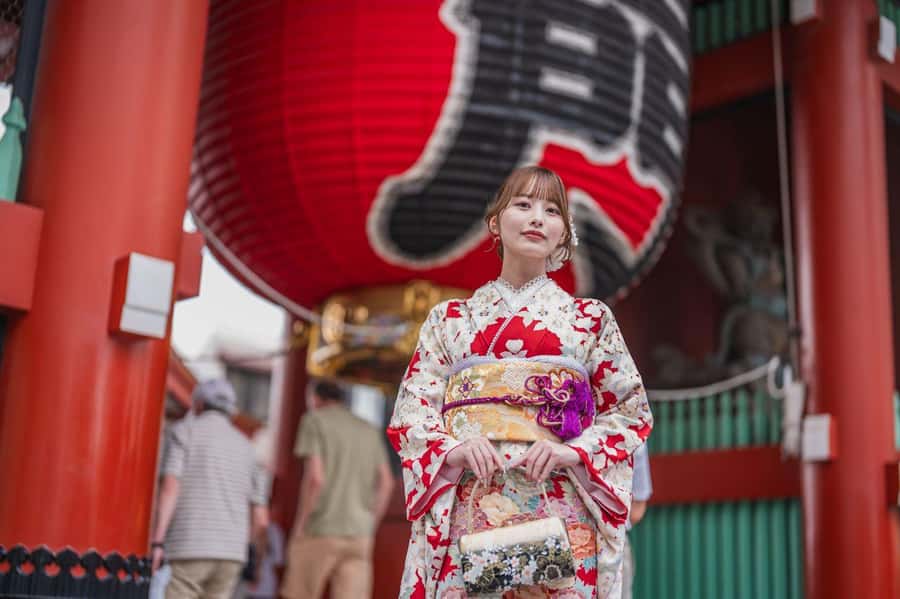
Tokyo becomes a little more special when you explore it in a kimono. This experience lets you choose from traditional and modern designs, get dressed by staff, and walk out toward the historic streets and photo spots around Asakusa. The shop is on the fourth floor, reached by elevator or escalator.
In This Article
- Key points to know before booking
- Choosing a Kimono at the Fourth-Floor Shop
- Dressing Takes Less Than an Hour When Timing Works
- Hair Styling and the Fine Print on Accessories
- Walking from the Shop to Asakusa Sights
- Why the Location Makes the $34 Starting Price Useful
- Waiting Times Can Shape the Day
- Comfort, Mobility, and Who Should Skip It
- How to Get the Best Photos
- Is the Tokyo Kimono Rental Worth Booking?
- FAQ
- Where does the kimono rental experience begin?
- What is included in the basic rental?
- Is hairstyling included?
- Can I choose a modern kimono design?
- How long does the dressing process take?
- When must I return the kimono?
- Can I keep the kimono overnight?
- Can I cancel for a full refund?
I like the wide choice of patterns and the convenient location near major Asakusa sights. I also like that you can rent the full outfit, including the obi, clutch, sandals, and socks, without arranging each piece yourself.
The catch is time. Dressing can take less than an hour when the shop is quiet, but waits of 30 to 90 minutes are possible. Your kimono must be back by 6 PM, and your final price can rise if you select an upgraded garment or add-on.
Key points to know before booking
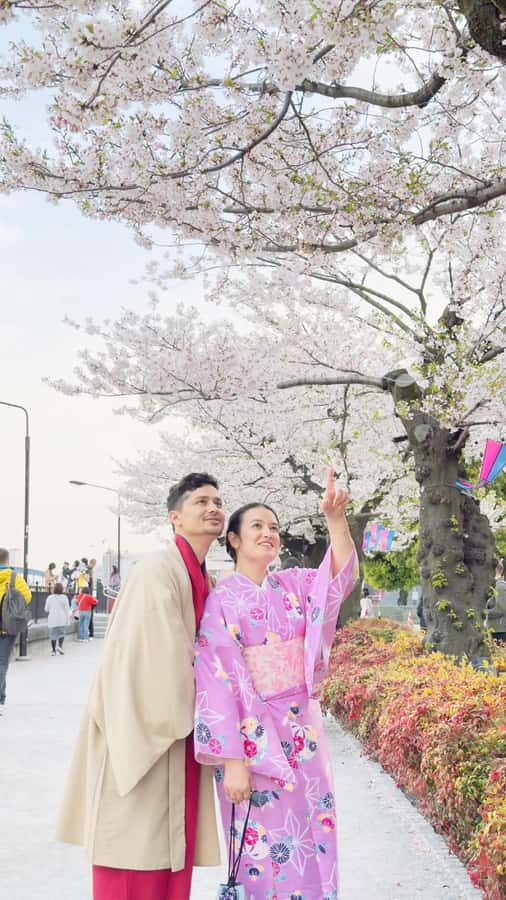
- Walk straight into Asakusa sightseeing: Major sights and tourist areas are reported to be within about a 10-minute walk of the shop.
- Pick your own look: Choose from classic Japanese patterns or more modern kimono designs.
- The basic outfit is well covered: Your rental includes the kimono, obi, Japanese clutch, sandals, socks, dressing, and insurance.
- Hair arrangements vary by package: A simple style with a kanzashi is included in the listed package, while other information notes hairstyling as an optional extra, so confirm your exact plan.
- Allow extra time at busy periods: Dressing may be quick, but waiting can last from 30 to 90 minutes.
- Return by 6 PM: Next-day return may be possible for an extra fee if you want a longer rental.
Choosing a Kimono at the Fourth-Floor Shop
Your experience begins at the Kyoto Kimono Rental WARGO shop, operated by the provider of the same name. Once you arrive at the building, take the elevator or escalator to the fourth floor. The store is not a street-level drop-in counter, so allow a few minutes to find the entrance if you are arriving on a tight schedule.
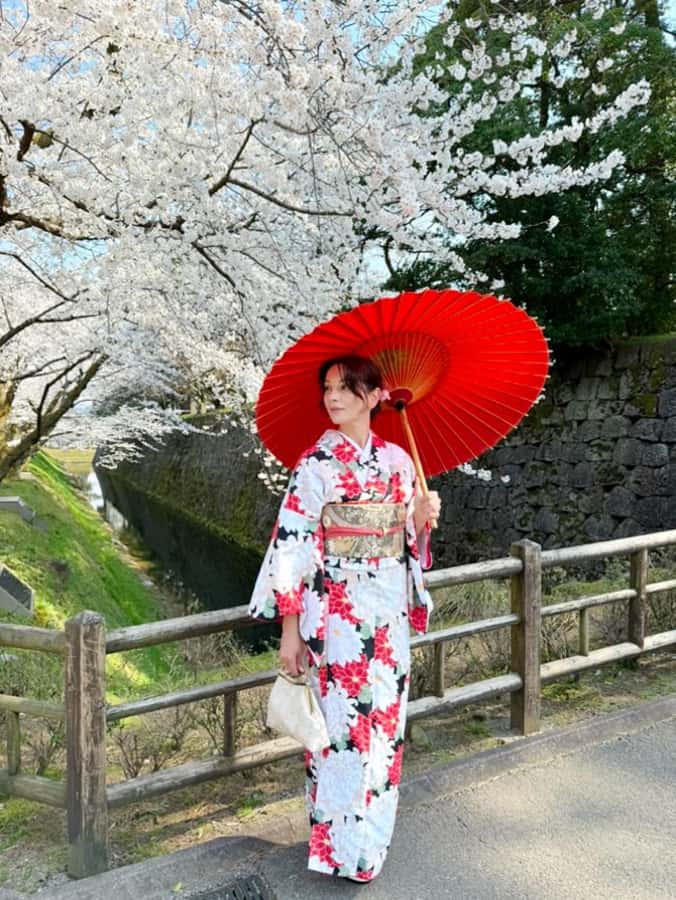
Inside, you select the kimono you want to wear. The main choice is between traditional patterns and more current designs. That range matters because a kimono outing can feel very formal, playful, understated, or colorful depending on what you pick. I would take your time here rather than grabbing the first attractive pattern. The kimono becomes the main feature in your photos, and the obi and accessories affect the overall look.
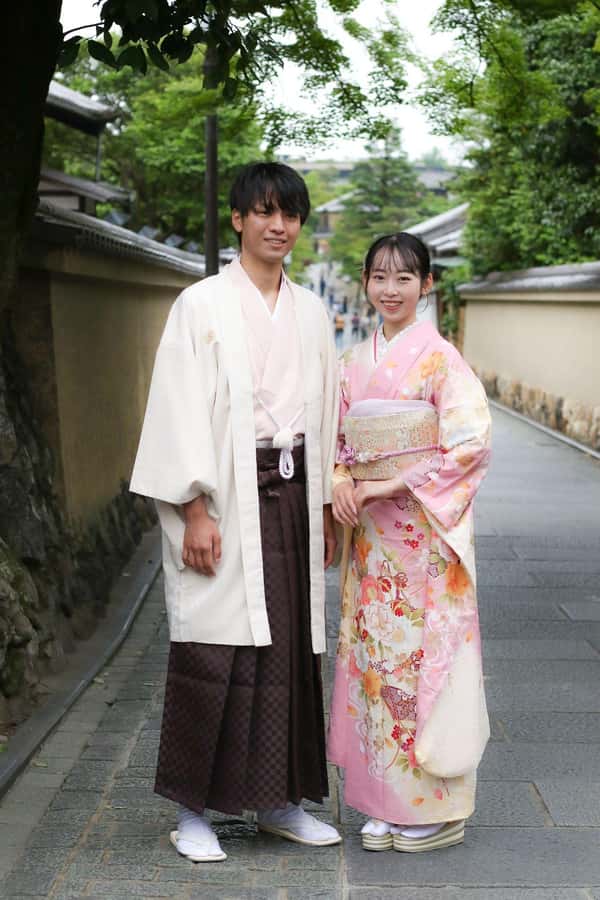
Staff help with the selection and dressing process. This is useful if you have never worn a kimono before, since the layers, belt, footwear, and final adjustments are not something most people can handle alone. The service is designed for both individual bookings and couples, and the experience has been especially popular as a shared activity.
The Wargo Deluxe Plan adds more choice. Depending on the store, you may be able to upgrade the grade of both the kimono and obi. A standard hairstyle for women is included with that plan. The exact selection varies by shop, so ask what is available before you commit to an upgrade.
The final cost is not always fixed at the advertised $34 per person. That amount gives you a useful starting point, but the kimono you choose can change the price. Any extra amount can be paid at the shop by cash or card. Bring both a credit card and some cash, especially if you want to decide on an upgrade after seeing the actual choices.
If you're still narrowing it down, here are other tours in Tokyo we've reviewed.



Dressing Takes Less Than an Hour When Timing Works
After selecting your outfit, the staff dress you in the kimono and secure the obi. The package includes the basic pieces you need to go outside: the kimono, sash belt, Japanese clutch, sandals, and socks. You do not need to build the outfit from separate rentals.
The dressing process can take less than an hour when the shop is not busy. That makes it practical to book this before lunch or an afternoon of sightseeing. Still, do not treat the advertised duration as a precise appointment-to-street time. Waiting at the shop can add 30 to 90 minutes, depending on the season and time slot.
Late bookings deserve special care. If you reserve after 3 PM on the day before your visit, you may have to wait at the store. A morning or earlier afternoon booking gives you more time outside and reduces the risk of rushing back for the return deadline.
The staff are used to helping customers choose their clothes and complete the outfit, even during busy periods. Expect a service-focused process rather than a private styling appointment. If you care about a particular kimono grade, hairstyle, or accessory, ask early and confirm what your plan includes.
Hair Styling and the Fine Print on Accessories
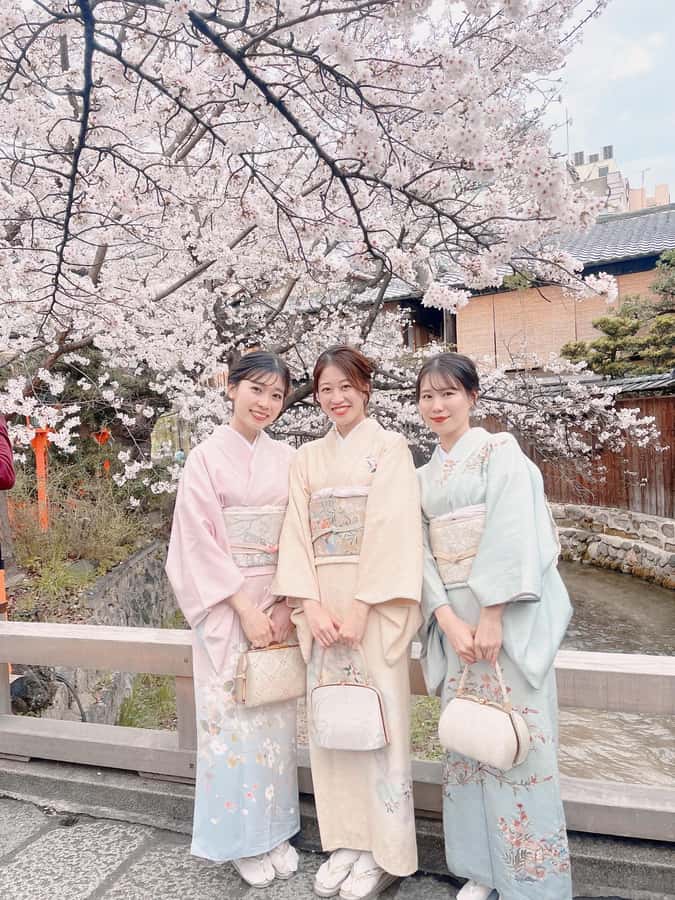
Hair styling can make the kimono look more finished in photographs. The listed package includes a simple hairstyle with a kanzashi, the ornamental hairpin traditionally associated with Japanese hair arrangements. The Deluxe Plan also lists a standard hairstyle for women.
The information for this experience also describes hairstyling as available for an additional cost. Since the included service depends on the package you book, check the exact booking details and ask the shop what is included when you arrive. This is one area where the plan name matters.
Do not assume that every decorative hair accessory is part of the hairstyle. The basic kanzashi is mentioned, but extra accessories may cost more. If your main reason for booking is an elaborate hair look, clarify the limits before paying.
For a simple photo-ready result, the included style may be enough. If you want more decoration, set aside extra money and time. Hair work is one of the easiest ways for the final bill to differ from the starting price.
Walking from the Shop to Asakusa Sights
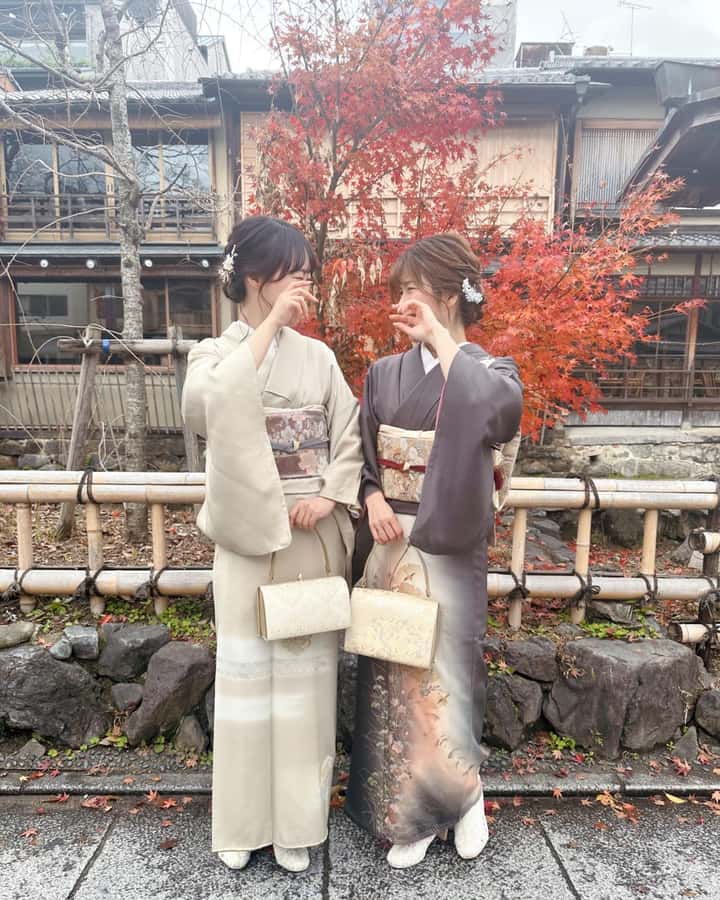
Once dressed, the activity becomes a self-guided outing. There is no listed tour guide leading you through Tokyo, and no fixed sightseeing route. You return to the shop at the end, but the hours between dressing and return are yours.
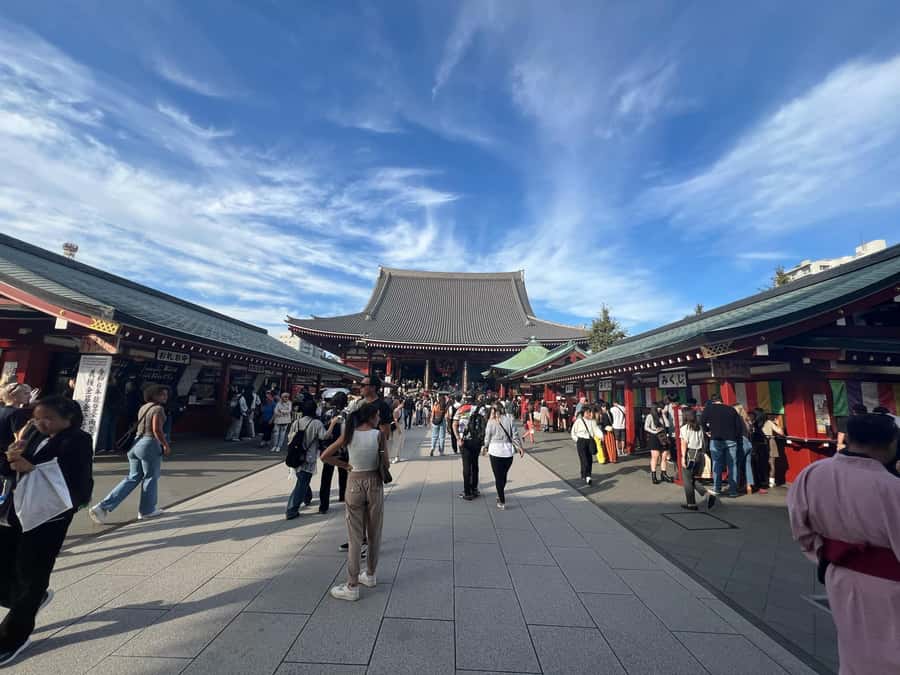
The location is the main practical strength. Major Asakusa sights and tourist areas are about a 10-minute walk away, giving you a ready-made setting for photographs and a short sightseeing walk. You can visit nearby attractions, stop for lunch, and take pictures before returning in the afternoon.
A kimono is best suited to an easy pace. The sandals are part of the traditional look, but they are not the footwear I would choose for a long day of cross-town sightseeing. Keep your plans close to the shop and avoid stacking this rental with distant neighborhoods or a packed museum schedule.
The outfit also changes how you move. You may want to walk more slowly, sit carefully, and leave time for photographs. That is not a flaw. The point is to enjoy a different rhythm for a few hours instead of trying to cover Tokyo at full speed.
The activity works particularly well for couples. One person can help with photos while the other poses, and you can make the outing part of a shared lunch and sightseeing plan. It also suits solo visitors who want personal photographs, provided they arrange someone to take them.
Why the Location Makes the $34 Starting Price Useful
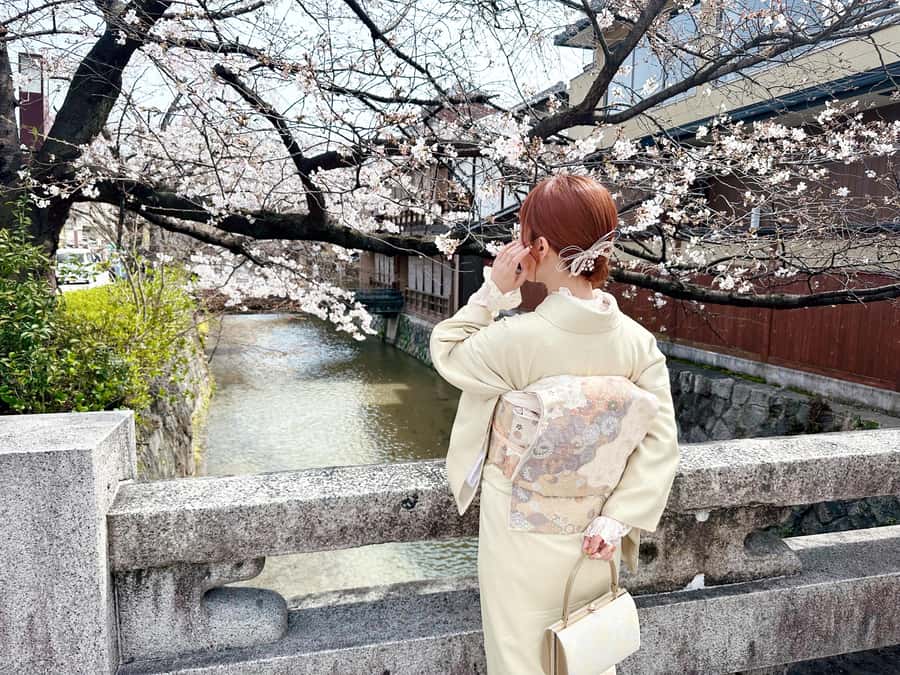
At $34 per person, the base price is reasonable for a short cultural activity in a central sightseeing area. You receive the garment, dressing service, basic accessories, and insurance. You are also paying for the chance to spend part of the day in an outfit that would be difficult to arrange independently.
The value improves if you plan to use the kimono for several purposes: photos, a nearby walk, lunch, and a visit to Asakusa sights. It is less appealing if you only want to wear it for a few minutes and return immediately.
The price needs a little caution because it is not necessarily the final total. Kimono and obi upgrades can cost more, and hair options may add another charge depending on the package. The shop accepts cash or card for these additional amounts.
I would decide on a budget before you arrive. You can enjoy the basic plan without upgrades, but the more attractive or higher-grade options may tempt you once you are choosing in person. That flexibility is useful, but it means the headline price should be treated as a starting point rather than a guaranteed total.
The Deluxe Plan may be worthwhile if you care about the fabric grade, want more say in the obi, or want the included standard hairstyle for women. If you simply want the experience and a traditional outfit, the regular plan should cover the essentials.


Waiting Times Can Shape the Day
The main weakness is not the activity itself. It is the possibility of waiting. A reported range of 30 to 90 minutes is significant, especially if you have timed tickets or a restaurant reservation afterward.
Busy seasons and certain time slots can slow the dressing process. One appointment may move quickly while another takes much longer. This can happen even when staff are working carefully and helping each customer choose and wear the outfit.
Build a buffer into your schedule. I would avoid booking this immediately before a major attraction with a strict entry time. If you are planning lunch, choose a flexible restaurant or eat after you know when you will leave the shop.
The operating hours are 10 AM to 6 PM, and the kimono must be returned no later than 6 PM. The useful outdoor time is therefore shorter than a full calendar day. A morning start gives you the best chance to enjoy Asakusa without watching the clock.
Next-day return may be possible for an additional fee if you want to wear the kimono until evening or keep it longer. Ask about this option before assuming it is available. It could solve the time problem, but it will change the total cost.
Comfort, Mobility, and Who Should Skip It
This experience is not suitable for pregnant women, wheelchair users, or people with pre-existing medical conditions. The activity involves being dressed in a fitted traditional garment and walking in sandals, so it is wise to consider your own comfort before booking.
You should also expect the kimono to feel different from ordinary clothing. The outfit is designed for appearance and tradition, not fast walking or strenuous sightseeing. Plan a gentle route near the shop and make the outing about atmosphere and photographs.
I would recommend it most for:
- Couples looking for a shared Tokyo activity
- Solo visitors who want distinctive photographs
- First-time visitors spending time around Asakusa
- People who enjoy clothing, styling, and visual details
- Families or friends who can keep the day flexible
I would be more cautious if you dislike waiting, have a tightly timed itinerary, or want to cover several far-apart parts of Tokyo afterward. This is a good local activity, not a replacement for a full day of sightseeing.
How to Get the Best Photos
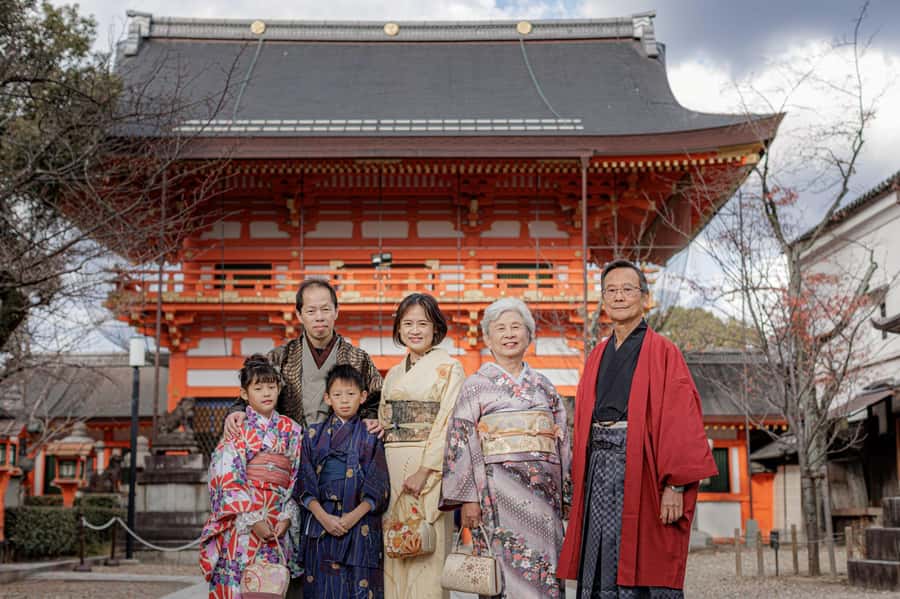
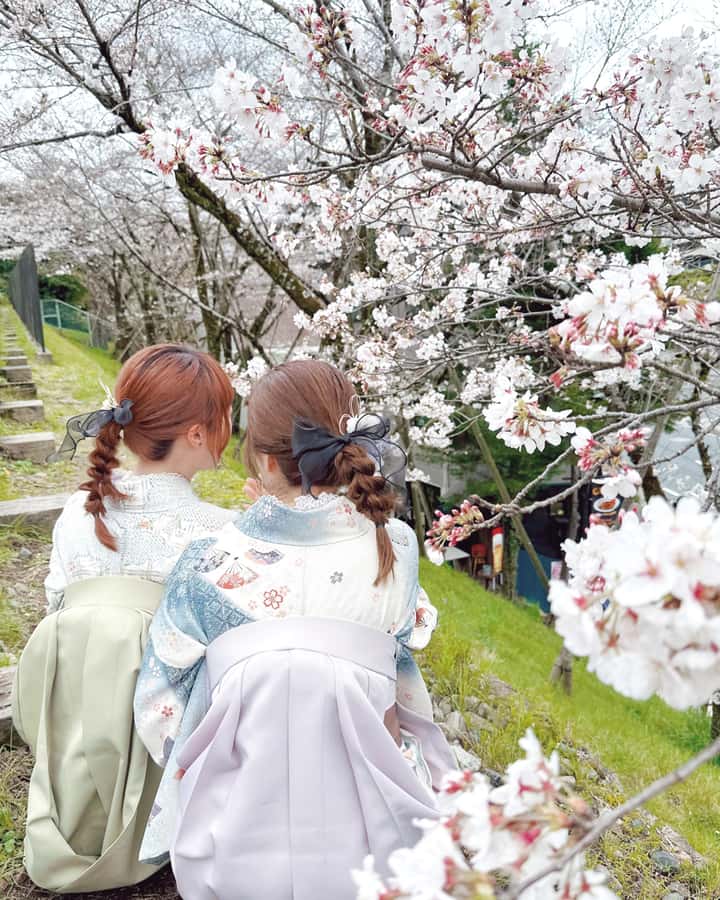
The outfit gives you a strong visual starting point, but the best pictures depend on how you plan the outing. Choose a kimono color and pattern that you will enjoy seeing in different settings. If you are booking as a couple, consider coordinating colors without choosing identical outfits.
Use the nearby Asakusa area as your photo backdrop. The short walk from the store means you can spend more time taking pictures and less time managing transportation. You can also combine the photos with sightseeing and lunch, rather than making the rental a single-purpose stop.
Ask about hair and accessory choices before dressing is finished. A small change in the obi, kanzashi, or clutch can alter the whole appearance. If you have a preferred style, mention it while choosing rather than after the final tie is secured.
Remember that the experience ends back at the meeting point. Keep track of the route and allow enough time to return, remove the outfit, and complete the hand-back process before 6 PM. A late return can create extra problems, so set a reminder if you are enjoying the neighborhood.
Is the Tokyo Kimono Rental Worth Booking?
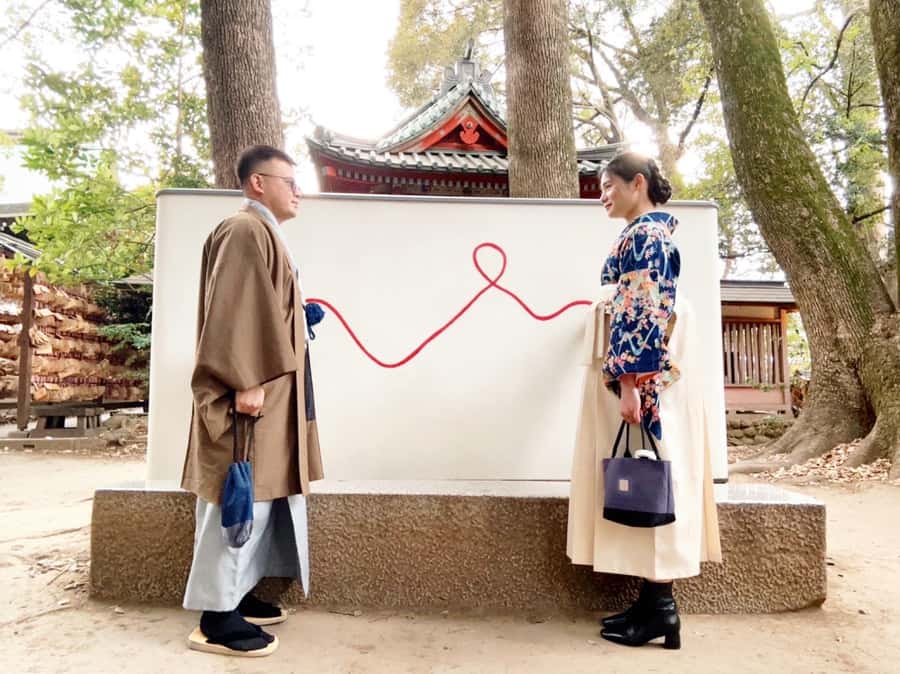
I would book this if you want a simple cultural activity with a strong photo element and you plan to stay near Asakusa. The location, included outfit pieces, helpful dressing staff, and broad kimono selection make the $34 starting price appealing.
I would not book it as a rushed add-on between fixed reservations. The 30 to 90-minute wait possibility and 6 PM return deadline require a flexible day. Also budget for upgrades if the basic selection does not suit you.
For the best experience, choose an earlier time, leave the rest of the day open, confirm what your hairstyle plan includes, and decide how much you are willing to spend on a higher-grade kimono or obi. If you can do that, this is an easy way to turn an ordinary Asakusa walk into a memorable Tokyo outing.
FAQ
Where does the kimono rental experience begin?
When you arrive at the building, use the escalator or elevator to reach the fourth floor. The store is located there, and the activity also ends back at the same meeting point.
What is included in the basic rental?
The package includes the kimono, obi sash belt, Japanese clutch, sandals, socks, dressing, and insurance.
Is hairstyling included?
The listed inclusions specify a simple hairstyle with a kanzashi. The Deluxe Plan includes a standard hairstyle for women. Other information describes hairstyling as available at an additional cost, so confirm the exact inclusions of your selected plan.
Can I choose a modern kimono design?
Yes. The selection includes both traditional patterns and more modern designs.
How long does the dressing process take?
When the shop is not busy, dressing should take less than an hour. Waiting at the shop can add approximately 30 to 90 minutes, depending on the season and time slot.
When must I return the kimono?
The shop operates from 10 AM to 6 PM, and the kimono must be returned no later than 6 PM.
Can I keep the kimono overnight?
Next-day return may be possible for an additional fee. Confirm this option with the store before making plans around it.
Can I cancel for a full refund?
You can cancel up to 24 hours in advance for a full refund. The experience also offers a reserve-now-and-pay-later option.
More tours in Tokyo we've reviewed












Tokyo, compared.
 ★ 5.0Mt Fuji and Hakone 1-Day Bus Tour Return by Bullet TrainFrom $163
 ★ 5.01-Day Tokyo Bus TourFrom $129
 ★ 4.6Tokyo: teamLab Planets TOKYO Digital Art Museum Entry TicketFrom $251 day
 ★ 4.0Mt Fuji & Hakone Cruise, Drum Show Bullet Train 1 Day from TokyoFrom $149
 ★ 5.0Tokyo: Shinjuku Food Tour (13 Dishes at 4 Local Eateries)From $86
 ★ 4.4Tokyo Mt Fuji 5th St & Hakone Cruise Bus Tour w/Bullet TrainFrom $15410 hours