Reviewed · SUSHI MAKING CLASSES
Tokyo Bar Hopping in Asakusa : Sushi Nigiri and Snack Bar Night
Asakusa looks different after sunset. This small-group night pairs a hands-on sushi class with a walk past illuminated Sensoji Temple, drinks on Hoppy Street, and karaoke in a traditional snack bar run by a friendly Mama. It is a rare mix of food, neighborhood history, and local nightlife.
In This Article
- Key points at a glance
- Why this Asakusa night feels different
- Starting with sushi at Tsukiji Tamazushi
- A moonlit stop at Sensoji Temple
- Hoppy Street and the casual izakaya stop
- The snack bar and the role of the Mama
- What the full price really means
- Timing, transport, and group size
- Who should book this night in Asakusa?
- Should you book it?
- FAQ
- How long does the Asakusa bar-hopping tour last?
- What is included in the tour price?
- Are food and drinks included?
- How many people can join the tour?
- Where does the tour begin and end?
- Can the sushi menu be changed for allergies?
- Is transportation included?
- What is the cancellation policy?
I like the professional sushi lesson, where you make six pieces and grind fresh wasabi, and I like the small maximum of six people, which should make it easier to talk with the guide and join the bar conversations. The main drawback is cost: the advertised $88.75 does not cover food or drinks, and the extra spending can be substantial.
Key points at a glance
- Make six pieces of nigiri: Prepare tuna, salmon, shrimp, and ikura gunkan sushi with help from a seasoned chef.
- Grind real wasabi: Taste freshly ground wasabi rather than relying only on the familiar green paste.
- See Sensoji after dark: Visit the temple grounds when Asakusa is quieter and the buildings are illuminated.
- Try Hoppy Street and a snack bar: Move from casual izakaya culture to a small neighborhood bar with karaoke.
- Travel in a group of six or fewer: A compact group suits the personal sushi instruction and social bar stops.
- Budget for extras: Food and drinks are separate, with stated estimates of ¥10,000 for the sushi stop, ¥2,000 to ¥3,000 at the izakaya, and ¥4,000 at the snack bar.
Why this Asakusa night feels different
Many Asakusa outings end after Sensoji Temple and Nakamise shopping street. This one keeps going. You begin with a structured food lesson, then shift into the kind of evening that depends on conversation, shared tables, and a guide who knows where to take a small group.
That change of pace is the heart of the tour. The sushi class gives you something to do with your hands. The walk gives you a calmer look at one of Tokyo’s best-known temples. The bars then put you in a more social setting, where the guide can help bridge the gap between a visitor and a local drinking spot.
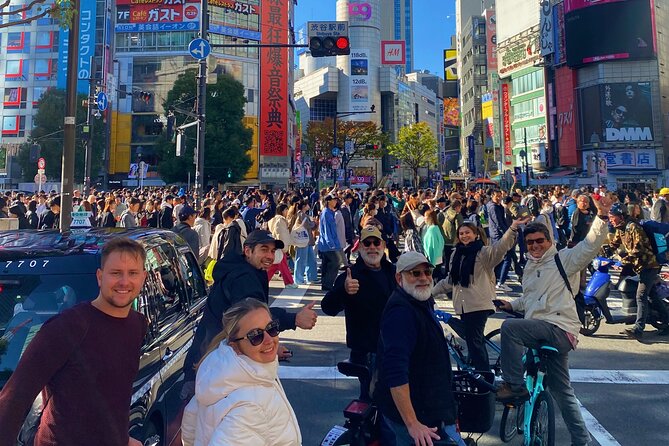
The tour is led by an English-speaking guide, and Shingo is named as the host associated with the evening. The guide also takes several photos during the tour, a useful touch when you are busy shaping sushi or singing karaoke.
Still, this is not a quiet sightseeing walk. The final two stops involve drinks, conversation, and a willingness to take part. If you prefer museums, architecture, or a carefully timed dinner, this may feel too casual. If you want to test your comfort with Tokyo nightlife without finding every place yourself, the format makes sense.
A few more Tokyo tours and experiences worth a look

Starting with sushi at Tsukiji Tamazushi
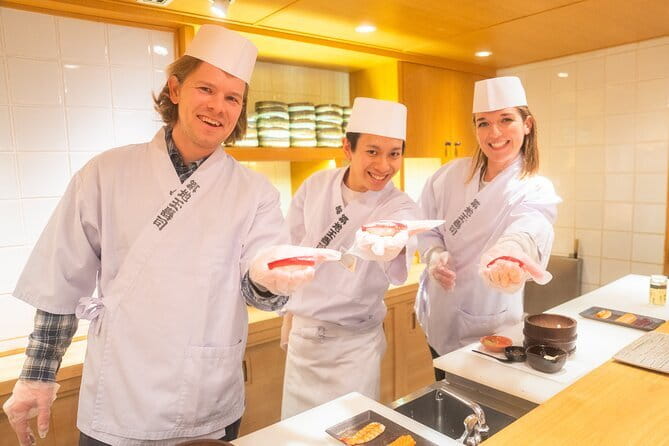
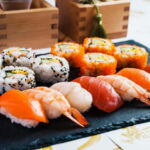
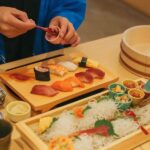
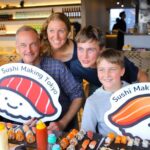
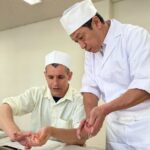
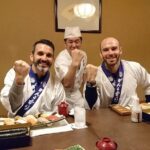
The first stop is Tsukiji Tamazushi, a sushi brand founded in 1924. The Asakusa session takes place in a dedicated sushi-making restaurant, with a professional artisan leading the lesson and an English-speaking guide helping with communication.
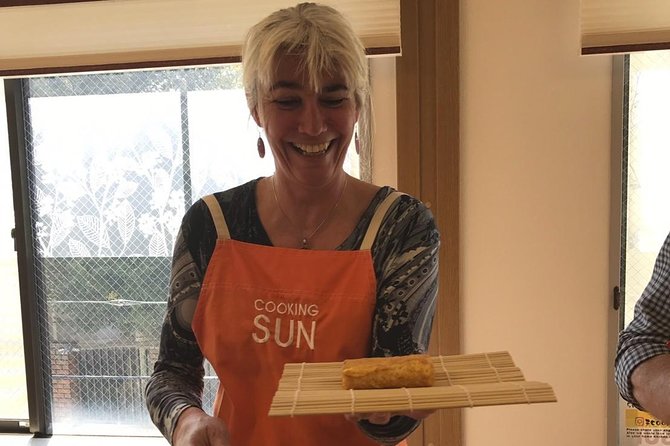
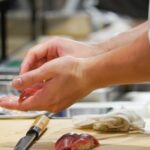
You make six pieces in all. The ingredients include tuna, salmon, shrimp, and ikura gunkan. The format gives you four styles to work with, while the total number of pieces lets you practice more than once with some of the ingredients. A chef also prepares hand rolls for you to sample.
The lesson is aimed at beginners, but it is not merely a demonstration. You take part in the shaping and assembly, then eat what you have made. One practical warning: shrimp is reported as the trickiest ingredient to handle, so do not worry if your first attempt looks more homemade than restaurant-perfect.
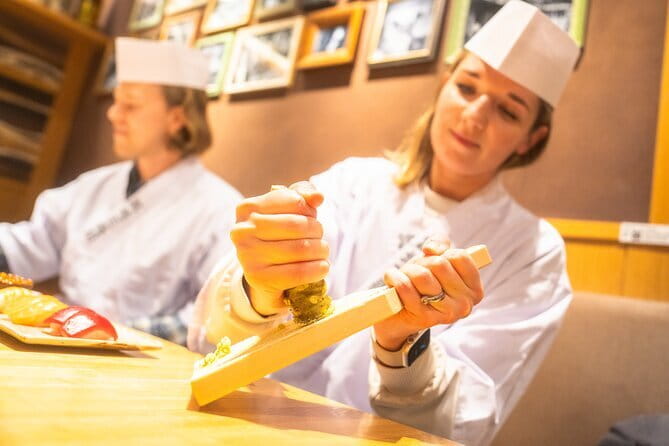
The wasabi portion adds a small but memorable cultural detail. You grind real wasabi and taste it fresh. That is different from the stronger, hotter paste often served with inexpensive sushi, and it gives the lesson a clear connection to the ingredients themselves.
You also receive a certificate of completion and an ukiyo-e coaster. These are modest souvenirs, but they suit the activity better than a generic key ring. The certificate can be fun for children, couples, or anyone who likes a physical reminder of a hands-on class.
The largest concern here is the extra charge. The tour price is listed at $88.75 per person, but the sushi-making experience is expected to cost about ¥10,000 per person, and admission is not included. Since the wording around the base price and the sushi fee may be easy to misunderstand, check the final booking details carefully before paying.
A moonlit stop at Sensoji Temple
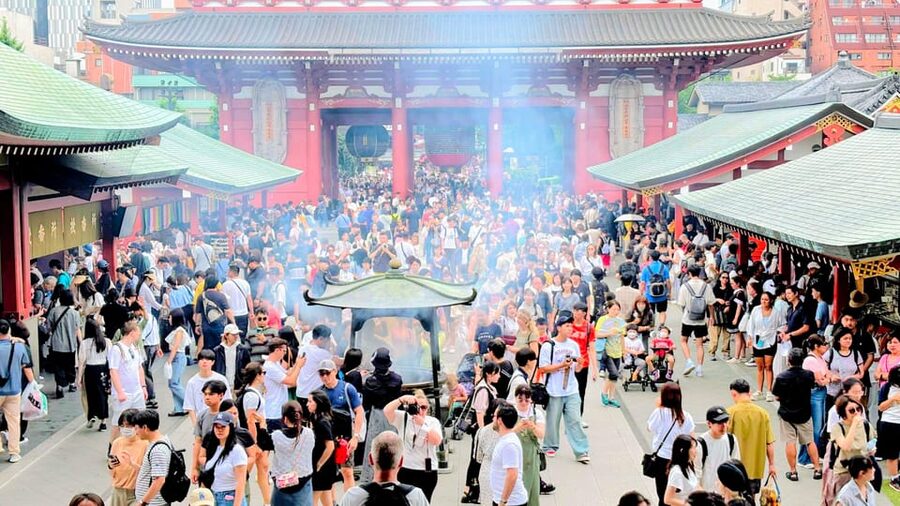
After sushi, the route moves through Asakusa toward Sensoji Temple. The temple grounds are described as quieter and illuminated at night, which changes the mood from the daytime crush around Kaminarimon Gate and the shopping streets.
You are not booking a separate temple tour here. The temple is part of the evening walk between food and drinks. That makes the stop brief, but it also keeps the night moving. You get a chance to see Sensoji in a more peaceful setting without turning the experience into a long historical lecture.
This is one of the strongest parts for photographers. The guide takes photos during the tour, and a night walk near the temple gives you a chance to enjoy the setting without managing every picture yourself. If you wear a kimono in Asakusa, the temple backdrop can make the stop especially appealing.
Keep your expectations in check. The tour does not promise extended temple access, a formal ceremony, or a detailed architecture lesson. Think of Sensoji as a well-timed pause that connects old Asakusa with the night’s food and bar culture.
Hoppy Street and the casual izakaya stop
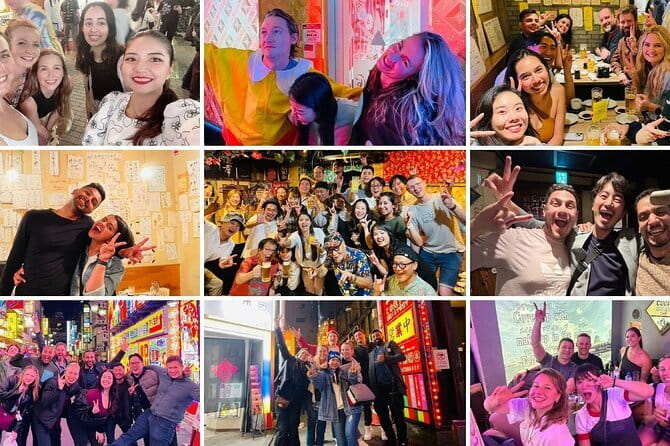
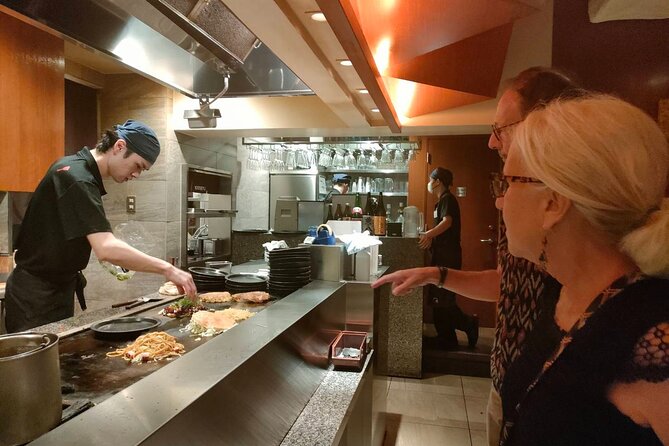
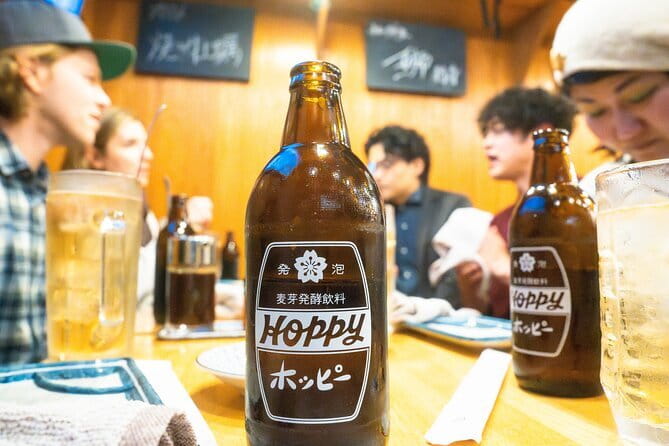
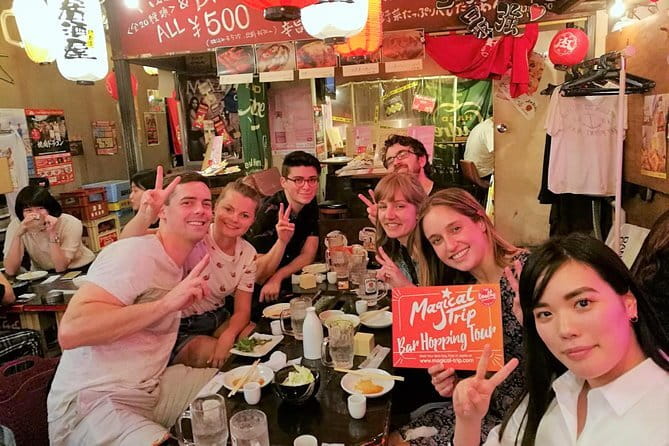
Hoppy Street takes its name from Hoppy, a beer-flavored drink that has long been linked with Tokyo’s casual dining culture. The street is known for compact izakayas, simple food, and a friendly after-work atmosphere.
This stop gives you a look at a less polished side of Tokyo dining. You are not being guided to a formal restaurant with a set menu. Instead, the appeal comes from the street, the small bars, and the chance to try dishes associated with local drinking culture.
The stated spending estimate here is ¥2,000 to ¥3,000, separate from the tour fee. That amount should help you plan, though your final bill depends on what you order. Each person pays separately at each location, so keep some flexibility in your budget and be ready to settle your own tab.
The guide’s presence matters most at this stage. Ordering at a small izakaya can be awkward if you do not read Japanese or understand the house system. Shingo Travel presents this as a place where the guide can help you enter bars that generally cater to local regulars.
That access is useful, but the setting may not suit everyone. Small izakayas can be close-quartered, noisy, and informal. You may encounter foods that are unfamiliar, and the evening is not designed around choosing only familiar dishes. If you have sushi allergies, tell the operator in advance so the menu can be adjusted. For other food concerns, ask before booking.
The snack bar and the role of the Mama
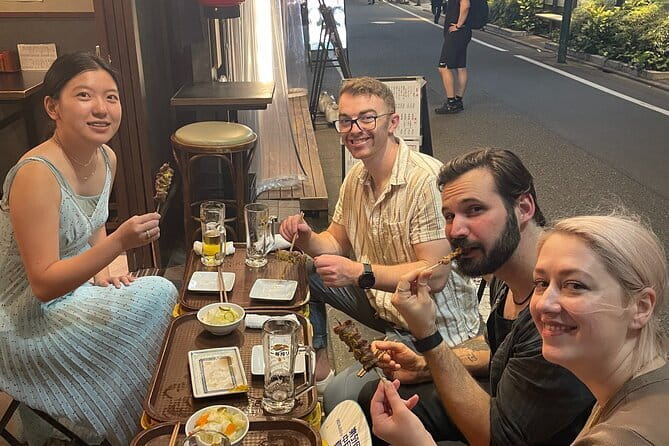
The final stop is Lounge Aries, a Japanese snack bar. The word snack can mislead English-speaking visitors. This is not a place focused on packaged snacks. It refers to a small bar often managed by a woman known as the Mama, who looks after the room, talks with customers, and helps create a familiar neighborhood mood.
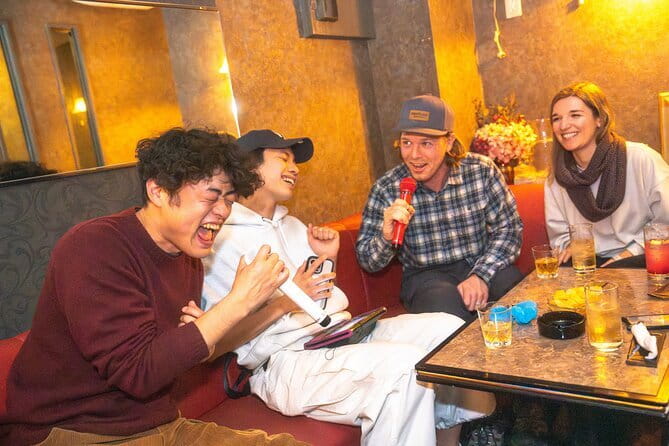
Here, you can chat with regulars, order drinks, and take part in karaoke. The setting is more intimate than Hoppy Street, so your attitude matters. You do not need to be a great singer, but you should be comfortable sharing the room with people you have just met.
The evening’s strongest social moments are likely to happen here. A guide can introduce you, explain the basic rhythm of the bar, and help you join in without feeling lost. Karaoke gives everyone a common activity, even when conversation is limited by language.
The estimated cost is ¥4,000 at the snack bar, again paid separately. Ask the guide what that amount covers when you arrive, since bar charges can work differently from a standard restaurant bill. The tour information says you should expect to spend this amount, so it is wise to treat it as part of the real cost rather than an optional afterthought.
This stop is also the clearest dividing line between cultural access and nightlife entertainment. Some people will love the warmth and informality. Others may find the room too personal or the karaoke too exposed. You can still enjoy the bar by talking and listening, but the tour works best if you are open to joining the group mood.
A few more Tokyo tours and experiences worth a look
What the full price really means
At $88.75 per person, the tour fee pays for the guided structure and the experience of moving through three different parts of Asakusa. It includes an English-speaking guide and several photos taken during the evening. It does not include food, drinks, private transport, or the listed admission costs.
The additional estimates are important:
- Sushi-making: about ¥10,000 per person
- Hoppy Street izakaya: about ¥2,000 to ¥3,000
- Snack bar: about ¥4,000
That puts the expected extra spending at roughly ¥16,000 to ¥17,000 per person, before considering currency changes or anything ordered beyond the estimate. For a couple, the added cost can quickly become significant.
Is it worth it? I think the answer depends on what you want from your night. If you only want sushi and a few drinks, you can spend less by arranging those yourself. You are paying extra here for the guide, the sushi instruction, the small group, the local introductions, and the convenience of a planned route.
The value is strongest for first-time visitors who would not feel comfortable walking into small Japanese bars alone. It is also useful for couples and families with older children who want something more active than a restaurant meal. It is less attractive if you already speak Japanese, know Asakusa well, or prefer to choose your own bars.
Timing, transport, and group size
The activity lasts about three hours. It begins at the Asakusa Police Station Hanakawado Police Box, at 1-chōme-2-1 Hanakawado, and ends at the Tsukuba Express Asakusa Station bicycle parking area at 1-chōme-25-15 Asakusa. The guide takes you to the station, which gives you a clear ending point for the rest of your night.
Private transportation is not included. The tour takes place around central Asakusa, and the meeting points are near public transportation. You should plan to arrive at the starting point with enough time to find the police box rather than rushing in at the scheduled start.
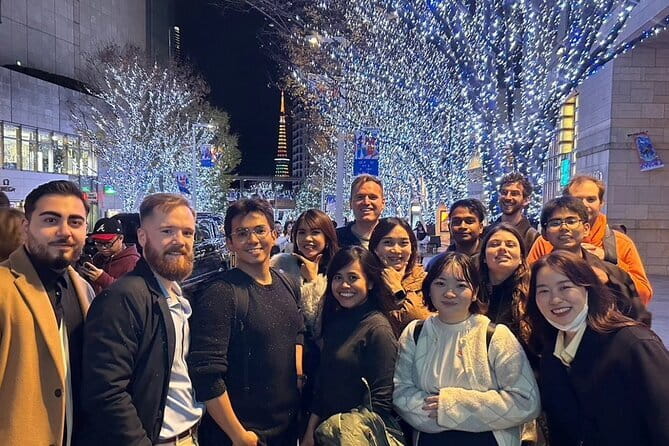
A maximum of six people is a real advantage. Sushi instruction is easier in a small group, and a compact party is less disruptive in an intimate snack bar. It also gives you more chances to ask the guide questions and talk with people in the group.
The mobile ticket keeps the booking simple, but you still need the meeting point details available on your phone. Since each stop is paid separately, bring a way to make individual payments and enough Japanese yen for the expected costs.
Who should book this night in Asakusa?
I would recommend it to couples who want a shared activity, families with older children who can take part in the sushi lesson, and solo visitors who want company for a night out. The sushi class gives the evening a clear starting point, while the bars add spontaneity.
It is a particularly good match if you are curious about Japanese drinking customs but would not know how to enter a local snack bar. The guide helps with that social step, which may be the hardest part of arranging this kind of evening on your own.
I would be more cautious about booking it for infants. Sushi-making for infants is not available, and the later bar stops are built around adult nightlife. People with sushi allergies should contact the operator before the tour so adjustments can be made.
The tour also requires some social energy. You may be asked to speak with locals or sing karaoke, and you will be sharing small spaces with others. You can participate at your own level, but this is not a passive sightseeing program.
Should you book it?
Book this experience if you want a compact, social evening that moves from chef-led sushi-making to Sensoji after dark, Hoppy Street, and a traditional snack bar. The small group and English-speaking guide are the main reasons to choose it over making separate plans.
Skip it if the extra food and drink costs push your budget too far, or if karaoke and intimate bars sound uncomfortable. Before booking, confirm the current total price, tell the operator about any sushi allergy, and plan for roughly ¥16,000 to ¥17,000 in additional spending. For the right kind of visitor, this is a lively and unusually personal way to see Asakusa after the daytime crowds fade.
FAQ
How long does the Asakusa bar-hopping tour last?
The experience lasts approximately three hours.
What is included in the tour price?
The price includes an English-speaking guide and several photos taken by the guide during the tour.
Are food and drinks included?
No. All food and drinks are separate. The sushi-making experience is expected to cost about ¥10,000 per person, the Hoppy Street izakaya about ¥2,000 to ¥3,000, and the snack bar about ¥4,000.
How many people can join the tour?
The tour has a maximum group size of six people.
Where does the tour begin and end?
It begins at the Asakusa Police Station Hanakawado Police Box, 1-chōme-2-1 Hanakawado, Taito City. It ends at the Tsukuba Express Asakusa Station bicycle parking area, where the guide takes you to the station.
Can the sushi menu be changed for allergies?
Yes. If you have a sushi allergy, tell the operator in advance so the menu can be adjusted.
Is transportation included?
No. Private transportation is not included, though the meeting points are near public transportation.
What is the cancellation policy?
You can cancel at least 24 hours before the start time for a full refund. Cancellations or changes made less than 24 hours before the start time are not refunded or accepted.
More Bar Hopping & Izakaya Tours in Tokyo
More Sushi Making Classes in Tokyo
More Asakusa Tours in Tokyo
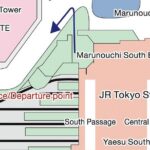
More tours in Tokyo we've reviewed












Sushi Making Classes, compared.
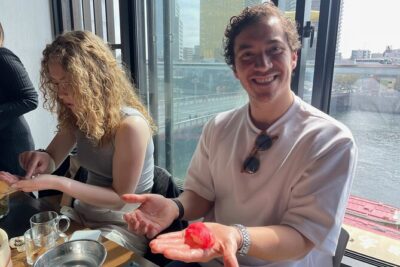 ★ 5.0Sushi Making Tokyo Roll and Authentic Japanese Sushi ClassFrom $59
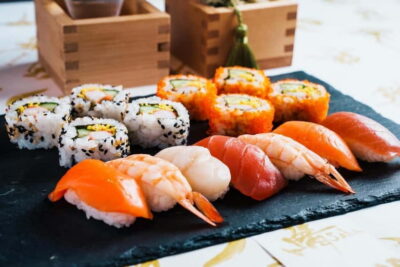 ★ 4.9Tokyo: Roll and Authentic Sushi Making Class in AsakusaFrom $581h 40m
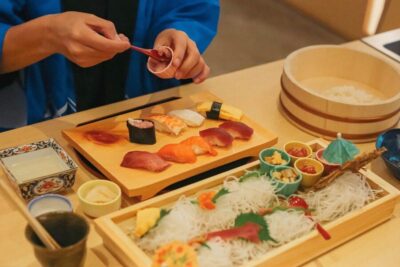 ★ 4.9Tokyo: Sushi Making Class in a Happi Coat near a Famous SpotFrom $421h 30m
 ★ 5.0Sushi Making Tokyo! Popular Maki Sushi & Japanese Sushi(+Recipe!)From $63
 ★ 5.0Tokyo Sushi Making Class in Tsukiji with Professional ChefFrom $49
 ★ 5.0Tokyo Night Foodie Tour in Shinjuku – Seasonal Sushi, Wagyu BeefFrom $111