Reviewed · TEA CEREMONY & MATCHA
Authentic Japanese tea tasting session: sencha, matcha, gyokuro
Japanese tea makes more sense when you taste its contrasts side by side. At ShiZen Tea Experience in Tokyo, Yosuke guides you through sencha, matcha, gyokuro, and other Japanese teas while explaining how farming, processing, water temperature, and region change the cup.
In This Article
- Key points at a glance
- What this Tokyo tea tasting actually does
- Meeting Yosuke in Morishita
- The tasting: sencha, matcha, gyokuro, and more
- Why the brewing method matters
- From tea farms to regional differences
- The teaching style and printed guide
- Is $90.80 good value?
- Who should book this experience?
- Practical details before you go
- Should you book the ShiZen Tea Experience?
- FAQ
- Where does the Japanese tea tasting take place?
- What time does the session start?
- How long does the experience last?
- Which teas will I taste?
- Is this a Japanese tea ceremony?
- How many people can join?
- Can I cancel for a full refund?
I like the small group of no more than four people, which gives you room to ask questions. I also like the serious range: everyday tea appears alongside premium varieties that can be unusual even for people living in Japan.
The main consideration is price. At $90.80 per person for about 90 minutes, this is not a casual cup of tea. It makes the most sense if you want a structured lesson and several tastings, not just a quick cultural stop.
Key points at a glance
- Up to 12 Japanese teas: Compare daily drinking teas with high-end selections, including sencha, matcha, and gyokuro.
- Yosuke leads the session: His careful preparation and clear explanations are central to the experience.
- A tasting class, not a tea ceremony: The focus is flavor, production, regional differences, and history.
- Very small group: The maximum is four people, making it easier to follow the lesson and ask questions.
- Useful for beginners and tea fans: You learn what the major tea names mean and what to notice in the cup.
- Morishita meeting point: The session begins and ends at ShiZen Tea Experience at 1:30 pm and lasts about 90 minutes.
What this Tokyo tea tasting actually does
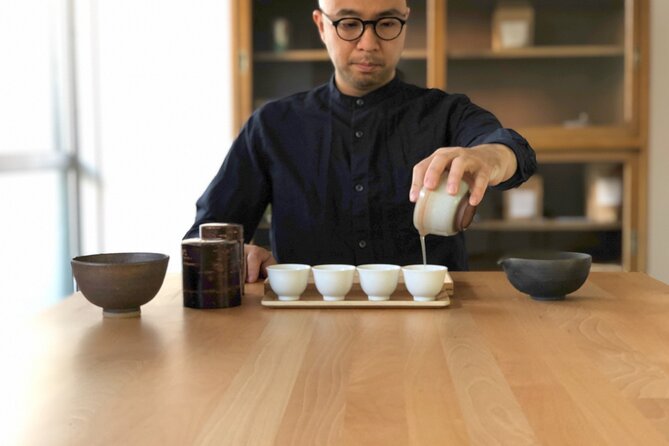
This experience is designed to answer basic questions that often get lost in a Japanese restaurant or hotel breakfast. What is sencha? Why does gyokuro cost more? How is matcha different from leaf tea? What makes one Japanese green tea taste fresh, sweet, grassy, savory, or bitter?
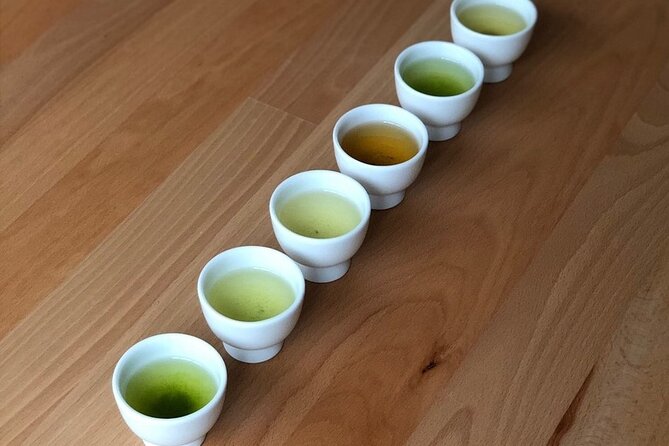
You work through a broad selection rather than tasting one tea in isolation. That matters because comparison is the lesson. A tea may seem mild or strong on its own, but its character becomes easier to understand when the next cup has a different aroma, color, texture, or finish.
The session covers 12 different types of Japanese tea according to the experience description. One detailed account records nine teas, so the exact lineup may vary by session. Either way, expect a guided selection rather than a fixed restaurant-style menu, with the goal of showing the range of Japanese green tea.
You also learn how each tea is produced and where its traditions come from. The class connects the finished drink with farming and processing, helping you understand why premium tea is not simply a more expensive version of ordinary tea.
A few more Tokyo tours and experiences worth a look

Meeting Yosuke in Morishita
You meet at ShiZen Tea Experience, at 2-chome 28-3 Morishita TM Mansion 202 in Koto City. The listed start time is 1:30 pm, and the activity returns to the same location when finished. It is near public transportation, but you should still allow time to find the building and the correct room.
This is a neighborhood setting rather than a grand tourist attraction. That suits the subject. You are going to a focused tea session, not a sightseeing show, so the modest meeting point keeps the attention on the host, the brewing, and the cups in front of you.
The maximum group size is four. That is an important detail at this price. You are not one face in a large demonstration, and the format should leave space for direct questions about flavor, preparation, or Japanese tea customs.
Yosuke is repeatedly praised for being organized, clear, and generous with his explanations. His preparation is methodical, and one session included a nine-page handout to follow during the tasting. You may find that especially useful if you want to remember the names and differences after returning home.
The tasting: sencha, matcha, gyokuro, and more
The heart of the session is the side-by-side tasting. Sencha gives you a useful reference point because it is one of the everyday Japanese teas many people encounter first. From there, the session introduces more specialized examples, including matcha and gyokuro.
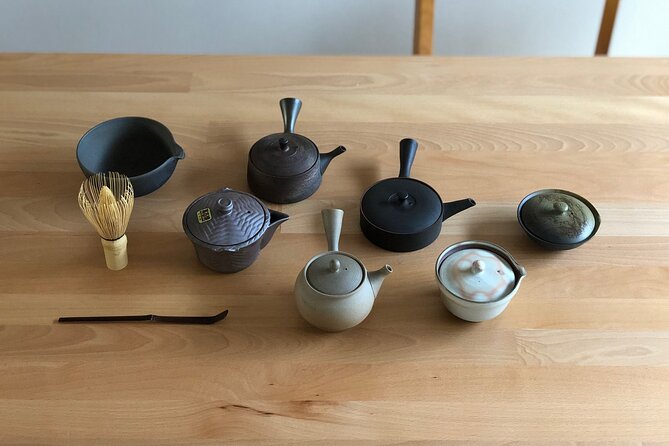
Matcha is prepared as powdered tea, while sencha and gyokuro are leaf teas. That difference alone changes the way you experience them. With matcha, you consume the tea itself in powdered form. With leaf teas, the water extracts flavor from the leaves, and brewing choices become especially important.
Gyokuro is presented as a premium tea, and tasting it beside more everyday examples helps explain why it has a higher reputation and price. You are not asked to accept the label premium without context. You get a chance to notice what changes in the cup and to connect those changes with production methods.
The session also includes teas that are unusual or special even for local tea drinkers. That gives the class more value than a basic introduction, though it may also make the experience less useful if you only want to learn one familiar tea for daily use.
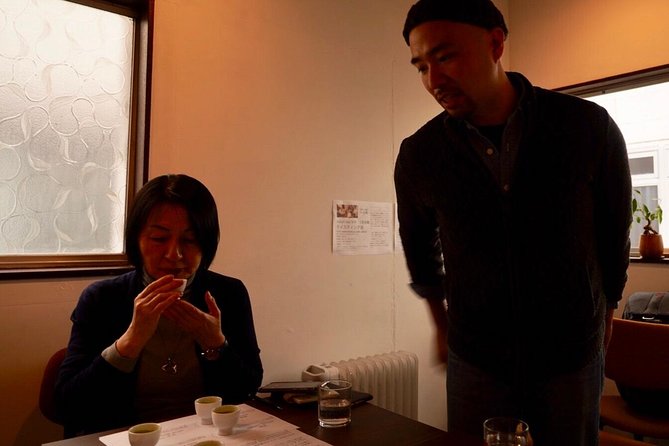
You should expect explanations with each tea rather than a tray of cups handed over without context. Yosuke discusses how the tea is made and gives its historical background, then guides you toward the features worth noticing.
Why the brewing method matters
The tasting is not only about naming tea. It also looks at preparation. You learn that different teas call for different temperatures, and one account specifically highlights temperature guidance as a useful part of the class.
That is practical knowledge. A good tea can taste harsh if brewed carelessly, while a lower-priced tea may be pleasant when prepared well. Learning the relationship between leaf, water temperature, and brewing helps you make better tea after you leave Tokyo.
Yosuke’s careful movements during preparation are part of the lesson. You see that brewing is not random, especially with fine tea. Timing, temperature, and handling all shape the result.
Do not expect a formal tea ceremony with ritualized movements, special performance, or a focus on etiquette. The host makes this distinction clear. This is a tasting and teaching session centered on production, flavor, and history. If you want a traditional ceremony, choose a different activity. If you want to understand what is in your cup, this format is more direct.
From tea farms to regional differences
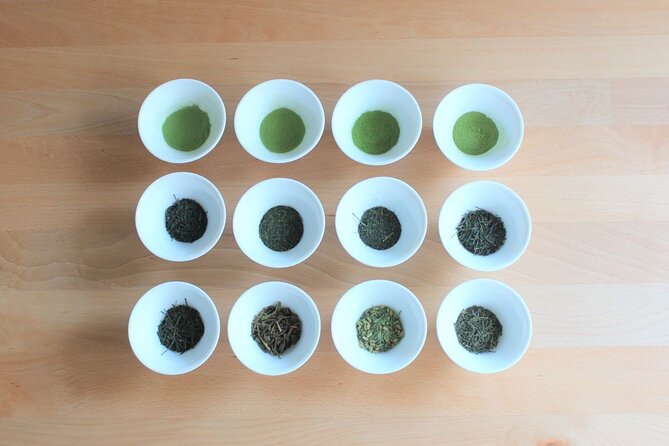
Japanese tea is not defined by one flavor. The class explains plantation locations and regional differences, giving you a wider view of tea production in Japan.
That regional angle is valuable because it keeps you from treating Japanese tea as a single category. Growing conditions, local methods, and processing choices can all affect the finished drink. You may not leave able to identify every growing area blind, but you should have a clearer sense of why origin matters.
The production discussion also gives the tasting a useful backbone. Instead of simply saying that one tea is delicate and another is strong, you learn how the leaves were treated and why that treatment affects the final flavor.
For food lovers and people interested in Japanese history, this adds context beyond the drink itself. Tea connects agriculture, daily life, trade, regional identity, and changing tastes. The session keeps that material tied to the cups, so it should not feel like a detached lecture.



The teaching style and printed guide

The strongest part of the experience is the structure. Yosuke explains the tea, prepares it carefully, and gives you a way to compare what you are drinking. His communication is clear, and his organized approach should help first-time tea tasters follow along.
The nine-page handout mentioned in one session is a useful bonus. You can use it to track the teas and write down impressions, rather than trying to remember a dozen unfamiliar names. It also makes the experience feel more like a compact class than a simple sampling.
You should come ready to ask questions. The small group makes that possible, and the host is described as willing to spend time on individual interests. If you already love Japanese tea, ask about production or brewing. If you are new to it, ask for help with the basic terms.
The pace is another strength. The session lasts about an hour and a half, enough time to cover a broad range without turning the afternoon into a full-day course. Still, 12 teas plus production and historical background is a lot of material. Take notes if you want to retain the details.
Is $90.80 good value?
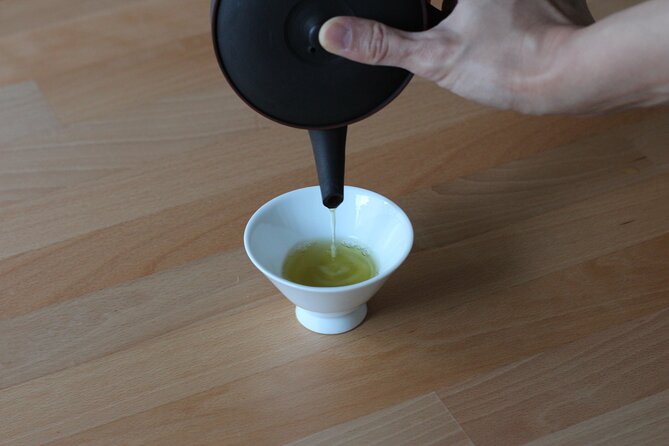
At $90.80 per person, this experience is priced above a simple tea tasting. The value comes from the number of samples, the small group, the teaching, the printed material, and the chance to taste premium teas that may be hard to find on your own.
You are paying for comparison and explanation, not just liquid. A shop may let you buy gyokuro or matcha, but it will not necessarily show you how each tea differs, explain its background, or guide you through brewing temperatures.
The price is easier to justify if you are curious about Japanese food culture, planning to buy tea in Japan, or already know you enjoy green tea. It is harder to justify if your main goal is a ceremonial experience, a sightseeing activity, or a cheap afternoon drink.
The four-person limit also matters. Private or near-private instruction usually costs more than a large group demonstration. Here, you have a better chance to ask questions and receive explanations suited to your level.
Who should book this experience?
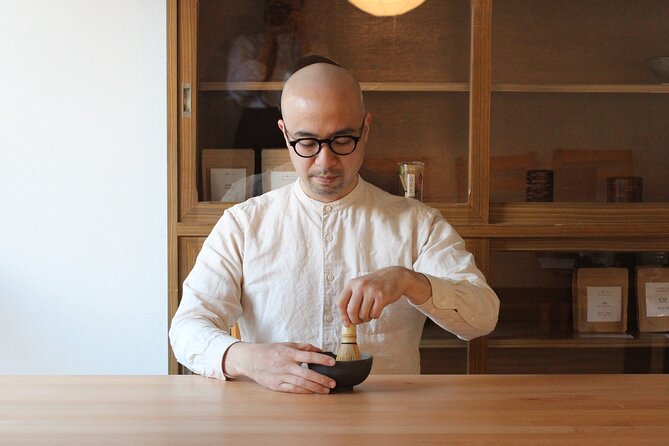
I would recommend it to tea beginners who want a clear introduction without having to research every term first. It also suits experienced tea drinkers who want to compare Japanese varieties in one sitting and learn more about farming and preparation.
Food enthusiasts should find plenty of interest here. Tea is treated as part of Japan’s food culture, not merely as a beverage. People interested in regional traditions and agricultural history will also appreciate the production and location discussions.
This is less suitable for children or anyone who dislikes tasting several caffeinated drinks in a short period. If caffeine affects you, tell the host before the session. The activity provider specifically asks caffeine-sensitive participants to give advance notice.
You should also skip it if you want a highly formal tea ceremony. The purpose here is education through tasting. That is a strength for some people and a mismatch for others.
Practical details before you go
The activity uses a mobile ticket, and confirmation is provided when you book. It starts at 1:30 pm, lasts approximately 90 minutes, and ends back at the Morishita meeting point.
Plan your route before the afternoon begins. The address is specific, and the session takes place in a building room rather than at a famous landmark. Nearness to public transportation helps, but you should not arrive at the last minute.
The experience offers free cancellation if you cancel at least 24 hours before the start time. Cancellations or changes made less than 24 hours ahead are not refunded or accepted, and the cut-off follows Tokyo local time.
Only 11 ratings are listed, but every one recommends the experience and gives it five stars. That is a small sample, so I would not treat it as proof that every tea drinker will love the format. The consistent praise for Yosuke’s organization, clear teaching, careful preparation, and range of teas does point to a well-run class.
Should you book the ShiZen Tea Experience?
Book it if you want to understand Japanese tea rather than simply drink it. The combination of sencha, matcha, gyokuro, regional background, production details, temperature advice, and a very small group gives you a solid foundation in 90 minutes.
I would especially choose it early in a Tokyo trip if you plan to visit tea shops or buy gifts later. You will have a better idea of what you like and more confidence when comparing labels.
Skip it if you want a formal ceremony, a quick inexpensive tasting, or a sightseeing tour with several city stops. At $90.80, this is a focused lesson. For the right person, that focus is exactly what makes it worthwhile.
FAQ
Where does the Japanese tea tasting take place?
It takes place at ShiZen Tea Experience in Morishita, Koto City, Tokyo. The listed address is 2-chome 28-3 Morishita TM Mansion 202.
What time does the session start?
The activity starts at 1:30 pm.
How long does the experience last?
The tasting lasts approximately 1 hour and 30 minutes.
Which teas will I taste?
The experience is described as a tasting of 12 Japanese teas, including sencha, matcha, and gyokuro. One session account records nine teas, so the exact number or selection may vary.
Is this a Japanese tea ceremony?
No. The session focuses on tasting, production methods, brewing, regional differences, and history rather than tea ceremony rituals.
How many people can join?
The maximum group size is four travelers.
Can I cancel for a full refund?
Yes, if you cancel at least 24 hours before the scheduled start time. Cancellations or changes made less than 24 hours before the experience are not refunded or accepted.
More Tea Ceremony & Matcha in Tokyo


More tours in Tokyo we've reviewed





Tea Ceremony & Matcha, compared.
 ★ 5.0Matcha Making Class in Tokyo with Authentic Japanese Sweets SetFrom $21
 ★ 5.0Kimono Tea Ceremony at Tokyo, Asakusa MaikoyaFrom $55
 ★ 5.0Tokyo: Traditional Tea Ceremony with a Tea MasterFrom $381 hour
 ★ 4.5Dynamic Tokyo: Tokyo Tower, Tea Experience, Bay Cruise Day TourFrom $99
 ★ 4.9Tokyo: Matcha Making Experience with Mochi Sweets in AsakusaFrom $221 hour
 ★ 4.7Tokyo: Matcha and Kimono ExperienceFrom $57