Reviewed · ASAKUSA TOURS
Tokyo Asakusa Half Day Walking Tour with Local Guide
Asakusa gives you old Tokyo in a compact package: a giant red gate, a temple approached through a lively shopping street, snack stalls, craft shops, and the narrow streets of historic Shitamachi. This 2.5-hour morning walk brings those pieces together with a local guide, so you spend less time puzzling over maps and more time understanding what you see.
In This Article
- Key points
- Why Asakusa works so well on foot
- Kaminarimon Gate, the theatrical entrance to Senso-ji
- Nakamise Shopping Street, with snacks at every turn
- Senso-ji, where the customs matter as much as the building
- Shitamachi streets, Kamiya Bar, and Hoppy Street
- Monja-yaki adds a useful food stop
- What the small group changes
- Is $61.78 a fair price?
- Timing, meeting point, and practical planning
- Who should book this Asakusa walk?
- Should you book the Tokyo Asakusa Half Day Walking Tour?
- FAQ
- How long does the Asakusa walking tour last?
- What time does the tour start?
- Where does the tour meet?
- Where does the tour finish?
- How many people can join the tour?
- What sights are included?
- Is lunch included?
- Can the route be customized?
I like the tiny group size, capped at five people, and the flexible route. I also like the food angle, from age-manju and ningyo-yaki to a possible Monja-yaki lunch. The main drawback is that lunch, snacks, transportation, and any paid experiences cost extra, so the $61.78 price is for guiding rather than a fully packaged outing.
Key points
- Start beneath Kaminarimon Gate: Meet at the Asakusa Culture Tourist Information Center at 9:30 am, beside the famous entrance to Senso-ji.
- A small group of up to five: You get room to ask questions and request changes to the route.
- Nakamise is part food walk, part shopping stop: Try age-manju, kibidango, ningyo-yaki, matcha, and Kaminari Okoshi while browsing fans and leather goods.
- Senso-ji includes customs, not just photos: Your guide explains how to worship, draw a fortune, and make a prayer.
- Shitamachi adds local texture: The walk continues beyond the main sights toward Kamiya Bar and Hoppy Street.
- Lunch is optional and self-paid: Monja-yaki is suggested, but food and drink are not included.
Why Asakusa works so well on foot
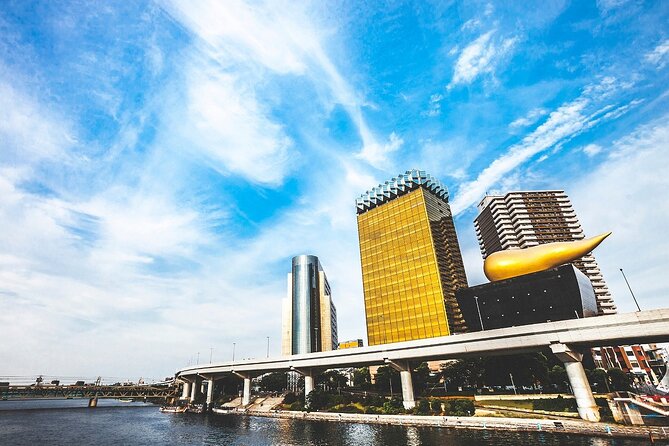
Asakusa is one of Tokyo’s easiest districts to appreciate without a train timetable. The main sights sit close together, yet each stop offers a different view of the neighborhood. You begin at the Asakusa Culture Tourist Information Center, then head toward Kaminarimon Gate, the huge Thunder Gate that announces Senso-ji.
That starting point matters. If you walked into Asakusa alone, you could easily snap a photo of the gate and hurry on. A guide can put the symbols and temple customs into context before you reach the main grounds. The experience is less about covering miles and more about knowing what you are looking at.
The 9:30 am start also gives you a useful first look at Asakusa before the day gets too far along. You finish at the same meeting point, which keeps the outing simple if you have other plans in Tokyo.
A few more Tokyo tours and experiences worth a look


Kaminarimon Gate, the theatrical entrance to Senso-ji
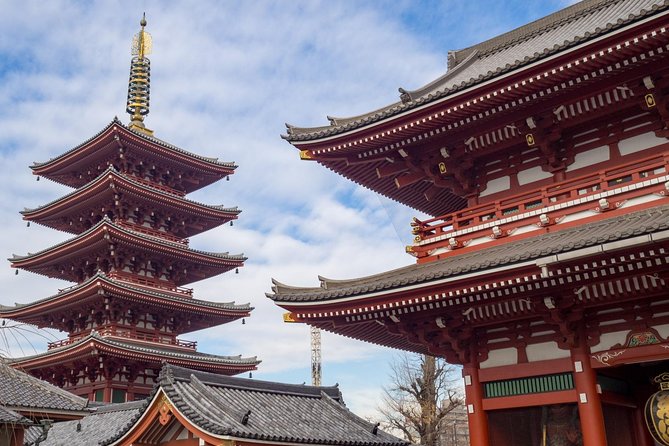
Kaminarimon means Thunder Gate, and it is the visual calling card of Asakusa. The gate marks the entrance to Senso-ji, one of Tokyo’s oldest temples, and its scale makes an immediate impression.
Your guide begins here, using the gate as an introduction to the district and to Senso-ji itself. This is a good place to ask basic questions about the temple, the meaning of the gate, and the difference between simply viewing a Japanese religious site and behaving respectfully within it.
The stop is short in physical terms, but it sets the tone for the rest of the morning. You are not only collecting photographs. You are learning how the temple area is arranged and why the approach through Nakamise matters.
Nakamise Shopping Street, with snacks at every turn
From Kaminarimon, you continue along Nakamise Shopping Street. This is the most obvious shopping section of the walk, with specialty stores aimed largely at people looking for traditional Japanese treats and souvenirs.
The food list gives you a sense of the stop’s character. You might sample age-manju, a deep-fried sweet bun, or kibidango, millet dumplings. Ningyo-yaki are small doll-shaped cakes, while matcha gives you a familiar taste of Japanese tea culture. Kaminari Okoshi, a sweet rice cracker, is another local-style snack to look for.
I like this part because it makes the district tangible. You are not hearing only dates and temple facts. You can taste something, examine packaging, and decide what is worth carrying home. The tour also points out craft shops, including Bunsen-do for folding fans and Bunkoya-Ozeki for leather items.
Keep your expectations sensible. Nakamise is a popular shopping street, not a quiet artisan quarter. Some goods are designed for tourists, and the route may feel busy. Still, a guide helps you sort useful souvenirs from quick purchases and explains the purpose of items that might otherwise look decorative or unfamiliar.
Because food and shopping are not included in the tour price, bring extra yen or another accepted payment method for anything you want to try or buy. The guide fee covers the walk, not the snacks.
Senso-ji, where the customs matter as much as the building
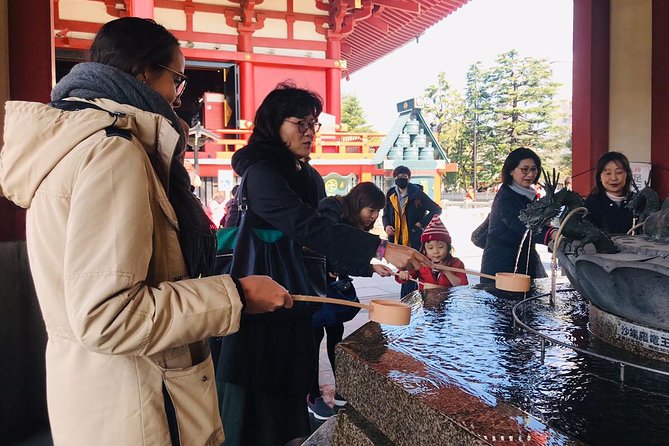
Senso-ji is the heart of the experience. It is one of Tokyo’s oldest temples, but the value of this stop comes from more than its age or appearance. Your guide explains how to worship before you enter the temple area, giving you a practical way to take part without guessing.
You can draw a fortune and make a prayer at Senso-ji. Those simple actions are easier to appreciate when someone explains the proper approach and cultural meaning. You also have a chance to ask questions in the moment, which is especially useful if this is your first temple visit in Japan.
The tour does not promise an extended religious lecture, and the overall time is limited. You should think of this as a clear introduction rather than a specialist study of Buddhist practice. Still, the guide’s explanation can change the stop from a quick photo opportunity into a more respectful visit.
Past guides have included Hana, Shino, and Kurumi. The feedback attached to their tours highlights patient explanations, friendly personalities, and strong attention to Japanese history and customs. Since guides can vary, you should not assume you will receive one particular person, but the named experiences suggest a warm, personal style is part of the offering.
Shitamachi streets, Kamiya Bar, and Hoppy Street
After the main temple area, the walk shifts toward Shitamachi. The word refers to the old downtown districts of Tokyo, and this portion gives the tour a different rhythm from the grand temple entrance and souvenir street.
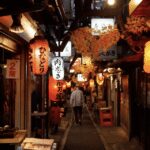
The route includes the oldest Kamiya Bar and Hoppy Street. These places point toward the everyday side of Asakusa, with its older eating and drinking culture. You get a look at a district shaped not only by temples and souvenir shops but also by long-running local businesses and casual neighborhood life.
This is where the small group becomes especially useful. A group of five can pause without blocking a large section of pavement, and you can ask why a particular street, bar, or food custom matters. The route is also flexible, so you can request places you would like to see. The guide then sets up the walk around those interests.
That flexibility has limits. The tour lasts about two hours and thirty minutes, and the supplied route is an example rather than a guarantee of every possible stop. If you want to spend a long time shopping or taking photos, you may need to choose between depth and coverage.
Other walking tours we've reviewed in Tokyo


Monja-yaki adds a useful food stop
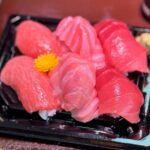
The experience includes a savory Monja-yaki pancake lunch as a suggested part of the outing, but you pay for it yourself. Monja-yaki is associated with Tokyo-style casual eating and is a fitting choice after a morning spent exploring old Asakusa streets.
The important practical point is that the meal is not included in the $61.78 fee. The same applies to food, drinks, transportation, and other experience costs. Ask your guide how the lunch fits into the day, especially if you have dietary limits or a tight schedule.
I see the self-paid lunch as a strength for some people and a drawback for others. It keeps the base price clear and gives you control over what you order. On the other hand, anyone expecting a complete food tour should budget beyond the advertised price.
What the small group changes
The tour allows no more than five people. That is a real advantage in Asakusa, where the main approach to Senso-ji and Nakamise can become crowded.
You have a better chance to hear explanations clearly and ask about details that interest you. If you care about temple etiquette, traditional shopping, or the difference between a snack and a souvenir, this format gives you more space than a large coach excursion.
The route can also be customized on request. You are invited to name places or subjects you would like to include, and the guide arranges the itinerary accordingly. The safest approach is to make requests before the walk or at the start, since two and a half hours passes quickly.
This is not a private tour, so the group may include other people. The maximum of five keeps it intimate, but it does not guarantee that every minute will be planned around your personal interests.
Is $61.78 a fair price?
At $61.78 per person, the price is reasonable if you value interpretation and a well-organized introduction to Asakusa. You are paying for a local guide, a compact route, cultural explanations, and the chance to adjust the walk to your interests.
The value is strongest for a first visit. If you already know Senso-ji, Nakamise, and the surrounding streets well, you may find it harder to justify the fee, especially since admission, lunch, snacks, and transportation are not included. The listed temple visit does include the guide-led stop, but the experience is primarily a walking tour rather than a package with many paid inclusions.
Think of it as a strong orientation. Afterward, you can return to the shops or temple on your own with a much better sense of what deserves your time. Guides such as Hana, Shino, and Kurumi have been praised for pleasant, patient explanations, which is exactly the service you are buying.
Timing, meeting point, and practical planning
You meet at 9:30 am at the Asakusa Culture Tourist Information Center, located at 2-chome-18-9 Kaminarimon, Taito City, Tokyo 111-0034. The tour ends back at this same meeting point.
That return point is convenient if you want to continue exploring Asakusa afterward. It also avoids the uncertainty of ending in an unfamiliar part of Tokyo. Public transportation is nearby, though transportation to and from the tour is not included.
Most people can participate, and the activity requires good weather. If poor weather forces a cancellation, you are offered another date or a full refund. The operator can also cancel if the minimum number of people is not reached, with a different date, another experience, or a full refund offered.
The stricter part of the policy is that the booking is non-refundable and cannot be changed for any reason if you cancel or request an amendment. Book only when your Tokyo schedule is firm.
Who should book this Asakusa walk?
I would choose this tour if you are visiting Asakusa for the first time and want a clear introduction without committing to a full-day program. It suits people who enjoy history, temple customs, traditional snacks, and neighborhood wandering but do not want to decode the district alone.
It is also a good fit for couples, families, and small parties who prefer to ask questions as they go. The small-group limit and route flexibility are more useful here than a long list of included attractions.
You may want to skip it if you prefer to explore at your own pace, dislike shopping streets, or already know the main Asakusa sights. The short duration also means you will get a fast overview, not a slow, exhaustive examination of every temple building and side street.
Should you book the Tokyo Asakusa Half Day Walking Tour?
Book it if you want personal guidance through the customs and stories behind Asakusa, not just a checklist of famous sights. Kaminarimon, Nakamise, Senso-ji, and Shitamachi make a sensible half-day route, and the five-person maximum keeps the walk from feeling impersonal.
The best reason to go is the combination of practical temple instruction, local food suggestions, and flexible conversation. Just budget separately for lunch and purchases, confirm your plans before booking, and remember that the route can change according to your requests. For a first morning in Asakusa, that is a useful trade.
FAQ
How long does the Asakusa walking tour last?
The tour lasts approximately two hours and thirty minutes.
What time does the tour start?
The tour starts at 9:30 am.
Where does the tour meet?
You meet at the Asakusa Culture Tourist Information Center, 2-chome-18-9 Kaminarimon, Taito City, Tokyo 111-0034, Japan.
Where does the tour finish?
The activity ends back at the meeting point in Asakusa.
How many people can join the tour?
The tour has a maximum of five people.
What sights are included?
The example route includes Kaminarimon Gate, Nakamise Shopping Street, Senso-ji Temple, and a walk around Shitamachi, including the oldest Kamiya Bar and Hoppy Street.
Is lunch included?
No. Monja-yaki lunch may be part of the suggested experience, but lunch, food, and drinks are paid for separately.
Can the route be customized?
Yes. You can request places you would like to visit, and the guide will arrange the itinerary around your requests.
More Guided Tours in Tokyo


More Walking Tours in Tokyo
More Asakusa Tours in Tokyo
More tours in Tokyo we've reviewed












Asakusa Tours, compared.
 ★ 4.8Tokyo: Japanese Dance Cabaret Theater Asakusa-Kaguwa TicketFrom $492 hours
 ★ 4.7Tokyo: Meiji Shrine, Asakusa, Skytree Bus Tour and CruiseFrom $12210 hours
 ★ 4.9Tokyo: Roll and Authentic Sushi Making Class in AsakusaFrom $581h 40m
 ★ 4.8Tokyo: Asakusa Walking Tour with Sensoji Temple VisitFrom $222 hours
 ★ 5.0Tokyo Asakusa Rickshaw TourFrom $42
 ★ 4.5Tokyo Panoramic 1 Day: Meiji Shrine, Asakusa, Odaiba and SKYTREE®From $85