Reviewed · 3-HOUR EXPERIENCES
Tokyo Like a Local: Private & Personalised Experience (2-3 hours)
Tokyo can feel like several cities stitched together by an enormous rail system. This private 2 to 3 hour orientation gives you a local guide to help make sense of it, from finding the right platform to choosing a neighborhood that fits your interests.
In This Article
- Key points at a glance
- The real strength: a personal Tokyo orientation
- How the flexible itinerary works
- Shibuya: Hachiko, the crossing, and modern Tokyo
- Asakusa: Senso-ji and the old streets
- Harajuku and nearby areas
- Food, shopping, and everyday Tokyo
- What the guides add to the experience
- Pace, transport, and physical demands
- Price and value at $107.20 per person
- Who should book it
- Booking advice and cancellation terms
- Should you book Tokyo Like a Local?
- FAQ
- How long does the Tokyo Like a Local experience last?
- Is this a private tour?
- Where does the tour start?
- Does the tour include hotel pickup?
- Is transportation included?
- Are food, drinks, or attraction tickets included?
- Can I choose what I see?
- Is the experience suitable for families?
- What is the cancellation policy?
I like the flexible plan and the practical help. Guides such as Saito, Shoko, Susumu, and Hiroto have helped people buy train tickets, order food, understand local manners, and find places they would not have reached alone. The private format also works well for families, seniors, and anyone who wants to move at a comfortable pace.
The main catch is scope. A walking tour of Tokyo cannot cover much of this huge city in a few hours, and public transport or taxis cost extra. You should also give the company very clear requests before the tour and confirm them with your host.
Key points at a glance
- Learn Tokyo’s rail system early: Your host can help you buy tickets and understand how to move around the city.
- Choose the area and theme: Ask for Shibuya, Asakusa, food, temples, shopping, parks, nightlife advice, or quieter streets.
- Get a private host: Only your group takes part, making it easier to adjust the pace and change plans.
- Start with practical Tokyo tips: Guides can explain manners, food customs, local shopping, and useful places for the rest of your stay.
- Expect walking, not a private car: Transfers may use trains or local taxis, with those costs paid separately.
- Best value on your first day: The tour can save time later by showing you how to navigate Tokyo with more confidence.
The real strength: a personal Tokyo orientation
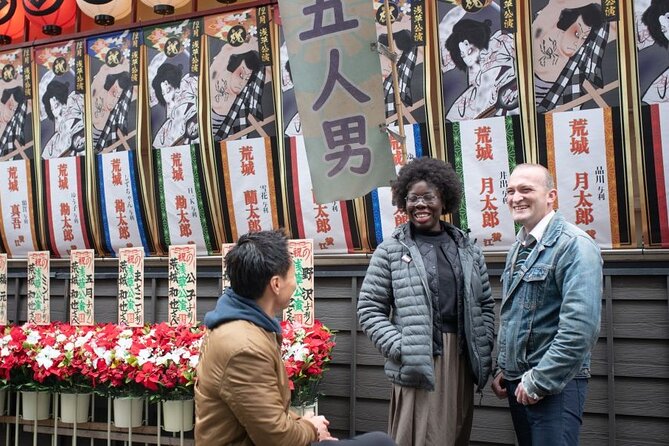
I would think of this experience less as a standard sightseeing tour and more as a private introduction to daily life in Tokyo. You are not simply led from one famous place to the next. Your host can help you decide what makes sense for your trip, then show you how to get around.
That distinction matters. Tokyo’s rail network is fast and reliable, but it can look intimidating at first. Different companies operate different lines, stations can have several exits, and a short trip may require careful attention to signs and platforms. A guide who helps you buy tickets and follow the route gives you a useful skill, not just a few hours of sightseeing.
The best time to book is usually near the beginning of your stay, especially if Tokyo is your first Japanese city. You can use the rest of your holiday to revisit an area, find a restaurant, or travel to another part of the city without needing a guide at every turn.
The host contacts you after booking and sends a short questionnaire. Take this seriously. Tell the company what you care about, your walking comfort, your food interests, the ages of people in your group, and any must-see places. Specific requests tend to produce a better day than a vague wish to see the best of Tokyo.
Other private tours in Tokyo


How the flexible itinerary works
The exact route depends on your answers and the host you are matched with. The supplied route examples include Shibuya, Asakusa, Harajuku, Minato, Akihabara, fish markets, parks, temples, shrines, and shopping streets.
You should not expect to see every one of those places in a 2 to 3 hour session. Shibuya and Asakusa are separate areas, and even one district can fill an afternoon. Ask for one main neighborhood or for a practical goal, such as learning the train system while visiting Senso-ji.
A good plan might pair a famous sight with useful local advice. In Asakusa, you could visit Senso-ji, walk along Nakamise-dori, and learn how to approach a Buddhist temple. In Shibuya, you might see Hachiko, cross Shibuya Scramble, and get help finding the right train line afterward.
If food matters most, say so clearly. A guide may help you choose where to eat, order a dish, or identify local snacks. One host took a family to a fish market, where they tried omelette on a stick, then pointed out a tea shop serving traditional sweets. Another guide helped a group order food and find everyday items at Don Quijote.
These details are valuable because they help you function in Tokyo. You are learning how to read a menu, ask for help, shop for basics, and make choices after the host has gone.
Shibuya: Hachiko, the crossing, and modern Tokyo
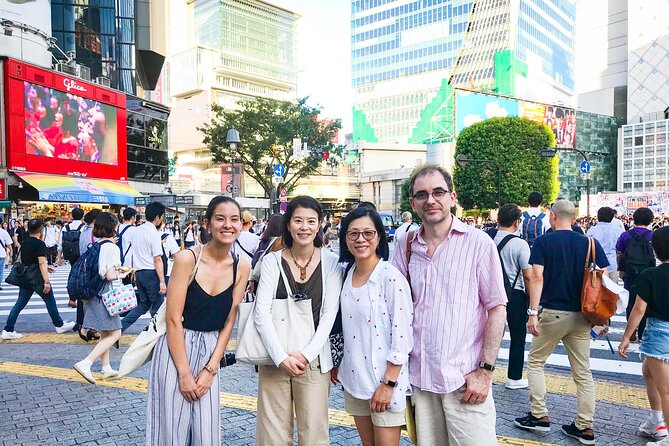
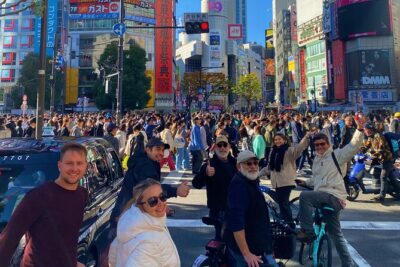
Shibuya is one of the clearest choices if you want an energetic first look at present-day Tokyo. The usual sights here include the Hachiko statue, Shibuya Scramble, and the shopping streets around the station.
Hachiko is more than a quick photo stop. The statue commemorates the loyal dog associated with a famous story of devotion and friendship. Your host can explain its place in Japanese popular culture before guiding you through one of the busiest pedestrian crossings in the world.
Shibuya Scramble is easy to experience but not always easy to navigate. The crossing itself takes only a moment, while the surrounding station and streets can be confusing. A host can help you understand where you are and how to get back to the correct exit, which is more useful than simply pointing out the intersection.
The shopping streets offer fashion, food, and youth culture. They can also feel crowded and commercial, so this area may not suit you if your main interest is quiet temples or old Tokyo. Tell your host if you want smaller backstreets or a less obvious stop nearby.
Shibuya works particularly well for teenagers and first-time visitors who want a strong sense of Tokyo’s modern side. It is also a practical place to learn how a major station works, though you should expect plenty of walking and foot traffic.
Asakusa: Senso-ji and the old streets
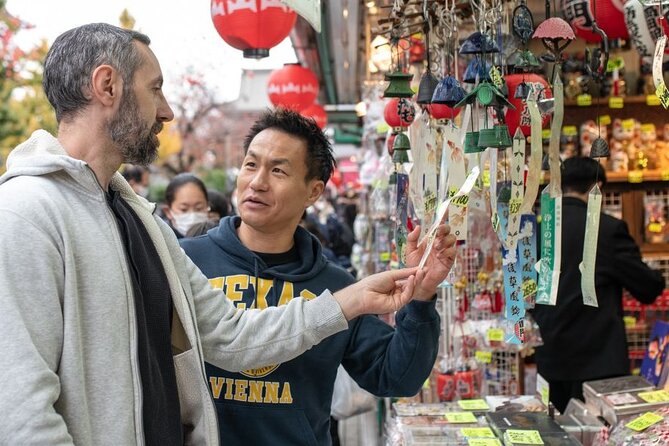
Asakusa gives you a different view of the city. Senso-ji is Tokyo’s oldest and best-known Buddhist temple, and the approach along Nakamise-dori is lined with food stalls, crafts, and souvenir shops.
A host can explain the customs that make a temple visit more meaningful. You may learn how to behave at the entrance, where to pause, and how the temple precinct differs from a simple sightseeing photo stop. The value here comes from context and small observations, not just the building itself.
Nakamise-dori is lively and traditional, but it is also a shopping street aimed partly at visitors. I would use the host to look beyond the obvious purchases. Ask which snacks are worth trying, what makes a craft distinctive, and where you might find a quieter corner after the main temple visit.
Asakusa is a strong choice for families because the sights are easy to understand and the food stops can keep children interested. One guide was praised for introducing a family to many new foods and keeping a toddler involved. The private format lets you pause, shorten a stop, or give a child time to play rather than forcing everyone through a fixed schedule.
The drawback is distance. If you also want Shibuya, Akihabara, and the Imperial Palace, the time spent crossing Tokyo can eat into the walking portion. Pick Asakusa on its own if the temple district is your priority.
Harajuku and nearby areas
The stated meeting point is NewDays Harajuku, near the Omotesando Exit, at 1-18-20 Jingumae, Shibuya, Tokyo 150-0001. This makes Harajuku a natural starting area, although your final plan should be confirmed with your host.
Harajuku can suit several interests. You might focus on shopping and street culture, walk toward quieter religious sites, or use the area as a starting point for nearby neighborhoods. Since the tour is custom, the useful question is not simply what is famous here, but what fits your wider trip.
Ask your host to explain the transport options from the meeting point and to show you how to return there. The experience ends back at the meeting point, so this is not a drop-off at your hotel unless you arrange something directly with the host.
The meeting location may be less convenient if your accommodation is far from Harajuku. Pickup is offered, but the experience information also identifies NewDays Harajuku as the start point, so do not assume a private vehicle or automatic hotel transfer. Clarify the pickup details before the day.
A few more Tokyo tours and experiences worth a look




Food, shopping, and everyday Tokyo
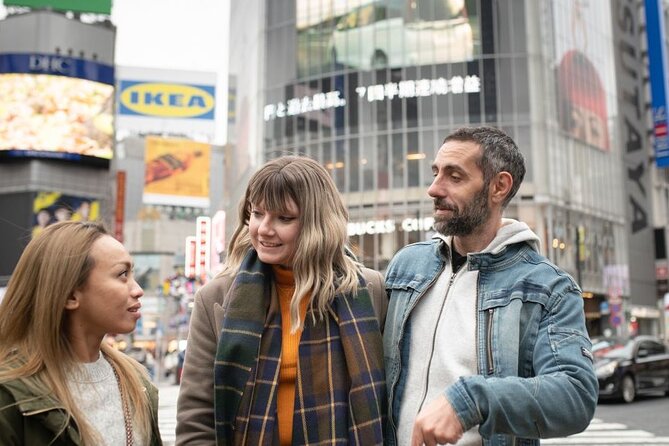
This experience can be especially useful if you care more about eating and shopping than checking off monuments. Your host can suggest places to eat, explain local customs, and point you toward stores that match your interests.
Past hosts have helped people find sushi near a fish market, buy basics at Don Quijote, sample traditional tea and sweets, and explore a maid café in Akihabara. These are not guaranteed stops. They show the range of requests the format can handle when you state them in advance.
I would give your host a short list rather than a long catalog. For example: find a casual lunch, learn how to order, visit one temple, and understand the subway route back to my hotel. That gives the host a clear shape for the time.
Shopping requests need the same care. If you want manga, fashion, kitchen goods, cosmetics, or snacks, name the category. One family hoped to visit a bookstore for My Hero Academia manga, but the request was forgotten during the outing. A final check of your must-see list can prevent that sort of miss.
Food and shopping purchases are not included in the price. The same applies to drinks and attraction tickets, so carry a payment method for anything you choose along the way.
What the guides add to the experience
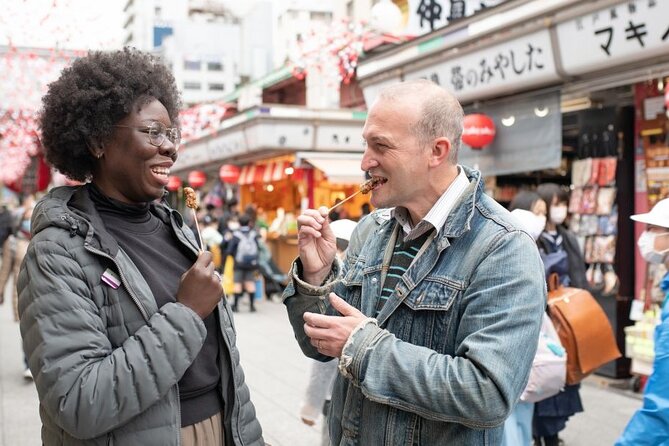
The host is the central variable. Strong matches have made this feel like time with a helpful local friend rather than a formal lecture.
Susumu, for example, was praised for helping a parent and 13-year-old son get oriented, combining famous sights with everyday Tokyo, and explaining how to operate in Japan. Saito helped with subway tickets and cultural tips. Shoko adjusted plans and continued sending useful store suggestions after the tour.
Other guide experiences show the range of the service. Ayaka combined a fish market, Kabuki theater, tea shop, Imperial Palace, and gardens after the guest decided to extend the time. Mark adapted to a late-arriving passenger during a short Tokyo layover. Apy took extra care with older guests who found the subway system overwhelming.
The guides are not all specialists in every subject. One outing suffered from weak planning, a closed temple stop, and repeated use of Google for answers. Another experience was described as merely adequate because the guest had not been specific enough about the desired focus.
That is why your preparation matters. If you want detailed temple history, anime, food, nightlife, gardens, or architecture, ask for a host with that interest. Also confirm the route when you first meet.
Pace, transport, and physical demands
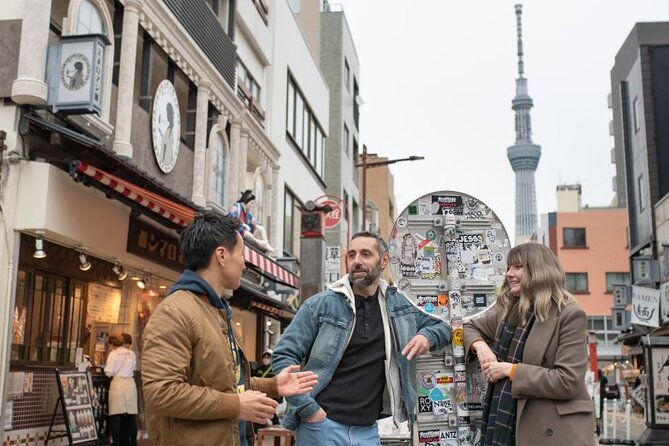
This is primarily a walking experience. Public transport or local taxis may be used to move between areas, and those costs are additional. The provider does not supply a private vehicle.
The wording pickup offered can create the wrong expectation. One family expected a vehicle and instead had to arrange its own transportation. Treat pickup as something to confirm, not as a promise of car service.
A 2 to 3 hour tour may sound relaxed, but Tokyo stations and long pedestrian routes can add effort. Seniors and families can still enjoy it, especially if they request a slower pace and fewer stops. A private host can make those changes more easily than a large group tour.
I would avoid planning a long cross-city route. Choose one district, or two nearby goals, and leave room for the practical teaching that makes this experience worthwhile. Racing between famous sights defeats the point.
Price and value at $107.20 per person
At $107.20 per person, this is not a cheap way to see Tokyo’s headline sights. You still pay for food, drinks, tickets, trains, and taxis, and the session may last only two hours.
The value improves if you use the time as a city lesson. A host can help you buy a rail ticket, explain a route, show you how to order food, and give recommendations for the rest of your stay. That can save time and reduce mistakes over several later days.
The private setup also matters. Only your group participates, so you are not waiting for strangers or following a fixed pace. For a family with a young child, a group with different walking abilities, or a couple with a narrow interest, this flexibility can justify the price.
Group discounts are available, though the exact saving is not provided. Compare the total cost for your party before booking. A solo visitor pays the full per-person rate for one person, while a larger private group may get better value if the discount applies.
You also receive flexible start times and direct communication with the host. That is useful after a long flight, when jet lag or arrival times may make a rigid morning departure less appealing.
Who should book it
I would recommend this for a first visit to Tokyo, especially if you arrive feeling unsure about trains, food customs, or neighborhood choices. It suits people who want a practical start and plan to explore independently afterward.
Families can benefit from the private pace. Parents can request a child-friendly route, food stops, and time away from the stroller. Seniors may appreciate help with stations and a plan that avoids too much rushing.
It also fits a short visit or layover. Mark’s flexible meeting time helped someone make use of a 12-hour stop, though you should allow enough time for your own airport and hotel arrangements.
This is less suitable if you want a fixed, fully researched historical tour with guaranteed stops and a specialist guide. It is also a poor fit if you expect an air-conditioned vehicle or a grand tour covering all of Tokyo.
The service has a 90 percent recommendation rate and a 4.6 rating from 81 ratings, but those figures should not replace careful planning. The experience depends heavily on the host match, communication, and the clarity of your requests.
Booking advice and cancellation terms
After booking, complete the questionnaire with real detail. Include your interests, must-see places, food needs, walking limits, children’s ages, and preferred pace. Ask direct questions about the host’s experience with your topic.
Confirm the meeting point, pickup arrangement, transport costs, and final route. The listed start is NewDays Harajuku, and the activity ends back at the meeting point. Service animals are allowed, the start is near public transport, and most people can participate.
You can cancel for a full refund up to 24 hours before the start time. Changes or cancellations inside that 24-hour window are not accepted for a refund. The experience requires good weather, and poor weather may lead to a different date or a full refund.
Should you book Tokyo Like a Local?
Book it if you want a useful first-day lesson in Tokyo, not a race through every major attraction. The best outcome is a private host who helps you understand the rail system, sets a sensible neighborhood route, introduces you to local food, and leaves you with ideas for the rest of your stay.
To get that outcome, request a clear theme and keep the route realistic. I would choose Shibuya for modern Tokyo, Asakusa for temples and traditional streets, or a food and shopping focus if daily life matters more than monuments.
Skip it if you want guaranteed specialist commentary, private transport, or a fixed sightseeing program. For everyone else, the price can be worthwhile when you treat the tour as an investment in navigating Tokyo on your own.
FAQ
How long does the Tokyo Like a Local experience last?
The experience lasts approximately 2 to 3 hours. Flexible durations are available when you book, so confirm the exact length you want.
Is this a private tour?
Yes. This is a private activity, and only your group participates.
Where does the tour start?
The listed meeting point is NewDays Harajuku, near the Omotesando Exit, at 1-18-20 Jingumae, Shibuya, Tokyo 150-0001. Confirm the final meeting details with your host.
Does the tour include hotel pickup?
Pickup is offered, but a private vehicle is not included. Confirm whether your host will meet you at your hotel or at the listed meeting point.
Is transportation included?
No. The experience is mainly on foot. Public transport or local taxis may be used between sites, and those costs are additional.
Are food, drinks, or attraction tickets included?
No. You pay separately for food, drinks, and tickets to attractions.
Can I choose what I see?
Yes. The tour is customized around your interests and preferences. You receive a questionnaire after booking, and your host contacts you to plan the route.
Is the experience suitable for families?
Most people can participate, and the private format allows the pace and route to be adjusted. Service animals are allowed. Tell the host about children and mobility needs before the tour.
What is the cancellation policy?
You can cancel at least 24 hours before the start time for a full refund. Cancellations or changes made less than 24 hours before the start time are not accepted for a refund. If poor weather cancels the experience, you can receive a different date or a full refund.
More 3-Hour Experiences in Tokyo
More Private Tours in Tokyo

More tours in Tokyo we've reviewed












3-Hour Experiences, compared.
 ★ 5.0Tokyo Top Highlights 3h Guided E-bike TourFrom $63
 ★ 5.03h Tokyo E-Bike Tour: Hidden Gems, and Local Life with guideFrom $63
 ★ 4.8Tokyo: 3-Hour Bike or E-Bike City Highlights TourFrom $453 hours
 ★ 4.8Tokyo: 3-hour Guided E-Bike Tour of the City’s Hidden GemsFrom $65
 ★ 5.03-Hour Tokyo Pub Crawl Nightlife Welcome Guided Tour in ShibuyaFrom $46
 ★ 5.0Tokyo: 3-Hour Bike/E-Bike Tour of the City’s HighlightsFrom $63