Reviewed · ROPPONGI
3-Hour Shared Halal-Friendly Japanese Cooking Class in Tokyo
Tokyo’s halal food scene gets a practical, hands-on treatment in this three-and-a-half-hour cooking class in Minato City. You can prepare sushi, Japanese pizza, and wagyu steak with an experienced home cook, or choose a premium chef-led omakase menu with several courses and seasonal touches.
In This Article
- Key points
- A Halal Introduction to Japanese Home Cooking
- Choosing Between Classic and Premium
- What the 11:30 am Schedule Means
- From Station Arrival to the First Dish
- Sushi, Japanese Pizza, and Wagyu Steak
- The Premium Omakase Option
- Why the Small Group Matters
- Price and What You Receive for $85
- What to Bring and What Is Extra
- Who Will Enjoy This Class Most
- Booking, Cancellation, and Practical Questions
- Should You Book This Halal Japanese Cooking Class?
- FAQ
- Where does the cooking class start?
- What time does the class begin?
- How long does the activity last?
- What food is included in the classic course?
- What is included in the price?
- Is the class conducted in English?
- Can I request an Arabic translator?
- How many people can join the class?
- Is an apron included?
- Can I cancel for a full refund?
I like the fully halal setup, which removes guesswork about ingredients and preparation. I also like the small maximum of 10 people, plus the convenient location near a station and the option of an Arabic translator by request. The main point to consider is that the classic course is home-cook led, not a formal restaurant school, so the setting is cosy rather than polished.
Key points
- Two distinct menus: Choose the classic home-cook course or the premium chef-led omakase.
- Classic dishes: Prepare sushi, Japanese pizza, and wagyu steak in one session.
- Halal-friendly cooking: Ingredients and lunch are included, with the class designed around halal standards.
- Small group size: The class accepts no more than 10 people, keeping the setting personal.
- Useful location: Meet at 11:30 am in Minato City, close to public transportation.
- Extra language help: Classes are conducted in English, with an Arabic translator available if arranged ahead of time.
A Halal Introduction to Japanese Home Cooking
This class fills a useful gap in Tokyo. Finding halal food is easier than it once was, but eating at a restaurant does not tell you much about how Japanese dishes are made. Here, you get to handle the ingredients, follow the preparation, and sit down to lunch afterward.
The halal focus is central, not a small adjustment added to a standard class. The experience is designed to let you enjoy Japanese cooking traditions while following halal standards. That matters if you want food confidence during your trip, especially when unfamiliar sauces, seasonings, or meat preparation would otherwise require careful questions.
The setting also sounds intentionally personal. The classic course is led by an experienced home cook, which gives it a different character from a professional culinary workshop. You are likely choosing this option for conversation, warmth, and a look at everyday cooking rather than restaurant-level technique.
The premium class takes another path. It is led by an experienced chef and centers on omakase, a sequence of several dishes selected around seasonal ingredients or specialized techniques. The supplied details do not name the chef, and the exact menu can change, so you should see this as a chef-guided format rather than a fixed list of recipes.
Other cooking classes in Roppongi

Choosing Between Classic and Premium
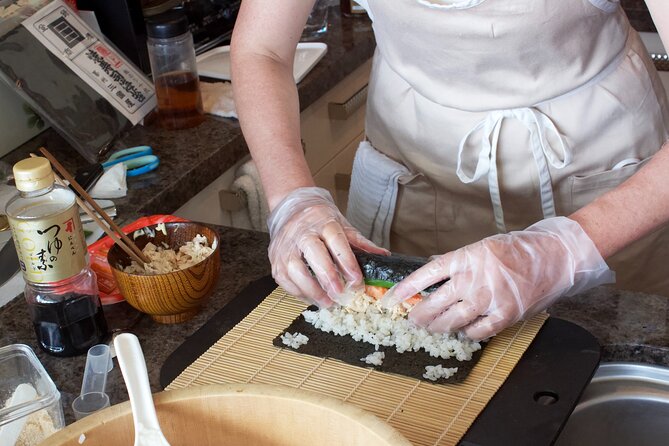
The classic course is the clearest choice for most first-time visitors. Its menu includes sushi, Japanese pizza, and wagyu steak, a lively mix that gives you several kinds of Japanese food in one sitting.
Sushi offers the most recognizable Japanese cooking lesson, while Japanese pizza brings a less expected dish into the mix. Wagyu steak adds a premium ingredient and gives the meal a hearty finish. Together, these dishes make the classic menu feel broad rather than narrowly focused on one technique.
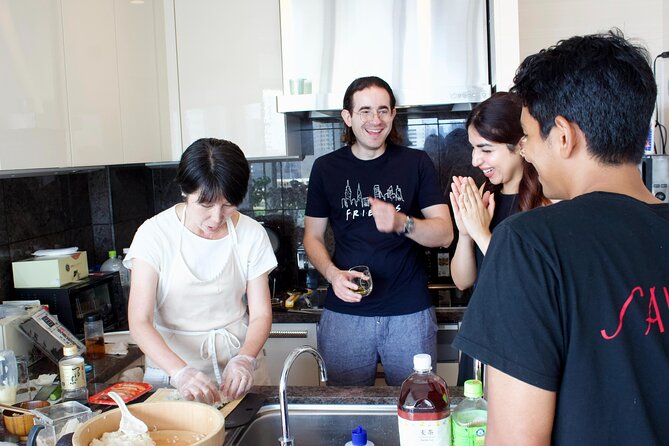
The home-cook format is part of the appeal. You should expect a friendly, intimate setting, with guidance from someone experienced in preparing the food rather than a large class where you follow instructions from a distance. One attendee described the teacher as very informative and the setting as friendly, while another praised the host as kind and thoughtful. Those details suggest that the human side of the class is a major part of its value.
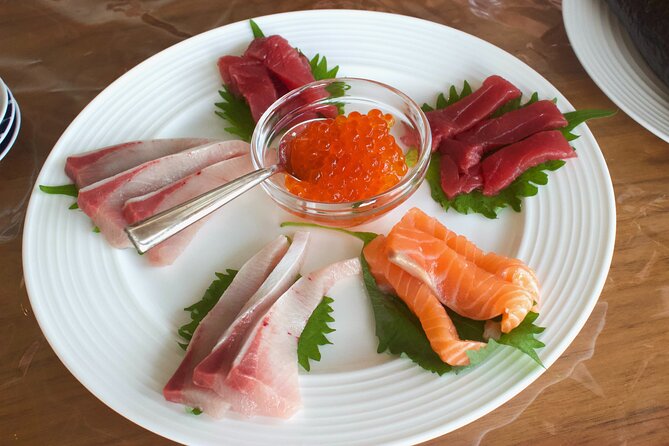
The premium omakase course suits you if the meal itself matters as much as the cooking. Omakase generally means placing the selection in the chef’s hands, and here the format includes multiple courses, seasonal items, and techniques that may not appear in the classic menu.
The trade-off is predictability. You receive less information about the exact dishes before booking, because the menu may reflect what is seasonal or what the chef wants to present. If you want to know exactly what you will cook, choose classic. If you prefer a more refined meal with room for surprise, premium is the better fit.
What the 11:30 am Schedule Means
The meeting time is 11:30 am, and the activity lasts about three hours and 30 minutes. It ends back at the meeting point, so you can plan the rest of your afternoon from the same area.
That timing makes this a substantial midday activity rather than a quick lesson squeezed between sightseeing stops. Lunch is included, and the class gives you enough time for food preparation, instruction, and eating. I would keep the morning light and avoid booking a major timed attraction immediately afterward, since the class length is approximate.
The midday schedule also works well for a food-focused day. You can arrive with enough time to find the meeting point, take the class, and finish with a full meal. Since the meeting point is in Minato City and near public transportation, getting there should fit reasonably well into a Tokyo itinerary, though you still need to check the exact meeting instructions supplied after booking.
Wi-Fi is available at the venue. That is a modest detail, but it can help if you need to check directions, message your group, or handle translation before the class begins.
From Station Arrival to the First Dish
The class starts in Minato City. The exact venue is not described in detail, but the location is near public transportation, and one attendee specifically praised its position next to a station. That makes this easier to fit into your day than a cooking activity far from a train line.
Once you arrive, the small group size should help the class feel manageable. The maximum is 10 people, so you are not signing up for a huge demonstration where you can barely see the work surface. A group of this size also leaves more room to ask about ingredients, preparation, and halal standards.
English is the standard language for the class. If you need Arabic support, an Arabic translator can be arranged, but you should contact the provider before the session. That is important because the translator is not described as an automatic part of every booking.
The class is hands-on, but the precise division between demonstration and participant preparation is not specified. You can reasonably expect instruction from the home cook or chef, followed by work with the included ingredients. The atmosphere appears to be friendly and informal, especially in the classic course.
Sushi, Japanese Pizza, and Wagyu Steak
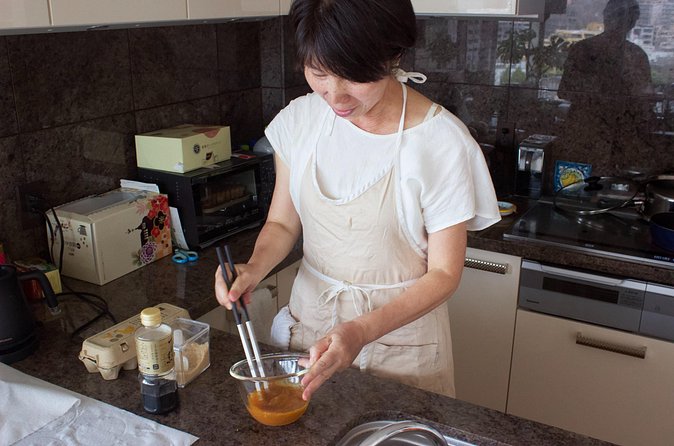
The classic menu gives you three very different dishes to work with. Sushi brings precision and presentation. Japanese pizza offers a playful local take on a familiar food. Wagyu steak adds a luxurious ingredient that many visitors would otherwise only order in a restaurant.
I like this mix because it avoids making the class feel like a single-recipe lesson. You get a taste of several cooking styles and a meal with contrasting textures and flavors. It also gives companions with different food interests something to enjoy.
The sushi portion may appeal most if you want a dish that feels strongly tied to Japanese food culture. The class is not simply a tasting, since you take part in the preparation. That makes the food easier to remember and gives you a better sense of the care involved in shaping and serving it.
Japanese pizza is the more unexpected item. The supplied information does not describe the toppings or method, so you should not book expecting a particular regional recipe. Its place on the menu suggests a casual, creative side of Japanese eating that balances the formality often associated with sushi.
Wagyu steak gives the meal a special ingredient, but the class details do not specify the cut, cooking method, or serving size. Keep that in mind when judging the menu. You are paying for a complete guided activity with lunch, not simply purchasing a portion of wagyu.



The Premium Omakase Option
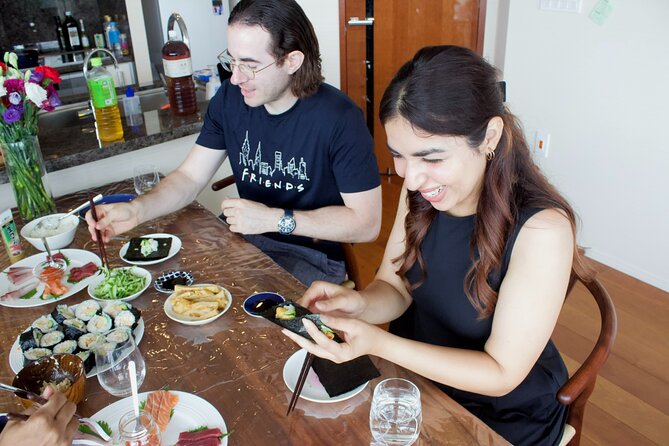
Premium is aimed at diners who want a more refined format. An experienced chef leads the session, and the omakase menu includes multiple courses that may feature seasonal products or techniques not found in the classic class.
This format can make sense for a special occasion or for someone who has already sampled basic Japanese cooking. The chef’s choices give the meal a sense of progression, and seasonal ingredients can show a side of Japanese cuisine that a fixed menu might miss.
Still, the word premium should not lead you to assume a particular room, service style, or number of courses. Those details are not provided. The reliable information is that the class is chef-led, includes omakase, and offers several courses with possible seasonal elements.
You should also ask any menu questions before booking if allergies, dislikes, or specific ingredients matter to you. The class is halal-friendly, but the supplied details do not explain how other dietary requests are handled.
Why the Small Group Matters
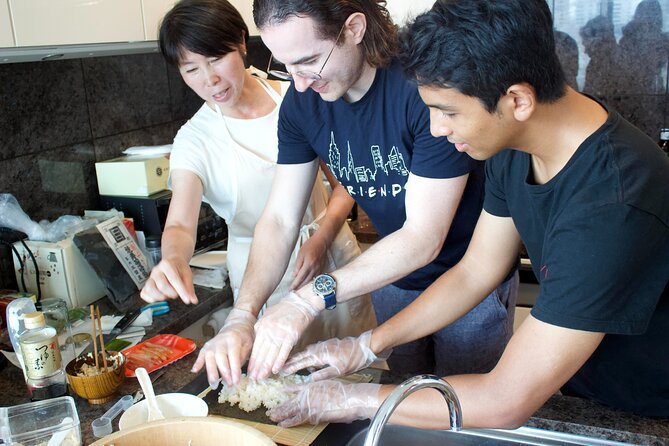
A group cap of 10 is one of the most useful details here. Cooking requires space, timing, and attention. A smaller class usually gives you a better chance to see what the instructor is doing and to ask for help before a dish is finished.
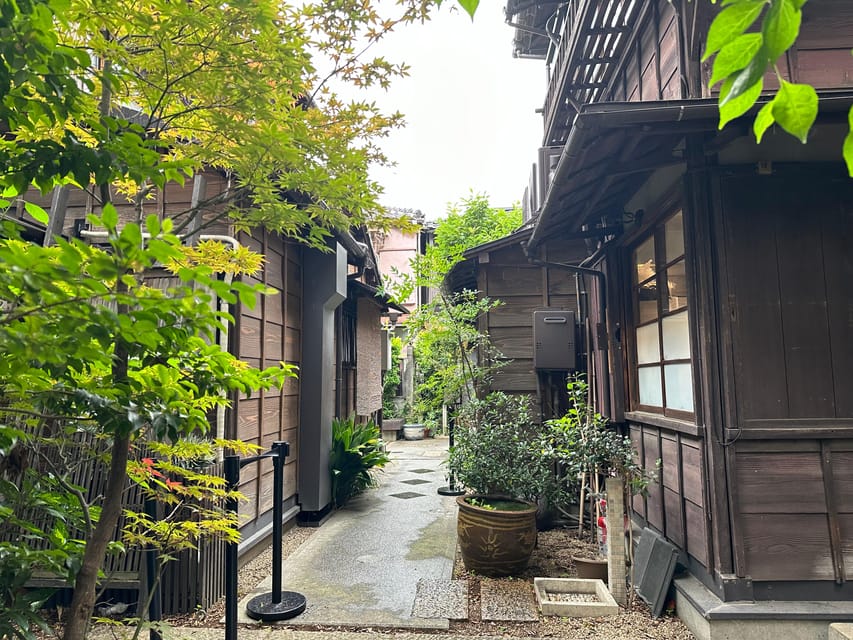
The class also appears to rely on personal hospitality. The strongest praise centers on a kind host, clear instruction, a welcoming atmosphere, and high food quality. Another positive detail is the house setting and its view, which adds character beyond a plain commercial classroom.
That house setting can be a plus if you want a more local-feeling activity. It can also be a consideration if you prefer the equipment, order, and polished service of a professional cooking studio. Classic is best understood as a home-based cultural activity with cooking at its center.
The premium class may offer a more formal chef experience, but the information does not confirm that it takes place in a different venue. If the setting matters to you, ask the provider before choosing between the two categories.
Price and What You Receive for $85
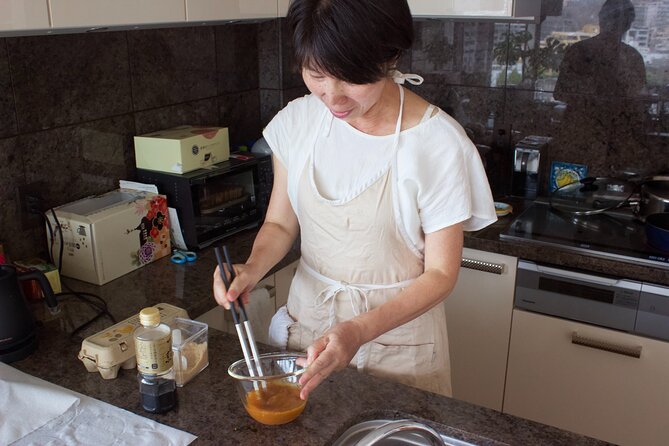
At $85 per person, the classic class sits in the range of a paid Tokyo food activity rather than a budget meal. The value comes from the combination of instruction, ingredients, lunch, halal preparation, and several hours of time with a small group.
If you only want to eat sushi and steak, a restaurant may give you more choice and possibly a lower bill. But that comparison misses the main point. Here, you are paying for access to a home cook or chef, the chance to prepare the food yourself, and the reassurance of a halal-friendly process.
The price is easier to justify if you value cultural contact and want an activity that helps explain the food. It is also practical for people who have difficulty finding clearly halal Japanese meals while sightseeing.
The premium option is likely to cost more, but no premium price is provided. Check the amount shown for your selected category before confirming. Since the class includes all ingredient fees and lunch, you should not expect a separate food charge during the activity.
What to Bring and What Is Extra
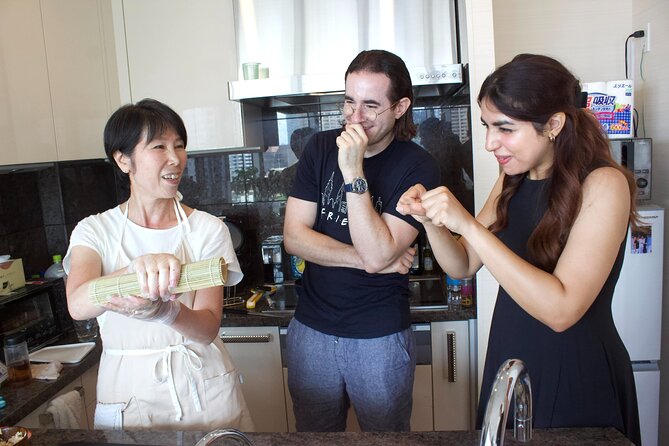
Ingredients and lunch are included. You do not need to budget for the food itself, which keeps the final cost clearer.
An apron is not included. If you want to keep your clothes clean, bring your own apron or rent one from the provider for an additional charge. This is a small but useful tip, especially if you are wearing clothes for the rest of your Tokyo sightseeing day.
The information does not specify whether other equipment is supplied, so you should not pack cooking tools unless the provider asks you to. Comfortable clothing is sensible, but that is practical advice rather than a stated requirement.
Because the activity includes food preparation and eating, plan for it as your main lunch. A large breakfast may leave you unable to enjoy the meal, while no breakfast at all could make a long cooking session uncomfortable. The class details do not list snacks or drinks beyond the included lunch.
Who Will Enjoy This Class Most
I would recommend the classic course to halal-conscious visitors who want a warm, social activity with a clear menu and an experienced home cook. It is also a good pick for friends, couples, and small family groups who want to do something together instead of simply sitting at a restaurant.
The premium course suits you if you care more about chef-led food and a multi-course meal than about knowing every dish in advance. It may also appeal to repeat visitors who have already tried Tokyo’s basic food stops.
This is less suitable if you need a fully fixed itinerary, exact recipes in advance, or a formal culinary-school setting. The classic course is intentionally cosy, and the premium menu can change with seasonal ingredients.
It is also not the best choice for a rushed schedule. The class lasts about three and a half hours, and the start time is fixed at 11:30 am. Give yourself room to reach Minato City and continue your day without stress.
Booking, Cancellation, and Practical Questions
Confirmation is provided at the time of booking, and the activity ends at the same place where it begins. Free cancellation is available if you cancel at least 24 hours before the 11:30 am start time. Canceling later, or requesting changes within 24 hours, means you will not receive a refund, and the cut-off follows Tokyo local time.
The provider is Yalla Tabakh Tokyo. Since the class is capped at 10 people, early booking is sensible if your dates are fixed, especially if you need Arabic translation or want the premium format.
Should You Book This Halal Japanese Cooking Class?
Book it if you want more than a halal meal in Tokyo. The class combines food, instruction, and personal contact, with a useful choice between a home-cook menu and chef-led omakase.
Choose classic for the clearest value: sushi, Japanese pizza, wagyu steak, included lunch, and a friendly small-group setting. Choose premium if the chef and multi-course format matter more than menu certainty.
The main caution is the informal nature of the classic class and the lack of detailed information about exact recipes, equipment, and the premium price. For most halal-conscious visitors who enjoy cooking and have half a day available, those are reasonable trade-offs for a personal introduction to Japanese food.
FAQ
Where does the cooking class start?
The class starts in Minato City, Tokyo, Japan. The meeting point is near public transportation.
What time does the class begin?
The scheduled start time is 11:30 am.
How long does the activity last?
The cooking class lasts approximately three hours and 30 minutes.
What food is included in the classic course?
The classic menu includes sushi, Japanese pizza, and wagyu steak.
What is included in the price?
All ingredient fees and lunch are included.
Is the class conducted in English?
Yes. All classes are provided in English.
Can I request an Arabic translator?
Yes. An Arabic translator is available for people who need one, but you should contact the provider to arrange this.
How many people can join the class?
The activity has a maximum of 10 participants.
Is an apron included?
No. You can bring your own apron or rent one for an additional charge.
Can I cancel for a full refund?
Yes, if you cancel at least 24 hours before the experience start time. Cancellations made less than 24 hours in advance are not refunded.
More Workshops & Classes in Roppongi
More Cooking Classes in Roppongi
More Cooking Classes in Roppongi
More tours in Roppongi we've reviewed

Roppongi, compared.
 ★ 4.5Tokyo Pub CrawlFrom $25
 ★ 5.0Roppongi Tokyo Calligraphy Experience:Kanji Name & Hiragana StampFrom $56
 ★ 5.0Private Custom Tokyo Tour VIPFrom $1,254
 ★ 4.5Tantra Tokyo Burlesque Show ClubFrom $78
 ★ 4.5Mt. Fuji or Hakone Private Sightseeing Day Trip From TokyoFrom $430
 ★ 5.02-Hour Karaoke at Roppongi 7557 in TokyoFrom $28