Reviewed · TOURS
Harajuku Kawaii Fashion and Pop-Culture Tour
Harajuku’s appeal is its quick change of mood. One minute you are edging through colorful Takeshita Street, the next you are looking at polished boutiques on Cat Street or eating okonomiyaki in a small local cafe. This tour gives you a friendly guide, purikura photos, lunch, and several easy stops in about three hours.
In This Article
- At a glance: what makes this Harajuku tour useful
- Harajuku in three hours: what you are really buying
- Takeshita Street: Harajuku’s loud, sweet welcome
- Galaxy Harajuku: a modern pop-culture pause
- Lunch near Jingumae: okonomiyaki, monja-yaki, and limits
- Purikura photos: the tour’s most memorable extra
- Cat Street: a calmer fashion contrast
- What the guides add, and where the tour can vary
- Weather, walking, and group size
- Who should book this Harajuku experience?
- My verdict: a lively sampler with guide-dependent value
- FAQ
- How long does the Harajuku Kawaii Fashion and Pop-Culture Tour last?
- Where does the tour start and finish?
- What food is included?
- Are vegetarian or vegan meals available?
- Can the tour accommodate gluten-free diets or food allergies?
- Are the purikura photos included?
- How many people can join the tour?
- What happens if I need to cancel?
I like the small-group format, advertised for up to six people in the highlights, with additional information listing a maximum of seven. I also like that the food is not an afterthought: you get two or three Harajuku street foods plus an okonomiyaki or monja-yaki lunch. The main drawback is that many sights are easy to find on your own, so the tour’s value depends heavily on the guide you get and how much cultural explanation you want.
A few guides earn special mention in the feedback: Aoi was praised for her care and conversation, Ken for his friendly help and local knowledge, Hana for finding fashionable spots and less obvious corners, and Koba for accommodating a wheelchair user. One mixed experience found the area more useful than the guiding, with limited explanation and low-quality photos. That is worth keeping in mind.
At a glance: what makes this Harajuku tour useful
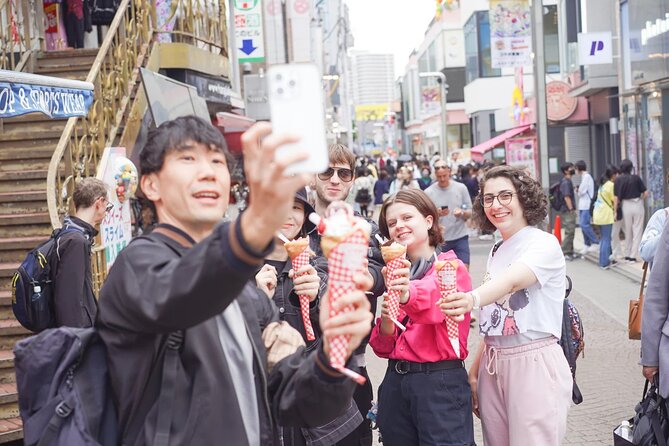
- Purikura photos are included, giving you a playful souvenir rather than just another phone snapshot.
- Lunch covers okonomiyaki or monja-yaki, with vegetarian and vegan choices available, though food restrictions are limited.
- Takeshita Street and Cat Street show two sides of Harajuku, from youthful kawaii culture to polished fashion.
- The route includes two or three pop-culture street foods, so you can sample without planning every stop yourself.
- Guides such as Aoi, Ken, Hana, Hitomi, Hyoga, Taka, Mini, and Koba have received praise for friendliness, flexibility, and personal attention.
- The three-hour schedule is compact, making it a good fit for a half day, but not for a slow, detailed shopping expedition.
Harajuku in three hours: what you are really buying
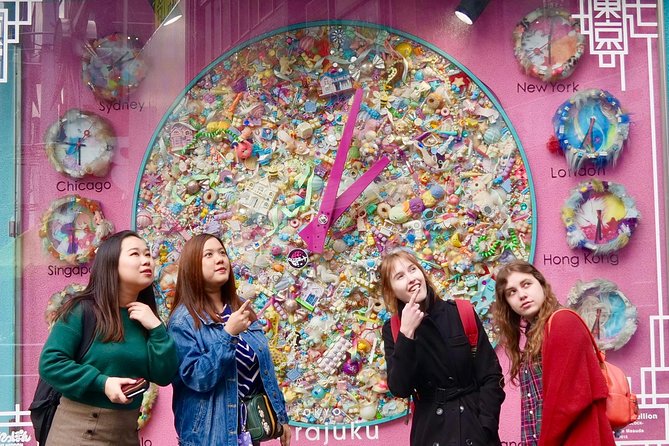
At $79.28 per person, this is not a bargain walking tour if you only count the sightseeing. Takeshita Street, Cat Street, and the surrounding streets cost nothing to enter, and you can browse them independently. The price makes more sense if you want food, a local companion, help deciding where to go, and a ready-made introduction to Harajuku’s playful side.
You also get lunch, two or three street foods, tour photos, and purikura pictures. Those inclusions add real value, especially for a first visit or for families who would rather not spend time choosing restaurants and snack shops.
The tour runs on Mondays, Wednesdays, and Fridays. It begins and ends at Harajuku Station, at 1 Chome-18 Jingumae, Shibuya. Since the route stays near public transportation, you can continue shopping or sightseeing afterward, though the activity itself returns to the starting point.
The schedule is best understood as a guided sampler. You will see several well-known areas, taste local food, and get a few hours of conversation with a guide. You will not have time for every boutique, museum, shrine detail, or side street.
If you're still narrowing it down, here are other tours in Tokyo we've reviewed.

Takeshita Street: Harajuku’s loud, sweet welcome
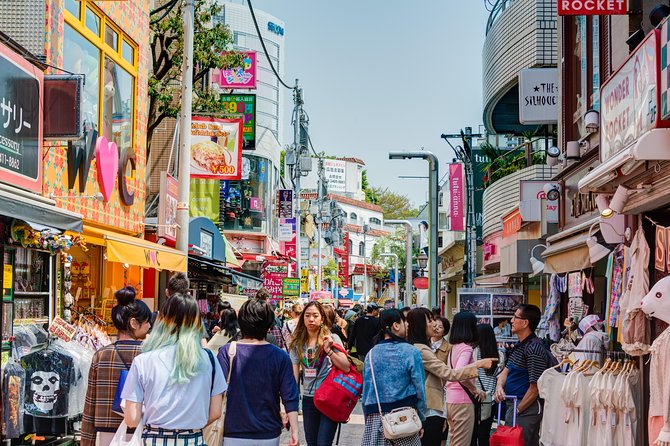
The first major stop is Takeshita Street, the center of Harajuku’s kawaii culture. Plan on about 50 minutes here. The street is known for cute clothing, novelty goods, colorful snacks, and shops aimed at young shoppers and pop-culture fans.
I like starting here because it gives you the clearest first look at the Harajuku style. Even if you buy nothing, the shop windows and food displays provide plenty to see. The guide can help you understand what is worth pausing for, and you can use this time to browse rather than rush from one photo stop to the next.
The trade-off is that Takeshita Street is very easy to locate and explore without help. If your main goal is simply to walk down the street and look at shops, you may not need a tour. The guide matters most if you want cultural context, recommendations, or help making sense of the area’s fashion and snack traditions.
The 50-minute stop is enough for a taste, not a full shopping session. If you plan to buy clothing, accessories, or gifts, keep your purchases focused. One useful tip is to leave extra time after the tour for shopping, since the guided schedule moves on before you have seen everything.
Galaxy Harajuku: a modern pop-culture pause
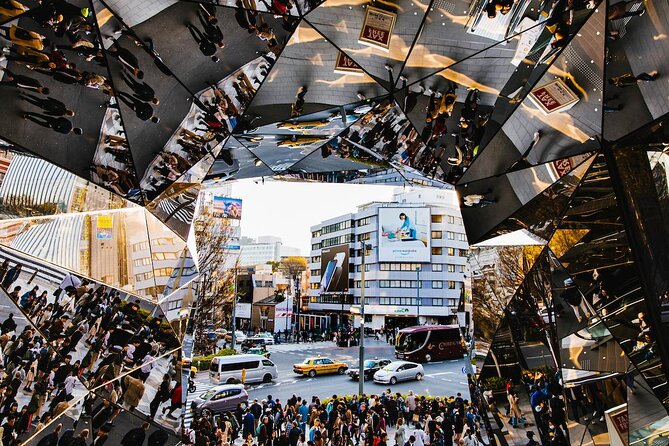
The route then spends about 30 minutes at Galaxy Harajuku. This brand showcase opened in 2019 and offers product displays, events, and Galaxy devices that you can borrow inside the building.
This stop gives the tour a different rhythm. Harajuku is not only about retro cute culture and youth fashion. It is also a place where major brands use design, technology, and interactive displays to attract attention. If you enjoy phones, photography, or hands-on exhibits, this can be a fun change from shopping streets.
Still, Galaxy Harajuku will not appeal equally to everyone. It is a brand showcase, not a traditional cultural sight, and the visit depends on what is available that day. I would treat it as a short modern Tokyo stop rather than one of the tour’s main reasons to book.
The 30-minute timing is sensible. You get a look without giving up too much of your limited Harajuku time.
Lunch near Jingumae: okonomiyaki, monja-yaki, and limits

Lunch takes about 45 minutes at 3 Chome-20-1 Jingumae. The included main choice is okonomiyaki or monja-yaki, and vegan and vegetarian options are available. You also receive two or three Harajuku pop street foods during the outing.
This is one of the tour’s strongest practical features. Food can be a source of stress in Tokyo, especially when menus are unfamiliar or a group has different tastes. A planned lunch gives you a proper break and adds something more substantial than a quick sweet from Takeshita Street.
Okonomiyaki is a savory Japanese pancake cooked with a variety of ingredients. Monja-yaki has a softer, looser texture and is cooked on a hot plate. The meal gives you a chance to talk with your guide about Japanese food and everyday culture, which one family especially appreciated during its time with Hyoga.
Be careful with dietary expectations. Vegetarian food is available but limited. Gluten-free requests cannot be accommodated, and the operator cannot guarantee allergy-free preparation because the food comes from kitchens it does not control. You must provide dietary or allergy information at least one day before the tour. Requests made on the day cannot be handled.
Additional food and drinks are not included, so bring some spending money if you want more snacks or a drink. Also arrive ready to eat: one useful piece of advice from the feedback is to come with a good appetite.
Purikura photos: the tour’s most memorable extra
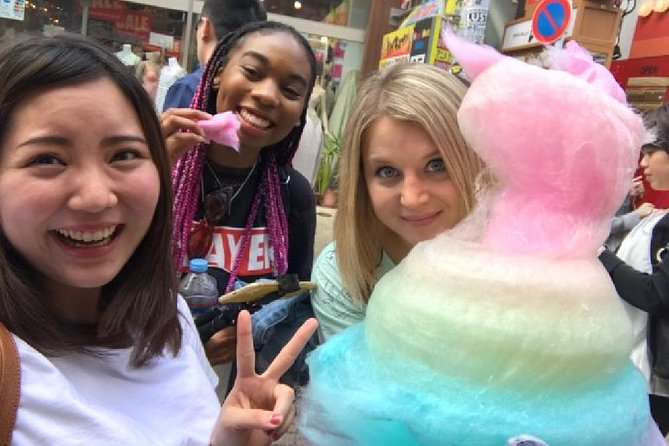
Purikura is the Japanese photo-booth experience known for playful filters, decorations, and edited portraits. The photos are included here, which is a nice touch for families, friends, and anyone who wants a souvenir tied to Harajuku’s pop culture.
This is more personal than taking a picture outside a famous shop. You get something to keep, and the activity itself fits the neighborhood’s cute, expressive style. It can also be a good way for children and teenagers to take part in the tour rather than simply follow adults through shops.
The exact booth and timing are not specified, so I would not expect a long photo session. Think of it as one included activity within a fast-moving half day. The tour also includes tour photos, though photo quality may vary by guide. One person felt the guide’s pictures were not strong, so keep your own phone ready if you care about polished images.


Cat Street: a calmer fashion contrast
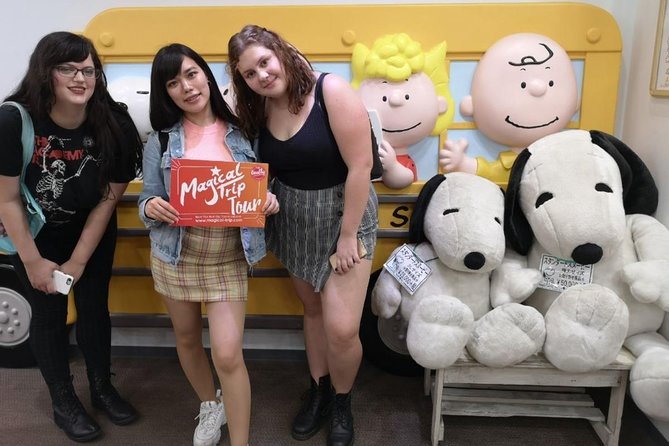
The final sightseeing stop is Shibuya Cat Street, also called Ura-Harajuku, for about 30 minutes. It is known for distinctive stores and well-known fashion brands, with a more polished feel than Takeshita Street.
This contrast is central to the tour. Takeshita is playful, youthful, and packed with kawaii energy. Cat Street shifts toward fashion boutiques and brand shopping. Seeing both helps you understand that Harajuku is not one single style.
The short visit works well if you want an overview. It is less useful if you have a specific shop list or serious shopping plans. The boutiques deserve more time than the schedule allows, so note down places you want to revisit after the tour.
This is also where a guide can make the largest difference. A good guide may point out favorite stores, explain why the area matters to Tokyo fashion, and adjust the pace for your interests. Hana was praised for showing both popular places and smaller spots, while Hitomi was appreciated for explaining Harajuku’s past and present. Those details are exactly what can turn a simple walk into a more useful introduction.
What the guides add, and where the tour can vary
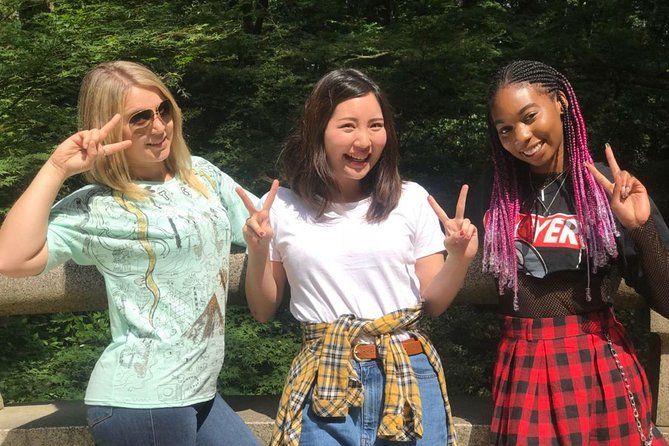
The strongest pattern is personal attention. Aoi was described as sweet, attentive, and good company, while Ken was praised for going beyond the basic route and even providing cooling towels on a hot day. Hyoga combined food talk with cultural conversation, and Taka helped make the Takeshita Street visit memorable.
Mini was described as friendly and accommodating. Koba handled a wheelchair user’s needs with care and professionalism, which is encouraging for visitors who need assistance. The tour is described as suitable for most people, but you should still share mobility needs before booking if possible.
Guide quality can vary. One three-star experience found only a small amount of information about fashion, culture, and the area, and felt that the stops were easy enough to find without a guide. That is a fair criticism. The tour does not include major entry tickets or a private attraction that you could not otherwise access.
For me, the right expectation is not a formal lecture. It is a social, flexible introduction with food and local help. If your assigned guide is like Aoi, Ken, Hana, Hitomi, Hyoga, Taka, Mini, or Koba, the human side may become the main value. If you want detailed fashion history or expert-level cultural analysis, ask questions early and make your interests clear.
Weather, walking, and group size
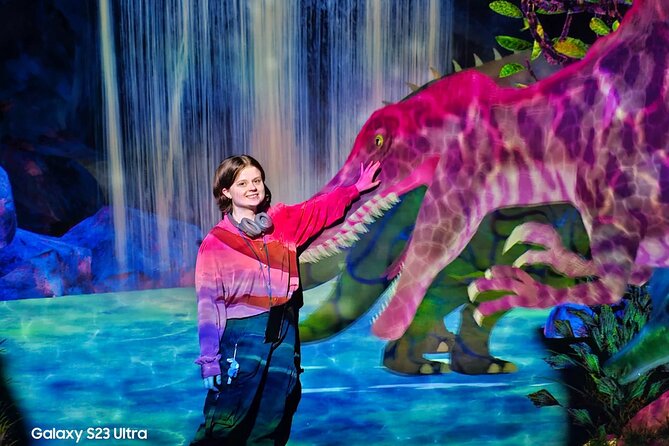
Harajuku is an outdoor walking area, so weather matters. Japan can reach summer highs of 40°C, or 110°F, and winter lows of -5°C, or 20°F. Wear suitable clothing, comfortable shoes, and protection from the weather. Cooling towels were useful to one guide’s group during a hot outing, but you should prepare for the conditions yourself.
The three-hour length is manageable for most people, with lunch providing a natural rest. The route includes shopping streets, street food, and urban walking. If you have mobility concerns, ask about your needs before the day of the tour. A wheelchair user had a positive experience with Koba, but individual route conditions and group arrangements can differ.
Group size is a key selling point. The highlights say a maximum of six, while the additional information says a maximum of seven. That is still small enough for conversation and questions, but confirm the current group limit if the distinction matters to you.
Who should book this Harajuku experience?
I would recommend it most to first-time visitors who want Harajuku organized into an easy half day. Families are a natural fit because the route combines colorful shops, sweets, purikura, lunch, and technology. Teenagers and pop-culture fans will probably get the most from Takeshita Street and the photo booth.
It also suits you if you like food but do not want to plan every stop. The included meal and street foods take care of the basics, while the guide can help you decide where to spend your own money.
You may want to skip it if you have already explored Harajuku, prefer slow independent shopping, or mainly want shrine and park visits. Meiji Jingu and Yoyogi Park are mentioned as nearby cultural attractions, but the timed route described here focuses on Takeshita Street, Galaxy Harajuku, lunch, and Cat Street. Do not book expecting a long shrine tour.
Book at least one day ahead if you need vegetarian, vegan, or allergy-related consideration. Gluten-free needs cannot be met, and substitutions are not guaranteed.
My verdict: a lively sampler with guide-dependent value
At 98 percent recommended and a 4.9 rating from 94 reviews, this is a well-liked way to spend a short block of time in Harajuku. The strongest reasons to book are the small group, included lunch, purikura photos, and the mix of kawaii shopping with more polished fashion streets.
The weak point is simple: most stops are public and easy to reach. You are paying for the guide’s judgment, conversation, food planning, and personal attention rather than admission to rare sights.
Book it if you want a friendly introduction, enjoy tasting local food, and would appreciate help shaping your first Harajuku walk. Skip it if you prefer to browse at your own speed or expect a detailed cultural tour. With a strong guide, this can be a charming and very practical half day. With a less engaging guide, it may feel like someone is escorting you around places you could have found yourself.
FAQ
How long does the Harajuku Kawaii Fashion and Pop-Culture Tour last?
The tour lasts approximately three hours and ends back at the meeting point.
Where does the tour start and finish?
It starts at Harajuku Station, at 1 Chome-18 Jingumae, Shibuya, Tokyo 150-0001, Japan. The activity ends at the same meeting point.
What food is included?
You receive an okonomiyaki or monja-yaki lunch, along with two or three Harajuku pop street foods. Additional food and drinks are available for purchase.
Are vegetarian or vegan meals available?
Vegetarian and vegan options are available, but vegetarian choices are limited. Dietary requests must be shared at least one day before the tour.
Can the tour accommodate gluten-free diets or food allergies?
Gluten-free requests cannot be accommodated. Allergy-free preparation cannot be guaranteed because food is prepared in kitchens that do not belong to the tour operator.
Are the purikura photos included?
Yes. Purikura photos and tour photos are included in the experience.
How many people can join the tour?
The highlights describe a maximum of six people, while the additional information lists a maximum of seven travelers. Confirm the current group size if this is important to you.
What happens if I need to cancel?
You can receive a full refund if you cancel at least 24 hours before the experience start time. Cancellations or changes made less than 24 hours before the start time are not accepted for a refund.
More tours in Tokyo we've reviewed












Tours, compared.
 ★ 5.0Mt Fuji and Hakone 1-Day Bus Tour Return by Bullet TrainFrom $163
 ★ 5.01-Day Tokyo Bus TourFrom $129
 ★ 5.0Tokyo: Shinjuku Food Tour (13 Dishes at 4 Local Eateries)From $86
 ★ 4.4Tokyo Mt Fuji 5th St & Hakone Cruise Bus Tour w/Bullet TrainFrom $15410 hours
 ★ 5.0Flagship 2-Hours Official Street Go-Kart Tour – Tokyo Bay ShopFrom $642 hours to 2 hours 30 minutes (approx.)
 ★ 4.7Tokyo: Mt. Fuji Tour, Hakone Ropeway, Owakudani, Lake AshiFrom $5410 hours