Reviewed · CITY TOURS
Day Private City Tour of Tokyo with English speaking driver
Tokyo is huge, and this private 8-hour car tour tackles a remarkable spread of it in one day. You can move from Senso-ji and Tsukiji to Shibuya, Harajuku, Shinjuku, and Tokyo Skytree without learning several train lines or hauling tired children through stations.
In This Article
- Key points at a glance
- Why this tour works for a first day in Tokyo
- Tsukiji gives you a quick taste of Tokyo’s food culture
- Senso-ji brings you into old Asakusa
- Tokyo Skytree adds height, but adds cost too
- Meiji Jingu offers a quiet change of pace
- Harajuku packs shopping and people-watching into two hours
- Shibuya Crossing is short, but visually essential
- Shinjuku combines free viewpoints with quirky city icons
- The driver makes the biggest difference
- Eight hours means variety, not leisurely sightseeing
- Who gets the best value from $400
- Should you book this private Tokyo day tour?
- FAQ
- How long is the private Tokyo city tour?
- How many people can join for $400?
- Is hotel pickup available?
- Where does the tour start?
- Where does the tour end?
- Is transportation included?
- Is a professional tour guide included?
- Is Tokyo Skytree admission included?
- Is Shinjuku Gyoen admission included?
- Can the itinerary be customized?
- Is Senso-ji Temple free to enter?
- Can I cancel for a full refund?
I like the flexible schedule and the easy door-to-door transport. I also like the chance to shape the day around your group, with drivers such as Vohra, Mazz, Faris, Abdul, Talil, Miae, and Shehzed praised for friendly service, photos, patience, and extra effort. The catch is important: this is primarily a driver service, not a full guided tour, and entrance fees are extra.
Key points at a glance
- See both old and new Tokyo: Move from Senso-ji’s temple grounds to Shibuya Crossing, Tokyo Skytree, and Shinjuku’s giant cat screen.
- Private transport saves time: Your group travels in an air-conditioned car instead of changing trains across a sprawling city.
- The route can be adjusted: You can decide where to linger, although the number of stops means the day will feel brisk.
- Guiding is limited: The basic package includes an English-speaking driver, with most explanations given between destinations.
- Budget for admissions: Shinjuku Gyoen costs ¥500 per adult, and Tokyo Skytree costs ¥3,400 per person.
- Best for short stays: Families, cruise passengers, older people, and first-time visitors can cover many major sights in a single day.
Why this tour works for a first day in Tokyo
Tokyo can feel less like one city than a collection of separate cities joined by rail. Asakusa, Harajuku, Shibuya, Shinjuku, and Sumida each have a different mood, but moving among them takes time. A private car removes much of that friction.
For a group of up to three, the $400 price works out to about $133 per person before admission fees. That is not the cheapest way to see Tokyo, especially if you are comfortable with trains. But the value improves if you want hotel pickup, a private schedule, fewer station transfers, and help fitting major sights into one day.
I would especially consider this tour if you have only one free day, are traveling with young children, have limited mobility, or need to finish near a cruise schedule. One piece of feedback describes a group of 12 older people using the service to make sightseeing more manageable, though the advertised rate here covers up to three people per group, so you should confirm arrangements for a larger party.
The main tradeoff is the level of interpretation. Your driver speaks basic English, and explanations are given mostly in the car between stops. Some drivers have gone into the sights, explained what visitors were seeing, taken photos, and offered extra help. Still, the tour does not include a separate guide, and you should not expect a detailed temple or museum lecture at every stop.
Other city tours we've reviewed in Tokyo

Tsukiji gives you a quick taste of Tokyo’s food culture
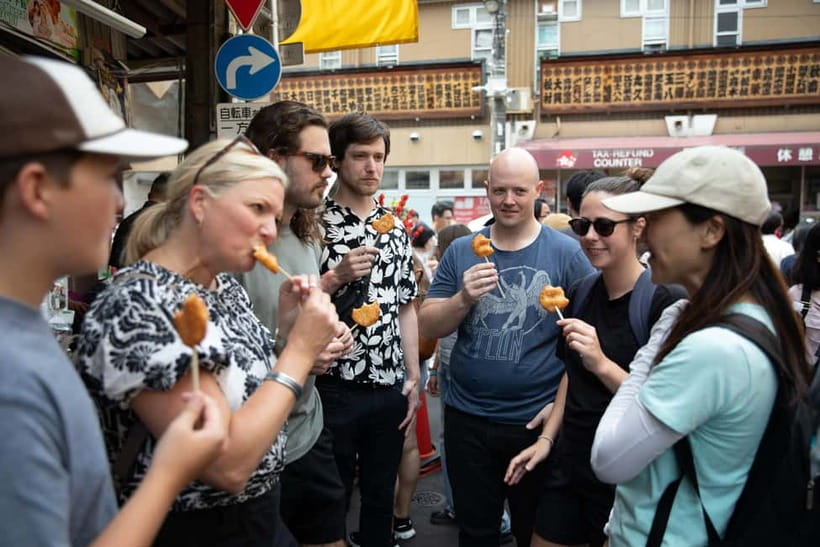
The day begins at Tsukiji Fish Market, with about 30 minutes set aside. The old wholesale market moved to Toyosu, but Tsukiji remains a central place for food shops and market atmosphere. The stop is free, which makes it an easy opening to the day.
Thirty minutes is enough for a look and perhaps a snack, but not a slow food crawl. If you want to browse carefully, eat several things, or shop for kitchen goods, you will need to ask for more time and give up time elsewhere.
This is one of the places where the flexible format matters. You can tell the driver if Tsukiji is a priority, or treat it as a short orientation stop before moving on. Since the full route has many stops, do not assume every place can receive a long visit.
Senso-ji brings you into old Asakusa
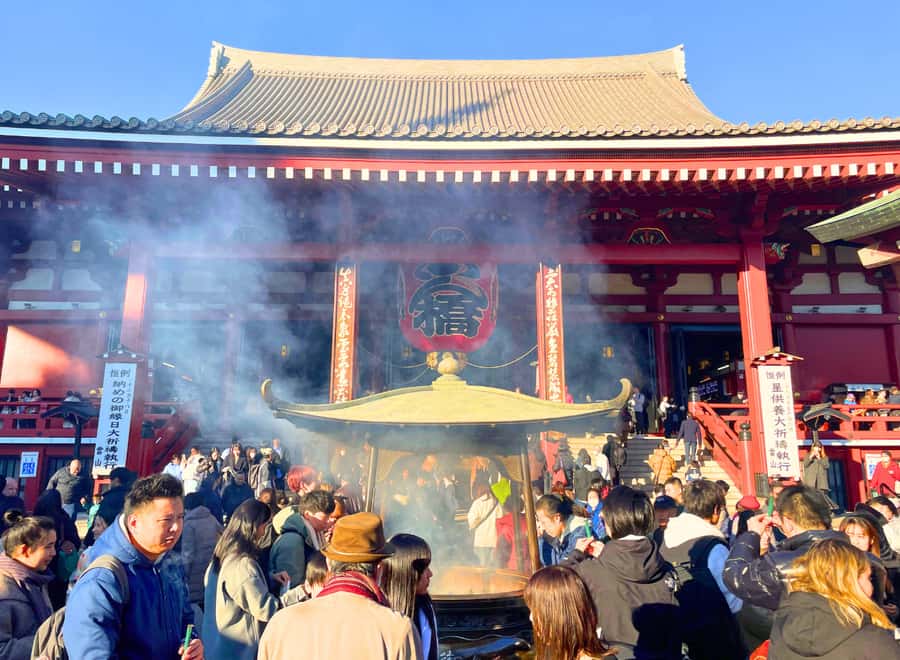
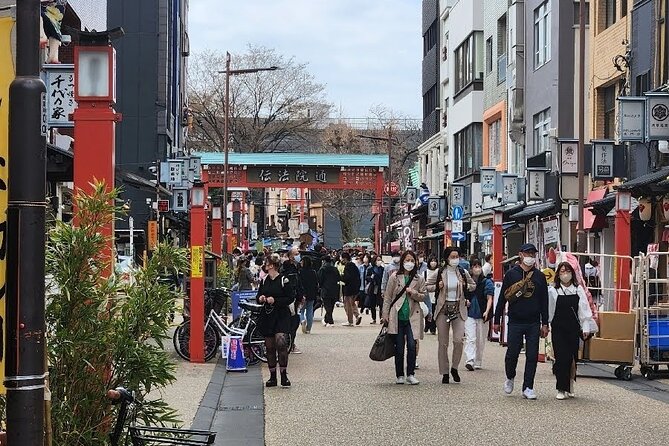
Senso-ji is given about an hour and is one of the strongest stops on the route. This colorful Buddhist temple in Asakusa is among Tokyo’s best-known sights, with the famous Kaminarimon area and the approach toward the temple grounds.
I like placing Asakusa in a first-day tour because it gives you a clear sense of Tokyo’s older side before the route shifts to glass towers and digital displays. The temple visit is free, but the approach can be crowded, so your actual walking pace may vary.
The tour begins and ends at the published meeting point near Kaminari-mon, at 2-chōme-3-1 Asakusa, Taito City. Pickup is also offered, including transfers from your Tokyo hotel, so confirm the exact pickup arrangement when booking. The stated end point is back at the meeting point.
Tokyo Skytree adds height, but adds cost too
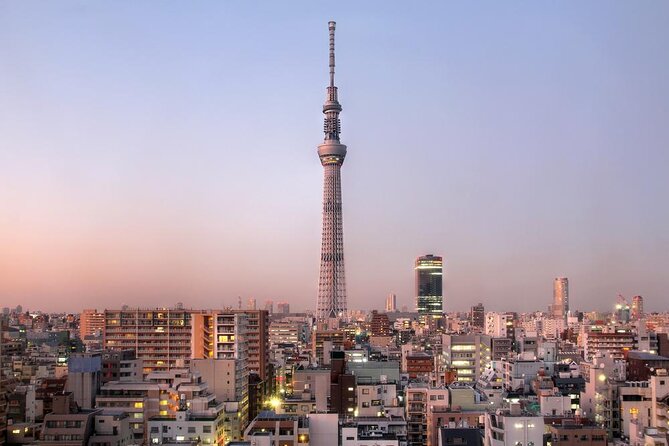
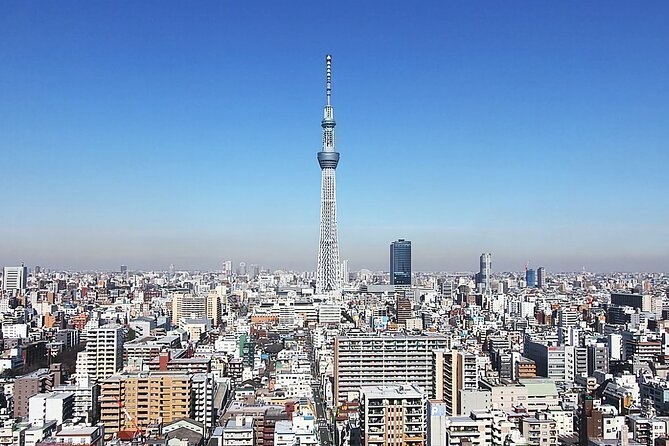
The Tokyo Skytree stop lasts about an hour. The tower is a major landmark in Sumida and sits not far from Asakusa, making it a sensible pairing with Senso-ji.
The view is the reason to pay for this stop. The admission fee is ¥3,400 per person, and it is not included in the $400 tour price. For three people, that adds ¥10,200, before any other paid entry. I would decide in advance if the observation deck matters to you, since the route already includes a free high viewpoint at the Tokyo Metropolitan Government Building.
An hour allows time for the tower visit, but the schedule may feel tight if lines are long. The tour description does not promise reserved entry, so ask how the timing will work on your date. If you prefer street-level Tokyo and want to save money, you can use the hour elsewhere.
Meiji Jingu offers a quiet change of pace
Meiji Jingu Shrine receives about an hour and is one of the most restful parts of the day. The shrine honors Emperor Meiji and Empress Shoken and sits beside busy Harajuku Station, yet the grounds provide a marked contrast to the surrounding shopping streets.
Admission is free. You will still need to walk through the grounds, so this stop is not completely car-based. That is worth remembering if you are traveling with someone who tires easily, although the car does make the larger day easier by reducing the distance between neighborhoods.
Shinjuku Gyoen is listed as another possible stop, with 30 minutes allowed. The garden costs ¥500 per adult and is closed on Mondays. Since the day already includes Meiji Jingu, Takeshita Street, and Shibuya, you may need to choose how much park time you want. If gardens are important to you, ask the driver to protect this stop rather than simply trying to add it to an already full route.
Other private tours in Tokyo

Harajuku packs shopping and people-watching into two hours
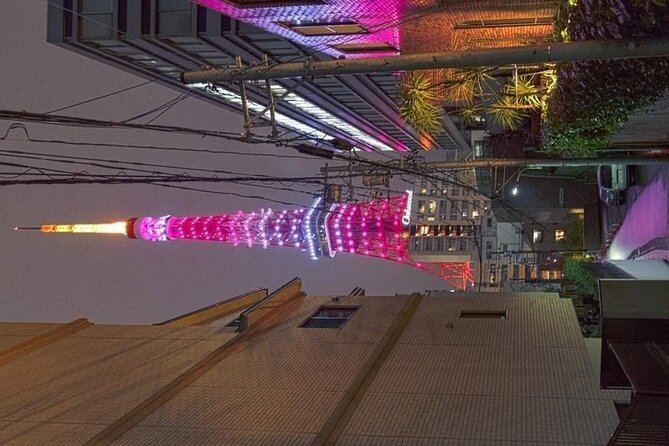
Takeshita Street receives the longest scheduled visit, two hours. It is made for window shopping, with cutesy clothing shops, sweet street food, and groups of schoolchildren meeting up in Harajuku.
This is a useful place to slow down. Unlike the quick photo stops, Takeshita Street gives you time to browse, eat, and experience a different side of Tokyo. It is also one of the easiest stops to tailor. You might spend the full two hours shopping, or ask for less time if you prefer temples, gardens, or city views.
The street can be crowded, and the tour does not include shopping or food costs. Keep your group together and agree on a meeting point with the driver, especially if anyone wants to browse independently. Since parking is difficult in central Tokyo, the driver may wait with the car rather than walk every section with you.
Shibuya Crossing is short, but visually essential
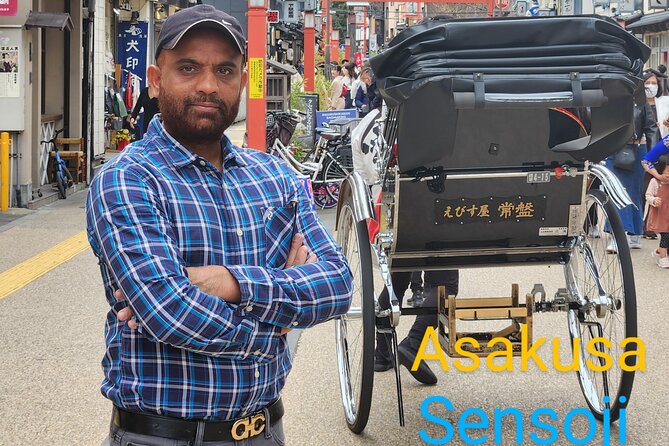
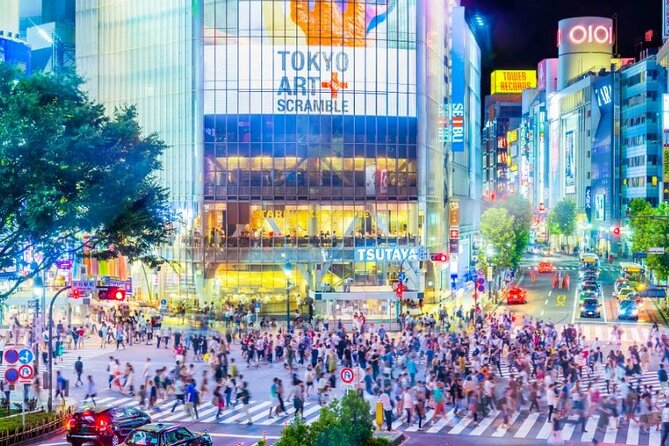
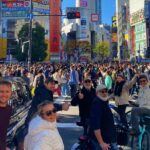
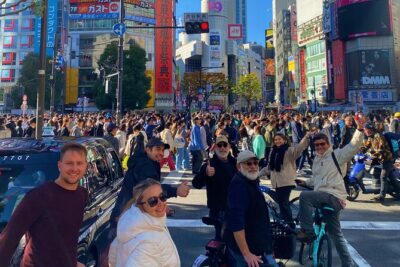
The stop at Shibuya Crossing lasts about 20 minutes. That sounds brief, but it can be enough to watch the famous intersection fill and empty, take photos, and get a quick feel for one of Tokyo’s most recognizable urban scenes.
Do not expect a long neighborhood visit here. The value is the quick hit of scale and movement. If you want time for nearby shops, cafés, or a proper view of the crossing, tell the driver before the day begins. You may need to shorten another stop.
Several people praised drivers for taking photos and finding good picture spots. That can make short stops more useful, particularly if you want a family photo without asking strangers. It is a welcome extra, but it depends on the driver and the day’s parking conditions.
Shinjuku combines free viewpoints with quirky city icons
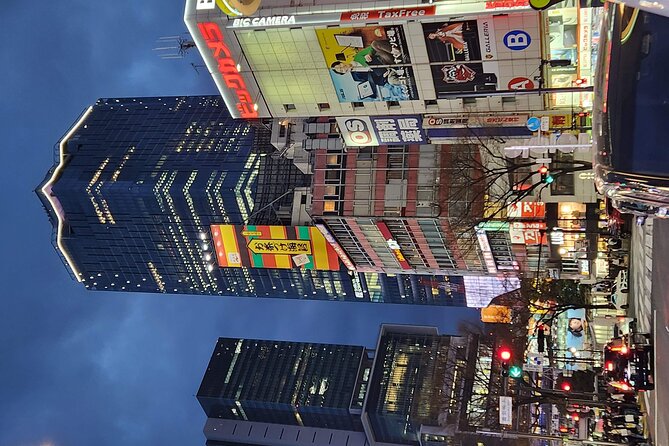
The Shinjuku portion includes several quick stops. The Tokyo Metropolitan Government Building Observation Decks receive about 30 minutes, and admission is free. This is a smart counterpoint to Tokyo Skytree because you can get a high city view without another ticket.
The schedule also includes the Godzilla Head in Shinjuku. It is a free attraction near the entertainment district, known for its large scale and an hourly animated roar and smoke effect. Ten minutes is enough for a look and a photo, but timing matters if you want to catch the animation.
The giant 3D cat billboard receives another 10-minute stop. The calico cat appears to move and react on a large digital screen, making this a fun modern contrast to the shrine and temple visits.
These three Shinjuku stops are best treated as snapshots. They add variety and help you see the city’s playful digital side, but they do not replace time walking through Shinjuku. If you want a slower neighborhood experience, ask which quick stop can be skipped.
The driver makes the biggest difference
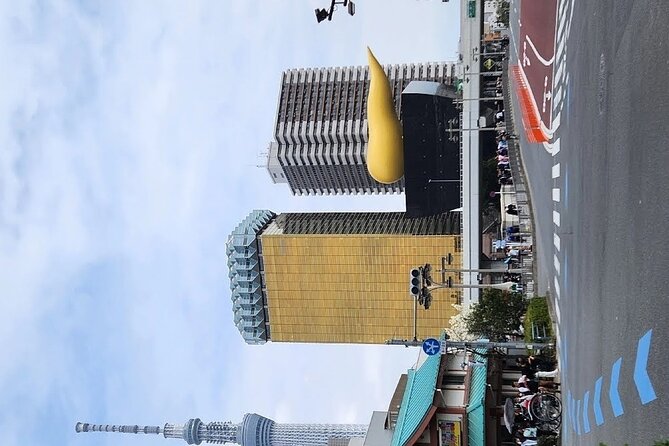
This experience depends heavily on the person behind the wheel. The names connected with especially strong feedback include Vohra, Mazz, Faris, Abdul, Talil, Miae, and Shehzed. Their strengths include prompt communication, friendly conversation, good English, useful explanations, photo help, and attention to family needs.
One driver, Vohra, was praised for finding a nearby park with cherry blossoms and making a short video. Another guide made a rainy day enjoyable, while Talil was described as flexible and suitable for a tight pre-cruise schedule. Mazz was noted for leaving the car and explaining each stop rather than only offering information from the driver’s seat.
That said, you cannot choose a named driver from the information provided. The included service is a basic English-speaking driver, not a professional guide. If detailed cultural context is central to your trip, plan to read about the temples and neighborhoods beforehand or ask about adding a separate guide, since guiding at individual sites costs extra.
Parking is another practical limit. One person wished the driver could accompany the group at every stop, but central Tokyo parking can make that difficult. You may spend some visits exploring on your own while the car waits nearby. That is normal for a driving tour, but it is worth knowing before you book.
Eight hours means variety, not leisurely sightseeing
The listed stops add up to a demanding day: Tsukiji, Shinjuku Gyoen, Tokyo Skytree, Godzilla Head, Meiji Jingu, Shibuya Crossing, Takeshita Street, the Tokyo Metropolitan Government Building, the 3D cat billboard, and Senso-ji.
Some stops are only 10 or 20 minutes. Others have 30 minutes or an hour. Takeshita Street receives two hours, which helps balance the many quick looks, but you still need to accept a brisk rhythm.
A useful tactic is to identify your top three priorities. If Senso-ji, Meiji Jingu, and Skytree matter most, tell the driver. If you care more about food and shopping, ask for extra time at Tsukiji and Takeshita Street. The tour is most successful when you use its flexibility rather than trying to see every stop equally.
A time suggestion from the feedback is a 7 a.m. to 3 p.m. schedule to avoid heavier crowds. That timing may not suit every pickup or operating schedule, and it does not guarantee quiet streets, but an early start is sensible for a packed Tokyo day.
Who gets the best value from $400
At $400 per group of up to three, this is a premium transport option. It becomes easier to justify when three people share the cost, since you are paying for a private car, fuel, air conditioning, pickup, and a full day of movement.
You are also buying convenience. Tokyo’s rail system is excellent, but stations can be large, transfers can take time, and a first visit can involve plenty of wrong turns. A car is particularly useful for families with small children, people who find long walks difficult, and anyone working around a ship departure or a short hotel stay.
The price is less attractive if you are a solo visitor, want a detailed guide at each site, or enjoy exploring by train. Add ¥500 per adult for Shinjuku Gyoen and ¥3,400 per person for Skytree if you choose both. Other site-specific guides and entry fees are also outside the base price.
Free cancellation is available up to 24 hours before the start time. Changes or cancellations inside that window are not accepted for a refund, so keep the local cutoff time in mind.
Should you book this private Tokyo day tour?
I would book it for a first Tokyo visit when time is short and convenience matters more than the lowest price. The route gives you a broad first look: historic Asakusa, a shrine, market streets, Harajuku shopping, Shibuya’s crossing, Shinjuku’s oddball screens, and two possible city views.
I would not book it expecting a traditional guided tour with long explanations at every site. The driver may be warm, helpful, and highly involved, but the official package is transport with basic English commentary. Ask for your priority stops, confirm hotel pickup, check the Monday closure at Shinjuku Gyoen, and budget separately for Skytree.
For a family, older group, cruise passenger, or visitor with only one open day, the private car can be worth the premium. For independent explorers with more time, Tokyo’s trains will cost less and let you linger. The right choice comes down to this: do you want to cover a lot with minimal transport stress, or take Tokyo one neighborhood at a time?
FAQ
How long is the private Tokyo city tour?
The tour lasts approximately 8 hours.
How many people can join for $400?
The price is $400 per group for up to 3 people.
Is hotel pickup available?
Yes. Pickup is offered, including convenient transfers from your Tokyo hotel.
Where does the tour start?
The published meeting point is Kaminari mon2-chōme-3-1 Asakusa, Taito City, Tokyo 111-0032, Japan.
Where does the tour end?
The activity ends back at the meeting point.
Is transportation included?
Yes. An air-conditioned vehicle and fuel are included.
Is a professional tour guide included?
No. The package includes a basic English-speaking driver. Most explanations are given in the car between destinations, and separate site guides cost extra.
Is Tokyo Skytree admission included?
No. Tokyo Skytree admission costs ¥3,400 per person and is paid separately.
Is Shinjuku Gyoen admission included?
No. Admission is ¥500 per adult. Shinjuku Gyoen is closed on Mondays.
Can the itinerary be customized?
Yes. The itinerary is customizable, so you can discuss your priorities with the driver. The number of stops means you may need to choose where to spend more time.
Is Senso-ji Temple free to enter?
Yes. The listed admission for Senso-ji is free.
Can I cancel for a full refund?
Yes, if you cancel at least 24 hours before the experience start time. Cancellations or changes made less than 24 hours in advance are not accepted for a refund.
More Private Drivers in Tokyo

More Private Tours in Tokyo
More City Tours in Tokyo


More tours in Tokyo we've reviewed












City Tours, compared.
 ★ 4.8Tokyo: Private City Highlights Tour with Local GuideFrom $1064 - 8 hours
 ★ 4.8Tokyo: 3-Hour Bike or E-Bike City Highlights TourFrom $453 hours
 ★ 4.8Tokyo: Sumo Morning Practice Tour at Sumida CityFrom $1162 hours
 ★ 4.5Private Haneda Airport (HND) to Central Tokyo City TransferFrom $119
 ★ 4.8Tokyo: 3-hour Guided E-Bike Tour of the City’s Hidden GemsFrom $65
 ★ 5.0Tokyo: 3-Hour Bike/E-Bike Tour of the City’s HighlightsFrom $63