Reviewed · KAMAKURA & ENOSHIMA DAY TRIPS
Kamakura Private & Customizable Tour – All-in-One Experience
Kamakura is at its best when you can match the day to your interests, and this private custom tour gives you that freedom. Your guide can build a route around temples, shrines, nature, food, family needs, or less-visited spots, then adjust it as the day unfolds. Deen, Marco, Sofia, and Lauren are among the guides praised for their local insight, patience, and easy company.
In This Article
- Key points to know before booking
- Why a custom Kamakura tour makes sense
- Building your route around temples and shrines
- Adding nature, shopping, and quieter stops
- Using trains and walking instead of a private vehicle
- How the two to eight hours can work
- The guides and the human side of the day
- Families, solo visitors, and different walking speeds
- Booking details that affect your day
- Should you book the Kamakura private tour?
- FAQ
- How long does the Kamakura private tour last?
- What language is the tour conducted in?
- Is this a private tour?
- Can I customize the itinerary?
- Is hotel pickup available?
- Are transportation costs included?
- Are entrance tickets included?
- Can children join the tour?
- Is the tour suitable for wheelchair users?
I like two things right away: the pre-tour planning help takes the guesswork out of a large sightseeing area, and the private format lets you move at your own speed. Families have shaped outings around children, solo visitors have received help with photos and trains, and fast walkers have covered plenty of ground without waiting for a group. The main catch is that transport and entrance fees cost extra, and the walking can be demanding.
Key points to know before booking

- Your itinerary starts before the tour: A guide sends possible start times, destinations, and a plan shaped around your interests.
- The famous sights are optional, not automatic: Kotoku-in, Hasedera, and Tsurugaoka Hachimangu can be included, along with quieter spiritual sites and nature.
- You travel on foot and by public transport: Private cars and buses are not included, so bring comfortable shoes and cash.
- The guide adapts to your group: Routes have been adjusted for children, food restrictions, luggage, fast walkers, and slower mobility.
- You can book from two to eight hours: A three-hour essentials visit can work well for a short stay, while a full day allows Kamakura and possibly Enoshima.
- Children under 12 join free: Include them in the booking so the operator has an accurate group size.
Why a custom Kamakura tour makes sense

Kamakura can look simple on a map, but its sights spread across several areas. The giant Buddha, hillside temples, central shrine, shopping streets, and coastal connections do not form one compact cluster. You can visit them alone, but deciding what to skip becomes harder once trains, walking time, opening hours, crowds, and family energy enter the picture.
This tour solves that problem with a private guide rather than a fixed route. Before your day, you share what matters to you. You might ask for Buddhist temples and Shinto shrines, quiet gardens and viewpoints, food stops, local customs, or a gentle route with fewer stairs. Your guide then suggests a practical plan instead of handing you a one-size-fits-all schedule.
I particularly like the consultation stage. It gives you a chance to ask questions before committing to the day, and the assigned guide follows up with start-time options, a proposed route, destinations to choose from, and pickup details if needed. Since the 9:00 AM time shown during booking is only a placeholder, you should wait for the personal confirmation before fixing other plans.
The price begins at $51 per person, which is attractive for a private experience. The value depends on how many people are in your party and how much help you need. A couple or family pays more than it would for a large group outing, but you get a guide focused only on you, plus planning help and the ability to change direction. Remember to add public transport fares and temple or shrine entry fees to your budget.
A few more Tokyo tours and experiences worth a look
Building your route around temples and shrines
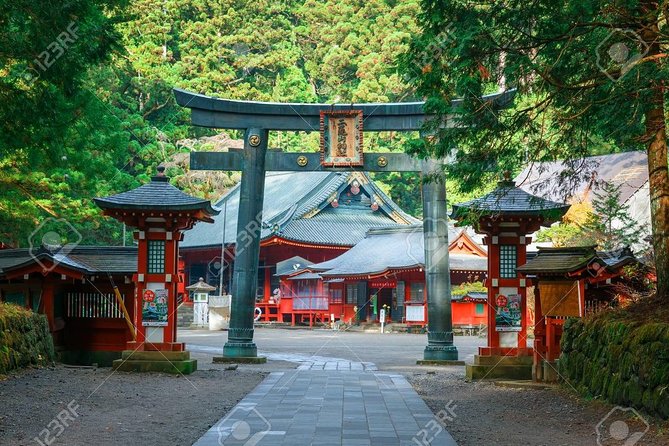
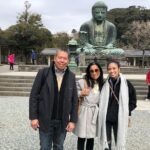
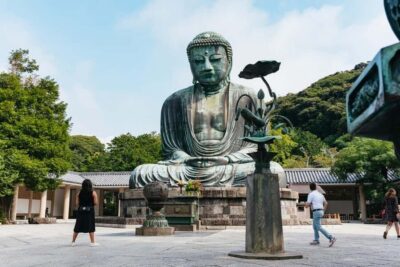
For a first visit, your guide may suggest a route built around Kamakura’s best-known religious sites. Kotoku-in, home to the Great Buddha, is the obvious anchor. It offers the city’s most instantly recognizable sight and works well for visitors who want one major landmark without spending the whole day inside a museum or formal tour group.
Hasedera adds a different mood. Its temple grounds, spiritual details, and scenic setting give your guide room to explain Japanese religious traditions while you look around at your own pace. The site may involve steps and slopes, so tell your guide about mobility concerns during the planning stage. This tour is not suitable for wheelchair users or people with a low level of fitness.
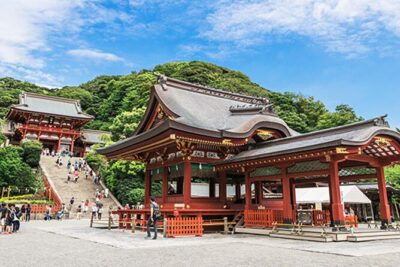
Tsurugaoka Hachimangu gives you a central Shinto experience and a useful sense of Kamakura’s importance. Pairing it with the Great Buddha and Hasedera creates a strong first-time route, but it can make for a full day of walking if you linger at each place. A private guide helps by cutting a stop short, adding time, or changing the order when your group needs a break.
The religious background is one of the tour’s strongest features. Deen has studied different religions and can adjust the level of explanation, from a quick orientation to longer discussions of beliefs, customs, stories, and legends. Marco has also been praised for explaining the traditions connected with the sites. You can ask questions as they arise instead of waiting for a scheduled lecture.
That personal exchange matters in Kamakura. A temple or shrine is more rewarding when you understand what you are seeing, how people use the site, and which customs deserve respect. At the same time, you can tell your guide when you would rather have quiet time to look around. A good private tour should give you both context and breathing room.
Adding nature, shopping, and quieter stops

If temples are not your only interest, the route can shift toward nature and less obvious places. One custom outing focused on nature and culture and included spots away from the main path. The exact destinations depend on your interests and the time you choose, so ask for a nature-led proposal during the planning exchange.
A flexible route also works well for visitors who want time for shopping areas or food. Guides have offered restaurant suggestions, helped with food restrictions, and worked a preferred restaurant into the day. Lauren, in particular, helped arrange a meal around a guest’s dietary needs while keeping a child engaged.
Do not treat restaurant advice as a guaranteed reservation or included meal. Food is an extra cost, and the available choices depend on the day’s route and your restrictions. Still, local guidance can save time, especially when you want a meal that fits your schedule rather than stopping at the first convenient place.
The guide can also add practical suggestions after the tour. Deen has given tips for places to eat and visit in Yokohama, which is useful if Kamakura is part of a wider day around the Tokyo Bay area. These follow-up ideas extend the value of the experience beyond the hours you spend walking together.
Using trains and walking instead of a private vehicle

This is not a chauffeur-driven excursion. Private buses and cars are not included, and public transportation fares are separate. You should expect to walk and use local trains or other public transport as needed.
For many visitors, that is a plus. Public transport keeps the day connected to ordinary Japanese life and can make the route more practical than trying to drive between scattered sights. One three-hour essentials outing used public transport around Kamakura and worked well for a family with teenagers.
The tradeoff is physical effort. Kamakura’s sightseeing can involve station walks, slopes, stairs, and standing. Bring comfortable shoes, carry cash, and keep your bag light. If you walk quickly, tell the guide. Sofia matched a fast pace for one visitor, while Marco adjusted carefully for another group’s mobility needs.
Optional walking pickup is available in Tokyo, Yokohama, and Kamakura areas. The wording matters: this is pickup on foot, not a private vehicle transfer. Select it only if you want your guide to meet you at your hotel or chosen location and walk with you from there.
A guide may also help with the transport system itself. Deen assisted one group with getting to Kamakura by train, and Marco helped another retrieve luggage from storage and reach the correct platform for a train from Yokohama to Haneda Airport. That kind of practical help can be especially useful if Kamakura forms part of a transfer day, though you should explain your timing needs in advance.
How the two to eight hours can work

The shortest booking is two hours, while the maximum is eight. That range makes the tour useful for several types of days, but you should be realistic about what fits.
For a quick introduction, two to three hours can cover a few essential sights. A three-hour route worked well for one family that wanted Kamakura’s main points without stretching the day. This option suits you if you have limited time, a child who tires quickly, or another major plan afterward.
A half-day allows more room for conversation and a calmer visit to several religious sites. You can spend longer at Kotoku-in or Hasedera, add Tsurugaoka Hachimangu, and still leave time for food or shopping, depending on the agreed route and walking pace.
A full eight-hour day gives you the most freedom. You might combine Kamakura’s main sites with nature, quieter places, shopping, or a trip toward Enoshima. Enoshima was included in one family’s longer outing, but it should not be assumed as part of every booking. Ask your guide to confirm whether it fits your interests and schedule.
Do not book eight hours simply because it is available. Families with young children may enjoy a shorter plan with room for breaks. Solo visitors with a strong interest in religion or history may appreciate a longer conversation. The private format works best when the length reflects your energy and priorities, not an attempt to collect every sight.
Other private tours in Tokyo

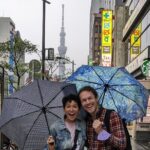
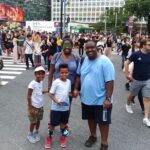
The guides and the human side of the day
The strongest pattern in the feedback is the guides’ personal approach. Deen is repeatedly described as warm, flexible, and easy to talk with. He has helped families, teenagers, a parent traveling with a one-year-old, and visitors who wanted both serious cultural explanation and relaxed conversation.
He also took photos during tours when available, and an optional photography add-on produced especially useful images for a solo parent who wanted pictures with her child. Ask about the photo option when booking rather than assuming a full photography session is included.
Marco’s strengths are site knowledge, patience, and careful pacing. He has guided temple-focused visits, adjusted to mobility needs, and helped with station logistics. Sofia has been a good match for a visitor who wanted to move quickly while still receiving background along the way.
Lauren has shown particular care with food restrictions and children. These details suggest that the operator can match different guide styles to different groups, though you should state your needs clearly rather than relying on luck.
English is the stated tour language. The private group setup means you can ask for more explanation, less explanation, or a different balance of walking and stops. For families, that may mean giving children a lighter explanation while adults discuss religion, society, or local customs in greater detail.
Families, solo visitors, and different walking speeds
This tour fits families unusually well because the day is not built around strangers or a fixed departure. Children under 12 join free, though you must include them in the booking. Guides have worked with children aged 10 and 13, teenagers, and a one-year-old.
That does not make Kamakura effortless with children. Temples, shrines, stations, and hills can test patience, and young children may need breaks. The advantage here is that your guide can change the pace, explain things in a way that keeps children involved, or give adults a quiet moment while helping entertain younger family members.
Solo visitors also gain something important: help with navigation and photographs. A guide can take photos when available, explain local etiquette, and make a full day feel less complicated. If you are traveling alone, the optional photography service may be worth considering.
Couples and friends can use the flexibility in a different way. You can focus on spiritual sites, add food and shopping, or spend more time in nature. Tell the guide if you prefer a fast sightseeing day or a slower outing with room for conversation.
This is not the right choice if you need step-free access or have low stamina. Ask for a gentler plan if you can walk but want fewer hills and stairs. The tour team has adjusted pace before, but the activity still depends on walking and public transportation.
Booking details that affect your day
The operating window is 9:00 AM to 6:00 PM Japan time. The start time is confirmed after the request is reviewed, and you receive a general confirmation email within 72 hours. Your assigned guide then sends the more useful personal follow-up with timing options, a proposed route, destination choices, and pickup information.
Build in time to read that message and answer clearly. Explain your interests, group ages, walking ability, food needs, luggage concerns, and any train or airport deadline. The better your information, the more useful the proposed route will be.
You can cancel up to 24 hours before the experience for a full refund, and reserve now while paying later. Those terms help if your Japan plans are still shifting, but you should still confirm the final start time before arranging connecting travel.
Bring comfortable shoes and cash. Entrance tickets are not included, and neither is public transportation. Hotel or location pickup is an optional add-on, and it takes place on foot in the Tokyo, Yokohama, or Kamakura areas.
Should you book the Kamakura private tour?

Book it if you want Kamakura shaped around you rather than a fixed checklist. It is especially useful for families, solo visitors, couples with different interests, and anyone who wants a guide to explain religious sites while also handling trains, pacing, food ideas, and local tips.
The $51 starting price is good value for a private guide, but calculate the full cost with transport and entry fees. Choose two to three hours for the essentials, half a day for a balanced visit, or up to eight hours if you want to combine Kamakura with broader interests such as nature, shopping, or Enoshima.
Skip it if you prefer to wander alone, dislike walking, need wheelchair access, or want private car transport. For everyone else, the main advantage is simple: you get a flexible day with a local guide who can adjust the plan before and during the visit. That is a smart way to see Kamakura without spending your limited Japan time on wrong turns.
FAQ
How long does the Kamakura private tour last?
You can book the experience for two to eight hours. A three-hour essentials route is also possible, while a longer booking allows more temples, nature, shopping, or an optional extension toward Enoshima.
What language is the tour conducted in?
The live tour guide language is English.
Is this a private tour?
Yes. The experience is for a private group, so the itinerary and pace are planned around your party.
Can I customize the itinerary?
Yes. You receive a proposed itinerary based on your interests, along with suggested destinations you can customize. Your guide can also adjust the plan during the tour.
Is hotel pickup available?
Optional pickup on foot is available from hotels or locations in the Tokyo, Yokohama, and Kamakura areas. This is not private vehicle pickup.
Are transportation costs included?
No. Private transport and public transportation are not included. You should also bring cash for transport and other personal expenses.
Are entrance tickets included?
No. Entrance tickets are separate from the tour price.
Can children join the tour?
Children under 12 join free, but you must include them in the booking.
Is the tour suitable for wheelchair users?
No. The activity is not suitable for wheelchair users or people with a low level of fitness. Comfortable shoes are recommended.
More Private Tours in Tokyo
More Kamakura & Enoshima Day Trips in Tokyo


More tours in Tokyo we've reviewed












Kamakura & Enoshima Day Trips, compared.
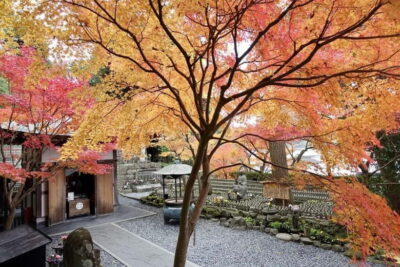 ★ 4.5Tokyo: Kamakura & Enoshima Day Trip including Temple TicketsFrom $589 hours - 570 minutes
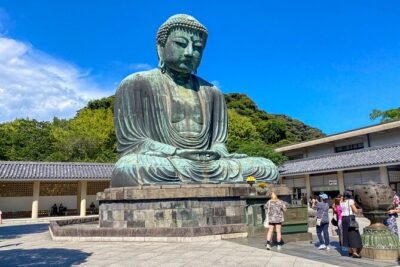 ★ 5.0Mount Fuji, Kamakura, Big Buddha, & Lake Ashi Day TripFrom $109
 ★ 4.7Tokyo: Mt Fuji, Kamakura, Lake Ashi & Big Buddha Guided TourFrom $50
 ★ 4.5From Tokyo: Kamakura & Enoshima 1-Day Bus TourFrom $66
 ★ 4.9Tokyo:Sea of Mount Fuji, Hakone Ropeway, Ōwakudani, EnoshimaFrom $5010 hours
 ★ 5.0Kamakura 8 hr Private Walking Tour with Licensed Guide from TokyoFrom $201