Reviewed · MARKETS
Complete Tuna Auction & Toyosu Fish Market Tour
The main event begins before sunrise: you watch bluefin tuna move through inspection and auction, with buyers sizing up enormous frozen fish at astonishing speed. Guide Fumi gets you into Toyosu Market early and explains what those hand signals, markings, and fast sales mean.
In This Article
- Key points about the Toyosu morning
- Why Toyosu is worth losing sleep over
- The 4:30 am hotel pickup
- Watching the tuna auction from 5:00 to 6:30
- From wholesale seafood to Japanese pantry goods
- The reserved sushi breakfast
- What Fumi adds to the morning
- Price, group size, and overall value
- Who will enjoy this Toyosu experience most
- Practical details before you book
- Should you book the tuna auction tour?
- FAQ
- What time does the tour start?
- How long does the experience last?
- Is hotel pickup included?
- Is the taxi fare included?
- Is breakfast included?
- Can I visit the tuna auction observation deck?
- Where does the tour end?
- What is the cancellation policy?
I like two things here. First, you see the full auction process, not just a quick glimpse from a public viewing area. Second, Fumi brings visual handouts and explains the path from fishing boat to sushi counter, then helps arrange a seat at a respected market sushi restaurant.
The catch is the hour. You meet around 4:30 am, and the morning lasts four to five hours. The $125.19 price does not cover the taxi to Toyosu or breakfast, and access to the closest observation deck depends on a lottery. Still, for anyone serious about sushi, seafood, or Japanese food culture, this is one of Tokyo’s more useful early starts.
Key points about the Toyosu morning

- The auction runs from about 5:00 to 6:30 am: You can watch tuna inspection and sales from designated viewing areas, with a chance to apply for the observation deck lottery.
- Fumi leads the experience: He is a nationally certified local guide from Tokyo with more than 10 years of guiding experience and strong market connections.
- The sushi reservation saves time: A seat is reserved at Ichiba Sushi or another leading market restaurant, but you pay for your own meal.
- The tour goes beyond tuna: You also see wholesale seafood areas and food shops selling items such as nori, sake, miso, pickles, matcha, seafood, and Japanese knives.
- The group can be small: The tour accepts up to two groups, with a maximum of six guests in that arrangement. Groups of four or more automatically become private tours, and the activity has a stated maximum of 13 people.
- You still pay local transport costs: Hotel pickup can be arranged, but the taxi fare from your hotel to Toyosu is not included.
Why Toyosu is worth losing sleep over

Toyosu is not simply a place to watch fish being sold. It is the working center of Tokyo’s wholesale seafood trade, and the tuna auction gives you a quick look at the commercial side of sushi.
The action moves fast. Large tuna are inspected, assessed, and sold in a system that can be hard to follow if you are on your own. Fumi’s role matters because he explains what you are seeing while it happens. His printed visual aids are especially useful during the auction, when the sales move too quickly for casual observation.
You also gain context about the move from the old Tsukiji market to Toyosu. That background helps you understand why the building is arranged as it is and why public viewing areas are separated from the working wholesale floors.
Toyosu is more orderly and modern than old Tsukiji, but it can feel less intimate. You are visiting an active market facility, not a theatrical food hall designed for sightseeing. That is part of its appeal. You get a look at a real supply chain, though some areas are viewed from designated public spaces rather than entered freely.
Other shopping tours in Tokyo
The 4:30 am hotel pickup
The morning usually begins around 4:30 am at your hotel. You need to provide the hotel details in the special requests section when booking, and you should confirm the pickup arrangement after your booking is accepted.
Fumi has arranged taxis for guests, including families who needed more than one cab. This is a practical service at that hour, since organizing a taxi in the dark can add stress to an already early morning. You reimburse the taxi fare separately, so budget for that before you book.
The official meeting information also gives Toyosu Market as the start point, at 6 Chome-6 Toyosu, Koto City. Because the tour description includes hotel pickup while the fare excludes transportation, confirm exactly where Fumi will meet you and how the taxi payment will work.
The early start is not a minor detail. You will probably be awake long before your normal Tokyo sightseeing day begins, and the tour continues until about 9:00 am. If you plan a full day afterward, keep the schedule light enough to handle the lost sleep.
Watching the tuna auction from 5:00 to 6:30
Fumi aims to enter at opening time so you can reach a good public viewing position. From there, you watch the auction process from inspection through the bluefin finale.
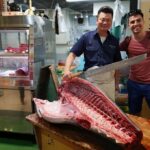
The auction floor is large, fast, and visually striking. You might see tuna lined up for inspection, buyers studying the fish, and auction activity carried out at a pace that makes the explanation especially valuable. Fumi provides background on the tuna trade and points out details that are easy to miss.
The closest option is the observation deck. Entry is not automatic. You must apply through a lottery before the deadline, and Fumi can help with the application. Some people secure a spot, while others watch from another excellent viewing area. The deck gives you a position above the auction floor behind glass, where you can see and hear the action clearly, but you should treat it as a bonus rather than a guaranteed part of the tour.
If you do not win the lottery, the tour does not collapse. Fumi still explains the auction and places you where you can see much of the activity. That distinction matters because the tour promises a close view, but the very best deck position depends on availability and chance.
Plan for a visually busy experience rather than a quiet lesson. The market is operating at working speed, and the auction itself lasts about 90 minutes. You will get more from it if you focus on the process instead of expecting a long, slow presentation.
From wholesale seafood to Japanese pantry goods

After the auction, the tour shifts from tuna to the wider market. This is where the morning becomes more personal and varied.
You may see wholesale seafood such as shrimp, crab, octopus, eel, and other products. Fumi also takes you through shops and specialty vendors where you might sample or browse Japanese ingredients, including nori, pickled vegetables, matcha, sake, miso, dairy products, baked goods, and sweets.
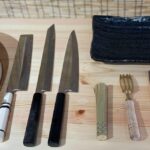
One useful feature is the attention to items that visitors often overlook. A knife shop, for example, becomes a lesson in Japanese food preparation. Fumi explains that tuna can require many different knives, with one account noting 25 types used for tuna work. That detail connects the fish auction to the craft of preparing sushi.
The handouts continue during this part of the tour. They cover topics such as sashimi, sushi etiquette, how fish is prepared, and useful food vocabulary. You can keep them after the tour, which makes them more helpful than a talk you simply try to remember while walking.
This portion also gives you time to ask questions. Fumi has been praised for explaining Japanese food, history, and culture beyond the narrow subject of seafood. That makes the tour a good fit if you want to understand what you are buying and eating, not just take pictures of a market floor.
Sampling is part of the experience, but you should not expect every food item to be included. The tour includes souvenirs from specialty shops, while the meal and breakfast costs are separate. Ask Fumi what is included if you have a particular concern about samples or purchases.
The reserved sushi breakfast

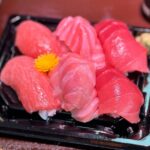
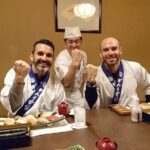
The sushi stop is one of the strongest practical reasons to book this tour. After watching fish move through the market, you sit down at a market sushi restaurant with a reservation arranged for you.
The restaurant is described as Ichiba Sushi, one of the better-known market choices, though the precise restaurant arrangement may depend on availability. The reservation means you avoid arriving after the auction to find a long line or no useful breakfast slot.
The meal is not included in the tour price. You pay for your own sushi, and the cost can vary depending on what you order. Several guests chose an omakase, or chef’s choice, meal and considered it a highlight of the morning. If you want the full seafood experience, this is the natural moment to spend extra.
The timing works well. You have just watched the auction and seen the surrounding wholesale areas, so the sushi breakfast feels tied to the market rather than added as a random restaurant visit. You can better appreciate the difference between a piece of sushi on a plate and the work that brought it there.
Keep your expectations practical. This is a market breakfast, not a long formal meal with a leisurely pace. The restaurant reservation solves the hardest problem, finding a seat at a popular sushi counter, but you still need to cover the bill yourself.
A few more Tokyo tours and experiences worth a look
What Fumi adds to the morning

A self-guided visit can show you the building, but it may not explain the auction’s language, the wholesale system, or the difference between market areas. Fumi fills that gap with spoken explanations, printed material, and help with timing.
He is a Tokyo native and nationally certified guide with more than 10 years of experience. His strongest contribution is his ability to connect small details. You learn about tuna, then knives, then sushi preparation, then Japanese dining customs. The result is a better understanding of food from source to table.
Fumi also handles small but important tasks. He contacts guests before the tour, reminds them about the deck lottery deadline, meets them at the hotel, helps with taxis, and arranges the sushi reservation. Those details can make the morning feel far less complicated.
One caution is communication. One participant found Fumi’s accent difficult to understand, even after asking him to slow down. Others found his explanations clear and praised his patience, so this may not affect everyone. If you have hearing difficulty or need very clear spoken English, bring that concern up before booking and ask about the best way to follow the explanations.
Price, group size, and overall value

At $125.19 per person, this is not a cheap market walk. But the value depends on how much help you want at an awkward hour.
You are paying for a licensed guide, advance coordination, auction expertise, market access guidance, the restaurant reservation, handouts, and souvenirs from specialty shops. The taxi and breakfast are extra, so your real morning cost will be higher than the headline price.
I see the strongest value for first-time visitors to Toyosu. Without help, you must manage the early departure, find the correct entrance, understand the viewing areas, watch the auction without much explanation, and then locate a sushi restaurant. The tour combines those tasks into one morning.
For a group of four or more, the booking becomes private automatically, with no stated participant limit. Smaller bookings can include up to two groups and six total guests, though the activity’s maximum is listed as 13. Ask about the exact group arrangement if privacy matters to you.
Group discounts are offered, but no discount amount is stated. Compare the total price for your party before booking, especially if you are traveling with children or a large family.
Who will enjoy this Toyosu experience most

I would choose this tour if you care about sushi, tuna, Japanese food production, or the practical side of Tokyo’s markets. It also suits families, since Fumi’s visual materials and patient explanations give children something to follow beyond the auction itself.
It is a good match for people who want structure. The morning has a clear rhythm: hotel pickup, auction, market exploration, sushi breakfast, and a walk or taxi to the station.
You might skip it if you dislike very early starts, want a casual market stroll, or prefer to make every food and transport choice on your own. The tour is also less appealing if the tuna auction is only a minor interest and you already have strong knowledge of Japanese food.
At the end, Fumi can put you in a cab or take you to Shijo-mae Station, located near the market. From there, you are free to continue your Tokyo day or return to your hotel.
Practical details before you book
Confirmation is sent within 48 hours, subject to availability. The tour runs in most weather, but poor weather can lead to a different date or a full refund.
Free cancellation is available until 24 hours before the 4:30 am start time. Changes or cancellations inside that window are not accepted for a refund, so check your schedule carefully before the deadline.
Most people can take part, and the market is near public transportation. The key physical demand is not strenuous walking so much as staying alert through a long, early morning. Wear comfortable shoes and bring whatever you need to remain comfortable before breakfast.
Apply for the deck lottery as soon as Fumi sends the relevant instructions. Do not wait until the night before. Winning the deck spot can give you the closest view, but the regular viewing area still provides a worthwhile auction experience.
Should you book the tuna auction tour?
Book it if you want the tuna auction explained rather than merely seen, and if a reserved sushi breakfast sounds worth paying extra for. Fumi’s local experience, auction handouts, food lessons, and help with the deck lottery give this morning much more shape than a simple walk through Toyosu.
The main sacrifices are sleep and added costs. You pay separately for the taxi and meal, and the observation deck is not guaranteed. If you accept those limits, the $125.19 fee is fair for a tightly organized, information-heavy introduction to Tokyo’s seafood trade.
I would especially recommend it for a first visit, a family group, or anyone who has been looking forward to seeing the bluefin auction. Just confirm the pickup details, apply for the deck lottery early, and keep the rest of your day flexible.
FAQ
What time does the tour start?
The tour starts around 4:30 am. Hotel pickup may be arranged, and the auction portion begins around 5:00 am.
How long does the experience last?
The full experience lasts approximately four to five hours, ending around 9:00 am.
Is hotel pickup included?
Hotel pickup is offered. You need to provide your hotel in the special requests section, and you should confirm the exact arrangement after booking.
Is the taxi fare included?
No. Transportation from your hotel to Toyosu is not included in the tour price. Guests reimburse the taxi fare separately.
Is breakfast included?
No. The tour includes a reserved seat at a market sushi restaurant, but you pay separately for breakfast.
Can I visit the tuna auction observation deck?
You can apply for the observation deck lottery with help from the guide, provided you apply before the deadline. A winning lottery entry is not guaranteed.
Where does the tour end?
The tour ends around 9:00 am. Fumi can see you off in a taxi or take you to Shijo-mae Station near Toyosu Market.
What is the cancellation policy?
You can cancel at least 24 hours before the local start time for a full refund. Cancellations or changes made less than 24 hours before the start are not accepted, and poor weather may result in a different date or a full refund.
More Markets in Tokyo
More Shopping Tours in Tokyo
More tours in Tokyo we've reviewed












Markets, compared.
 ★ 5.0Tokyo Tsukiji Fish Market Food and Culture Walking TourFrom $99
 ★ 5.0Tokyo: Tsukiji Fish Market Food and Walking tourFrom $30
 ★ 4.9Tokyo: Tsukiji Fish Market Guided Walking TourFrom $222 hours
 ★ 5.0Tsukiji Fish Market Guided Tour and Sushi Making with Pro ChefFrom $104
★ 4.7Tokyo: Tsukiji Fish Market Food and Culture Walking TourFrom $963 hours
★ 5.0Tsukiji Fish Market Guided Tour and Sushi Making with Pro ChefFrom $104
★ 4.7Tokyo: Tsukiji Fish Market Food and Culture Walking TourFrom $963 hours
 ★ 5.0Tsukiji Fish Market: Street Food & Culture Walking TourFrom $33