Reviewed · MT FUJI DAY TRIPS
From Tokyo: Mt Fuji, Arakurayama and Kawaguchi Lake Day Trip
The big draw is simple: in one long day, you reach several of the most recognizable Mt Fuji viewpoints without sorting out rural buses, changing trains, or figuring out how to connect Arakurayama with Lake Kawaguchi. Chureito Pagoda, framed by the mountain, is the star photo stop, but the day gives you several different views instead of one quick glimpse.
In This Article
- Key points before you book
- Meeting at Tokyo Station and settling into the bus
- Arakurayama Sengen Park and the 397-step climb
- Fujiyoshida and the Hikawa Clock Shop street
- Oshino Hakkai and Fuji spring water
- The LAWSON Lake Kawaguchi photo stop
- Lake Kawaguchi, Oishi Park, and seasonal color
- What the guide adds to a fast-moving day
- Timing, traffic, and the real value of $55
- Mt Fuji weather: plan for beauty and uncertainty
- Who should book this day trip?
- Should you book it?
- FAQ
- Is this tour suitable for families with children?
- Is the tour suitable for elderly travelers?
- What happens if Mt Fuji is hidden by clouds?
- Are meals included?
- Should I bring cash?
- Where do I meet the guide?
- What languages are available?
- When will the tour return to Tokyo?
- Can I book a private vehicle?
I like the excellent variety of stops, from a hillside shrine park and an old-fashioned shopping street to spring-fed ponds and flower fields. I also like the guides, especially Hikari, whose clear meeting instructions, photo tips, jokes, and short cultural stories have made a strong impression on many visitors. The main drawback is the schedule: 397 steps, traffic, crowds, and six sightseeing stops can make the day feel brisk.
Key points before you book
- Chureito Pagoda requires 397 steps, so comfortable shoes and a steady pace matter.
- Hikari is a frequently requested guide, praised for his humor, helpful photo advice, and clear timing instructions.
- Oshino Hakkai is the food stop, with tofu, pickled miso, kusamochi, spring water, and small gift shops.
- The final lake stop changes by season: Oishi Park is used most of the year, while Maple Corridor is used approximately October 30 to November 20.
- The $55 price includes round-trip bus transport and a guide, but not snacks, drinks, or admission tickets.
- Fuji visibility is never guaranteed, though the villages, parks, shops, and lake remain worthwhile in cloudy weather.
Meeting at Tokyo Station and settling into the bus
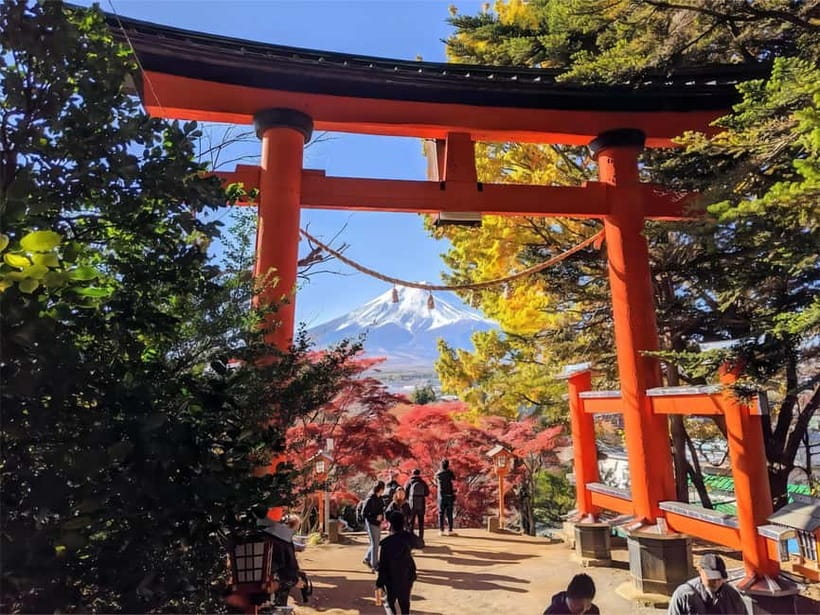
The tour begins near the taxi stand at Tokyo Station’s Marunouchi North Exit, at 1-chōme-9-1 Marunouchi. This is a sensible meeting point because Tokyo Station is easy to reach by public transport, but do not treat it casually. Large stations can be confusing, and a late arrival or no-show means no refund or alternate date.
The provider sends the guide’s phone number, more meeting instructions, and the vehicle license plate the evening before, usually around 7:00 or 8:00 PM. Read that message carefully. The exact departure time depends on the option you book, so follow the time in your confirmation rather than relying on a general schedule.
The ride toward Fuji takes about 105 minutes, though traffic can stretch it. An air-conditioned coach is a real advantage here. You get a seat, a place to rest your legs, and a guide who can explain the day while someone else handles the roads.
Do not bring a large suitcase. Space is limited, and food and drinks are not allowed in the vehicle. You can bring your own lunch, but plan to buy snacks and drinks during stops rather than expecting meals to be served.
If you're still narrowing it down, here are other tours in Chiyoda City we've reviewed.

Arakurayama Sengen Park and the 397-step climb
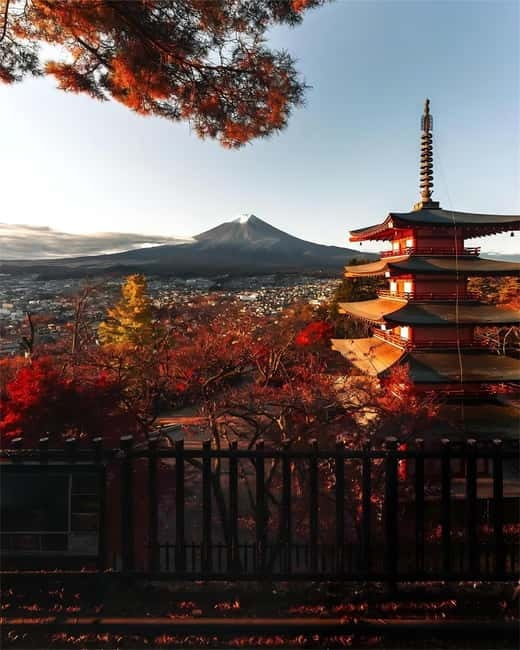
Arakurayama Sengen Park is the most famous stop on the route, and for good reason. The approach to Chureito Pagoda gives you the classic composition: red pagoda, wooded hillside, and Mt Fuji rising behind it.
The catch is the climb. You walk up 397 steps to reach the pagoda viewpoint, with roughly an hour allocated for the park and about 45 minutes specifically around Chureito. You do not need to sprint, but the stairs can be demanding for children, older visitors, and anyone with knee or breathing problems.
Take breaks as needed. The tour is described as family-friendly, but people over 75 are listed as unsuitable, and the stair climb is the reason to take that restriction seriously. Comfortable shoes are essential, especially if the ground is wet or snowy.
The view changes sharply through the year. In spring, cherry blossoms add the familiar pink frame. Summer brings green foliage, autumn brings red and gold leaves, and winter can offer a clean snowy scene. Winter may give you the clearest Fuji views, but it also makes weather-appropriate clothing and careful footing more important.
Crowds are another factor. The pagoda is one of the area’s best-known photo points, so your time can disappear while waiting for a clear position. A good guide helps by directing you to useful angles and keeping the group moving, but this is not a quiet private viewpoint.
Fujiyoshida and the Hikawa Clock Shop street
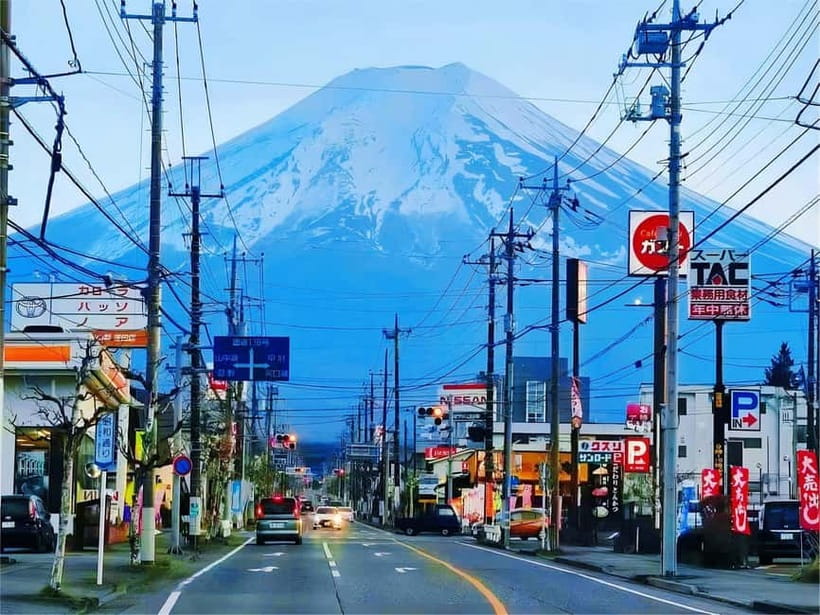
The stop at Hikawa Clock Shop is brief, about 20 minutes, but it offers a different kind of Fuji photograph. Here, the road’s perspective lines up with the mountain, creating a striking view through an ordinary-looking Fujiyoshida street.
This is a nice change after the stairs at Arakurayama. You are not climbing to a grand monument. You are simply walking, looking down a road, and seeing how the town’s layout creates a natural frame for Mt Fuji.
Twenty minutes is enough for photographs and a short look around, but not for a long café stop or extensive shopping. Keep an eye on the clock. The tour depends on everyone returning to the bus on time, and the vehicle may leave without someone who wanders off.
Oshino Hakkai and Fuji spring water
Oshino Hakkai is the day’s best stop for local food and village atmosphere. Eight springs formed by snowmelt from Mt Fuji feed clear pools here, and the water gives the place its defining character.
You can taste the spring water, photograph reflections of Fuji, and walk among small shops and food stalls. This is where I would keep some cash ready. Card payment may not be available at every stall, and lunch is not included.
Look for tofu with pickled miso and kusamochi, a green rice cake filled with sweet red bean paste. These are useful tastes of local snack culture rather than generic tour food. You can also browse for souvenirs and take a quieter break from the more crowded pagoda viewpoint.
The allocated time is about 80 minutes, which is far more generous than the short photo stops. Still, you need to choose your priorities. You may have time for food, shopping, the ponds, and photographs, but not an unhurried meal followed by a full village wander.
The water and ponds are the main reason to visit, but Fuji visibility affects the mood. On a clear day, the mountain reflection adds a strong visual payoff. In cloudy weather, the springs and village still provide something to see, so this stop helps keep the day worthwhile when the summit disappears.
The LAWSON Lake Kawaguchi photo stop
The LAWSON stop lasts about 20 minutes and is designed for a very specific photograph: the familiar convenience-store sign with Mt Fuji behind it. It is a modern, slightly comic contrast to the pagoda, shrine grounds, and traditional village.
You can buy ice cream, a hot snack, coffee, or a drink during the break. This is not a full meal stop, so use Oshino Hakkai for a more substantial bite if you need one.
The location is popular for social-media photographs, which means it can be crowded and less spontaneous than the picture suggests. A guide who knows the timing and nearby angles can save you some frustration. Keep the stop short, stay alert for the departure time, and do not assume the bus will wait for a late return.
Lake Kawaguchi, Oishi Park, and seasonal color
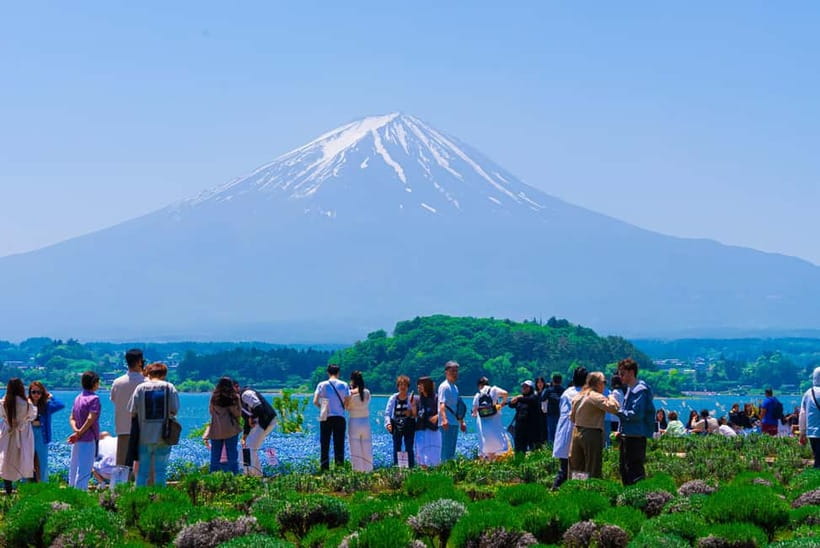
The final main stop is Lake Kawaguchi, with about 50 minutes for walking, views, and photographs. The lake gives you a broad, open setting for Fuji, quite different from the framed view at the pagoda or the narrow street in Fujiyoshida.
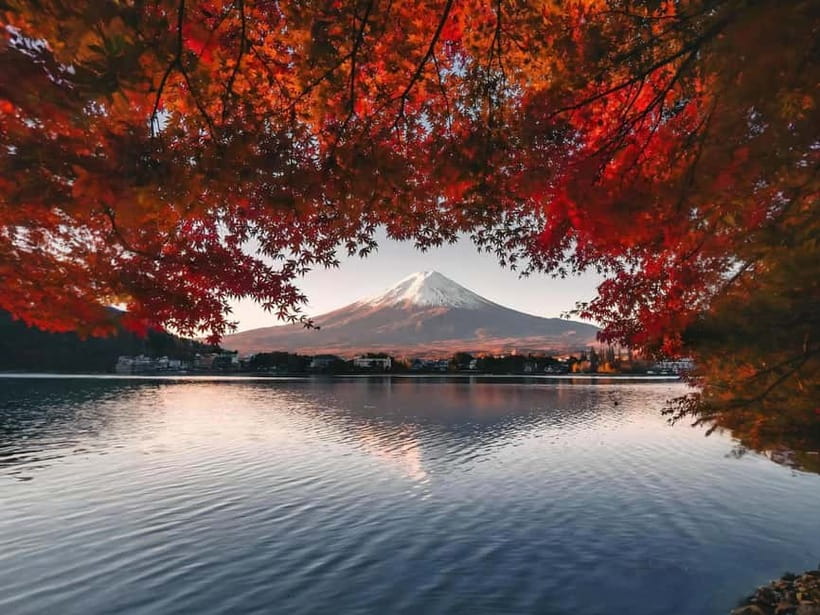
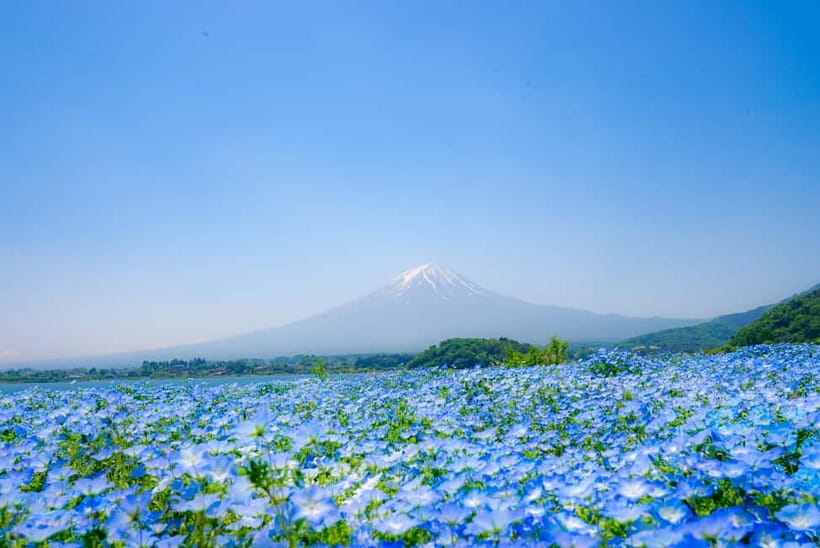
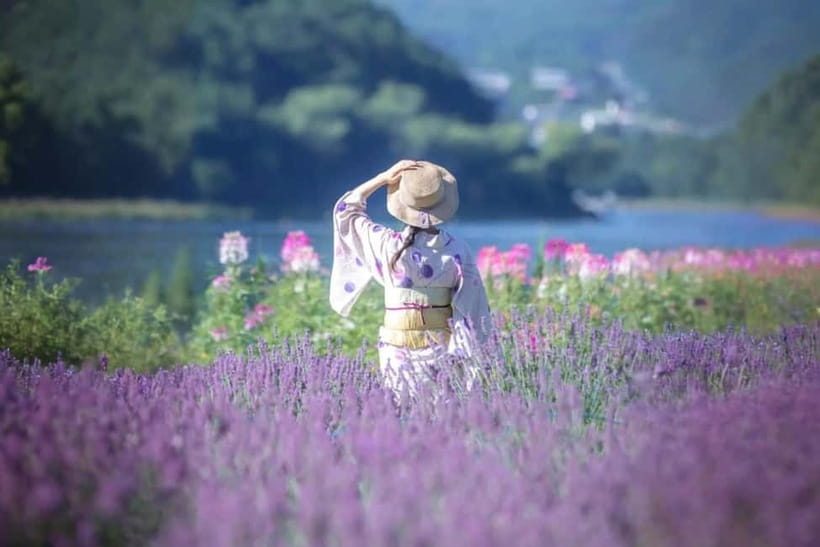
For most of the year, the tour visits Oishi Park. Its flower fields change with the seasons and can include lavender, begonia, cosmos, and Japanese blood grass. This makes the stop useful even when Fuji is hidden, since you still have the lake, gardens, and planted displays to enjoy.
From approximately October 30 to November 20, the itinerary switches to the Kawaguchiko Maple Corridor. The route becomes a walk through autumn foliage, with Fuji views where weather allows. If fall color is your priority, check the date carefully, since the seasonal stop is not interchangeable throughout the year.
Fifty minutes is enough for a focused walk and photographs. It is not enough for a long lakeside outing, a museum visit, and a leisurely meal. The tour works best if you accept that each stop is a sample rather than a full visit.
What the guide adds to a fast-moving day
The guide can make or break a schedule like this. You are not getting a slow, private exploration of the Fuji area. You are moving between several famous places, and you need clear instructions.
Hikari receives especially strong praise for making the bus rides lively without filling every minute with talk. His useful habits include explaining the meeting time at each stop, sharing small cultural details, suggesting photo positions, and helping with group photographs. He has also used WhatsApp to keep communication clear during the day.
Other guides named in feedback include Nick, Echo, Louis, and Carter Sasaki. The language options are English, Chinese, and Japanese, but you should request an English guide at least 72 hours ahead. Earlier notice is wise in peak season, since late bookings may only have Japanese or Chinese guide options.
The guide also has some room to adjust the order of stops when traffic or weather calls for it. That matters around Fuji, where road congestion can be heavy and the mountain may be clearer in the morning than later in the day.
The bus is not a private car unless you book the private option. In a shared group, you need to return to the vehicle at the stated time. Missing the bus can mean paying for a taxi to catch up at the next stop, so keep the guide’s instructions and meeting times visible on your phone.
Timing, traffic, and the real value of $55
At $55 per person, this is a strong value if your main goal is to cover several Fuji viewpoints in one day. The price includes the round-trip air-conditioned bus and live guide, which removes the cost and hassle of arranging transport across a wide rural area.
The price does not include food, drinks, or admission tickets. The stops themselves are mainly scenic and village visits, but you should still bring money for snacks and any paid activities or purchases.
The advertised duration is 10 hours. The tour is expected to finish its sightseeing around 4:30 PM, with a return to Tokyo around 6:00 to 6:30 PM, though another stated aim is arrival at Tokyo Station around 5:00 to 5:30 PM. In plain terms, timing varies, and you should keep your evening open.
During peak periods, the return can be delayed as late as 8:00 PM. Heavy traffic is especially likely around national holidays and the listed Japan holiday period from September 28 to October 7. The operator covers overtime fees, but that does not help if you have theater tickets, a dinner reservation, or a flight to catch.
The private option costs more and is handled differently. The basic private price covers a 10-hour car from Tokyo to Mt Fuji, while extra requests are discussed during a consultation and may require additional payment. The private format is most useful for families or groups that value flexible timing, and one private booking found the extra cost worthwhile because the group could linger longer at busy photo stops.
Mt Fuji weather: plan for beauty and uncertainty
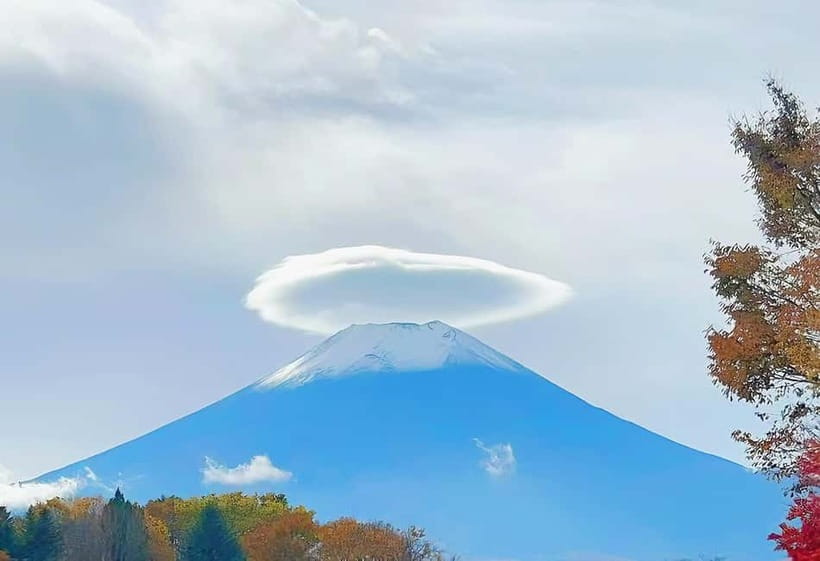
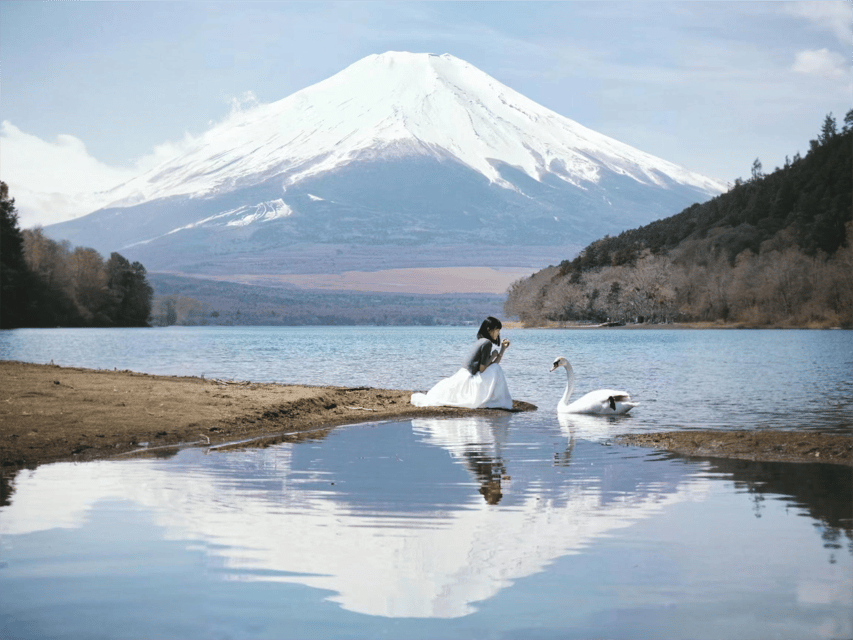
The mountain is the reason you are booking, but no tour can control clouds, fog, rain, or haze. Clear winter days may offer the strongest chance of a full view, while other seasons bring blossoms, foliage, or flowers that give the stops their own appeal.
I would choose the date with care, but I would not cancel the idea of the tour simply because visibility is uncertain. Oshino Hakkai, the pagoda grounds, the lake, the seasonal park, and the town street remain distinct places to visit.
Still, manage your expectations. If your only goal is one perfect photograph of Fuji, this tour cannot guarantee success. If you want a practical day of scenic viewpoints, local snacks, and a look at several Fuji-area towns, the itinerary has a better chance of satisfying you.
Who should book this day trip?
This suits a first-time visitor based in Tokyo who wants the main Fuji photo locations without arranging regional transport. It also works well for solo visitors who want an organized day, families who prefer a coach to multiple train changes, and small groups looking for a low-cost introduction to the area.
You should be comfortable with a long day, a 105-minute ride each way, walking, stairs, and firm departure times. It is less suitable for anyone needing a slow pace, carrying large luggage, or planning an evening event in Tokyo.
The tour is also a good fit for photographers who want several compositions: pagoda and mountain, road and mountain, spring pool and mountain, convenience-store sign and mountain, then lake and seasonal plants. The tradeoff is that you will not have much time to wait for perfect light at any one place.
Should you book it?
Book this tour if you want maximum Fuji coverage for a modest price and can accept a busy, carefully timed day. The strongest reasons are the variety of viewpoints, easy round-trip transport, and guides such as Hikari, who bring humor and practical help to a schedule that could otherwise feel mechanical.
Choose the private option if flexibility matters more than price, especially for a family or group. Skip the tour if you need a relaxed pace, guaranteed Fuji visibility, or a fixed return time for evening plans.
Bring comfortable shoes, weather-appropriate clothing, some cash for Oshino Hakkai, and a willingness to follow the clock. With those expectations, this is a sensible and good-value way to meet Mt Fuji from several memorable angles.
FAQ
Is this tour suitable for families with children?
Yes, the tour is family-friendly. The 397 steps to Chureito Pagoda may be tiring, so children should take breaks and wear comfortable shoes.
Is the tour suitable for elderly travelers?
The stair climb can be challenging, and the activity is not considered suitable for people over 75. Anyone concerned about walking should consider the physical demands before booking.
What happens if Mt Fuji is hidden by clouds?
Fuji visibility depends on weather and is not guaranteed. You can still visit Arakurayama Sengen Park, Oshino Hakkai, Lake Kawaguchi, LAWSON Lake Kawaguchi, and the seasonal park or Maple Corridor.
Are meals included?
No. Snacks, drinks, and meals are not included. You can bring your own lunch, and you can buy local food such as tofu with pickled miso and kusamochi at Oshino Hakkai.
Should I bring cash?
Bringing cash is useful, particularly for food stalls at Oshino Hakkai, where card payment may not be available everywhere.
Where do I meet the guide?
Meet near the taxi stand at Tokyo Station’s Marunouchi North Exit, at 1-chōme-9-1 Marunouchi, Chiyoda City, Tokyo. The provider sends further meeting details and the vehicle license plate the evening before.
What languages are available?
Live guides are available in English, Chinese, and Japanese. Request an English guide at least 72 hours in advance, especially during peak season.
When will the tour return to Tokyo?
The sightseeing portion is expected to finish around 4:30 PM, with arrival in Tokyo commonly planned for the late afternoon or around 6:00 to 6:30 PM. Traffic can cause major delays, with returns as late as 8:00 PM during busy periods.
Can I book a private vehicle?
Yes. Private and small-group options are available. The private option begins with a basic 10-hour car service from Tokyo, while extra route requests and additions are discussed during a consultation and may cost more.
More tours in Chiyoda City we've reviewed
Mt Fuji Day Trips, compared.
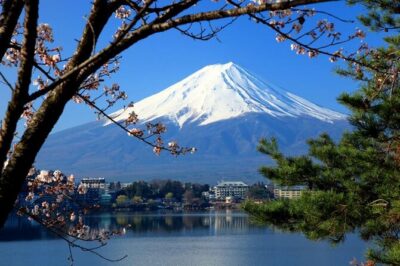 ★ 5.0Mt Fuji and Hakone 1-Day Bus Tour Return by Bullet TrainFrom $163
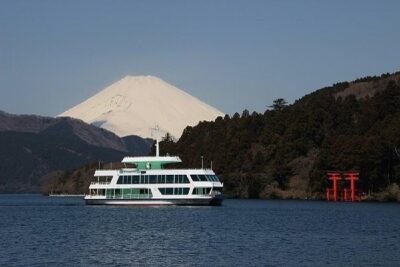 ★ 4.0Mt Fuji & Hakone Cruise, Drum Show Bullet Train 1 Day from TokyoFrom $149
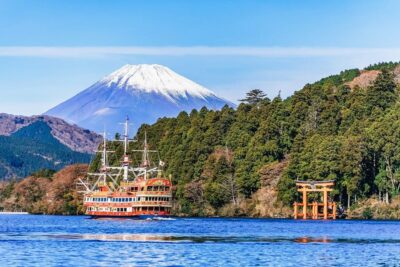 ★ 4.4Tokyo Mt Fuji 5th St & Hakone Cruise Bus Tour w/Bullet TrainFrom $15410 hours
 ★ 4.5From Tokyo: Mount Fuji Full-Day Sightseeing TripFrom $6810 hours
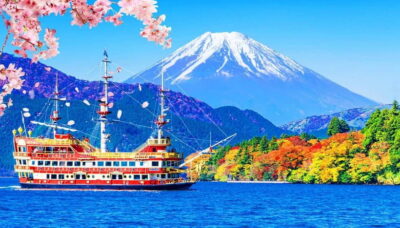 ★ 4.7Tokyo: Mt. Fuji Tour, Hakone Ropeway, Owakudani, Lake AshiFrom $5410 hours
 ★ 4.4Tokyo:Mt.Fuji,Kawaguchiko Oishi Park,Arakurayama Sengen ParkFrom $5410 hours