Reviewed · MT FUJI DAY TRIPS
Hakone: Self Guided Trip to Mt. Fuji // Made by Local Guides
Hakone is one of Japan’s easiest day trips to get wrong. There are trains, buses, boats, mountain routes, and several ticket systems to sort out. This self-guided PDF plan gives you a set route from Shinjuku through Moto Hakone, Amazake Chaya, Lake Ashi, and Owakudani, while leaving you free to set your own pace.
In This Article
- Key points to know before booking
- Why this Hakone route works for independent visitors
- Starting from Shinjuku and heading toward Hakone
- Moto Hakone, a good first taste of the area
- Amazake Chaya and a taste of old Japan
- Walking the old Tokaido stone pavement
- Lake Ashi and the famous pirate ship cruise
- Owakudani, volcanic ground and black eggs
- What the PDF does well, and where it stops
- Is $3.22 good value for a Hakone day?
- Who should choose this self-guided day?
- Final decision: book it if you want structure, not hand-holding
- FAQ
- How much does the self-guided Hakone trip cost?
- Where does the day begin?
- Is a personal guide included?
- What places are included in the route?
- Is the Lake Ashi boat ride included in the price?
- What food is recommended during the day?
- How long does the experience take?
- Is this suitable for people with limited mobility?
I like two things here. First, the plan points you toward local food stops, including warm amazake and Owakudani’s famous black eggs. Second, you travel independently rather than in a group, so you can pause for photos or move on when you have had enough. The catch is simple: the $3.22 price covers advice only. You still pay for every train, bus, boat ride, attraction, and meal.
Key points to know before booking
- Start at Shinjuku Station: Your day begins in central Tokyo, with the first train taking you toward Hakone.
- Follow a clear one-day route: The PDF explains where to go and how to get there, with transport and food suggestions along the way.
- Taste traditional Hakone specialties: Try warm amazake at Amazake Chaya and black onsen eggs at Owakudani.
- Ride across Lake Ashi: The route includes the well-known pirate ship cruise and photo stops near Mt. Fuji.
- Expect walking and stairs: The route includes a 45-minute walk on the old Tokaido stone pavement and is not suited to people with mobility limits or low fitness.
- Plan around early closing times: A useful practical tip is to check closing hours, since many Japanese attractions finish business early in the afternoon.
Why this Hakone route works for independent visitors
I see this experience as a planning aid, not a guided tour. You do not meet a local guide who walks beside you, explains each shrine, or handles tickets. Instead, Sunrise Adventure sends you a PDF with directions, timing ideas, food suggestions, local tips, and information on useful travel details such as a Japan eSIM discount code.
That difference matters. If you enjoy making your own choices but do not want to spend an evening comparing bus routes and train connections, the PDF can save time. You get a route to follow, yet you can stop for lunch, skip a sight, or linger beside Lake Ashi.
The material is designed to be easy to understand. One booking costs $3.22 for a group of up to one person, which makes the advice inexpensive even after you add the real cost of the day. Still, you should be clear about the purchase: transportation and entrance fees are not included, and you must manage the route yourself.
The price is low enough that the main question is not cost. It is usefulness. One person found the information so basic that it could be assembled independently after arriving in Hakone. That is a fair criticism. Hakone has plenty of signs and transport information, and confident planners may not need a paid PDF.
For first-time visitors, though, the value comes from having the day arranged in a sensible order. You can leave Tokyo with a plan instead of collecting ideas that never fit together.
A few more Tokyo tours and experiences worth a look
Starting from Shinjuku and heading toward Hakone
Your first step is at Shinjuku Station. The meeting point is listed in Shinjuku City at coordinates 35.6938253, 139.7033559, and the first train begins the day.
Because the actual train fare and transport arrangements are not included, you need to read the PDF before leaving. Give yourself time to understand which service to use, where to change, and which tickets you need. The guide provides transport directions, but it does not remove the need to buy the correct fare.
This is also where your own pace can help. You are not tied to a tour bus departure or a fixed lunch booking. If you get away early, you may have more room later in the day. If you start late, you may need to cut one of the stops.
The route is ambitious for a single day. It combines a village visit, local food, a historic walking section, a boat ride, mountain scenery, and the return journey to Tokyo. I would treat the PDF’s timing as a framework rather than a promise. Train delays, bus waits, queues, and weather can all affect the day.
Moto Hakone, a good first taste of the area
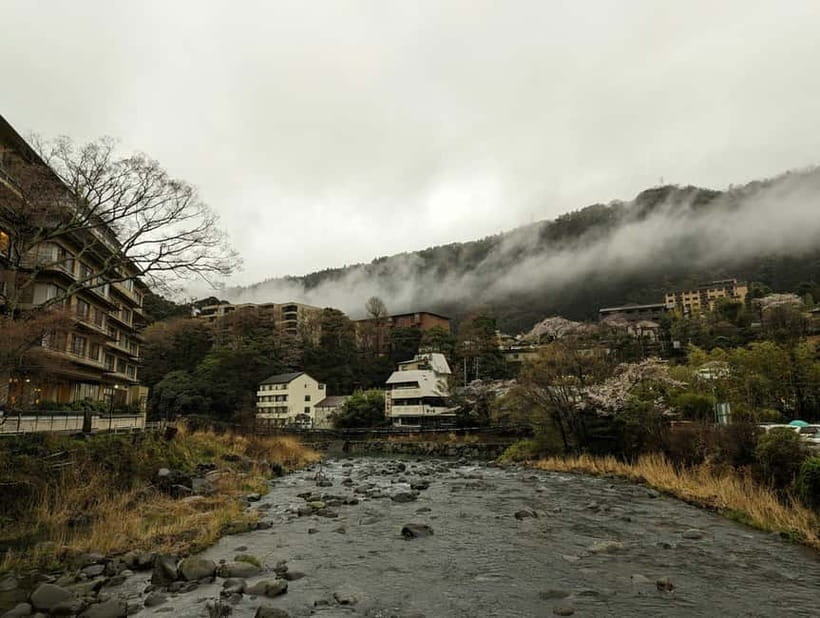
The route takes you first toward Moto Hakone, a small settlement near Lake Ashi. Here you have time for a break, lunch, local snacks, regional food, and free exploration.
This is a useful beginning because it lets you get familiar with Hakone before tackling the more scheduled parts of the route. The streets include traditional shops and eateries, and the surrounding greenery gives you an early sense of why Hakone is popular as a break from Tokyo.
Your food choices are your own, but the PDF includes recommendations for places to eat at different stops. That is practical in a town where you may want something quick rather than a long restaurant meal. Keep in mind that one hour is not a huge amount of time if you need to eat, take photographs, and find the next bus.
Moto Hakone also gives you a chance to check the weather. Mt. Fuji views depend heavily on conditions, and the mountain may be hidden even when the rest of Hakone looks clear. Do not judge the whole day by your first glimpse.
Amazake Chaya and a taste of old Japan
Amazake Chaya is one of the most distinctive stops on the route. This historic teahouse is known for warm amazake, a traditional sweet rice drink, along with savory snacks.
The stop is scheduled for about an hour, enough time for tea and a look around without turning the visit into a long meal. Amazake is often associated with sake, but the drink served here is a sweet rice beverage and is commonly enjoyed as a warming refreshment.
I like this part of the plan because it gives the day a local food focus rather than making every stop about a view. Hakone can become a parade of photo points, but a small traditional teahouse gives you a more grounded break.
The practical issue is timing. Japanese shops and attractions can close earlier than you expect. A previous booking found the route clear but wished the closing times had been included, since early afternoon closures can affect how you organize the day. Check hours before you set out, especially if Amazake Chaya is high on your list.
Walking the old Tokaido stone pavement
After the teahouse, the route includes the old Tokaido stone pavement, reached by bus and followed by about 45 minutes of walking or hiking.
The Tokaido was the historic road linking Tokyo and Kyoto. Here, the appeal is not a single grand sight. It is the change in texture under your feet, the wooded setting, and the chance to follow part of an old travel route rather than simply rushing between transport stations.
The 45-minute section sounds manageable, but you should take the warnings seriously. This experience is not suitable for people with back problems, mobility impairments, recent surgery, respiratory issues, or a low fitness level. Wheelchair users cannot use the route as described.
Wear shoes that are comfortable for walking. The supplied information does not promise a flat or fully accessible path, so do not book this as a gentle sightseeing outing. The old pavement is one of the day’s more physical sections.
A few more Tokyo tours and experiences worth a look
Lake Ashi and the famous pirate ship cruise
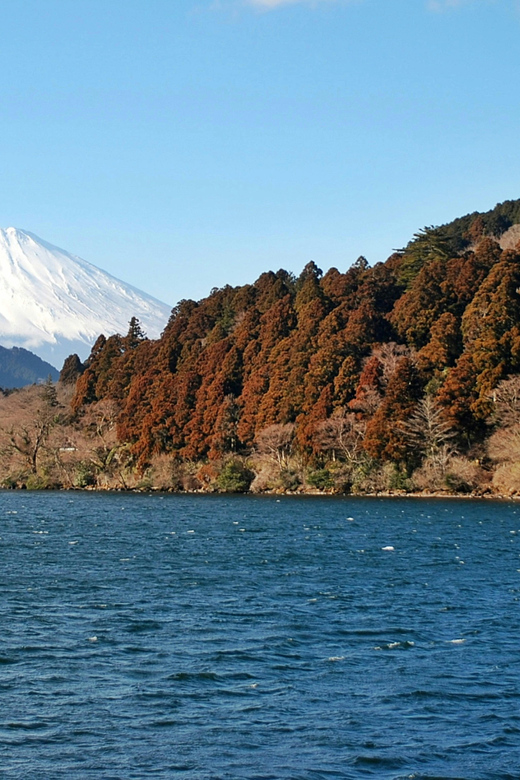
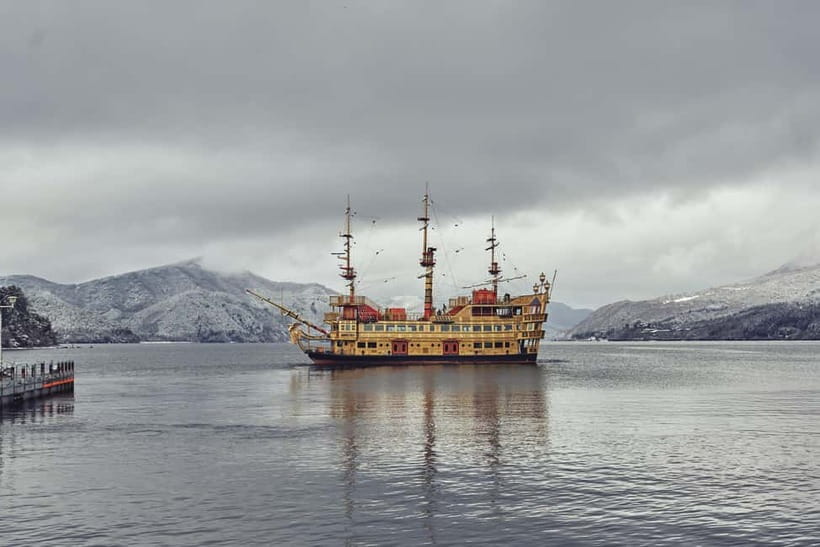
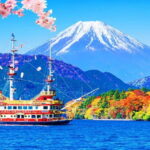
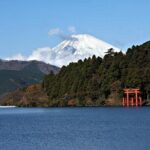
Lake Ashi is the scenic center of the day. The route allows time for photographs, a self-guided visit, and views along the way. It also includes a cruise on the lake aboard one of Hakone’s distinctive pirate-style ships.
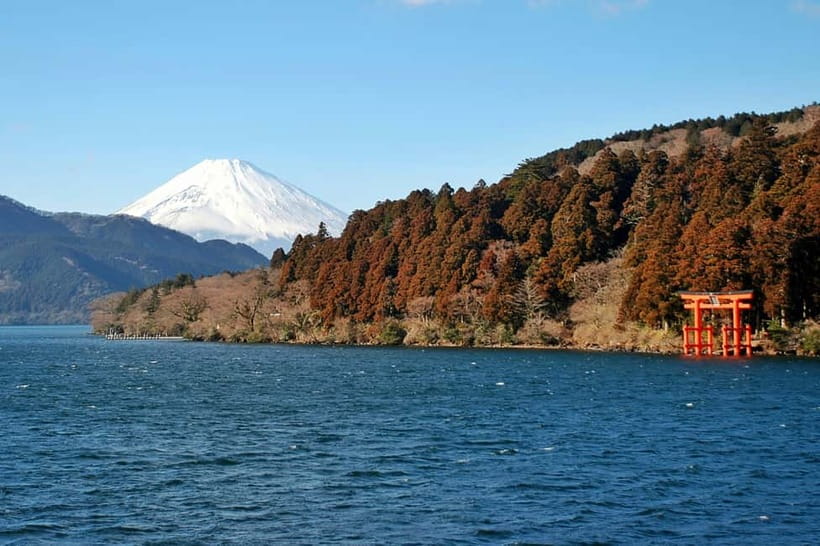
The cruise is a strong reason to choose this route. From the water, you get a different view of Hakone’s wooded hills and, when conditions cooperate, Mt. Fuji. The boat also breaks up the walking and bus travel, giving you a calm stretch in the middle of a busy day.
Keep your camera ready, but keep your expectations sensible. Mt. Fuji is not guaranteed to appear. Cloud, haze, and seasonal weather can block the mountain. The route promises scenic viewpoints and photo stops, not a clear Fuji portrait.
The cruise is also a place where timing matters. Boat departures run on their own schedule, and a late bus or long lunch can have a knock-on effect. This is one reason I would read the PDF carefully before leaving Tokyo and note any suggested departure times.
The tour information refers to a Mt. Fuji sightseeing portion of about 30 minutes, while the Lake Ashi stop allows about an hour. Treat those figures as approximate blocks rather than exact time aboard a boat. Your PDF should be the final word on the order and transport details.
Owakudani, volcanic ground and black eggs
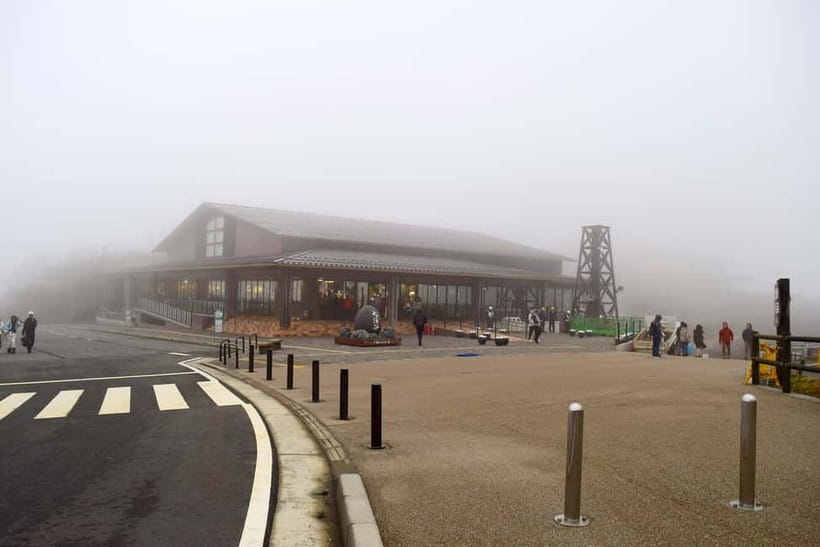
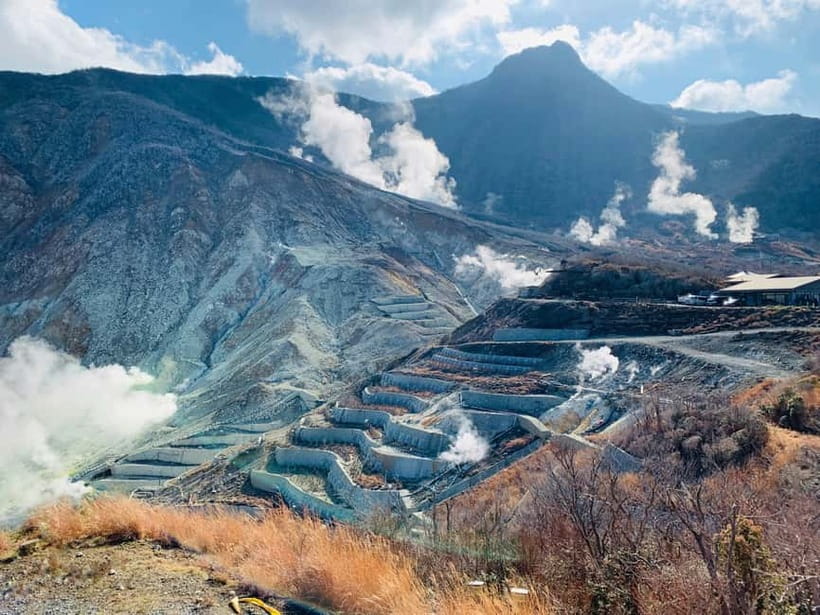
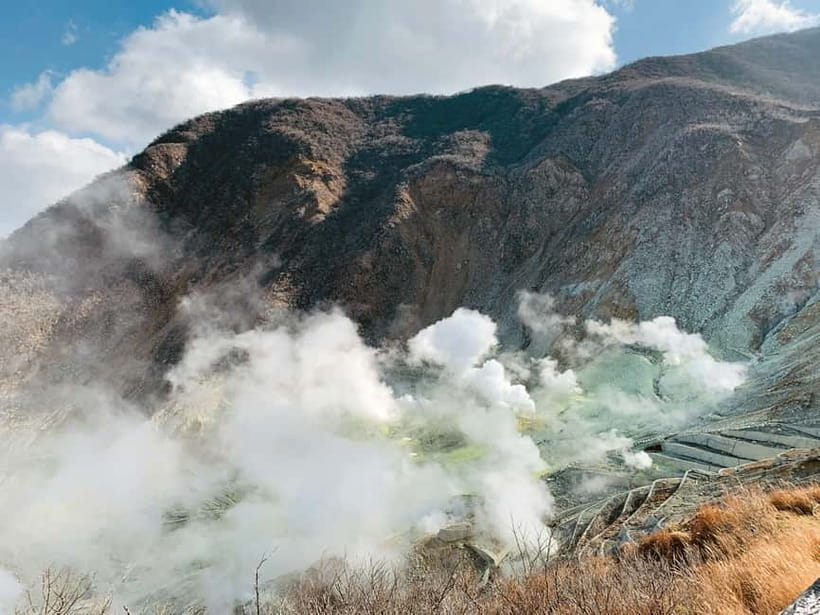
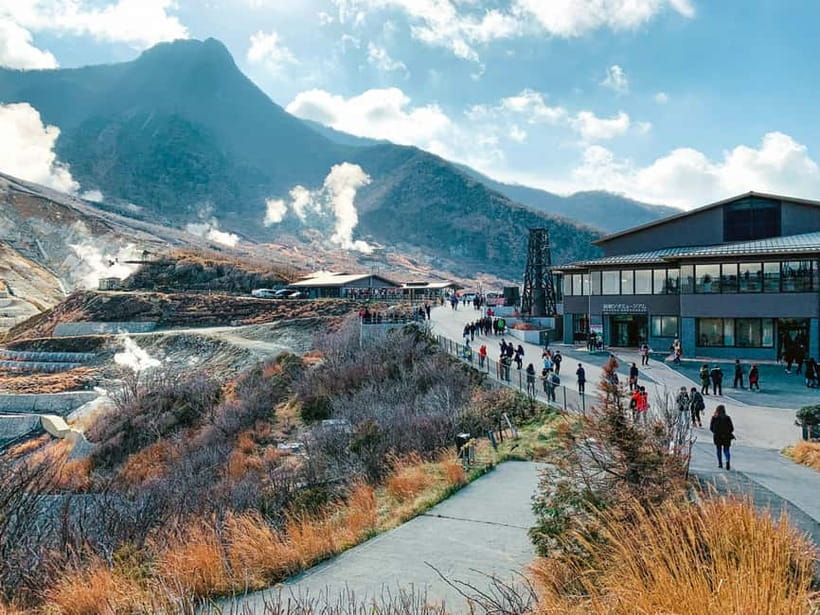
Owakudani gives the day its most unusual finish. This volcanic area is known for geothermal activity and black eggs boiled in the hot waters. Local legend says that eating one adds seven years to your life.
The eggs are an easy food stop with a memorable story. They are also the kind of small regional specialty that makes a day trip feel less generic. You can buy them as a snack and enjoy the unusual color and setting rather than sitting down for a full meal.
The route allows about an hour for photographs, sightseeing, and a self-guided visit. There are views toward Mt. Fuji and the surrounding area, though conditions again decide how much you see.
You should also pay attention to the health warnings here. The experience is not recommended for people with respiratory issues, recent surgery, or poor fitness. The supplied information does not provide a detailed air-quality policy or weather procedure, so anyone with a respiratory condition should consider that limitation carefully before booking.
Owakudani can be the highlight for some people because it feels different from the teahouse and lake. For others, it may be less appealing if they dislike strong geothermal smells or prefer quiet historic sites. The PDF lets you decide how much time to give it, but the route includes it as a main stop.
What the PDF does well, and where it stops
The strongest feature is clarity. The guide explains where to go and how to get there, then adds food advice and general Japan travel tips. That can be worth more than a long essay about Hakone when you are standing in a station trying to choose the right platform.
You also receive a $3 discount on a Japan eSIM through a code inside the PDF. The offer does not cover the price of the eSIM, but it is a useful extra if you need mobile data for maps and transport information.
The guide is not a substitute for a personal guide. No one meets you at Shinjuku, checks that you boarded the right train, or explains the sites in person. You need to read the directions, keep track of time, and handle problems yourself.
You also need to wait one to three business days for the PDF after purchase. That means this is not a good last-minute product if you plan to leave Tokyo tomorrow morning. Buy it early enough to read the material and ask questions. The provider says it will answer questions by email, which is helpful, but you should not depend on an instant reply.
Is $3.22 good value for a Hakone day?

At $3.22 for one person, the guide is cheap compared with the day’s transport and food costs. The main expenses remain outside the purchase: trains, buses, the Lake Ashi boat, entry charges where applicable, meals, snacks, and accommodation.
The value depends on your planning style. If you already know Hakone’s transport system and can build a route from public information, you may see little reason to pay. One low score made exactly that point, saying the same information could be found independently in Hakone.
I would still consider the price reasonable for a first visit, mainly because it brings the day into one readable plan. You are paying to reduce planning time, not to receive admission or transportation.
Do not mistake the low price for an all-inclusive deal. Before booking, set a separate budget for the full day and confirm the costs of the services you want to use. The PDF can tell you how to move around, but it does not pay for the movement.
Who should choose this self-guided day?
I would recommend it to independent visitors who:
- Want a planned route but dislike organized groups
- Are comfortable using trains, buses, and a boat without a personal guide
- Enjoy local snacks and short walks
- Want to combine Lake Ashi and Owakudani in one day
- Prefer a low-cost planning tool
- Have enough fitness for a 45-minute historic route section
I would be cautious if you need wheelchair access, have a serious health limitation, dislike changing transport, or want detailed explanations at every sight. You may find a fully guided tour easier, though that would be a different type of experience.
The route also suits people who want to make choices during the day. You can spend longer at Moto Hakone, shorten lunch, take more photographs, or move on quickly from a stop that does not interest you. That freedom is the main benefit.
Final decision: book it if you want structure, not hand-holding
Book this experience if you want a simple plan for a full Hakone day and are happy to take responsibility for the details. The PDF’s best features are its clear directions, food suggestions, local stops, and practical advice. Amazake Chaya, the old Tokaido pavement, Lake Ashi, and Owakudani create a varied day rather than a single viewpoint visit.
Skip it if you are already confident planning Japanese transport or expect a guide to accompany you. The low price makes the risk small, but the route still requires preparation, walking, and separate payment for everything you do.
For most first-time, self-reliant visitors, I would call it a useful planning shortcut. Just read it before departure, check closing times, allow room for delays, and do not build your entire day around a guaranteed view of Mt. Fuji.
FAQ
How much does the self-guided Hakone trip cost?
The price is $3.22 per group of up to one person. This fee covers the PDF and related advice, not transportation, food, accommodation, or entry tickets.
Where does the day begin?
The first train leaves from Shinjuku Station in Tokyo. The stated meeting point is in Shinjuku City at coordinates 35.6938253, 139.7033559.
Is a personal guide included?
No. This is a self-guided experience. You receive a PDF with directions, explanations, food suggestions, and travel tips, but no personal guide accompanies you.
What places are included in the route?
The route includes Hakone and Moto Hakone, Amazake Chaya, the old Tokaido stone pavement, Lake Ashi, Mt. Fuji viewing points, and Owakudani before returning to Shinjuku.
Is the Lake Ashi boat ride included in the price?
No. The actual cost of transportation, including the boat cruise, is not included. You must pay for transport separately.
What food is recommended during the day?
The route includes warm amazake and savory snacks at Amazake Chaya, regional food suggestions around Hakone, and black eggs at Owakudani.
How long does the experience take?
It is designed as a one-day trip, beginning and ending in Shinjuku. The listed stops include about one hour in Hakone, one hour at Amazake Chaya, 45 minutes of walking, one hour at Lake Ashi, 30 minutes for the Mt. Fuji sightseeing section, and one hour at Owakudani.
Is this suitable for people with limited mobility?
No. The experience is not suitable for wheelchair users or people with mobility impairments. It is also not recommended for people with back problems, respiratory issues, recent surgery, or a low level of fitness.
More Guided Tours in Tokyo



More Hakone Day Trips in Tokyo
More Mt Fuji Day Trips in Tokyo

More tours in Tokyo we've reviewed












Mt Fuji Day Trips, compared.
 ★ 5.0Mt Fuji and Hakone 1-Day Bus Tour Return by Bullet TrainFrom $163
 ★ 4.0Mt Fuji & Hakone Cruise, Drum Show Bullet Train 1 Day from TokyoFrom $149
 ★ 4.4Tokyo Mt Fuji 5th St & Hakone Cruise Bus Tour w/Bullet TrainFrom $15410 hours
 ★ 4.5From Tokyo: Mount Fuji Full-Day Sightseeing TripFrom $6810 hours
 ★ 4.7Tokyo: Mt. Fuji Tour, Hakone Ropeway, Owakudani, Lake AshiFrom $5410 hours
 ★ 4.4Tokyo:Mt.Fuji,Kawaguchiko Oishi Park,Arakurayama Sengen ParkFrom $5410 hours