Reviewed · TOKYO FOOD TOURS
Shibuya Bites An Unlimited Food Tour with a Local Expert
Shibuya Bites is built around a simple idea: eat your way through Tokyo instead of only looking at it. Over four hours, you visit local restaurants for sushi, yakiniku, karaage, takoyaki, and desserts, with drinks included. This is not a quick crawl of tiny samples. The tour promises actual meals, so you should arrive hungry.
In This Article
- Key points at a glance
- Why this Shibuya food tour is different
- Meeting Hachiko and seeing more than one statue
- A 45-minute walk through Shibuya
- Nonbei Yokocho, Shibuya’s narrow food lane
- Shibuya Crossing from a useful starting point
- Eating sushi, yakiniku, karaage, and takoyaki
- Mega Don Quijote and the shopping side of Shibuya
- The value of a small group and local guide
- Who should book this experience
- Booking details worth knowing
- Should you book Shibuya Bites?
- FAQ
- Where does the Shibuya food tour meet?
- How long does the experience last?
- What food is included?
- Are drinks included?
- What languages are available?
- What is the cancellation policy?
I like the small maximum group of 10, which gives the guide room to explain local customs and answer questions. I also like the mix of food and neighborhood sights, especially the less obvious details such as Japan’s oldest vending machines and the five Hachiko statues around the area. The main consideration is the price: at $157 per person, this is a serious food budget, so you should value both the meal and the local orientation.
Key points at a glance
- Full meals, not just nibbles: The food includes sushi, yakiniku, chicken karaage, takoyaki, and desserts.
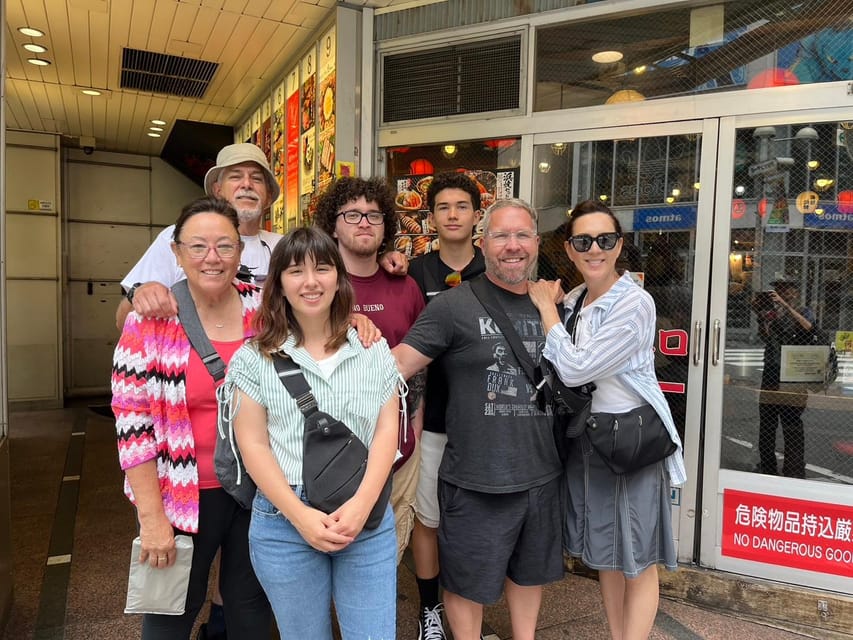
- A small group of up to 10: You get a more personal walk than on a large city tour.
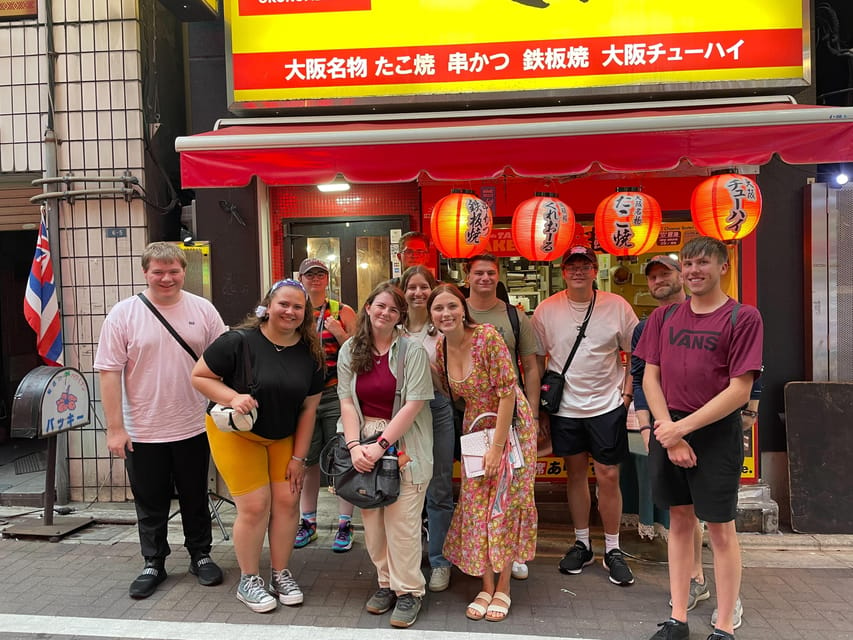
- Shibuya beyond the crossing: The route includes Nonbei Yokocho, Hachiko, local vending machines, animal cafes, shopping malls, and evening suggestions.
- Four hours on foot: Expect a food-focused walking experience rather than a sit-down restaurant meal.
- Two drinks included: You receive two soft drinks and water. Alcohol is available to buy separately.
- English and Japanese guides: Meet at Hachiko Memorial Statue and look for the Washoku Food Club flag.
Why this Shibuya food tour is different
Shibuya is easy to reduce to one famous image: the packed crossing, giant screens, and Hachiko waiting near the station. This tour uses those landmarks as a starting point, then pushes into the food and street life around them.
That matters because Shibuya can feel like a collection of major commercial buildings if you only follow the main roads. A local guide can point out details that are easy to miss when you are busy crossing the street or trying to navigate the station. The tour also includes advice on where to shop, which animal cafes are in the area, and where you might continue your evening.
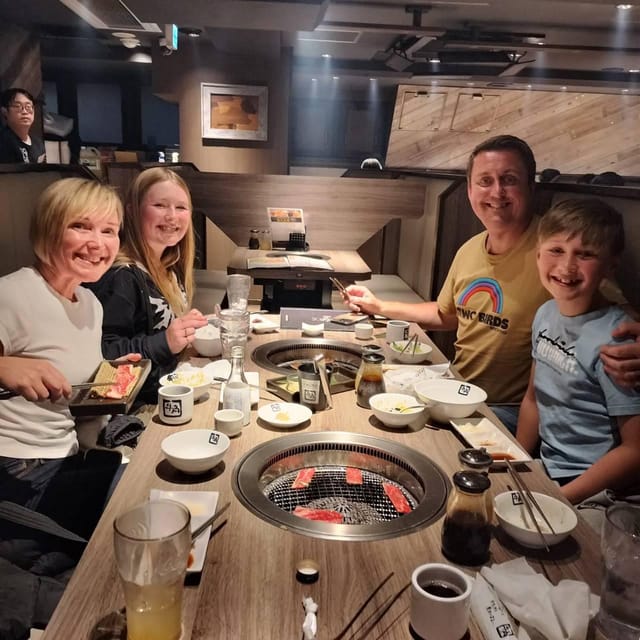
The food is the main event. You are served sushi, yakiniku, chicken karaage, takoyaki, and desserts, with two soft drinks and water. The experience is described as all you can eat, and the goal is to leave each stop satisfied rather than simply offer one small bite.
I would still keep expectations sensible. The exact restaurants and serving order are not specified, and the stops may not all work like a single buffet. Think of it as a guided food route with substantial meals at several local restaurants.
A few more Tokyo tours and experiences worth a look
Meeting Hachiko and seeing more than one statue
The tour begins at the Hachiko Memorial Statue, one of Tokyo’s easiest meeting points. You will find someone holding the Washoku Food Club flag, which is useful in a crowded station area where several groups may gather near the same landmark.
Hachiko is more than a convenient meeting place. The statue is one of Shibuya’s best-known symbols, and it gives your guide a natural way to explain the local story and the importance of the spot. The tour also points out five different Hachiko statues, a detail that adds a small treasure hunt to an otherwise familiar landmark.
This is a good place to arrive early. Shibuya Station is large, and finding the correct exit can take time. The meeting point itself is public and central, but the area is often crowded. You will be walking shortly after the group gathers, so comfortable shoes are a smart choice.
A 45-minute walk through Shibuya
The walking portion takes about 45 minutes. That is long enough to connect the main sights with side streets, but it also means this is not a tour for anyone hoping to remain seated between meals.
The route gives you a chance to see the contrast that makes Shibuya interesting. One moment you are near a major station and huge retail buildings. The next, you may be looking at a narrow lane, a small restaurant, or an unusual local detail that would be easy to pass without a guide.
I like this part because it helps you understand how the district fits together. You are not only being taken from restaurant to restaurant. You are also learning where the shopping centers are, how to find the famous sights, and what options you have after the tour ends.
The tradeoff is pace. Four hours is not a long time in a district as busy as Shibuya, and the food stops need time. You should expect a practical introduction rather than a slow, detailed architectural tour.
Nonbei Yokocho, Shibuya’s narrow food lane
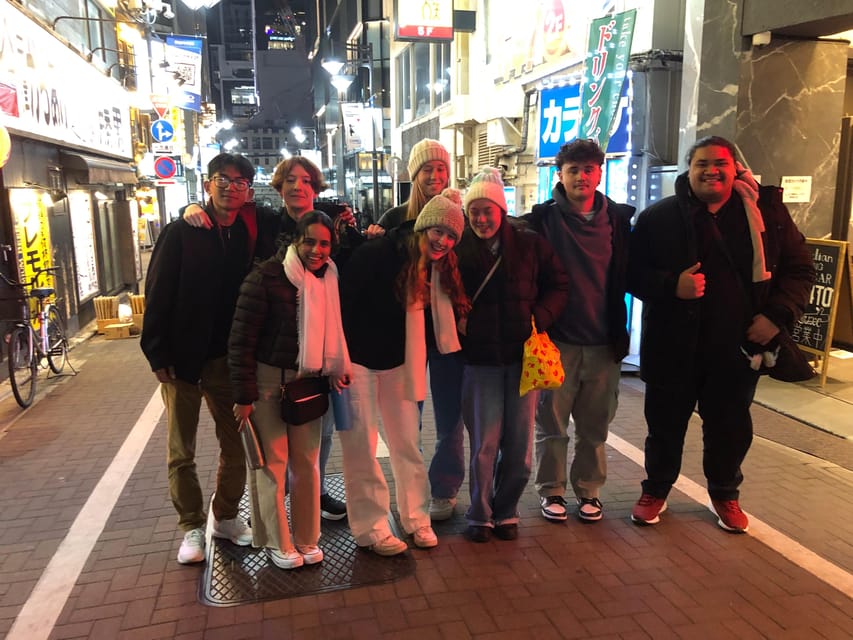
Shibuya Nonbei Yokocho receives about 30 minutes of guided attention. This small alley area offers a sharp contrast to the wide streets and tall commercial buildings nearby.
The appeal is its scale. Narrow lanes and compact eating places give you a look at a more intimate side of Shibuya. Your guide can provide context that helps you understand why these older-looking pockets matter in a district better known for modern shopping and nightlife.
Do not expect Nonbei Yokocho to be a large market or a full meal in itself. The tour includes the area as part of the walking and culture section, while the listed food includes sushi, yakiniku, karaage, takoyaki, and dessert at food stops along the experience.
That distinction is useful. You are getting a short guided look at the lane, not a promise that every dish will be served there. If you enjoy small streets and local details, this should be one of the more memorable parts of the route.
Shibuya Crossing from a useful starting point
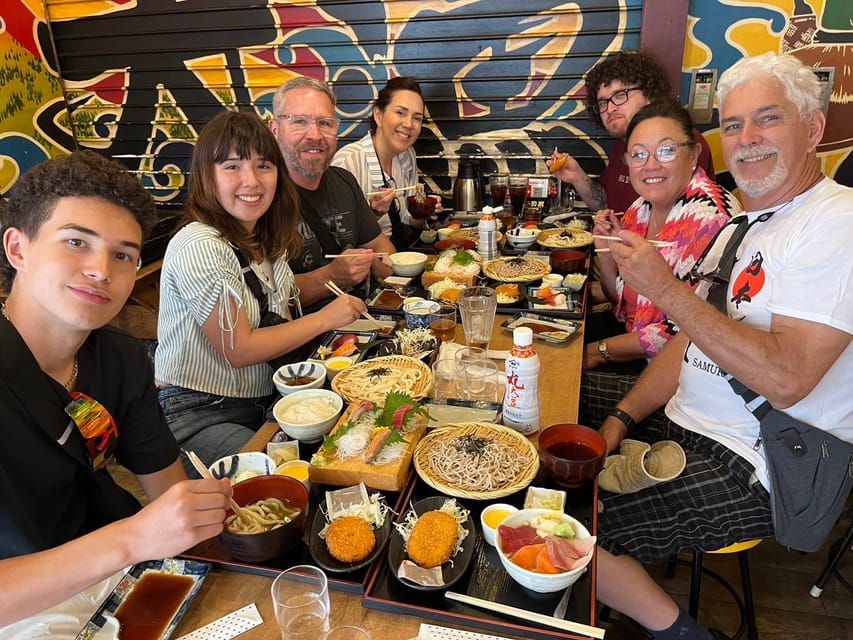
The tour spends about 15 minutes around Shibuya Crossing. That may sound brief, but a short stop makes sense. The crossing is a landmark to see and understand, not a place where you need hours of instruction.
Your guide can help you take in the scale of the intersection and explain how it fits into the neighborhood. Since the tour starts near Hachiko, you get two of Shibuya’s defining symbols early in the experience.
The crossing is also a practical orientation point. After the tour, you will have a better sense of where the station, shopping areas, food streets, and nightlife options sit in relation to each other.
I would not book this experience expecting special access or a private viewing location. The provided details promise a guided visit and walk, not a reserved rooftop or observation deck. The value here is the explanation and the connection to the rest of the route.
A few more Tokyo tours and experiences worth a look
Eating sushi, yakiniku, karaage, and takoyaki
The meal selection covers several popular Japanese food styles rather than focusing on one restaurant type.
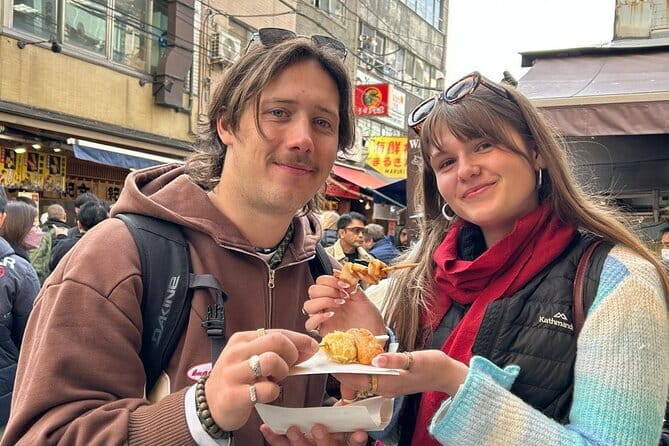
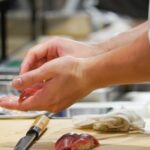
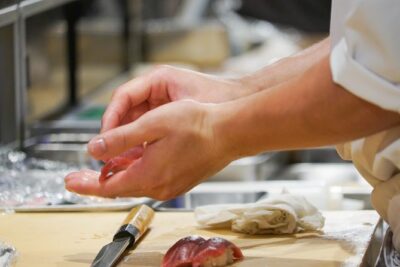
Sushi gives you a familiar introduction to one of Japan’s best-known foods. The tour presents it as part of a larger meal, so you can compare it with grilled meat, fried chicken, and street-style snacks instead of building the whole experience around raw fish.
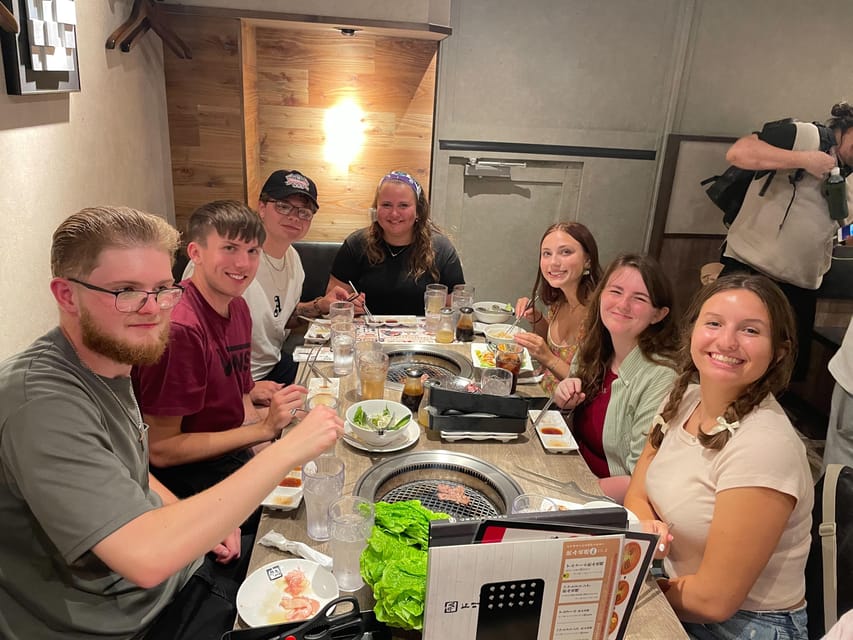
Yakiniku adds a hands-on grilled-meat element. The supplied details do not specify the cooking setup or exact beef cuts, so you should not assume a particular restaurant format. Still, it gives the tour a different texture from sushi and lets the guide discuss another important part of Japanese dining.
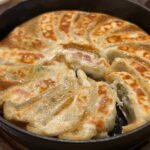
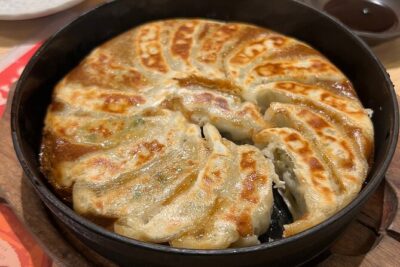
Chicken karaage is a useful choice for mixed groups because it is approachable and filling. It also helps keep the meal from feeling too dependent on seafood.
Takoyaki brings in a classic Osaka-style snack that has become popular across Japan. Including it alongside sushi and yakiniku makes the food route feel broader than a standard sushi tour.
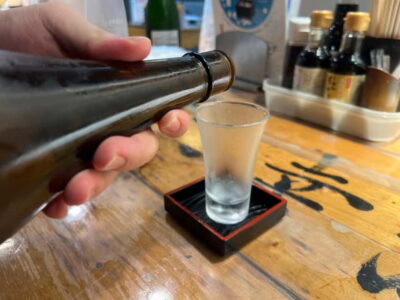
Desserts finish the food portion, though no specific sweets are named. Two soft drinks and water are included. Alcohol is not included, but you can purchase it separately if it is available at the restaurant stops.
The all-you-can-eat promise is a major part of the value. You are not paying $157 for a few decorative bites. You are paying for multiple food categories, drinks, a guide, and a four-hour neighborhood experience. Even so, the value depends on your appetite and interest in guided context. If you eat very little or already know Shibuya well, the price will be harder to justify.
Mega Don Quijote and the shopping side of Shibuya
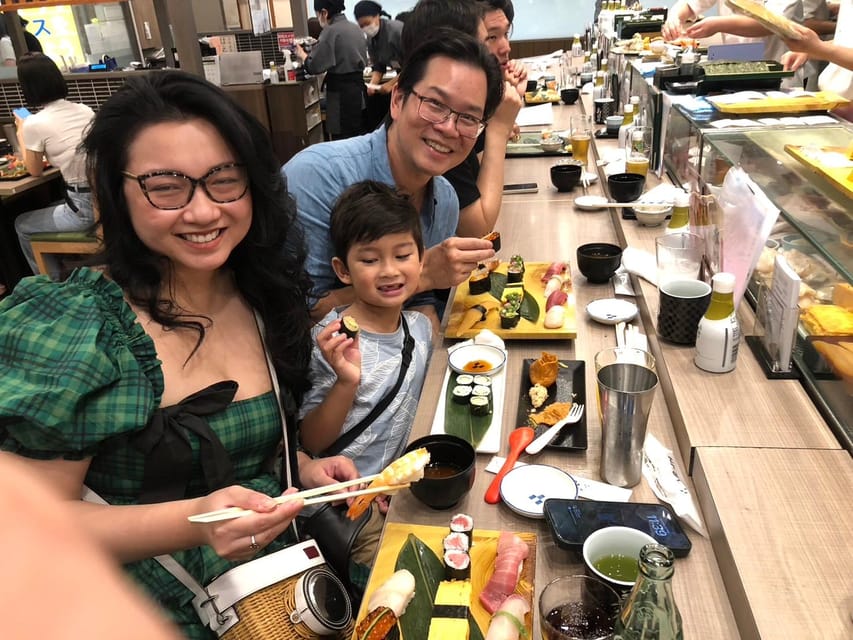
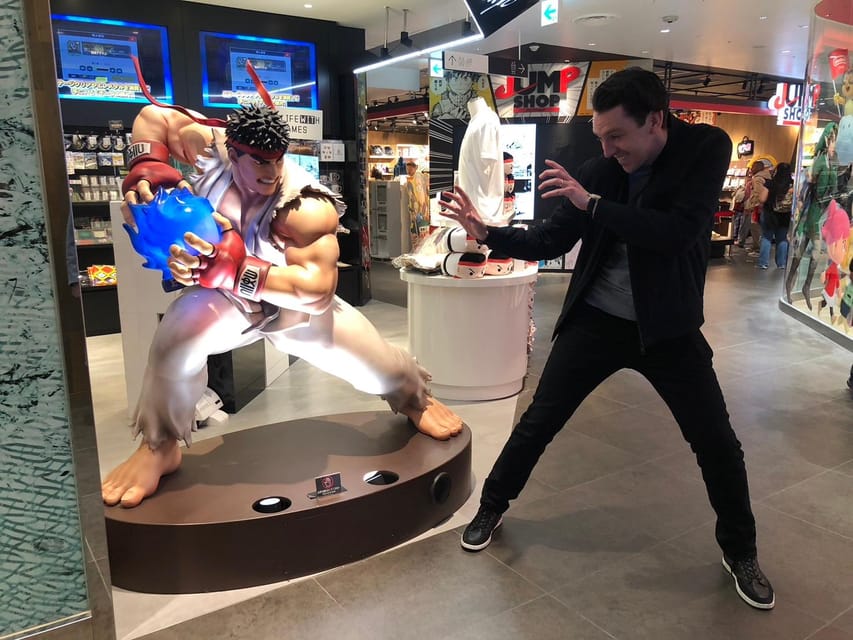
The route allows about 45 minutes at Mega Don Quijote Shibuya. This is not simply a restroom break or a quick walk past a store. Shopping is one of the tour’s planned activities.
Mega Don Quijote is useful for understanding the practical, quirky side of Japanese retail. The tour can help you make sense of the store and the surrounding shopping area, then point you toward other malls and places to spend the evening.
You should treat this stop as guided shopping time, not as a guaranteed personal shopping spree. Forty-five minutes is enough to browse and pick up a few items, but it may feel short if you want to examine everything. The store is large, and the route returns to Hachiko rather than ending at a separate shopping destination.
I like having this stop because food tours often ignore the non-food part of the neighborhood. Here, you get a little help with what to do after dinner. That can be especially useful on a first evening in Tokyo when Shibuya’s choices feel endless.
The value of a small group and local guide
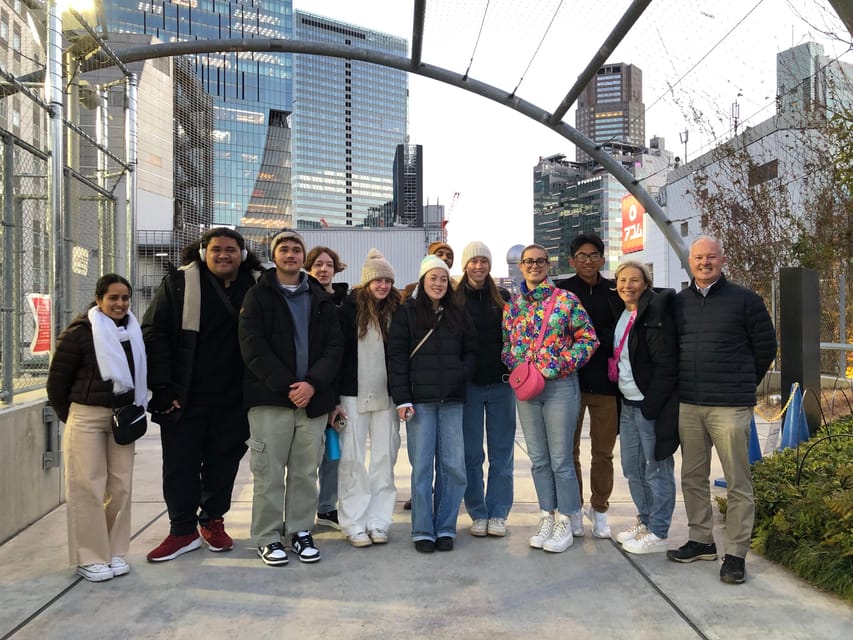
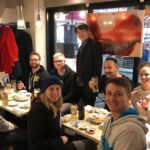
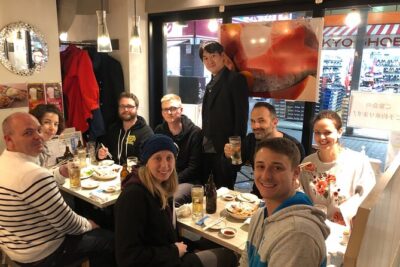
The group is limited to 10 people, with live guiding in English or Japanese. For a walking food tour, that size matters. The guide can keep the group together through crowded streets and still speak to people without shouting across a large crowd.
A small group also makes food stops easier. Restaurant seating can be tight in Tokyo, and a group of 10 is more manageable than a coachload. You may still share tables or restaurant space, but the size gives the experience a more personal shape.
The guide’s role goes beyond describing dishes. You receive local culture, details about the Hachiko statues, information on vending machines, suggestions for animal cafes, shopping advice, and ideas for continuing your night. That turns the tour into a first-day orientation for Shibuya.
No individual guide names are provided, so you should not book this expecting a particular host. You can expect an English or Japanese-speaking professional guide representing Washoku Club City and Food Tours.
Who should book this experience
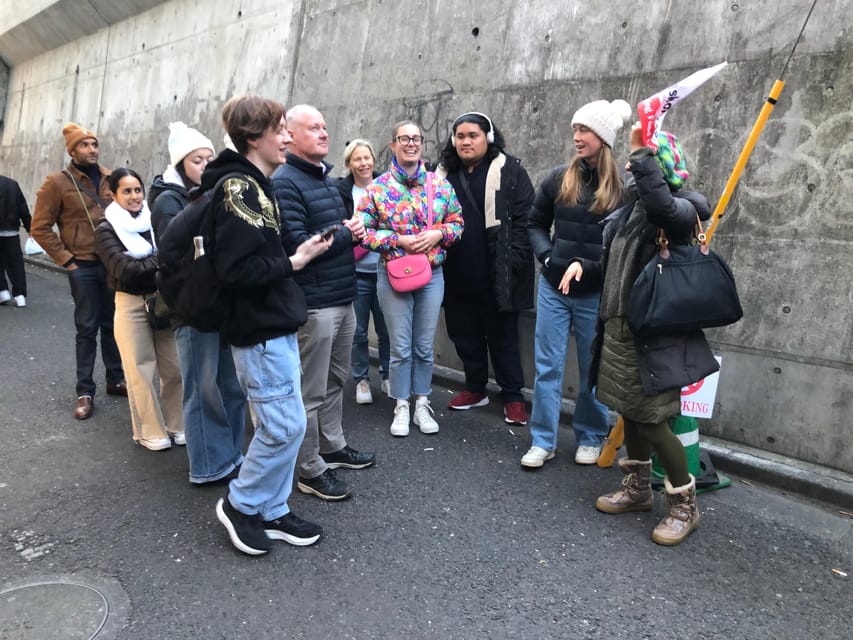
I would recommend this tour to you if you want a food-heavy first look at Shibuya and prefer having the neighborhood explained as you go. It suits people who want to try several familiar Japanese dishes without planning each restaurant themselves.
It is also a good fit for mixed groups. Sushi fans get sushi, meat eaters get yakiniku and karaage, snack hunters get takoyaki, and everyone gets dessert. The included nonalcoholic drinks make the price easier to understand for visitors who want a full meal rather than a bar crawl.
Families and first-time visitors may appreciate the clear route and small group. The culture and shopping stops add variety, so the experience is not four straight hours at a table.
I would think twice if you want a quiet gourmet dinner, a detailed restaurant review of one establishment, or a tour centered on alcohol. Alcohol costs extra, and the experience involves walking between stops. You should also consider your appetite, since the main selling point is the amount and variety of food.
The tour lasts four hours and returns to Hachiko Memorial Statue. That makes it easy to continue exploring Shibuya afterward, provided you still have room for another meal or drink.
Booking details worth knowing
The cost is $157 per person. That is high compared with paying for one casual meal, but the comparison is not quite fair. The fee covers four hours, a professional guide, several food categories, two soft drinks, water, dessert, and a small-group city walk.
I see the price as reasonable for someone who wants convenience and a strong meal. You would otherwise spend time researching restaurants, finding the side streets, working out what to order, and learning the neighborhood’s smaller details. The price is less appealing if you are comfortable planning your own food route or if you mainly want to see Shibuya Crossing.
Hotel pickup and drop-off are not included. You meet at Hachiko, then return there at the end. Alcohol is also separate.
You can cancel up to 24 hours in advance for a full refund, and the reserve-now, pay-later option lets you hold a place without paying immediately. Starting times vary, so check availability for your date.
Should you book Shibuya Bites?
Book it if you want substantial food, a small group, and a local introduction to Shibuya in one afternoon or evening. The strongest reasons are the range of dishes, the all-you-can-eat format, and the useful neighborhood details that go beyond the famous crossing.
Skip it if you want a cheap snack tour, a single refined meal, or a nightlife crawl with alcohol included. At $157, you should plan to eat well and make use of the cultural and shopping guidance.
For a first visit to Tokyo, I think the tour makes the most sense early in your stay. You can learn the layout, collect ideas for the rest of your night, and return to Hachiko with a full stomach and a better sense of what Shibuya offers.
FAQ
Where does the Shibuya food tour meet?
The meeting point is the Hachiko Memorial Statue. Look for someone holding the flag of Washoku Food Club.
How long does the experience last?
The tour lasts four hours. Check availability for the starting times offered on your date.
What food is included?
The included food is sushi, yakiniku, chicken karaage, takoyaki, and desserts. The experience is presented as all you can eat, with actual meals rather than only small samples.
Are drinks included?
Two soft drinks and water are included. Alcoholic beverages are not included but are available to purchase.
What languages are available?
The live tour guide can conduct the experience in English or Japanese.
What is the cancellation policy?
You can cancel up to 24 hours in advance for a full refund. You can also reserve now and pay later to keep your plans flexible.
More Food Experiences in Tokyo
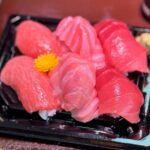
More Tokyo Food Tours in Tokyo
More Shibuya Tours in Tokyo
More tours in Tokyo we've reviewed












Tokyo Food Tours, compared.
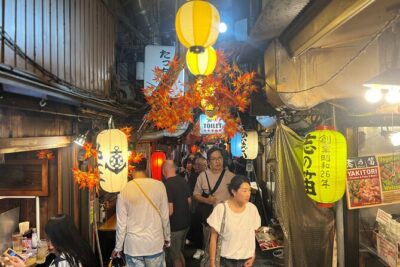 ★ 5.0Tokyo: Shinjuku Food Tour (13 Dishes at 4 Local Eateries)From $86
 ★ 4.9Tokyo: Shinjuku Food Tour (13 Dishes and 4 Eateries)From $97
 ★ 5.0Tokyo Night Foodie Tour in Shinjuku – Seasonal Sushi, Wagyu BeefFrom $111
 ★ 5.0Eat and Drink Like a Local: Tokyo Ueno Food Tour-Taverns&RamenFrom $95
 ★ 5.0Tokyo: Shibuya Food Tour (13 dishes and 4 Eateries)From $77
Tokyo: Shinjuku Food Tour – 15 Dishes, 3 Drinks, 4 EateriesFrom $723 hours