Reviewed · TOKYO
Make Your Own Bonsai with a Professional Bonsai Artist in Tokyo
At Shunkaen Bonsai Museum, you do more than look at bonsai behind glass. You shape a living tree yourself, learning basic wiring and design from a professional artist or apprentice. The collection includes remarkable specimens, including a tree said to be about 1,000 years old.
In This Article
- Key points to know
- Making a Living Tree Your Own
- Shunkaen Bonsai Museum and Its Ancient Trees
- Learning from Kunio Kobayashi and the Apprentices
- What the Two-Hour Visit Feels Like
- What You Do With Your Finished Bonsai
- Is $78.83 a Fair Price?
- Who Will Enjoy This Most
- Planning Your Visit to Niihori
- Should You Book This Bonsai Workshop?
- FAQ
- Where does the bonsai workshop take place?
- How long does the activity last?
- How many people can join the class?
- Is museum admission included?
- Is transportation included?
- Can I take the bonsai home?
- Is translation help available?
- Can I cancel for a full refund?
I like the small group limit of six, which gives you room to ask questions and receive hands-on help. I also like the mix of practical work and museum time, especially the chance to study different bonsai forms after you have made your own. The main consideration is transport: the museum is near public transit, but you still need to arrange your own way there.
Key points to know
- Make a juniper bonsai: Learn the first steps of shaping and wiring a tree you can take home in Japan or arrange to ship.
- Meet a serious bonsai teacher: Master Kunio Kobayashi may be present, while apprentices such as Joseph lead lessons and explain the craft.
- Tour an exceptional collection: The museum includes many styles of bonsai and a specimen estimated to be around 1,000 years old.
- Small class, personal help: With no more than six people, the instruction can respond to your questions and skill level.
- Allow about two hours: The lesson fits neatly into a day of sightseeing, though you may want extra time to admire the displays.
- Bring an open schedule for transport: Transportation, food, drinks, and shipping are not included.
Making a Living Tree Your Own
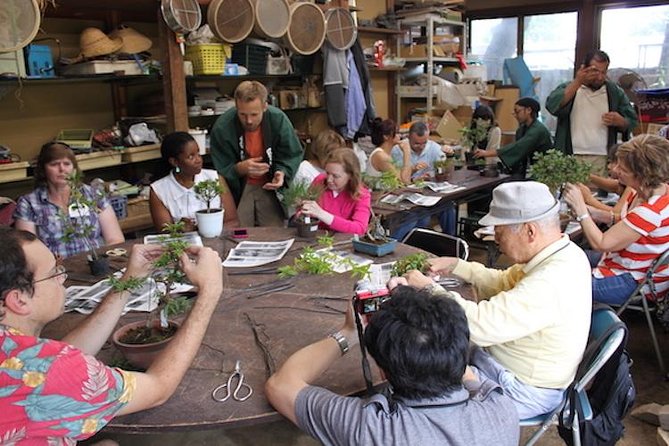
Bonsai can look intimidating. The tiny trees appear so carefully shaped that you might assume the craft requires years of study before you can touch a branch. This workshop takes a friendlier approach. You learn the first useful techniques by working on a tree yourself, with guidance close at hand.
The focus is not on producing a museum-quality masterpiece in two hours. You are learning how bonsai artists think: where a trunk appears to lead the eye, which branch should become the main feature, and how wire can guide a branch into a pleasing line. That makes the class valuable even if your finished tree is still a beginner’s project.
The hands-on work usually centers on a juniper. You learn basic wiring, an important bonsai skill that lets you shape branches gradually. The instructor or apprentice demonstrates the early steps and then helps you apply them. The process is practical, patient, and much easier to understand with tools and a real tree in front of you.
You should expect instruction rather than a fast craft demonstration. The small class size matters here. A group capped at six gives the teacher time to look at your tree, answer questions, and correct your technique before you bend or wire something too aggressively.
If you're still narrowing it down, here are other tours in Tokyo we've reviewed.



Shunkaen Bonsai Museum and Its Ancient Trees
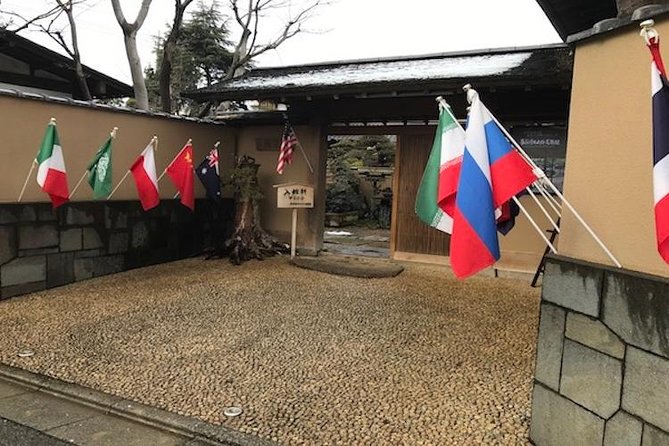
The museum is in Edogawa City, at 1-chome-29-16 Niihori. It is not in central Tokyo’s main sightseeing core, so the visit takes a little planning. The location is near public transportation, and local people can help if you ask for directions, but your transport costs are your responsibility.
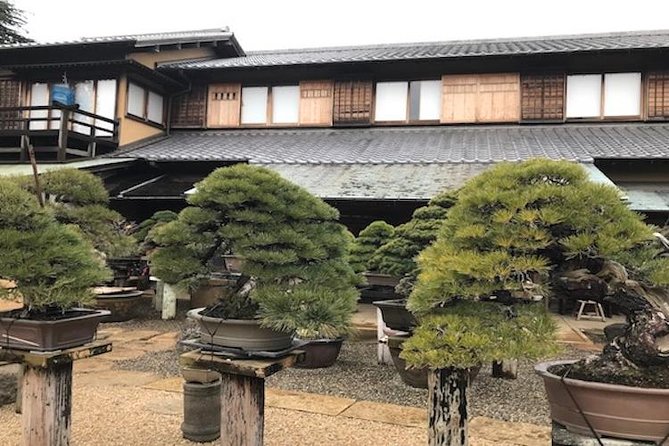
Once you arrive, the setting becomes part of the appeal. The museum has a courtyard and raised display areas filled with bonsai. You can see many forms and styles rather than one repeated presentation, which gives useful context before or after your own lesson.
The collection is a strong reason to book this activity instead of taking a generic craft class. You are not simply wiring a small tree at a table. You are doing it in a place devoted to the art, surrounded by mature examples that show what patient care can produce.
One particularly memorable tree is described as roughly 1,000 years old. That age puts your own project in perspective. Your juniper will not look ancient after one session, of course, but you can begin to understand that bonsai is measured in years and generations, not in a single afternoon.
Take your time with the collection. The class itself may be the main purpose of your visit, but the museum displays help explain why small changes in trunk angle, branch spacing, and silhouette matter. If you rush away as soon as the lesson ends, you miss half of the value.
Learning from Kunio Kobayashi and the Apprentices
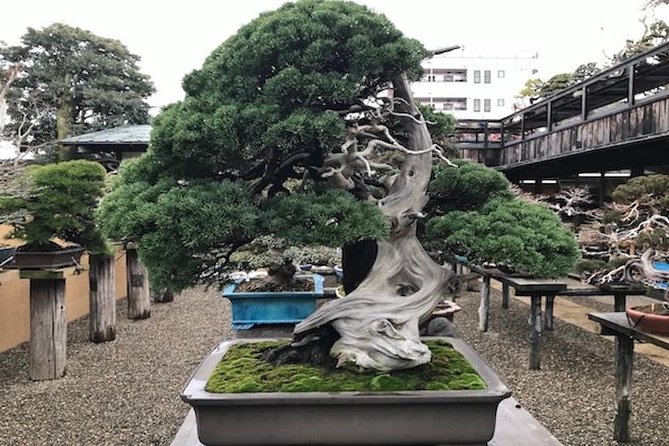
Master Kunio Kobayashi is associated with the museum, and he may be present during your visit. Meeting him is not guaranteed as a private part of the activity, so you should not book solely on the hope of a personal lesson with the master. Still, the connection gives the workshop real weight.
The instruction may be led by one of the apprentices. Joseph has been praised for his warm, passionate teaching, and other apprentices help with the class and museum walk. Their role is useful because they can explain both the technique and the daily care that keeps a bonsai healthy.
An assistant is available if you select that option. This matters if you are concerned about language during a technical lesson. Bonsai instruction includes terms for branches, roots, wiring, pruning, and care, so having translation support can make the session easier to follow and more relaxed.
The teaching style is suited to beginners. You can ask basic questions without feeling out of place, and the instructor can explain why a technique matters instead of simply telling you what to do. That makes this a better fit for someone curious about the craft than for a specialist seeking advanced training.
The workshop also gives you a look at bonsai as a working tradition. You learn that the art involves much more than trimming a plant into a miniature shape. It requires ongoing care, careful observation, and a willingness to let a tree develop over a long period.
What the Two-Hour Visit Feels Like
The full activity lasts about two hours. That is enough time for a lesson, guidance from the instructor, and a look around the museum without taking over your entire day in Tokyo. The supplied itinerary also lists a one-hour museum stop, so the exact division between class and viewing time may vary.
At the start, you should expect an introduction to bonsai and its basic ideas. The teacher may discuss the art’s history, how to care for a tree, and what makes a bonsai look balanced. This background gives you a reason for each choice you make later.
The hands-on portion follows. You work with the tree, learn the first steps of wiring, and receive help as you shape it. The process is engaging because your decisions have a visible result. A branch that looked ordinary at the beginning can take on a clearer direction once it is positioned properly.
After the practical work, or during a guided walk, you can ask about the museum’s trees and different styles. This is a good time to compare your beginner’s tree with older examples. You may also learn more about the care and effort involved in maintaining the collection.
Some sessions include green tea, according to the activity details, adding a quiet Japanese touch to the visit. Food and drinks are not generally included as a listed tour feature, so you should not plan this as a meal stop.
The mood is calm rather than hurried. One visitor described the museum as a peaceful place for a few quiet hours, and that is a fair way to picture it. If you want loud entertainment or a packed schedule, this may feel slow. If you want a focused cultural activity away from Tokyo’s busiest streets, the pace works well.
What You Do With Your Finished Bonsai
The most important practical question is what happens to your tree after class. If you live in Japan, you can take it with you for a fee. If you are flying home, shipping is available at an additional cost, but the shipping fee is not included in the booking price.
Do not assume you can simply carry the plant through the airport. Plant import rules differ by country, and the activity information does not promise that shipping will be possible to every destination. Before booking, check your country’s rules and ask the provider about the likely shipping cost and arrangements.
If you cannot take the tree home, the lesson can still be worthwhile. The main value is the skill and understanding you gain. You can use the techniques later on a suitable plant, and the class may even help you decide whether bonsai is a hobby you want to pursue.
Several people have found the workshop useful before buying bonsai or supplies. That makes sense. You can learn what to look for in a tree and gain a clearer idea of the care involved before spending more money. The class is not just a souvenir-making session. It can be a short introduction to a demanding but rewarding hobby.





Is $78.83 a Fair Price?
At $78.83 per person, the activity costs more than a simple museum admission. The price includes the bonsai-making lesson and admission to Shunkaen Bonsai Museum. It does not include transportation, food, drinks, an optional assistant unless selected, or shipping for the finished tree.
The value depends on how you use the visit. If you only want to see bonsai, a hands-on class may be more than you need. If you are interested in Japanese culture, plants, or practical crafts, the combination of instruction and collection access makes the price easier to justify.
A private lesson would normally cost more, while a large class would offer less personal help. Here, the group limit of six is a useful middle ground. You get a real introduction without paying for a fully private appointment.
The museum collection also adds value that a standard workshop may not provide. You can see mature trees, ask about their care, and understand the long-term aim behind the small tree in front of you. That wider context is what turns the activity from a short craft project into a cultural visit.
I would still budget for the full cost before booking. The museum is outside the most central sightseeing areas, so train, bus, or taxi expenses come separately. Shipping can also change the final price considerably if you cannot bring the bonsai home.
Who Will Enjoy This Most
This workshop suits plant lovers, first-time bonsai makers, and anyone who wants a quieter cultural activity in Tokyo. You do not need to arrive with gardening experience. The lesson is designed to teach basic skills and make the art feel approachable.
It also works well for couples, families with older children, and small groups of friends. The six-person limit keeps the setting personal, though the activity information recommends a moderate level of physical fitness. If standing, walking through the museum, or working at a table for part of the visit is difficult for you, ask the provider for details before booking.
The class is a good choice for a repeat visitor who has already seen Tokyo’s major sights. It gives you a different view of Japan, one built around patience, care, and close attention rather than crowds and big landmarks.
You might skip it if your schedule is very tight or if getting to Edogawa City would be a burden. Two hours is manageable, but the transport time adds to the outing. You should also think carefully about the plant-shipping issue before choosing a hands-on activity that leaves you with a living souvenir.
Planning Your Visit to Niihori
The meeting point is Shunkaen Bonsai Museum, 1-chome-29-16 Niihori, Edogawa City, Tokyo 132-0001, Japan. The activity ends at the same location, so you need to plan your onward route.
Confirmation is sent within 48 hours of booking, subject to availability. Since the class is limited to six people and is often booked well ahead, reserving early is sensible. The average booking lead time is about 34 days, which suggests that last-minute availability may be limited.
The mobile ticket makes entry simple, but keep your phone ready and check the meeting instructions before leaving. Since transportation is not included, allow enough time to reach the museum without cutting the start of the lesson close.
The cancellation policy is flexible if your plans change. You can cancel at least 24 hours before the local start time for a full refund. Cancellations or changes made inside that window are not refunded or accepted.
Should You Book This Bonsai Workshop?
I would book this if you want to do something hands-on and distinctly Japanese, especially if plants or traditional arts already interest you. The six-person maximum, patient instruction, museum admission, and access to an exceptional collection give the visit more substance than a quick souvenir class.
Think twice if you have no interest in caring for a living plant or if you need an activity in central Tokyo. Also check shipping and import rules before booking if you plan to take the bonsai abroad.
For the right visitor, this is a memorable way to spend two quiet hours. You leave with more than a shaped juniper. You leave with a better sense of how much time, judgment, and care go into one of Japan’s most distinctive living arts.
FAQ
Where does the bonsai workshop take place?
The activity takes place at Shunkaen Bonsai Museum, 1-chome-29-16 Niihori, Edogawa City, Tokyo 132-0001, Japan.
How long does the activity last?
The experience lasts approximately two hours. The itinerary also lists a one-hour museum stop, so the exact time spent on the class and museum visit may vary.
How many people can join the class?
The activity has a maximum of six participants.
Is museum admission included?
Yes. Admission to Shunkaen Bonsai Museum is included with the bonsai-making lesson.
Is transportation included?
No. You must arrange and pay for your own transportation to and from the museum.
Can I take the bonsai home?
If you live in Japan, you can take the tree with you for a fee. Shipping is also possible at an additional cost, but the shipping fee is not included.
Is translation help available?
Yes. An assistant is available if you select that option, and the activity includes tailored instruction with translation support.
Can I cancel for a full refund?
Yes. You can cancel at least 24 hours before the experience start time for a full refund. Cancellations or changes made less than 24 hours in advance are not accepted for a refund.
More tours in Tokyo we've reviewed












Tokyo, compared.
 ★ 5.0Mt Fuji and Hakone 1-Day Bus Tour Return by Bullet TrainFrom $163
 ★ 5.01-Day Tokyo Bus TourFrom $129
 ★ 4.6Tokyo: teamLab Planets TOKYO Digital Art Museum Entry TicketFrom $251 day
 ★ 4.0Mt Fuji & Hakone Cruise, Drum Show Bullet Train 1 Day from TokyoFrom $149
 ★ 5.0Tokyo: Shinjuku Food Tour (13 Dishes at 4 Local Eateries)From $86
 ★ 4.4Tokyo Mt Fuji 5th St & Hakone Cruise Bus Tour w/Bullet TrainFrom $15410 hours