Reviewed · MT FUJI DAY TRIPS
Seasonal Mt. Fuji Scenic Views, Fruit Picking and Ropeway!
Mt. Fuji is the star here, but the best part is the mix of viewpoints and hands-on stops. You ride the Kawaguchiko Panoramic Ropeway, look across Lake Kawaguchi, then pick and taste fruit that changes with the calendar. It is a practical way to see several sides of Yamanashi without arranging local buses and orchards yourself.
In This Article
- Key points at a glance
- What this Mt. Fuji day trip is really offering
- Leaving Shinjuku for Yamanashi
- Fruit picking that follows the calendar
- The Kawaguchiko Ropeway and the Fuji view
- Seasonal stops around Mt. Fuji
- Winter: Saiko Iyashi no Sato Healing Village
- Spring: cherry blossoms and moss phlox
- Summer: lavender at Oishi Park
- Late summer: Mt. Fuji 5th Station
- Autumn: Oishi Park or Momiji Corridor
- Houtou noodles and a useful lunch break
- How the guide and driver can affect the day
- Who will like this tour most
- Practical booking advice for the $90 price
- Should you book the Mt. Fuji ropeway and fruit tour?
- FAQ
- Where does the tour depart and return?
- How do I find the guide?
- What fruit can I pick?
- Is lunch included?
- What happens if the ropeway does not operate?
- Can children aged 0 to 2 join?
- Is Mt. Fuji guaranteed to be visible?
I like the seasonal design of the tour, especially the chance to match your visit with strawberries, cherries, peaches, or grapes. I also like that lunch includes Yamanashi’s hearty houtou noodles and vegetables, not just a rushed restaurant stop. The main catch is simple: Mt. Fuji is weather dependent, and fog, rain, or high humidity can block the famous view without a refund.
Key points at a glance
- Ropeway views over Lake Kawaguchi: Ride above the shore for a 360-degree view of Mt. Fuji and the surrounding area.
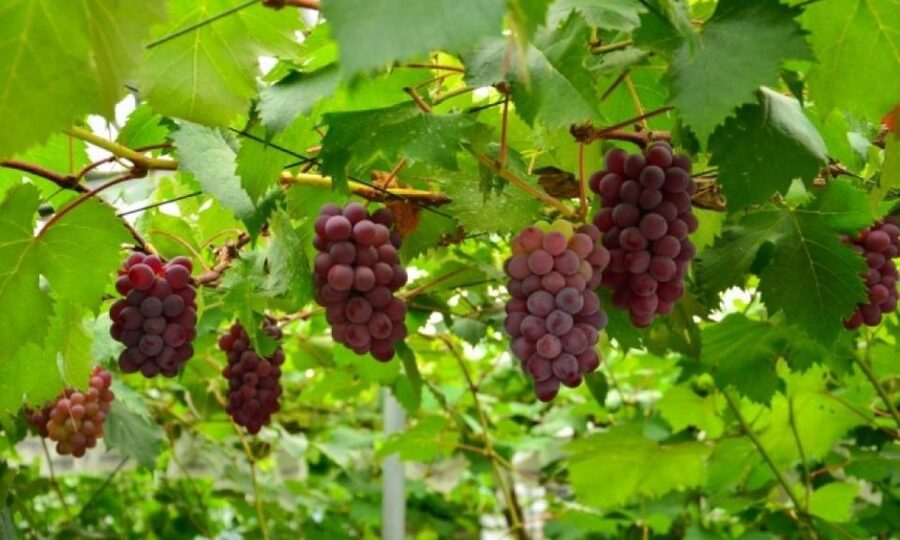
- Fruit picking changes by month: Strawberries run from late December to early May, followed by cherries, peaches, and grapes.
- A full seasonal route: Expect different highlights, from cherry blossoms and moss phlox to lavender, autumn leaves, or winter scenery.
- Local lunch included when selected: The meal features thick houtou noodles, pork, and fresh seasonal vegetables, with a modified Muslim-friendly menu available on request.
- Helpful Fuji-view strategy: Guide Christy and the driver have been praised for looking for better stopping points when the mountain appeared.
- Easy Tokyo departure: The bus leaves from the Shinjuku area, with Wi-Fi and air conditioning included.
What this Mt. Fuji day trip is really offering
At $90 per person, this is not a cheap local outing, but it bundles several costs that can add up quickly. You get round-trip bus transport from Tokyo, the ropeway ticket, orchard entry, an English-speaking guide, Wi-Fi, and lunch if you select the lunch option.
The value comes from convenience. Mt. Fuji, Lake Kawaguchi, Yamanashi orchards, and seasonal parks are spread across a large area. I would not choose this tour for a quiet, slow day. I would choose it if you want a structured introduction to the Fuji region and prefer one bus, one meeting point, and a guide handling the route.
The tour is designed for international tourists and runs as a one-day trip. The minimum number of passengers is 10, and the transportation is an air-conditioned bus operated by Yamato Kanko. Exact stop timing can change with the season and conditions, so you should think of the listed sights as a seasonal framework rather than a fixed promise of identical stops every month.
A few more Tokyo tours and experiences worth a look

Leaving Shinjuku for Yamanashi
The meeting point is in the Shinjuku area. From JR Shinjuku Station’s West Exit, allow about 10 minutes on foot. From Nishi-Shinjuku Station on the Tokyo Metro Marunouchi Line, Exit E7 is about three minutes away.
Look for the guide holding a blue HIS flag or an HIS meeting board. This detail matters in a busy station district, where a few extra minutes spent searching can make the morning stressful. I would arrive early, keep your phone charged, and wear shoes suitable for walking around parks, orchards, and viewing areas.
The bus includes air conditioning and Wi-Fi service. That makes the long road portions easier, but you should still expect a day shaped by traffic. The tour starts and ends at the same meeting point, and hotel pickup and drop-off are not included.
Fruit picking that follows the calendar
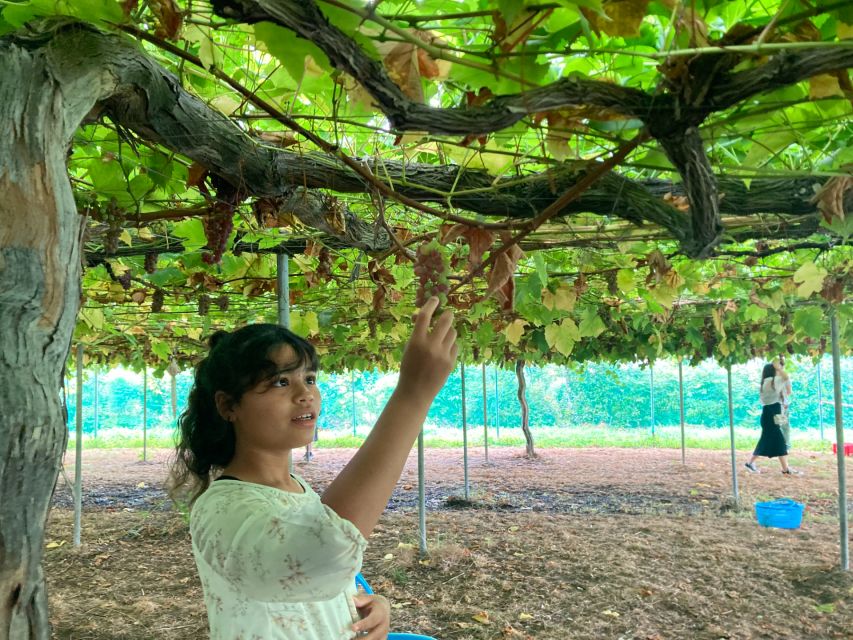
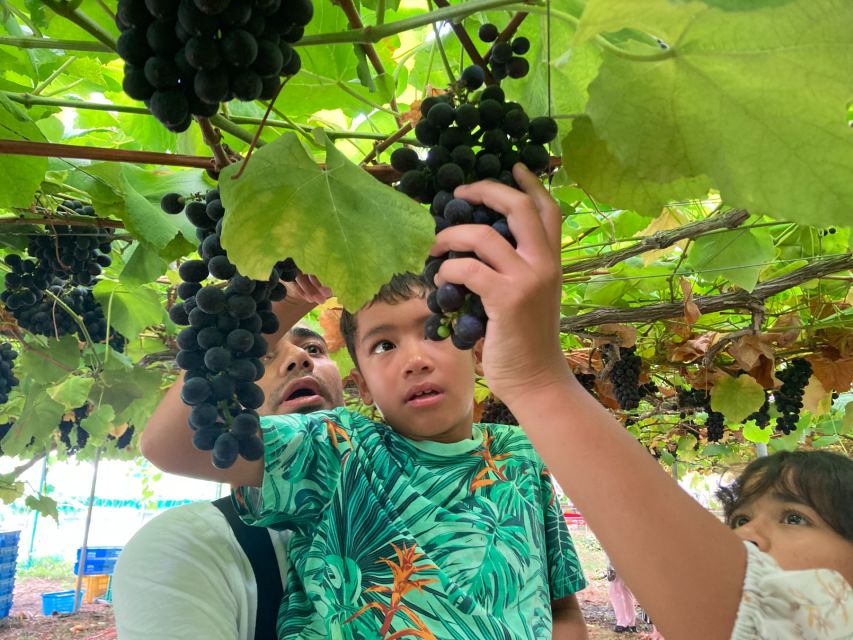
Fruit picking is the tour’s most playful stop. Instead of visiting one orchard all year, the available fruit changes with the harvest.
The published schedule is:
- Late December to early May: strawberries
- June: Japanese cherries
- July: peaches
- August to late November: different types of grapes
Apple or orange picking may also be available depending on the season. Since orchard conditions can change, confirm the fruit offered for your date before booking if that detail is central to your plans.
Strawberry season gives you a sweet winter and spring activity, while cherries make June feel distinctly Japanese. July peaches offer a softer, highly seasonal experience, and grape picking carries the tour into late summer and autumn. This is not just a photo stop. You get time to enter an orchard, pick fruit, and taste it fresh.
The orchard admission fee is included. Drinks are not, so bring money or a bottle of water. Comfortable shoes are a good idea, since the tour specifically advises them and the day includes outdoor walking.
The Kawaguchiko Ropeway and the Fuji view
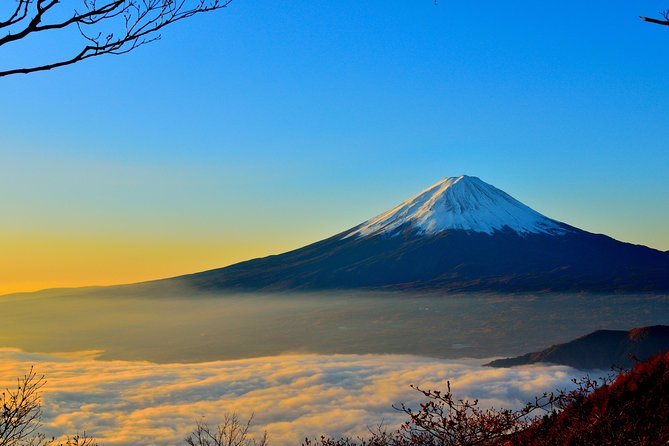
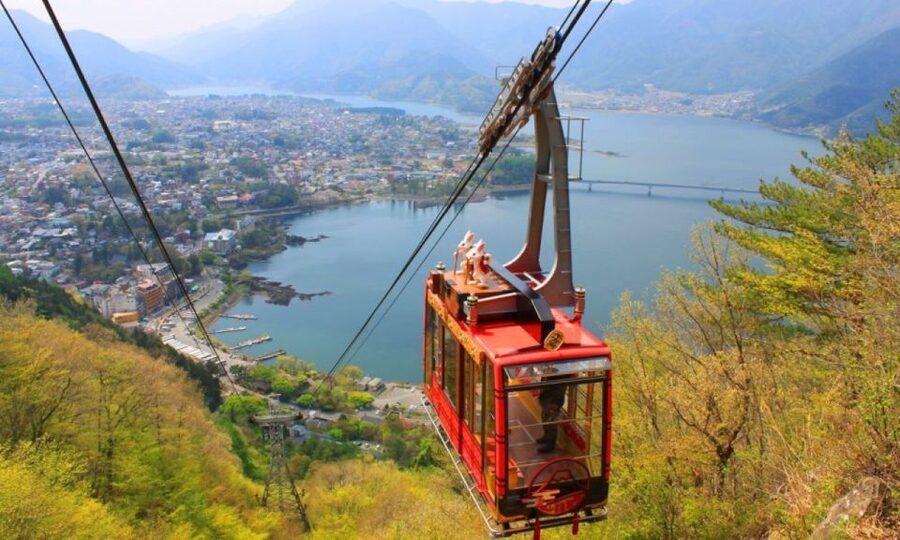
The ropeway is the tour’s clearest scenic payoff. The gondola rises above Lake Kawaguchi and gives you a 360-degree view of the lake, Mt. Fuji, and the surrounding area. From above, you get a sense of how the lake and mountain fit together, rather than seeing Fuji as an isolated cone from a roadside viewpoint.
This stop works best in clear weather. Mt. Fuji can disappear in fog or heavy rain, and high humidity can soften the view even when the sky looks fairly bright. I would treat the ropeway as a strong opportunity, not a guarantee.
If the Mt. Fuji Panoramic Ropeway cannot operate, the route changes to either the Fuji Visitor Center or Oshino Hakkai. That gives you an alternative stop, but it is not an equal substitute for seeing Lake Kawaguchi from the gondola. No refund is provided for weather-related complaints or schedule changes made by the guide or staff, so keep that condition in mind before paying.
Seasonal stops around Mt. Fuji
The route changes so you can see the area at its best for the time of year. That makes this tour more appealing than a generic Fuji bus ride, but it also means your experience depends strongly on your travel month.



Winter: Saiko Iyashi no Sato Healing Village
From late December through March, the tour may visit Saiko Iyashi no Sato, a traditional Japanese village with views toward Mt. Fuji. Winter brings a calmer feel to the area, and the village setting offers more cultural interest than a simple roadside photo stop.
The drawback is the same winter advantage: conditions can be cold and visibility can shift quickly. Bring layers, even if Tokyo feels mild when you leave.
Spring: cherry blossoms and moss phlox
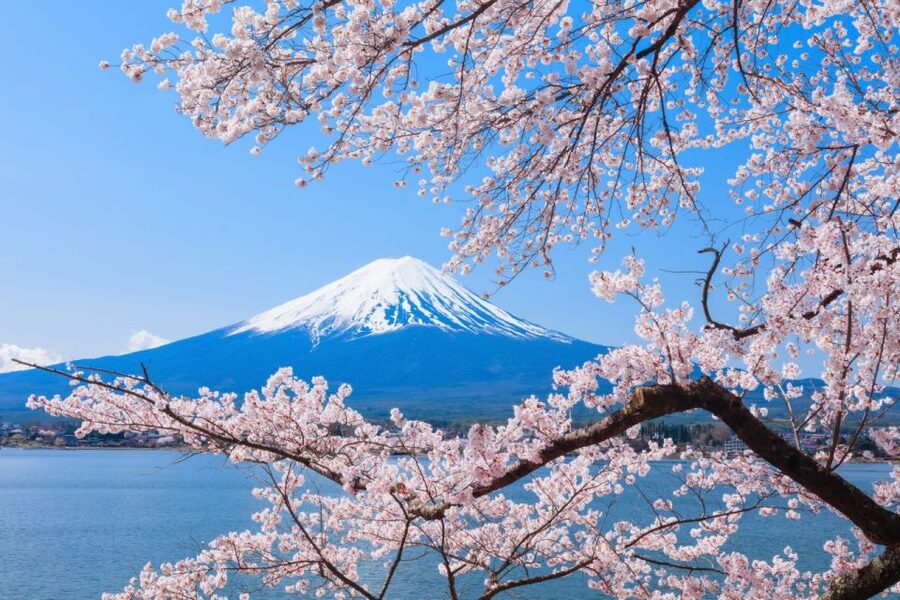
April focuses on cherry blossoms around Kawaguchiko. Late April through late May brings the Fuji Shibazakura Festival at Motosu Lake Resort, where pink moss phlox covers the ground in large displays.
These dates overlap only partly, so you should check the expected seasonal stop for your departure. The tour cannot make blossoms appear on schedule, and peak flowers vary by weather. Still, spring offers some of the strongest combinations of color, water, and mountain views when the sky cooperates.
Summer: lavender at Oishi Park
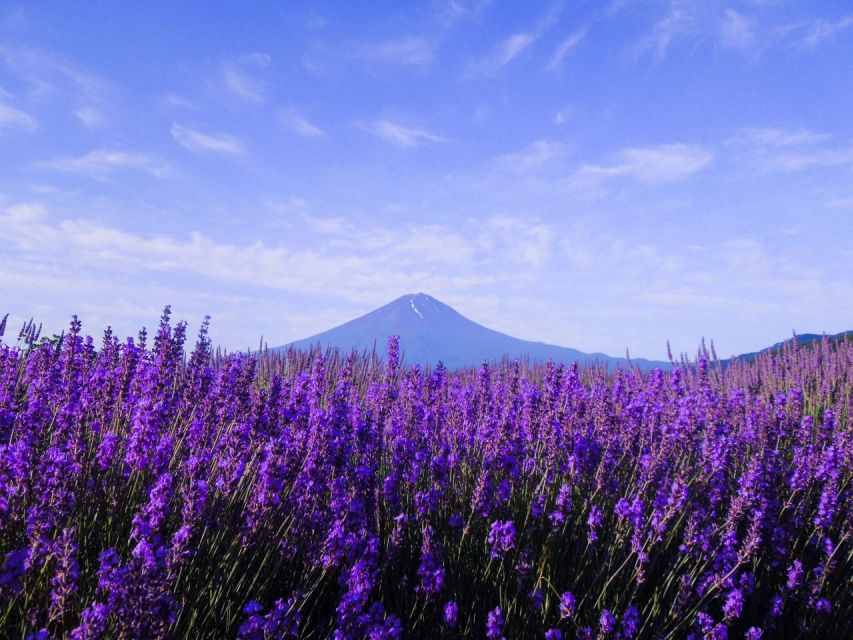
In June and July, Oishi Park is the main seasonal draw. Lavender fields sit with Mt. Fuji as a backdrop, creating one of the area’s classic views.
The park is also part of the original itinerary through May 10, according to the schedule information. From May 25, 2025, the tour changes to allow more time at each destination. That date gap is worth noting if you book close to the transition, since the route and time allocation may differ.
Late summer: Mt. Fuji 5th Station
In August and September, the tour may climb to Mt. Fuji’s 5th Station. This brings you closer to the mountain and offers wide views over the surrounding area.
A visit to the 5th Station is not the same as climbing Mt. Fuji. It is a scenic mountain access point, and the attraction here is the higher viewpoint and closer look at the peak. Cloud cover can still block the summit.
Autumn: Oishi Park or Momiji Corridor
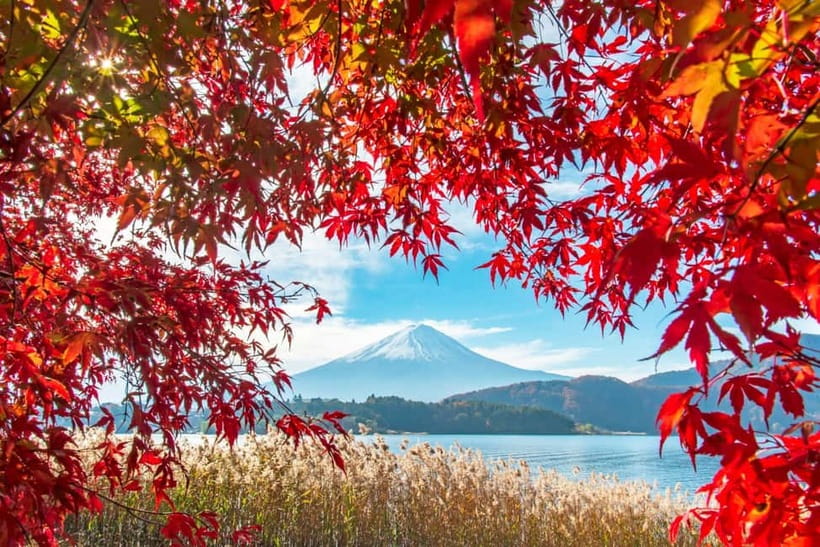
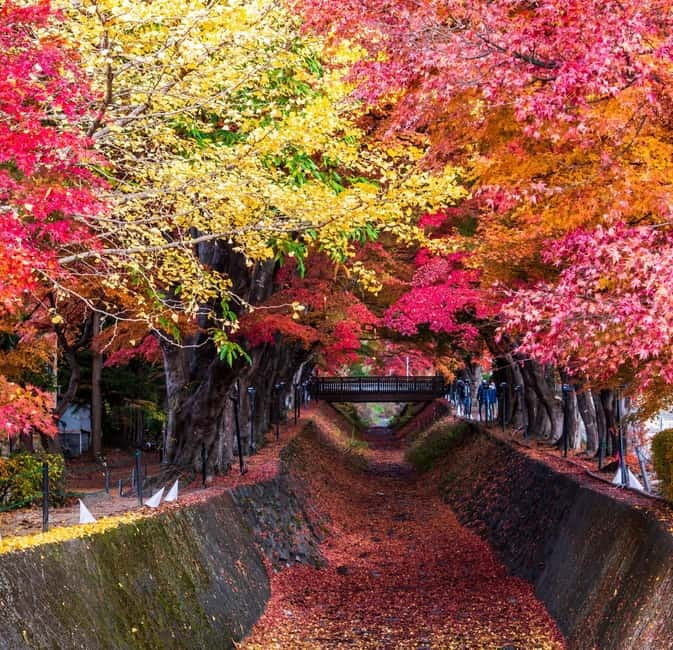
October and November focus on autumn leaves at Oishi Park or the Momiji Corridor, also called Maple Leaf Tunnel. These stops provide a different Fuji view, with seasonal foliage framing the lake or mountain.
The exact choice can vary. If you have a strong preference for a particular park, ask about the planned seasonal route before departure rather than assuming both will be included.
Houtou noodles and a useful lunch break
Lunch includes Yamanashi’s thick houtou noodles, pork, and fresh seasonal vegetables when the lunch option is selected. Houtou is a local specialty with broad noodles served in a hearty broth, making it a fitting meal on a day spent outdoors and on the road.
I like this inclusion because it connects the tour to Yamanashi rather than treating lunch as an interchangeable stop. It also saves you from finding food during a tightly scheduled day.
If you request a Muslim-friendly meal, the menu will be adjusted. You should make that request in advance and understand that the contents will differ from the standard meal. Drinks are not included.
How the guide and driver can affect the day
A scenic bus tour depends on more than the printed route. Timing, traffic, weather, and quick decisions all matter. Guide Christy has been praised for being accommodating, while the driver was recognized for looking for a better place to stop so people could see Mt. Fuji clearly.
That detail gives you a useful expectation. The team may try to respond when the mountain appears in a better direction, but an extra viewpoint is not guaranteed and should not be treated as part of the formal itinerary.
The English-speaking guide also helps with meeting instructions, seasonal stops, and the day’s basic flow. This is especially useful if you are unfamiliar with Japanese coach tours. Still, you are joining a group trip, so time at each stop will be limited compared with hiring a private car.
Who will like this tour most
I would recommend this experience to first-time visitors who want Mt. Fuji, fruit picking, a local meal, and seasonal scenery in one day. Families may appreciate the orchard stop and ropeway, though parents should note that children aged 0 to 2 can ride free only without a bus seat or lunch.
If you need a bus seat or meal for a child aged 0 to 2, book the child rate. Older children are covered by the applicable booking rules, but the supplied details do not specify the age bands or prices.
This tour also suits visitors who do not want to work out regional train connections or orchard reservations. It is less suitable if you want a long visit at one location, a private itinerary, or a guaranteed clear view of Mt. Fuji.
Practical booking advice for the $90 price
The $90 price is reasonable if you use most of the inclusions. The ropeway ticket and orchard admission already cover two paid activities, while the bus, guide, Wi-Fi, and selected lunch add convenience.
Check three points before booking:
- Confirm which fruit is scheduled during your month.
- Check if lunch is included in the option you select.
- Accept that weather or operations may replace the ropeway or alter the route.
The tour is only for international tourists. It offers reserve and pay later booking, and cancellation is allowed up to 24 hours before departure for a full refund. Those terms help if your Tokyo plans are still shifting.
Should you book the Mt. Fuji ropeway and fruit tour?
Book it if you want a well-organized first look at the Fuji region, especially if seasonal food and changing scenery matter as much as the mountain itself. The combination of fruit picking, houtou noodles, a ropeway ride, and a seasonal park gives the day more variety than a simple Fuji photo excursion.
Skip it if your main goal is a guaranteed summit view or a relaxed, unhurried schedule. Mt. Fuji may be hidden, the route can change, and the bus format limits your time at each stop.
For most visitors with one free day from Tokyo, I see this as a useful value choice. Just book with realistic expectations: the experience offers several good chances to see Mt. Fuji, not a promise that the mountain will show itself.
FAQ
Where does the tour depart and return?
The tour starts and ends at the meeting point in the Shinjuku area. From JR Shinjuku Station’s West Exit, the walk takes about 10 minutes. From Nishi-Shinjuku Station Exit E7, it takes about three minutes.
How do I find the guide?
The guide will hold a blue HIS logo flag or an HIS logo meeting board at the meeting point.
What fruit can I pick?
Fruit depends on the season. Strawberries are scheduled from late December to early May, Japanese cherries in June, peaches in July, and various grapes from August to late November. Apple or orange picking may also be available.
Is lunch included?
Lunch is included if you select the lunch option. The meal includes Yamanashi houtou noodles, pork, and fresh seasonal vegetables. A Muslim-friendly meal can be arranged with adjusted contents.
What happens if the ropeway does not operate?
The tour will be redirected to either the Fuji Visitor Center or Oshino Hakkai if the Mt. Fuji Panoramic Ropeway cannot operate.
Can children aged 0 to 2 join?
Children aged 0 to 2 may join free of charge, but they will not receive a bus seat or lunch. If you need either one, book the child rate.
Is Mt. Fuji guaranteed to be visible?
No. High humidity, heavy rain, fog, and other weather conditions may hide Mt. Fuji. Refunds are not issued for weather-related claims or schedule changes made by the guide or staff.
More Mt Fuji Day Trips in Tokyo
More tours in Tokyo we've reviewed












Mt Fuji Day Trips, compared.
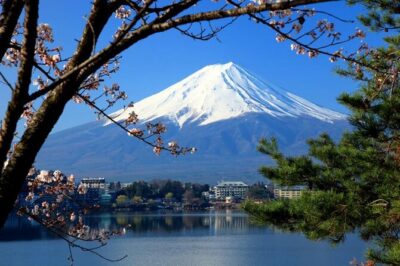 ★ 5.0Mt Fuji and Hakone 1-Day Bus Tour Return by Bullet TrainFrom $163
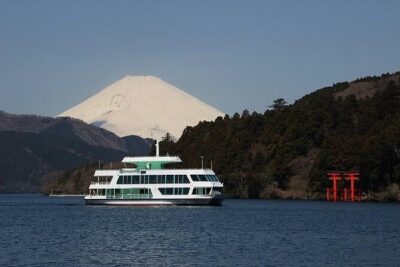 ★ 4.0Mt Fuji & Hakone Cruise, Drum Show Bullet Train 1 Day from TokyoFrom $149
 ★ 4.4Tokyo Mt Fuji 5th St & Hakone Cruise Bus Tour w/Bullet TrainFrom $15410 hours
 ★ 4.5From Tokyo: Mount Fuji Full-Day Sightseeing TripFrom $6810 hours
 ★ 4.7Tokyo: Mt. Fuji Tour, Hakone Ropeway, Owakudani, Lake AshiFrom $5410 hours
 ★ 4.4Tokyo:Mt.Fuji,Kawaguchiko Oishi Park,Arakurayama Sengen ParkFrom $5410 hours