Reviewed · SUMO EXPERIENCES
Tokyo: Challenge Sumo Wrestlers and Enjoy Meal
Tokyo’s sumo experience puts you close to the action without requiring a tournament ticket or a visit to a training stable. Former professional wrestlers explain the rules, perform a demonstration in the dohyo, and then invite you to try the sport in a padded sumo costume.
In This Article
- Key points to know before booking
- Why this Tokyo sumo show works so well
- Getting to the restaurant near Kikukawa
- The sumo lesson: more than two men pushing
- The demonstration match with former professionals
- Putting on the sumo costume
- Tonkatsu lunch or sukiyaki dinner
- Photos, questions, and the final moments
- Is $117 a fair price?
- Who should book this experience?
- Booking and planning tips
- Should you book the Tokyo sumo experience?
- FAQ
- Where does the sumo experience start?
- How long does the activity last?
- What food is included?
- Is transportation included?
- Is the experience held in English?
- Can I wrestle against a sumo wrestler?
- Do I have to participate in the wrestling activity?
- Can I take a photo with the wrestlers?
- Can I bring my own food or drink?
- Are meals included for infants?
I like the mix of clear English explanation and hands-on fun, especially for families. I also like that the meal is part of the booking, with tonkatsu at lunch or sukiyaki at dinner. The main point to consider is sound and seating: a seat near the front helps you hear the commentary, and the best places are assigned in booking order.
Key points to know before booking

- Former wrestlers lead the show: You meet retired sumo professionals who demonstrate techniques, answer questions, and pose for photographs.
- You can enter the ring: A sumo costume lets you challenge one of the wrestlers in a friendly, carefully managed bout.
- Lunch and dinner differ: Choose tonkatsu for the daytime session or sukiyaki for the evening option.
- The venue is near Kikukawa Station: From the A1 Exit, allow about five to eight minutes on foot.
- It is a useful tournament alternative: You get an introduction to sumo even when a grand tournament is not taking place.
- Book early for better seating: Places are arranged by booking order, and larger groups may be split between tables.
Why this Tokyo sumo show works so well

Sumo can seem mysterious if you only see a few seconds of it on television. This experience gives you the missing pieces: the ring, the vocabulary, the ritual, the physical tactics, and the personalities behind the sport.
The demonstration is performed by former sumo wrestlers, so you are not watching a staged comedy act with actors pretending to know the sport. You see trained athletes clash in the ring, then explain what they did. That makes the jokes and audience participation more enjoyable because there is real skill underneath the show.
I especially like the balance between explanation and action. You are not asked to sit through a long lecture before anything happens. The session moves through an introduction, a demonstration match, audience participation, photographs, the meal, and questions.
The food gives the event a practical shape. You are not paying only for a performance, and you do not need to arrange a separate lunch or dinner afterward. Some sessions have been described as lasting closer to two hours once the meal and questions are included, although the stated duration is 1.5 hours. If you have a train reservation or another timed activity, leave some breathing room.
A few more Tokyo tours and experiences worth a look
Getting to the restaurant near Kikukawa
The meeting point is near Kikukawa Station on the Shinjuku Line. Exit through A1, then expect a walk of roughly five to eight minutes.
There is no hotel pickup, drop-off, or transportation included, so you make your own way to the restaurant. This is not difficult, but give yourself time to find the correct exit and walk over without rushing. Tokyo stations can take longer to navigate than their maps suggest.
The activity ends back at the meeting point. That makes it easy to continue your day from the same part of the city, though you should still allow time to return to the station and get oriented.
The host or greeter speaks English and Japanese. English commentary is a major benefit here because the rules and terms are much easier to follow when someone explains them as the action happens.
The sumo lesson: more than two men pushing

The first part introduces sumo and its place in Japanese culture. You learn commonly used sumo terms while watching the wrestlers prepare and move around the dohyo.
The explanation matters because sumo is not simply a contest of strength. Position, balance, timing, and footwork decide the outcome. Once you know a few basic terms and understand what the wrestlers are trying to do, the demonstration becomes far more interesting.
The ring is also important. The dohyo is treated as a sacred space, and the wrestlers’ movements have a formal quality even when the presentation is light-hearted. This is a short introduction rather than a full academic lesson, but it gives you a respectful starting point.
The hosts use humor to keep the mood easy. That helps children and first-time visitors stay engaged. At the same time, the former wrestlers remain impressive athletes. You get both the cultural context and the physical spectacle.
For the best experience, pay attention during the explanations rather than treating them as filler between bouts. The questions later make more sense once you understand the basic terms.
The demonstration match with former professionals

The exhibition match is the centerpiece. Two former wrestlers face each other in the ring and show how a bout works.
You will see the power of the sport up close, but the demonstration is arranged for an audience rather than presented as a serious tournament fight. The wrestlers use humor and audience interaction, yet their strength and control are plainly real.
This is a good option if you cannot attend a grand sumo tournament. A tournament gives you a broader view of the sport, with many matches and a formal schedule. This session gives you closer contact with the performers and more explanation in English.
That tradeoff is worth understanding. You are not getting the scale of a national tournament or the atmosphere of a packed arena. You are getting a compact cultural program where you can ask questions, take photographs, and try the sport yourself.
Seats matter mainly because of sound. The ring is visible, but loud conversation from other tables can make the commentary harder to follow. Booking earlier may help you receive a better position, since seats are arranged in booking order.
Putting on the sumo costume

After the demonstration, you can put on a sumo costume and test your technique against the wrestlers. This is the most playful part of the session, and it is usually where children become fully involved.
You do not need to be strong or athletic to take part. The point is to feel the weight, stance, and awkward balance of the sport, not to defeat a retired professional. Staff instructions matter, so listen carefully and follow the directions given in the hall.
Participation is optional. If you prefer to watch, you can still enjoy the match, meal, questions, and photograph at the end. You also do not need to wrestle in order to get a picture with the wrestlers, since the group receives a photo opportunity after the activity.
That is useful for families with mixed interests. One person can try the costume while another watches, and younger children can enjoy the spectacle without being pushed into the ring.
The activity is described as a friendly competition, but you should treat it as a controlled demonstration. Use good judgment, avoid troublesome behavior, and follow staff instructions. Anyone who causes problems may be required to leave without a refund.




Tonkatsu lunch or sukiyaki dinner
The meal depends on the option you choose when booking.
The lunch option includes tonkatsu, a deep-fried pork cutlet. It is a familiar Japanese comfort dish and a straightforward choice if you want a filling midday meal. Some sessions have included a boxed meal described as particularly enjoyable, and one account specifically praised a Genghis Khan lunchbox. Since meal details can vary by selected option, check the exact choice before paying.
The dinner option includes sukiyaki, a hot pot with beef and vegetables in a sweetened soy broth. It gives the evening session a more traditional shared-meal feel, though the supplied details do not specify every ingredient or portion.
Additional food and drinks are not included. You may bring your own food and drink, but advise the provider of dietary requirements before the activity. Infant meals are not included, and infant rates apply only when the infant does not occupy a seat.
The meal is a welcome part of the value, but do not book this as a food tour. The sumo presentation is the main event. Food quality has been described positively, yet the real strength of the package is the combination of performance, explanation, and participation.
Photos, questions, and the final moments
The session ends with photographs alongside the wrestlers and time for questions. This is more useful than it may sound. You can ask about training, daily life, techniques, or anything that was unclear during the demonstration.
The photo opportunity is arranged for everyone, so you do not have to wrestle for a memorable picture. That makes the final portion comfortable for people who want the souvenir but not the physical challenge.
The wrestlers are described as kind and accommodating during photographs and questions. Their willingness to interact is a key part of the experience, since you leave with more than a quick performance viewed from a distance.
If you have children, bring them into the question period. Kids often notice different details from adults, and this is their chance to ask about the costume, the ring, and the match.
Is $117 a fair price?
At $117 per person, this is not a cheap lunch. It is also more than a basic museum visit or a short cultural talk. The price includes the former wrestlers, English explanation, the demonstration, the chance to try the costume, photographs, and lunch or dinner.
I think the value is strongest for visitors who want a single, well-organized introduction to sumo. You avoid the uncertainty of trying to understand a tournament on your own, and you get direct contact with retired professionals. Families may find the price easier to justify because the children have an active role rather than sitting quietly for the whole program.
The value is weaker if you are mainly looking for an inexpensive meal or a serious sumo competition. The event is designed to be friendly and entertaining, not a substitute for a full tournament day.
For many people, the best comparison is a sumo stable visit. Training stable access can be limited, and one family found that children under 12 could not enter the training area. This experience offers a more flexible alternative for families with younger children, along with food and direct interaction.
Who should book this experience?
I would recommend it to first-time sumo fans, families, and anyone visiting Tokyo outside the grand tournament schedule. It works especially well if you want cultural context but do not want a long formal lecture.
It is also a smart choice for children. The costume, friendly challenge, wrestlers’ humor, and photo session give young participants several ways to stay involved. The meal helps keep the outing from feeling like a one-hour show followed by another decision about where to eat.
You should be comfortable in a lively group setting. Seating may place different members of a larger booking at separate tables, and nearby conversation can occasionally make the commentary hard to hear. Ask for a front seat if possible, not only for the view but for the sound.
This is less suitable if you want a quiet, highly formal cultural lesson or a full day devoted to competitive sumo. It is a compact introduction with audience participation, not a tournament ticket.
Booking and planning tips
The activity is listed as non-refundable, so check your date and plans carefully before booking. Confirmation is sent within 24 hours, subject to availability.
Choose lunch or dinner based on your schedule and food preference. Tonkatsu is served for lunch, while sukiyaki is the evening choice. Tell the provider about dietary needs in advance rather than waiting until you arrive.
Book early if seating matters to you. The best available seats are assigned in booking order, and larger groups may not all sit at one table.
Allow more than the official 1.5 hours if your day is tightly scheduled. Some descriptions of the full program include the introduction, match, costume challenge, photographs, meal, and questions, which can take closer to two hours.
Finally, arrive ready to listen. The event is playful, but sumo has rules and customs worth respecting. Following the staff’s directions protects the fun for everyone.
Should you book the Tokyo sumo experience?
Book it if you want a friendly, hands-on introduction to Japanese sumo, especially if you are traveling with children or cannot attend a grand tournament. The former wrestlers, English explanation, meal, and photo session create a full cultural outing in a short time.
Skip it if your priority is a formal tournament, a low-cost meal, or a quiet observation of professional training. For everyone else, the $117 price is reasonable when you value direct interaction and an activity that explains the sport while letting you take part.
FAQ
Where does the sumo experience start?
It starts near Kikukawa Station on the Shinjuku Line. From Exit A1, the walk to the meeting point takes about five to eight minutes.
How long does the activity last?
The stated duration is 1.5 hours. Some descriptions of the complete program, including the meal and question period, indicate that it may run closer to two hours.
What food is included?
The lunch option includes tonkatsu, a deep-fried pork cutlet. The dinner option includes sukiyaki, a hot pot with beef and vegetables in a sweetened soy broth.
Is transportation included?
No. Hotel pickup, hotel drop-off, and transportation to and from the restaurant are not included.
Is the experience held in English?
English explanation is included. The host or greeter speaks English and Japanese.
Can I wrestle against a sumo wrestler?
You can put on a sumo costume and try your technique against the former wrestlers in a friendly challenge. You must follow the staff’s instructions.
Do I have to participate in the wrestling activity?
The provided details do not state that participation is required. You can still attend the demonstration, meal, questions, and photograph session.
Can I take a photo with the wrestlers?
Yes. A photo opportunity with the wrestlers is included at the end of the experience.
Can I bring my own food or drink?
Yes, it is acceptable to bring your own food and drink. Additional food and drinks are not included in the price.
Are meals included for infants?
No. Infant meals are not included. Infant rates apply when the infant does not occupy a seat.
More Sumo Experiences in Tokyo
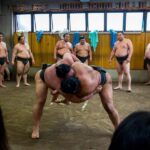
More tours in Tokyo we've reviewed












Sumo Experiences, compared.
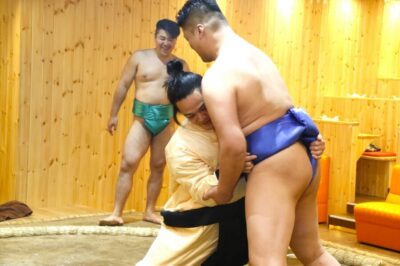 ★ 4.8Tokyo: Sumo Show Experience with Chicken Hot Pot and a PhotoFrom $1032 hours
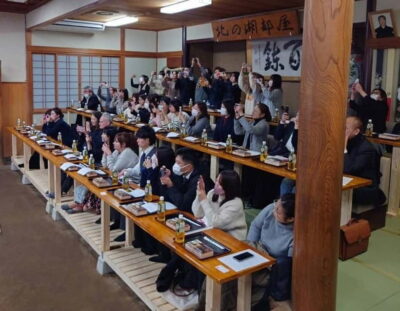 ★ 4.8Tokyo: Sumo Show and Dining ExperienceFrom $7990 minutes - 2 hours
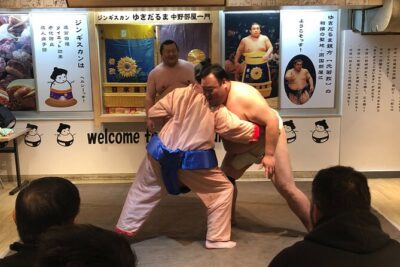 ★ 5.0the SUMO showFrom $89
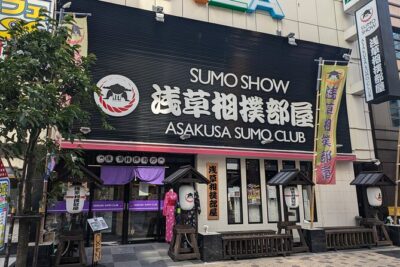 ★ 5.0Tokyo Sumo Entertainment Show with Chicken Hot Pot and PhotoFrom $106
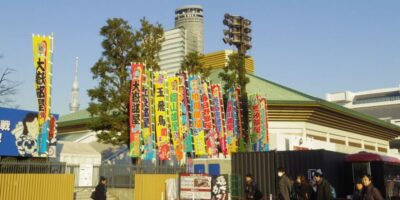 ★ 4.6Tokyo: Sumo Tournament Tour with Chair Seat TicketsFrom $141
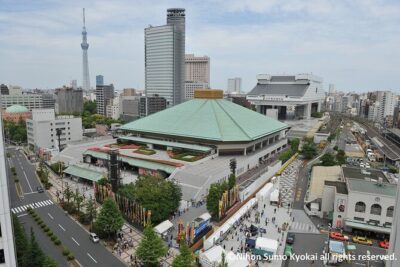 ★ 5.0Tokyo Grand Sumo Tournament Viewing Tour with TicketsFrom $124


![[Private]Shinjuku Golden Gai Bar Hopping w/ Japanese Local Guide - Walking through Kabukicho after dark](https://tokyoezine.com/wp-content/uploads/2026/08/private-shinjuku-golden-gai-bar-hopping-w-japanese-local-guide.jpg)