Reviewed · TEMPLES & MEDITATION
Nagano/Tokyo: Snow Monkey and Zenkoji Temple Private Tour
The main draw is the pairing of Jigokudani’s snow monkeys with Zenkoji Temple, two very different sides of Nagano in one long day. You can watch monkeys gather around hot springs, then walk through one of Japan’s most important Buddhist temple grounds.
In This Article
- Key points to know before booking
- Tokyo to Nagano: a long ride made easier
- Jigokudani Monkey Park and the hot spring monkeys
- Zenkoji Temple, Nagano’s spiritual centerpiece
- Obuse and the Hokusai connection
- Shibu Onsen and Yamanochi
- Matsushiro Castle Ruins and the Sanada story
- What the private format really gives you
- Price, comfort, and overall value
- Who will enjoy this day most
- Practical tips for a smoother day
- Should you book the Nagano snow monkey tour?
- FAQ
- How long does the tour last?
- Is hotel pickup included?
- What is the maximum group size?
- Are entrance tickets included?
- Which languages are available?
- What should I bring?
- Can the itinerary be changed?
I like the door-to-door private service, especially for families or groups of four to six. I also like the freedom to change the plan. Guides such as Ali, Sunny, Fahad, Hadi, and Raza have adjusted stops, added places, and changed the order when traffic or personal interests called for it.
The catch is simple: Tokyo to Nagano is a long haul. The day is advertised at about 10 hours, but traffic can stretch it closer to 11, with several hours spent in the vehicle. You will not see every listed stop in depth, so decide ahead of time which places matter most.
Key points to know before booking

- Snow monkeys require a walk: Jigokudani Monkey Park is reached on foot, so wear warm, comfortable shoes.
- Zenkoji offers a powerful contrast: Move from wild mountain scenery to a major Buddhist temple with a national treasure designation.
- Private means genuinely flexible: Your group alone participates, and the route can be adjusted with the driver.
- The drive is part of the day: From Tokyo, traffic and roughly seven hours of total driving can leave limited time for sightseeing.
- The price favors groups: The listed rate is $505 for up to six people, before any vehicle option changes or attraction tickets.
- Paid admissions are extra: Entry tickets, meals, and snacks are not included.
Tokyo to Nagano: a long ride made easier

Pickup is available from hotels and Airbnbs within Tokyo’s 23 wards, as well as listed areas around Nagano, Obuse, and Hakuba. Airport and port pickup is not available. You wait outside or in your hotel lobby at least 10 minutes before departure, and the driver may wait up to 60 minutes after the scheduled pickup time.
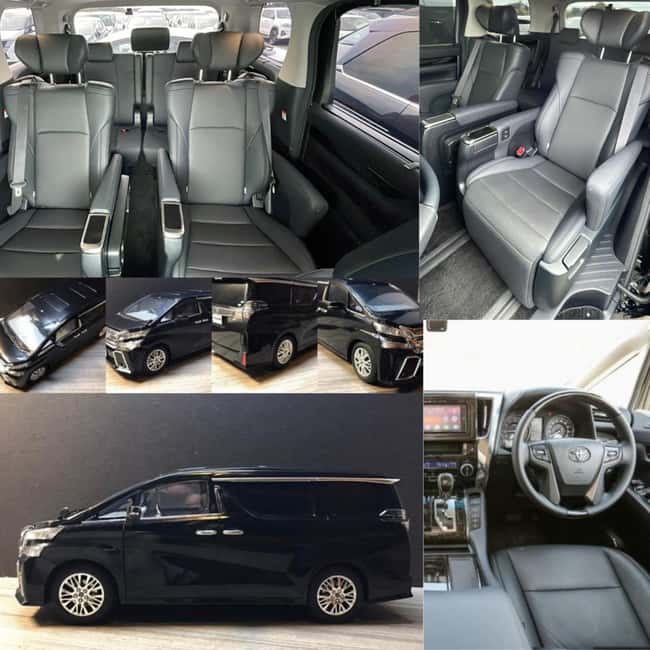
The vehicle is one of the tour’s real advantages. Options include luxury cars, vans, and SUVs such as a Toyota Crown, Toyota Land Cruiser, or Toyota Vellfire, but the price depends on the selected vehicle. Confirm the exact vehicle and rate before paying.
You receive air conditioning, complimentary water, tea, and coffee, plus a Wi-Fi hotspot when available. Those details matter on a day with a great deal of road time. Bring your own snacks, since meals are not provided.
The English-speaking driver is also the guide, with English, Urdu, and Japanese listed among the available languages. The driving and guiding quality can vary by assigned staff, but the names connected with recent tours include Ali, Mirza, Sunny, Muhammad, Fahad, Hadi, Raza, Zohaib, and Adnan. Personal service is a recurring strength, especially when the group communicates its priorities clearly.
Jigokudani Monkey Park and the hot spring monkeys
For most people, Jigokudani Monkey Park is the reason to make this trip from Tokyo. The park is known for Japanese macaques, often called snow monkeys, gathering around hot springs in cold weather. You may see them bathing, playing, or moving through snow-covered surroundings.
The experience is not a drive-up photo stop. You need to walk to the park, so comfortable shoes are essential. Warm clothing is equally important, especially if you visit in winter. Charge your camera before leaving, and remember that seeing the monkeys at close range does not mean you can touch or feed them.
The listed sightseeing time is about one hour. That can be enough for a focused visit, but it leaves little room for delays on the approach, crowded paths, or a slow pace. Ask your driver about the day’s timing. One guide, Ali, made a point of arriving early enough to avoid the heaviest crowds, while another adjusted the schedule to reach the park around feeding time despite difficult traffic.
That kind of timing can make a real difference. The monkeys are wild animals, and their activity is not fully predictable. You are there to watch what they do, not to expect a staged show.
Zenkoji Temple, Nagano’s spiritual centerpiece

Zenkoji Temple is the other essential stop. It is described as a national treasure and the most important temple in Nagano. The grounds include the main hall, the Niomon Gate, and the Sanmon Gate, giving you several distinct architectural and photographic points.
The temple works especially well after the monkey park. Jigokudani is a nature-focused visit, while Zenkoji gives the day a strong cultural center. You can walk through the grounds, study the gates and buildings, and listen as your guide explains the temple’s place in Japanese religious life.
The planned stop is about one hour. That is enough to see the major areas, but not enough for a slow, detailed visit if you want to explore every corner. Paid entry tickets are not included, and photography restrictions may apply at cultural sites, so check before taking pictures indoors or in restricted areas.
Spring can add another layer to the visit. One itinerary adjustment brought a group to Zenkoji during cherry blossom season, when the temple grounds were especially striking. Seasonal beauty is a bonus, not something to build the entire booking around, since timing depends on the date of your trip.
Obuse and the Hokusai connection

Obuse is a pleasant addition for people interested in art, food culture, and small-town streets. It is known for cherry blossoms and chestnut trees, and the tour includes time to walk around town.
The Hokusai Museum is the main named attraction here. It is dedicated to the famous Japanese artist Katsushika Hokusai. Museum admission is not included, so confirm the current ticket cost and opening details before you go if the museum is a priority.
Obuse is also one of the easiest stops to exchange for something else. One private group chose Obuse instead of Zenkoji Temple, while another itinerary included it after the monkey park. That flexibility is useful, but it also means you should not assume every listed destination will fit into your day.
If you want the museum, tell the driver early. If you prefer a walk through town, allow time for that instead. A one-hour stop gives you a taste, not a full cultural program.
Shibu Onsen and Yamanochi

Shibu Onsen is a traditional hot spring town with narrow streets and ryokan inns. The route description points to its nine public baths, each with a different design. The appeal here is the atmosphere of an old-style hot spring town rather than a single major monument.
The tour does not state that bathing is included, so treat this as a walking stop unless your guide confirms otherwise. With only about an hour, you are more likely to stroll, photograph the wooden buildings, and get a feel for the town than complete a full bathing circuit.
Yamanochi offers another view of the area, with natural scenery and traditional wooden buildings. It overlaps somewhat with the Shibu Onsen visit, so including both may make sense for someone who wants a broader look at the mountain region. If your main goals are the monkeys and Zenkoji, these stops may be better treated as optional additions.
This is where private touring earns its keep. You can tell the driver that you would rather spend more time in one place than collect quick photographs at every stop. The route lists seven-plus destinations, but the day does not provide unlimited time.
Matsushiro Castle Ruins and the Sanada story

Matsushiro Castle Ruins add a historical stop away from Nagano’s central temple area. The site was once the residence of the Sanada Clan, and the visit gives you a link to Japan’s Edo period and regional military history.
Do not expect a complete castle building. The stop is described as ruins, with time to explore and learn about the former castle. That makes it a good choice for people who enjoy history and open-air sites, but less useful if you are seeking grand intact castle architecture.
The planned visit lasts about an hour. Ask for an explanation of the Sanada connection, since the value of the stop comes from context as much as from the remaining structures. One guide used the castle ruins to help explain the area’s past, which suited a group interested in historical Japan.
What the private format really gives you

This is not a fixed coach tour. Only your group participates, and the maximum listed group size is six. Larger groups may be accepted for an additional charge.
The biggest benefit is control over the pace. You can request breaks, adjust the order of stops, or trade one destination for another. One group with children valued being able to visit its preferred places without the pressure of a larger party. Another group asked to add a Shibuya visit after returning to Tokyo, and the guide agreed.
That flexibility is not a license to fit everything into one day. Traffic between Tokyo and Nagano can be serious, and the return trip may be tiring. One group reported roughly seven hours of total driving on an 11-hour day. The best results come from choosing two or three priorities, then adding nearby stops if time allows.
Your guide’s attitude also matters. Ali, Sunny, Fahad, Hadi, and Raza were specifically praised for being punctual, safe, polite, patient, and willing to adjust the day. Mirza was described as personable and well-informed. These are useful qualities on a private road trip, where the driver can shape much of your experience.
Price, comfort, and overall value

The listed price is $505 per group of up to six. Split six ways, that is about $84 per person. For four people, it is about $126 each, before admissions. For two people, the cost becomes much harder to justify unless private transportation and hotel pickup are especially important to you.
The rate includes luxury private transportation, fuel, highway taxes, hotel pickup and drop-off, air conditioning, and complimentary water, tea, and coffee. Wi-Fi is subject to availability. You are also paying for the ability to customize the route, not just for transport between fixed stops.
Compare that with the cost of arranging a long independent day by train, local transport, and taxis. The private car can be valuable for families, older relatives who prefer direct transfers, or groups carrying luggage. It also removes the need to manage several connections.
The value drops if you expect a slow, detailed tour of every destination. The price does not include meals, snacks, or any paid entry tickets. It is best understood as a private Nagano road trip with guiding and transport, not as an all-inclusive sightseeing package.
Who will enjoy this day most

I would recommend this tour to:
- Families who want easy hotel pickup and a private vehicle
- Groups of four to six who can share the cost
- First-time visitors who want the monkeys and Zenkoji in one day
- People who prefer a flexible route to a fixed group schedule
- Visitors with limited time in Tokyo who cannot spare an overnight stay in Nagano
- Anyone who values a driver who can explain places and handle the road logistics
I would be cautious if you dislike long drives or want to spend half a day at the monkey park alone. The route is ambitious, and some stops may become brief photo visits. People with back problems should note that the activity is not considered suitable for them, and it is not recommended for people over 95.
Before departure, agree on your top priorities. A practical plan might be Jigokudani first, Zenkoji second, and Obuse or Matsushiro third. If you want Shibu Onsen, Yamanochi, and all the other stops too, expect a quick look rather than a full visit.
Practical tips for a smoother day
Wear shoes that can handle the walk to Jigokudani and bring warm layers even if Tokyo feels mild. Mountain weather can differ sharply from the city, so check the local forecast before leaving.
Pack snacks, charge your camera, and keep luggage details clear with the company in advance. Tell them about mobility concerns or accessibility needs before booking, not on the morning of pickup.
Add Tour Royal Japan on WhatsApp for easier communication. Confirm the selected vehicle, price, pickup point, and the stops you care about. Since the route can change, a short planning message the day before may save time.
Cancellation is free up to 24 hours before departure, and you can reserve now and pay later. Those terms help if your schedule is still moving, but they do not change the basic issue: this is a demanding full-day outing from Tokyo.
Should you book the Nagano snow monkey tour?
Book it if you want maximum convenience and a private route to Nagano’s two headline sights. The snow monkeys and Zenkoji Temple make a memorable combination, and the vehicle, hotel pickup, and flexible pacing are useful benefits.
I would book for four to six people, set two or three clear priorities, and accept that the day will be long. I would not book it for a relaxed temple visit, a serious museum visit, or a full hot spring experience. For the right group, this is an efficient way to reach the mountains, see the monkeys, and add a few carefully chosen stops without managing the transport yourself.
FAQ
How long does the tour last?
The tour lasts approximately 10 hours, including commuting time. Traffic can make the day longer, and some groups have spent about 11 hours on the full outing.
Is hotel pickup included?
Yes. Pickup and drop-off are available from accommodations, including Airbnbs, within Tokyo’s 23 wards and listed areas around Nagano, Obuse, and Hakuba. Airport and port pickup are not available.
What is the maximum group size?
The listed price covers a private group of up to six people. Larger groups may be accommodated for an additional cost.
Are entrance tickets included?
No. Paid entry tickets for attractions are not included. Meals and snacks are also excluded.
Which languages are available?
The listed languages are English, Urdu, and Japanese. The included driver is described as fluent in English.
What should I bring?
Bring comfortable shoes, warm clothing, a camera, and snacks. Check the weather forecast and make sure your camera equipment is charged.
Can the itinerary be changed?
Yes. The tour includes flexible itinerary customization, and the private format allows your group to request changes. Because the day includes substantial driving, you should agree on your main priorities in advance.
Temples & Meditation, compared.
 ★ 4.7Tokyo: Meiji Shrine, Asakusa, Skytree Bus Tour and CruiseFrom $12210 hours
 ★ 4.8Tokyo: Asakusa Walking Tour with Sensoji Temple VisitFrom $222 hours
 ★ 4.5Tokyo: Kamakura & Enoshima Day Trip including Temple TicketsFrom $589 hours - 570 minutes
 ★ 4.5Tokyo: Nikko Toshogu Shrine and Kegon Waterfall TourFrom $8410h 30m
 ★ 4.5Tokyo Panoramic 1 Day: Meiji Shrine, Asakusa, Odaiba and SKYTREE®From $85
 ★ 5.0Asakusa Senso-ji Temple and Old Tokyo Walking TourFrom $20