Reviewed · TEA CEREMONY & MATCHA
Tokyo: Tea Ceremony Experience in a small tea room
The most appealing part of this Tokyo tea ceremony is its size. With no more than six people in the room, you get time to watch the careful movements, ask questions, and prepare matcha yourself. It feels closer to a personal lesson than a staged show.
In This Article
- Key points to know before booking
- A quiet tea room near Nishi-Nippori
- Meeting Mari and learning the meaning of tea
- Watching the ceremony in a small room
- Making your own matcha
- What the nearby area adds to the visit
- Kimono dressing and what costs extra
- Is $51 good value for one hour?
- Who will enjoy this tea ceremony most?
- Timing, language, and cancellation
- Should you book this Tokyo tea ceremony?
- FAQ
- How long does the tea ceremony last?
- Where does the tea ceremony meet?
- How far is the location from a train station?
- Is the activity taught in English?
- How many people can join the group?
- Do I prepare my own matcha?
- What is included in the price?
- Is a kimono included?
I like the 20 years of teaching experience behind the session, and I like that Mari welcomes complete beginners without assuming you know the rules. The quiet setting near the riverside scenery, Yanaka, and Nezu Shrine also gives you a peaceful break from Tokyo’s crowded streets.
The main drawback is practical rather than cultural: the room is in a residential area and may be hard for a taxi to find. You may also need to climb two narrow flights of stairs, so ask about the room before booking if stairs are a concern.
Key points to know before booking

- A small class of six or fewer: You get a more personal lesson and a better chance to practice the movements yourself.
- Mari leads the session in English: Her 20 years of tea ceremony experience help make the ritual understandable for first-time participants.
- You prepare your own matcha: The lesson covers whisking powdered tea and the precise movements used during the ceremony.
- A calm location near Nishi-Nippori: Senraku-an is about a seven-minute walk from the station, close to Yanaka and Nezu Shrine.
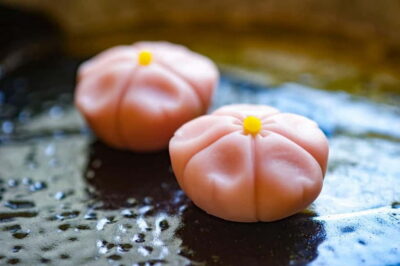
- Traditional sweets are included: Matcha is served with dried sweets, as part of the ceremony.
- Kimono dressing is optional: It is available for an extra charge, but the price should be confirmed before you add it.
A quiet tea room near Nishi-Nippori

This is a good choice if you want to understand Japanese tea culture rather than simply watch someone whisk green tea. The one-hour session takes place at Senraku-an, reached on foot from Nishi-Nippori Station in about seven minutes.
The setting is described as quiet and residential, with riverside scenery nearby. That matters in Tokyo. You are not being asked to spend half a day reaching an isolated cultural site, yet you still get a pause from the noise and speed of central city sightseeing.
The location is also close to Yanaka and Nezu Shrine. You could pair the tea ceremony with a walk through those areas, though transportation and sightseeing beyond the ceremony are not included. The nearby streets offer a useful contrast to Tokyo’s tall buildings and busy shopping zones.
Finding the exact place may take a little care. Senraku-an is in a residential setting, and one participant found that even a taxi had trouble locating it. I would use the meeting instructions closely, allow extra time, and plan to meet ten minutes before the session rather than arriving at the last moment.
A few more Tokyo tours and experiences worth a look

Meeting Mari and learning the meaning of tea
Mari is the teacher named in the experience, and the session is conducted in English. Her role is not simply to demonstrate a set of hand movements. She explains the ideas connected with the ceremony, including purity, hospitality, harmony, and mindfulness.
That background makes the ritual easier to appreciate. Without an explanation, tea ceremony can look slow or overly formal. Once you understand that the pace and gestures are deliberate, the room feels less like a performance and more like a lesson in how attention is given to another person.
You do not need prior experience. The session is designed for people who have never attended a tea ceremony, as well as those who already know something about the tradition. That open approach is important because the etiquette can seem intimidating at first.
Mari’s patience is a recurring strength of this experience. One participant described receiving extra help with folding the tea towel and practicing the movement several times. That sort of patient correction is useful, especially when you are trying to follow several actions in the right order.
Watching the ceremony in a small room

The ceremony begins with an explanation of the setting and the basic sequence. You will see how the tea tools are handled, how the powdered matcha is prepared, and how the movements are arranged into a calm pattern.
The small room helps here. In a large group, you might struggle to see the details or feel reluctant to ask a basic question. With a maximum of six participants, you can pay attention to the teacher’s hands and receive a clearer explanation.
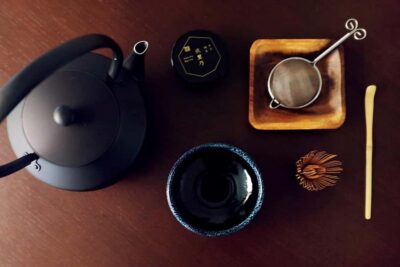
Expect a traditional atmosphere rather than a theatrical show. The appeal is in the quiet actions: arranging the tools, measuring or placing the matcha, adding water, and whisking it into a fine drink. The ceremony gives each step a reason and a place.
You should also expect some sitting and formal movement. The information provided does not specify the exact seating arrangement, so contact the provider if you need details for mobility or comfort. The room is reached by two narrow flights of stairs according to one experience, which is an important point for anyone who finds stairs difficult.
Making your own matcha

The hands-on portion is the part that gives this activity extra value. After watching the demonstration, you can prepare your own tea under Mari’s guidance if you wish.
You will learn how to whisk powdered matcha and how the movement fits into the wider ceremony. This is not a rushed pour-and-drink stop. The teacher pays attention to the method, including the precise motions and the use of the tea towel.
The practice also helps you understand why Japanese tea ceremony is not just about the flavor of the drink. The process calls for control, quiet concentration, and care with simple objects. Even a short session can leave you more aware of the work behind a bowl of matcha.
There is no pressure to perform perfectly. Beginners are welcome, and the teacher’s patient style makes room for questions and repeated practice. If you have children or family members with you, the private and quiet format may be easier than a large formal ceremony.
The ceremony includes matcha and traditional dried sweets. The sweets balance the bitterness of the tea and are part of the experience, not an unrelated snack added at the end. You should not expect a full meal, however. The included food is limited to the traditional dried sweets.
What the nearby area adds to the visit

A tea ceremony works best when you give yourself a little time before or after it. The Nishi-Nippori location places you near Yanaka and Nezu Shrine, two areas associated with older streets, temples, and quieter corners of Tokyo.
The provided details also point to the Kamogawa Delta and riverside scenery as part of the appeal of the setting. In practical terms, the experience is meant to connect the tea room with a calmer side of Tokyo, rather than with the bright commercial districts most people see first.
I would plan this as part of a half-day neighborhood walk, but keep the tea ceremony itself separate in your schedule. The session lasts one hour, and you must arrive at the meeting point ten minutes early. Since the exact room can be tricky to locate, do not schedule a tight restaurant reservation or train connection immediately afterward.
This combination of a local neighborhood and a small tea room is useful if you want culture without a long excursion. You get a structured introduction to tea, then you can continue exploring the surrounding area at your own pace.




Kimono dressing and what costs extra

Kimono dressing is not included in the $51 price. It can be requested as an extra, and one family found the dressing service good and reasonably priced. Another participant felt the kimono cost was high, so ask for the current price before adding it.
The tea ceremony itself includes the lesson, matcha, and dried sweets. Transportation is not included, and you are responsible for getting to Senraku-an.
The optional kimono can make the visit feel more ceremonial and may appeal to families marking a special occasion. It is not necessary to understand the lesson or take part in preparing tea. If your main goal is learning about matcha, the base experience gives you that without the additional clothing service.
This is one area where you should decide based on your priorities. A kimono may add visual appeal to the visit, but it also adds time, cost, and extra preparation. For a short one-hour activity, some people will prefer to keep the focus on tea.
Is $51 good value for one hour?

At $51 per person, this is not the cheapest way to drink matcha in Tokyo. You can find green tea at cafés and shops for far less. The price makes more sense when you treat the activity as a private cultural lesson with a seasoned teacher, not as a beverage tasting.
The small group is a major part of the value. Six participants or fewer means you are not lost in a crowd, and the teacher can respond to individual questions. The chance to make your own tea also gives you something a simple demonstration cannot provide.
The English instruction is another practical benefit. You are not just watching a ritual whose rules remain mysterious. You receive context for the movements and the cultural ideas behind them.
The one-hour length works well for a busy Tokyo schedule. It is long enough to explain the ceremony and provide hands-on practice, but short enough to fit before or after sightseeing. If you want an extended tea-school lesson, this will feel brief. If you want a focused introduction, the timing is sensible.
The price is strongest for couples, families, and small groups who want a personal encounter with Japanese tradition. It is less compelling if you only want to taste matcha or if you are already trained in tea ceremony and need advanced instruction.
Who will enjoy this tea ceremony most?
I would recommend this activity to first-time visitors who want a cultural experience that is easy to understand. You do not need to know the etiquette ahead of time, and the English-speaking teacher guides you through the process.
It also suits families. One participant specifically recommended it for couples and families, and the small format allows the teacher to slow down when someone needs help. The optional kimono dressing may appeal to children, though the added cost should be checked first.
Couples may like the quiet atmosphere. Unlike a large group attraction, this gives you a calm hour together and a shared activity that requires attention rather than rushing from one sight to another.
It is also a strong option for anyone interested in the values behind Japanese hospitality. The lesson connects tea preparation with purity, harmony, and omotenashi, the Japanese idea of thoughtful hospitality.
You should think twice if stairs are difficult for you. The room is reported to be up two narrow flights of stairs, and the residential location can be awkward for taxis. The provider should be asked for more precise access details before you commit.
Timing, language, and cancellation

The activity lasts one hour and is taught in English. Starting times depend on availability, so check the schedule before you plan the rest of your day.
Meet at Senraku-an ten minutes before the experience. Because the setting may be difficult for a taxi to locate, walking from Nishi-Nippori Station and allowing extra time is the safer plan.
Transportation is not included. The activity offers free cancellation up to 24 hours in advance for a full refund, and you can reserve now and pay later. Those terms help if your Tokyo plans are still moving around, but you should still confirm the final time and meeting instructions when booking.
The group is limited to six participants. That limit is central to the feel of the class, so it is worth checking availability early if you want a particular time or plan to attend with family.
Should you book this Tokyo tea ceremony?
Book it if you want more than a cup of matcha and prefer a small, friendly lesson over a large formal production. Mari’s long experience, patient teaching, English instruction, and hands-on practice make this a useful introduction to tea ceremony.
The best fit is a curious beginner, a couple, or a family already planning to visit Yanaka or Nezu Shrine. Give yourself time to find Senraku-an, and ask about the narrow stairs if mobility matters. Treat the kimono as an optional extra, not a required part of the experience.
At $51, the value comes from personal instruction and cultural context. If that is what you want from Tokyo, this short tea ceremony earns its place in your schedule.
FAQ
How long does the tea ceremony last?
The experience lasts one hour.
Where does the tea ceremony meet?
You meet at Senraku-an ten minutes before the experience begins.
How far is the location from a train station?
The tea ceremony location is about a seven-minute walk from Nishi-Nippori Station.
Is the activity taught in English?
Yes. The instructor teaches in English.
How many people can join the group?
The group is limited to six participants.
Do I prepare my own matcha?
Yes. You can make your own matcha under the teacher’s guidance, including learning how to whisk the powdered tea.
What is included in the price?
Matcha, traditional dried sweets, and the lesson by the tea ceremony teacher are included.
Is a kimono included?
No. Kimono dressing is available only if requested and costs extra.
More Tea Ceremony & Matcha in Tokyo


More tours in Tokyo we've reviewed












Tea Ceremony & Matcha, compared.
 ★ 5.0Matcha Making Class in Tokyo with Authentic Japanese Sweets SetFrom $21
 ★ 5.0Kimono Tea Ceremony at Tokyo, Asakusa MaikoyaFrom $55
 ★ 5.0Tokyo: Traditional Tea Ceremony with a Tea MasterFrom $381 hour
 ★ 4.5Dynamic Tokyo: Tokyo Tower, Tea Experience, Bay Cruise Day TourFrom $99
 ★ 4.9Tokyo: Matcha Making Experience with Mochi Sweets in AsakusaFrom $221 hour
 ★ 4.7Tokyo: Matcha and Kimono ExperienceFrom $57