Reviewed · SUMO EXPERIENCES
Tokyo Sumo Morning Practice: Viewing & Exclusive Interaction
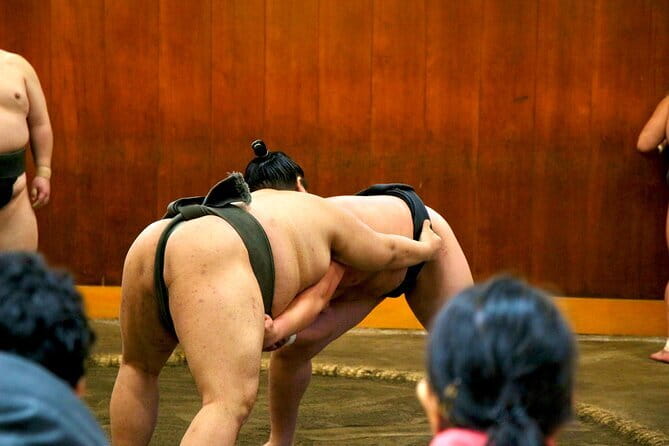
Watching professional sumo wrestlers train from only a few meters away is the heart of this Tokyo morning experience. You are not attending a polished stage show. You are sitting quietly beside a real stable as wrestlers stretch, practice techniques, and collide with startling force.
In This Article
- Key points
- Why a morning at the stable feels different
- Meeting at Narihira Park in Sumida
- The 20-minute introduction makes the quiet viewing worthwhile
- Ninety minutes of raw training, not a tourist show
- The Q&A brings the wrestlers into focus
- The banzuke souvenir adds a useful final touch
- Optional brunch in the neighborhood
- Who will get the most from this experience
- What is included, and what you should plan for
- Is $95.77 a fair price?
- Should you book the Tokyo sumo morning practice?
- FAQ
- Where does the sumo morning practice begin?
- How long does the experience last?
- What happens during the morning practice?
- Can I ask the wrestlers questions?
- Can I take photos with the wrestlers?
- Can visitors enter the sumo ring?
- Is brunch included in the price?
- What is included in the basic price?
I like the close range and the chance to see the work behind the sport, not just the grand matches. I also like the Q&A and photo session, which turn a quiet observation into a personal meeting. The main caution is that the practice may run shorter than the advertised two and a half to three hours, and you may spend much of the session sitting silently.
Key points
- Real morning practice: Watch professional wrestlers train in an active sumo stable rather than attend a staged demonstration.
- Strong cultural context: Your guide explains rituals, rules, rankings, customs, and stable life before you enter.
- Personal contact afterward: Ask questions, take photos, and, when permitted, watch male participants try a brief sumo challenge.
- Useful Tokyo timing: The morning start leaves most of the day free for sightseeing.
- Optional Japanese meal: Add brunch afterward for a guided introduction to traditional dishes.
- Small-stable atmosphere: Some sessions take place with only a handful of wrestlers, creating a close and quiet setting.
Why a morning at the stable feels different
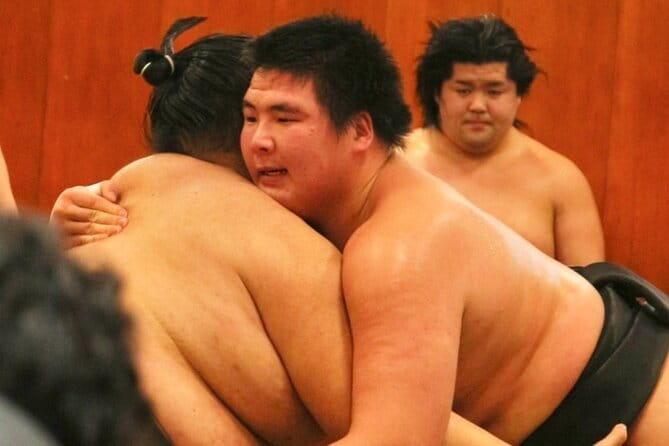
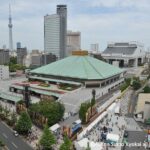
Tokyo hosts official sumo tournaments only a few times each year. If your visit falls outside those dates, you can still see the sport at work here, and in some ways the practice offers a better view of the athletes than a distant tournament seat.
At a match, you see the formal spectacle: the ring, the crowd, the music, the ceremony, and the short bursts of competition. At morning practice, you watch the preparation that makes those moments possible. You see repeated exercises, ritual gestures, individual styles, and the steady pressure of training.
The action is close enough for you to hear the slap of bodies and feel the force of each collision. It is not a contest for points, so do not expect a full tournament program. The wrestlers are working through drills and practice bouts, often repeating movements until they are right.
That difference matters. If you want nonstop matches, a tournament is the better choice. If you want to understand how sumo wrestlers prepare and live within the sport, this experience offers more access and explanation.
The activity costs about $95.77 per person. That is a serious price for a morning, especially when the actual time at the stable can vary. You are paying for access to a working sumo setting, an English-speaking guide, translation and explanations, the photo opportunity, and the souvenir set. For a casual look at Japanese sport, it may feel expensive. For a rare close-up encounter outside tournament dates, the price is easier to defend.
A few more Tokyo tours and experiences worth a look
Meeting at Narihira Park in Sumida
The morning begins at Narihira Park in Sumida City, near the multipurpose restroom. The listed starting point is 2-chōme-3-番 Narihira, Sumida City, Tokyo 130-0002, and the activity ends back at this meeting point.
Arrive ready to pay attention to the location details. One important practical warning is that an incorrect meeting location has appeared on some ticket information, so check the latest instructions sent by the tour team before setting out. Guides have been reported to message the day before with clear directions and background reading. That advance contact is useful in a city where a small location error can cost you the entire morning.
This area is near public transportation, but give yourself time. One booking note specifically recommends a taxi or Uber for an 8 a.m. start if you are staying in Shinjuku. That is not the only way to reach the park, but it shows why you should not leave the journey until the last minute.
At the park, your guide welcomes the group and gives an orientation lasting about 20 minutes. Guides have included Sarah, Momo, Haru, Peach, Moana, and Taka. The exact guide depends on the date, but the useful role is the same: explain what you are about to see and how to behave inside the stable.
The 20-minute introduction makes the quiet viewing worthwhile
The briefing covers the background of sumo, its rituals, basic rules, rankings, and the stable you are about to enter. This preparation is not filler. Without it, a long series of stretches, shoves, and ritual movements can look repetitive. With a little context, you begin to notice why the wrestlers move in a certain way and how the session is organized.
You may receive pre-reading before the tour. Take a few minutes to look at it. One participant found the information much more useful after reading it before practice began, and that is good advice. The session is quiet, so your guide cannot narrate every movement once training starts.
This is also the moment to ask your guide about proper behavior. A sumo stable is a working place, not a theater. You need to keep quiet during training, remain in your assigned place, and follow the guide’s instructions about photos and interaction.
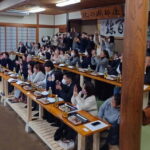
The group can include up to 45 people, although the actual setting may feel more intimate if the stable is small or the group is limited. One especially close session had eight visitors and seven wrestlers. You should not assume every departure will be that small, but the stable setting itself gives the experience a personal quality that a large tournament arena cannot match.
Ninety minutes of raw training, not a tourist show
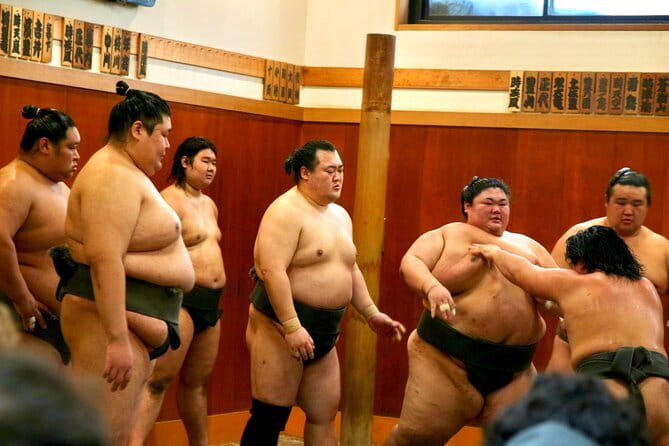
The main viewing period lasts about an hour and a half. You sit close to the action and watch the wrestlers work. There is no promise that every session will follow the same rhythm, and that is part of the point. You are seeing a real training morning, with its own pace and workload.
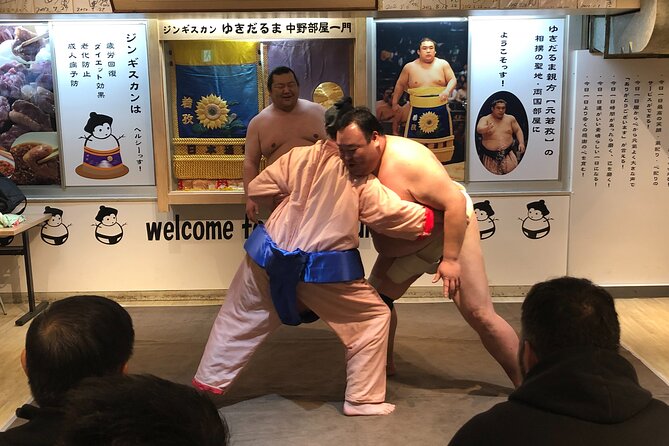
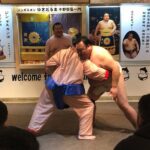
Expect to watch exercises, technique work, and practice bouts. The wrestlers may train in groups, repeat particular moves, or face one another in short clashes. The force is easy to underestimate on television. From nearby, the impact sounds hard and physical, and you can see the concentration required to keep repeating it.
The most valuable part is often the quiet detail. Watch how each wrestler prepares before a bout. Notice differences in movement and personality. Look at the balance between ceremony and hard exercise. The sport is not only about size. It also depends on timing, posture, footwork, discipline, and the ability to absorb pressure.
This is where the experience earns its cultural value. You are not simply seeing large athletes push one another. You are watching a demanding daily routine shaped by tradition and strict behavior. Several parts of the session may seem slow if you expect constant action, but that slower pace helps you see the structure of the training.
Bring patience. Children may find it difficult to sit quietly for up to two hours, depending on the length and intensity of the practice. Families have enjoyed the experience, and some children have taken part in the later interaction, but the viewing itself is not designed as an active children’s show.
The advertised total duration is about two hours and 30 minutes to three hours. One disappointing experience lasted only about an hour, with practice followed by a short question period and photos. Training time depends on the stable’s schedule, so you should treat the duration as approximate rather than guaranteed. This is the clearest value concern in the whole activity.
The Q&A brings the wrestlers into focus
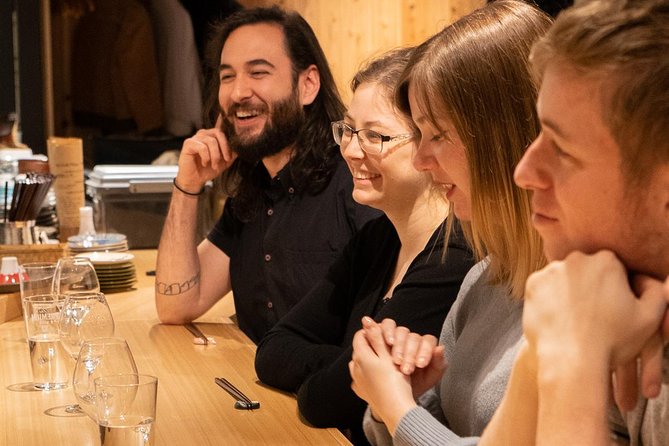
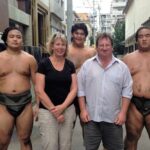
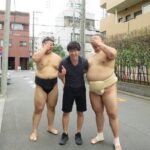
After practice, the mood changes. You get a chance to ask the wrestlers questions and take personal photos with them. The guide may translate between English and Japanese, which makes the conversation possible even when you do not share a language.
The questions can cover training, daily life, the rules, and the wrestlers’ experiences. The athletes have been described as friendly and open, and this portion helps you see them as people rather than distant sports figures.
Keep your expectations sensible. This is not necessarily a long private interview with the stablemaster, known as the Oyakata. At least one participant wished for the chance to question the Oyakata directly, but strict training schedules can make that impossible. The main interaction is with the wrestlers, supported by the guide.
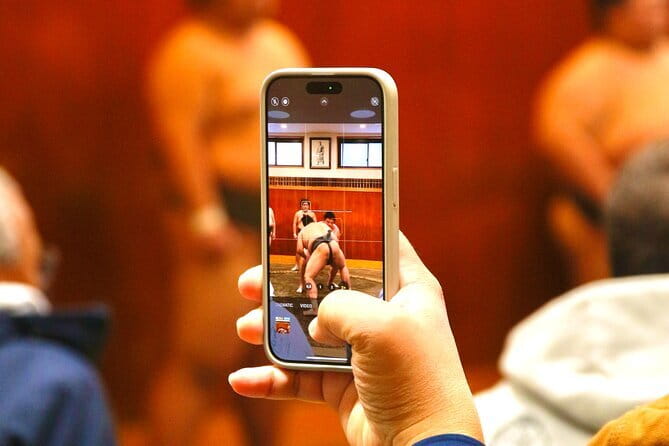
Photo time is one of the strongest reasons to choose this experience instead of simply visiting a sumo-themed attraction. You can take pictures with the athletes at close range, creating a personal record of the morning. Be ready to follow instructions about when photography is allowed, since the practice itself requires respect and quiet.
Some groups have also been invited to try a brief physical challenge. Male participants may be allowed into the ring to push against a wrestler or take part in a playful bout. Children and adult sons have enjoyed this moment, and one participant described being allowed to push a wrestler who barely moved until he chose to give ground.
This opportunity is not guaranteed for everyone. It depends on tradition, timing, the stable, and the group. Women are not allowed into the ring because of long-standing sumo customs. Women can still watch, ask questions, and take photos, but you should know about this restriction before booking if the hands-on part is important to you.
A few more Tokyo tours and experiences worth a look

The banzuke souvenir adds a useful final touch
The closing session returns to the park and takes about 30 minutes. Your guide presents an official banzuke, the ranking sheet used in sumo, inside an original souvenir folder. This is a better keepsake than a generic magnet because it connects directly to the sport you have just watched.
There is also extra time for questions. Use it to clarify something you noticed during practice, ask about rankings, or discuss the stable’s routines. The closing conversation is especially helpful if the training moved quickly or if you thought of questions only after leaving the stable.
The souvenir does not transform the value of the tour, but it gives the morning a proper ending. You leave with something that helps explain the ranking system and reminds you that sumo is an organized professional world, not simply a dramatic clash in a ring.
Optional brunch in the neighborhood
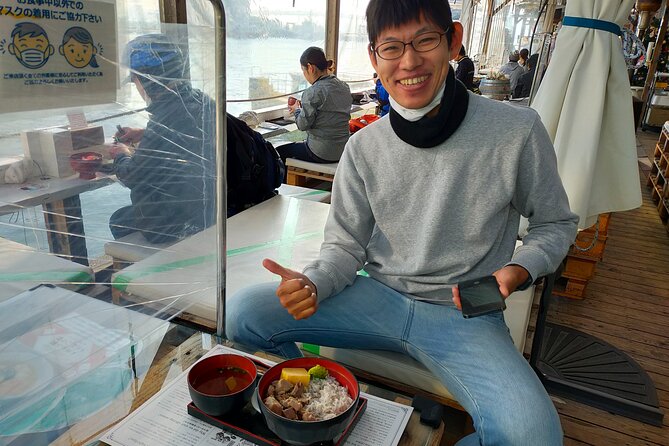
You can add an optional Japanese brunch after the stable visit. The meal has received strong praise from people who chose it, especially because the guides explain the dishes and help with ordering.
Do not expect a European-style brunch spread. The meal is closer to lunch, with traditional Japanese dishes, and the food cost may be around 1,000 to 2,000 yen depending on what you choose. The brunch is separate from the main included features, so confirm the current arrangement and payment details when booking.
I would add it if you want help making sense of an unfamiliar Japanese meal or if you have not yet had an everyday local-style dining experience. I would skip it if you need to reach another attraction quickly, since the morning already has a flexible end time.
The meal also gives you more time with the guide. That can be worthwhile because questions often come after you have seen the practice. You may understand the explanation of a ritual better once you have watched it happen.
Who will get the most from this experience
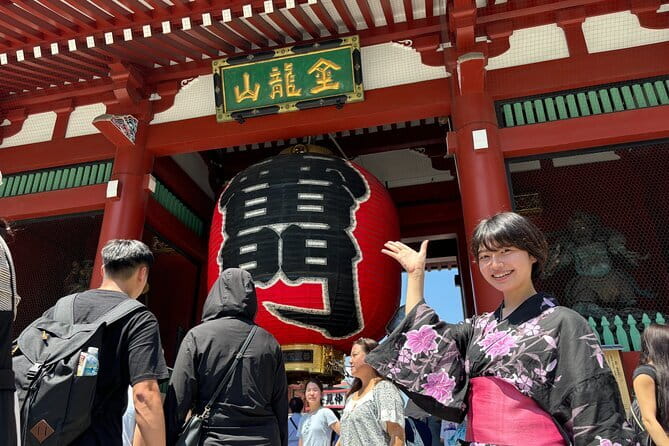
This is a strong choice for anyone fascinated by Japanese sport, ritual, and daily discipline. It suits solo visitors, couples, families with older children, and anyone whose Tokyo dates do not match a tournament.
You will get the most from it if you:
- Can sit quietly and pay attention for an extended period
- Want a working practice rather than a staged performance
- Appreciate explanation and translation
- Are comfortable with a morning start
- Value close photos and a personal meeting
- Have time for the optional meal afterward
Families can have a wonderful time, especially during the photo session and possible ring interaction. Still, I would think carefully before bringing very young children. The practice may be intense and fascinating, but it can also be long, quiet, and physically distant from a child’s usual idea of entertainment.
The experience is less suitable if you need a fixed finish time. The practice schedule can change, and the total visit may be shorter or longer than expected. It is also not the best pick if your main goal is to see a formal tournament with full ceremony and competitive stakes.
What is included, and what you should plan for

The price includes an English-speaking guide, the sumo morning practice viewing fee, and the official banzuke souvenir set with its original folder. The optional brunch is not part of that basic package.
You receive confirmation when booking, and the activity accepts mobile tickets. Most people can participate, but the quiet indoor setting and sitting time are worth considering if you have mobility or comfort concerns. The supplied information does not promise special accessibility arrangements, so ask before booking if you need them.
Free cancellation is available up to 24 hours before the local start time. Cancellations or changes made inside that window are not accepted for a refund. That policy is fairly flexible, but the meeting instructions matter more than usual here. Read the final message carefully, especially the meeting point.
The activity ends where it starts in Sumida. Since it is a morning experience, you can continue to Asakusa, Tokyo Skytree, or another part of the city afterward, but the exact timing may depend on how long training lasts and if you join brunch.
Is $95.77 a fair price?
At $95.77, this is not a bargain activity. The cost makes sense only if access to a real stable is a priority for you.
The value comes from four things: the proximity to the wrestlers, the guide’s cultural explanation, the personal Q&A and photos, and the chance of a brief hands-on moment. A standard sightseeing stop cannot offer the same access. You also avoid the problem of planning an entire Tokyo trip around the limited tournament calendar.
The weaker side is the uncertain length and uneven guide role. Most guides add useful context and handle translation well, but one assessment found that the guide mainly translated questions and offered limited explanation beyond the pre-tour material. Your experience may depend partly on how much your guide expands on the sport.
I would call the price fair for a sumo enthusiast and reasonable for a once-in-a-lifetime cultural activity. I would call it expensive for someone who simply wants to watch a few bouts. Read the supplied background material, arrive on time, and make full use of the questions and photo session to get the most from your money.
Should you book the Tokyo sumo morning practice?
Book it if you want to see sumo as a demanding way of life rather than only as a tournament spectacle. The close viewing, hard training, friendly wrestler interaction, and optional brunch create a morning that feels personal and unusual.
Think twice if you need a guaranteed three-hour program, dislike quiet observation, or are counting on entering the ring. Women can watch and participate in the conversation but cannot step into the ring because of tradition. The practice can also finish sooner than expected.
For most visitors who care about Japanese culture and have room in their morning budget, I would book it. Check the meeting point, read the pre-tour material, choose transportation carefully, and leave your schedule flexible. Those simple steps give you the best chance of enjoying what this experience does particularly well: bringing you close to the discipline, ritual, and human effort behind professional sumo.
FAQ
Where does the sumo morning practice begin?
The meeting point is Narihira Park in Sumida City, near the multipurpose restroom, at 2-chōme-3-番 Narihira, Tokyo 130-0002. The activity ends back at the same meeting point.
How long does the experience last?
The stated duration is approximately two hours and 30 minutes to three hours. The actual time can vary with the stable’s training schedule, and one reported visit was much shorter.
What happens during the morning practice?
You watch professional sumo wrestlers complete exercises, technique work, and practice bouts from close range. This is a real training session rather than a staged tourist performance.
Can I ask the wrestlers questions?
Yes. The experience includes a Q&A session after practice, with the guide helping translate questions and answers when needed.
Can I take photos with the wrestlers?
Yes. A personal photo session with the wrestlers is included after the training, subject to the stable’s instructions.
Can visitors enter the sumo ring?
Some male participants may be invited to push against a wrestler or join a brief playful bout. This is not guaranteed. Women are not permitted to enter the ring because of traditional restrictions.
Is brunch included in the price?
No. Japanese brunch is optional and separate from the included tour features. The meal is closer to lunch than a European-style brunch, and food may cost about 1,000 to 2,000 yen depending on your choices.
What is included in the basic price?
The basic price includes an English-speaking guide, the sumo morning practice viewing fee, and an official banzuke ranking sheet in an original souvenir folder. Mobile ticketing and booking confirmation are provided.
More Morning in Tokyo
More Sumo Experiences in Tokyo

More tours in Tokyo we've reviewed












Sumo Experiences, compared.
 ★ 4.8Tokyo: Sumo Show Experience with Chicken Hot Pot and a PhotoFrom $1032 hours
 ★ 4.8Tokyo: Sumo Show and Dining ExperienceFrom $7990 minutes - 2 hours
 ★ 5.0the SUMO showFrom $89
 ★ 5.0Tokyo Sumo Entertainment Show with Chicken Hot Pot and PhotoFrom $106
 ★ 4.6Tokyo: Sumo Tournament Tour with Chair Seat TicketsFrom $141
 ★ 5.0Tokyo Grand Sumo Tournament Viewing Tour with TicketsFrom $124