Reviewed · PRIVATE
Tokyo: Private Custom Insider Tour with a Local Host
Tokyo is easiest to enjoy once someone shows you how its pieces fit together. This private walking tour lets you set the theme, from old temples and market food to anime, gaming, fashion, or everyday local life. Your host may be Megumi, Michael, Ayaka, or another local guide matched to your interests.
In This Article
- Key points to know before booking
- Why a private host can make Tokyo feel manageable
- Asakusa and Senso-ji: a strong first look at old Tokyo
- Markets, alleys, and the best kind of food stop
- Akihabara, Harajuku, and Shibuya for modern Tokyo
- Quiet corners, old Tokyo, and personal interests
- The practical Tokyo lessons that can save your trip
- Families, older visitors, and mixed-interest groups
- Is $95 per person good value?
- Who should book this Tokyo experience?
- FAQ
- How long does the private Tokyo tour last?
- How much does the tour cost?
- Is this a private tour?
- Which languages are available?
- Can the tour be customized?
- Can I request specific Tokyo neighborhoods?
- Is hotel pickup available?
- Is transportation included?
- Can I cancel the booking?
- Should you book it?
I like the personal planning and the practical help with Tokyo’s trains, etiquette, and food choices. I also like the freedom to linger, change direction, or skip a sight when the city offers something better. The main catch is that $95 per person does not cover food, attraction tickets, or transport, and three hours can pass quickly if you want to cross several districts.
Key points to know before booking
- Your host is chosen around your interests: A pre-tour questionnaire helps match you with a local who can shape the day around food, history, shopping, anime, family needs, or quiet neighborhoods.
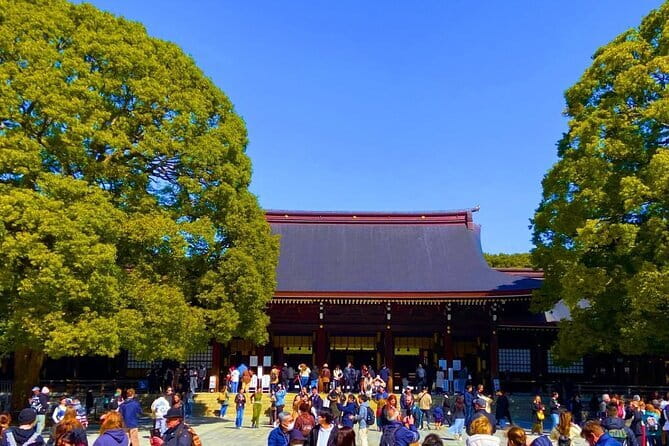
- You can start with Tokyo’s classic sights: Senso-ji in Asakusa, Meiji Shrine, Harajuku, Shibuya, Ginza, and the Imperial Palace area can all fit into a custom plan.
- The best value comes from practical guidance: Hosts have helped with subway navigation, Suica cards, Japanese phrases, cultural customs, wheelchair logistics, and shipping souvenirs.
- Food is part of the experience, but not included: You might stop for yakitori, sushi, mochi, noodles, or a memorable local lunch, with the bill paid separately.
- This is a walking tour, not a chauffeured tour: Public transport or taxis may be needed between districts, and those costs are extra.
- Book it early in your Tokyo stay: A first-day or second-day tour can teach you the train system and give you useful ideas for the rest of your visit.
Why a private host can make Tokyo feel manageable
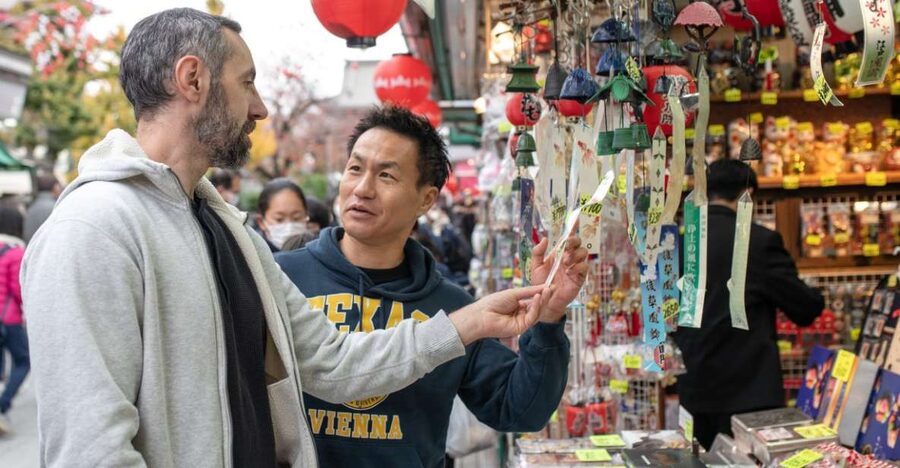
Tokyo is not difficult because it lacks signs or maps. It is difficult because the city is huge, fast-moving, and made up of many distinct neighborhoods. A private host gives you a human starting point instead of a long list of places pinned to your phone.
You can ask for a broad introduction, then let your host connect the dots. One part of the day might cover a shrine and a traditional market. Another might move from old Tokyo streets to neon arcades and youth fashion. The strength of the tour is not a fixed route. It is the ability to adjust the route to your energy, interests, and questions.
The pre-tour questionnaire matters here. You describe your personality and interests, then communicate directly with your host before the walk. That gives you a chance to say, for example, that you want less shopping, more food, fewer stairs, extra time for photos, or help understanding Japanese customs.
A three-hour tour works well as an introduction. Choose four to six hours if you want several districts, a sit-down meal, shopping, and time to learn the rail system without rushing. The full eight-hour option is better for a long day built around several specific goals, but remember that Tokyo walking and train transfers can be tiring.
Other private tours in Tokyo


Asakusa and Senso-ji: a strong first look at old Tokyo
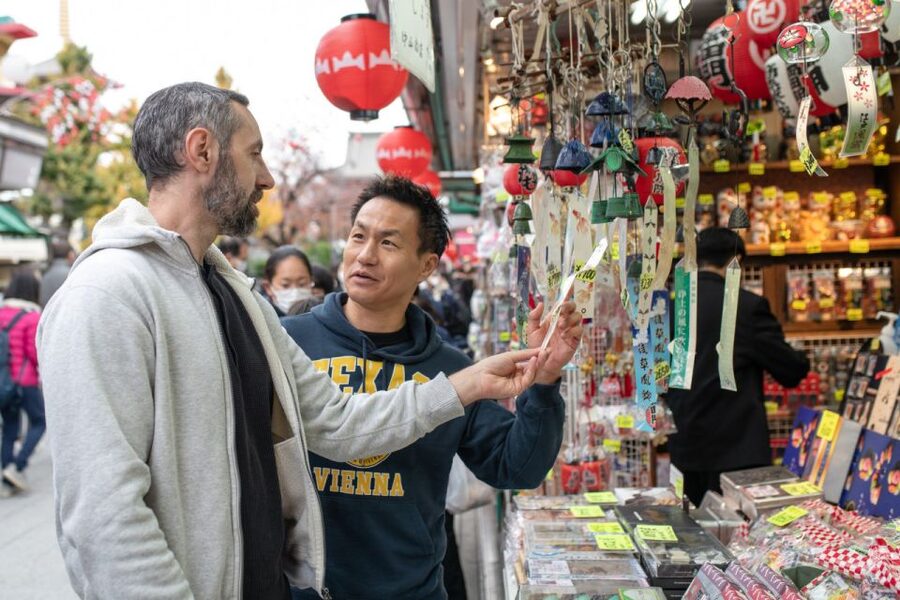
Asakusa is one of the clearest places to begin. Senso-ji Temple gives you a grand introduction to Japanese Buddhist tradition, daily worship, and the visual side of historic Tokyo. The approach to the temple is lively, and the area around it offers food, souvenirs, and plenty to discuss with a local guide.
A host can explain how to behave at a shrine or temple, what you are seeing, and how religious customs fit into ordinary life. That kind of context is especially useful if this is your first time in Japan. You are not simply walking past a beautiful building. You are learning how to approach it respectfully.
The surrounding streets can also suit families and first-time visitors. A guide named Aby used a short private visit to show Senso-ji and its surroundings, while also teaching subway basics. That is a smart use of a shorter booking: see one major sight, learn how to move around, and leave with a plan for the next few days.
The limitation is distance. Asakusa sits on the eastern side of Tokyo, while Shibuya, Harajuku, and many modern sights are farther west. If your main interests are fashion and pop culture, spending the whole tour here may not be the best match. Your host can help decide how much time this older district deserves.
Markets, alleys, and the best kind of food stop
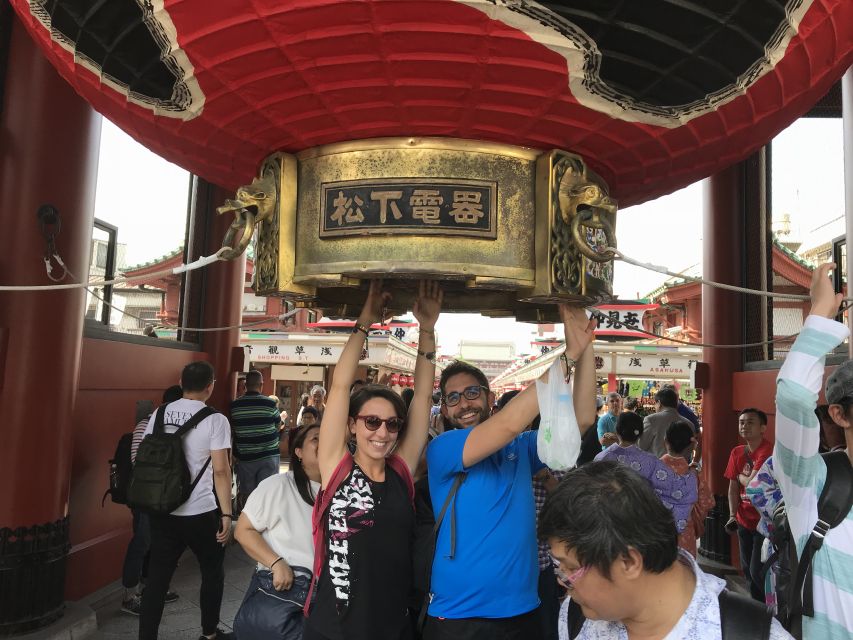
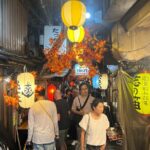
Tokyo’s food culture is often most enjoyable when you have help choosing where to pause. A host might lead you through Ameya-Yokocho Market, a lively shopping street with food stalls, small shops, and a nostalgic feel. You can browse, taste something, and ask questions without having to decode every menu alone.
The Tsukiji outer market and fish-market area can also be included, depending on your interests and the day’s route. One custom tour connected the fish market with Ginza, Meiji Shrine, and Harajuku. Another included food stops around Asakusa. This kind of combination works well because you see different sides of Tokyo rather than spending the whole day in one attraction zone.
Food costs extra, so set a budget before you begin. You might want a quick serving of yakitori or handmade mochi. You might prefer sushi, noodles, or a proper lunch. Since the food is not included in the $95 price, you retain control over what and how much you buy, but you should not treat the tour fee as an all-in food package.
A local host also helps with the small decisions that shape a meal. You can ask what a dish is, how to order it, and which choices fit your tastes. A guide may suggest a small restaurant that you would not have picked from a major tourist street. The memorable part is often not the meal alone, but learning why that place or dish matters.
Akihabara, Harajuku, and Shibuya for modern Tokyo
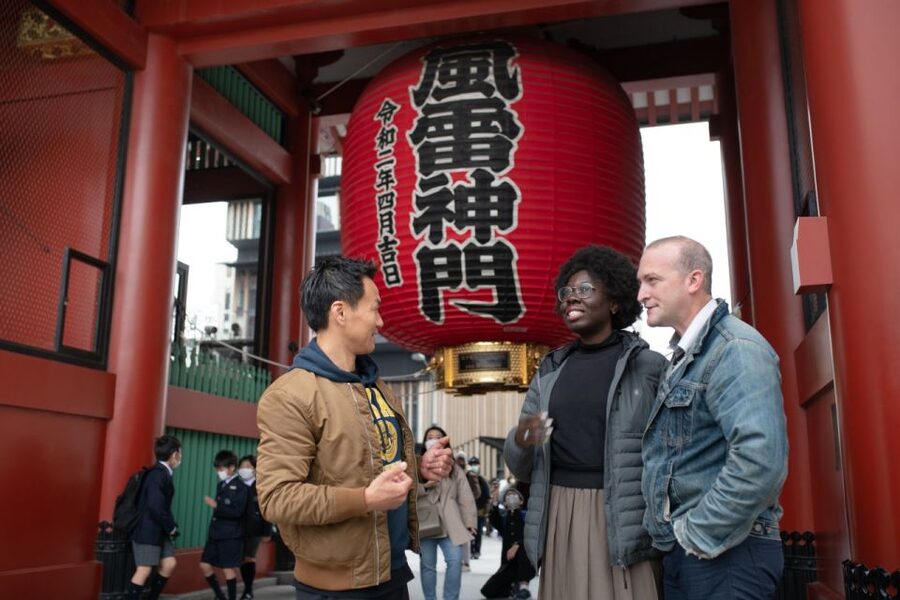
If you like anime, gaming, electronics, or Japanese pop culture, ask for Akihabara. Its bright signs and specialist shops create a very different mood from Asakusa. A host can help you focus on the parts that actually interest you instead of sending you through every shop in the district.
Harajuku offers another modern contrast. Its main shopping streets are famous, but a private walk can also include backstreets, local shops, and fashion-focused stops. One family tour combined Meiji Shrine with Harajuku and a candy shop, showing how the area can work for children as well as adults.
Shibuya gives you the large-scale Tokyo experience: city views, crowds, and the famous crossing. The meeting point, SHIBU HACHI BOX at 2 Chome-1-1 Dogenzaka, is in central Shibuya. You can also arrange pickup from a central Tokyo hotel, which is helpful if you want to avoid finding a new meeting point on your first morning.
Do not expect to cover Akihabara, Asakusa, Harajuku, and Shibuya in depth during a three-hour booking. Tokyo’s train transfers and walking distances take real time. I would choose one main theme and perhaps one nearby add-on, rather than trying to collect every famous district.
Quiet corners, old Tokyo, and personal interests
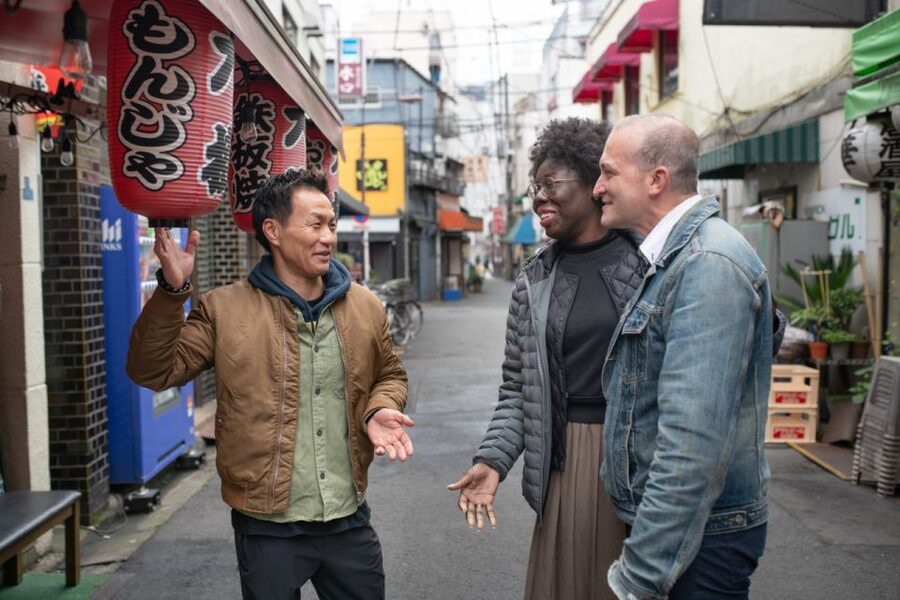
The most rewarding version of this tour may not include the maximum number of sights. You can ask for old Tokyo, artistic places, small shops, teahouses, rooftop views, or quiet gardens. One host built a day around old Tokyo with an artistic focus. Another showed a guest temples, Kappabashi Street, and the Imperial Palace area, adding religious customs and local history along the way.
Kappabashi is a useful example of the tour’s flexibility. It is associated with kitchenware and restaurant supplies, so it suits visitors interested in cooking, food culture, design, or unusual souvenirs. It is a different experience from a standard sightseeing stop, and a guide can help you decide if it fits your day.
Artisan shops may also appear in the plan. The information provided does not promise a particular workshop or maker, so think of these as possible additions rather than guaranteed stops. The same applies to a secret rooftop view or tucked-away teahouse. Tell your host clearly what appeals to you, then confirm the proposed route before the tour.
I especially like this approach for repeat visitors. You may already have seen the major temples and crossings. A host can instead build a day around local food, neighborhood character, Japanese language practice, or the details you missed the first time.

The practical Tokyo lessons that can save your trip
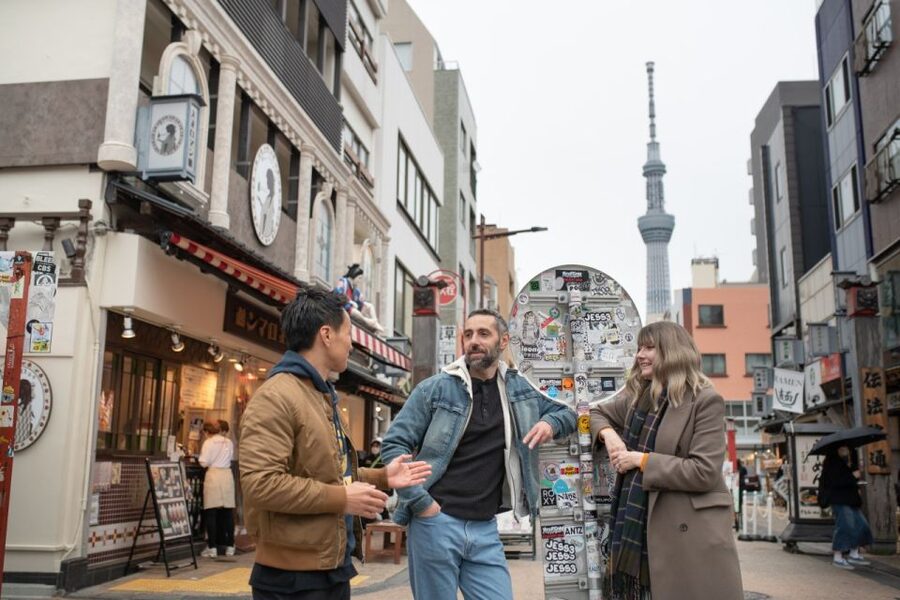
Sightseeing is only part of the value. Several hosts have helped people learn how to use Tokyo’s rail network, and that may be the most useful lesson you take home. A guide can show you how to reach the next stop, explain basic subway customs, and help you feel less anxious about transfers.
One host arranged an early hotel meeting to discuss the day, then helped a wheelchair user manage train travel and understand Japanese cultural rules. The guide also stayed beyond the scheduled time to assist with difficult wheelchair handling. This is a strong example of why you should explain mobility needs and group concerns during the planning stage, not at the station.
Another host helped a visitor buy a Suica card and understand the JR system. That is practical help you can use long after the tour ends. A guide also helped one guest ship souvenirs at the post office and assisted another parent traveling alone with a one-year-old child.
The tour remains a walking experience. It does not include a private vehicle. Public transport or taxis may be used between sites, with the cost discussed directly with your host after booking. Wear comfortable shoes, keep the day flexible, and allow time for stations, escalators, crowds, and unexpected stops.
Families, older visitors, and mixed-interest groups
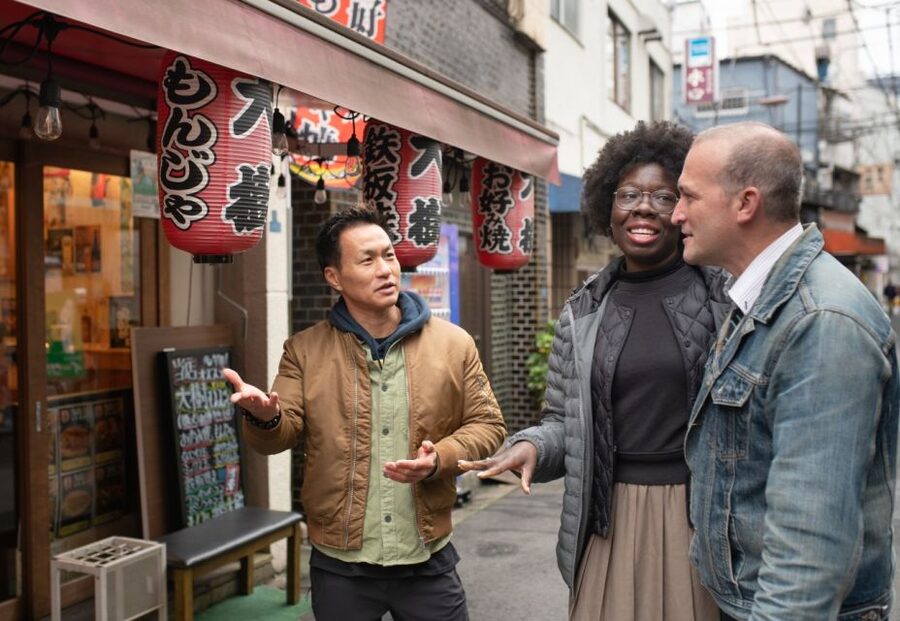
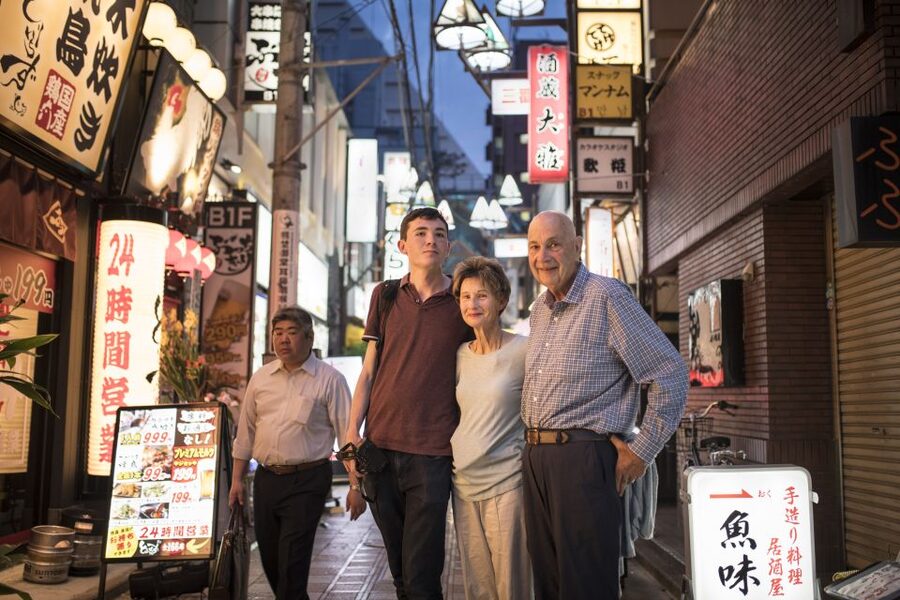
A private tour is much easier to adjust for a family than a large group outing. One host planned around children and grandparents, while another kept a young child entertained as a parent rested. If your group includes several ages, tell the host what everyone actually enjoys. A temple, a snack stop, a colorful shopping street, and a short train ride may work better than a long museum visit.
Older visitors can also benefit from the adjustable pace. You can request fewer districts and more sitting breaks, though the activity is still a walking tour and no private vehicle is included. A couple in their late sixties enjoyed a full day because they were comfortable walking, but that is a reminder to judge the route against your own fitness.
The private format is also useful for language needs. English and Japanese are available, and one host helped a visitor practice Japanese and translate during the day. Another guide spoke English and Spanish, which made detailed questions easier.
The matching process is not a guarantee that every host will suit every personality. The questionnaire and direct planning are designed to improve the fit, so be honest about your pace, food preferences, family setup, and desired level of conversation.
Is $95 per person good value?
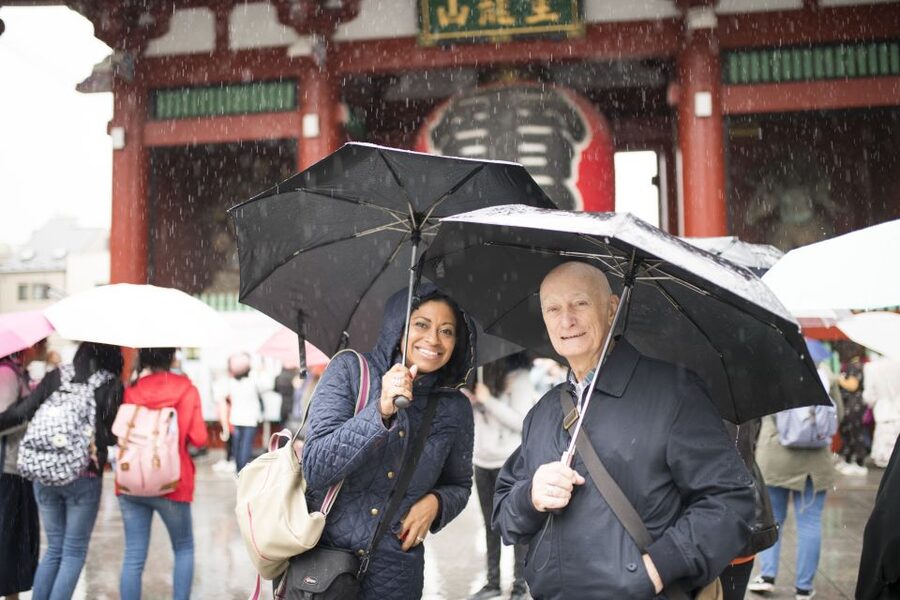
At $95 per person, this is not the cheapest way to see Tokyo. It can be good value if you use the host for more than pointing out landmarks. Ask for help with transport, ordering food, cultural manners, neighborhood choices, and a plan for the rest of your stay.
The price makes more sense for a private group that wants a tailored day. It is less compelling if you only want a guide to one famous temple, since you could visit many major sights independently. The strongest value comes during your first day or two, when one well-planned walk can prevent hours of confusion later.
Remember the extra costs. Food, drinks, attraction admission, trains, and taxis are not included. The host can suggest stops at different price levels, but you pay for those items separately.
Flexible cancellation up to 24 hours before the start and the option to reserve without paying immediately make the booking less rigid. Still, confirm the start time, meeting place, transport plan, and expected walking level before the day begins.
Who should book this Tokyo experience?
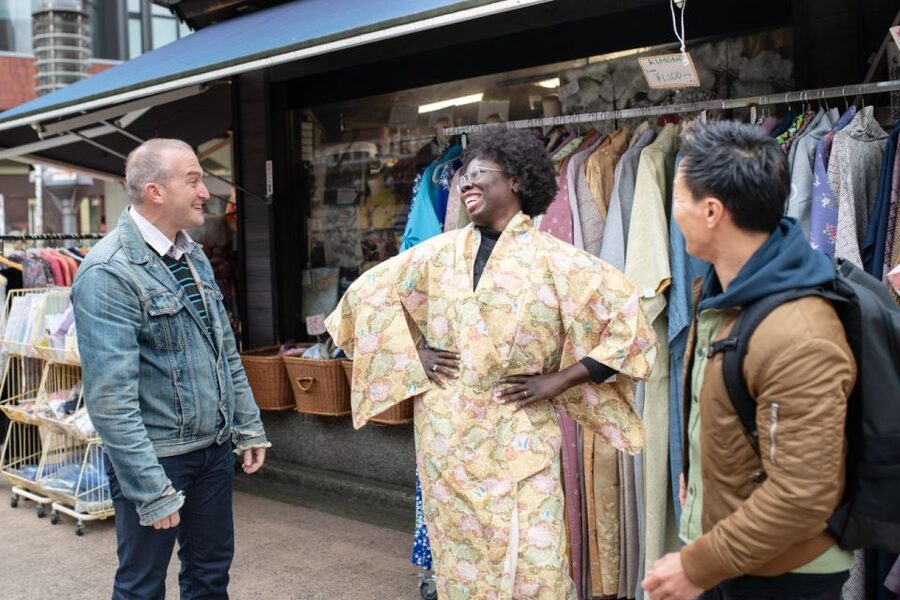
I would recommend it to first-time visitors who want a friendly introduction rather than a rigid sightseeing march. It suits solo visitors, couples, families, and small private groups with different interests. It is also useful if Tokyo’s rail system feels intimidating or if you want help finding food beyond familiar international chains.
Food lovers, pop-culture fans, photographers, shoppers, history fans, and repeat visitors can all shape the day around a clear theme. The tour is also a sensible choice for visitors who need patient support with a child, wheelchair, language practice, or cultural etiquette.
I would think twice if you want guaranteed admission to a particular attraction, a private car, or a fixed list of sights with no changes. You should also avoid packing too many districts into a short booking. Tokyo rewards a slower pace, and the host’s flexibility works best when you leave room for it.
The experience has a 4.8 rating from 213 bookings, and the strongest pattern is consistent: hosts are praised for personal planning, local food suggestions, transport help, patience, and the feeling of spending time with a well-informed friend. Names such as Megumi, Michael, Ayaka, Shuto, Mani, and Martina appear in especially warm accounts, but your assigned host will depend on the matching process and availability.
FAQ
How long does the private Tokyo tour last?
You can choose a duration from 3 to 8 hours, with available start times shown when you book.
How much does the tour cost?
The listed price is $95 per person. Food, drinks, attraction tickets, and transport costs are not included.
Is this a private tour?
Yes. The experience is for a private group rather than a shared group.
Which languages are available?
The tour is available in English and Japanese.
Can the tour be customized?
Yes. You complete a questionnaire about your personality and interests, then communicate with your host about the plan and recommendations.
Can I request specific Tokyo neighborhoods?
You can tell your host what you want to see, such as Asakusa, Akihabara, Harajuku, Shibuya, Ameya-Yokocho, Ginza, the fish market area, or the Imperial Palace area. The exact route depends on your interests and the agreed plan.
Is hotel pickup available?
Pickup can be arranged from any central Tokyo hotel. You can also meet your host at SHIBU HACHI BOX in Shibuya.
Is transportation included?
No. This is a walking experience, and public transport or local taxis may be used between sites at an additional cost.
Can I cancel the booking?
You can cancel up to 24 hours in advance for a full refund. A reserve-now, pay-later option is also available.
Should you book it?
Book this tour if you want Tokyo explained by a person who can adjust the day around your interests and teach you how to get around. I would choose a four to six-hour version early in the trip, with one main neighborhood theme, a food stop, and time for train practice.
Skip it if you prefer planning every stop yourself or want transport and admissions bundled into one price. For everyone else, the private format, direct host communication, and freedom to trade a famous sight for a small local discovery make this a useful first step into Tokyo.
More Private Tours in Tokyo

More tours in Tokyo we've reviewed












Private, compared.
 ★ 5.0Tokyo 6hr Private Tour with Government-Licensed GuideFrom $155
 ★ 5.0Private Tour to Mt. Fuji and Hakone (Fully Licenced Operator)From $497
 ★ 5.0Tokyo Customized Private Tour (Must See Places in 1 Day)From $145
 ★ 4.8Tokyo: Private City Highlights Tour with Local GuideFrom $1064 - 8 hours
 ★ 5.0Private Custom Tour: Tokyo in a DayFrom $159
 ★ 5.0Tokyo 4hr Private Tour with Government-Licensed GuideFrom $109