Reviewed · SHIBUYA TOURS
Shibuya: Pachinko Gaming Experience
Pachinko is one of Japan’s most colorful pastimes, and this Shibuya experience gets you past the noise and flashing lights with a clear explanation of what you are doing. You’ll learn how a simple pinball-style game became a major part of Japanese popular culture, then handle the metal balls yourself inside a pachinko parlor.
In This Article
- Key points before you book
- Why pachinko is worth understanding in Shibuya
- Meeting beside Hachikō, one of Tokyo’s easiest landmarks
- The first part: pachinko history without the confusion
- Entering the parlor and handling the metal balls
- What the one-hour schedule means for you
- The $19 price and the extra cost to plan for
- The guide’s role makes the difference
- Who should book this Shibuya activity
- A few smart ways to prepare
- Cancellation and booking flexibility
- Should you book the pachinko experience?
- FAQ
- Where does the pachinko experience meet?
- How long does the activity last?
- Is pachinko play included in the $19 price?
- Is the tour conducted in English?
- Can children join the experience?
- Can I cancel for a refund?
I like the small group limit of three, since you can ask questions without shouting over a crowd. I also like the practical teaching: the guide explains how to buy balls, launch them, and understand the machine before you play. The main drawback is that the $19 price does not include your gaming fee, and one booking reported trouble reaching the provider while lost.
Key points before you book
- Start at the Hachikō Memorial Statue: Meet beside the statue, in front of the lottery ticket booth, where the guide holds a blue tablet.
- Learn before you play: The hour includes a history lesson, rules, translation, and hands-on guidance inside a pachinko parlor.
- Small group, maximum three people: This gives you room to ask about the controls and customs.
- Budget extra for the machines: The $19 tour price excludes pachinko play and drinks.
- English guidance: The tour is conducted in English, with translation and interpretation included.
- Adults only: Children under 18 cannot join, and the activity is wheelchair accessible.
Why pachinko is worth understanding in Shibuya
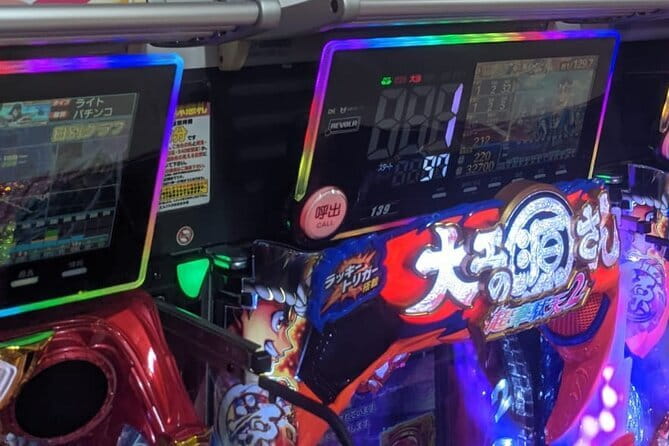
At first glance, pachinko can look like a wall of noisy machines. Lights flash. Metal balls rattle into trays. Electronic sounds compete from every direction. Without help, you can easily sit down, spend money, and have no idea what just happened.
That is where this experience earns its keep. The guide gives you the basic framework before expecting you to play. You learn the connection between pachinko and Western pinball, then see how the game developed into a distinctly Japanese form of entertainment over nearly a century.
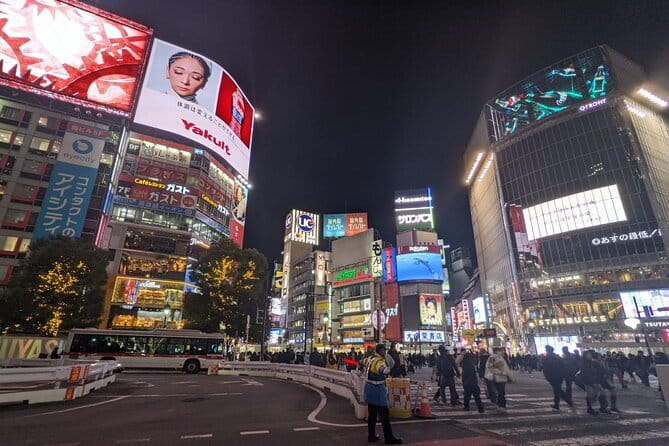
The cultural setting matters. Shibuya is famous for fashion, music, nightlife, and its huge pedestrian crossing. A pachinko parlor shows another side of the district, one tied to everyday leisure and Japanese gaming culture. You are not simply watching a machine. You are learning why these parlors have remained familiar fixtures in Japanese cities.
I would not book this as a serious gambling lesson. The value lies in understanding the activity and trying it without feeling lost. You get enough explanation to take part with confidence, even if your first attempt produces more noise than success.
A few more Tokyo tours and experiences worth a look


Meeting beside Hachikō, one of Tokyo’s easiest landmarks
The meeting point is the Hachikō Memorial Statue in Shibuya. Look to the right side of the statue for the lottery ticket booth. The guide waits in front of that booth, holding a blue tablet.
This is a useful meeting point because Hachikō is one of Shibuya’s best-known landmarks. Still, the area can be crowded and confusing, especially around the station exits. Arrive five minutes before the stated start time, not at the last second. If you cannot find the guide, contact the provider directly rather than assuming the meeting point will be obvious.
The instructions say the guide will wait for 20 minutes before treating the booking as a no-show. That is a firm reason to allow extra time. One low rating came from a person who got lost and could not reach the provider before the tour, so I would save the meeting details and provider contact information before leaving your hotel.
You return to Hachikō at the end. No separate transport is needed, which makes this easy to fit between shopping, sightseeing, or a meal in Shibuya.
The first part: pachinko history without the confusion
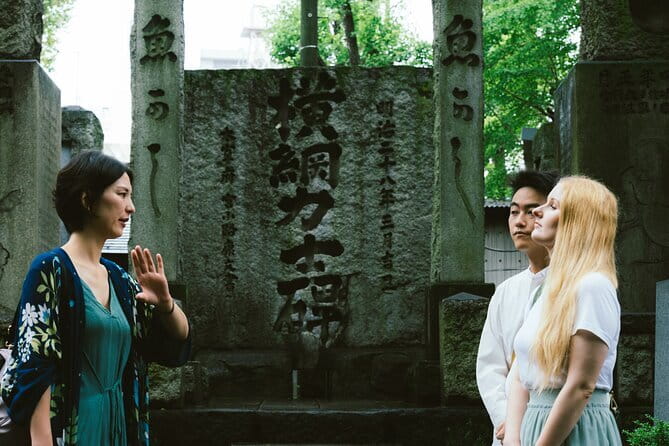
The tour begins with an explanation of pachinko’s background. The game originated in the early 20th century and grew from a mechanical game influenced by Western pinball. Over time, it became the high-tech, sound-heavy form you see today.
That short history is useful because it changes your first impression. Pachinko is not just a row of random machines. It combines physical movement, timing, lights, sound, and chance. The machines can feel intimidating at first, but knowing the basic idea helps you pay attention to what the balls are doing.
Your guide also explains pachinko’s place in Japanese subculture. The activity has a social side, even though players usually sit at their own machines. The parlor becomes a shared setting filled with familiar sounds and routines. You will not master every detail in an hour, but you should come away understanding why pachinko has such a long-running place in Japan.
The English explanation is especially helpful here. Terms and machine instructions can be difficult to follow when you are new to the game. Translation and interpretation are included, so you can ask questions instead of guessing.
Entering the parlor and handling the metal balls
The most hands-on part takes place inside a traditional pachinko parlor. The setting is designed to make an impression: flashing displays, constant machine sounds, and rows of players working their controls. If you are sensitive to loud noise, keep that in mind before booking.
You learn how to purchase your first set of metal balls and how to launch them into the machine. The basic action is simple, but using the controls with the right amount of pressure takes practice. That is why having a guide beside you is useful. You can ask what each part does before spending much of your playing money.
The guide also shares tips intended to help you aim for the jackpot and make the most of your winnings. Treat these as practical pointers, not a promise of profit. Pachinko still includes chance, and a one-hour introduction cannot turn a beginner into an expert.
Your goal should be to understand the process and enjoy the attempt. If the balls begin moving in ways you do not expect, ask the guide to explain what happened. The small group format gives you a better chance of getting individual help than a large walking group would.
What the one-hour schedule means for you
The entire activity lasts one hour, beginning and ending at Hachikō. That is short enough for a busy Tokyo schedule, but long enough to cover the history, rules, and a first attempt at playing.
You should not expect a long visit to several parlors or an extended gaming session. The focus is a guided introduction in Shibuya City. That makes it a good choice if you want a taste of pachinko rather than an entire afternoon devoted to it.
The fixed starting time matters. Availability depends on the selected departure, so check the schedule before planning nearby reservations. Since the group can include no more than three participants, a missed start may be harder to recover from than on a large sightseeing tour.
The return to Hachikō also helps with planning. You can continue around Shibuya from the same central area instead of figuring out a new pickup point.




The $19 price and the extra cost to plan for
At $19 per person, this is a reasonably priced cultural introduction, especially if you would otherwise enter a pachinko parlor with no idea how the machines work. The guide, rules explanation, English interpretation, and history are included.
The important catch is that the pachinko gaming fee is separate. Drinks are also not included. The supplied details do not give a set amount for playing, so you should ask the guide or provider how much you want to spend once you arrive.
That separate fee gives you some control. You do not have to treat the experience as an expensive gambling session. You can set a small personal limit and focus on learning the controls. If you mainly want an explanation and a look inside the parlor, tell the guide that clearly.
The price is strongest for first-time visitors who value context and help. If you already understand pachinko and only want to play independently, the guided portion may feel less necessary.
The guide’s role makes the difference
The strongest praise for this activity centers on the guide’s clear explanations, patience, and positive attitude. One participant specifically named Ing as a great guide who explained the unique game well. Another said there was enough time for questions.
That is exactly what you need here. Pachinko can be awkward when you first sit down. You have to understand the balls, controls, machine behavior, and basic aim while surrounded by unfamiliar sounds. A calm guide helps you avoid looking completely lost.
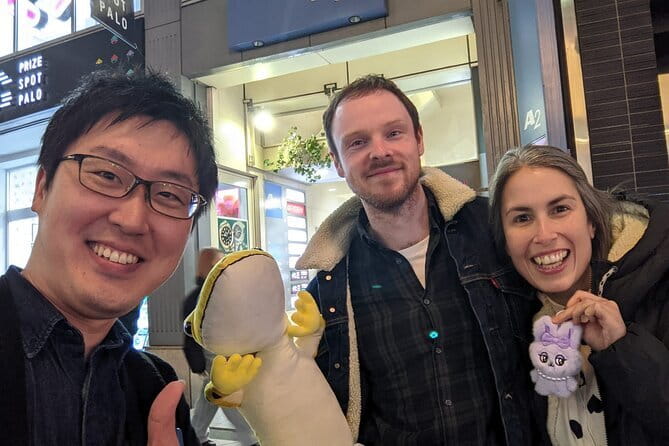
The experience also seems suited to curious beginners rather than hardened players. The guide explains the rules in English and provides translation and interpretation. You get help with the practical parts instead of only hearing a lecture about pachinko from outside the parlor.
The small group limit adds value. With up to three participants, questions should be easier to handle, and the guide can watch what you are doing. That does not guarantee every departure will feel identical, but the format is built for personal attention.
Who should book this Shibuya activity
I would recommend it to adults who want a cultural activity with a hands-on element. It works well for first-time visitors to Japan, casual gamers, and anyone who has passed a pachinko parlor and wondered what happens inside.
It is also a good fit if you are nervous about trying unfamiliar entertainment alone. The guide gives you the basic rules and helps you get started. You can make mistakes without having to figure out every step from a Japanese-language machine.
This is less suitable for children, since participants must be at least 18. It may also disappoint you if you expect a detailed study of Japanese gaming, a long gambling session, or guaranteed winnings.
The parlor’s sound level is another consideration. The tour takes place in a setting built around machines and constant audio effects. If loud indoor environments bother you, consider that before booking.
The activity is wheelchair accessible, which makes it more practical for many visitors. Since the supplied details do not describe the exact route inside the parlor, you may still want to confirm any specific access needs in advance.
A few smart ways to prepare
Read the meeting directions before you leave. Hachikō is easy to identify, but Shibuya Station has many exits and the area around the statue can be crowded. Go directly to the lottery ticket booth on the statue’s right side.
Arrive at least five minutes early. The provider’s instructions allow a 20-minute wait before marking you absent, but you should not count on finding the guide after getting delayed.
Bring a clear spending limit for the gaming portion. Since the playing fee is not included, decide in advance how much you are comfortable using. The guide can explain the process, but no tip can guarantee a jackpot.
Use the hour to ask basic questions. You might want to know how the balls move, what you should watch on the machine, and how the controls work. This is not the time to pretend you understand. The whole point is to avoid embarrassing guesswork.
The activity has a 4.4 out of 5 score from 14 ratings. Most of the strong feedback points to the same things: clear explanations, patience, useful answers, and a fun introduction. One poor experience involved difficulty contacting the provider while lost, so meeting-point preparation deserves extra attention.
Cancellation and booking flexibility
You can cancel up to 24 hours before the start time for a full refund. The reserve-now, pay-later option lets you hold a place without paying immediately, which is useful while arranging a Tokyo itinerary.
Check availability for the exact starting time you want. Since this is a one-hour activity with a maximum of three participants, a missed departure may not be easy to replace that day.
Should you book the pachinko experience?
Book it if you want to understand pachinko before trying it, prefer a small group, and enjoy unusual cultural activities that take you beyond the standard Shibuya photo stops. The $19 fee is fair for an English explanation and guided first attempt, provided you remember to budget separately for the balls.
Skip it if you already know the game, dislike loud parlors, or want a longer gaming session. For most curious adults, though, this is a compact way to make sense of a distinctly Japanese pastime without stumbling through it alone. Arrive early, meet at the lottery booth, set a modest playing budget, and let the guide handle the confusing parts.
FAQ
Where does the pachinko experience meet?
Meet near the Hachikō Memorial Statue in Shibuya. On the right side of the statue, look for the lottery ticket booth. The guide waits in front of it and holds a blue tablet.
How long does the activity last?
The guided experience lasts one hour. It begins and ends at the Hachikō Memorial Statue.
Is pachinko play included in the $19 price?
No. The pachinko gaming fee is not included. Drinks are also separate.
Is the tour conducted in English?
Yes. The tour has a live English-speaking guide, and translation and interpretation are included.
Can children join the experience?
No. The activity is not suitable for children under 18.
Can I cancel for a refund?
You can cancel up to 24 hours before the activity for a full refund. You can also reserve now and pay later.
More Shibuya Tours in Tokyo


More tours in Tokyo we've reviewed




Shibuya Tours, compared.
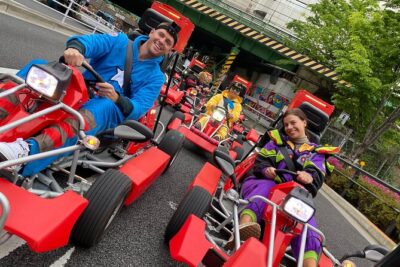 ★ 5.0Official Street Go-Kart in ShibuyaFrom $76
 ★ 5.0Shibuya Meltdown Nightlife Tour: All-You-Can-Drink Bar HoppingFrom $106
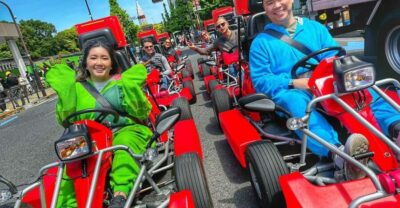 ★ 4.9Tokyo: Street Kart Experience in ShibuyaFrom $99
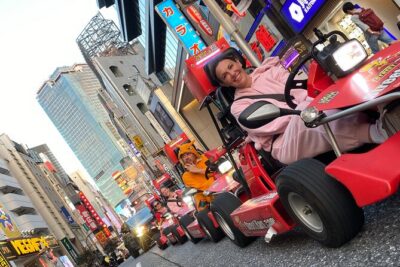 ★ 5.0Shibuya Official Street Go-Kart in Shibuya AnnexFrom $69
 ★ 5.0Tokyo: Shibuya Food Tour (13 dishes and 4 Eateries)From $77
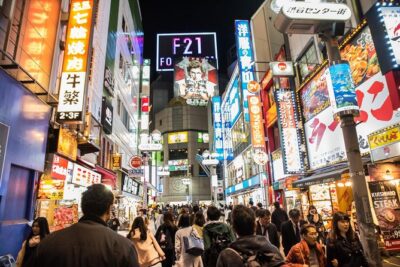 ★ 5.0Best of Shibuya Food TourFrom $217