Reviewed · SAKE TASTING
Tokyo Sake Tour with a Local Guide, Private & Tailored to Your Taste
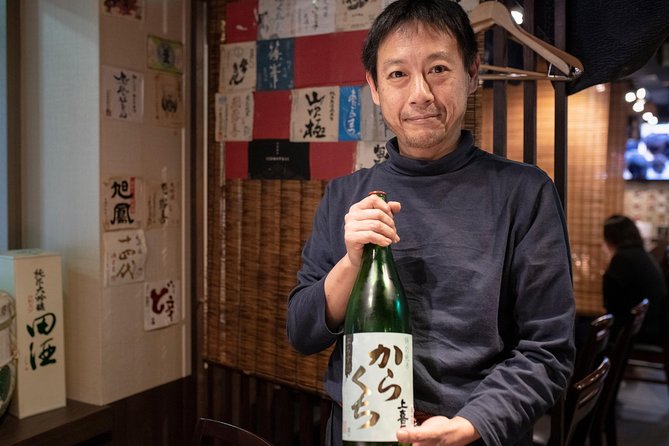
Shinjuku after dark is the real draw here. You move from bar to bar with a private local host, tasting six sake samples in different styles, temperatures, ages, and regions. The route may include the tiny bars of Omoide Yokocho, a standing sake bar, Golden Gai, or a specialty shop near Shinjuku Station.
In This Article
- Key points to know before booking
- What this private Shinjuku night is really like
- Starting with sake in the Shinjuku backstreets
- Comparing junmai, temperature, age, and region
- Omoide Yokocho and the pleasure of small plates
- Golden Gai, local advice, and what you take home
- How the guides shape the experience
- Price, timing, and practical value
- Who should book this sake walk?
- Should you book it?
- FAQ
- Where does the tour start?
- Where does the activity end?
- How long does the tour last?
- How many sake samples are included?
- Is food included?
- Is this a private activity?
- Can I cancel for a full refund?
I like the private format, since your group can explain what you enjoy and avoid what you do not. I also like the food pairing: each bar includes a small dish to share, which makes the sake easier to appreciate and keeps the evening from becoming a string of empty glasses.
The main caution is consistency. Some hosts, including Sami and Ian, have created relaxed, food-filled evenings, while other outings have offered little sake education or poorly planned stops. Book this for local nightlife and company first, detailed sake instruction second.
Key points to know before booking
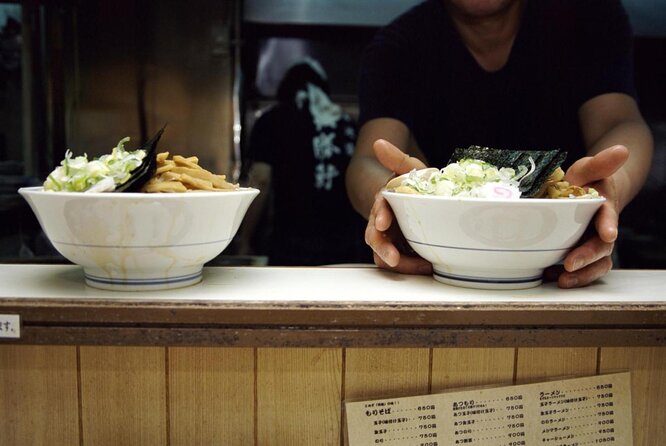
- Three bars, six samples: The standard plan includes two sake samples at each of about three bars, plus a small shared dish at each stop.
- Your host shapes the night: The route is private and tailored, but the advertised bars are examples, not guaranteed destinations.
- Shinjuku is part of the show: Omoide Yokocho, Golden Gai, and the lanes near the station provide atmosphere as you walk between tastings.
- The guide quality matters: Sami, Ian, Saito, Hiroto, and other hosts have led this experience, with results ranging from excellent local guidance to weak sake knowledge.
- Three hours goes quickly: This suits a first look at Tokyo drinking culture, but it may feel short if you want a serious lesson or a long night out.
- Book at the right hour: A late-afternoon start can be a problem because some bars may not yet be open, so evening timing matters.
What this private Shinjuku night is really like
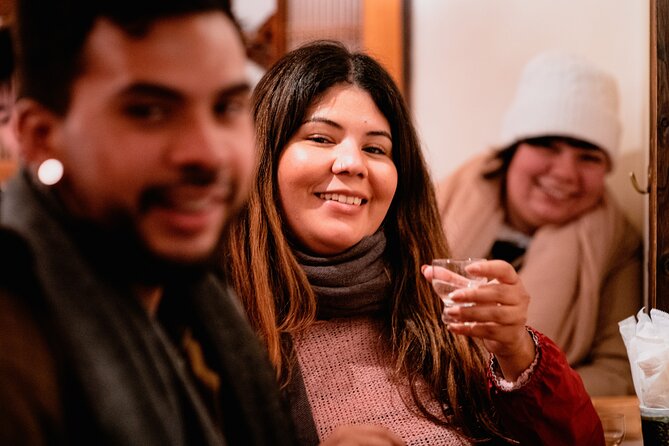
You begin at the Shinjuku Tourist Information Center, at 3-chōme-37-2 Shinjuku. The activity finishes back at the meeting point, although your host may help you continue your evening elsewhere in the district.
This is not a large group crawl. Only your party takes part, which changes the feel of the night. You can ask basic questions without holding up a busload of people, and your host can adjust the pace if you are more interested in food, local neighborhoods, sake shopping, or bar atmosphere.
The exact route is flexible by design. Sake Bar Otonari and Izakaya Nishio San are examples of possible stops, not promises. Your host chooses the actual bars based on your preferences, availability, and the plan for that evening.
That flexibility is useful, but it also creates the experience’s biggest weakness. A personalized route works only when your host has a clear plan and checks the venues. One poorly organized outing had several places that were not confirmed, and a short-lead booking made the problem worse.
I would book well ahead, especially since this activity is commonly reserved about 71 days before the date. Advance booking does not guarantee a particular bar, but it gives the host more time to shape a sensible route.
Other guided tours in Tokyo
Starting with sake in the Shinjuku backstreets
The first stop is meant to settle you into sake culture without turning the evening into a classroom. You might begin in a lively izakaya, a narrow standing bar, or a small specialist venue. The choice should reflect your taste and comfort level.
Tell your host what you already know. If you enjoy dry white wine, beer, fruitier drinks, or stronger spirits, say so. If you want small bars rather than a busy restaurant, say that too. The tour is advertised as tailored, so you should use that feature instead of waiting for the host to guess.
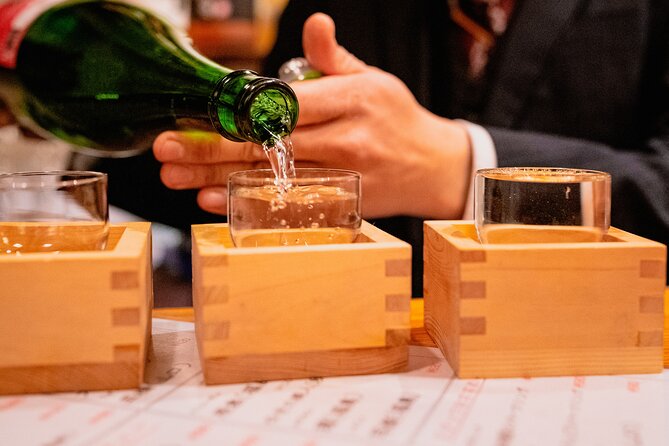
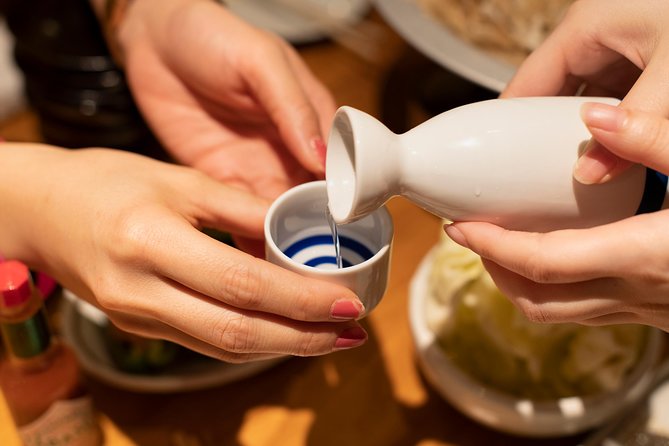
At each bar, you receive two sake samples. Across three stops, that makes six samples, with a small dish to share at each bar. The food is not just a bonus. Salty, grilled, pickled, or savory snacks can change how a sake tastes, and they make the comparison more useful than drinking each sample alone.
The experience may include more food or drinks if you order them, but those extras are not included in the listed price. Keep that in mind in a district where a casual order can quickly become another charge.
Comparing junmai, temperature, age, and region
The strongest part of the plan is the chance to compare sake rather than simply drink one house pour. You may taste junmai and other types from different parts of Japan, with differences in age and serving temperature.
For a first-time drinker, this matters. Sake is not one single flavor. A chilled pour can seem clean and light, while a warmer serving may feel rounder or more aromatic. Regional differences and brewing styles can also change the balance between sweetness, acidity, fragrance, and body.
Do not expect every host to give a technical lesson. The experience promises background on sake culture, its history, how to select a bottle, and ways to enjoy it. In practice, the educational value depends heavily on the person leading your walk.
Saito was praised for keeping conversation flowing and making a small private group feel engaged, but the evening did not fully match the sake-focused experience expected. Another guide openly had limited sake knowledge, leaving the group with plenty to drink but little to learn. That is an important distinction: this is a local bar evening with sake at its center, not a guaranteed expert tasting seminar.
If learning is your top priority, ask your host at the start how much time will be spent explaining brewing, labels, serving temperature, and regional styles. If the answer is vague, shift your expectations toward food and nightlife.
Omoide Yokocho and the pleasure of small plates
Omoide Yokocho is one of the most atmospheric parts of a Shinjuku route. This narrow alley is packed with tiny bars and food counters, giving you a close-up look at Tokyo’s after-work drinking culture.
The setting can be more memorable than any single sample. You are not only tasting sake in a polished shop. You are seeing how compact bars, shared plates, and quick conversations fit into the neighborhood’s evening rhythm.
Still, small bars are not always easy to enter. Space is limited, and the group needs to fit. The route can change if a venue is full or not operating, which is why the host’s planning matters so much.
The food at each stop is shared rather than a full meal. I would eat something beforehand if you need a substantial dinner, then treat the included dishes as pairings. Additional food and drinks cost extra.
Some past outings included a generous amount of food, Japanese snacks, and a final stop with a large range of sake. Others focused more on drinking than explanation. You should see the included dish as a useful accompaniment, not a promise of a complete dining experience.
Golden Gai, local advice, and what you take home
A good host can make the three hours useful beyond the samples. Ian, for example, added a look around Golden Gai, pointed out other places to drink, and shared history about parts of Shinjuku. Another host helped a visitor find off-the-main-route spots and ended the evening in a convenient place for continuing the night.
That local guidance may be the best value for some people. You get help reading the district, choosing a bar, and understanding where to go after the tour. The experience can work well as a first evening in Tokyo because you leave with a better sense of the area.
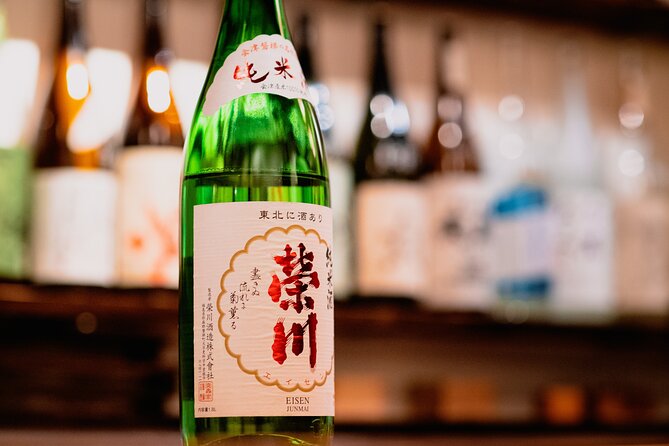
You may also visit a sake specialty shop near Shinjuku Station. This is a practical addition if you want to take a bottle home, since your host can help explain what to look for and suggest sake as a gift.
Do not assume shopping is included or guaranteed. The route is tailored, and the listed shops are possibilities. Ask your host in advance if buying sake matters to you.
The private format is especially useful here. You can say you want a bottle for a particular person, prefer a dry style, or need advice on carrying a purchase home. You can also skip shopping if your priority is another bar.
Other private tours in Tokyo

How the guides shape the experience
The names associated with past outings include Saito, Steven Tawanda, Ian, Hiroto, Marc, and Sami. You may not receive any particular guide, so these examples show the range of the experience rather than a promise.
Sami received especially strong praise for arranging several tasting stops, pairing sake with food, and making the evening feel personal. Ian was noted for adding neighborhood context and recommendations. Hiroto led a successful outing that included local beers as well as sake in Shibuya, showing that the route can sometimes extend beyond the advertised Shinjuku focus.
That flexibility can be a plus if you want a broader night out. It can be a drawback if you booked specifically for a carefully structured sake lesson in Shinjuku.
A few outings fell short because the host lacked sake knowledge, the timing was too early, or the locations were not properly confirmed. I would send a clear message before the tour with three requests:
- Ask where the meeting and likely route will be.
- Confirm that the host can explain sake styles, not just order drinks.
- State your preferred start time, bar type, food needs, and interest in buying a bottle.
The more specific you are, the more useful the private format becomes.
Price, timing, and practical value
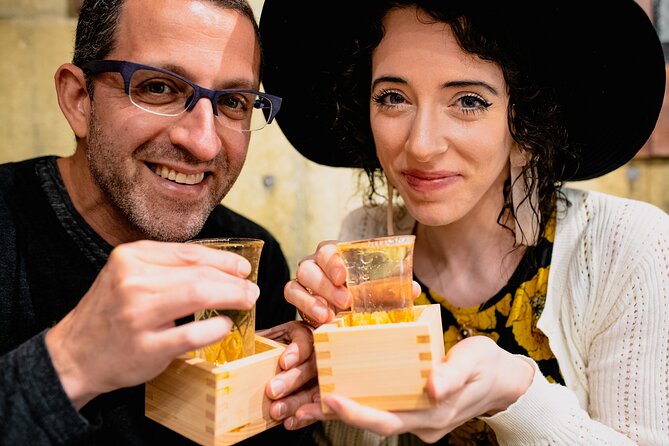
At $128.65 per person, the price is reasonable only if you use the private guide well. It covers three hours of walking, six sake samples, a small dish at each bar, and a host who helps you navigate the district. It does not cover extra food, extra drinks, transport, attraction tickets, or tips.
For a solo visitor or couple, the private setting can be worth paying for because you are not joining strangers. You get direct attention and can shape the evening around your interests. For a larger party, group discounts may improve the value, especially since the guide cost is spread across more people.
The three-hour limit is worth taking seriously. One successful evening felt full but still left the group wishing for more time. If you want a slow dinner, extensive sake education, and several long conversations at each bar, this plan may feel compressed.
The start time matters even more. One late-afternoon booking began before enough sake venues were open, which damaged the experience. I would choose an evening start and confirm it with the provider. A tour built around nightlife should begin when the nightlife is actually underway.
The walk is the main form of transportation, though public transit may be used. Wear shoes you can comfortably walk in, and keep your plans flexible at the end because the activity returns to the meeting point.
Hotel meet-up may be available on request for a central location. This is not automatic, so arrange it before the day of the tour.
Who should book this sake walk?
I would recommend it to a first-time Tokyo visitor who wants a friendly introduction to Shinjuku drinking districts and does not want to decode the bar scene alone. It also suits couples and small private groups who care about conversation, food, and local suggestions as much as formal tasting notes.
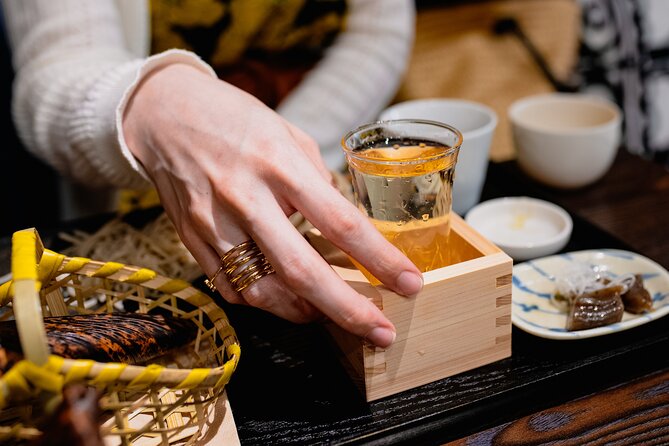
It is a good fit if you want to compare several sake samples without committing to full bottles. The six-sample structure gives you a useful range, while the small dishes provide a buffer and a taste of izakaya-style eating.
I would be more cautious if you are already serious about sake. You may find the education too light, especially if your host has limited experience with the drink. A specialist tasting led by a sake professional would be a safer choice for advanced study.
I would also avoid booking this as a fixed sightseeing tour. The route can change, the named bars are not guaranteed, and even the district may vary. One past outing took place around Ueno, while another included Shibuya, so confirm the intended area if Shinjuku is essential to your plans.
Most people can participate, and service animals are allowed. The activity is near public transportation, but the supplied details do not promise a wheelchair-specific route or list exact venue access, so ask before booking if that affects you.
Should you book it?
Book this tour if you want a private evening of sake, snacks, narrow bar lanes, and local company. The best outings seem to come when the guide is flexible, the route is confirmed, and the group clearly explains its interests.
Do not book it expecting a guaranteed expert lecture or a fixed list of bars. The value is strongest for curious drinkers who want a guided start to Shinjuku nightlife, especially if they reserve well ahead and choose an evening departure.
You can cancel for a full refund up to 24 hours before the local start time. Changes or cancellations inside that window are not accepted, so check the timing before you commit.
FAQ
Where does the tour start?
It starts at the Shinjuku Tourist Information Center, 3-chōme-37-2 Shinjuku, Shinjuku City, Tokyo 160-0022, Japan.
Where does the activity end?
The activity ends back at the meeting point.
How long does the tour last?
The walking tour lasts about three hours.
How many sake samples are included?
Six sake samples are included. The usual format is two samples at each of three bars.
Is food included?
A small accompanying dish to share is included at each bar. Additional food and drinks are not included.
Is this a private activity?
Yes. Only your group participates, and the host tailors the experience to your interests and preferences.
Can I cancel for a full refund?
Yes. You can cancel at least 24 hours before the local start time for a full refund. Cancellations or changes made less than 24 hours before the start are not accepted.
More Private Tours in Tokyo
More Guided Tours in Tokyo

More tours in Tokyo we've reviewed



Sake Tasting, compared.
 ★ 5.0Ramen and Sushi Cooking Class with Sake Pairing Set in TokyoFrom $79
 ★ 5.0Sake Tasting Masterclass in Shinjuku (8+ Varieties with a Pro)From $72
 ★ 5.0Sake Omakase in Tokyo: Guided Tasting by Certified SommeliersFrom $79
 ★ 5.0Tasting All Types of Sake with SommelierFrom $62
 ★ 5.0Wagyu & Sake Pairing in Shinjuku – Steak, Shabu-Shabu & MoreFrom $148
 ★ 5.0Tokyo Wagyu & Sake Pairing Tasting Experience with Local FlavorsFrom $151