Reviewed · KAMAKURA & ENOSHIMA DAY TRIPS
Kamakura Historical and Cultural Day Trip with Local Cuisine
Kamakura gives you Japan in a compact, rewarding package: old temples, a sea-facing Buddhist sanctuary, a giant bronze Buddha, and quiet lanes that feel far removed from Tokyo. This private day trip makes the journey easy with Tokyo pickup and air-conditioned transport, then brings you to four of the area’s best-known sights.
In This Article
- Key things to know before booking
- Why Kamakura works so well as a Tokyo day trip
- Hokoku-ji and its 2,000 bamboo stalks
- Tsurugaoka Hachimangu, Kamakura’s central shrine
- Hasedera, sea views and seasonal flowers
- The Great Buddha at Kotoku-in
- Where local food fits into the day
- What the private vehicle changes
- Guides, driving and the human side of the day
- Timing, admission fees and cancellation terms
- Who should book this Kamakura day trip?
- Should you book it?
- FAQ
- How long does the Kamakura tour last?
- Is pickup from Tokyo included?
- Is transportation provided during the tour?
- Is this a private tour?
- Which Kamakura sights are included?
- Are entrance fees included?
- Are food and drinks included?
- What is the cancellation policy?
I like the small-group format, which lets your driver-guide adjust the pace and help with practical details such as parking, walking routes, shopping, and lunch. I also like the mix of famous and quieter places, especially Hokoku-ji’s bamboo grove, which many first-time visitors skip. The main consideration is price: at $767.36 for up to nine people, it is good value for a full group, but expensive for one or two people, especially since several admission fees and meals are extra.
Key things to know before booking
- Private Tokyo pickup: Your group travels from Tokyo to Kamakura without managing train connections or local bus schedules.
- Four distinct stops: The day includes Hokoku-ji, Tsurugaoka Hachimangu, Hasedera, and Kotoku-in, home of the Great Buddha.
- Guides may also drive: Past guides have included Seiko, Yosuke, and Riley, with help ranging from temple background to restaurant suggestions.
- Bamboo, flowers, and bronze: The route balances a small Zen temple, a major shrine, seasonal gardens, and one of Kamakura’s signature monuments.
- Plan for extra costs: Admission is not included at Hokoku-ji, Hasedera, or Kotoku-in. Tsurugaoka Hachimangu has no admission charge.
- Best for groups: The flat group price makes the tour far more attractive for families or friends sharing the vehicle.
Why Kamakura works so well as a Tokyo day trip
Kamakura was the seat of Japan’s first military government under Minamoto Yoritomo, and its religious sites still give the town a strong sense of age and importance. You do not need a full history course to enjoy it. The appeal comes from moving through very different settings in one day, from a narrow bamboo grove to a broad shrine approach and then a huge Buddha statue.
The trip lasts about six to eight hours, with morning pickup offered between 7:00 and 9:00 a.m. That early window matters. You get a useful start outside Tokyo, and you have a better chance of seeing the main sites before the day feels crowded. The exact pace depends on your pickup time, traffic, and how long you spend at each temple.
I would choose this format if you want to see Kamakura without spending part of the day studying train routes. The private vehicle is especially useful for a group with children, older family members, or anyone who prefers door-to-door transport. It also gives you a place to leave shopping bags and return to between stops.
The tradeoff is that Kamakura can be reached by public transport, so independent visitors may spend much less. You are paying for convenience, a dedicated vehicle, and personal help rather than simply paying for entry to the sights.
A few more Tokyo tours and experiences worth a look
Hokoku-ji and its 2,000 bamboo stalks
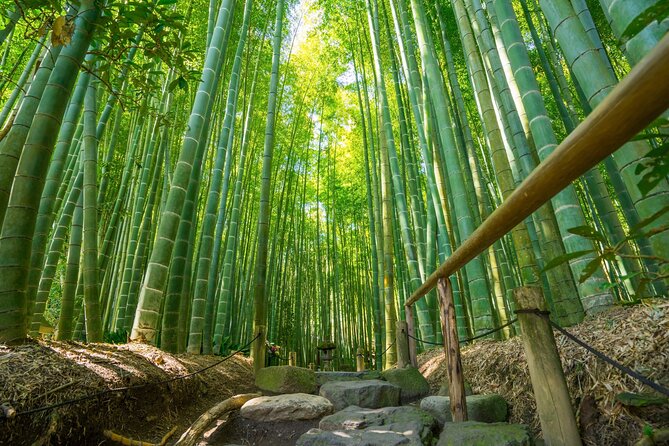
Hokoku-ji is the quiet opening note of the day. This Rinzai Zen temple dates from 1334 and is known for a bamboo grove of about 2,000 stalks. The visit is scheduled for around 40 minutes, enough to see the temple grounds and walk through the bamboo without turning the stop into a long meditation session.
I like this first stop because it is more restrained than Kamakura’s biggest attractions. The bamboo gives you a close, shaded setting, and the temple’s scale feels manageable after leaving Tokyo. If you want dramatic architecture or a large museum, this is not that. Its strength is atmosphere and simplicity.
Admission is not included, so keep a little cash or a payment method ready for the temple fee. The exact admission price is not provided here, so check the current amount before you go. Your driver-guide can help you make the most of the short visit, but the 40-minute schedule means you should not expect a long tea break or extended time on the grounds.
This stop also shows why a private route can be useful. Hokoku-ji is less famous than the Great Buddha, and the guide can make sure you do not miss it while keeping the day moving toward the larger sights.
Tsurugaoka Hachimangu, Kamakura’s central shrine
Tsurugaoka Hachimangu is the most politically important stop on the route. The shrine honors Emperor Ojin, along with his wife and mother, and later became the principal shrine of Minamoto Yoritomo, the founder and first shogun of the Kamakura government.
You have about 40 minutes here, and admission is free. That makes it a useful contrast with the temples where entrance fees apply. The shrine’s importance is not only religious. It helps explain why Kamakura became a center of power and why the town is filled with major sacred sites.
I would listen closely to the guide here, because the setting makes more sense once you understand the link between the shrine and the Kamakura government. Without that context, you may simply see a large Japanese shrine and move on. With a little explanation, the broad approach and formal grounds become part of the town’s story.
The visit is relatively short, so do not expect to inspect every corner. If your group has a particular interest in shrine customs, ask your guide how much time is available before wandering too far from the main route.
Hasedera, sea views and seasonal flowers
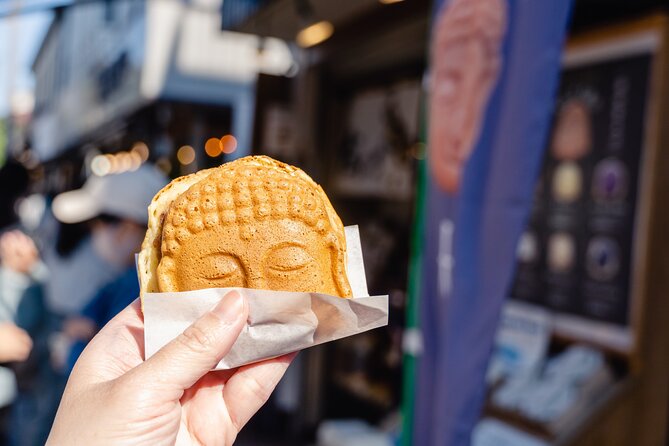
Hasedera is the most scenic temple on the schedule. It is described as the only temple in Kamakura facing the sea, and it is especially well known for seasonal flowers. The grounds also hold one of Japan’s largest carved-wood Buddhist statues.
You have about 30 minutes here, which is enough for a focused visit but may feel brief if you want to explore every garden, viewpoint, and religious building. I would treat this as a highlights stop. Look for the sea-facing setting, the flower plantings, and the main Buddhist image rather than trying to see everything.
Admission is not included. Since the temple’s appearance changes with the season, the visual experience can vary depending on when you visit. The supplied details do not promise a particular flower display, so book this for the temple itself and its setting, with seasonal color as a bonus.
This is also a good place to ask questions. Guides who know how to explain the religious art and temple layout can add much more than a quick photo stop. Seiko, one of the guides associated with this experience, was described as friendly, thoughtful, and well informed. The precise guide is not guaranteed, but the private format gives you a chance to request explanations instead of following a fixed group script.
The Great Buddha at Kotoku-in
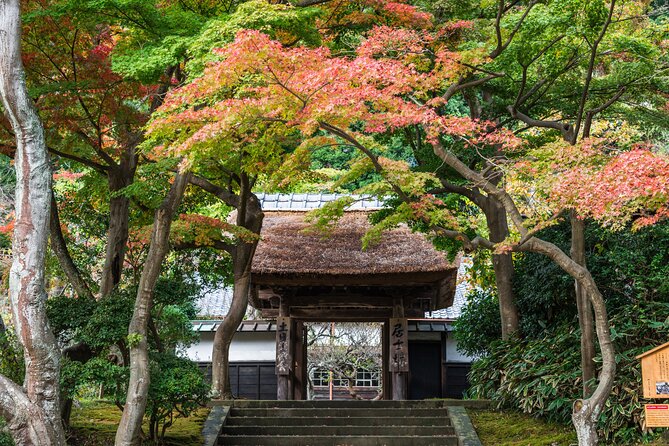
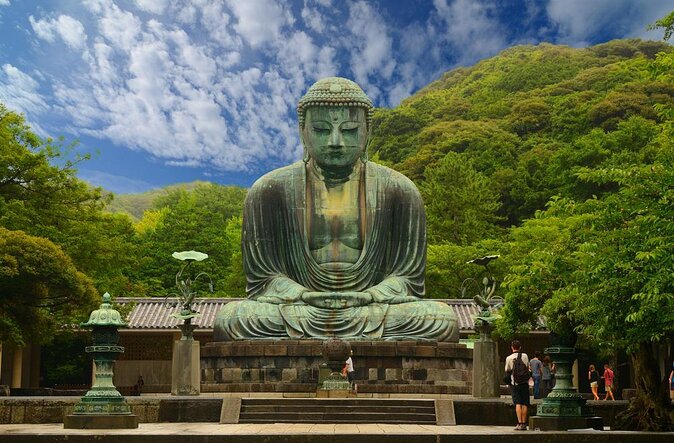
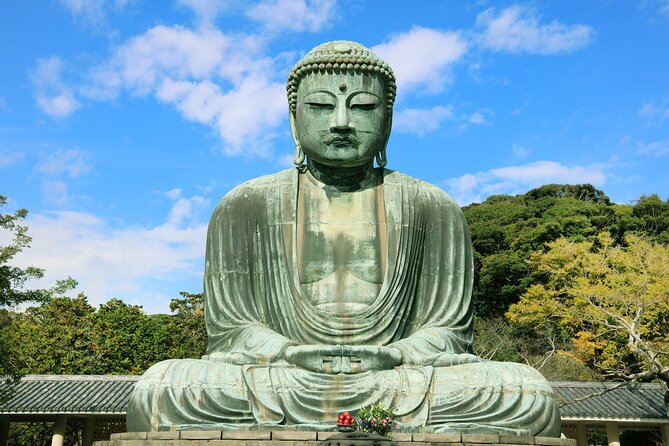
The Great Buddha is the visual centerpiece of the day. This bronze statue of Amida Buddha was cast in 1252 and sits on the grounds of Kotoku-in Temple. Its age is striking, but its scale is what you notice first. After the smaller bamboo grove and the layered temple grounds, the open setting around the statue gives the visit a completely different feel.
The stop lasts about 30 minutes, and admission is not included. That should be enough for the main view and a little time around the grounds. If you have always wanted to see the Kamakura Daibutsu, this is the place where the private trip earns much of its appeal.
The statue’s history also gives your guide a natural chance to explain how Kamakura’s religious monuments survived and why this image became such a strong symbol of the town. A past guide, Seiko, received particular praise for making the visit feel special and for helping the group appreciate the Buddha beyond a quick photograph.
Do not confuse this with a full temple tour. Thirty minutes is a compact stop, so you will want to keep your group together and follow the guide’s timing. The advantage is that the tour includes four major sights rather than spending most of the day at one complex.
Other historical tours in Tokyo

Where local food fits into the day
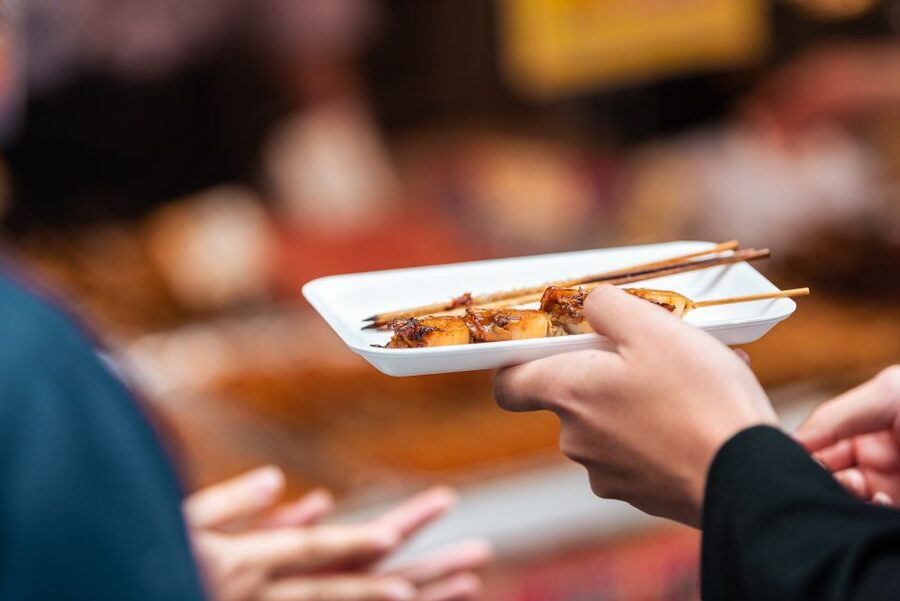
The experience is presented as a historical and cultural day trip with local cuisine, and snacks and bottled water are provided during the outing. The information does not state that a full meal is included, so you should budget separately for lunch.
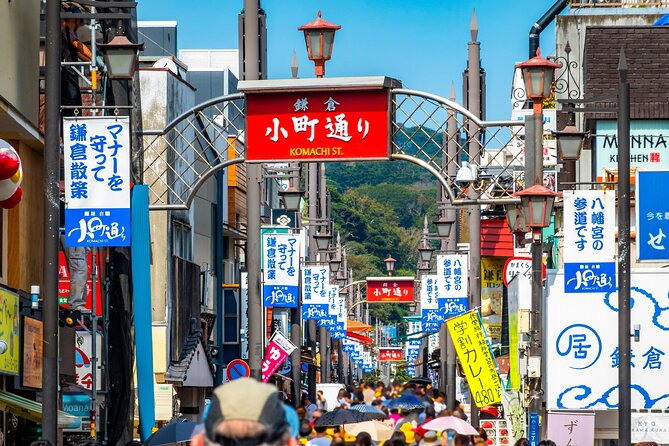
This is where the private format can add real value. A past driver-guide, Riley, helped find a quiet restaurant and walked back through a local shopping street. Another account described enjoying lunch outdoors and talking about Japanese culture with the guide. Those details suggest that food is handled as part of the local day rather than as a fixed restaurant package.
That flexibility is useful if your group has different appetites or dietary needs, though no specific dietary arrangements are promised. Tell the guide what kind of meal you want as early as possible. You may prefer a quick lunch to protect sightseeing time, or you may want a slower local meal and less time at one of the temples.
I would not book this solely as a food tour. Its main purpose is Kamakura’s temples, shrine, and Buddha. Think of the cuisine element as a chance to eat locally with help from someone who knows the area, not as a formal tasting menu.
What the private vehicle changes
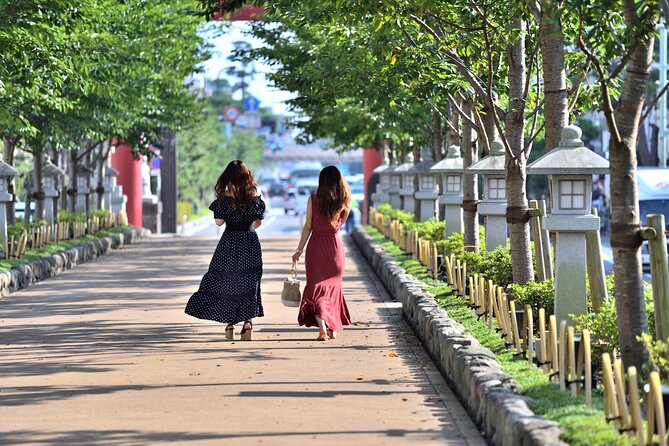
The biggest practical benefit is not speed. It is reduced friction. Your group is picked up in Tokyo, travels in air-conditioned transport, and does not need to coordinate the local train and bus network after arriving in Kamakura.
That matters when you are trying to fit four stops into six to eight hours. A guide who can locate nearby parking, as Riley did for one group, may save time and walking. The vehicle also gives you a break between sites, which can be welcome during a long temple day.
The tour is private for your group only, with capacity of up to nine people. That is a strong match for a family reunion, two or three couples, or a group of friends. At the full price of $767.36, nine people would pay about $85 each before admission fees and lunch. Four people would pay about $192 each, and a couple would pay about $384 each.
That pricing makes the decision fairly clear. A full group gets a sensible per-person rate for private transport and guide attention. A small group should compare the price with independent rail travel and perhaps a separate local guide.
The vehicle is also a useful safety net for first-time visitors who do not speak Japanese. Still, private transport does not remove all walking. You will be visiting temple and shrine grounds, so comfortable shoes are a sensible choice.
Guides, driving and the human side of the day

The guide can shape this experience more than the written route does. Some past guides have served as both driver and guide. Riley was described as pleasant and helpful even without an official guide title, while Yosuke followed up warmly after helping a group with shopping, eating, and walking around Kamakura.
Seiko was also singled out for friendly, thoughtful guidance and strong English. These names give you a useful sense of the service style, but they do not confirm who will lead your particular departure. Ask at booking if a specific guide or language ability matters to you.
A driver-guide may offer a more informal day than a specialist temple historian. That can be a benefit if you want help with parking, lunch, shopping streets, and route planning. It may be less ideal if you want a detailed lecture on Buddhist art or medieval Japanese politics at every stop.
I like the evidence of personal attention here. A guide who notices that you want a quiet restaurant or a slower walk can make a private day feel personal rather than merely prearranged. Just set your expectations correctly: the listed stops and approximate visit lengths create a framework, not an unlimited custom tour.
Timing, admission fees and cancellation terms
Pickup is available in Tokyo from 7:00 to 9:00 a.m., every day during the stated operating periods. Confirmation is sent within 48 hours of booking, subject to availability.
The four scheduled stops total about 140 minutes of sightseeing time, before driving, parking, meals, and any extra walking. That fits the six to eight-hour duration, but the day is structured. If you linger at one temple, you may have less time elsewhere.
Admission is free at Tsurugaoka Hachimangu. Fees are not included at Hokoku-ji, Hasedera, or Kotoku-in. Since current prices are not supplied, check them before departure and keep room in your budget.
Free cancellation is available up to 24 hours before the start time for a full refund. Cancellations or changes made less than 24 hours ahead are not accepted for a refund, and the cut-off uses local time.
Who should book this Kamakura day trip?
I would recommend it most strongly to groups that value comfort and simplicity. Families, older relatives, first-time Japan visitors, and anyone who wants a private day outside Tokyo can make good use of the vehicle and guide.
It also suits people who want a broad introduction to Kamakura rather than a single temple visit. You see bamboo, shrine architecture, sea views, seasonal flowers, and the Great Buddha in one outing.
I would be more cautious if you are traveling alone or as a couple on a tight budget. The flat group rate becomes steep when shared by only one or two people. Independent visitors who are comfortable with public transport may prefer to spend that money on several separate activities.
I would also ask about the guide’s role if detailed historical interpretation is central to your plans. The service may be led by a driver-guide, and the past examples show strong personal help, but not necessarily a specialist historian at every departure.
Should you book it?
Book this tour if you want Kamakura made easy, especially with a group of six to nine people. The route covers the town’s essential sights, the private vehicle removes transport hassle, and the guides can help with practical choices such as lunch, shopping, and parking.
Think twice if you are a small party watching costs or if you want a slow, deeply focused visit to each temple. The compact schedule and extra admission fees mean you are paying mainly for convenience and personal service.
For the right group, that is a fair trade. Kamakura has enough major sights to justify a full day, and this route gives you a clear, comfortable way to see them without losing time to logistics.
FAQ
How long does the Kamakura tour last?
The experience lasts approximately six to eight hours.
Is pickup from Tokyo included?
Yes. The tour offers pickup in Tokyo, with available start times between 7:00 and 9:00 a.m.
Is transportation provided during the tour?
Yes. The experience includes air-conditioned transportation from Tokyo to Kamakura and between the scheduled stops.
Is this a private tour?
Yes. Only your group participates, and the vehicle can accommodate up to nine people.
Which Kamakura sights are included?
The route includes Hokoku-ji, Tsurugaoka Hachimangu Shrine, Hasedera Temple, and Kotoku-in, home of the Great Buddha of Kamakura.
Are entrance fees included?
Admission is not included at Hokoku-ji, Hasedera Temple, or Kotoku-in. Tsurugaoka Hachimangu Shrine has free admission.
Are food and drinks included?
Bottled water and snacks are provided. A full meal is not stated as included, so plan to pay separately for lunch.
What is the cancellation policy?
You can cancel up to 24 hours before the experience start time for a full refund. Cancellations or changes made less than 24 hours before the start time are not accepted for a refund.
More 1-Day Tours in Tokyo



More Historical Tours in Tokyo
More Kamakura & Enoshima Day Trips in Tokyo


More tours in Tokyo we've reviewed












Kamakura & Enoshima Day Trips, compared.
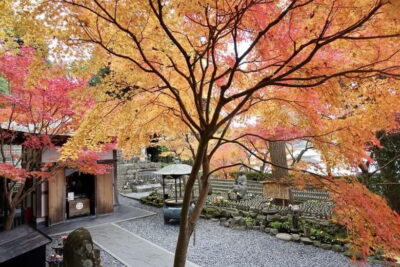 ★ 4.5Tokyo: Kamakura & Enoshima Day Trip including Temple TicketsFrom $589 hours - 570 minutes
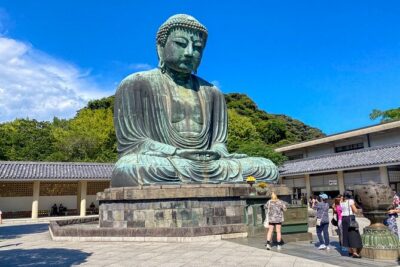 ★ 5.0Mount Fuji, Kamakura, Big Buddha, & Lake Ashi Day TripFrom $109
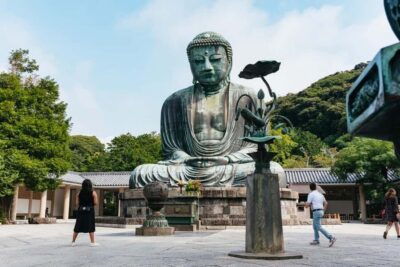 ★ 4.7Tokyo: Mt Fuji, Kamakura, Lake Ashi & Big Buddha Guided TourFrom $50
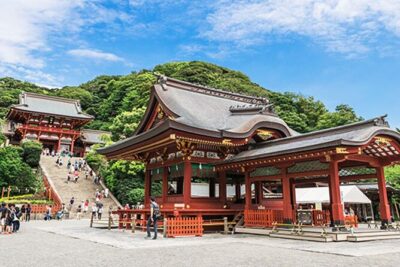 ★ 4.5From Tokyo: Kamakura & Enoshima 1-Day Bus TourFrom $66
 ★ 4.9Tokyo:Sea of Mount Fuji, Hakone Ropeway, Ōwakudani, EnoshimaFrom $5010 hours
 ★ 5.0Kamakura 8 hr Private Walking Tour with Licensed Guide from TokyoFrom $201