Reviewed · COOKING CLASSES
Tofu cooking class
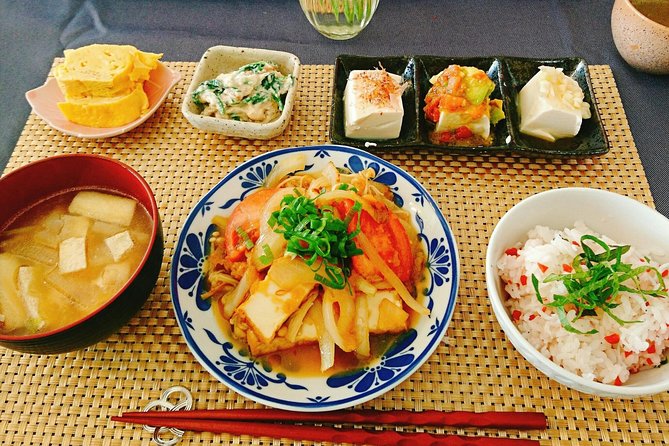
Tokyo’s tofu class begins before you reach the kitchen. You meet Miwa at Musashikoyama Station and walk through Japan’s longest shopping arcade, a useful slice of everyday Tokyo that feels far removed from the city’s famous sights. I like the local neighborhood setting and the chance to learn how small cooking choices affect the final result.
In This Article
- Key Points Before You Book
- Starting at Musashikoyama Station
- A Private Tofu Class at Miwa’s Place
- The Tofu Menu: Main Dish, Side, and Miso Soup
- Dietary Requests and Family Suitability
- Sitting Down to a Three-Course Lunch
- What the Three-Hour Timing Means
- Is $707.28 Per Person Good Value?
- Who Will Get the Most From This Class?
- Booking, Confirmation, and Cancellation Advice
- Should You Book Miwa’s Tofu Cooking Class?
- FAQ
- Where does the tofu cooking class meet?
- What time does the class start?
- How long does the experience last?
- What dishes will I prepare?
- Is lunch included?
- Can the menu be adjusted for allergies?
- Is the class suitable for vegans and vegetarians?
- Can children participate?
- Is this a private activity?
- What is the cancellation policy?
I also like the private, adaptable format. You make a tofu main dish, tofu side dish, and tofu miso soup, then sit down to eat a three-course lunch. The main caution is price: at $707.28 per person for about three hours, this is a major splurge, especially since transport to and from the meeting point is not included.
Key Points Before You Book
- Walk through Musashikoyama’s local shopping arcade before class, with a meeting point at Musashikoyama Station on the Tokyu Meguro Line.
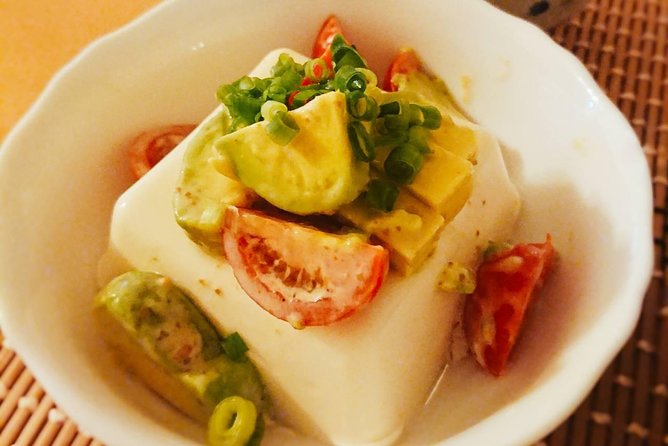
- Cook three tofu-based dishes, including a main course, side dish, and miso soup.
- Ask Miwa to adjust the menu for vegan, vegetarian, or allergy-related needs in advance.
- Eat a three-course lunch made during the class, with dessert served rather than prepared.
- Enjoy a private class for your own group, making this more personal than a large cooking workshop.
- Plan for roughly two to three hours, beginning at 10:30 a.m. and ending back at the meeting point.
Starting at Musashikoyama Station
The practical heart of this experience is Musashikoyama Station, on Tokyo’s Tokyu Meguro Line. The meeting time is 10:30 a.m., so you will want to allow enough time to reach the station without rushing. The supplied meeting information also mentions Shinagawa, so I would check the final confirmation carefully for the exact meeting instructions.
From the station, Miwa leads you through a shopping arcade described as the longest in Japan. That walk gives the class a stronger sense of place than a cooking lesson held in a hotel or a generic studio. You get to see a part of Tokyo shaped by daily errands and local shopping, not just by sightseeing.
The arcade is also a gentle way to begin. You are not dropped straight into a kitchen with unfamiliar tools and recipes. Instead, the class starts with a neighborhood walk, then moves into the cooking portion at Miwa’s place.
The information provided does not specify how long the arcade walk lasts or which shops you visit. I would treat it as an introduction to the area rather than a guided food tour with a set list of stops. If the walk is important to your plans, ask for more detail when you receive your booking confirmation.
Other cooking classes in Tokyo
A Private Tofu Class at Miwa’s Place
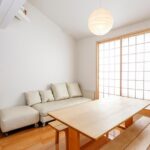
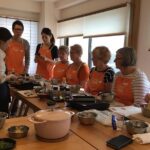
After the walk, you begin cooking at Miwa’s place. Since this is a private activity, only your group takes part. That matters if you want to ask repeated questions, work at a slower pace, or adjust the recipes without worrying about a larger class keeping to a fixed rhythm.
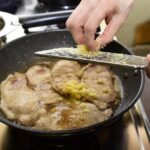
Tofu can seem simple, but the class focuses on the small details that affect the result. Miwa’s teaching includes how minor choices can make a better miso soup or tofu dish. That practical attention is one of the strongest reasons to choose this class instead of simply ordering tofu at a restaurant.
I would expect hands-on preparation, but the exact equipment, cooking methods, and recipes are not specified. The menu is described by course type rather than by dish name, so you should not book this expecting a particular specialty such as agedashi tofu, yudofu, or tofu dessert unless Miwa confirms it beforehand.
The class is designed around tofu, which gives it a clear focus. Many Japanese cooking classes cover a wide menu of sushi, noodles, tempura, or several meat dishes. Here, you spend the session looking at one ingredient in several forms, from a main dish to a side and soup.
The Tofu Menu: Main Dish, Side, and Miso Soup
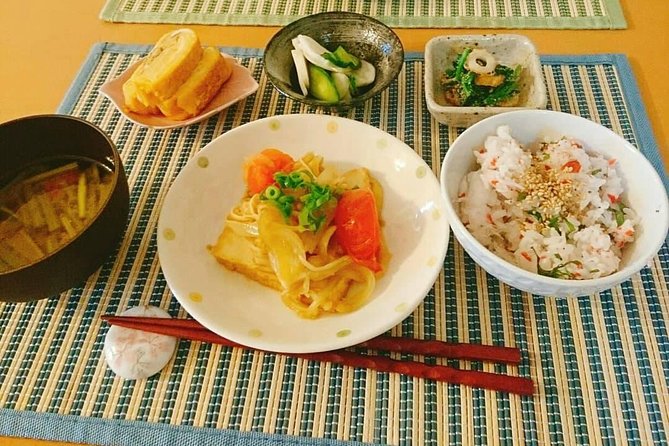
The central menu includes a tofu main dish, one tofu side dish, and tofu miso soup. Together, those courses give you a useful Japanese meal structure rather than one isolated recipe.
The main dish should be the most substantial part of the meal, but no exact recipe is named. That is both a benefit and a limitation. The open format allows Miwa to adapt the dish to your preferences, but you will need to ask ahead if you are hoping to learn a specific tofu preparation.
The tofu side dish adds variety in texture and seasoning. It also helps show how tofu can work as more than a meat substitute. The class presents it as a Japanese ingredient with its own place in a meal.
The tofu miso soup may be especially useful for home cooks. The point is not only to combine ingredients, but to understand the small steps that affect the finished bowl. If you cook Japanese food at home, this may be the most transferable part of the lesson.
Dessert is included as part of the meal, but it is served rather than prepared. That distinction is worth noting. You receive a complete ending to lunch, but the hands-on cooking centers on the savory tofu dishes and miso soup.
Dietary Requests and Family Suitability
The class can be customized for vegans, vegetarians, and specific allergies or dietary preferences. You must send allergy information in advance. This is important because tofu dishes and miso soup can contain ingredients that do not suit every diet, and last-minute changes may not be possible.
The experience is clearly suited to people who want a vegan-friendly Japanese cooking activity. Still, do not assume every ingredient is automatically vegan just because tofu is the focus. Give Miwa your full dietary requirements before the class and wait for confirmation.
Families can also consider this activity. Children must be accompanied by an adult, and the private format gives your group more control over the pace. The information does not provide a minimum age or describe child-specific cooking tasks, so parents should ask about those details before booking.
For children who enjoy helping in the kitchen, the mix of a neighborhood walk and food preparation may work well. For very young children, a three-hour cooking activity could require more patience. The private setting helps, but it does not turn the class into a short drop-in workshop.
Sitting Down to a Three-Course Lunch
At the end, you eat a three-course lunch made during the class. This is more satisfying than leaving immediately after the final cooking step. You get to see how the dishes fit together and taste the results while the instructions are still fresh.
The included lunch and food tasting are part of the price. Since dessert is served, not cooked, the meal’s main learning value comes from the tofu main dish, side dish, and miso soup.
I like this structure because it joins instruction with a clear reward. You are not simply collecting recipes. You are preparing food, sitting down to eat it, and considering how the dishes work as a meal.
The menu is not described in enough detail to judge portion sizes or the exact ingredients. If you have a large appetite or strict dietary needs, ask what the three courses include. The private format may allow adjustments, but the available information does not promise particular substitutions.
Other cooking classes in Tokyo
What the Three-Hour Timing Means
The class lasts approximately two to three hours, with the tour summary giving an approximate duration of three hours. The start time is 10:30 a.m., making this a late-morning activity that leads naturally into lunch.
The schedule includes four parts: meeting at the station, walking through the arcade, cooking at Miwa’s place, and eating the finished meal. Because the exact time spent at each stage is not provided, I would keep the rest of your day flexible.
Do not pair this with a tightly timed attraction immediately afterward. The walk and meal are important parts of the experience, and a private cooking lesson can take more or less time depending on your group and menu adjustments.
The activity ends back at the meeting point. Transportation to and from attractions is not included, so you pay for your own route to Musashikoyama Station and for any onward travel after the class.
Is $707.28 Per Person Good Value?
At $707.28 per person, this is expensive for a three-hour food activity. If you are comparing it only with the cost of a Japanese lunch or a standard group cooking lesson, the price will be hard to justify.
The value comes from the combination of services. You receive a private class, a neighborhood walk, personal instruction from Miwa, menu adjustments, food tasting, and a three-course lunch. For a small group that wants privacy and dietary flexibility, those extras may matter more than the raw cooking time.
The price makes more sense if you see the class as a private cultural activity rather than a meal. You are paying for access to a local setting, guidance through a neighborhood arcade, and a lesson built around your group’s needs.
Still, I would ask one practical question before booking: is the displayed price definitely per person for your party size? The supplied details state $707.28 per person, so you should treat that as the working price, but confirming the final total is sensible given the high cost.
This experience is most likely to suit you if tofu is a major reason you want to take a class. If your main goal is to learn a broad range of Japanese dishes, another menu may offer better value.
Who Will Get the Most From This Class?
I would recommend this class most strongly to:
- Vegans and vegetarians who want a Japanese meal with advance menu adjustments
- Home cooks who care about technique and small preparation details
- Families seeking a private activity that includes both food and a neighborhood walk
- Repeat visitors to Tokyo who want a local area rather than a famous sightseeing district
- Couples or small groups willing to pay more for a private lesson
- Tofu fans who want several preparations in one sitting
You may want to skip it if you prefer a low-cost group class, need a fixed menu before booking, or have only a short window in Tokyo. The price is also difficult to defend if you are interested mainly in eating rather than learning.
The class is not presented as a general tour of Japanese cuisine. Its narrow focus is its strength. You will spend your time with tofu, miso soup, and related dishes, not sushi, ramen, or wagashi.
Booking, Confirmation, and Cancellation Advice
Confirmation is sent within 48 hours of booking, subject to availability. Since the class is private and dietary requests need advance notice, I would not leave this until the last minute.
Free cancellation is available if you cancel at least 24 hours before the start time. Cancellations or changes made less than 24 hours before the 10:30 a.m. start are not accepted for a refund.
The experience uses a mobile ticket. Keep the confirmation easy to access, and check the meeting point closely because the details identify Musashikoyama Station while also listing Shinagawa in the starting information.
Should You Book Miwa’s Tofu Cooking Class?
Book it if you want a private, tofu-focused lesson with a local neighborhood walk and a meal at the end. Miwa’s focus on the small details of miso soup and tofu preparation gives the class a useful home-cooking angle, and the private format is a real advantage for dietary requests or families.
Think twice if $707.28 per person feels out of proportion to a three-hour activity. The experience offers personal attention, a three-course lunch, and recipe customization, but it does not include transportation and does not name the exact dishes in advance.
My practical advice is to confirm the final price, meeting instructions, menu, and allergy adjustments before committing. If those details match what you want, this is a thoughtful choice for a tofu enthusiast who values local Tokyo life as much as the meal itself.
FAQ
Where does the tofu cooking class meet?
The stated meeting place is Musashikoyama Station on the Tokyu Meguro Line. The starting information also mentions Shinagawa, so check your confirmation for the exact meeting instructions.
What time does the class start?
The class starts at 10:30 a.m.
How long does the experience last?
The class lasts approximately two to three hours, with the tour summary giving an approximate duration of three hours.
What dishes will I prepare?
You will prepare a tofu main dish, one tofu side dish, and tofu miso soup. Dessert is served rather than prepared.
Is lunch included?
Yes. A three-course lunch and food tasting are included.
Can the menu be adjusted for allergies?
Yes. Recipes can be customized, and you should provide allergy information in advance.
Is the class suitable for vegans and vegetarians?
Yes. The experience is described as vegan-friendly and can be customized for vegan or vegetarian preferences.
Can children participate?
Yes, children can participate, but they must be accompanied by an adult.
Is this a private activity?
Yes. Only your group participates in the activity.
What is the cancellation policy?
You can cancel for a full refund up to 24 hours before the experience start time. Cancellations or changes made less than 24 hours before the start time are not refunded or accepted.
More Workshops & Classes in Tokyo
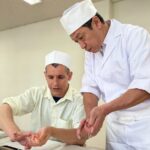
More Cooking Classes in Tokyo
More Cooking Classes in Tokyo
More tours in Tokyo we've reviewed












Cooking Classes, compared.
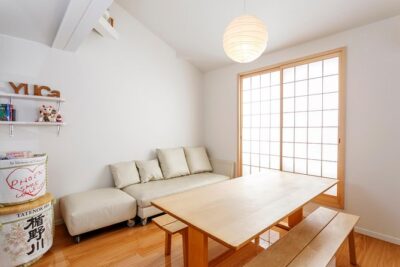 ★ 5.0Ramen & Gyoza Cooking Class in Tokyo with Local Supermarket VisitFrom $122
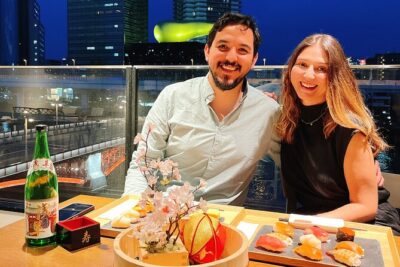 ★ 5.0Ramen and Sushi Cooking Class with Sake Pairing Set in TokyoFrom $79
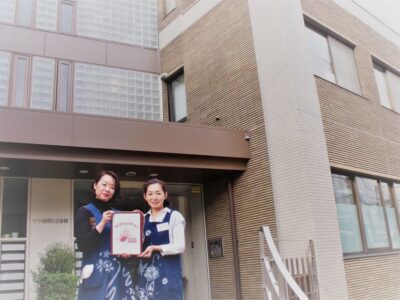 ★ 4.9Tokyo: Wagyu and 7 Japanese Dishes Cooking ClassFrom $673 hours
 ★ 5.0Tokyo Washoku 4-hour Cooking Class: From Market to TableFrom $79
 ★ 5.0Professional Ramen & Gyoza with Ramen Chef in a restaurant!From $159
 ★ 5.0Small-Group Wagyu Beef and 7 Japanese Dishes Tokyo Cooking ClassFrom $72