Reviewed · SUSHI MAKING CLASSES
[NEW]JPN CULTURE – Buy@Toyosu Market SUSHI Making +TEA +Maid Cafe
Tokyo’s best food experiences often begin with shopping, not sitting down to eat. This six-and-a-half-hour tour takes you into Toyosu Market, where you help choose the fish and other ingredients for your own lunch. You then make several kinds of sushi, prepare sweets, and join a tea ceremony led by a qualified tea master.
In This Article
- Key points at a glance
- Why this Tokyo food tour feels different
- Starting at Toyosu Market
- From fresh ingredients to four kinds of sushi
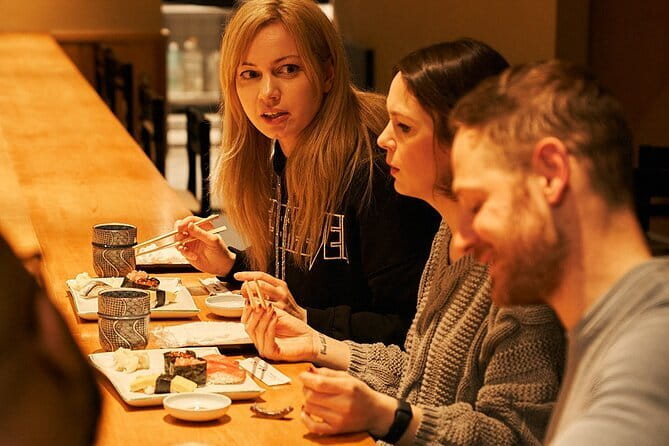
- Eating the sushi you made
- Making sweets for a formal tea ceremony
- Adding Akihabara and a Maid Café
- Group size, timing, and practical value
- Who should book this experience
- Should you book it?
- FAQ
- Where does the tour start?
- Where does the tour end?
- How long does the experience last?
- How many people can join the tour?
- What sushi styles will I learn?
- Is lunch included?
- Who leads the tea ceremony?
- Is the Maid Café visit required?
- Can I cancel for a full refund?
I like the small maximum of eight people, which gives the guide room to answer questions and help with the hands-on work. I also like the mix of old and new: a working fish market, a practical sushi lesson, formal matcha, and an optional Maid Café visit in Akihabara. The main consideration is the long six-hour-thirty-minute schedule, especially if you want a relaxed day or are traveling with young children.
Key points at a glance
- Shop for your own sushi fish: With special permission, you can browse the market and buy fresh ingredients rather than simply looking down from an observation window.
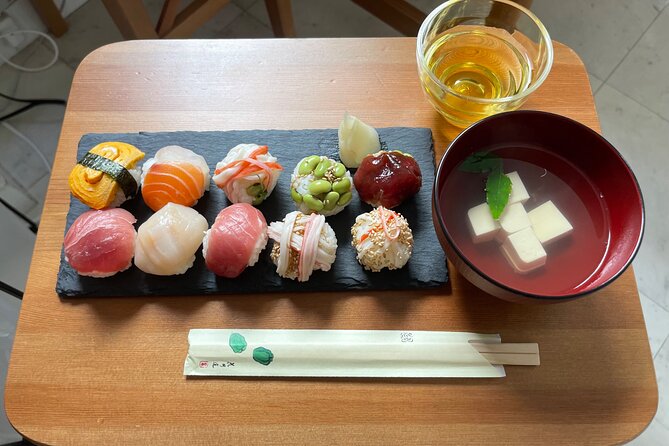
- Four sushi styles in one class: You learn temari, maki, chirashi, and oshi sushi, then eat what you prepare for lunch.
- Tea sweets are part of the lesson: You make the confectionaries served with your matcha, so the tea ceremony includes dessert you prepared yourself.
- A qualified tea master leads the ceremony: The session uses high-grade matcha associated with formal tea practice.
- Small groups make the class personal: The tour is capped at eight people, useful when you need help with shaping rice or rolling sushi.
- The Maid Café is optional: You can add an Akihabara visit or finish after the tea ceremony and continue your own Tokyo plans.
Why this Tokyo food tour feels different
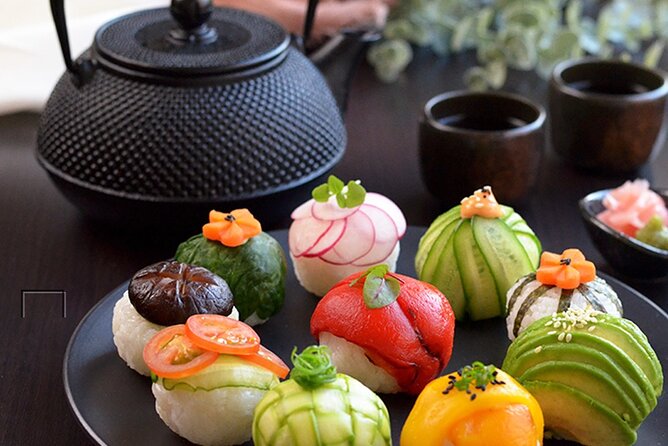
Many market and sushi activities separate the shopping from the cooking. Here, the food you help select becomes the center of the day. That gives the experience a clear story: see the market, buy the ingredients, prepare the meal, then sit down to eat it.
The format also reaches beyond sushi. You get a practical introduction to one part of Japanese cuisine, followed by a cultural lesson that asks for a slower pace. The contrast is useful. Sushi making is active and fairly direct. The tea ceremony is careful, quiet, and shaped by set movements.
At $78.04 per person, the price is reasonable if you want several activities bundled together. A market visit, a guided cooking class, lunch, sweets, and a tea ceremony would each take planning on their own. The value is strongest for people who would otherwise pay separately for food and cultural activities.
Still, this is not a quick sushi class. The full program lasts about six hours and thirty minutes. You are paying for a full half-day experience, not just instruction at a counter. If you mainly want to eat excellent sushi, a restaurant is simpler. If you want to understand how ingredients, preparation, and ceremony fit together, this tour gives you more.
A few more Tokyo tours and experiences worth a look
Starting at Toyosu Market
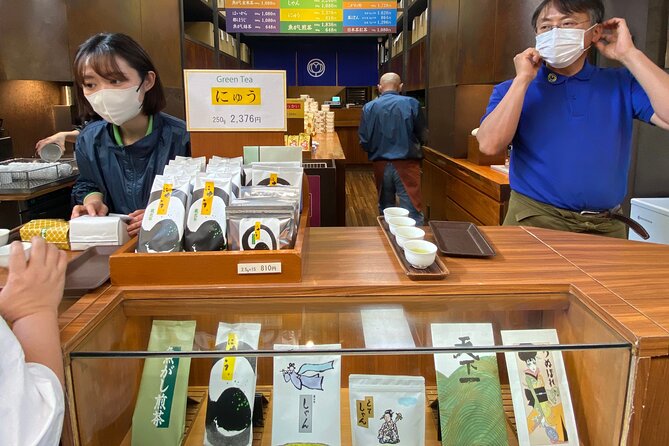
The meeting point is Shijō-mae Station, at 6 Chome-3 Toyosu in Koto City. This places you near Toyosu Market, Tokyo’s modern wholesale market complex. The market is famous for its seafood trade, but ordinary visitors often see only limited areas through observation windows.
This tour offers something more active. With special permission, you enter areas where you can browse stalls and shop for the ingredients used later in the sushi class. The guide helps you choose the neta, the fish and other toppings placed on sushi.
That shopping step matters. You can see the ingredients before they are portioned and plated, then learn how to handle them in the studio. It also gives the guide a chance to explain what you are buying and why a particular item suits the lesson.
You may also encounter small tastes along the way. The experience has included dashi soup and other market foods, adding a little context before the main meal. These samples are not the central promise of the tour, but they make the walk feel like food education rather than a simple transfer.
The market portion is best for people who enjoy looking closely and asking questions. It may be less appealing if you prefer a quiet, highly polished sightseeing route. Markets can involve walking, waiting, and practical shopping decisions. The point is participation, not a staged performance.
One detail deserves attention when you book. The tour information names Toyosu Market and gives a Toyosu meeting point, while some descriptions of the day refer to Tsukiji Market and ingredients bought there. The reviews also mention strolling through Tsukiji. Confirm the exact market route and meeting instructions with VAS before the date, especially if you have built other Tokyo plans around Toyosu or Tsukiji.
From fresh ingredients to four kinds of sushi
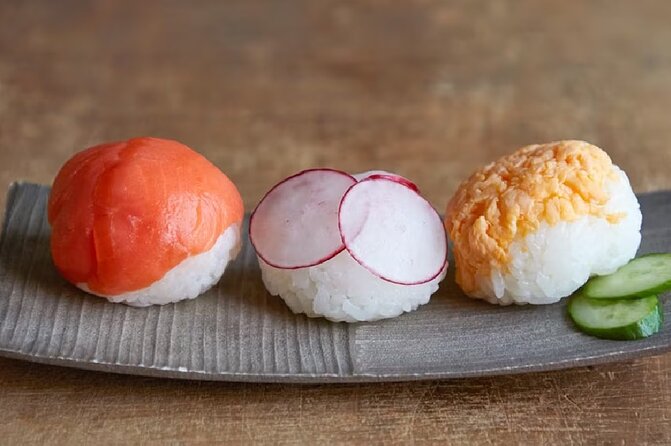
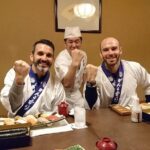
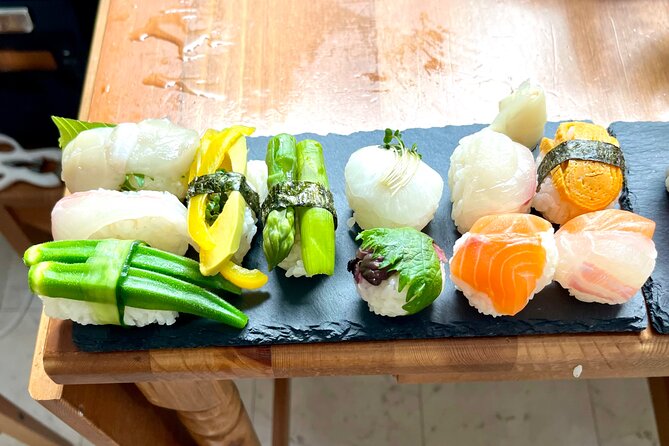
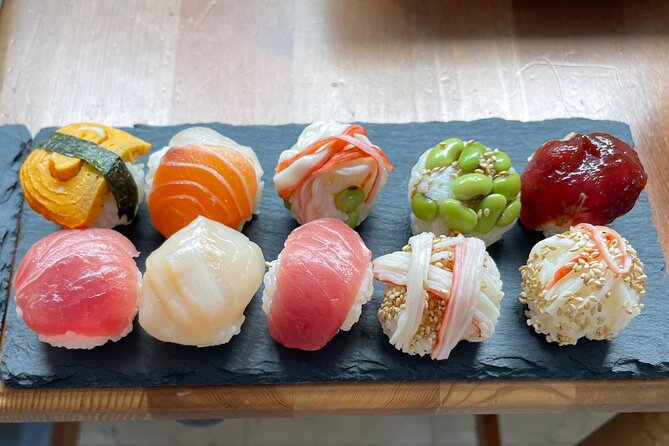
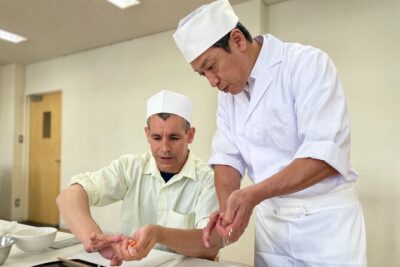
After shopping, you relocate to a studio for the cooking lesson. The class teaches several forms rather than focusing on one basic roll. You make temari sushi, maki sushi, chirashi sushi, and oshi sushi.
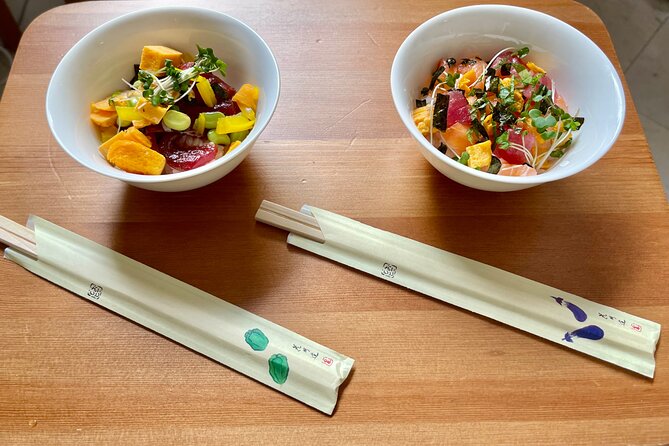
Each style teaches a different skill. Maki gives you the familiar rolling exercise. Chirashi shows how sushi can be arranged in a bowl or spread across a serving dish rather than formed into individual pieces. Oshi sushi introduces pressed sushi, while temari sushi is shaped into small rounded portions.
This range is one of the strongest parts of the day. You do not simply copy one restaurant-style roll and stop. You see how sushi can change in shape, presentation, and preparation while still relying on careful rice and topping combinations.
The class provides a menu so you can repeat the recipes at home. That is a practical touch. You will not need to rely entirely on memory after a long day, and the menu could help you plan a small sushi gathering later.
You should expect hands-on work, not a demonstration where you watch from the side. The small group limit of eight is important here. Sushi rice can be sticky, rolls can be uneven, and pressed sushi needs the right amount of pressure. A smaller group gives the guide more time to correct technique and explain what to do next.
The guides have been praised for clear English. Max is named as one of the people involved, and the tour can be led by a guide team. That matters in a lesson where small instructions make a large difference. You want to understand how to shape the rice, place the fillings, and finish each type, not just watch quick movements.
Eating the sushi you made
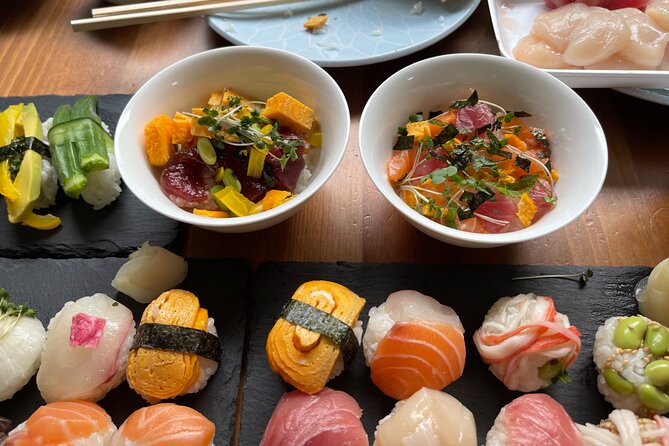
The sushi you prepare becomes your lunch. This is a simple idea, but it changes how you pay attention to the class. When you have helped choose the fish and then handled the ingredients yourself, the meal feels connected to the market rather than added as an unrelated food stop.
The fish is bought the same day, according to the experience details and participant accounts. That does not mean every item will be the same on every departure. Market availability can affect what you buy, which is part of the appeal and part of the uncertainty.
I would choose this tour if you like learning by doing and do not need every plate to look perfect. Your sushi may have a homemade shape. That is fine. The point is to understand the basic methods and enjoy a fresh lunch.
If you have strict dietary needs, ask VAS before booking. The provided information does not list substitutions, allergy arrangements, or a fixed menu. Because the ingredients are selected at the market, you should not assume the exact fish or toppings in advance.
Making sweets for a formal tea ceremony
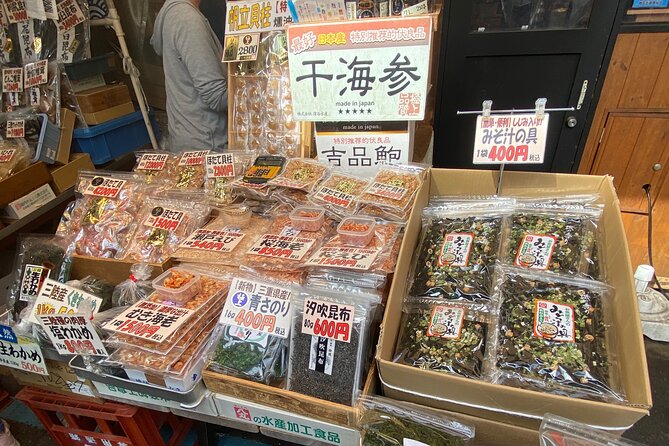
After lunch, the focus shifts from seafood to confectionery. You make sweets to serve during the tea ceremony. This connects the food lesson to the tea lesson and gives you a dessert that is part of the cultural experience, not just an extra snack.
Japanese tea sweets are designed to balance matcha. Their sweetness matters because high-grade matcha can have a strong, grassy bitterness. Preparing the confectionery helps you understand why the sweet is served before or alongside the tea.
The activity is led by a tea master, and the ceremony uses high-grade matcha intended for tea ceremony practice. This should appeal to you if you want more than a casual green tea tasting. The session introduces the formal side of matcha, including a setting where gestures and order carry meaning.
The pace will likely feel very different from the market and sushi class. That contrast is useful, but it can also make the day feel full. You move from shopping and cooking into a more observant activity. If you enjoy quiet cultural demonstrations, this is a welcome change. If you want constant action, the ceremony may feel slow.
You do not need to approach the tea ceremony as an expert. The point is to learn the basics and take part respectfully. The guide and tea master can explain what is happening, while your job is to pay attention and follow the simple sequence.
Other shopping tours in Tokyo

Adding Akihabara and a Maid Café
The final option takes the tour in a completely different direction. You can continue to Akihabara for a Maid Café experience, or end the day after the tea ceremony and make your own plans.
This optional add-on gives the tour its most obvious old-and-new contrast. Traditional tea practice and handmade sushi belong to one side of the day. Akihabara’s Maid Café culture represents a modern, playful form of Japanese entertainment.
You should decide about this option when you reserve, as the tour asks you to state your choice in advance. The supplied details do not specify the Maid Café’s name, additional cost, exact duration, or transport arrangement, so confirm those points before paying for an upgrade.
The add-on suits you if you want a broad pop-culture day and have not yet visited Akihabara. It may not suit you if you are already tired after the market, lunch, and tea ceremony. You can call it a day instead, which is a useful choice. The main tour has enough content without forcing one more stop.
Group size, timing, and practical value
The group maximum is eight people. That is small enough to keep the class personal without making the experience private. You can expect the group size to affect how quickly help arrives, how much space each person has to work, and how easily you can ask about the market.
The total duration is about six hours and thirty minutes. Plan for a substantial block of your Tokyo schedule. The activity starts at Shijō-mae Station and ends back at the meeting point, according to the stated arrangements. Public transportation is nearby.
A mobile ticket makes arrival easier, but you still need to pay close attention to the meeting point and start time. Toyosu and Tsukiji are not interchangeable stops for planning purposes. Check the final confirmation carefully.
The experience is booked far ahead on average, around 160 days in advance. That suggests you should reserve early if your Tokyo dates are fixed, especially if you want the optional Maid Café or need a particular day.
Confirmation is sent within 48 hours of booking, subject to availability. Free cancellation is available up to 24 hours before the start time. Inside that window, refunds are not offered and changes are not accepted. The activity also requires a minimum number of participants, and if VAS cancels for that reason, you receive an alternative date or experience, or a full refund.
Who should book this experience
I would recommend it most strongly to first-time Tokyo visitors who want several cultural introductions in one day. You get a market visit, food preparation, lunch, sweets, matcha, and an optional pop-culture stop without having to arrange each piece yourself.
It also works well for repeat visitors. The market access and hands-on shopping offer something different from simply visiting a famous viewing area. A family can share the cooking and eating, though the long duration may be tiring for small children.
Food lovers will appreciate the connection between buying and preparing. You do not need prior sushi-making experience, and the menu gives you a way to try the styles again at home.
The tour is less suitable for a short Tokyo stay where every hour must be tightly controlled. It is also not the best choice if you want a strictly traditional experience from start to finish, since the Maid Café option shifts into modern entertainment. You can skip that part if you prefer.
Should you book it?
Book this experience if you want active participation, not just sightseeing. The strongest features are the special market access, same-day ingredients, four sushi styles, homemade tea sweets, and a qualified tea master. The small group and clear English guidance add real value to the cooking portion.
Think twice if six and a half hours feels too long, if you need a fixed menu, or if the Toyosu and Tsukiji references create confusion for your schedule. Confirm the market route, Maid Café details, and any dietary questions before booking.
For $78.04, this is a good-value choice for a full Japanese food and culture session. It gives you a meal, instruction, and several distinct activities in one organized day. If that sounds better than another quick restaurant lunch, reserve early and arrive ready to shape sushi with your own hands.
FAQ
Where does the tour start?
The tour starts at Shijō-mae Station, near 6 Chome-3 Toyosu, Koto City, Tokyo 135-0061, Japan.
Where does the tour end?
The activity ends back at the meeting point.
How long does the experience last?
The tour lasts approximately six hours and thirty minutes.
How many people can join the tour?
The activity has a maximum of eight participants.
What sushi styles will I learn?
You will learn how to make temari, maki, chirashi, and oshi sushi.
Is lunch included?
You make and eat your own sushi for lunch using ingredients bought for the class.
Who leads the tea ceremony?
A qualified tea master leads the tea ceremony using high-grade matcha.
Is the Maid Café visit required?
No. The Maid Café visit is an optional addition. You can go to Akihabara or finish after the tea ceremony and continue with your own plans.
Can I cancel for a full refund?
Yes. You can cancel at least 24 hours before the experience start time for a full refund. Cancellations or changes made less than 24 hours before the start time are not refunded or accepted.
More Markets in Tokyo
More Shopping Tours in Tokyo
More Sushi Making Classes in Tokyo
More tours in Tokyo we've reviewed





Sushi Making Classes, compared.
 ★ 5.0Sushi Making Tokyo Roll and Authentic Japanese Sushi ClassFrom $59
 ★ 4.9Tokyo: Roll and Authentic Sushi Making Class in AsakusaFrom $581h 40m
 ★ 4.9Tokyo: Sushi Making Class in a Happi Coat near a Famous SpotFrom $421h 30m
 ★ 5.0Sushi Making Tokyo! Popular Maki Sushi & Japanese Sushi(+Recipe!)From $63
 ★ 5.0Tokyo Sushi Making Class in Tsukiji with Professional ChefFrom $49
 ★ 5.0Tokyo Night Foodie Tour in Shinjuku – Seasonal Sushi, Wagyu BeefFrom $111