Reviewed · TOURS
Tokyo: Horse Racing Tour with Local Fan
Japanese horse racing gives you a side of Tokyo that most sightseeing plans miss. With local guide Eito, you learn the betting system, follow the action, and cheer beside Japanese fans at a real racecourse rather than watching the city from another observation deck. The English guidance is the key: racecourse signs and betting information are generally in Japanese.
In This Article
- Key points to know
- Why Japanese horse racing makes a strong Tokyo side trip
- Choosing between Tokyo, Nakayama, Oi, and Kawasaki
- Meeting your guide and getting inside
- Learning the rules before placing a bet
- Watching the races from a reserved seat
- Food, drinks, and the racecourse routine
- What Eito adds to the experience
- The real cost of a $60 race-day experience
- Who should book this Tokyo activity?
- Final call: book it if you want Tokyo beyond the usual sights
- FAQ
- What does the Tokyo horse racing tour cost?
- Which racecourse will I visit?
- Is an English-speaking guide included?
- Do I need to know anything about horse racing before booking?
- Is admission included?
- Can I enter the racecourse without the guide?
- Are seats reserved?
- What should I bring?
I like the way this tour turns a confusing activity into something you can actually join. I also like the chance to buy karaage, yakitori, seasonal snacks, sake, beer, or local cocktails while watching the horses. The main drawback is that food, drinks, bets, and train fares cost extra, so the $60 price is only the starting point for your afternoon.
Key points to know
- Four possible racecourses: Weekend dates usually use Tokyo Racecourse or Nakayama Racecourse, while weekday dates use Oi or Kawasaki Racecourse.
- Eito guides you through the betting system: You do not need Japanese language skills or prior racing experience.
- Admission is handled in person: Your voucher is not the entry ticket. Eito provides your racecourse ticket and accompanies you inside.
- Reserved seating may be available: The guide provides a reserved seat ticket when available, giving you a proper base for following the races.
- Cash in Japanese yen matters: Bring cash for bets and for food and drinks purchased at the racecourse.
- This is a local culture outing: You are not just watching horses. You are seeing how Japanese fans spend time, socialize, eat, and follow a race day.
Why Japanese horse racing makes a strong Tokyo side trip
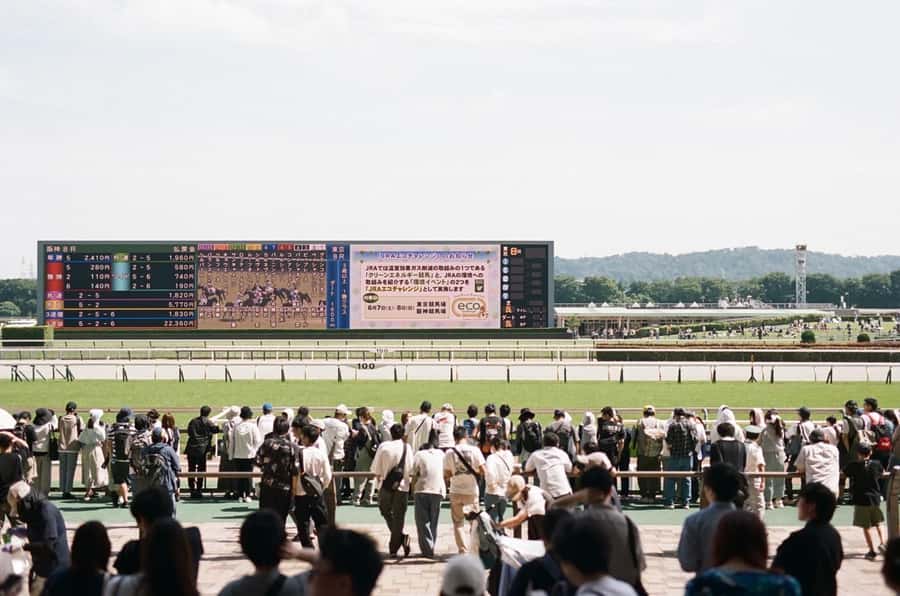
Tokyo offers endless polished attractions, but horse racing shows you a more everyday form of Japanese entertainment. The appeal is not only the horses. It is the shared focus, the betting slips, the race calls, the food counters, and the way a crowd reacts together when the horses charge toward the finish.
I like this experience because it gives you something to do rather than just something to photograph. You learn a small set of rules, make a modest bet if you wish, study the horses and jockeys, and then have a reason to care when the gates open.
This is also a good pick if you have already seen the major central districts. The racecourses are outside the usual Shinjuku, Shibuya, and Asakusa circuit, so the outing offers a different view of Tokyo. You are still using the city’s transport network and public facilities, but your destination is a place few international visitors think to visit.
The $60 fee is reasonable if you would otherwise have no idea how to enter, buy a ticket, understand the betting machines, or follow the race information. It is less attractive if you simply want to watch one race without spending extra money. The guide’s value comes from making the whole setting usable, not from covering your personal expenses.
If you're still narrowing it down, here are other tours in Tokyo we've reviewed.

Choosing between Tokyo, Nakayama, Oi, and Kawasaki
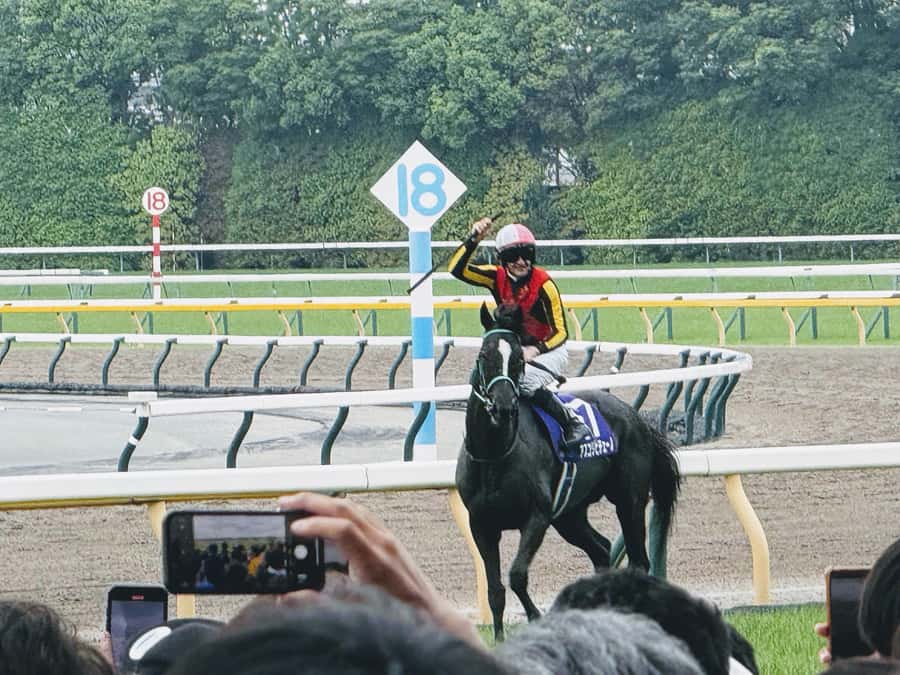
The racecourse depends on the date you select. On weekends, the tour usually goes to Tokyo Racecourse or Nakayama Racecourse. On weekdays, the venue is usually Oi or Kawasaki Racecourse.
That variation matters. You are not booking one fixed sightseeing site with the same experience every time. You are booking access to Japanese racing on a suitable race day, with the exact course shown when you choose your date.
Tokyo Racecourse and Nakayama Racecourse are the typical weekend choices. Oi and Kawasaki Racecourse are the weekday options. The supplied details do not promise a particular course until you select a date, so check the venue before paying and make sure the meeting point works with your plans.
I would not book this on a day when you need to be back in central Tokyo at a precise time. The course location changes, and you also need time for the meeting, entry, explanations, races, and return to the meeting point. The activity ends back at the starting meeting point.
Meeting your guide and getting inside
You meet the guide at the designated location. The guide waits with a sign showing your name, and you should send a text when you arrive. That small step is important because the meeting point itself is not described as a major landmark in the details provided.
Your GetYourGuide voucher is not the admission ticket. Eito meets you, gives you the racecourse ticket in person, and accompanies you into the venue. Entry is only possible when you are with the guide, so arriving at the correct meeting point is not a minor detail.
This setup gives you a useful safety net. Japanese racecourses can be hard to manage when ticket machines, signs, and instructions are not in English. You do not have to guess which entrance to use or try to explain the booking on your own.
The guide also helps with the train route. One particularly useful part of the experience is the assistance getting to Tokyo Racecourse, including help navigating the train. Train tickets are not included, so keep separate money ready for transportation.
Learning the rules before placing a bet
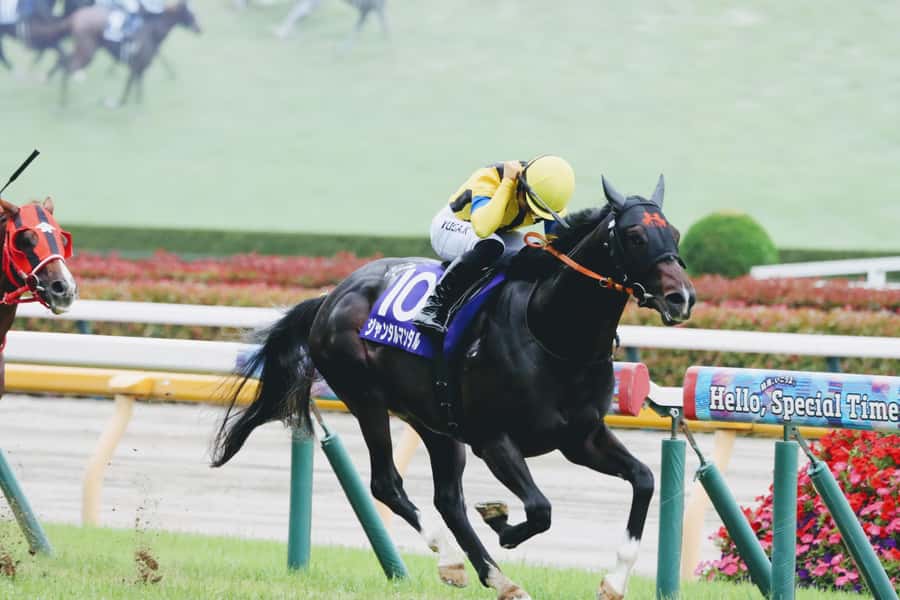
The first major benefit is the betting lesson. Eito explains the basic racing rules in clear English and helps you understand the betting options, horses, jockeys, and race information.
You do not need to arrive as a racing fan. The instruction is designed for a beginner who has never placed a Japanese bet. At the same time, people who already attend races in other countries can still learn how the Japanese system works.
The practical help matters more than a lecture. You learn how to place the bet, then receive assistance while doing it. Since the betting machines and race information are in Japanese, trying to work it out alone could eat up your whole visit.
I suggest treating betting as part of the cultural activity, not as a way to fund your holiday. Bring only the amount you are comfortable losing. The tour does not include betting money, and the excitement can make it tempting to keep trying after a near win.
Several races give you repeated chances to practice. You might choose a horse, watch the race, check the result, and then make a more informed choice next time. That rhythm makes the visit social and engaging even if none of your tickets win.
Watching the races from a reserved seat
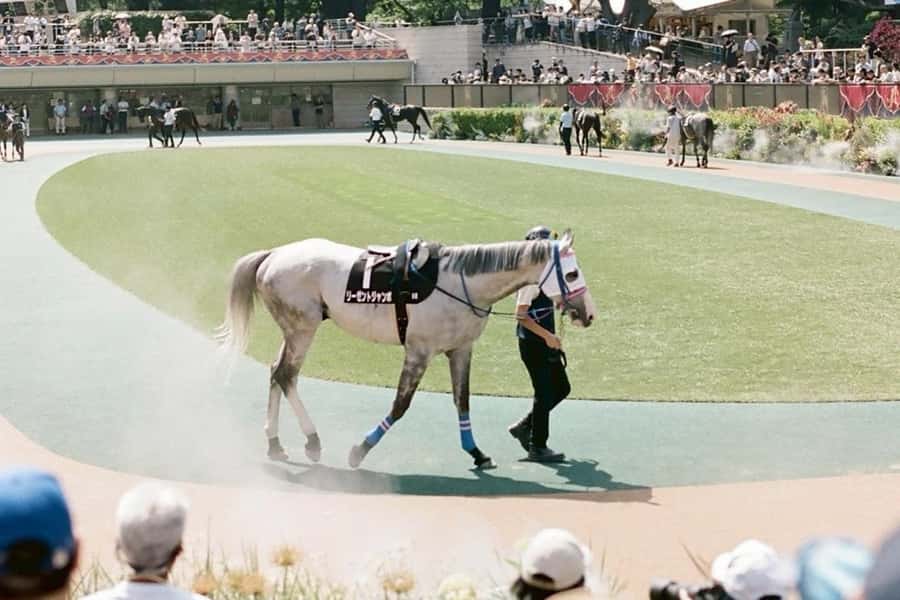
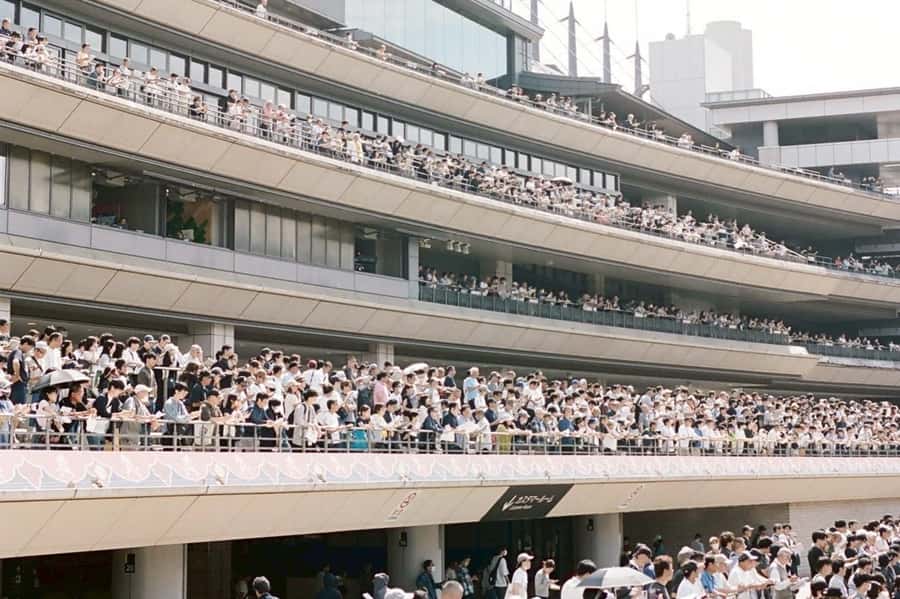
When available, the guide provides a reserved seat ticket. This gives you a fixed place to return to between races and makes it easier to keep your betting slips, food, and drinks together.
A reserved seat is especially useful if you want to follow several races rather than stand for a quick look. It also gives you a base from which to watch the crowd and study what other fans are doing.
The seat arrangement is not guaranteed in every situation, since availability is stated as a condition. Ask Eito what is available on your selected date. Even without a reserved seat, admission and guide support remain part of the activity, but a fixed seat can make the visit more comfortable.
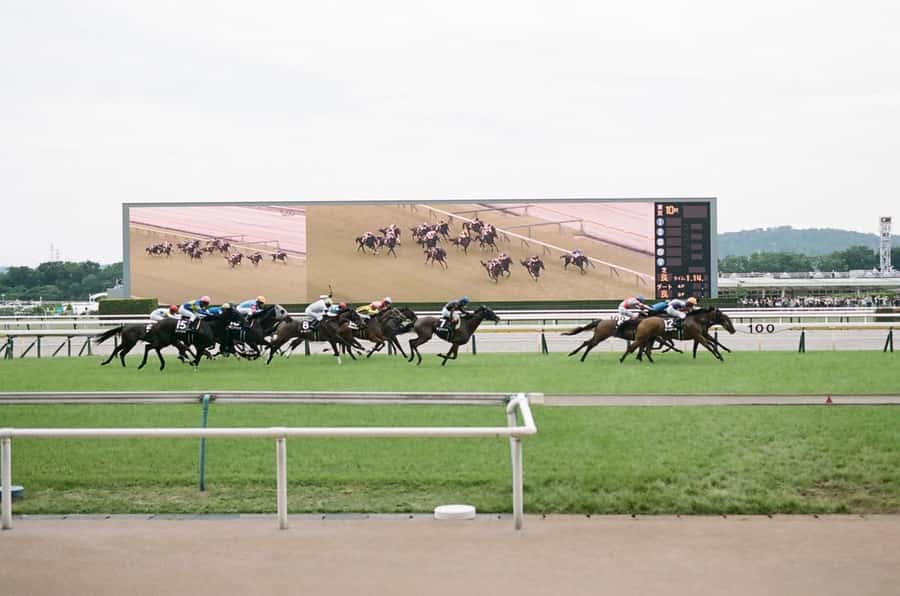
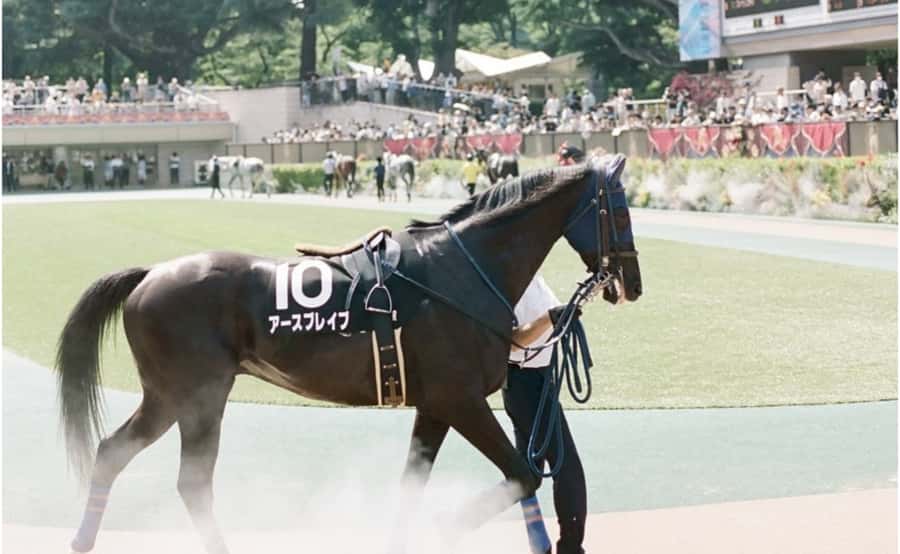
The racing itself supplies the main thrill. You see the horses in person, watch the jockeys, make your selection, and then react with the crowd as the field moves toward the finish. The experience is more immediate than reading about Japanese racing or watching a clip online.
If you are a regular racegoer from New Zealand, Australia, or Hong Kong, you may find the Japanese format especially interesting. The basic sport is familiar, but the setting, betting process, crowd behavior, and presentation offer a different experience.


Food, drinks, and the racecourse routine
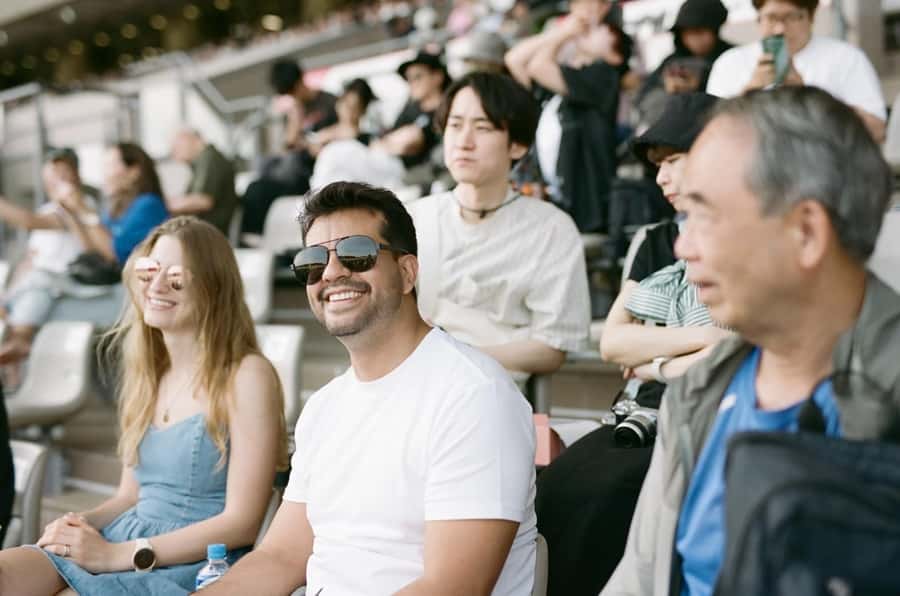
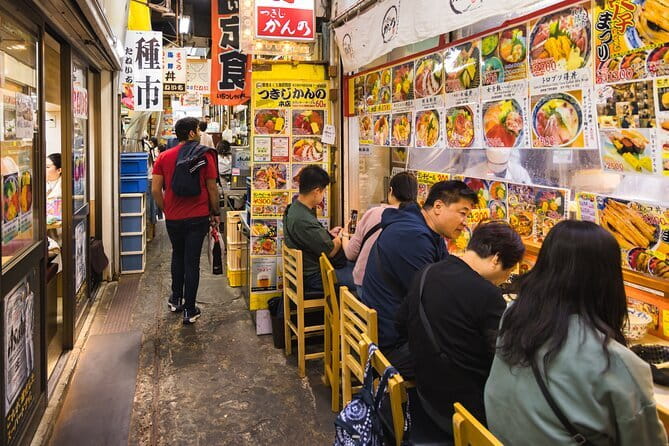
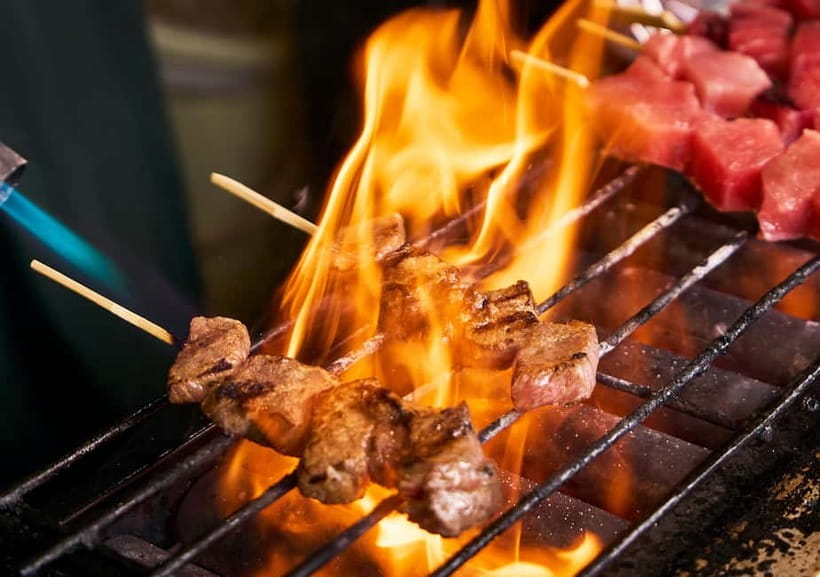
Food and drinks are not included, but buying them at the racecourse is part of the fun. Available choices can include crispy karaage, yakitori, seasonal Japanese snacks, sake, beer, and local cocktails.
I like this arrangement because you can control your own spending and choose what appeals to you. You are not locked into a fixed meal or forced to pay for drinks you do not want. On the other hand, the $60 tour price can feel less complete if you expect a meal and drinks to be included.
Bring Japanese yen in cash. You need it for betting, and it is also the safest choice for food and drinks because the tour specifically warns you to bring cash. Your train fare is separate as well.
A good approach is to set two budgets before you go: one for refreshments and one for betting. That lets you enjoy the social side without turning every race into a financial decision.
The food also helps break up the action. You can watch a race, buy something hot, talk through the results with your guide, and then prepare for the next one. It is a more relaxed way to experience Japanese racing than trying to understand everything at once.
What Eito adds to the experience
The guide is the heart of this tour. Eito’s English is described as excellent, and his role goes well beyond showing you where to sit. He explains betting, jockeys, horses, and race procedures, then helps you act on that information.
That personal guidance is why I would choose this tour over visiting a racecourse alone. You can technically attend without a guide, but the language barrier would make the ticketing system, betting process, and racecourse layout harder to follow.
Eito also adds a friendly social element. You can ask questions in English, share a few laughs, and enjoy a drink while the races continue. The tone is not presented as a formal classroom. It is a practical introduction led by someone who knows the setting and wants you to take part.
The praise for the guide is consistent: friendly, clear, helpful, and easy to spend time with. For me, that is more important than a long speech about racing history. You need someone who can help at the betting machine, explain what you are seeing, and keep the outing moving.
The real cost of a $60 race-day experience
At $60 per person, the tour charges for access, admission, English support, betting instruction, and assistance throughout the event. It does not cover your train tickets, food, drinks, or bets.
That is good value if you want a guided cultural activity and would struggle to manage the racecourse alone. The guide solves several practical problems at once. You get the admission ticket through him, enter with him, understand the basic system, and have help making bets.
The value drops if you are already fluent in Japanese and familiar with Japanese horse racing. In that case, you may prefer to pay admission yourself and explore independently. The tour is aimed most clearly at visitors who want an easy introduction.
The cost of betting is entirely up to you. You can keep it small, or spend more, but none of it is part of the tour price. Food and drinks work the same way. Plan on extra yen, but do not assume you need to spend heavily to enjoy the day.
The flexible booking terms also help if your Tokyo plans are still changing. You can reserve now and pay later, and cancellation is allowed up to 24 hours in advance for a full refund. Check the exact conditions when booking, especially if your schedule is tight.
Who should book this Tokyo activity?
I would recommend it most strongly to:
- First-time visitors who want a local activity outside the standard Tokyo route
- People curious about Japanese betting and sports culture
- Horse-racing fans who want to compare Japan with racing in Australia, New Zealand, Hong Kong, or elsewhere
- Solo visitors who would enjoy having an English-speaking companion
- Couples and friends looking for a lively half-day-style outing with food, drinks, and live action
I would be more cautious if you dislike gambling, crowds, or changing plans around a sports schedule. You can attend without placing a bet, but betting is a major part of the experience, so it helps to be at least curious about it.
Families should also consider the group’s interests. The provided information does not specify age rules, child pricing, or accessibility details, so ask before booking if those points affect your plans.
Final call: book it if you want Tokyo beyond the usual sights
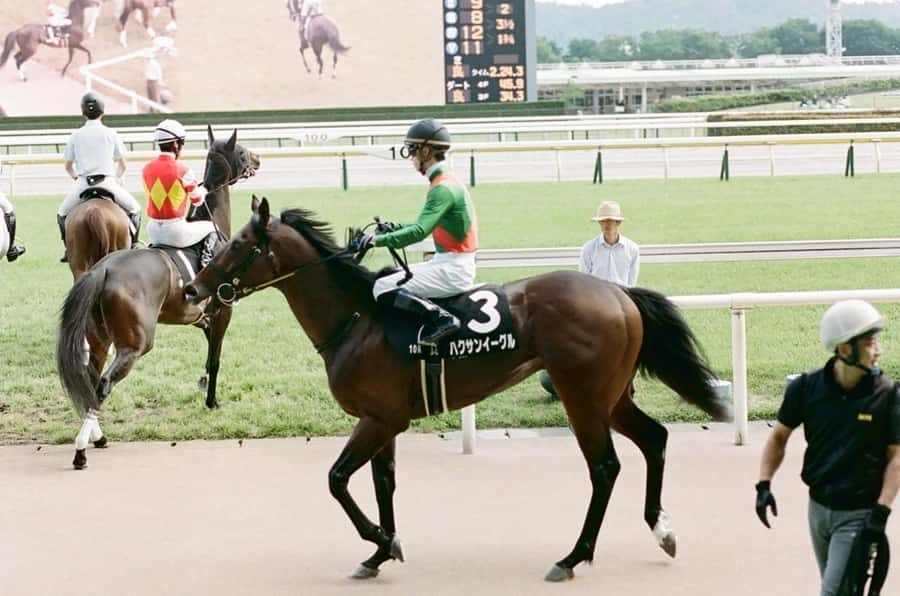
Book this tour if you want to understand a real Japanese pastime and would rather join in than watch from the sidelines. The strongest reasons are the English instruction, Eito’s hands-on help, the chance to visit a racecourse most tourists skip, and the simple pleasure of eating and cheering with local fans.
Skip it if you want an all-inclusive outing or if you have no interest in horse racing. The $60 fee does not cover food, drinks, trains, or bets, and the racecourse changes by date.
For the right person, this is one of Tokyo’s more unusual choices. Bring yen, arrive ready to ask questions, and keep your betting budget sensible. You may leave with a winning ticket, but the lasting reward is understanding a part of Japanese city life that is easy to miss.
FAQ
What does the Tokyo horse racing tour cost?
The tour costs $60 per person. Food, drinks, betting money, and train tickets are not included.
Which racecourse will I visit?
The racecourse depends on your selected date. Weekend tours usually visit Tokyo Racecourse or Nakayama Racecourse. Weekday tours usually visit Oi or Kawasaki Racecourse. The exact venue appears when you select the date.
Is an English-speaking guide included?
Yes. An English-speaking guide accompanies you throughout the event, explains the racing rules and betting process, and assists with placing bets.
Do I need to know anything about horse racing before booking?
No. The guide explains the rules in simple English, so beginners can take part. The activity also suits people who already have racing experience and want to compare the Japanese system.
Is admission included?
Yes. Admission is included, but your voucher is not the admission ticket. The guide provides your racecourse ticket in person.
Can I enter the racecourse without the guide?
No. Entry is only possible when you are accompanied by the guide. Meet the guide at the designated location, where the guide waits with a sign showing your name.
Are seats reserved?
Reserved seats are provided when available. The guide gives you the reserved seat ticket in person if one is available for your visit.
What should I bring?
Bring cash in Japanese yen. You need money for betting, food, and drinks. Train tickets are also paid separately.
More tours in Tokyo we've reviewed




Tours, compared.
 ★ 5.0Mt Fuji and Hakone 1-Day Bus Tour Return by Bullet TrainFrom $163
 ★ 5.01-Day Tokyo Bus TourFrom $129
 ★ 5.0Tokyo: Shinjuku Food Tour (13 Dishes at 4 Local Eateries)From $86
 ★ 4.4Tokyo Mt Fuji 5th St & Hakone Cruise Bus Tour w/Bullet TrainFrom $15410 hours
 ★ 5.0Flagship 2-Hours Official Street Go-Kart Tour – Tokyo Bay ShopFrom $642 hours to 2 hours 30 minutes (approx.)
 ★ 4.7Tokyo: Mt. Fuji Tour, Hakone Ropeway, Owakudani, Lake AshiFrom $5410 hours