Reviewed · COOKING CLASSES
Tokyo Cute Bento Cooking Class – Make a Kawaii Character Lunchbox
A lunchbox becomes the main event in this hands-on Tokyo class. You use prepared ingredients to build a panda, bear, frog, dog, or seasonal character bento, then photograph your little edible creation before sitting down to eat it. It is part cooking lesson, part food craft, and part cheerful souvenir project.
In This Article
- Key points to know before booking
- Why a cute bento class works so well in Tokyo
- Finding the studio in Akasaka
- The first 15 minutes: bento culture before the food art
- The 60-minute character bento workshop
- What you actually learn and take home
- The 15-minute photo session
- The final 30 minutes: eating your own creation
- Dietary needs and food restrictions
- Is the class good for children and adults?
- How the $66.07 price measures up
- Timing, transport, and cancellation details
- Who should book this Tokyo activity?
- Should you book Tokyo Cute Bento?
- FAQ
- Where does the Tokyo Cute Bento class take place?
- How long does the class last?
- What happens during the class?
- Is the class taught in English?
- Are vegetarian and vegan options available?
- Can the class accommodate allergies?
- What character designs can I make?
- Are ingredients and tools provided?
- What is the cancellation policy?
I like the clear step-by-step teaching, which makes the class friendly for beginners, and I like the warm style of instructors such as Kenji, Mami, and Saori. The photo setup, complete with backdrops and lights, is another thoughtful touch. The main drawback is the location: the studio is below street level beneath a ramen shop, and one person had trouble finding it.
Key points to know before booking
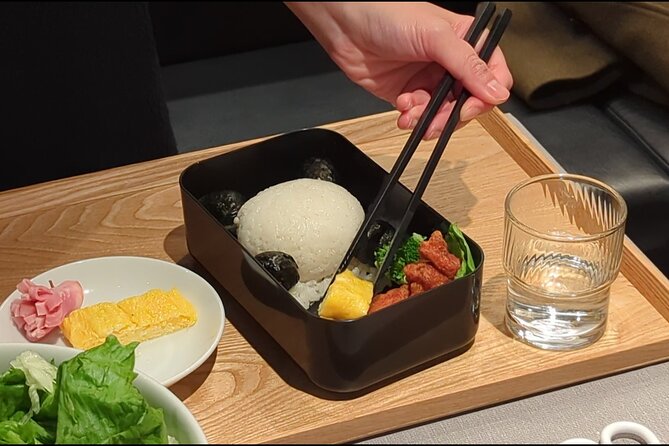
- You make a character bento by hand: Panda, bear, frog, dog, hearts, flowers, and seasonal designs may be available.
- The class runs in English: Instructions, demonstrations, and help are provided throughout the workshop.
- The food is prepared for creative assembly: You focus on shaping, arranging, and decorating rather than starting with a bare kitchen.
- Vegetarian, vegan, and allergy requests can be accommodated: Tell the provider when you book, especially for no-nut or no-milk needs.
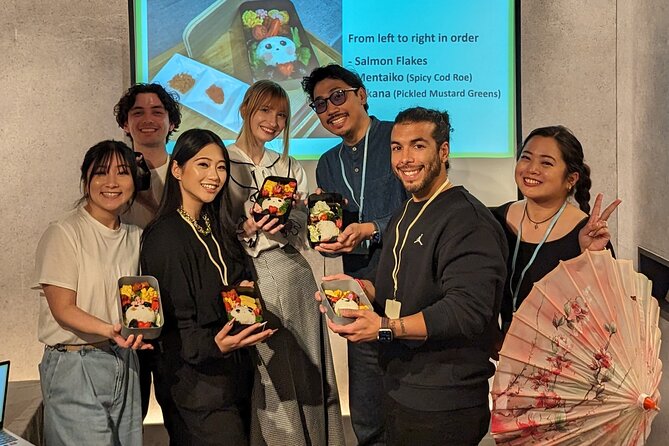
- You get a proper photo session: Backdrops and lighting let you record the finished bento before you eat it.
- The group is capped at 12 people: That keeps the class fairly small for a practical activity.
Why a cute bento class works so well in Tokyo
Tokyo offers endless food tours, market tastings, and restaurant meals. This class gives you something different: you do not just eat Japanese food, you learn how care and design go into a familiar lunch.
Bento is more than food packed into a box. Shape, color, spacing, and portion size all matter. A simple rice ball can become a panda face, while vegetables, omelet, and other prepared items turn into flowers, hearts, or small character parts. The result is playful, but the process also shows the patience behind a well-made Japanese lunchbox.
I especially like that the class does not require advanced cooking skills. The ingredients and tools are supplied, and the instructors show examples on screen and guide you through each stage. You can concentrate on the creative work without worrying about shopping for unfamiliar ingredients or bringing equipment.
This is also a good break from Tokyo’s long days on foot. The session lasts about two hours, with plenty of seated, hands-on time. It works well on a rainy day, during a slower afternoon, or when you want a food activity that is more relaxed than a packed sightseeing schedule.
Other cooking classes in Tokyo


Finding the studio in Akasaka
The meeting point is Tokyo Cute Bento Japan at 2-chome Akasaka, Minato City, Tokyo 107-0052. The class takes place on the basement level beneath a ramen shop, so do not expect a prominent street-front cooking school.
That detail matters. Give yourself extra time to locate the entrance, and check the meeting information carefully before setting out. One person had difficulty finding the place, while others described the facilities as modern and pleasant. The studio is near public transportation, but the exact approach can still take a little attention in central Tokyo.
Once inside, the space is set up for a small workshop rather than a large commercial kitchen. Ingredients and tools are ready, and the class can be conducted entirely in English. The maximum group size is 12, which should give you a reasonable chance to ask for help without losing the personal feel of the lesson.
The first 15 minutes: bento culture before the food art
The class begins with about 15 minutes on Japanese bento culture. This short introduction gives the activity some context before you start cutting and shaping.
That opening is useful because it explains why a bento can be both practical and carefully arranged. You begin to see the lunchbox as a small composition, not merely a container for leftovers. The character design adds a modern, kawaii twist to a tradition that is often associated with neat portions and attractive presentation.
Do not expect a long lecture. The class is built around making things, so the cultural background stays brief. That is a good balance for most people. You get enough context to understand what you are doing, then move on to the part you came for.
For families, this introduction helps children connect the activity to Japanese daily life. For adults, it adds a little substance to what could otherwise feel like simple food decoration.
The 60-minute character bento workshop

The main section lasts about an hour. This is when you assemble the prepared ingredients into your chosen design, using tools and demonstrations supplied by the instructors.
The process is beginner-friendly, but it still rewards care. Character faces depend on small details and placement. A panda or frog may look simple in a photograph, but getting the eyes, ears, and other pieces in the right position takes patience. The instructors use step-by-step images and offer help as you work, so you are not left guessing.
Kenji is frequently involved in teaching, and Mami and Saori also lead sessions. Their teaching style is warm and encouraging, with plenty of attention for people who are making bento for the first time. You can ask questions as you go, and the instructors aim to make the work feel easy rather than intimidating.
The ingredients are prepared in advance, which keeps the class moving and makes sense for a two-hour session. You are not spending most of your time waiting for rice to cook or vegetables to cool. Instead, you learn the practical art of shaping and arranging.
Past class designs have included:
- Panda
- Bear
- Frog
- Dog
- Hearts
- Flowers
- Seasonal character themes
The exact design may vary. That is worth keeping in mind if you have your heart set on one particular character. The focus is on learning techniques that you can repeat at home, not on guaranteeing a single fixed menu.
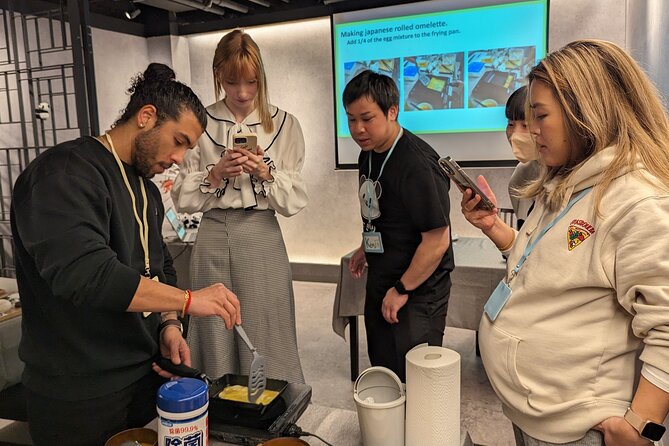
Some sessions include extra touches, such as a demonstration of Japanese rolled omelet. This is not clearly promised as part of every booking, so treat it as a possible bonus rather than a standard feature. Still, the omelet lesson adds a useful skill because rolled egg is a classic bento component and one of the more practical things to recreate in your own kitchen.
What you actually learn and take home
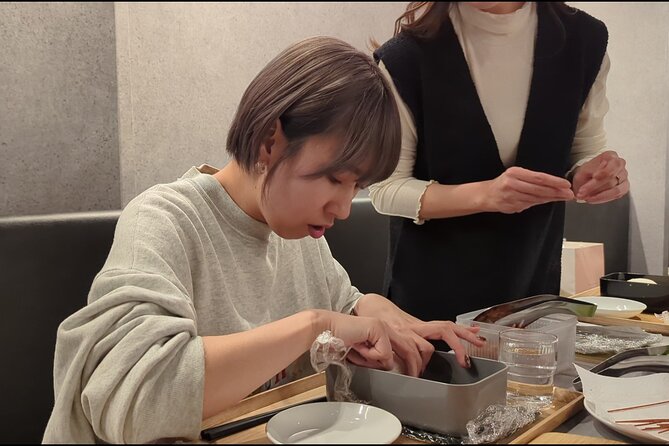
This is not a full Japanese cooking course. You will not leave with a long menu of dishes or professional knife skills. What you do gain is more focused and, for many people, more useful: a method for making attractive bento details from simple ingredients.
You learn how to:
- Arrange food so the box looks balanced
- Form ingredients into recognizable characters
- Make small decorative elements such as flowers and hearts
- Use prepared components in a tidy lunchbox
- Add personality to a meal without complex recipes
The best part is that the skill can travel home with you. You can adapt the ideas to ingredients available in your own kitchen, even if your first homemade panda is less precise than the one made in class. The techniques are simple enough to practice again, and the class gives you a visual model to follow.
You also get to keep the bento box, according to the experience details shared by the provider and past participants. That makes the class more than a meal. The box becomes a practical souvenir, and you can use it later for breakfast, lunch, or another attempt at food art.
Other cooking classes in Tokyo


The 15-minute photo session
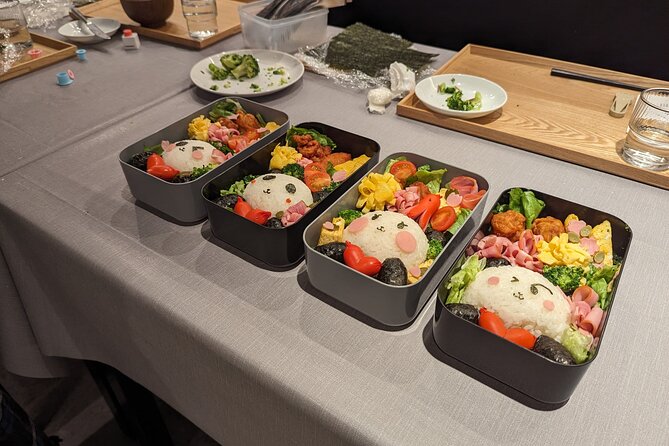
After the bento is assembled, the class sets aside around 15 minutes for photographs. This is one of the strongest details of the experience.
A finished character bento is made for the camera. The class provides backdrops and lighting, so you are not forced to balance your lunchbox beside a dim restaurant table while trying to take a quick phone picture. You can photograph the design properly, and the instructors also take pictures as the project develops.
That progress record is especially nice for families and couples. You see the food go from separate prepared pieces to a recognizable character. Children can show the finished result to friends, while adults get a polished souvenir of a slightly unusual Tokyo afternoon.
The photo session also gives you a moment to admire the work before eating it. You may feel a small pang when the panda meets your chopsticks. Fortunately, the next part solves that problem.
The final 30 minutes: eating your own creation
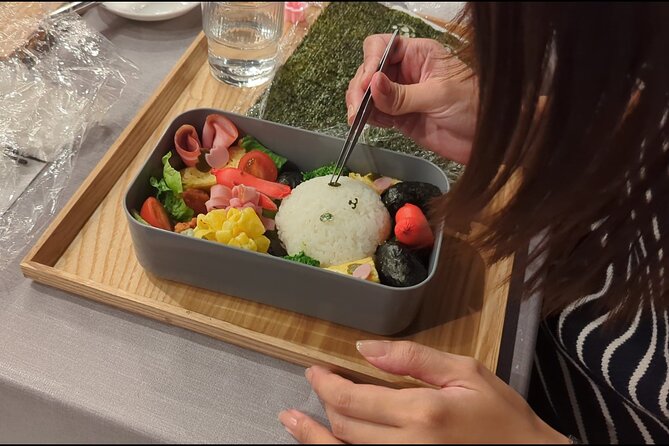
The last half hour is set aside to enjoy the bento. This is not just a photo prop. The food is meant to be eaten, and the class gives you time to do that at the same meeting point.
That closing meal changes the feel of the workshop. You are not simply attending a craft lesson and carrying home an object. You have made lunch, and you get to taste the result while the techniques are still fresh in your mind.
The food has also earned praise for being tasty as well as cute. That balance matters. Some novelty food experiences focus so heavily on appearance that flavor becomes an afterthought. Here, the goal is an edible character bento, not a decoration that looks good and disappoints at the table.
You may also leave with a new appreciation for the work behind a carefully packed lunch. Even a small bento can require planning, shaping, and a surprising amount of attention.
Dietary needs and food restrictions
Vegetarian and vegan options are available, and the team can accommodate allergies, including no-nut and no-milk requests. You must tell the provider about dietary restrictions at the time of booking.
That early notice is important. The class uses prepared ingredient sets, so the team needs time to adjust what is provided. Do not wait until you arrive to mention a serious allergy.
The experience is a good choice for people who often worry about joining food classes abroad. The team has handled vegetarian and vegan requirements and has worked to help people with allergies take part safely. Still, you should communicate clearly and confirm your needs before the class.
Is the class good for children and adults?
The class suits families, teenagers, couples, friends, and solo participants. The creative side gives children a clear task, while adults can enjoy the cultural context, food design, and relaxed pace.
Very young children may need close help with small pieces and tools. One comment also suggested that the class may be better for older children than for very small ones. The experience information does not set a minimum age, so check directly if you are booking for toddlers or preschoolers.
Older children and teenagers are likely to enjoy choosing a character and seeing the finished design take shape. Adults should not assume the activity is only for kids. The food art has enough detail to keep an adult interested, especially if you enjoy crafts, Japanese food, photography, or cooking.
Solo visitors can also fit in comfortably. A small group and attentive instructors help the class work even if you arrive alone. You still have a clear project to focus on, and the photography gives you a record of the afternoon.
How the $66.07 price measures up
At $66.07 per person, this is not the cheapest lunch in Tokyo. You could eat a filling convenience-store bento for a small fraction of the cost. That is not the right comparison, though.
You are paying for a two-hour guided activity, ingredients, equipment, cultural explanation, instruction in English, photography time, and the chance to keep the bento box. The value is strongest if you want a memory-making activity rather than just a meal.
It also compares well with other hands-on food classes if you care about a small group and a finished product. You leave with food to eat, photographs, and a repeatable skill. For families, the shared activity can be worth more than another restaurant stop, especially on a rainy day.
The value is weaker if you dislike crafts, do not care about cute food, or want a serious cooking lesson with lots of recipes. This class is about character bento design, not mastering an entire Japanese menu.
Timing, transport, and cancellation details
The class lasts approximately two hours and ends at the same place where it begins. The meeting point is near public transportation, and mobile tickets make it easy to keep the booking on your phone.
Build in a little time to find the basement entrance. The location beneath a ramen shop is part of the practical charm, but it can also make the first arrival less obvious.
Free cancellation is available if you cancel at least 24 hours before the scheduled start time. Cancellations made less than 24 hours in advance are not refunded, and changes inside that period are not accepted. The cut-off follows local Tokyo time.
Service animals are allowed. The maximum group size is 12 people.
Who should book this Tokyo activity?
I would choose this class if you want:
- A hands-on alternative to a standard food tour
- A family activity with a clear creative goal
- A relaxed indoor plan for rain or a walking break
- An English-language introduction to bento culture
- A souvenir you can use at home
- A chance to make photos worth saving
- A food activity that works for vegetarian or vegan diners
I would skip it if you want a serious chef-led course, a market visit, or a large meal with many separate dishes. The class is narrow by design. You make one character bento, learn a few food-art methods, photograph it, and eat it.
Should you book Tokyo Cute Bento?
Yes, if the idea of making a panda, frog, bear, or other character lunchbox sounds more appealing than another hour of sightseeing. The combination of patient instruction, prepared ingredients, and a proper photo setup makes the class easy to enjoy even if your cooking skills stop at boiling water.
Book with realistic expectations. You are learning bento decoration and assembly, not taking a full culinary course. Allow extra time to find the basement studio, report dietary needs when booking, and accept that the exact character design may vary.
For families, creative adults, solo visitors, and anyone who wants a small piece of Japanese food culture to take home, the price is fair. Your reward is not only a cute lunch. It is the ability to make your next lunch a little more fun.
FAQ
Where does the Tokyo Cute Bento class take place?
The meeting point is Tokyo Cute Bento Japan at 2-chome Akasaka, Minato City, Tokyo 107-0052. The studio is on the basement level beneath a ramen shop.
How long does the class last?
The activity lasts approximately two hours.
What happens during the class?
The schedule includes about 15 minutes of introduction to bento culture, 60 minutes of hands-on bento making, 15 minutes for photographs, and 30 minutes to enjoy the meal.
Is the class taught in English?
Yes. The workshop can be conducted entirely in English.
Are vegetarian and vegan options available?
Yes. Vegetarian and vegan menus can be arranged. Tell the provider about your preference when booking.
Can the class accommodate allergies?
Yes. Allergy requests can be accommodated, including no-nut and no-milk options. Share your restrictions at the time of booking.
What character designs can I make?
Possible designs include panda, bear, frog, dog, hearts, flowers, and seasonal themes. The available design may vary by session.
Are ingredients and tools provided?
Yes. The class provides all ingredients and tools, along with clear instructions.
What is the cancellation policy?
You can cancel for a full refund up to 24 hours before the experience starts. Cancellations or changes made less than 24 hours before the start time are not accepted for a refund.
More Workshops & Classes in Tokyo
More Cooking Classes in Tokyo
More Cooking Classes in Tokyo
More tours in Tokyo we've reviewed












Cooking Classes, compared.
 ★ 5.0Ramen & Gyoza Cooking Class in Tokyo with Local Supermarket VisitFrom $122
 ★ 5.0Ramen and Sushi Cooking Class with Sake Pairing Set in TokyoFrom $79
 ★ 4.9Tokyo: Wagyu and 7 Japanese Dishes Cooking ClassFrom $673 hours
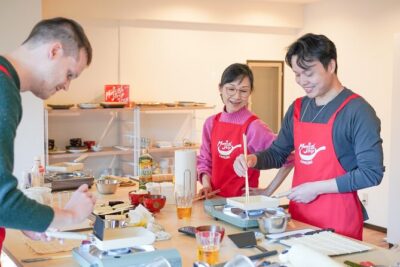 ★ 5.0Tokyo Washoku 4-hour Cooking Class: From Market to TableFrom $79
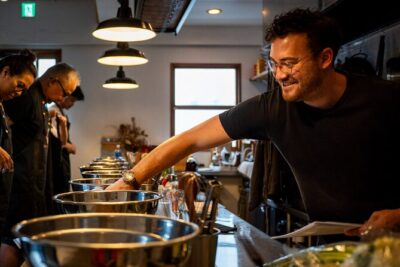 ★ 5.0Professional Ramen & Gyoza with Ramen Chef in a restaurant!From $159
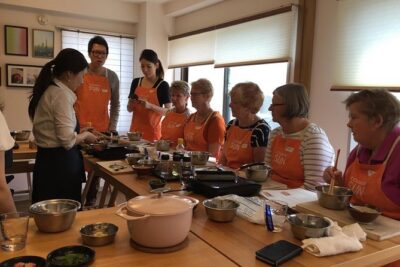 ★ 5.0Small-Group Wagyu Beef and 7 Japanese Dishes Tokyo Cooking ClassFrom $72