Reviewed · MT FUJI DAY TRIPS
Mount Fuji Customizable one day Private Guided Tour from Tokyo
Mount Fuji is best seen from several angles, and this private day trip from Tokyo gives you the wheels to do just that. In roughly 9 to 10 hours, you can visit mountain villages, lakeside parks, shrines, a pagoda viewpoint, and the 5th Station without working out Japan’s complex regional bus connections.
In This Article
- Key points to know before booking
- Why a private Mount Fuji day makes sense from Tokyo
- Saiko Iyashi no Sato Nemba and its thatched houses
- Oshino Hakkai, eight spring ponds and local snacks
- Lake Kawaguchiko, the day’s main scenic anchor
- Kitaguchi Hongu Fuji Sengen Shrine and the spiritual side of Fuji
- Arakurayama Sengen Park and the 398-step climb
- Oishi Park and seasonal flowers beside the lake
- Mount Fuji 5th Station at 2,300 meters
- How much can you really cover in 9 to 10 hours?
- What kind of guide should you expect?
- Price, group size, and what you still pay
- Weather, closures, and the best backup plan
- Who should book this Fuji tour?
- Should you book it?
- FAQ
- Where does the Mount Fuji private tour start?
- How long does the tour last?
- How many people can join the private tour?
- Is transportation included?
- Are meals and entry fees included?
- Can I customize the stops?
- What happens if bad weather cancels the tour?
- What is the cancellation policy?
I like the hotel pickup and private car, especially for families or groups carrying shopping bags, strollers, or tired children. I also like the freedom to change the plan around cloud cover, crowds, or personal interests. The catch is that this works more reliably as a private driving service with local help than as a classic walking tour, and traffic can force you to cut stops.
Key points to know before booking
- A private car makes a huge difference: You avoid several train and bus changes between Tokyo, the Fuji Five Lakes area, and possible Hakone stops.
- The day can be adjusted: Guides such as Ali, Babar, Fahad, Imran, Mohsin, Pomi, and Zubair are associated with especially helpful service, though your assigned guide may differ.
- Seven stops are listed: The route includes Saiko Iyashi no Sato Nemba, Oshino Hakkai, Lake Kawaguchiko, a Fuji shrine, Arakurayama Sengen Park, Oishi Park, and Mount Fuji 5th Station.
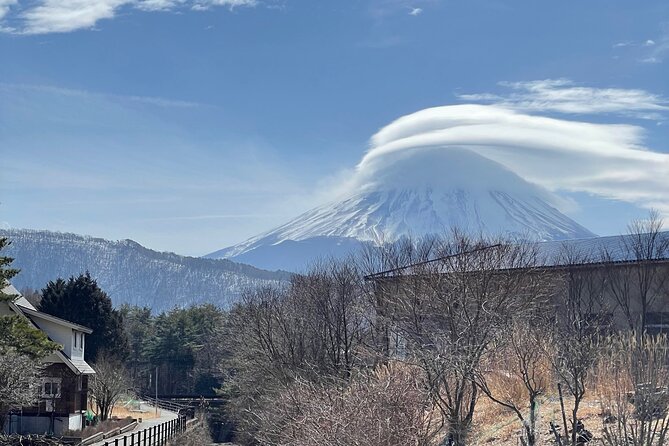
- Clear weather matters: Clouds can hide Fuji, and the 5th Station may close because of weather, road conditions, or work.
- The price is per vehicle: At $435 for up to six people, the cost becomes more reasonable when shared by a family or small group.
- Expect a full day, not a relaxed mountain retreat: The route is ambitious, and Tokyo traffic or crowds may mean dropping one or two stops.
Why a private Mount Fuji day makes sense from Tokyo
Mount Fuji is close enough to tempt you into a quick side trip, but far enough away to make public transport tiring. You may need a train, a local bus, and another connection just to reach one viewpoint. Then you still need to move between the lake, shrine, village, and mountain road.
Here, the driver picks you up at a convenient Tokyo location around 8:30 am and handles the long stretches. The vehicle is air-conditioned, privately reserved for your group, and covered for fuel and toll charges. That lets you spend your energy looking out the window instead of decoding departure boards.
The private format is also useful for families. One group found the flexible schedule helpful on a last day in Japan when the children were tired. A guide can shorten a stop, shift the order, or suggest another place if the mountain disappears behind clouds.
Still, keep the promise of customization in perspective. You can request changes, but a private car cannot beat a traffic jam. The drive from Tokyo can become slow, especially during cherry blossom season or on busy weekends. A good driver will help you make sensible choices, but you should not expect every listed stop to receive a full hour.
A few more Tokyo tours and experiences worth a look
Saiko Iyashi no Sato Nemba and its thatched houses
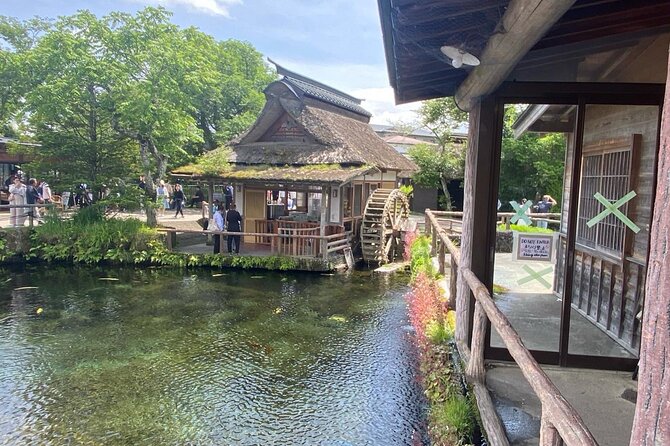
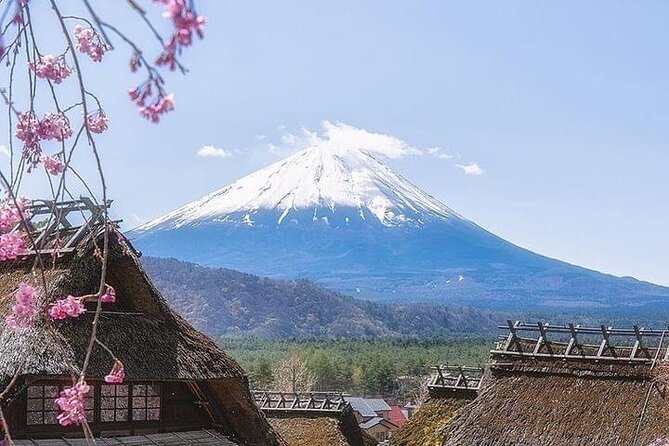
This old village is one of the most distinctive stops on the western side of Lake Saiko. More than 20 traditional thatched-roof houses line the site, with some used for exhibitions and small museums.
You get about 90 minutes here, which gives you time to walk between the buildings and look at the displays. The setting offers a quieter contrast to the famous Fuji photo spots, and the reconstructed village gives the day a stronger sense of rural Japan.
Admission is extra, so ask your driver about the current cost before you enter. If your main goal is a clear Fuji photograph, the village may be less important than Oishi Park or Arakurayama Sengen Park. If you enjoy old architecture and local customs, it is worth protecting time for.
Oshino Hakkai, eight spring ponds and local snacks
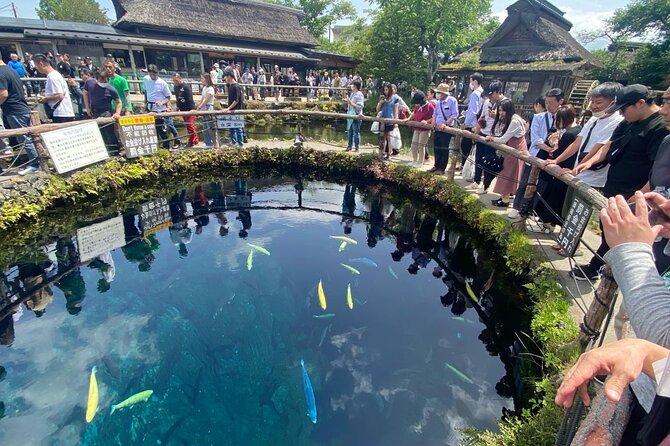
Oshino Hakkai is a traditional village built around eight spring-water ponds. Koi swim in the clear water, while small shops and food stalls sell souvenirs and local treats.
The stop is listed at 90 minutes, with no admission fee. That is enough time to stroll around, take photographs, and try a snack without feeling rushed. It is also an easy place to add a simple meal, though food is not included in the tour price.
The charm here comes from the mix of water, old-style buildings, and views toward Fuji when the sky is clear. It is not a large museum or a formal guided attraction. You will get the most from it by wandering, sampling something from a stall, and asking your driver which corners are worth your time.
Lake Kawaguchiko, the day’s main scenic anchor
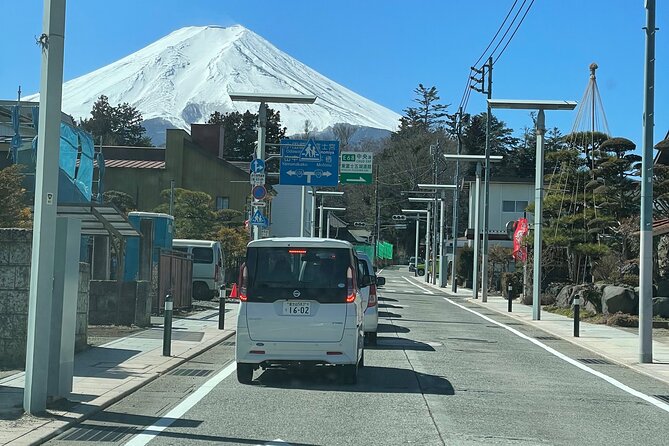
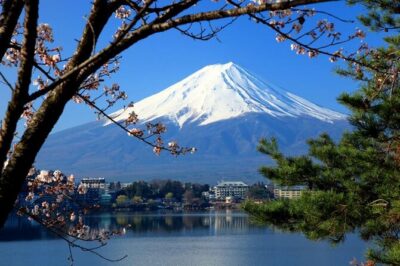
Lake Kawaguchiko is the largest and most developed of the five lakes associated with Mount Fuji. Its northern shore gives you some of the classic views: water in the foreground, Fuji rising behind it, and seasonal flowers along the shoreline.
The planned stop lasts about 90 minutes, but this is one place where optional activities can quickly change the schedule. A 30-minute scenic boat ride is available, and the Kachi Kachi ropeway offers a higher view over the lake and nearby city. Entry fees for these activities are extra.
I would not try to fit every optional ride into a day that already includes seven stops. Pick the activity that best suits your group. The boat is easy for anyone wanting a restful view from the water, while the ropeway makes more sense if your priority is a broad photograph.
Clouds can erase the famous mountain view, but the lake remains a pleasant stop. One group chose other temples and Owakudani when visibility was poor, which is exactly the sort of adjustment that makes a private tour useful.
Kitaguchi Hongu Fuji Sengen Shrine and the spiritual side of Fuji
Kitaguchi Hongu Fuji Sengen Shrine is a short 30-minute stop, but it adds cultural depth to a day otherwise centered on scenery. It is one of roughly 1,300 Asama shrines in Japan connected with the deity of volcanoes, particularly Mount Fuji.
The shrine forms part of the Mount Fuji UNESCO World Cultural Heritage designation made in 2013. You can see it as more than a quick photo stop: this is a place tied to worship and the traditional routes used by people heading toward the mountain.
Thirty minutes is enough for a brief visit, though not a slow, detailed exploration. If your driver-guide explains the shrine’s role, the stop becomes much more meaningful. If you are left to walk through on your own, take a moment to notice the approach, gates, trees, and religious details rather than rushing straight to a photograph.
Other guided tours in Tokyo


Arakurayama Sengen Park and the 398-step climb
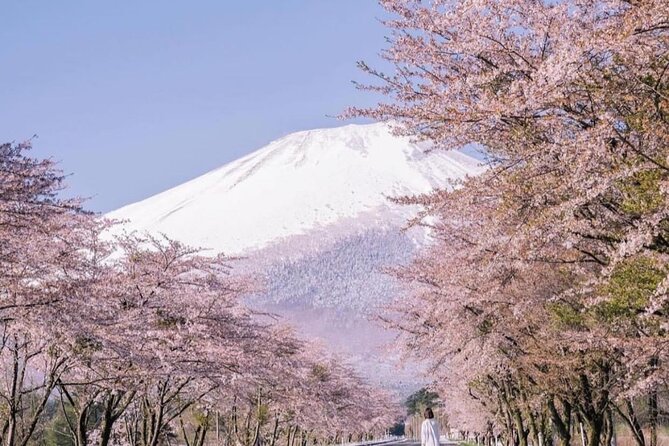
This is the postcard stop. A five-story red pagoda faces Mount Fuji from the hillside, creating one of the most recognizable views in the region.
The price is attractive because admission is free. The physical cost is the climb: you need to go up 398 steps to reach the main viewpoint. The tour allows about 90 minutes, so you should have time for the ascent, photographs, and a short rest.
The steps are the main consideration for older visitors, anyone with knee problems, and parents carrying small children. The driver may take you to the entrance, but you will need to manage the climb on foot. It is wise to wear shoes with a firm grip and save some energy for this stop.
If Fuji is hidden, the pagoda and surrounding town still create a worthwhile view, but the scene loses its most famous element. Ask your guide about the weather before committing a large part of the day here.
Oishi Park and seasonal flowers beside the lake
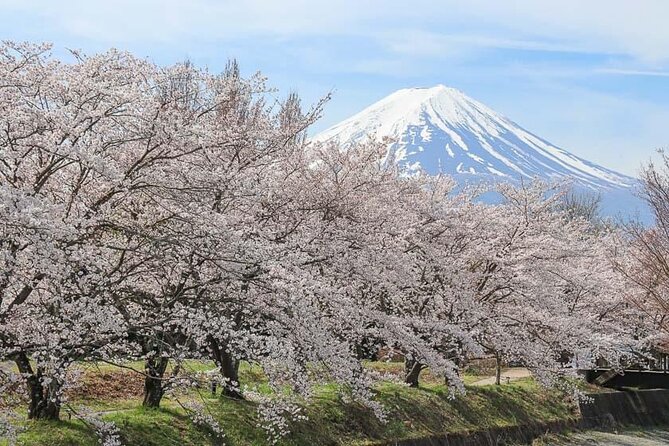
Oishi Park sits on the northern shore of Kawaguchiko, where you can see the lake and Mount Fuji together. A promenade follows the water, with flowers changing through the seasons.
The stop is only 30 minutes, so treat it as a focused viewpoint rather than a long park visit. It is an excellent place for a quick photograph, a short walk, and a breath of fresh air between longer drives.
The park is also known for the Kawaguchiko Herb Festival in early summer. The festival is not guaranteed to coincide with your visit, so check the timing if seasonal events matter to you. Even without an event, the flower beds add color to the mountain view when Fuji decides to appear.
Mount Fuji 5th Station at 2,300 meters
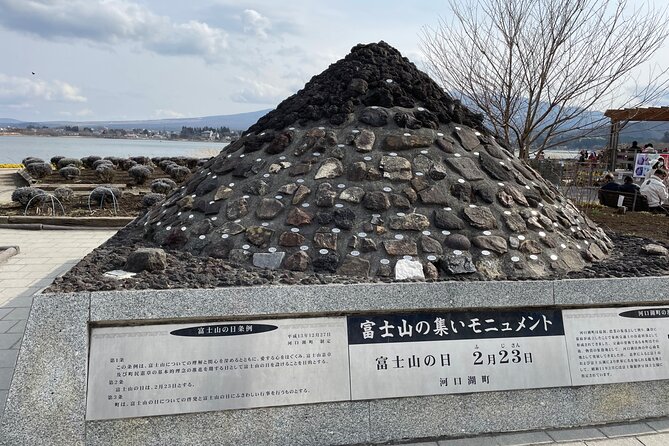
The 5th Station is the highest point on this route, at about 2,300 meters. It offers views toward the summit and Fujiyoshida City, and it is the closest the standard drive gets to the upper mountain.
Two hours are allotted here, making it the longest stop. That sounds generous, but the road itself can take time, and access is not guaranteed. Weather, snow, road conditions, seasonal rules, or construction can close the station.
One disappointing experience came from learning about a closure only after asking near the end of the day. This is a useful warning: confirm the 5th Station’s status at pickup, not after visiting every other stop. If it is closed, ask for a replacement plan while there is still time to use the day well.
The 5th Station is not the best place to expect a full climb of Fuji. It is a high viewing and access point, not a summit excursion. Conditions can also feel colder and thinner than in Tokyo, so carry a layer even in warmer months.
How much can you really cover in 9 to 10 hours?
The advertised route adds up to about eight hours of stop time before counting the drive from Tokyo, movement between sights, meals, traffic, and optional activities. That means the full list is an ambitious target, not a leisurely promise.
You may be able to visit all or nearly all of the listed places on a quiet day with good roads. On a busy day, you will probably need to choose. A practical plan might prioritize Arakurayama, Lake Kawaguchiko, Oshino Hakkai, and either the 5th Station or Saiko Iyashi no Sato Nemba.
Start times can sometimes be adjusted to beat traffic. Babar, for example, arranged an earlier complimentary start for one group. Do not assume this is automatic, but ask before the day begins. An early departure can matter more than squeezing an extra 20 minutes from a later stop.
Your guide may also suggest a different order based on cloud cover. That is one of the strongest reasons to book privately. Fuji views are not scheduled like a train. If the mountain is visible in the morning, go to the best viewpoint first instead of following a rigid sequence.
What kind of guide should you expect?
The service depends heavily on the individual driver-guide. Some guides, including Ali, Babar, Fahad, Imran, Mohsin, Pomi, and Zubair, received strong praise for clear communication, photography help, safe driving, local suggestions, and flexibility.
Mohsin was especially useful at adjusting timing around the weather and helping with photographs. Babar was praised for changing plans during an unexpected snowstorm and helping locate food and indoor options. Other guides were appreciated for speaking Hindi, which can be a real advantage for guests from the Indian subcontinent.
But the experience is not guaranteed to be a walking tour with a trained historian. Some passengers received little explanation and felt the service was mainly transport from one place to another. English ability and local knowledge may vary by driver.
Set expectations early. Send your preferred stops, mobility needs, meal preferences, and questions about guiding before pickup. At the start, ask how much explanation your guide plans to provide and confirm which stops are realistic. That simple conversation can prevent disappointment.
Price, group size, and what you still pay
The cost is $435 per group of up to six people, not $435 per person. For six, that works out to $72.50 each before meals and admissions. For two people, the effective cost is much higher, but the privacy and convenience may still beat arranging several separate transport connections.
The vehicle, private transportation, fuel surcharge, and toll tax are included. Meals are not included, and admission charges are extra. The listing also identifies a Mount Fuji admission fee as excluded, but no amount is provided, so ask about the current charge before booking.
Optional Lake Kawaguchiko activities, such as the scenic boat and Kachi Kachi ropeway, also require extra payment. The village and 5th Station have admission charges listed as not included, while Oshino Hakkai, the shrine, Arakurayama Sengen Park, and Oishi Park are listed as free.
The value is strongest for a group that wants door-to-door travel and control over the day. It is weaker if you want a slow, highly narrated cultural tour or only care about one Fuji viewpoint.
Weather, closures, and the best backup plan
Fuji is often hidden by cloud, and this is the tour’s biggest uncontrollable factor. You may have a terrific day around the lakes and villages without seeing the summit clearly.
The provider requires good weather and can cancel the experience if conditions are poor. In that case, you are offered another date or a full refund. If the tour runs but the mountain is hidden, the private format lets you swap viewing stations for shrines, temples, villages, or Owakudani if your driver can arrange the change.
Ask for a backup plan before leaving Tokyo. You will enjoy the day more if you see it as a visit to the Fuji region, not as a guaranteed photograph of the summit.
Free cancellation is available up to 24 hours before the start time. Changes made inside that 24-hour window are not accepted, and the local time cutoff applies.
Who should book this Fuji tour?
I would choose this for a family, a group of friends, or anyone who values convenience over the lowest possible price. It suits people who want to see several sides of Fuji in one day and do not want to manage buses between scattered sights.
It is also a good choice for a final Tokyo day when you want hotel pickup and a planned return. The driver can keep an eye on the clock, though you should still allow room for traffic if you have an evening reservation.
I would hesitate if your priority is detailed history at every stop. In that case, ask directly for an English-speaking guide with strong local knowledge, and confirm what guiding is included rather than assuming the driver will escort you everywhere.
Should you book it?
Book this tour if you want a comfortable private ride, a flexible schedule, and a broad sampler of Fuji’s lakes, villages, shrines, and viewpoints. The 4.9 rating from 126 reviews and 98 percent recommendation figure reflect the many strong experiences, especially when the assigned guide communicates well and adapts to conditions.
Do not book it expecting a guaranteed summit view, a relaxed pace at every stop, or a full lecture at each site. Send your priorities in advance, confirm the 5th Station status that morning, ask about guide language and explanations, and be ready to drop a stop if traffic turns ugly. With those expectations, this is a practical way to see far more of the Fuji area than public transport usually allows.
FAQ
Where does the Mount Fuji private tour start?
The tour starts with pickup from a convenient location in Tokyo. The stated start time is 8:30 am.
How long does the tour last?
The experience lasts approximately 9 to 10 hours.
How many people can join the private tour?
The price covers one private group of up to six people. Only your group participates.
Is transportation included?
Yes. An air-conditioned vehicle, private transportation, fuel surcharge, and toll tax are included.
Are meals and entry fees included?
No. Meals cost extra, and admission fees are not included. The listed price also excludes the Mount Fuji admission fee.
Can I customize the stops?
Yes. The tour is designed to be customizable, and the available stops include Oshino Hakkai, Kitaguchi Hongu Fuji Sengen Shrine, Mount Fuji 5th Station, Lake Kawaguchiko, Oishi Park, Arakurayama Sengen Park, and Saiko Iyashi no Sato Nemba.
What happens if bad weather cancels the tour?
If poor weather causes the experience to be canceled, you can choose another date or receive a full refund.
What is the cancellation policy?
You can cancel up to 24 hours before the start time for a full refund. Cancellations or changes made less than 24 hours before the start time are not accepted for a refund.
More Private Tours in Tokyo

More Guided Tours in Tokyo
More Mt Fuji Day Trips in Tokyo

More tours in Tokyo we've reviewed












Mt Fuji Day Trips, compared.
 ★ 5.0Mt Fuji and Hakone 1-Day Bus Tour Return by Bullet TrainFrom $163
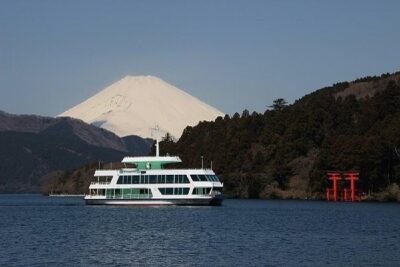 ★ 4.0Mt Fuji & Hakone Cruise, Drum Show Bullet Train 1 Day from TokyoFrom $149
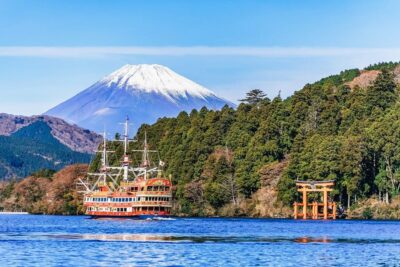 ★ 4.4Tokyo Mt Fuji 5th St & Hakone Cruise Bus Tour w/Bullet TrainFrom $15410 hours
 ★ 4.5From Tokyo: Mount Fuji Full-Day Sightseeing TripFrom $6810 hours
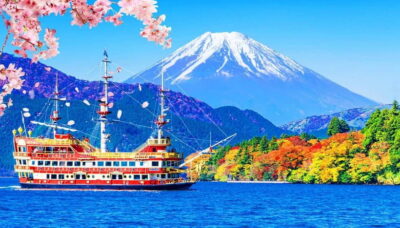 ★ 4.7Tokyo: Mt. Fuji Tour, Hakone Ropeway, Owakudani, Lake AshiFrom $5410 hours
 ★ 4.4Tokyo:Mt.Fuji,Kawaguchiko Oishi Park,Arakurayama Sengen ParkFrom $5410 hours